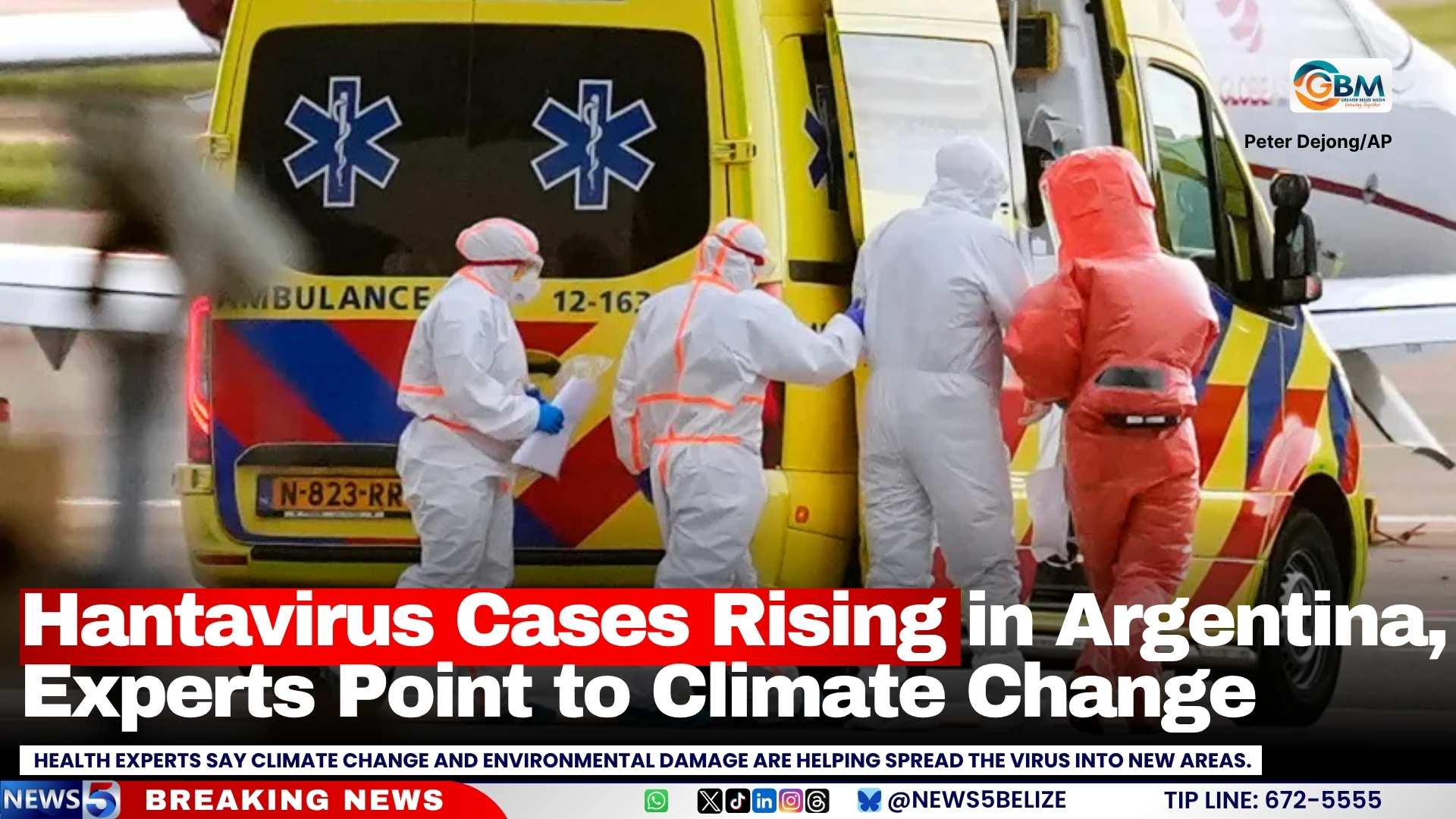
As of the 2026 monitoring season, Argentina is facing an unprecedented jump in hantavirus infections and fatalities that has sparked public health concern across South America and beyond. National health authorities have confirmed 101 cases and 32 deaths so far this year, figures that are nearly double the total recorded across all of 2025. This marks the highest case count the country has seen since the 2018 outbreak, according to CNN reporting.
Beyond local transmission, public health agencies are investigating a small cluster of infections linked to the cruise ship MV Hondius, which has been sailing through the ports of Argentina, Chile, and Uruguay. Two Dutch tourists who embarked on the vessel after traveling through multiple South American nations later died from hantavirus complications. The cruise ship is currently en route to the Canary Islands, Spain, with international health authorities coordinating response measures ahead of its arrival this weekend.
Leading epidemiologists and environmental health experts point to climate change and widespread environmental degradation as key driving factors behind the expanding spread of hantavirus. The virus, which is primarily carried by wild rodents, typically spreads to humans through direct contact with infected rodent urine, feces, or contaminated materials. Experts explain that shifting climate patterns including rising average temperatures, extreme rainfall events, prolonged droughts, and more frequent severe forest fires are altering natural rodent habitats, forcing the animals to move into populated areas and increasing the frequency of close encounters between rodents and humans.
Most of the 2026 confirmed cases have been concentrated in central Argentina, particularly across Buenos Aires province, where public health teams have ramped up surveillance and public education campaigns. To clear widespread public confusion, experts have emphasized that the current hantavirus outbreak is fundamentally different from the COVID-19 pandemic. The Andes hantavirus strain connected to the MV Hondius cluster is only capable of human-to-human transmission through extremely close, prolonged contact, making large-scale community transmission extremely unlikely.
The World Health Organization has issued a public reassurance for residents of the Canary Islands, noting that the overall public health risk posed by the arriving cruise ship remains very low. Further afield, Belize’s Ministry of Health and Wellness confirmed this week that it is actively monitoring the outbreak situation, maintaining close communication with the Caribbean Public Health Agency (CARPHA) and other global and regional health partners. For the Caribbean region as a whole, the current risk of widespread hantavirus transmission remains low, according to official statements.
In its official statement released Wednesday, CARPHA noted that it will continue supporting safe travel and tourism across the Caribbean through strengthened disease surveillance and early response systems, working closely with member nations to mitigate any emerging public health risks.