
As Prostate Cancer Awareness Month draws to a close, the Jamaica Observer conducted a street survey in New Kingston to gauge public sentiment on prostate cancer screening. Prostate cancer remains the most prevalent cancer in Jamaica, with 1,561 new cases reported in 2020. Early detection through screening methods, such as digital rectal examinations and prostate-specific antigen (PSA) blood tests, is crucial for effective management. In Jamaica, screening is recommended starting at age 40. However, public attitudes toward these screenings vary widely. Many respondents expressed positive views, emphasizing the importance of health checks. One individual stated, ‘You have to feel good about checking your health to know what’s going on in your system.’ Another older participant added, ‘I have no reservations; it’s about knowing your health status.’ Yet, discomfort and stigma remain significant barriers. Younger men, in particular, cited ‘comfortability’ as a deterrent, with one admitting, ‘I wouldn’t do it personally.’ Others expressed unease with the digital rectal examination method, with one man stating, ‘I don’t think it’s appropriate for someone to be examining you through your anal.’ An older gentleman noted that age influences acceptance, explaining that younger individuals often associate the procedure with stigma. A woman highlighted societal perceptions, saying, ‘They don’t want to be seen as gay.’ Despite these challenges, most respondents agreed that increased education and open dialogue could help reduce stigma and encourage more men to undergo screening. Many pledged to support others in taking this vital step for their health.
分类: health
-

‘My car became an ambulance’
Latoya Minott Smikle, a mother of five, has turned her personal tragedy into a mission to support others battling sickle cell disease. During her fourth pregnancy, Smikle discovered that her newborn son, Aiden-Jon Amir Hall, had sickle cell anaemia, a severe genetic blood disorder. She also learned that she, her partner, and their three other children were carriers of the sickle cell trait. After a courageous five-and-a-half-year battle, Aiden-Jon passed away in 2022 due to complications from the disease. In his memory, Smikle established the Aiden-Jon Amir Hall Foundation, aiming to raise $1 million this year to provide financial aid to six individuals living with sickle cell disease and to raise awareness about the condition. Smikle’s journey began when she lived next to a family affected by the disease, witnessing their struggles firsthand. She never imagined she would face the same reality. Aiden-Jon’s diagnosis was followed by the shocking revelation that her entire family carried the trait. The disease, which causes red blood cells to become rigid and crescent-shaped, leads to severe pain, anaemia, and organ damage. Smikle’s life became a cycle of late-night hospital visits, financial strain, and emotional turmoil as she cared for her son while balancing work and family responsibilities. She highlighted the lack of empathy and systemic gaps in support for sickle cell patients and their families. The Sickle Cell Unit at the University of the West Indies, Mona, provides essential services but remains underfunded. Smikle’s foundation seeks to address these challenges by offering financial assistance and building a supportive community. She has identified six beneficiaries, including the child of a single father needing surgery. A fundraising dinner in October aims to meet the $1 million target. Smikle believes her son’s life, though short, had a profound impact, and she is determined to continue his legacy by helping others. ‘I want to help someone else’s child live longer and healthier,’ she said, reflecting on her mission to bring hope to those in need.
-

Shift focus from rectal exam for prostate cancer screening, says urologist
A prominent Jamaican urologist, Dr. Colette Antoine, is advocating for a significant shift in prostate cancer screening practices, urging a move away from the traditional digital rectal examination (DRE) towards the prostate-specific antigen (PSA) blood test. Dr. Antoine highlights the DRE’s limited sensitivity in detecting early-stage prostate cancer, emphasizing the PSA test’s superior ability to identify potential issues before symptoms manifest. Prostate cancer remains the leading cause of death among Jamaican men and the most prevalent cancer in the country. The PSA test measures levels of prostate-specific antigen in the blood, with elevated levels often indicating the presence of cancer. In contrast, the DRE involves a physical examination of the prostate through the rectum, which can miss cancers located on the front wall of the gland. Dr. Antoine’s stance aligns with the British Association of Urological Surgeons (BAUS), which recently criticized the DRE as an outdated and ineffective method. Historically, the DRE has been more widely promoted in Jamaica due to its cost-effectiveness compared to the PSA test, which is more expensive. However, Dr. Antoine stresses that combining both tests offers the most comprehensive screening approach. Despite the social stigma surrounding the DRE, particularly in Jamaica where homophobic attitudes are prevalent, urologist Dr. Dean Wong notes that many men privately consent to the exam without hesitation. Dr. Antoine observes that asymptomatic men are increasingly receptive to screening, partly due to her being a woman, while symptomatic men are more likely to agree due to the urgency of their condition. Younger men, in particular, are becoming more proactive, often opting for multiple screenings annually.
-
Antigua and Barbuda issues excessive heat warning
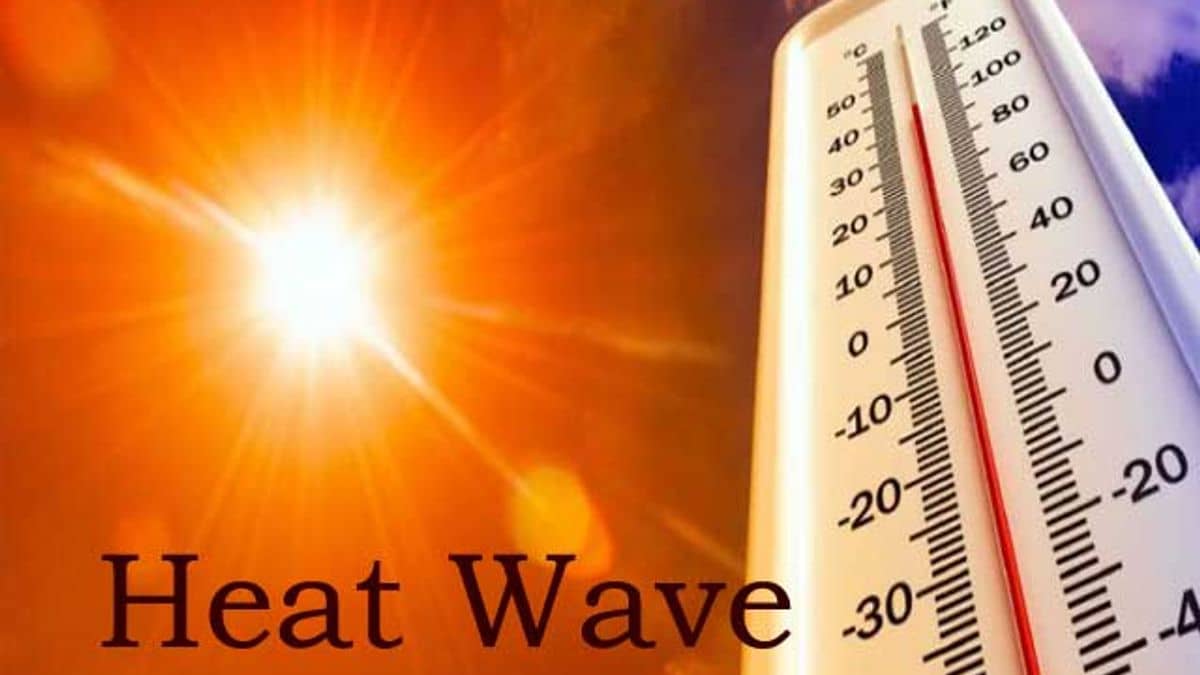
The Antigua and Barbuda Meteorological Service has declared an Excessive Heat Warning as the nation grapples with soaring temperatures. The alert, active daily from 8:30 a.m. to 4:30 p.m. through Sunday, highlights that the heat index could climb to a scorching 43°C (109°F). Light winds provide minimal relief, with the most hazardous conditions anticipated in the early afternoon. Health officials emphasize the severe risks posed by the extreme heat, including heat stroke, and urge immediate medical attention for symptoms such as dizziness, fainting, nausea, rapid heartbeat, and confusion. Vulnerable groups, including the elderly, children, outdoor workers, and individuals with chronic conditions, are particularly at risk. Authorities are advising residents to remain indoors during peak heat hours, wear lightweight clothing, stay hydrated, and check on neighbors who may be vulnerable. Hospitals and clinics are on high alert, while schools and workplaces are being encouraged to limit outdoor activities and ensure access to shade and water. Officials have underscored the gravity of the situation, likening the heatwave’s potential lethality to that of hurricanes or floods. The public is urged to take all necessary precautions to safeguard their health during this extreme weather event.
-

Rain contributes to the spread of various diseases
In the wake of the recent rainy season, health experts are warning of a potential surge in infectious diseases across the country. Dr. Clemente Terrero, an infectious disease specialist at Robert Reid Cabral Hospital, highlights the role of rain in facilitating the spread of harmful microbes that contaminate water, food, and the environment. These contaminants, including viruses, bacteria, and parasites, can lead to severe illnesses such as diarrhea, gastroenteritis, and sepsis—a life-threatening condition. Additionally, increased humidity fosters the growth of fungi, causing skin diseases like athlete’s foot. Atmospheric changes during rainy periods also promote the emergence of new respiratory pathogen strains, further escalating health risks. One of the most concerning diseases linked to stagnant water is leptospirosis, caused by bacteria transmitted through rat urine. This infection is highly lethal and poses a significant threat to public health. Mosquito-borne diseases are another major concern, as rainfall creates ideal breeding grounds for Aedes aegypti mosquitoes, which transmit chikungunya, Zika, and dengue fever—the latter being endemic in the region. Malaria, spread by Anopheles mosquitoes, also sees a rise during rainy seasons. In response, health authorities have issued alerts for over 20 provinces, categorizing them into green, red, and yellow zones based on the severity of the situation.
-
What measures are hospitals taking to deal with the effects of the tropical wave?
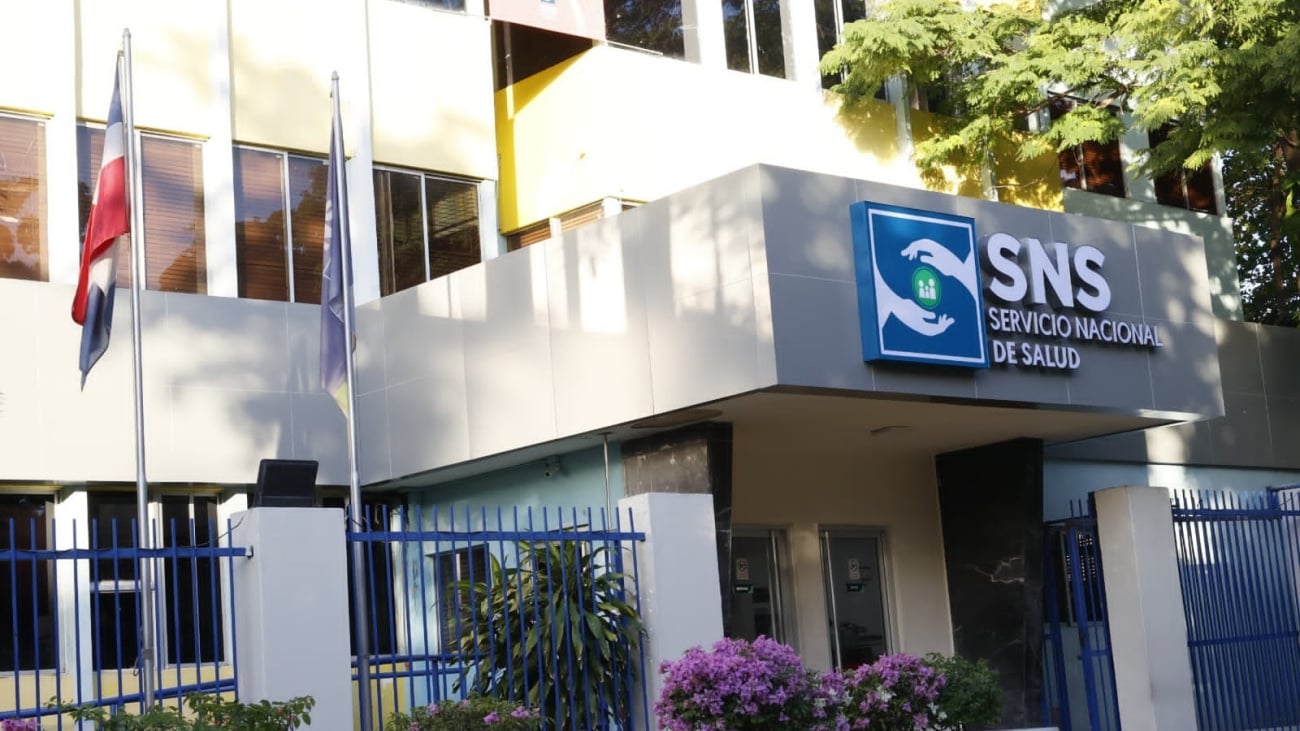
The National Health Service (NHS) announced on Friday that public hospitals across the country have been fortified as a proactive response to the ongoing tropical wave, which has been causing persistent rainfall nationwide. This initiative aims to ensure uninterrupted and high-quality healthcare for the population during this period of heightened weather activity. Yocasta Lara, Director of SNS Hospital Centers, detailed that Emergency and Disaster Committees have been activated in hospitals under the Regional Health Services of Ozama, Valdesia, and El Valle, in alignment with the latest weather advisories. Health centers are intensifying their prevention and preparedness measures, which include thorough cleaning and maintenance of infrastructure, as well as the provision of essential medications, supplies, water, and cleaning materials. Additionally, security has been enhanced in emergency zones, with comprehensive inspections of power plants, water and fuel reservoirs, and the protection of critical medical equipment, computers, and documents. Hospital directors in the affected regions have been directed to commence medical shifts at 2:00 p.m. today. These concerted efforts underscore the NHS’s unwavering commitment to safeguarding public health, particularly during adverse atmospheric conditions that could pose significant health risks.
-

Possible widespread use of reused oils
The Grenada Food and Nutrition Council (GFNC) recently hosted a compelling webinar titled ‘Cooking with Danger: The Health Impact of Reused Cooking Oil in Grenadian Kitchens.’ Held on September 23, 2025, the virtual event attracted 100 participants, including cooks, chefs, healthcare professionals, educators, and entrepreneurs. The session featured insights from National Epidemiologist Larissa Mark and Dr. Ariel Frederick, both Grenadian experts with strong ties to St. George’s University and extensive experience in public health and disease prevention. The webinar aimed to address the widespread but often overlooked risks associated with reusing cooking oil, a practice that can lead to the accumulation of harmful chemicals like polycyclic aromatic hydrocarbons (PAHs), linked to cancers such as lung, breast, and prostate cancer. A poll conducted during the event revealed that 42% of attendees admitted to adding new oil to reused oil, while 24.5% reused oil 2–3 times. GFNC CEO Lydia Browne emphasized the importance of public education and awareness, urging participants to share the information widely. The council also highlighted the need for routine inspections of food establishments to ensure safer cooking practices. The webinar replay is available for those who missed the live session, offering valuable insights into healthier cooking habits and the broader implications of reused oil on public health.
-

Authorities on watch as new livestock threat looms
Barbados has intensified its biosecurity measures following alarming reports of the New World screwworm fly, a highly aggressive livestock parasite, spreading across the Caribbean. The parasite, recently detected in Mexico, poses a significant threat to local herds if it reaches the island. Dr. Mark Trotman, Chief Veterinary Officer, emphasized the urgency of the situation, stating that while Barbados has historically been free of the pest, the regional spread has put the island on high alert. The screwworm fly, which affects both animals and humans, transmits its larvae through open wounds, leading to severe infestations if left untreated. Dr. Trotman assured that there is no risk from importing meat products, such as beef or pork, from the United States, but live animals are under strict scrutiny. Health certifications and thorough inspections are mandatory for imported livestock to ensure they are free of larvae or originate from safe areas. In the event of an infestation, affected animals will be quarantined and treated rather than denied entry or euthanized. Dr. Trotman warned that the parasite could devastate Barbados’ livestock industry, particularly sheep, goats, and pigs, if it gains a foothold. He urged vigilance among farmers and veterinarians to report any unusual maggot infestations in wounds, as the screwworm fly lays eggs in fresh wounds, unlike typical maggots that target decomposing flesh. Human infections, though treatable, require aggressive intervention if larvae burrow into the flesh. Dr. Trotman emphasized that maintaining clean wounds in both animals and humans is the cornerstone of prevention.
-

Professor warns of rising mental health risks linked to AI and social media
Barbados is witnessing growing concerns over the rise of associative disorders among young people, attributed to excessive use of artificial intelligence (AI) and social media. Professor Dwayne Devonish, a specialist in management and organizational behavior, has issued a stark warning about the potential consequences of overreliance on technology. Speaking at the Small Business Association’s Youth Forum at the Lloyd Erskine Sandiford Centre on Thursday, Devonish emphasized that such dependence could exacerbate loneliness, impair cognitive function, and expose individuals, particularly young adults and teenagers, to significant privacy risks.
-
Excessive Heat Warning in Effect for Antigua and Barbuda Until Sunday
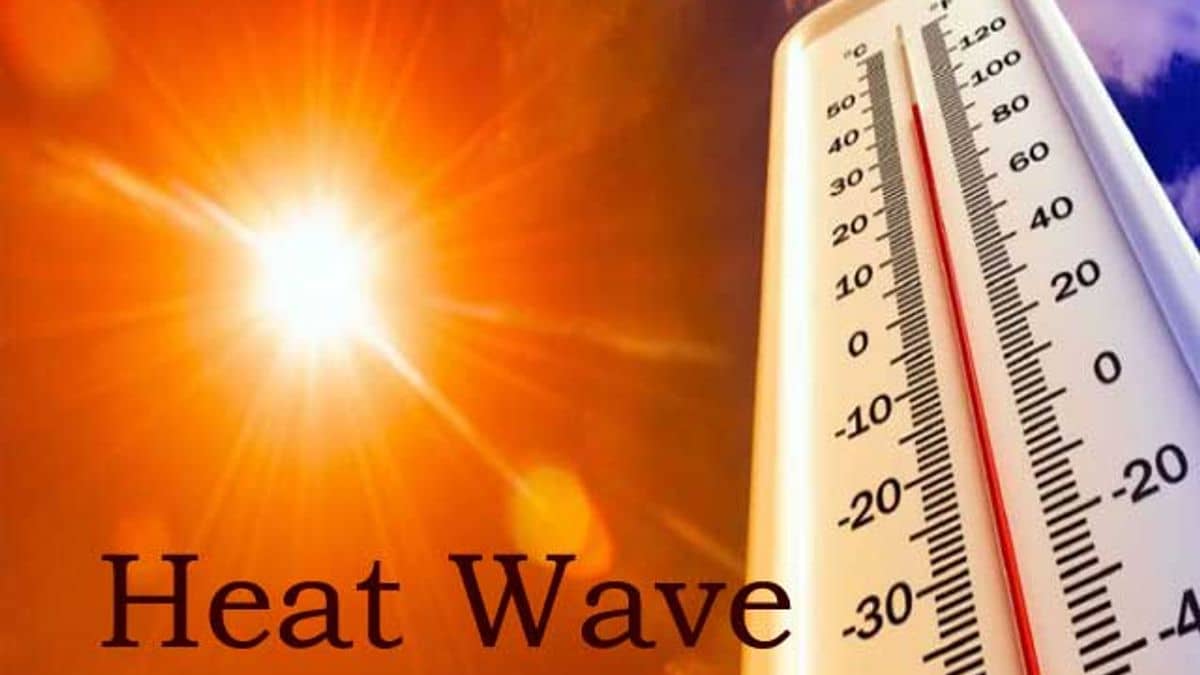
The Antigua and Barbuda Meteorological Service has issued an urgent Excessive Heat Warning, effective from 8:30 a.m. to 4:30 p.m. daily until Sunday, September 28, 2025. The heat index, or ‘feels-like’ temperature, is expected to soar to a maximum of 43°C (109°F), creating perilously hot conditions. This warning comes as a result of a combination of high temperatures, elevated humidity levels, and light winds, which together amplify the risk of heat-related illnesses. The warning threshold is triggered when the heat index exceeds 41°C (106°F) for two or more consecutive days, with wind speeds below 18 km/h (11 mph). The most intense heat is anticipated during the early afternoon hours. Vulnerable populations, including the elderly, young children, individuals with chronic health conditions, outdoor workers, and low-income earners, are at heightened risk. Potential health implications range from heat cramps and exhaustion to life-threatening heat stroke. Authorities urge residents to stay hydrated, seek cool environments, and monitor vulnerable individuals. Symptoms of heat illness, such as dizziness, nausea, or confusion, require immediate action, including moving to a cooler area and drinking water. In cases of heat stroke, characterized by loss of consciousness or high body temperature, emergency services should be contacted without delay. The Meteorological Service will continue to provide updates via their official website and social media channels. Residents are advised to remain vigilant and take necessary precautions to safeguard their health during this extreme weather event.