分类: health

  • Fire service confirms snake bite incident, victim hospitalised

    Fire service confirms snake bite incident, victim hospitalised

    Medical authorities in Saint Lucia are treating a patient following a venomous snake bite incident involving the island’s endemic fer-de-lance pit viper. The encounter occurred Tuesday afternoon in the Tomazo area of Dennery, prompting emergency response from the Saint Lucia Fire Service.

    Emergency personnel arrived at the scene at approximately 2:54 p.m. to find an adult male victim with visible puncture wounds to his facial area and upper left extremity. First responders administered immediate medical treatment before transporting the individual to a specialized healthcare facility for advanced antivenom therapy and ongoing care.

    This incident highlights a growing concern among environmental officials who have documented increased sightings of the venomous Saint Lucian fer-de-lance outside its natural forest habitat. The snake’s potent venom and increasing proximity to human settlements have prompted coordinated governmental action.

    In December, over seventy community members participated in the Access and Benefit Sharing Project’s specialized fer-de-lance handling workshops. This initiative, supported by the Department of Sustainable Development and the Division of Forestry and Land Resources, provided hands-on training in snake identification, behavior recognition, and safe handling procedures for residents in high-risk areas.

    Complementing these preventive measures, the Ministry of Health has established a comprehensive snake bite management program under the island’s Universal Health Coverage framework. This critical service guarantees that all residents can access necessary medical treatment, including expensive antivenom therapies, without financial burden through the Ministry of Health, Wellness, and Elderly Affairs.

  • Regering mikt op nieuwe loonreeks zorgsector medio 2026

    Regering mikt op nieuwe loonreeks zorgsector medio 2026

    The Surinamese government has announced ambitious plans to implement a sweeping healthcare sector reform by mid-2026, centered around a comprehensive salary restructuring program designed to ensure better compensation for medical professionals. Health Minister André Misiekaba confirmed that broad consensus has been reached with both the National Hospital Council and labor unions regarding the proposed changes.

    The new compensation framework will utilize the wage model of the Academic Hospital Paramaribo as its foundational reference point, which has been accepted by other medical institutions across the country. This approach establishes a unified salary system while allowing for limited variations between different healthcare facilities based on specific institutional requirements.

    Beyond salary improvements, the Ministry is addressing critical retention challenges through enhanced secondary benefits. Soaring rental costs have emerged as a significant barrier for nursing staff, prompting the recent establishment of a housing fund with an initial capital injection of SRD 20 million (approximately USD 530,000) to alleviate accommodation pressures.

    The reform package also prioritizes tackling the severe shortage of healthcare professionals exacerbated by persistent brain drain. Specialized nursing staff remain particularly scarce, with hospitals now mandated to conduct detailed staffing needs assessments. The government plans to collaborate with international partners to develop targeted solutions that will reduce excessive workloads and improve working conditions across the healthcare system.

  • Trinidad and Tobago Newsday – Thursday January 22nd 2026

    Trinidad and Tobago Newsday – Thursday January 22nd 2026

    A recent surge in public health discussions has brought the global dietary supplement industry under intense scrutiny. Health experts and regulatory bodies are raising urgent concerns about the safety, efficacy, and marketing claims of these widely consumed products, which often occupy a regulatory gray area between food and pharmaceuticals.

    Unlike prescription medications, dietary supplements frequently bypass rigorous pre-market approval processes, relying instead on post-market surveillance to identify adverse effects. This regulatory framework has led to growing apprehensions about potential contaminants, inaccurate ingredient labeling, and exaggerated health benefit claims that may mislead consumers.

    Medical professionals emphasize that while some supplements demonstrate proven benefits for specific health conditions and nutritional deficiencies, many products lack substantial scientific evidence to support their advertised claims. The absence of standardized manufacturing practices across the industry further compounds these concerns, potentially leading to inconsistent product quality and potency.

    Healthcare providers are increasingly advocating for more transparent labeling requirements, third-party quality verification, and improved consumer education initiatives. They recommend that individuals consult healthcare professionals before incorporating new supplements into their regimen, particularly those with pre-existing medical conditions or who are taking other medications.

    The ongoing discourse highlights the critical need for consumers to approach supplement use with informed skepticism and to prioritize evidence-based health interventions over marketing claims.

  • Guyana to issue chikungunya alert following outbreak in Suriname

    Guyana to issue chikungunya alert following outbreak in Suriname

    GEORGETOWN, Guyana – In a proactive response to a public health threat, Guyana’s Health Minister Dr. Frank Anthony has announced a nationwide alert for all medical facilities. The directive mandates heightened vigilance for patients presenting with severe body pains and fever, symptoms associated with the mosquito-borne chikungunya virus. This preventive measure follows confirmed reports of a chikungunya outbreak in the neighboring nation of Suriname.

    Minister Anthony, addressing the media on Wednesday, expressed confidence in the robustness of Guyana’s existing surveillance mechanisms. He emphasized that the country’s health network is well-equipped to promptly detect and report any potential cases. ‘Our system is fairly robust; anything that comes in will be reported, and we will be able to detect that,’ he stated in an interview with Demerara Waves online news. ‘However, since a neighboring country reported cases, we are putting our health centers and hospitals on alert to ensure immediate detection should anything emerge.’

    The alert in Suriname was triggered after its Ministry of Health confirmed eight autochthonous cases—meaning the infected individuals had not recently traveled abroad. The diagnoses were verified through testing at Suriname’s Central Laboratory of the Bureau for Public Health (BOG) and the Academic Hospital Paramaribo’s laboratory.

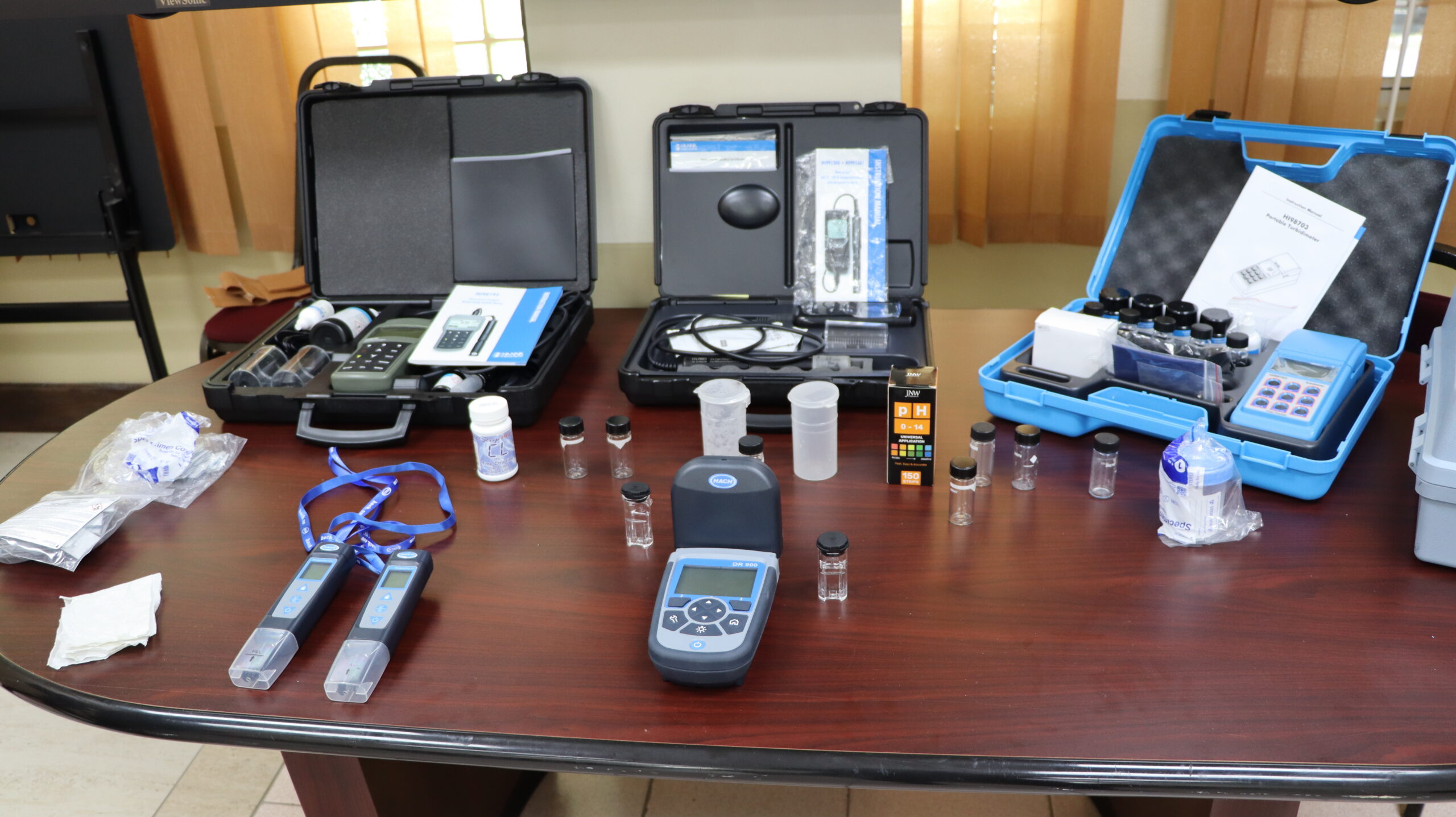
    In Guyana, the standard protocol for febrile illnesses involves initial testing for dengue. If those results return negative, medical staff proceed to test for other influenza-like infections. Subsequently, serum samples are dispatched to the National Reference Laboratory for advanced Polymerase Chain Reaction (PCR) testing, which can identify diseases like chikungunya. Minister Anthony clarified that, based on weekly surveillance reports, no local cases have been detected thus far, noting only one imported case from a Caribbean island last October.

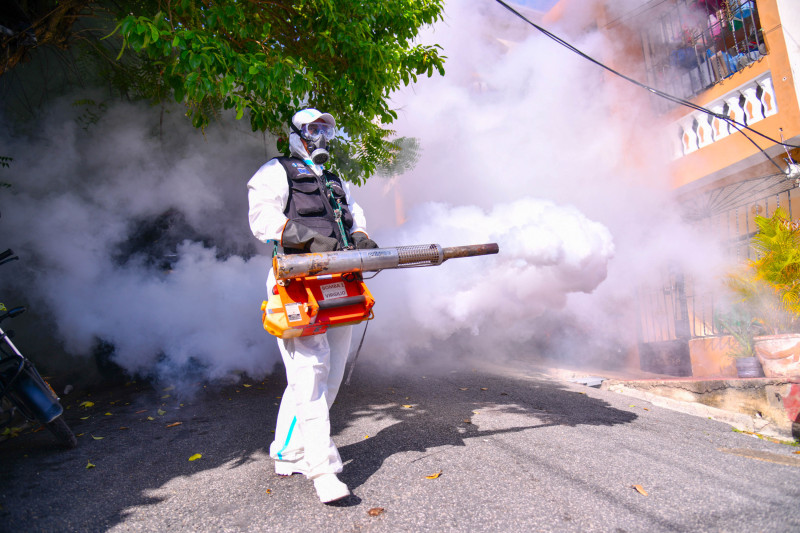
    Complementing the clinical vigilance, the government is intensifying vector control efforts. The Health Ministry has trained personnel within neighborhood councils (NDCs), providing them with equipment and chemicals to conduct fogging operations. Each NDC is tasked with fogging within its community, a process monitored by the ministry. The Georgetown City Council operates its own fogging initiatives, with the health ministry conducting additional independent fogging campaigns.

    This outbreak echoes the first major chikungunya emergence in Suriname in June 2014, which coincided with the virus’s widespread circulation throughout the Caribbean. The Suriname Health Ministry has issued public guidance, advising individuals experiencing fever and joint pain to use paracetamol instead of aspirin or ibuprofen, and to ensure ample fluid intake and rest. The ministry has pledged to continue providing transparent and timely updates as the situation evolves.

  • 154 men recruited for prostate cancer study

    154 men recruited for prostate cancer study

    In a landmark achievement for regional medical research, CariGenetics has successfully exceeded its recruitment objectives for the Caribbean Prostate Cancer Genomics Study in Saint Lucia. Within just one year of its January 2025 launch, the project enrolled 154 men across all designated participant categories: those diagnosed with prostate cancer, first-degree relatives of affected individuals, and control subjects without cancer history.

    This accomplishment represents a pivotal advancement in addressing the disproportionately high incidence of prostate cancer among Caribbean men, who experience more aggressive disease variants and poorer health outcomes compared to global populations. Despite meeting formal recruitment targets, the organization continues to accept eligible participants who have previously expressed interest.

    The overwhelming response demonstrates substantial community involvement and increasing public recognition of genetics’ role in shaping long-term health prospects. Participants received complimentary prostate-specific antigen (PSA) screenings, early detection services, and genetic wellness evaluations providing personalized insights into DNA-based disease risks.

    Ongoing genetic analysis has already commenced, with preliminary findings being disseminated to participants. Subsequent research phases will concentrate on synthesizing genetic, clinical, and demographic data to enhance population-level comprehension of prostate cancer determinants throughout the Caribbean region.

    Buoyed by this success, CariGenetics plans to extend the study to Grenada and Trinidad and Tobago, forming part of a broader regional initiative. Future investigations will examine how results can refine risk prediction methodologies—including polygenic risk scores—and develop screening protocols specifically tailored for Caribbean demographics. Ultimately, researchers aim to integrate genomic advancements into regional healthcare infrastructure.

    Davy Frederick of GenTech Analytica, a collaborating partner, expressed astonishment at the exceptional participation rate, noting that engagement levels surpassed all anticipations despite genomics research being relatively novel in Saint Lucia. CariGenetics additionally recognized contributions from Laboratory Services & Consultations and healthcare professionals, reaffirming its dedication to ethical research practices and ensuring Caribbean communities benefit directly from genomic science innovations.

  • Renal Centre Set for Completion by April, Officials Say

    Renal Centre Set for Completion by April, Officials Say

    Antigua and Barbuda is poised to achieve a significant milestone in its healthcare infrastructure with the anticipated April completion of a state-of-the-art renal center. This development represents a major advancement in the nation’s capacity to treat chronic kidney disease, promising to enhance both the quality and accessibility of dialysis services for local patients.

    Health Minister Sir Molwyn Joseph, addressing the media, confirmed that the Public Works Department is spearheading the construction. The current phase of the project is concentrated on finalizing the building’s physical structure. This crucial step will enable the subsequent installation of advanced dialysis equipment, which the government has already procured and has ready for deployment.

    The establishment of this dedicated facility is expected to yield substantial benefits for the healthcare system. Patients will no longer need to travel overseas for a complete course of dialysis treatment, thereby eliminating a significant burden and expense. Minister Joseph emphasized that this project constitutes a profound upgrade to the domestic delivery of renal care, ensuring greater continuity and reliability for patients managing chronic conditions.

    This initiative is a cornerstone of a broader governmental strategy to fortify specialized medical services within the country. By expanding local treatment options, the government aims to curb medical tourism for essential procedures, ensuring citizens have access to life-sustaining care within their own community. The center will alleviate pressure on existing medical services, creating a more streamlined and efficient care pathway for renal patients.

    Health officials have indicated that further announcements regarding the construction progress and precise installation schedules are forthcoming. The overarching objective is to transition the facility into full operational status swiftly after the builders conclude their work, marking a new chapter for healthcare in Antigua and Barbuda.

  • MoHW Urges Measles Vaccination as Cases Rise in Guatemala

    MoHW Urges Measles Vaccination as Cases Rise in Guatemala

    Belize’s Ministry of Health and Wellness has issued an urgent public health advisory following confirmation of multiple measles cases in neighboring Guatemala. Health authorities report approximately a dozen confirmed infections in Guatemalan territories adjacent to the Belizean border, specifically identifying the departments of Izabal and Petén.

    Dr. Natalia Beer, Maternal and Child Health Technical Advisor at the Ministry, emphasized the extreme contagious nature of the measles virus and the critical importance of vaccination. “Measles represents one of the most highly contagious viral infections known,” Dr. Beer stated. “Vaccination remains the singular effective protection against this disease.”

    The Ministry reports Belize’s current immunization rates remain below the 95% threshold required for robust community protection, creating potential vulnerability to outbreak spread. Health officials are particularly concerned about cross-border transmission due to frequent travel between the two nations.

    Belize’s national vaccination protocol recommends the MMR vaccine at twelve months with a booster dose at eighteen months. Older individuals aged ten years and above qualify for the MR vaccine. The Ministry specifically advises travelers to verify their vaccination status and obtain immunization if records are unavailable or uncertain.

    Dr. Beer highlighted the particular risk to unvaccinated populations: “The measles virus possesses the demonstrated capacity to locate and infect unvaccinated individuals. This pattern explains the current situation in Guatemala where confirmed cases exclusively involve unvaccinated persons.”

    Health authorities have intensified surveillance at border entry points and are implementing public awareness campaigns regarding symptom recognition and prevention measures.

  • Chikungunya-uitbraak bevestigd in Suriname: volksgezondheidsautoriteiten waarschuwen bevolking

    Chikungunya-uitbraak bevestigd in Suriname: volksgezondheidsautoriteiten waarschuwen bevolking

    Suriname’s Ministry of Health, Welfare, and Labor has officially confirmed an outbreak of chikungunya virus within the country, marking a significant public health development. Laboratory analyses conducted by both the Central Laboratory of the Bureau of Public Health and the Academic Hospital Paramaribo have identified eight confirmed cases of the mosquito-borne illness.

    What makes this outbreak particularly noteworthy is that none of the infected individuals had recently traveled abroad, indicating local transmission within Suriname. This pattern suggests established mosquito-borne viral circulation in the community.

    Chikungunya, a viral infection transmitted primarily by Aedes mosquitoes—the same vectors responsible for dengue, zika, and yellow fever—manifests with symptoms including sudden high fever, severe joint pain and swelling, headaches, fatigue, and occasionally skin rashes. The virus is not directly transmitted between humans but spreads when mosquitoes bite infected individuals and then transfer the virus to others.

    Health authorities have initiated comprehensive epidemiological investigations, including contact tracing, enhanced laboratory testing, and strengthened surveillance systems to contain further spread. The ministry emphasized that while serious complications are rare, joint pain can persist for weeks or even months following infection. Elderly individuals, young children, pregnant women, and those with chronic health conditions face elevated risks of complications.

    Medical guidance recommends against using aspirin or ibuprofen for symptom management, instead advising paracetamol for pain and fever relief, adequate hydration, rest, and seeking medical attention if symptoms worsen.

    The ministry has committed to providing timely, accurate, and transparent updates as new information emerges. Simultaneously, they urge citizens to actively participate in mosquito control efforts by eliminating breeding sites—particularly standing water in containers, tires, flower pots, and buckets—while also recommending protective clothing and insect repellents as essential preventive measures.

  • WATCH: Hospital Leaders Say New Nurses Will Reduce Emergency Room Wait Times

    WATCH: Hospital Leaders Say New Nurses Will Reduce Emergency Room Wait Times

    In a significant development for healthcare services, the Sir Lester Bird Medical Centre has announced that the integration of newly recruited nurses is set to transform emergency department operations. This strategic enhancement aims to directly tackle prolonged wait times and elevate the standard of urgent medical care.

    Senior hospital administrators have identified chronic nursing shortages as a primary catalyst for strained emergency services. Previously, limited staff were compelled to manage excessive patient inflows while simultaneously addressing diverse clinical demands, creating operational bottlenecks.

    During comprehensive media discussions, officials highlighted how staffing deficiencies particularly compromised triage functions—the critical process of evaluating patients and prioritizing care based on medical urgency. Inadequate triage coverage had decelerated patient flow, exacerbating congestion and extending waiting periods.

    The newly appointed nurses, bringing specialized emergency room training and substantial professional experience, are poised to reestablish robust triage protocols. This reinforcement will facilitate more efficient patient assessment and treatment pathways, potentially yielding improved health outcomes and diminished frustration among patients and their families.

    Beyond patient benefits, this staffing expansion addresses concerning workforce wellbeing issues. Prolonged understaffing had precipitated nurse burnout and fatigue, potentially impairing operational efficiency and elevating clinical risk. With reinforced personnel, hospital leadership anticipates reduced overtime requirements, boosted morale, and more consistent care quality.

    Additionally, the influx of nursing professionals will enable senior staff to reallocate focus from frontline duties to their administrative and supervisory responsibilities. This rebalancing is expected to enhance departmental coordination, strengthen oversight mechanisms, and optimize resource utilization across the medical center.

    While acknowledging that emergency department congestion stems from multiple factors, healthcare executives emphasize that fortifying nursing support constitutes a pivotal measure toward wait time reduction and public confidence restoration. This initiative represents one component of broader strategies to stabilize healthcare infrastructure while advancing long-term local nursing education programs.

  • Health Authorities Encourage Young Antiguans to Choose Nursing

    Health Authorities Encourage Young Antiguans to Choose Nursing

    Antigua and Barbuda has initiated a comprehensive national strategy to revitalize its nursing sector following significant workforce depletion caused by overseas migration, retirements, and historical staff reductions. Health authorities emphasize that cultivating domestic talent represents the cornerstone of achieving sustainable healthcare stability and enhancing patient care quality nationwide.

    During a recent press briefing, Health Minister Sir Molwyn Joseph issued a compelling appeal to youth, characterizing nursing as both a vital profession for national development and an essential service for public welfare. The minister highlighted a transformative educational advancement—the establishment of local nurse training capabilities through the University of the West Indies Five Islands Campus, which previously did not exist.

    Educational institutions report promising developments, with approximately 50 nurses already credentialed through the UWI Five Islands program. Projections indicate over 100 additional nursing graduates will enter the healthcare system within the next three years. These figures form part of an extended governmental plan to optimize nurse-to-patient ratios across primary care facilities and specialized tertiary medical services.

    Healthcare administrators and senior nursing officials indicate that this recruitment initiative simultaneously addresses critical staff exhaustion concerns. Current operational conditions reveal stretched personnel resources, with suboptimal nurse-to-patient ratios adversely affecting both workforce morale and care standards, particularly evident at the Sir Lester Bird Medical Centre.

    While acknowledging the temporary utilization of international recruitment to stabilize immediate healthcare delivery, authorities reaffirmed their ultimate objective: establishing a self-sufficient, locally educated nursing workforce. Government representatives stress that inspiring new generations to pursue nursing careers is fundamental to diminishing dependence on foreign personnel and safeguarding healthcare continuity for Antigua and Barbuda’s future.