分类: health

  • From home to surgery

    From home to surgery

    The period leading up to a surgical procedure, whether major or minor, is often fraught with anxiety, fear, and uncertainty. To help patients navigate this challenging phase with confidence, Dr. Daryl Daley, a renowned cosmetic gynecologist and obstetrician, shares invaluable insights and practical tips for a smoother pre-surgical experience.

  • New Renal Centre Nearing Completion to Expand Dialysis and Kidney Transplants, PM Browne Announces

    New Renal Centre Nearing Completion to Expand Dialysis and Kidney Transplants, PM Browne Announces

    Prime Minister Gaston Browne has revealed that Antigua and Barbuda’s cutting-edge Renal Centre is on the brink of completion, marking a significant milestone in the nation’s healthcare landscape. The facility, designed to meet global standards, will offer advanced dialysis services and routine kidney transplants, ensuring accessibility for all citizens. The announcement was made during the country’s 44th Independence Day celebrations, where Browne emphasized the government’s dedication to elevating healthcare standards. Alongside the Renal Centre, the Prime Minister outlined plans to modernize community clinics in Liberta, Falmouth, and Bolans, as well as expand the All Saints Clinic. In a groundbreaking move, the former Jehovah’s Witness headquarters will be transformed into a state-of-the-art mental health facility, providing patients with a compassionate and dignified environment. Browne underscored the government’s commitment to equitable healthcare, stating, ‘These investments affirm that every life has worth, and every illness deserves care.’ The projects reflect a dual focus on empathy and excellence in medical services, positioning Antigua and Barbuda as a leader in regional healthcare innovation.

  • Antigua and Barbuda strengthens biosecurity under ASF Sampling Pilot

    Antigua and Barbuda strengthens biosecurity under ASF Sampling Pilot

    Antigua and Barbuda has made significant strides in enhancing its animal health and bio-security systems through the African Swine Fever (ASF) Sampling Pilot. This initiative, a collaboration between the Inter-American Institute for Cooperation on Agriculture (IICA), the United States Department of Agriculture (USDA), and the Ministry of Agriculture, Lands, Fisheries, and the Blue Economy, aims to fortify national surveillance and response capabilities against animal diseases, particularly ASF. ASF is a highly contagious viral disease that poses severe economic risks to the swine industry. The program brought together veterinary officers, livestock specialists, and regional experts to reinforce national surveillance capacity and field response readiness. The opening day, held at the People’s Place Conference Room on Nugent Avenue, featured remarks from Craig M. Thomas of IICA, Fernando Hugo from the USDA, and Dr. Ericka Calderon, ASF Project Manager at IICA Headquarters. Gregory Bailey, Director of Agriculture, emphasized the Ministry’s commitment to proactive surveillance and early detection systems, highlighting the importance of preparedness and rapid response in safeguarding national food security and livelihoods. Technical presentations introduced participants to the regional ASF surveillance framework and Antigua and Barbuda’s diagnostic capabilities. Dr. Tubal Edwards, Chief Veterinary Officer, provided an overview of the local swine industry and the Veterinary Services Division’s efforts to improve animal health monitoring. Dr. Christopher Hamilton-West, Epidemiologist, discussed epidemiological surveillance principles, supported by a visual presentation on best practices in field data collection and disease containment. The second day focused on practical application, with participants divided into two teams for farm visits across the island, including the His Majesty’s Prison Farm. A total of 35 pigs were sampled, with each tube carefully labeled for traceability. The samples are being prepared for overseas laboratory analysis to determine disease presence and guide future animal health strategies. The field visits tested surveillance procedures and reinforced the discipline and precision required in real-world disease investigation. Participants demonstrated the correct use of personal protective equipment (PPE), safe animal restraint, sample collection, and detailed data recording. Emphasis was also placed on the removal and sanitation process for PPE and equipment to prevent the transfer of infectious material. Dr. Dane Hartley, Veterinarian and Agricultural Health, Safety Agri-Food Quality Specialist with the EECOM, noted that the practical experience reinforced critical lessons from the previous day. After returning from the field, both teams participated in a joint debriefing session to evaluate their performance, share insights, and highlight key takeaways for continuous improvement in surveillance readiness. The ASF Sampling Pilot is part of the wider Surveillance and Response to Prevent African Swine Fever in the Americas Project, which aims to bolster regional coordination and capacity building across the Caribbean. Through this initiative, Antigua and Barbuda continues to position itself as a proactive leader in animal health management, ensuring that its livestock sector remains safe, sustainable, and resilient. The Ministry reaffirms its commitment to ongoing disease monitoring, collaboration with regional partners, and protecting the future of the nation’s pork and livestock industry, with farmers welcoming the initiative.

  • Alarming rise in children’s alcohol experimentation – NCSA

    Alarming rise in children’s alcohol experimentation – NCSA

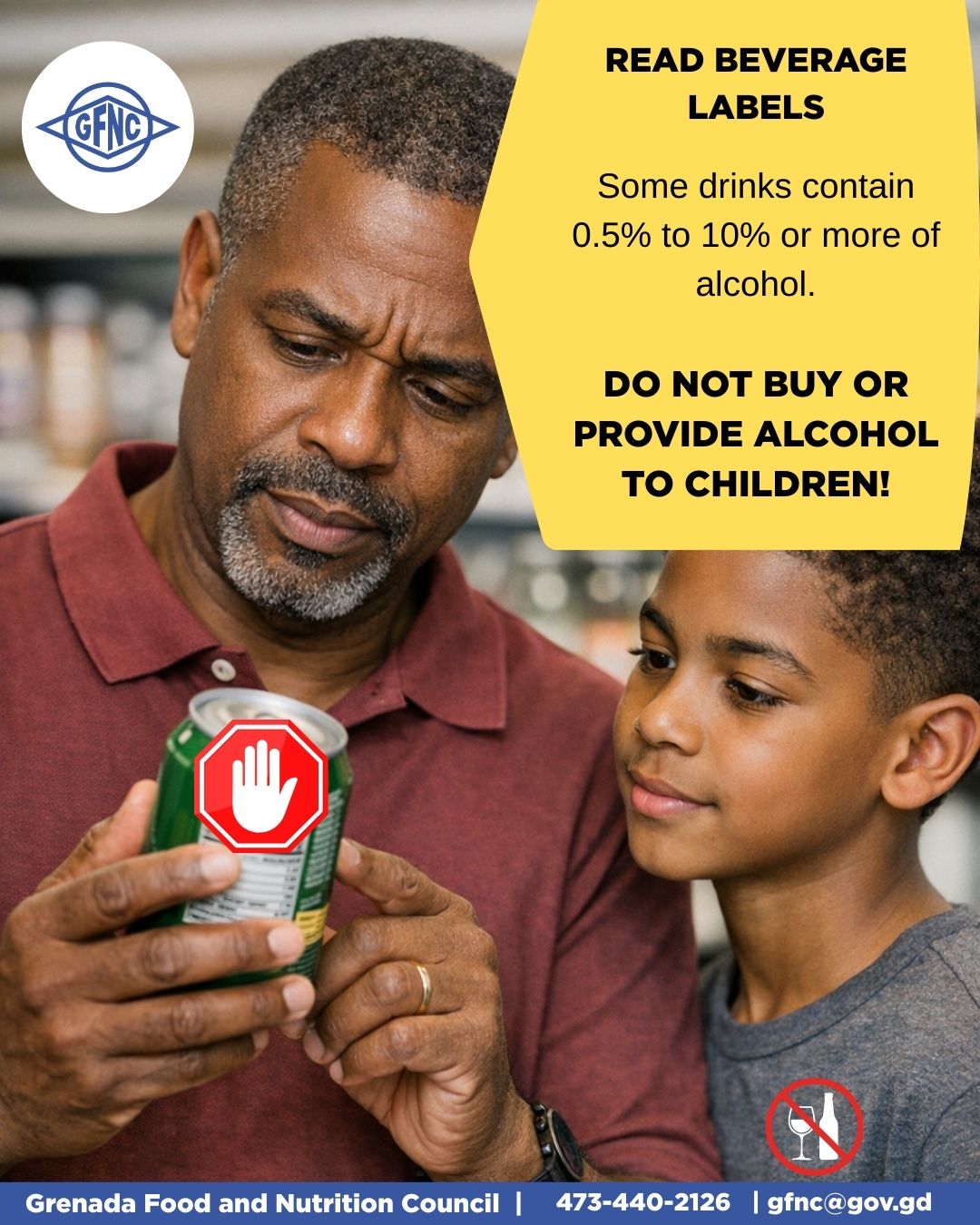
    A recent study conducted by the National Council on Substance Abuse (NCSA) in Barbados has revealed a dramatic increase in alcohol experimentation among schoolchildren, with rates soaring nearly fivefold as students transition from primary to secondary school. Dr. Jonathan Yearwood, Research and Information Officer at the NCSA, shared these alarming findings in an interview with Barbados TODAY, highlighting adolescents as a high-risk group for substance abuse. According to Dr. Yearwood, the data shows a significant rise in alcohol and marijuana use among youth aged 9 to 17, raising serious concerns about their health, future productivity, and social well-being. The research also uncovered that one in four individuals admitted to the Psychiatric Hospital for drug treatment had a co-morbid mental health diagnosis, exacerbating the societal challenges posed by addiction. Dr. Yearwood emphasized the broader implications of substance abuse, including increased risks of violence, crime, and workplace productivity losses. Surveys indicated that half of employees feared job loss if they disclosed substance abuse issues, while only 40% believed their workplace would offer support. To address these challenges, Dr. Yearwood stressed the importance of early intervention, workplace education programs, and comprehensive support systems. The NCSA plans to expand research and training for first responders and school personnel to better identify and assist adolescents struggling with substance use. Dr. Yearwood underscored the need for a holistic approach, stating, ‘Tackling substance abuse is not just about helping the individual; it’s about reducing crime, protecting public safety, and ensuring productivity across Barbados.’

  • Health : Haiti and the Dominican Republic united for prevention

    Health : Haiti and the Dominican Republic united for prevention

    In a significant move to address public health challenges, officials from Haiti and the Dominican Republic convened in the border region of Dajabón to enhance epidemiological surveillance and foster bilateral cooperation. The meeting focused on mitigating health risks, particularly in light of the cholera alert in Haiti and the prevalence of respiratory and gastrointestinal illnesses in the region. Haitian representatives expressed their commitment to collaboration, highlighting the potential for future joint initiatives. Dominican authorities reassured that no cholera cases have been reported in their northern border area, attributing this to effective public health campaigns promoting education, sanitation, and hygiene. Both nations pledged to bolster early warning systems, technical cooperation, and training programs for healthcare workers. These initiatives will emphasize early disease detection, rapid response, and the exchange of real-time epidemiological data. Additionally, vaccination and disinfection campaigns will be coordinated in high-risk zones. The collaboration also aims to engage local communities through awareness programs on hygiene and disease prevention, ultimately strengthening the resilience of border populations and reducing the risk of cross-border contagion.

  • CARPHA Leads Health Response After Hurricane Melissa

    CARPHA Leads Health Response After Hurricane Melissa

    In the wake of Hurricane Melissa’s catastrophic impact on Jamaica, the Caribbean Public Health Agency (CARPHA) has taken a leading role in addressing the ensuing health crisis. The hurricane has left a trail of devastation, claiming lives, destroying homes, and disrupting livelihoods. CARPHA emphasizes that Jamaica’s suffering resonates across the Caribbean, underscoring the need for a unified regional response. Beyond the immediate physical damage, the storm has escalated significant health risks, including unsafe drinking water, food contamination, potential disease outbreaks, and mental health challenges. CARPHA is collaborating with key partners such as the Caribbean Disaster Emergency Management Agency, Jamaica’s Ministry of Health, the Pan American Health Organization (PAHO), and other regional stakeholders to prioritize public health in the recovery process. The agency is deploying critical resources, including medical supplies, rapid test kits, personal protective equipment (PPE), and field hospital infrastructure. Additionally, CARPHA is spearheading efforts to prevent the spread of diseases like dengue and leptospirosis. A key focus of the agency’s mission is to assist Jamaica in rebuilding more resilient health systems to better withstand future crises.

  • New cases of malaria, dengue fever, and other diseases reported

    New cases of malaria, dengue fever, and other diseases reported

    The Dominican Republic’s Ministry of Public Health reaffirmed on Thursday that no cholera cases have been reported in the country. The ministry emphasized that enhanced measures remain in place at border crossings and other entry points to prevent the spread of infectious diseases. Through the National Epidemiological Surveillance System (SINAVE), authorities continue to monitor and ensure timely reporting of notifiable diseases, including cholera. The ministry also urged the public to adhere to preventive measures such as frequent handwashing, consuming purified water, and eating safe food. As the governing body, the Ministry of Health is actively strengthening the nation’s response capabilities to better prepare for potential health crises. In 2024, the country has recorded 15 cholera cases, marking a 100% reduction compared to the previous week. The latest epidemiological bulletin (SE-42) also highlighted other health concerns. Four cases of malaria were reported, bringing the cumulative total to 779 confirmed cases, with no fatalities and an incidence rate of 8.97 cases per 100,000 inhabitants. Leptospirosis cases remained unchanged this week, with a cumulative total of 94. Dengue cases saw a significant decline, with one new case reported this week, bringing the total to 240 confirmed cases—an 81% reduction compared to the same period last year. Respiratory diseases, including respiratory syncytial virus, adenovirus, influenza B Victoria, and SARS-CoV-2, continue to circulate. The bulletin also reported four maternal deaths, raising the cumulative total to 133, and 26 infant deaths, bringing the total to 1,451, a decrease from the 1,827 deaths recorded by the same date in 2024.

  • Ministry of Health targets 10% cut in drinking harm

    Ministry of Health targets 10% cut in drinking harm

    The Ministry of Health in Barbados has unveiled a comprehensive national strategy aimed at reducing alcohol-related harm by 10% by 2030. Announced by Minister of State for Health and Wellness, Davidson Ishmael, during a workshop hosted by the National NCD Commission, the plan addresses the pervasive cultural normalization of alcohol consumption while emphasizing the urgent need to mitigate its health and societal impacts. Minister Ishmael highlighted that while alcohol is deeply ingrained in Barbadian social life, its excessive use leads to severe consequences, including chronic diseases, mental health issues, and societal problems like violence and domestic abuse. The strategy focuses on public education, early prevention, and stricter policies to regulate alcohol availability and marketing. It aligns with the WHO’s Global Action Plan for NCD Prevention and Control and the SAFER technical package, which includes measures such as strengthening alcohol access restrictions, enforcing drink-driving laws, and limiting alcohol advertising. Suleiman Bulbulia, Chairman of the National NCD Commission, emphasized the challenges of addressing commercial determinants of health, particularly in small island states like Barbados, where industries often prioritize profit over public well-being. He urged NGOs and stakeholders to reject funding from entities that harm public health and advocate for policies that promote healthier lifestyles.

  • #MelissaAftermath: Health minister urges vigilance over food safety

    #MelissaAftermath: Health minister urges vigilance over food safety

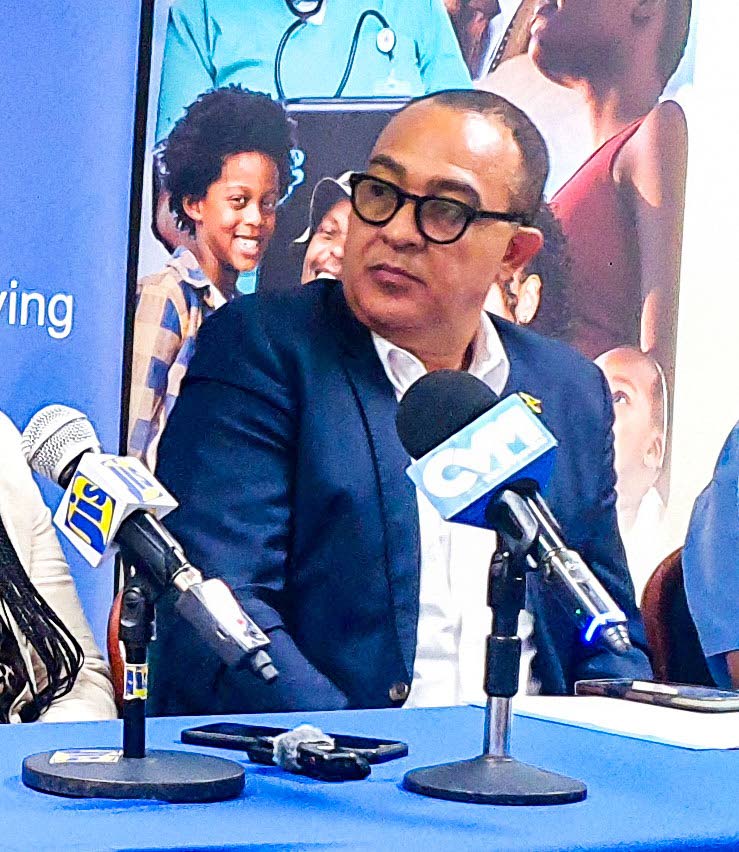
    KINGSTON, Jamaica — In the wake of Hurricane Melissa, Jamaica’s Minister of Health and Wellness, Dr. Christopher Tufton, has issued a stern warning to the public regarding food safety. Speaking at a press conference on Saturday, Dr. Tufton emphasized the heightened risks of food contamination and foodborne illnesses due to widespread power outages across the island. He stressed that the lack of refrigeration in affected areas could lead to the spoilage of meat and other perishable items, while rodents and insects could further exacerbate the problem by spreading diseases. To mitigate these risks, approximately 400 environmental health officers will be deployed starting Monday to inspect food establishments and ensure consumer safety. Dr. Tufton urged residents to discard spoiled or flood-exposed food items and report such cases to local public health departments or police stations. He also highlighted the importance of monitoring water quality and sanitation, as contaminated water and improper waste disposal could lead to additional health hazards. The minister warned of increased risks of diseases like leptospirosis and gastroenteritis, which tend to rise after heavy rainfall and flooding. Public health inspectors will conduct sanitation assessments in shelters and affected communities, while vector control efforts will be intensified to combat the expected surge in mosquito, fly, and rodent populations. Dr. Tufton called on the public to use mosquito repellent, cover water containers, and dispose of waste properly to prevent stagnant water from becoming breeding grounds for disease-carrying insects.

  • #MelissaAftermath: Tufton says teams accessing reports of dead bodies in remote areas

    #MelissaAftermath: Tufton says teams accessing reports of dead bodies in remote areas

    KINGSTON, Jamaica — In the aftermath of Hurricane Melissa, Jamaica’s Minister of Health and Wellness, Dr. Christopher Tufton, has announced a coordinated effort involving environmental health teams, the Jamaica Defence Force (JDF), and other agencies to address critical issues in remote communities. Reports of deceased individuals and animals stranded in isolated areas have prompted urgent action. Dr. Tufton emphasized that while access to some regions remains challenging due to damaged roadways, progress is being made. ‘With improved communication, cleared roads, and enhanced mobility, we are now able to target specific areas and collaborate with authorities to secure others,’ he stated during a press briefing on Saturday. The minister highlighted the challenges of reaching marooned bodies and ensuring proper disposal of animal carcasses, noting that the JDF is providing air support to access affected zones. Additionally, Dr. Tufton mentioned that injured individuals, such as a man who suffered a broken leg and waited three days for medical attention, are being assisted. While official death toll figures are pending, the current count stands at 19, with updates expected from the Minister of Information, Dr. Dana Morris Dixon, once police reports are finalized.