分类: health

  • Trinidad and Tobago Newsday – Tuesday January 20th 2026

    Trinidad and Tobago Newsday – Tuesday January 20th 2026

    The global dietary supplements industry, valued at approximately $170 billion, continues to experience unprecedented growth as consumers increasingly prioritize preventive health measures and personalized wellness regimens. This expansive market encompasses vitamins, minerals, botanicals, amino acids, enzymes, and various specialty products targeting specific health concerns ranging from immune support to cognitive enhancement.

    Market analysis reveals shifting consumer patterns with particular strength in immune-boosting formulations following recent global health challenges. The industry faces ongoing regulatory scrutiny regarding product safety, labeling accuracy, and substantiated health claims. Regulatory bodies worldwide are implementing stricter guidelines to address quality control issues and prevent misleading marketing practices that have historically plagued certain segments of the supplement sector.

    Scientific research continues to evaluate the efficacy of various supplements, with mixed results across different product categories. Medical professionals emphasize the importance of evidence-based usage, noting that while some supplements demonstrate clear benefits for specific populations, others lack robust clinical validation. Consumers are increasingly seeking third-party testing verification and transparent ingredient sourcing as quality assurance measures.

    The digital marketplace has dramatically transformed supplement distribution, with direct-to-consumer brands leveraging social media marketing and personalized subscription models. This evolution has created both opportunities for innovation and challenges regarding proper usage guidance and medical supervision. Healthcare providers recommend consulting qualified professionals before initiating supplement regimens, particularly for individuals with pre-existing conditions or those taking prescription medications.

  • Alcon, Trinidad Eye Hospital bring free eye care to communities

    Alcon, Trinidad Eye Hospital bring free eye care to communities

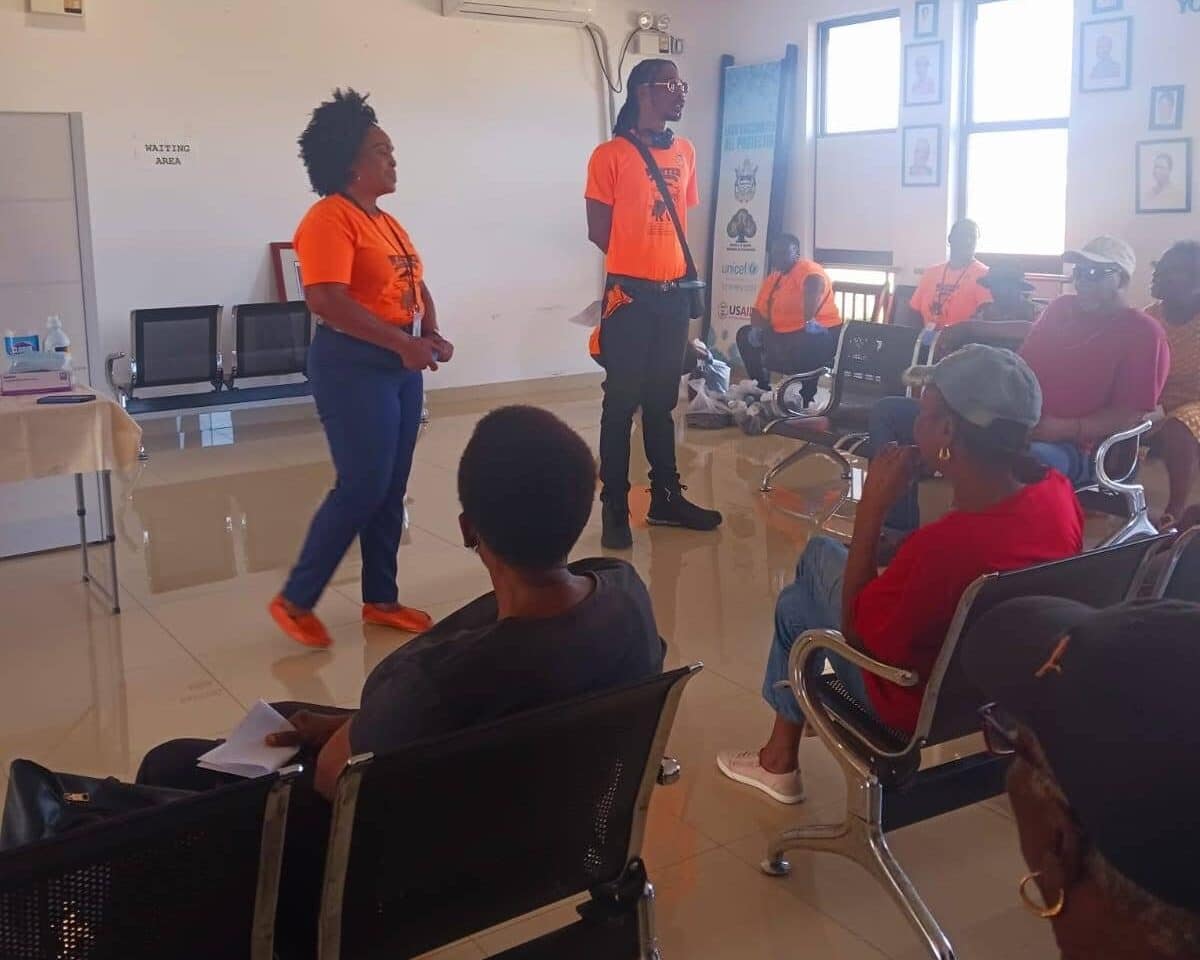
    In a significant public health partnership, global eye care leader Alcon has joined forces with Trinidad Eye Hospital (TEH) to deliver comprehensive vision services to communities throughout Trinidad and Tobago. The collaborative effort, operating under Alcon’s ‘In Motion’ initiative, represents a major step toward eliminating barriers to essential eye care services across the nation.

    The program commenced its operations in November 2025 at the Diego Martin Public Library, with an ambitious schedule of community screenings planned through April 2026. The initiative will subsequently expand to Arima, Couva, Point Fortin, and Tobago, bringing professional eye care directly to neighborhoods that traditionally face challenges in accessing specialized medical services.

    Each screening event will be staffed by TEH’s certified eye care professionals who will conduct thorough examinations at no cost to participants. The program extends beyond initial screenings to include comprehensive aftercare support. Patients identified as needing vision correction will receive prescription glasses when clinically indicated, while those requiring advanced treatment will be offered complimentary follow-up appointments at TEH facilities.

    Majella Joseph of Alcon emphasized the company’s commitment to vision accessibility: “We believe that vision care should be accessible to everyone. Our partnership with Trinidad Eye Hospital enables early identification of potential eye health issues while providing necessary support for management and treatment.”

    Dr. Ronnie Bhola of TEH highlighted the strategic importance of the collaboration: “This partnership allows us to extend quality eye care to communities facing accessibility barriers. By combining Alcon’s global expertise with our local clinical experience, we’re actively working to prevent vision loss and promote long-term ocular health.”

    Residents seeking information about upcoming screening dates and locations are encouraged to visit the official social media pages of Trinidad Eye Hospital or Bryden Pi, or contact Jason Marcano at 730-2541 for direct assistance.

  • Finally, parents get more time

    Finally, parents get more time

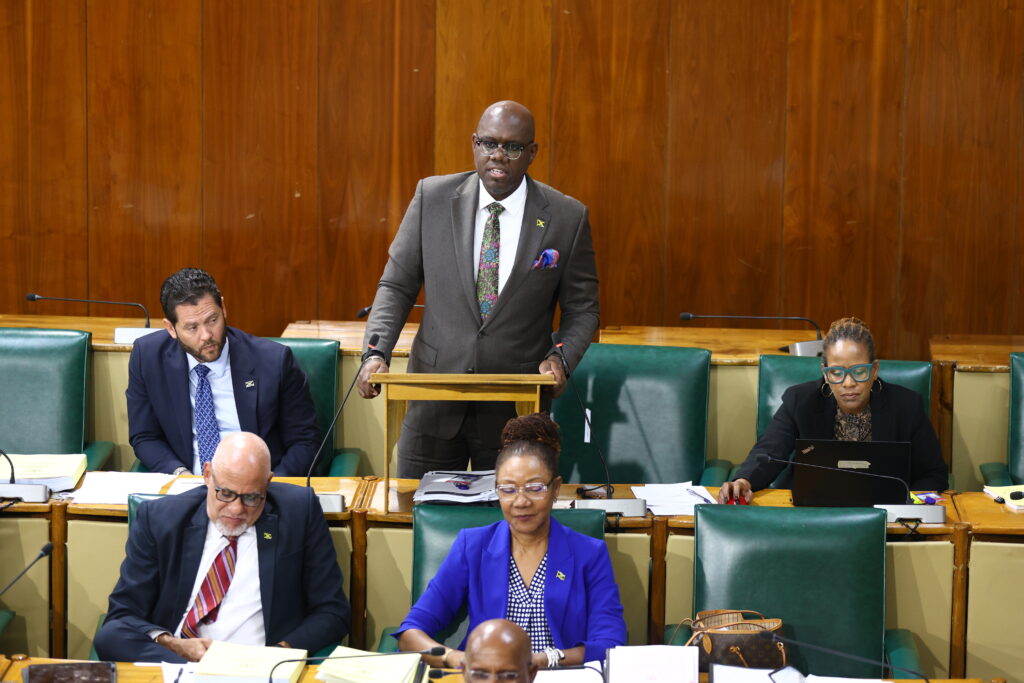
    Jamaica’s healthcare landscape witnessed a transformative development as the Ministry of Health and Wellness inaugurated an innovative Family Caregivers Pilot Programme at Bustamante Hospital for Children. This pioneering initiative grants parents of hospitalized children unprecedented 14-hour visiting access, spanning from 8:00 am to 10:00 pm daily.

    The program emerged from compelling grassroots advocacy, notably a father’s petition that garnered over 15,000 signatures and secured attention from the Office of the Prime Minister. This collective effort highlighted the profound emotional distress experienced by parents forced to leave their children in understaffed wards after limited visiting hours.

    Health and Wellness Minister Dr. Christopher Tufton emphasized the psychological significance of the program, stating, ‘The trauma of isolation significantly impedes healing processes. This initiative addresses the critical need for continuous psychosocial support during children’s medical journeys.’

    Dr. Marsha James, ENT consultant at the hospital, provided historical context, revealing that while 24-hour visitation existed pre-pandemic, it lacked structure. The new program establishes a regulated framework that balances caregiver involvement with clinical operations. Participants must formally register and adhere to strict ward protocols while providing non-clinical support including feeding and emotional comfort.

    The six-month pilot program will undergo rigorous monitoring and evaluation before potential expansion to general hospitals nationwide. As the Caribbean’s sole English-speaking pediatric specialty facility, Bustamante Hospital serves children aged 0-12 from Jamaica and neighboring nations, making this initiative particularly significant for regional healthcare standards.

    Early participants expressed profound appreciation, with mother Francine Perry noting, ‘This transformative opportunity allows me to maintain my child’s normal sleep schedule while providing crucial emotional stability during his treatment.’ Another parent, Tasheka Anderson, highlighted the dual benefits for both families and medical staff, particularly during evening hours when nursing resources are typically stretched.

  • PRESS RELEASE: A call for hope -12-year-old girl battles Leukemia and needs urgent support

    PRESS RELEASE: A call for hope -12-year-old girl battles Leukemia and needs urgent support

    A vibrant future filled with artistic promise has been abruptly interrupted for T’niah Toussaint, a 12-year-old student from Barbados who recently began her first year at Wesley High School with great enthusiasm. The aspiring artist and performer now faces the fight of her life after receiving a devastating diagnosis of B-cell lymphoblastic leukemia, an aggressive form of blood cancer requiring immediate and extensive medical intervention.

    Medical confirmation came on January 7th when T’niah was admitted to Queen Elizabeth Hospital, where physicians outlined an arduous treatment roadmap. Her therapeutic journey will commence with approximately nine months of intensive inpatient care, followed by several years of ongoing outpatient treatment and vigilant monitoring. The comprehensive medical protocol presents not only physical challenges but also creates substantial emotional and financial strain for her family.

    Despite the overwhelming circumstances, T’niah demonstrates extraordinary fortitude that inspires those around her. Described as quietly determined and profoundly creative, she maintains her passions for dance, vocal performance, and visual arts throughout her medical ordeal. Her mother has undertaken the tremendous responsibility of navigating complex healthcare systems, relocating for treatment access, and mastering medical terminology while providing constant emotional support.

    Community mobilization has become essential for T’niah’s survival prospects. Critical needs include specialized leukemia treatment, financial assistance for medical expenses, and O-positive blood donations. The I Have a Right Foundation Inc. has established a GoFundMe campaign with a $60,000 target to address treatment costs, medications, and essential testing. Alternative donation methods include direct transfers to NBD MoBanking account 7673174809 (Reference: TniahCancerCure) or contributions at designated collection points at The Happy Box or The Vibe @ The Realm.

    The foundation emphasizes that public participation through financial contributions, blood donations, social media advocacy, and emotional support through prayers and positive thoughts could significantly impact T’niah’s prognosis. All generated funds will be exclusively allocated to medical expenses associated with her leukemia treatment, providing the young patient with the comprehensive care she requires during this critical period.

  • Medical records mess

    Medical records mess

    MONTEGO BAY, St James — The devastating impact of Hurricane Melissa continues to reverberate through Jamaica’s healthcare infrastructure more than two months after the Category 5 storm made landfall. At Falmouth Hospital in Trelawny, an extraordinary recovery operation unfolds daily as medical staff spread water-damaged patient records across blue tarpaulins to dry under the Caribbean sun.

    Western Regional Health Authority (WRHA) Regional Director St Andrade Sinclair revealed the extensive damage to critical medical documentation during a healthcare workers’ support fair at Pier One last Friday. “We’re experiencing major losses here,” Sinclair stated. “Some records are simply irretrievable despite our recovery efforts.”

    The destroyed documents contain essential patient information including visit histories, diagnostic reports, prescription details, and treatment records. Where recovery proves impossible, healthcare providers must reconstruct patient databases from scratch—a process that may require patients to repeat diagnostic procedures including X-rays and laboratory work.

    Financial burden for this reconstruction won’t fall on patients, however. The Jamaican government has allocated approximately $666 million (JMD) to the WRHA specifically for hurricane recovery efforts, including healthcare facility restoration and staff support.

    Sinclair identified a silver lining within the disaster, noting that the catastrophe could accelerate Jamaica’s planned transition to electronic health records (EHR). “This situation encourages the Ministry of Health and Wellness to advance healthcare information technology implementation,” he explained. “Our current system is outdated by 25-30 years. This tragedy pushes us toward modernization.”

    Jamaica’s EHR system, launched two years ago with $50 million funding from the Inter-American Development Bank, represents a historic step toward paperless healthcare management. The system features patient registration capabilities, appointment scheduling, triage management, and digital imaging interfaces allowing healthcare professionals to access X-rays and CT scans via computers and tablets.

    Initial implementation began at May Pen Hospital in January 2024 after testing commenced in November 2023. Eleven other facilities across various regions were included in the first phase, though notably excluding areas most severely affected by Hurricane Melissa.

    The hurricane’s impact extended beyond medical facilities, damaging personal documents of healthcare workers whose homes were destroyed. The support fair brought together multiple government agencies including the Registrar General’s Department, Passport Immigration and Citizenship Agency, National Housing Trust, along with private sector entities like Courts furniture store to provide comprehensive assistance.

    Sinclair praised healthcare staff who maintained patient care despite personal hardships, noting that over 200 workers became homeless due to the hurricane, with more than 1,200 experiencing significant property damage. Many faced transportation challenges and personal crises while continuing to serve their communities.

    The event at Pier One served as both practical support and recognition of healthcare workers’ dedication during Jamaica’s ongoing recovery from one of its most destructive natural disasters in recent history.

  • Gov’t strengthening health system to meet hurricane, flu demands

    Gov’t strengthening health system to meet hurricane, flu demands

    JAMAICA – Health authorities are implementing urgent measures to bolster medical services across the nation as Jamaica’s healthcare infrastructure confronts unprecedented dual pressures from hurricane devastation and seasonal influenza outbreaks. The revelation came from Health and Wellness Minister Dr. Christopher Tufton during the January 16 inauguration ceremony of the newly rehabilitated Runaway Bay Community Health Centre in St. Ann.

    Dr. Tufton detailed the extraordinary challenges facing the island nation, explaining that while annual flu patterns are anticipated, Hurricane Melissa’s destructive path has created compounding crises that exceed normal operational capacities. Initial assessments indicate substantial damage to healthcare facilities, with over 105 of Jamaica’s 325 health centers across at least six parishes suffering significant hurricane impact.

    “The exceptional challenge we currently face stems from Hurricane Melissa’s impact on health infrastructure,” Minister Tufton stated. “Even regions like St. Ann that experienced relatively lesser damage continue to feel the hurricane’s ripple effects on healthcare delivery.”

    Simultaneously, the healthcare network is managing its predictable seasonal surge in influenza cases, which typically increases patient volumes at accident and emergency departments nationwide. This annual pattern of respiratory illnesses not only strains resources but exacerbates existing chronic conditions such as diabetes among the population.

    The Minister acknowledged concerns raised by healthcare professionals regarding these compounded challenges, emphasizing governmental awareness of the difficulties facing medical staff. Current initiatives focus on both immediate hurricane recovery efforts and strategic reinforcement of healthcare services to manage increased patient demand during this critical period.

  • Guyana’s electronic health records system goes live

    Guyana’s electronic health records system goes live

    Guyana has entered a new era of digital healthcare with the official launch of its Electronic Health Records System (EHRS), marking a transformative shift from paper-based to fully integrated digital medical documentation. The historic implementation commenced at the Festival City Polyclinic in South Ruimveldt on Saturday, with Health Minister Dr. Frank Anthony and Georgetown Public Hospital Corporation (GPHC) CEO Robbie Rambarran leading the groundbreaking initiative.

    The EHRS represents the culmination of two decades of planning, with initial concepts dating back to the early 2000s. The system, built upon a customized platform from UK-based RIOMED, is engineered to streamline healthcare delivery through digital integration of patient records across public facilities. GPHC has been designated as the next institution to transition to the digital platform, with CEO Rambarran projecting that several hospital services will achieve paperless operation by April 2026.

    Comprehensive training programs will be established at the Festival City Polyclinic to prepare staff from newly constructed facilities for EHRS implementation. By the end of 2026, patient records throughout Guyana’s public healthcare network are expected to be fully integrated into the centralized digital system.

    The technological advancement promises significant improvements in medical efficiency, eliminating redundant diagnostics and preventing adverse medication interactions through instant access to patient histories. Minister Anthony emphasized the system’s robust security protocols, noting that violations of patient confidentiality under the 2023 Data Protection Act could incur penalties ranging from GY$20 million to GY$100 million, though the legislation awaits official operationalization.

    Future developments include a dedicated mobile application that will enable patients to schedule appointments digitally, reducing waiting times and administrative burdens. While initially focused on public healthcare, authorities anticipate eventual integration with private medical providers, granting patients portable access to their complete medical histories.

    Health officials have appealed for public cooperation during the transition period, acknowledging potential challenges while emphasizing the long-term benefits of digital healthcare management for both patients and medical professionals.

  • Trinidad and Tobago Newsday – Sunday January 18th 2026

    Trinidad and Tobago Newsday – Sunday January 18th 2026

    A groundbreaking scientific investigation has revealed significant health hazards associated with widely consumed dietary supplements, challenging long-held assumptions about their safety and efficacy. The comprehensive study, conducted by an international consortium of researchers, identified potentially dangerous contaminants and inaccurate dosage labeling across numerous products available in the global market.

    The research team employed advanced spectroscopic analysis and biochemical screening methods to examine over 300 popular supplement formulations. Their findings demonstrated that approximately 23% of tested products contained undeclared pharmaceutical compounds, while nearly 35% showed substantial discrepancies between labeled and actual ingredient concentrations. Several products were found to contain heavy metal contaminants exceeding safety thresholds established by regulatory agencies.

    Medical experts have expressed particular concern about supplements marketed for weight loss and athletic performance enhancement, which showed the highest incidence of problematic formulations. The study also identified potential interactions between supplement ingredients and prescription medications that could lead to serious adverse health outcomes, including cardiovascular complications and hepatic toxicity.

    Regulatory authorities are reviewing the findings to determine appropriate policy responses, while consumer advocacy groups are calling for stricter manufacturing standards and more transparent labeling requirements. The research team recommends that consumers consult healthcare professionals before incorporating any dietary supplements into their wellness routines and purchase products only from reputable manufacturers that undergo third-party quality verification.

  • Young doctors expanding access to compression care through Uniflo

    Young doctors expanding access to compression care through Uniflo

    Two Jamaican physicians, Dr. Mickhail Benjamin and Dr. Duhaney Johnson, are revolutionizing accessibility to essential medical compression therapy through their homegrown enterprise, Uniflo Compression Wear. Recognizing a critical gap in national healthcare provision for circulatory conditions, the longtime friends have established a direct-supply model that bypasses traditional intermediaries to offer medically graded compression garments at unprecedented affordability.

    The medical practitioners identified venous insufficiency as a widespread yet underserved health crisis disproportionately affecting occupational groups requiring prolonged standing or sitting—including security personnel, educators, transportation operators, and office workers. Women experience particularly heightened vulnerability due to hormonal influences, with approximately 40% developing circulation complications during pregnancy that frequently persist postpartum.

    Compression therapy represents the medical standard for managing poor circulation, employing graduated pressure to facilitate venous return and prevent complications ranging from edema and discomfort to chronic ulceration. Despite demonstrated efficacy, accessibility barriers have historically placed these interventions beyond reach for average Jamaicans due to prohibitive pricing and limited availability.

    Uniflo’s operational framework addresses these systemic challenges through strategic international sourcing that eliminates markup from conventional distribution channels. The company’s nomenclature derives from the medical principle of ‘unidirectional flow’—the physiological mechanism whereby veins transport blood toward the heart.

    Beyond compression garments, the venture has expanded its portfolio to include ripple mattress toppers that mitigate pressure injury risks for bedbound patients, demonstrating responsiveness to broader caregiver and patient needs.

    The doctors’ parallel journeys from modest beginnings—Dr. Benjamin from Spanish Town and Dr. Johnson from Portmore—inform their commitment to equitable healthcare access. Both recipients of prestigious Government of Jamaica scholarships covering 80% of medical school tuition, they represent the top 3% of academic achievers admitted to The University of the West Indies medical program. Their combined decade of clinical experience reinforces a patient-centered approach grounded in practical healthcare solutions.

    Their shared philosophy emphasizes transformative innovation through service: “Coming from humble beginnings, we are deeply aware of the social and economic challenges faced by many Jamaicans. Our journey reflects a determination not to become statistics of our environments, but to give back through accessible healthcare.”

  • A deadly toy Hydrogel guns: dangerous fun that threatens the safety of minors

    A deadly toy Hydrogel guns: dangerous fun that threatens the safety of minors

    Authorities and health experts across multiple nations are raising alarms about hydrogel-based toy weapons, challenging their marketing as harmless playthings. These devices, which propel water-absorbent polymer spheres known as gellets, present significant dangers to juvenile users despite their deceptively innocent appearance.

    The projectiles consist of 98% water and 2% plastic polymer, expanding substantially upon hydration to achieve sufficient firmness to impact skin and ocular tissues with considerable force. Their affordability compared to paintball or airsoft equipment has driven growing popularity throughout Latin America and European markets.

    Medical specialists emphasize these toys can inflict severe ocular damage including retinal detachment, inflammation, and potentially permanent vision impairment. The realistic weapon designs further compound risks by creating confusion in public spaces where they might be mistaken for actual firearms.

    Numerous countries including Argentina, Panama, and Costa Rica have reported unauthorized distribution channels, with products frequently entering markets through irregular cross-border transfers that complicate regulatory oversight. This uncontrolled circulation exacerbates safety concerns surrounding juvenile usage.

    In the Dominican Republic, the National Institute for the Protection of Consumer Rights (Pro Consumidor) implemented a nationwide prohibition on hydrogel pistol and shotgun sales in January 2026. Executive Director Eddy Alcántara confirmed the activation of national operations to remove these products from toy retailers and commercial establishments, underscoring the institution’s commitment to shielding Dominican youth from preventable hazards.