分类: environment

  • Belize Slaps Five-Year Ban on Tree-Cutting Permits to Save Forests

    Belize Slaps Five-Year Ban on Tree-Cutting Permits to Save Forests

    In a decisive move to address forest degradation, the Belizean government has imposed a five-year moratorium on the issuance of Short-Term Forest Licenses and Petty Permits for tree cutting on national lands. Effective December 1, 2025, this sweeping measure aims to curb unsustainable extraction practices and protect the nation’s dwindling forest resources. The decision, spearheaded by the Minister in consultation with the Cabinet and supported by the Belize Forest Department, responds to alarming evidence of forest stock depletion, exacerbated by wildfires, illegal logging, and the overharvesting of young trees. While new permits on national lands will cease entirely, applications for tree harvesting on leased lands will face stricter scrutiny, prioritizing conservation. During the moratorium, the Forest Department will conduct a comprehensive assessment of forest stock, develop a National Forest Replenishment Plan, and promote sustainable alternatives like bamboo and reusable steel scaffolding. Officials emphasize that this pause will allow degraded forests to recover, enhance wildlife habitats, and bolster resilience against environmental threats, ultimately safeguarding Belize’s ecological and economic future.

  • UNEP presents Global Sustainable Cooling Pathway at COP30

    UNEP presents Global Sustainable Cooling Pathway at COP30

    The escalating frequency of heat waves, driven by extreme temperatures and surging cooling demands, has propelled sustainable cooling to the forefront of discussions at the 30th UN Climate Change Conference (COP30), hosted in an Amazonian city. Research from the United Nations Environment Programme (UNEP) underscores a dire warning: without immediate action to enhance efficiency and sustainability, global cooling needs could triple by 2050.

  • Blue Economy Minister Skips COP30, Cites Smarter Climate Strategy

    Blue Economy Minister Skips COP30, Cites Smarter Climate Strategy

    As COP30, the thirtieth Conference of the Parties to the UN Climate Change Convention, commenced in Belem, Brazil, Belize’s delegation from the Ministry of Sustainable Development and Climate Change was present. However, a notable absence was Andre Perez, the Minister of the Blue Economy. In an exclusive interview in Caye Caulker, Perez explained his decision to skip the event, emphasizing a strategic approach to climate action. ‘I attended COP26 in Glasgow and gained valuable insights, but as a small island developing nation, we must be selective in our engagements,’ he stated. Perez highlighted the importance of prioritizing events that align with Belize’s environmental goals, such as the recent ocean’s conference in Marseille, which yielded significant outcomes. He expressed confidence in Belize’s representation at COP30, noting the presence of mayors from Belize City and San Pedro. Perez’s decision underscores a broader strategy to allocate limited resources effectively, ensuring Belize’s voice is heard where it matters most.

  • New Tech Boosts Belize’s Battle Against Sargassum Invasion

    New Tech Boosts Belize’s Battle Against Sargassum Invasion

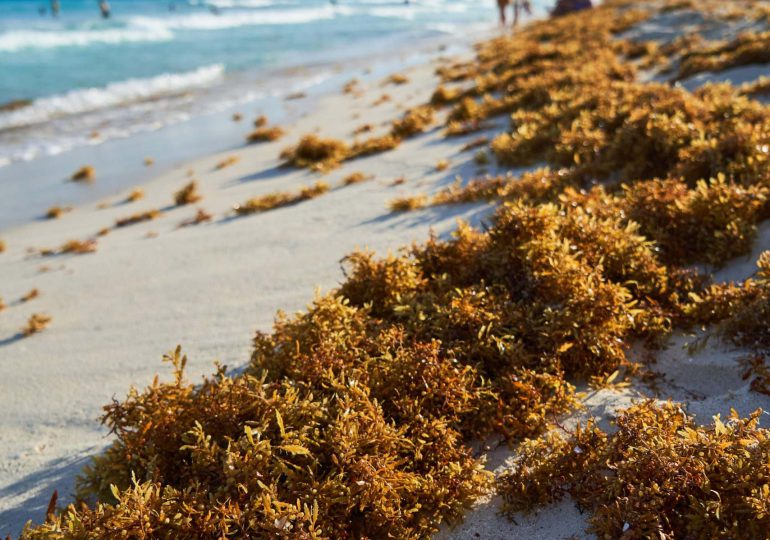
    Recent months have seen coastal regions, particularly in areas like San Pedro, grappling with the overwhelming presence of sargassum—thick, brown seaweed mats that have inundated shorelines. This natural phenomenon has posed significant challenges for local communities and the tourism sector. However, a breakthrough emerged on Friday when the Department of the Environment (DOE) received a substantial donation of advanced equipment and software. This technological aid is set to revolutionize Belize’s ability to monitor and manage sargassum more efficiently. Andre Perez, Area Representative for Belize Rural South, emphasized the significance of this development. He acknowledged the severity of this year’s sargassum invasion, which has affected not only Belize but the entire Caribbean region. Perez highlighted that the new tools will enable authorities to track large sargassum mats traversing the Caribbean, allowing for a more strategic and proactive approach. Instead of reactive measures, such as beach cleanups, the technology will provide early warnings, enabling communities to prepare effectively. Perez described the ongoing struggle against sargassum as a ‘never-ending battle,’ but expressed optimism that this innovation will mark a turning point in the fight.

  • Silver Palms Development Threatens Fragile Marine Habitat, Critics Say

    Silver Palms Development Threatens Fragile Marine Habitat, Critics Say

    The proposed Silver Palms mega development in San Pedro, Belize, has ignited significant controversy due to its potential impact on one of the country’s most ecologically sensitive marine habitats. Approved in late 2024 after a Limited Level Environmental Study, the project bypassed public consultation and a comprehensive Environmental Impact Assessment, raising concerns among environmentalists, local officials, and the community. Andre Perez, Area Representative for Belize Rural South and Minister of the Blue Economy, has voiced strong opposition, emphasizing the area’s critical role in fish spawning and flyfishing. Perez criticized the lack of consultation with key stakeholders, including the Fisheries Department and NGOs like Hol Chan Marine Reserve, and questioned the project’s economic viability. He urged potential investors to reconsider, warning that the fragile ecosystem makes the development unsustainable. The controversy highlights the tension between economic development and environmental preservation in Belize’s coastal regions.

  • Belize’s ‘Never-Ending Sargassum Battle’ Just Got Smarter

    Belize’s ‘Never-Ending Sargassum Battle’ Just Got Smarter

    Belize’s ongoing struggle with sargassum seaweed has taken a significant turn with the introduction of advanced monitoring tools. This year, the country experienced one of its most severe sargassum crises, with vast amounts of seaweed inundating beaches, disrupting coastal ecosystems, and necessitating continuous cleanup efforts. However, a new initiative funded by the Government of Taiwan, in collaboration with the Central American Commission on Environment and Development, has provided Belize with cutting-edge technology to better manage this environmental challenge. The donation includes a drone, a laptop, and the Sargassum Forecasting Model (SAMtool), which utilizes satellite imagery and ocean current data to track and predict the movement of sargassum mats across the Caribbean. Andre Perez, Belize’s Minister of Blue Economy and Marine Conservation, expressed optimism about the new tools, stating that they will enable a more strategic and efficient response to the sargassum influx. ‘It’s a constant battle, but with this technology, we can approach it in a smarter way,’ Perez remarked. The initiative marks a crucial step forward in Belize’s efforts to mitigate the impact of sargassum on its coastal communities and marine ecosystems.

  • Simons: Bossen moeten eerlijk worden beloond voor hun bijdrage aan het klimaat

    Simons: Bossen moeten eerlijk worden beloond voor hun bijdrage aan het klimaat

    Suriname has pledged its support for the establishment of the Tropical Forests Forever Facility (TFFF), a groundbreaking global fund designed to systematically reward nations with extensive forest cover for their contributions to climate preservation. The initiative was unveiled during the Belém Climate Summit, attended by Brazilian President Luiz Inácio Lula da Silva and numerous heads of state and government leaders from forest-rich countries. President Jennifer Simons hailed the TFFF as a long-awaited and essential tool for equitable climate financing. ‘As the country with the highest forest coverage globally, Suriname is delighted to endorse this initiative. The TFFF acknowledges the true value of standing forests and ensures that nations and communities preserving their forests are no longer overlooked,’ she stated. The facility introduces a permanent, predictable, and performance-based mechanism, linking financial support to measurable outcomes in forest conservation. Simons emphasized that the lack of accessible funding for forest protection can no longer persist. ‘The world must finally recognize the invaluable services our forests provide to the global climate.’ The TFFF’s objectives align closely with Suriname’s policies on forest management and sustainable development, which include maintaining at least 90% forest coverage, safeguarding land rights and livelihoods of indigenous and local communities, and promoting a green economy focused on ecotourism, natural cosmetics, and traditional medicine. ‘Fair climate financing enables our nations to improve the lives of our people—not through deforestation, but through sustainable management and conservation of our forests,’ President Simons remarked before her return home.

  • Sargassum Task Force Receives New Monitoring Tools

    Sargassum Task Force Receives New Monitoring Tools

    Belize has taken a significant step forward in addressing its recurring sargassum crisis with the Sargassum Task Force receiving cutting-edge monitoring tools. Earlier this year, the country faced one of its worst sargassum invasions, with tons of rotting seaweed inundating its pristine beaches. The influx disrupted tourism, local livelihoods, and marine ecosystems, prompting urgent action. Today, the Task Force unveiled a suite of advanced tools, including a drone, a laptop, and the Sargassum Forecasting Model (SAMtool), donated by the Department of the Environment. These tools are part of a broader regional initiative funded by the government of Taiwan, aimed at enhancing Belize’s ability to predict and manage sargassum outbreaks. Deputy Chief Environmental Officer Edgar Ek highlighted the collaborative efforts behind the project, involving the Ministry of Tourism and the Ministry of Blue Economy and Marine Conservation. SAMtool, a subscription-based digital platform, utilizes satellite imagery and ocean current forecasts to track sargassum movement, providing critical data on its trajectory and potential impact. Chief Meteorologist Ronald Gordon emphasized the tool’s role in strengthening national preparedness and response strategies. Tourism Officer Darcy Correa underscored the crisis’s broader implications, noting that sargassum not only affects tourism but also the livelihoods of coastal communities. With these new tools, Belize aims to improve early warning systems, support informed decision-making, and safeguard its coastal ecosystems and economy.

  • Four Men Charged for Illegal Logging near Doubloon Lagoon

    Four Men Charged for Illegal Logging near Doubloon Lagoon

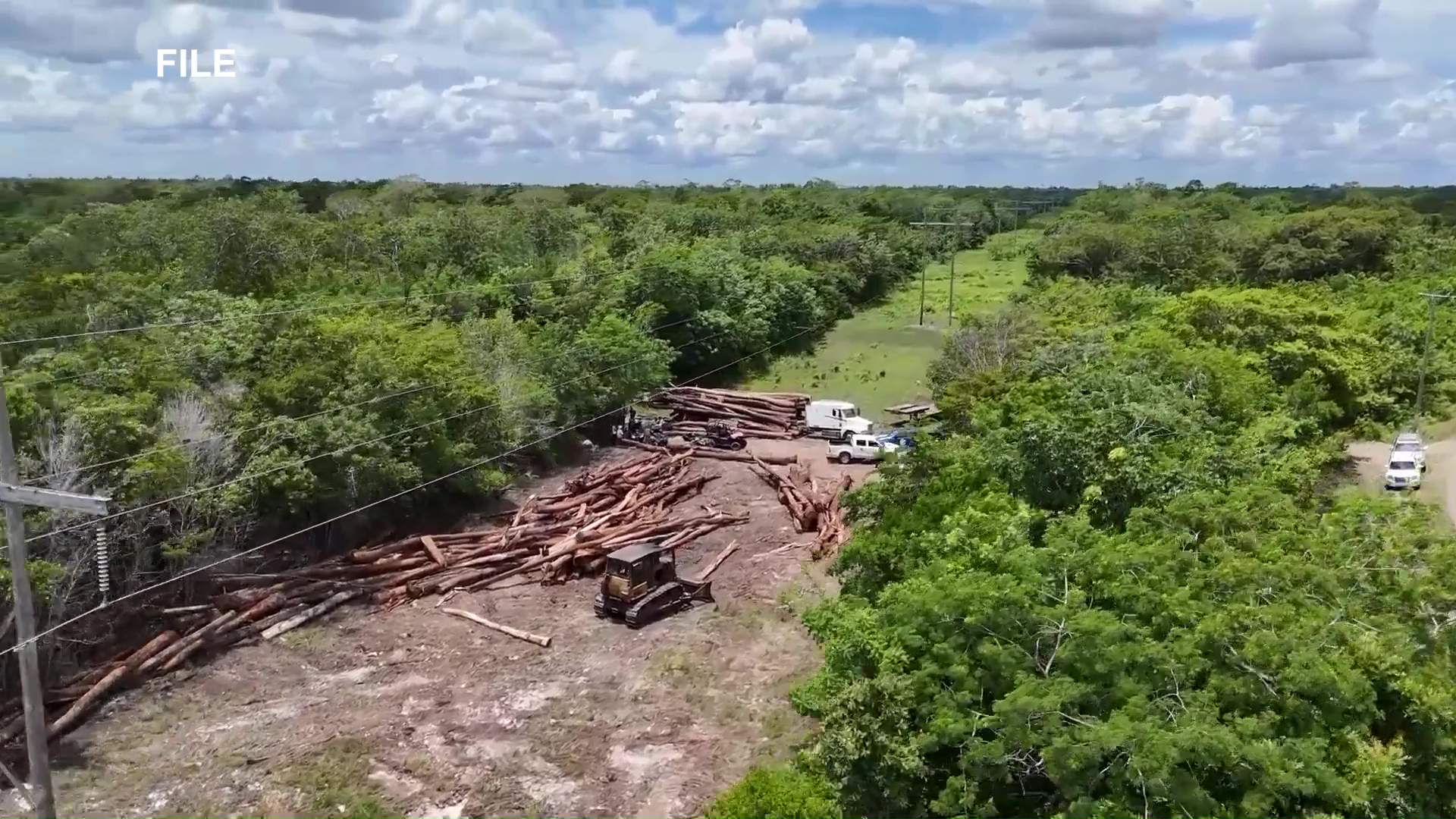
    In a significant crackdown on environmental violations, four individuals have been formally charged with illegal logging activities near Doubloon Lagoon in the Orange Walk District. The incident, which unfolded on November 5, 2025, was brought to light by the Corozal Sustainable Future Initiative (CSFI) enforcement team. The team intercepted the group as they were unloading logwood posts from a red tractor into a white GMC truck. Notably, the men were unable to produce any valid permits or licenses authorizing the extraction or transportation of the wood.

    Authorities swiftly seized the vehicles involved, along with a chainsaw, a tractor battery, and approximately 100 logwood posts as evidence. The accused, identified as Martin Rosado, Diego Santos, Chad Vargas, and Aldair Correa, have been charged under Section 19 of the Forest Act for the unlawful possession of forest produce.

    This case follows closely on the heels of another illegal logging incident reported on November 2, 2025, where rangers from the Wildlife Conservation Society detained four individuals from Cotton Tree Village. The Forest Department has issued a stern reminder to the public about the legal ramifications of unauthorized logging. ‘Harvesting, transporting, or possessing forest produce without the necessary permits is a criminal offence,’ the department stated, urging citizens to report any suspicious activities to safeguard Belize’s precious forests.

  • Belize at Center of the Blue Economy Exchange

    Belize at Center of the Blue Economy Exchange

    Belize has emerged as a key player in the global effort to balance economic growth with marine conservation through the Blue Economy. Partnering with the African Union and the Global Water Partnership, Belize is hosting a groundbreaking knowledge exchange aimed at fostering sustainable ocean development. This initiative, supported by the Global Environment Facility (GEF), focuses on practical solutions such as sustainable fisheries, marine spatial planning, and innovative financing mechanisms. Two major projects—the African Small Island Developing States (SIDS) Blue Economy Project and PROCARIBE+—are driving this collaboration. The exchange aims to share best practices and develop policies that ensure the Blue Economy benefits both people and the planet. Carlie Gillett, Project Officer for the Blue Economy, emphasized the importance of mutual learning between projects to advance sustainable fisheries and marine planning. Sonia Gautreau of the UNDP highlighted the role of the International Waters Learning Exchange and Resources Network (IW Learn) in facilitating global collaboration. For African SIDS, the priority is establishing robust policies and frameworks to scale the Blue Economy across the continent. Shamiso Kumbrai, representing the African SIDS Project, noted the significance of on-the-ground implementation, which Belize exemplifies. Samir Rosado of the Coastal Zone Management Authority and Institute (CZMAI) underscored Belize’s vision of a healthy, resilient ocean that supports both economic prosperity and cultural well-being. The knowledge exchange, set to conclude later this week, promises to influence ocean policy and sustainable development strategies worldwide.