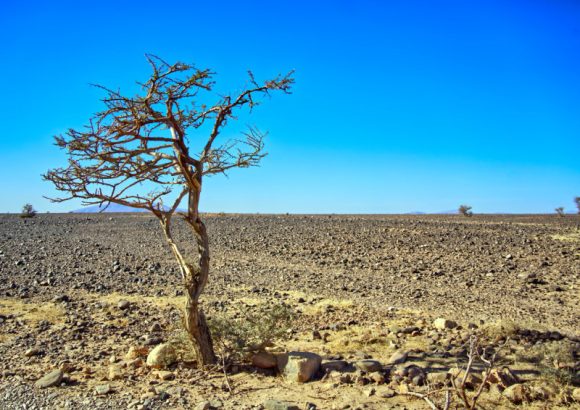
As forecasts point to one of the most intense El Niño events since 1950 set to peak in 2026, the Dominican Republic faces layered economic risks driven by extreme weather, even as the climate phenomenon delivers one unexpected upside for its key tourism industry, a new Deloitte analysis finds.
International meteorological bodies warn there is a 90% probability that the 2026 El Niño event will strengthen into a “very strong” category, with lingering impacts stretching into 2027. While the Dominican Republic holds a more advantageous position compared to neighboring nations across Central America and Panama, the primary threat does not stem from excess rainfall. Instead, the biggest danger comes from the combined stress of prolonged drought, systemic water scarcity, and record-high heat that threatens to disrupt the country’s most economically critical sectors.
Unlike Central America’s Dry Corridor, which faces catastrophic risks of widespread crop failure and deepening food insecurity, the Dominican Republic faces a moderate medium-term drought risk that will ripple through global and domestic supply chains to stoke inflation. Reduced rainfall across the region will cut into access to key production inputs including fertilizers and diesel, while low water levels on major global shipping routes have forced draft restrictions that push up global freight costs by as much as 15%. These higher costs are passed along step-by-step from logistics providers to retail outlets, ending with higher price tags for consumers at supermarkets and grocery stores.
Deloitte’s report notes that fertilizers and diesel make up between 50% and 70% of total agricultural production costs for the country. Though global urea prices saw a partial correction after nearly doubling in the first half of the year, the earlier price surge has already been locked in for the 2026 planting season, putting consistent downward pressure on corporate profit margins across the agricultural sector.
The country’s energy sector will also feel significant strain from reduced water availability. Lower reservoir levels at local hydropower dams will force grid operators to shift generation to more expensive fossil fuel-powered thermal plants, driving up overall electricity production costs thanks to the lagged economic impact of the weather event.
Despite these broad risks, El Niño brings one clear benefit to the Dominican Republic’s economy: the climate phenomenon’s warm Atlantic phase is historically tied to reduced cyclonic activity, cutting the risk of destructive hurricanes and tropical storms hitting the island. This lower storm risk guarantees greater operational stability for the tourism sector, the single largest source of foreign exchange for the national economy.