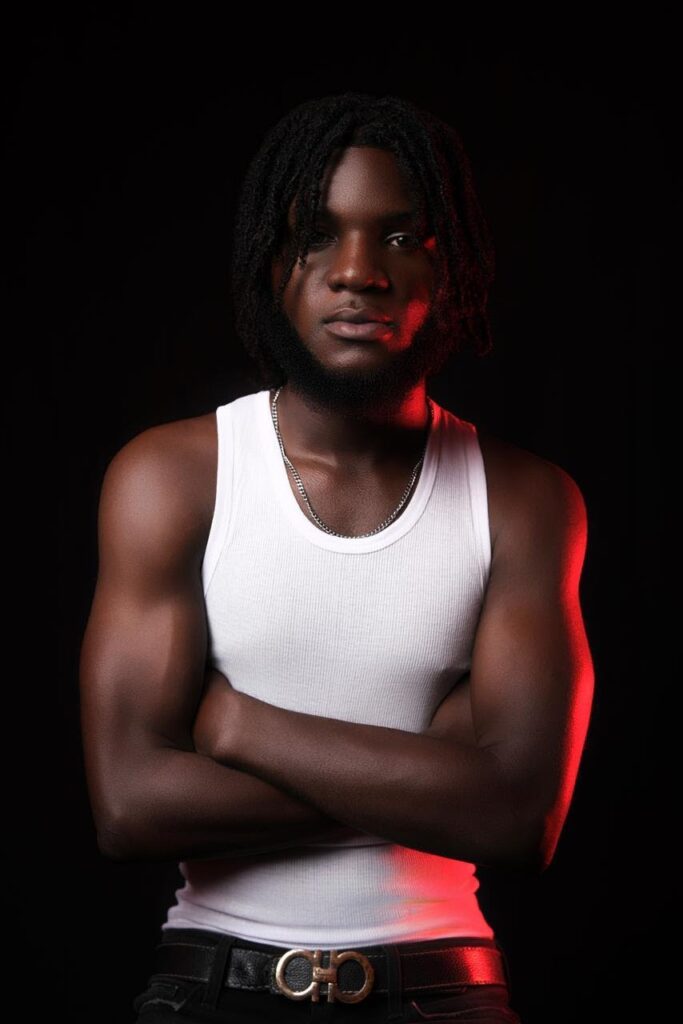
Jamaican dancehall has long been a genre shaped by shifting cultural tides and sonic experimentation, but one artist has built his enduring career on unchanging core values: consistency, raw authenticity, and meaningful lyrical storytelling. That artist is Govana, a Spanish Town-born deejay who has risen from one of the genre’s most promising emerging voices to a globally recognized staple of Jamaican music, earning widespread acclaim both at home and across the international diaspora.
As the hit-making performer gears up for his first appearance at Dream Wknd’s brand-new Montego Bay iteration, he sat down to reflect on his years-long artistic journey, the real-life inspirations that fuel his songwriting, and the principles that have kept him grounded in an industry famous for its fickle trends.
For Govana, authenticity is not just a buzzword—it is the foundation of his decade-long longevity in dancehall. This core value, he says, has allowed him to stay relevant across changing eras while cultivating a deeply loyal global fanbase that connects with his unfiltered approach to music. Over the course of his career, the deejay has delivered one chart-topping hit after another, and he opened up about how he has evolved both as an artist and a person, and the life lessons that have shaped his path.
“My growth as an artist comes from showing up every day and choosing to evolve, not stay stuck,” he explained. “From the very beginning, I’ve always believed that great lyrics and real substance have to go hand in hand. Over time, I’ve learned how to turn my own life experiences into music that people can feel, that they can see themselves in.”
Govana has made a name for himself by blending gritty, authentic street narratives with introspective, uplifting themes, and he says his songwriting draws almost exclusively from the everyday moments and lessons that make up human life. “Every experience you go through teaches you something new,” he shared. “I take those lessons and turn them into fuel for my music.”
Since breaking through as one of dancehall’s most compelling lyricists, Govana has steadily expanded his reach across borders, growing into one of the genre’s most recognizable contemporary figures. Even as the global music industry continues to shift and adapt to new trends, he credits self-awareness and a commitment to individuality with helping him hold onto his unique artistic identity.
“The industry changes all the time, but authenticity comes from knowing who you are at your core,” he said. “I embrace new sounds, and I even love shaping those new sounds with my own style—but even when the sonic landscape shifts, I always make sure my lyrics and my music still sound like me.”
That unwavering commitment to staying true to himself, he believes, is exactly what makes his work resonate so deeply with listeners. “People connect with what’s real, and that’s a line I’ve never crossed, that’s something I’ve never compromised on,” he emphasized.
While many artists can point to one single defining career milestone that changed everything, Govana says it is impossible for him to pick just one achievement that stands above the rest. “It’s hard to narrow it down to one specific high point, because I’ve had so many moments that I hold close to my heart,” he shared. “But seeing my fans happy—that will always be the ultimate win for me as an artist.”
Looking ahead, the entertainer says his main focus remains on personal growth and constant self-improvement. “I’m still working every day to become a better version of myself, to top what I did yesterday,” he said.
Govana is no stranger to the Dream Wknd stage, having performed at the festival twice before in other locations, and he describes the event as a consistently joyful, high-energy experience. “I was so excited when I got the call to perform here,” he said. “This is my third Dream Wknd, and it’s always had such an amazing vibe. I’m expecting nothing less than an extraordinary night with great people.”
For the artist, the Montego Bay debut is another chance to connect with fans in person and deliver the high-octane performance they have come to know him for. “I step onto every stage with the goal of making it memorable for every person in the crowd,” he said. “For Dream Wknd, that energy is going to be turned up to 10. People can expect non-stop high-energy entertainment, especially for the ladies who come out to support.”
Kicking off on July 30 and running through August 3, Dream Wknd will take over a series of top-tier venues across Montego Bay. The festival boasts a packed schedule of eight unique, curated events: Bad Beaches, Dream Live, Daydreams, YUSH, Wet ‘N Wild, Foul Play, Xodus Remedy, and Igloo, giving attendees a wide range of experiences to enjoy throughout the five-day event.