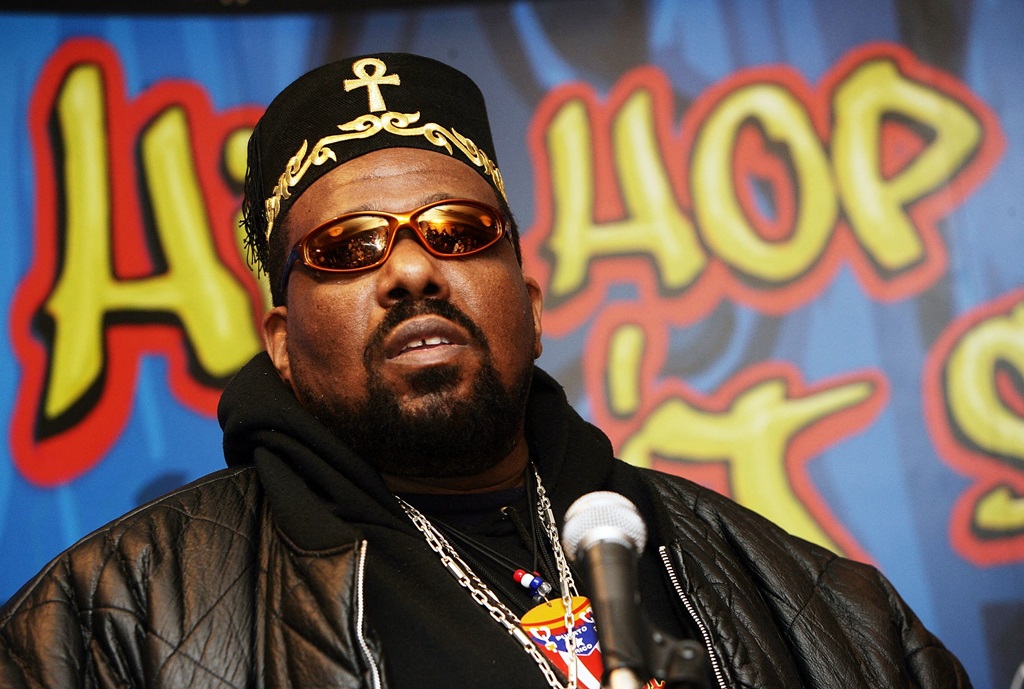
The global hip-hop community is mourning the passing of Afrika Bambaataa, the iconic American rapper and DJ widely recognized as one of the foundational architects of modern hip-hop culture. He was 67.
Born Lance Taylor to Jamaican and Barbadian immigrant parents in New York City, the trailblazing artist died Thursday after a months-long fight with cancer, according to close industry sources.
Bambaataa rose to prominence in the nascent days of hip-hop during the 1970s and 1980s, when his electrifying DJ sets at underground house shows and community block parties laid the groundwork for the genre’s signature sound. It was his 1984 studio album *Planet Rock* that catapulted him from underground stardom to mainstream acclaim, blending electronic production with hip-hop beats in a way that redefined the genre for decades to come.
Beyond his recording career, Bambaataa was a key founding figure of Universal Zulu Nation, a conscious hip-hop collective that aimed to channel hip-hop culture as a force for positive social change in under-resourced urban communities. The organization grew into one of the most influential collective groups in early hip-hop, helping to bring the genre from street corners to global consciousness.
However, the final decades of Bambaataa’s life were marked by severe controversy that irreparably damaged his public legacy. Multiple accusers came forward with detailed allegations of sexual abuse, sex trafficking, and pedophilia involving underage boys and young men, with claims that the abuse occurred throughout the 1980s and 1990s. The accusations cut short his active career and split public opinion on his contributions to music.