分类: education

  • Programme driving down school suspensions, says education ministry

    Programme driving down school suspensions, says education ministry

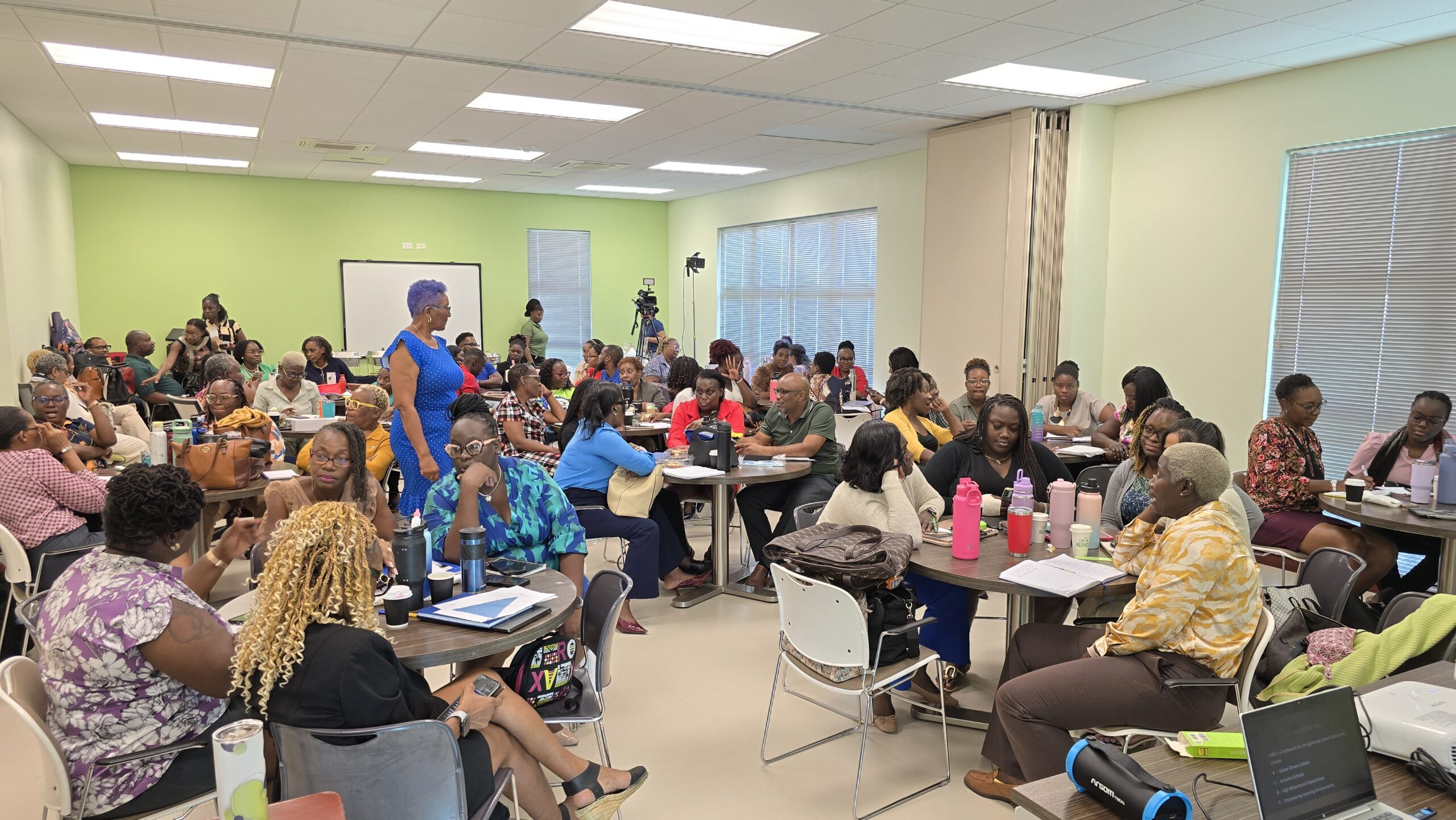
    Barbados’ education transformation efforts have yielded dramatic results with school suspensions plummeting 60% this term following the implementation of a comprehensive values-based learning framework. The Ministry of Education’s revitalized VIBES program (Values-driven, Inclusive, Behavioural Excellence, Empowering Learning Environment) has mobilized secondary school principals, guidance counselors, social workers, and school officers in a coordinated approach to student behavior management.

    The government has quadrupled student support staffing from 10 to 40 professionals, implementing a multi-tiered support system that combines proactive behavioral interventions with academic enhancements. Senior Psychologist Juanita Brathwaite-Wharton explained the dual approach: “We’re enhancing universal interventions for all students while simultaneously strengthening math instruction and literacy programming from the academic perspective.”

    A cornerstone of the strategy is the Health and Family Life Education (HFLE) curriculum, which emphasizes social-emotional learning components including anger management, emotional regulation, and self-esteem building as preventative measures. The ministry has further expanded capabilities through a partnership with the University of the West Indies Cave Hill Campus, establishing the Educational and Psychological Assessment Unit (EPAU) to support students with learning challenges through psycho-educational screening, assessments, and professional workshops.

    The initiative employs targeted interventions to identify at-risk students requiring multi-agency support addressing housing, parenting, mental health, juvenile justice, and substance use issues. Education Officer Cyrilene Willoughby highlighted collaborations with community organizations like Echo Nation to address youth needs through tailored programs across secondary schools.

    Chief Education Officer Dr. Ramona Archer-Bradshaw confirmed the dramatic reduction in suspensions, attributing the success to system-wide efforts. “When we compare last term to this term, suspensions have significantly decreased by 60% due to the work of principals, teachers, and support staff across the system,” she stated, expressing ambition to eliminate suspensions entirely.

    Dr. Archer-Bradshaw emphasized the broader educational mission: “I want children who have values, good attitudes, and self-awareness—not just academic excellence.” She encouraged educators to adopt the FIRM methodology (Fair, Inclusive, Relevant, Modern) in pursuing the ministry’s mission to ensure every Barbadian child has opportunity.

  • UWI Five Islands Campus officials strengthen educational ties with Grenada’s T.A. Marryshow Community College

    UWI Five Islands Campus officials strengthen educational ties with Grenada’s T.A. Marryshow Community College

    In a significant development for Caribbean higher education, the University of the West Indies Five Islands Campus (UWI FIC) and T.A. Marryshow Community College (TAMCC) have embarked on a transformative partnership aimed at creating seamless academic transitions for students throughout Grenada, Carriacou, and Petite Martinique.

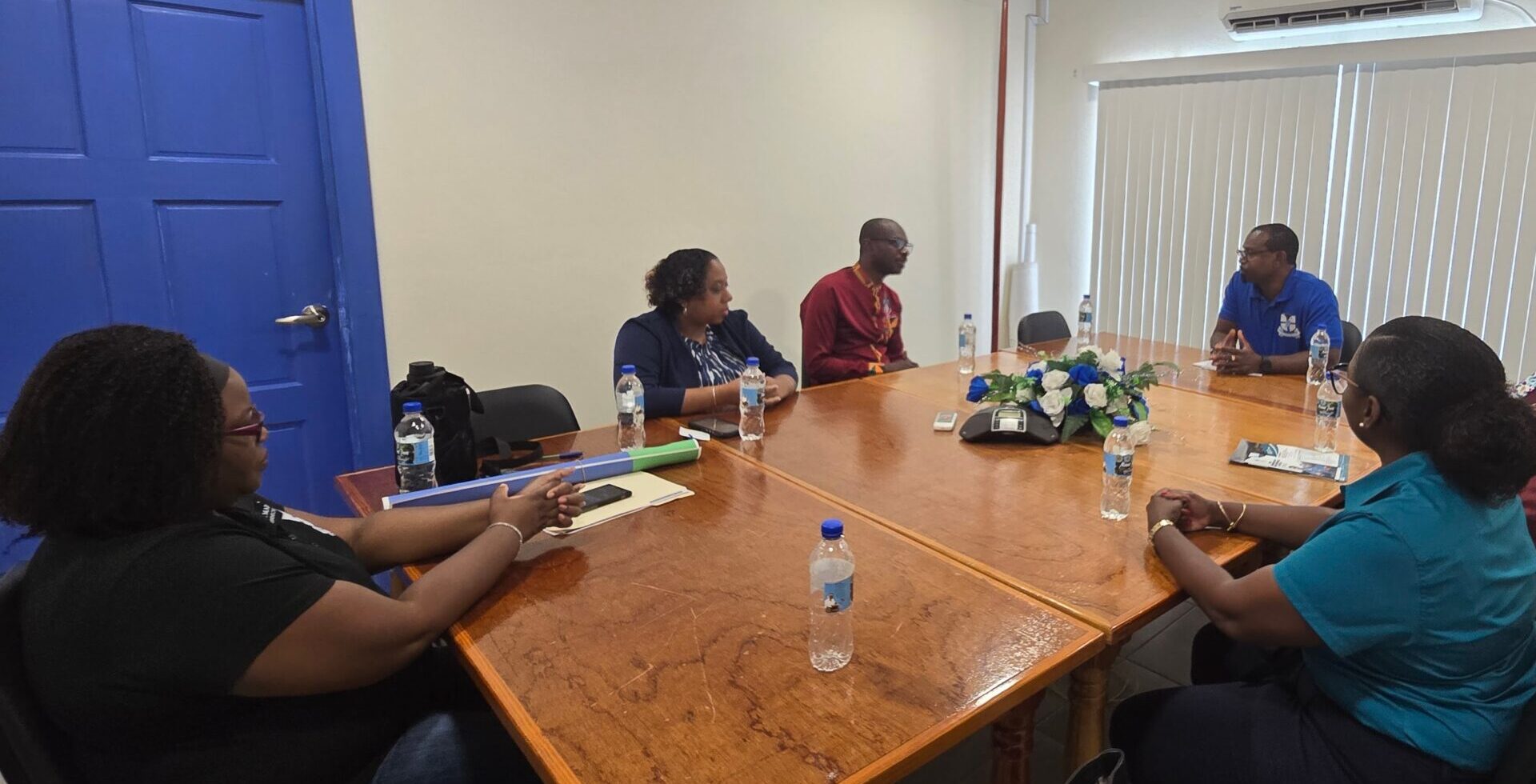
    The groundbreaking discussions, held on March 11-12, brought together leadership teams from both institutions to establish frameworks that would eliminate educational barriers and enhance academic mobility. UWI FIC’s delegation was spearheaded by Campus Principal Professor Justin Robinson, accompanied by key administrators including Admissions Assistant Registrar Jenifer Hughes, Criminology program coordinator Dr. Kamecia Blake, Health Sciences coordinator Samantha Marshall, and Marketing Manager Shavar Maloney.

    TAMCC’s representation was led by Principal Andrew Abraham, alongside Dr. Philomena Cato and Access Studies coordinator Moricia Japal-Ledlow, demonstrating the college’s commitment to expanding educational opportunities.

    The central focus of the negotiations centered on developing structured articulation agreements, particularly 2+2 programs that would enable students to complete associate degrees at TAMCC before seamlessly transitioning to UWI FIC for bachelor’s degree completion. Both institutions extensively discussed credit transfer policies, exemption frameworks, and institutional alignment strategies to ensure academic coherence and quality standards.

    The productive deliberations culminated in a mutual commitment to formalize the collaboration through a Memorandum of Understanding, marking a milestone in inter-institutional cooperation within the Organization of Eastern Caribbean States (OECS) region.

    Professor Robinson emphasized the strategic importance of this initiative, stating, ‘This partnership embodies our dedication to creating accessible higher education pathways throughout the OECS. By building these institutional bridges, we’re not only removing academic barriers but fundamentally strengthening the human capital development across our sub-region.’

    Principal Abraham highlighted the local impact, noting, ‘This collaboration will empower TAMCC students with the qualifications and skills necessary to drive Grenada’s development while positioning them competitively in the global landscape. We’re committed to ensuring our youth can effectively contribute to national progress.’

    This alliance represents a concrete implementation of UWI FIC’s strategic objective to expand quality higher education access throughout the Eastern Caribbean, directly supporting the developmental goals of OECS member states by creating sustainable educational ecosystems and enhancing regional human resource capabilities.

  • The UWI FIC and TAMCC strengthen regional educational ties

    The UWI FIC and TAMCC strengthen regional educational ties

    In a significant move to enhance higher education accessibility, the University of the West Indies Five Islands Campus (UWI FIC) and T.A. Marryshow Community College (TAMCC) have initiated formal discussions to establish streamlined academic pathways for students in Grenada, Carriacou, and Petite Martinique. The high-level meetings held on March 11-12 brought together educational leaders to formulate strategic collaboration frameworks.

    The UWI FIC delegation, led by Campus Principal Professor Justin Robinson, included key administrative and academic personnel: Assistant Registrar of Admissions and Graduate Studies Jenifer Hughes, BSc Criminology and Criminal Justice programme coordinator Dr. Kamecia Blake, School of Health and Behavioural Sciences coordinator Samantha Marshall, and Marketing Manager Shavar Maloney. The TAMCC representation was headed by Principal Andrew Abraham, accompanied by Dr. Philomena Cato and Access/Professional Studies Coordinator Moricia Japal-Ledlow.

    Central to the discussions was the development of structured articulation agreements that would enable TAMCC students to seamlessly transition into UWI FIC degree programmes. The proposed 2+2 pathway model would allow students to complete associate degrees at TAMCC before advancing to bachelor’s programmes at UWI FIC, with appropriate credit exemptions. Both institutions committed to negotiating a formal Memorandum of Understanding to institutionalize the partnership.

    Professor Robinson emphasized the regional significance of the collaboration: ‘This partnership demonstrates our commitment to creating educational pathways for OECS students. By building institutional bridges, we’re removing barriers to advanced degrees while strengthening human capital development across the sub-region.’

    Principal Abraham highlighted the local impact: ‘This initiative will equip TAMCC students with qualifications and skills necessary to drive Grenada’s development and compete effectively in the global environment. We’re ensuring our youth can access programmes that position them as contributors to national progress.’

    The collaboration aligns with UWI FIC’s strategic mission to expand quality tertiary education access throughout the Eastern Caribbean while supporting the development objectives of OECS member states.

  • Regional education conference celebrates Caribbean progress and calls for action

    Regional education conference celebrates Caribbean progress and calls for action

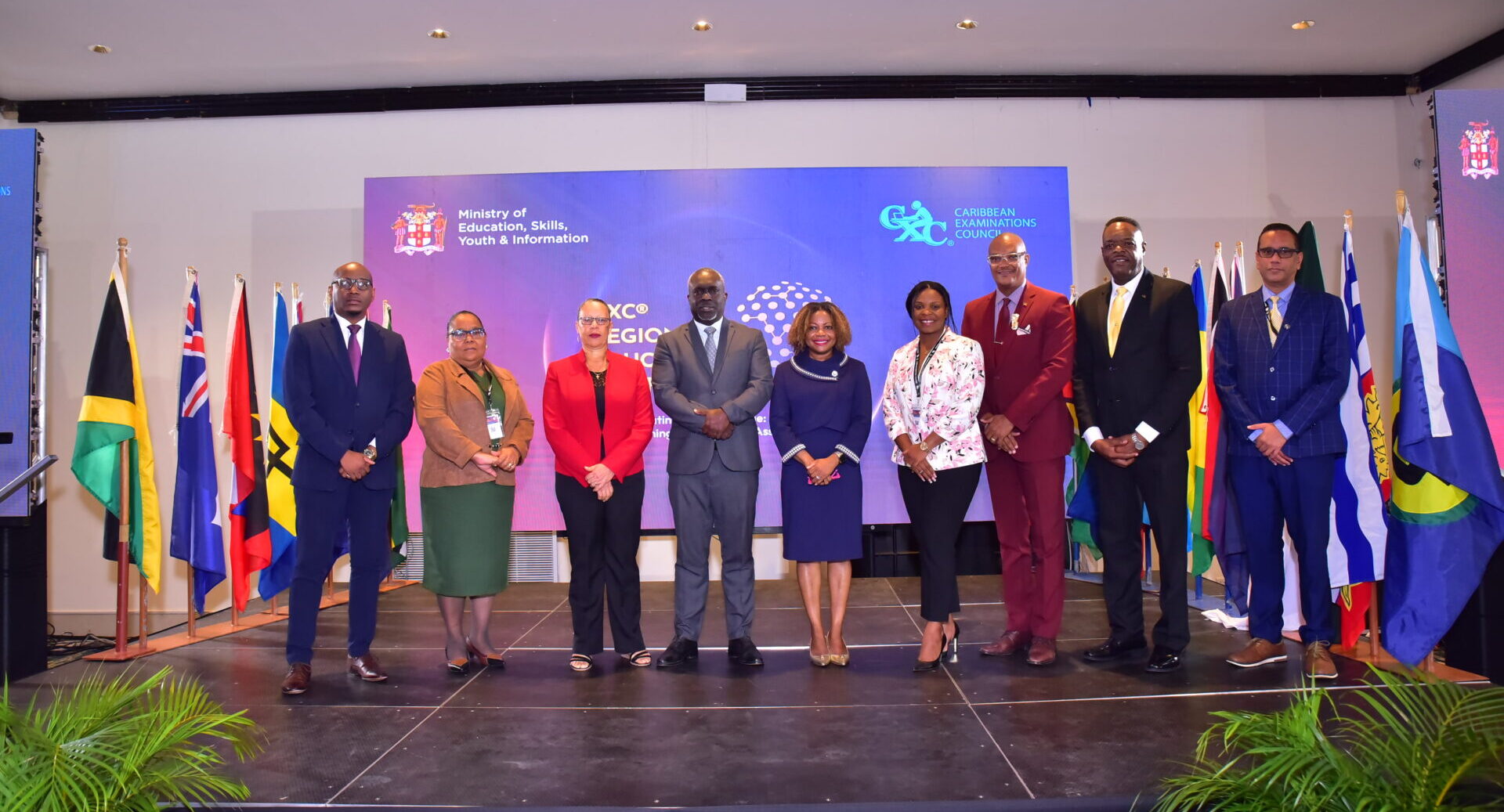
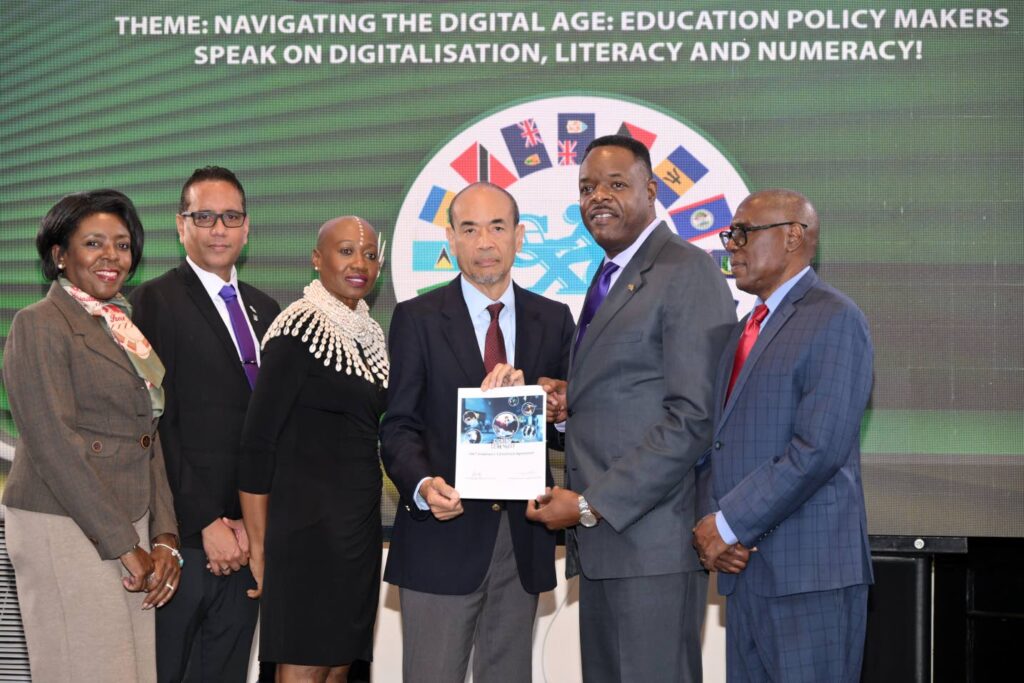
    JAMAICA — Against a backdrop of post-hurricane resilience, the Caribbean Examinations Council (CXC) successfully convened its inaugural Regional Education Conference and Ministerial Forum, bringing together nearly 400 education leaders from 27 Caribbean nations and international delegations. Originally scheduled for October 2025 but delayed by Hurricane Melissa, the four-day gathering demonstrated unwavering commitment to transforming regional education systems.

    Dr. Wayne Wesley, CXC’s Registrar and CEO, set the visionary tone by declaring knowledge the region’s most powerful compounding resource. “Every other resource—wealth, land, technology—can be hoarded or hacked, bombed or destroyed,” he stated. “But knowledge, once transmitted, multiplies. A teacher reaches 30 students. Those students reach thousands more. The compounding never stops.”

    The conference agenda addressed pressing contemporary challenges, including generative AI integration in classrooms, persistent literacy and numeracy gaps, and creating flexible certification pathways. A landmark Partnership Engagement Agreement with Caribbean employer groups signaled recognition that workforce preparation extends beyond traditional academic boundaries.

    Jamaica’s Education Minister Dr. Dana Morris Dixon highlighted the tension between technological advancement and educational fundamentals. “In the midst of this AI whirlwind,” she cautioned, “we must preserve what is most human and essential in education—curiosity, character, critical thinking, creativity, empathy, and purpose.”

    Guyana’s Education Minister Sonia Parag reinforced this balanced approach, warning against sacrificing foundational skills for digital transformation. “Digitization must not distract us from these fundamentals; it must strengthen and promote them,” she asserted, urging closer collaboration with CXC to align assessments with regional needs.

    The gathering coincided with a significant technological milestone: the successful administration of fully electronic and hybrid examinations across 17 Caribbean states in January 2026. With over 10,000 candidates completing nearly 18,000 subject entries, the results demonstrated Caribbean students’ readiness for digital assessment formats.

    Dr. Wesley emphasized the generational imperative: “Our Gen Z and Alpha learners are digital natives. Learning and assessment systems must be congruent with how they process knowledge.” He reframed CXC’s identity as an “activist” organization championing educational equity across the region.

    The conference concluded with what organizers described as “a covenant with our children”—a commitment to transform dialogue into actionable policies that ensure educational excellence becomes a fundamental right rather than a privilege for select few.

  • 2026 China Scholarship Announcement

    2026 China Scholarship Announcement

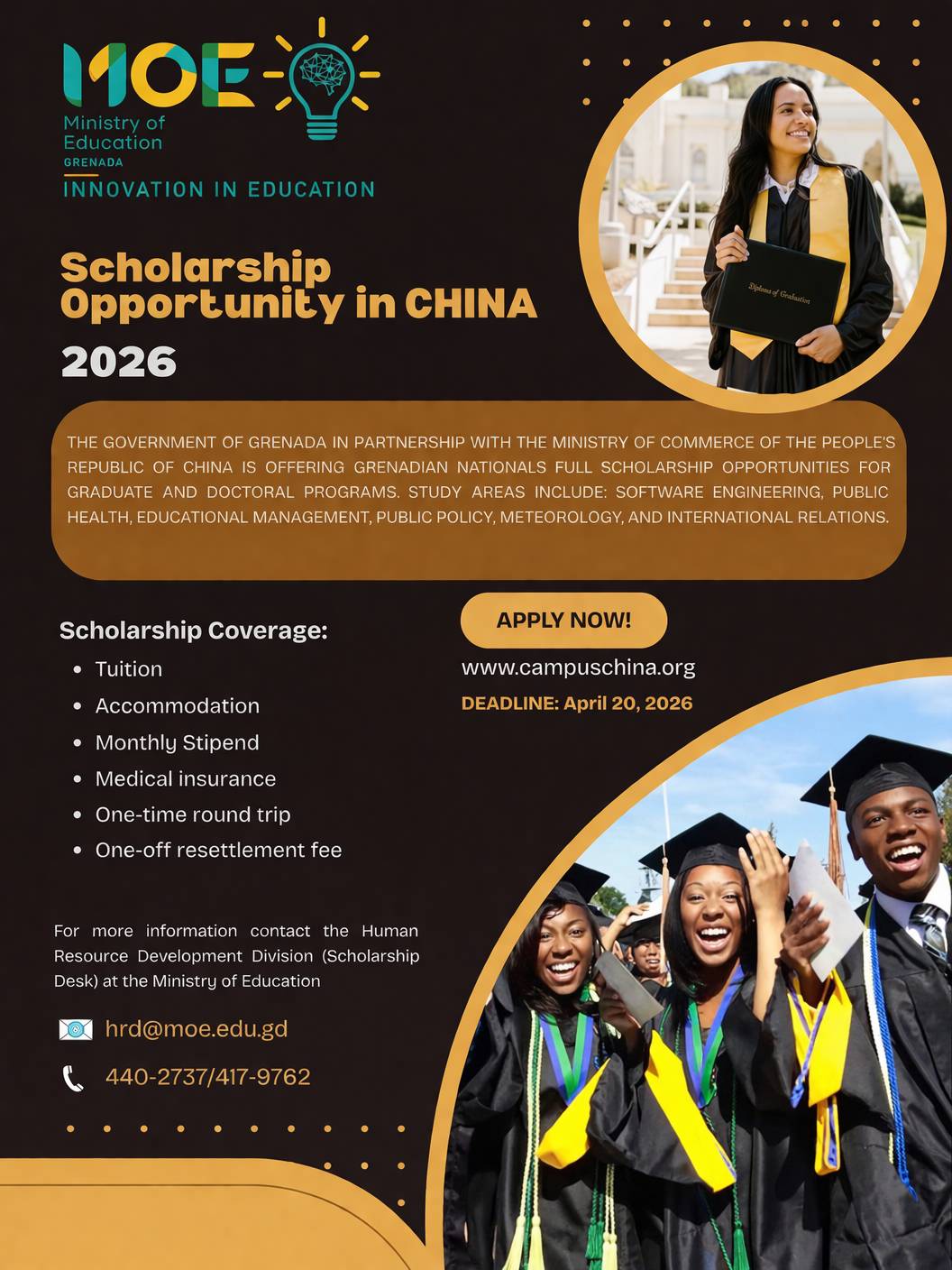
    The Governments of China and Grenada have officially announced the opening of applications for the prestigious MOFCOM Scholarship-CSC Programme for the 2026 academic year. This initiative represents a significant bilateral educational partnership designed to strengthen international cooperation and develop high-caliber professionals from developing nations.

    The Chinese Ministry of Commerce-established scholarship program provides exceptional opportunities for Grenadian nationals to pursue master’s or doctoral degrees at renowned Chinese universities. The program specifically targets senior-level professionals, requiring applicants to be public officials at division level or above in government sectors, or hold senior management positions in organizations.

    Eligibility criteria mandate that candidates must be Grenadian citizens under 45 years of age, in excellent physical and mental health, and hold at least a bachelor’s degree. Additionally, applicants must meet specific academic and language proficiency requirements set by their chosen universities.

    The application process involves a comprehensive digital procedure through the ‘CSC Study in China’ portal (http://www.campuschina.org). Prospective students must carefully select ‘Programme Category Type A’ and input the designated agency number 00010 to ensure proper processing. The system automatically matches applicants with available universities based on their academic preferences and language requirements.

    Required documentation includes certified academic transcripts, a detailed research proposal, curriculum vitae, recommendation letters from both professional and academic references, valid passport copies, medical examination reports, and a recent police certificate of non-criminal record. All supporting materials must be professionally scanned and certified for clarity and validity.

    The application deadline is strictly set for April 20, 2026. Complete application packages must be physically submitted in triplicate to the Scholarship Desk/Human Resource Development Division at Grenada’s Ministry of Education. For additional information, interested parties can contact the Ministry at (473) 440-2737, (473) 417-9762 via WhatsApp, or email hrd@mail.gov.gd / hrdgrenada@gmail.com.

  • At-risk students see major GPA gains as school violence drops

    At-risk students see major GPA gains as school violence drops

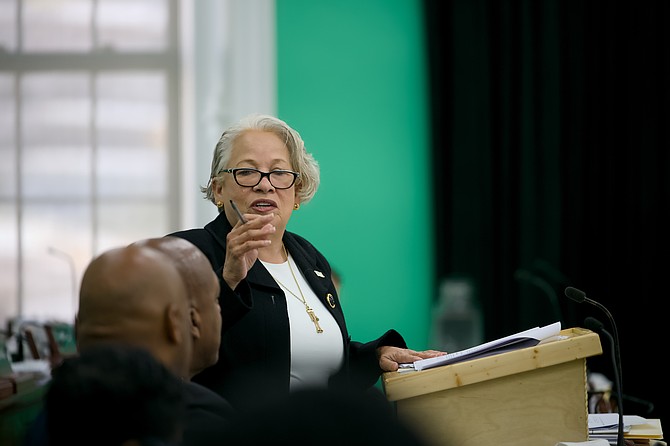
    The Bahamas is witnessing an educational transformation as hundreds of academically at-risk students have made extraordinary progress, with many elevating their GPAs from below 1.0 to achieving a 3.0 average. Education Minister Glenys Hanna Martin announced these significant improvements during parliamentary debates on legislation aimed at modernizing the nation’s education system.

    The data reveals a 7.3 percent increase in at-risk students achieving at least a 2.0 GPA in 2025 compared to the previous year. Particularly impressive is that 1,812 students—representing 16.3 percent of previously struggling learners—have dramatically improved their performance from approximately 1.0 to 3.0 GPAs. This marks a substantial increase from the 14.1 percent achievement rate recorded in 2024.

    Minister Hanna-Martin credited these academic breakthroughs to targeted interventions and the dedicated work of academic coaches. The success extends across the archipelago, with nine of the nation’s ten education districts demonstrating GPA gains in December 2025 compared to the same period in 2024.

    Academic improvements are evident across multiple subjects. Bahamian Junior Certificate results showed measurable gains in art, literature, craft, social studies, and family and consumer science. Notably, English language, chemistry, French, history, physics, religious studies, and graphical communications achieved exceptional cumulative achievement rates of 80 to 89 percent.

    The ministry acknowledges ongoing challenges in mathematics but has conducted comprehensive research and is implementing specialized strategies to address this area. Further evidence of progress comes from Grade Level Assessment Test Examinations for grades three and six, which recorded gains in reading and listening comprehension. Grade six students achieved their highest GPA in ten years, and the national graduation rate reached a historic high of 59 percent.

    Parallel to academic improvements, school violence has decreased dramatically by 46 percent since fall 2022, dropping from 142 incidents to 77 in fall 2025. This reduction includes a 74 percent decline in fights, complete elimination of stabbings (100 percent decrease), and a 41 percent reduction in unlawful carrying of weapons. Geographic analysis shows violence decreased 30 percent in New Providence, 73 percent in Grand Bahama, and 81 percent in the Family Islands.

    Looking toward the future, the ministry has reached a landmark phase in developing an artificial intelligence policy for education. The draft policy outlines student-focused goals emphasizing both empowerment and responsibility. It envisions students not merely as AI users but as active contributors to innovation through hands-on projects, coding clubs, and national competitions. The ultimate objective is to prepare every learner, regardless of geographic location or socioeconomic status, to navigate and shape an AI-augmented future with confidence, creativity, and integrity.

  • Training stimuleert docenten om AI bewust in te zetten in onderwijs

    Training stimuleert docenten om AI bewust in te zetten in onderwijs

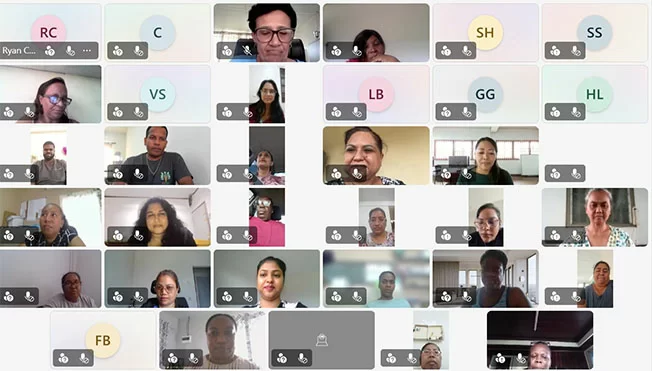
    Suriname’s educational sector is undergoing a transformative shift in its approach to artificial intelligence, with educators being encouraged to creatively and responsibly integrate AI tools into teaching methodologies rather than imposing bans. This paradigm shift forms the core of an innovative training initiative launched by Better Prepared Suriname (BPS), which commenced with a comprehensive online information session on March 2nd and will continue with hands-on workshops scheduled for March 23rd targeting 30 selected participants.

    According to Project Leader Mildred Demon, there exists an overwhelming demand for AI knowledge within the educational community, evidenced by the initial session attracting over 180 registrations. The training, conducted by Professor Lieve de Wachter from Belgium’s prestigious KU Leuven University, emphasized the irreversible integration of AI into modern education systems.

    The program challenges conventional fears about AI’s educational impact, advocating for a student-guided approach focused on responsible implementation rather than restrictive measures. “The objective isn’t to prohibit AI but to equip students with the competence to utilize it effectively and ethically,” Demon explained.

    While educators initially expressed concerns regarding AI’s potential effects on students’ cognitive abilities and plagiarism risks, the training demonstrated how properly implemented AI can actually enhance depth of learning and critical thinking skills. The follow-up workshop will concentrate on practical classroom applications, with participants expected to disseminate their acquired knowledge to colleagues, thereby creating a multiplier effect throughout the education system.

    BPS has dedicated several years to supporting both students and teachers in developing essential skills required for advanced education and an evolving job market, with this AI initiative representing their latest strategic intervention.

  • Principal highlights inclusive education progress at Grantley Adams Memorial School

    Principal highlights inclusive education progress at Grantley Adams Memorial School

    The Grantley Adams Memorial School in St Joseph is receiving acclaim for its transformative approach to inclusive education, with Principal Major Andrew Skeete highlighting the institution’s successful restructuring of its educational framework. During a recent visit by Dr. Nwachukwu Anakwenze, Regent of Igboland, school officials detailed their pioneering educational model that has reshaped student development strategies at the 70-year-old institution.

    The school’s educational philosophy centers on creating adaptable learning environments that accommodate diverse learning abilities and needs. “We have established ourselves as an institution committed to inclusive education, with particular emphasis on special education requirements,” Skeete explained. The curriculum has been intentionally designed to permit students to advance according to their individual learning paces while maintaining academic rigor.

    Core academic requirements include English, Mathematics, Social Studies, Integrated Science, and computer-based subjects, regardless of certification pathways. This foundational approach enables students to pursue various qualification routes including CSEC, CCSLC, or City and Guilds certifications based on their individual strengths and capabilities.

    Academic results demonstrate the effectiveness of this approach, with alternative certification tracks consistently achieving pass rates between 60-80 percent. While CSEC outcomes remain an area targeted for improvement, the school’s overall academic performance shows steady enhancement across all programs.

    Beyond classroom instruction, the institution provides comprehensive student support through partnerships with external agencies. These collaborations offer wraparound services including counseling and national programs specifically designed for at-risk youth. “We recognize our students’ diverse needs and provide multifaceted support systems,” Skeete emphasized.

    The school has also witnessed remarkable growth in extracurricular engagement. For the first time in recent history, the institution has successfully fielded complete teams for football, basketball, cricket, and cross-country competitions. Athletic achievements include notable performances at the Barbados Secondary Schools’ Athletic Championships (BSSAC), where male students secured sixth position and female students achieved eighth place in their respective categories.

    Cultural education forms another critical component of the school’s holistic development approach. Ongoing initiatives focus on instilling awareness of African heritage and building cultural pride among students. “We strive to educate our students about their royal heritage and cultural identity,” Skeete noted, referencing recent discussions with visiting dignitaries.

    Practical skill development receives significant emphasis through innovative programs like the cafeteria work initiative. Students participate in formal application processes submitting CVs and required documentation, followed by scheduled work assignments with actual compensation. This program provides valuable real-world experience and professional skill development.

    While celebrating these achievements, school leadership acknowledges ongoing opportunities for improvement. “We believe we can further enhance our outcomes,” Skeete stated, reaffirming the institution’s commitment to continuous advancement.

    The school will highlight its cultural programming with an African Day fair celebration on March 31, positioning Grantley Adams as one of the few educational institutions hosting such an event.

  • CXC partners with employers to align education with job market

    CXC partners with employers to align education with job market

    In a landmark move to transform workforce readiness across the region, the Caribbean Examinations Council (CXC) has entered into a strategic partnership with a coalition of major employer organizations. This collaboration aims to fundamentally reshape educational curricula to meet the evolving demands of the modern labor market.

    The agreement unites CXC with four prominent regional bodies: the Caribbean Employers’ Confederation, the Caricom Private Sector Organization, the Caribbean Network of Chambers of Industry and Commerce, and the Caribbean Institute for Human Resource Management. Together, they will develop an occupational skills and intelligence system designed to track and forecast labor market requirements, thereby guiding more effective student preparation for professional life.

    Speaking at the CXC Regional Conference in Kingston, Jamaica, Wayne Chen, president of the Jamaica Employers’ Federation and representative of the employer consortium, emphasized that this initiative formalizes long-standing collaboration between educators and industry leaders. Chen revealed that the partnership originally emerged from concerns over high youth unemployment rates but has gained increased urgency due to rapid global transformations reshaping employment landscapes.

    Employers have consistently identified significant preparedness gaps among youth entering the workforce, a primary catalyst for this strengthened alliance. Chen noted that technological disruptions, particularly artificial intelligence, have further demonstrated the critical need for educational systems to evolve more rapidly. “AI represents just the latest threat to our established practices,” Chen observed, “reminding us that we must not only collaborate but adapt more swiftly to our rapidly changing world.

    Beyond technical skills development, Chen stressed the initiative’s broader mission: “We are concerned about creating citizens who are not just ready for the world of work, but ready for responsible, productive, creative, and self-fulfilling citizenship. We want holistic development of our Caribbean nations.”

    This partnership marks a significant milestone in addressing the widening disconnect between educational outcomes and workplace requirements, positioning the Caribbean to meet future economic challenges with a more adaptable and relevant workforce.

  • “Dream It, Explore It, Become It” Comes Alive for Eden High Students

    “Dream It, Explore It, Become It” Comes Alive for Eden High Students

    Eden High School transformed into a vibrant career exploration hub on Wednesday as students engaged directly with professionals across diverse industries. The event, themed “Dream It, Explore It, Become It,” replaced traditional classroom learning with practical career exposure through interactive booths and demonstrations.

    More than two dozen businesses and organizations participated, including Greater Belize Media, law enforcement agencies, tailoring professionals, and religious ministries. Students moved between stations, gaining firsthand insights into various career paths while engaging in meaningful dialogues with industry practitioners.

    Vice Principal Sherilyn Flowers expressed profound enthusiasm about the event’s immediate impact, noting that several presenters had already received expressions of interest from students contemplating specific career paths. “This represents authentic learning in action,” Flowers remarked, emphasizing her gratitude toward participating organizations.

    The journalism booth, hosted by News Five’s Paul Lopez, provided particular insight into media careers. Students inquired about editorial decision-making processes and handling professional rejection before participating in mock live broadcast segments. Multiple students demonstrated natural on-camera presence while delivering practice news introductions.

    The event concluded with visibly inspired students carrying renewed perspective on their future possibilities. The career day successfully connected academic preparation with practical career realities, potentially influencing professional trajectories for Belize’s emerging generation.