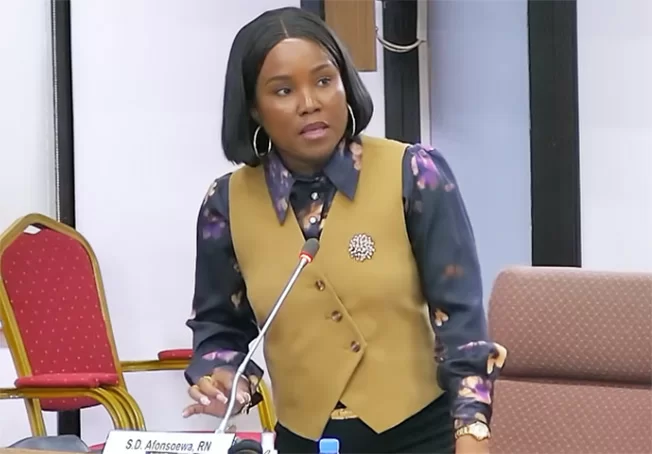
A ongoing teacher shortage crisis across Suriname, particularly affecting schools in inland and southern districts, has prompted the country’s education minister to announce targeted policy adjustments to protect students from being penalized for systemic failures. The announcement came in response to pressing questions raised by National Assembly member Silvana Afonsoewa of the NDP party during a Thursday parliamentary sitting, where she highlighted the severe disruptions to learning caused by prolonged teacher vacancies at multiple schools.
Afonsoewa emphasized that many students have been forced to cram months of missed curriculum content into far shorter timeframes than official education guidelines require, creating an inherently unfair testing environment. “This is not a level playing field,” she told the assembly. “It is not the students’ fault that there were no teachers to stand in front of their classrooms, and they should not have to pay the price for systemic shortcomings.” Afonsoewa pushed the government to outline clear measures to prevent students from being punished for circumstances completely outside of their control.
In his official response, Education, Science and Culture Minister Dirk Currie confirmed that students who received no formal instruction in specific subjects due to teacher shortages will not be required to sit final exams in those untaught courses. He added that the ministry has completed a school-by-school assessment of the shortage impact, and has already rolled out a series of interim mitigation measures to reduce learning gaps as much as possible. These interventions include bringing in retired teachers and part-time educators to fill vacancies, and extending instruction to Saturdays at affected schools to give students extra time to cover missed content.
“No student will be forced into a disadvantageous situation that they had no power to prevent,” Currie stressed, adding that fairness and equity are the core guiding principles of the new policy. “We will not place any child in a situation they did not choose. Fairness and justice come first.”
The minister’s announcement prompted further clarifying questions from fellow parliamentarians. NPS lawmaker Poetini Atompai asked whether students would automatically receive their diplomas without completing credits for untaught subjects, referencing a previous policy adjustment for geography exams. Currie clarified that automatic exemptions are not the default approach. Instead, students who missed significant instruction will be given extended time to catch up on coursework and take a delayed resit exam, rather than sitting the standard scheduled exam alongside their peers.
“They will not participate in the regular exam session, but will get enough time to complete the required curriculum before taking the resit exam,” Currie explained.
A20 party leader Steven Reyme then raised the case of a second affected group: students who received partial instruction in a subject, only attending classes for part of the school year due to late teacher appointments or mid-term vacancies. Currie confirmed that the ministry will apply individualized, customized solutions for this group as well. Each affected school will conduct its own assessment of student progress to determine the most fair evaluation approach, ensuring that no student suffers consequences for a staffing crisis they did not create.
“We review every school that has experienced teacher shortages and find tailored solutions for each context,” Currie said. “No child should be made a victim of a situation for which they are not responsible.”