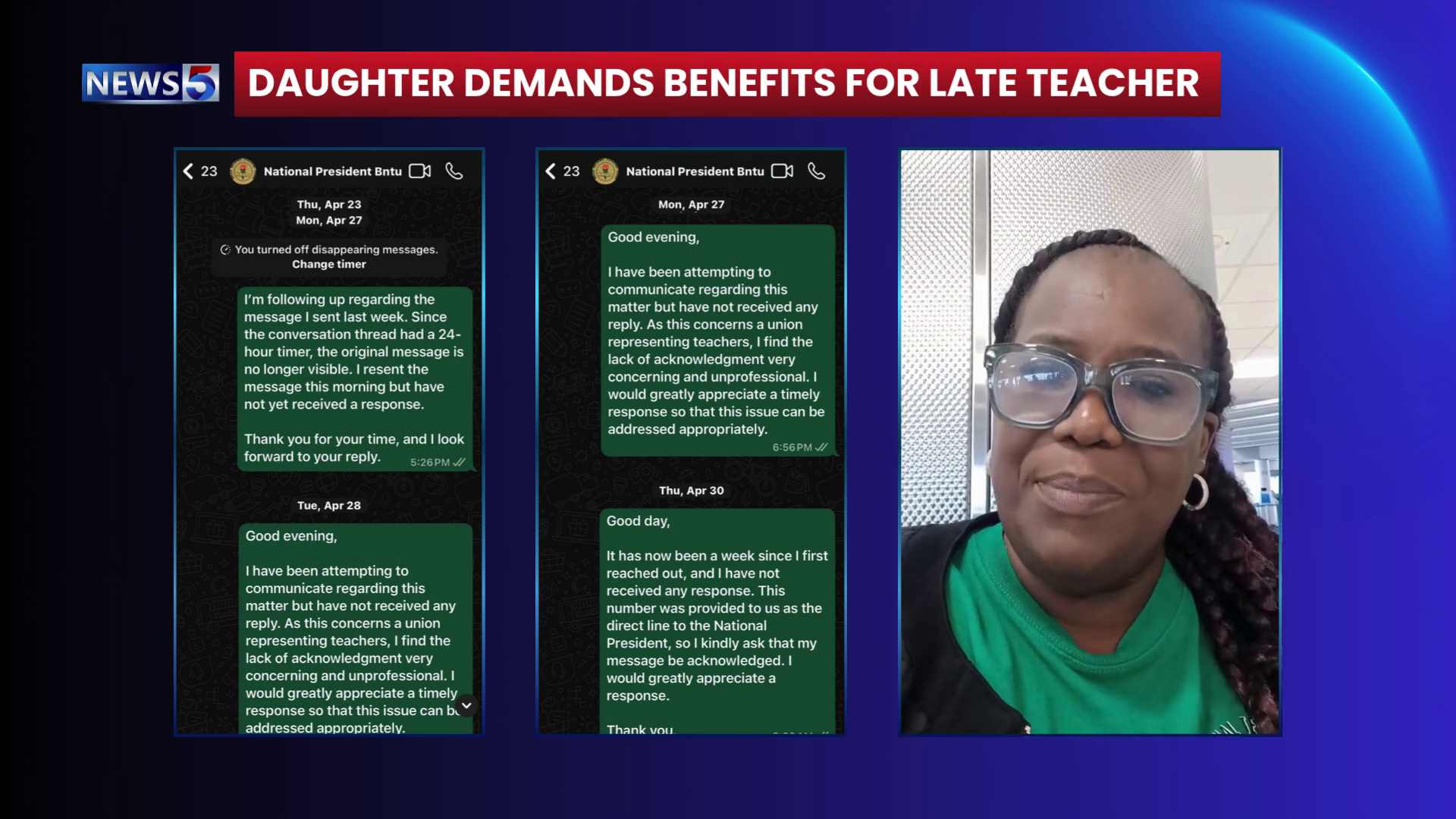
In a public debate that has rocked Belize’s teaching community, a grieving daughter’s viral social media post has thrown a harsh spotlight on outdated death benefit rules at the Belize National Teachers’ Union (BNTU), prompting the union’s leadership to confirm long-planned policy overhauls to better protect retired educators.
The controversy began when Odalisa Alonzo shared her family’s heartbreaking story: her mother, Eda Carballo, a veteran retired educator who paid union contributions for 25 years, was posthumously denied death benefits after falling behind on small annual dues while battling a long-term illness in retirement. Carballo had allowed her payments to lapse as she focused on medical care, a decision that ultimately cost her family the benefits she spent decades contributing toward.
BNTU President Nadia Caliz acknowledged the family’s pain in a public address, confirming that the union’s current constitution explicitly requires members to maintain up-to-date dues to qualify for any benefits, and she lacks the legal authority to override this longstanding rule. Caliz also pushed back against any suggestion of miscommunication between union branches and the Alonzo family, noting that branch representatives have already produced documented proof of their conversations with the family, which will remain private to avoid escalating conflict.
Despite standing by the existing legal framework, Caliz emphasized that the high-profile case has amplified a reform push she has led for years, long before she took the union’s top leadership role. For decades, the BNTU has required retired members to pay just $2 a month ($24 annually) in addition to a $30 annual fee, totaling $54 a year, to retain eligibility for death benefits. If payments stop, all benefits are permanently forfeited – a rule that has impacted dozens of retired teachers who contributed to the union for most of their careers.
Caliz highlighted that the current contribution model actually works in members’ favor: over a 33-year teaching career, a union member pays roughly $724 in dues, but qualifies for a $3,000 death benefit, far outpacing their total contributions. But the rule that strips benefits for lapsed payments remains a point of deep injustice for many retired members facing illness or financial hardship after leaving the classroom.
Caliz recalled that even before she became president, she repeatedly introduced resolutions at BNTU conventions to create a one-time payout for retiring members who choose to end their union membership, a reform that was voted down every time. Now, as union president, she has advanced a new proposal that already secured member approval: a modest increase in active member dues will fund two key changes to benefits: an increase in the total death benefit payout, and a multi-year benefits guarantee (three to five years) for all retired members after they leave the classroom. Under the new framework, retired members will not need to keep paying monthly dues to retain benefits during this guarantee period, eliminating the gap that led to Carballo’s denied claim.
In addition to policy reform, the BNTU is also updating its administrative systems: a new centralized member database is being rolled out to track dues payments more closely and automatically flag retirees who are at risk of falling behind on payments, allowing union representatives to reach out proactively before benefits are forfeited.
While Caliz reaffirmed that the current rule barring benefits for out-of-date members remains in place for the time being, the controversy sparked by Alonzo’s post has created new momentum for the reform package, which is already moving through the union’s approval process.