分类: education

  • St. Ignatius Welding Students Shine Abroad in STEM Training

    St. Ignatius Welding Students Shine Abroad in STEM Training

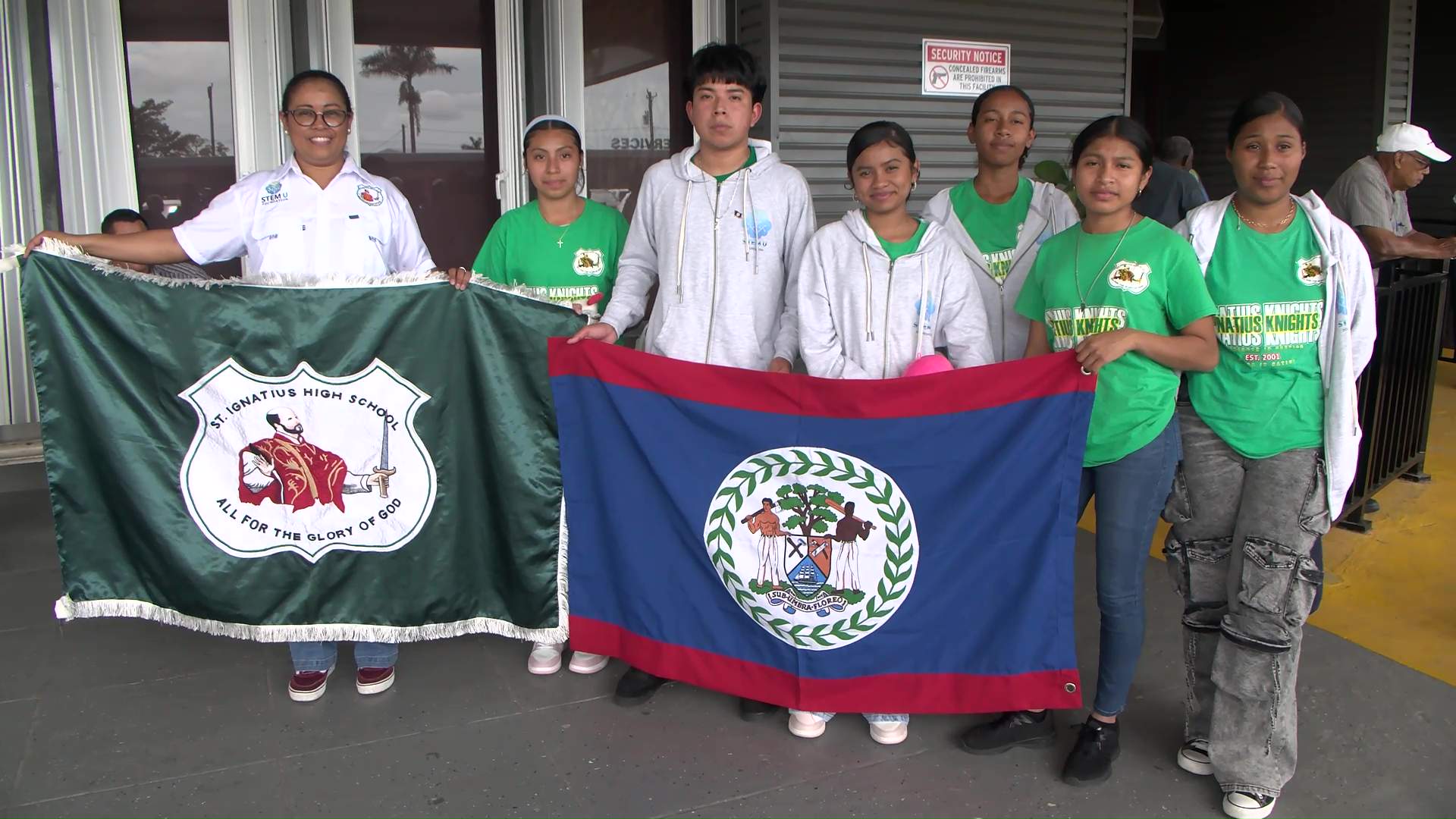
    A cohort of seven exceptional welding and non-destructive testing (NDT) students from St. Ignatius High School has returned to Belize following an intensive ten-day educational exchange in North Carolina. The initiative, substantially funded by the STEM U Foundation, represents a strategic effort to cultivate Belize’s next generation of technical professionals through immersive industry exposure.

    The program, now in its second consecutive year partnering with St. Ignatius High School, specifically targets the advancement of STEM education with particular emphasis on empowering female participation in traditionally male-dominated technical fields. The delegation, consisting of six female students and one male student, departed Belize on March 9th and returned with enhanced skills and broadened perspectives on March 19th.

    Principal Jeaneane Neal, who also chairs the Belize Association of Principals of Secondary Schools, emphasized the program’s significance: “STEM U Foundation has been one of the most substantial sponsors for this initiative. As chair of BAPS, I will subsequently disseminate these valuable experiences throughout our educational network.”

    Student testimonials reveal the profound personal and professional impact of the exchange. Fourth-form student Bettina Myers described the experience as “enlightening and empowering,” noting that exposure to female specialists in technical fields strengthened her resolve to pursue welding studies and eventually establish her own business. “When I observed upperclassmen demonstrating welding techniques during open day presentations, I became genuinely inspired to pursue this path,” Myers recounted.

    Fellow fourth-form student Jacey Moro echoed this sentiment, highlighting how the experience demonstrated that “young women can meaningfully contribute to society as welders.” Moro expressed particular appreciation for the technical aspects of the craft, noting her fascination with “the time, patience, and specialized techniques required in welding.”

    The international exchange program represents a growing commitment to strengthening Belize’s technical education infrastructure through global partnerships, with participants returning equipped with both enhanced technical competencies and renewed confidence in their professional trajectories.
  • ‘Expose students to creative industry career choices’ – teacher

    ‘Expose students to creative industry career choices’ – teacher

    A pressing call for enhanced educational focus on creative career pathways has emerged in Barbados as secondary schools confront dwindling enrollment in arts programs. The urgency was highlighted during a groundbreaking student-organized art exhibition at Springer Memorial School, serving as both a public showcase and a formal academic assessment.

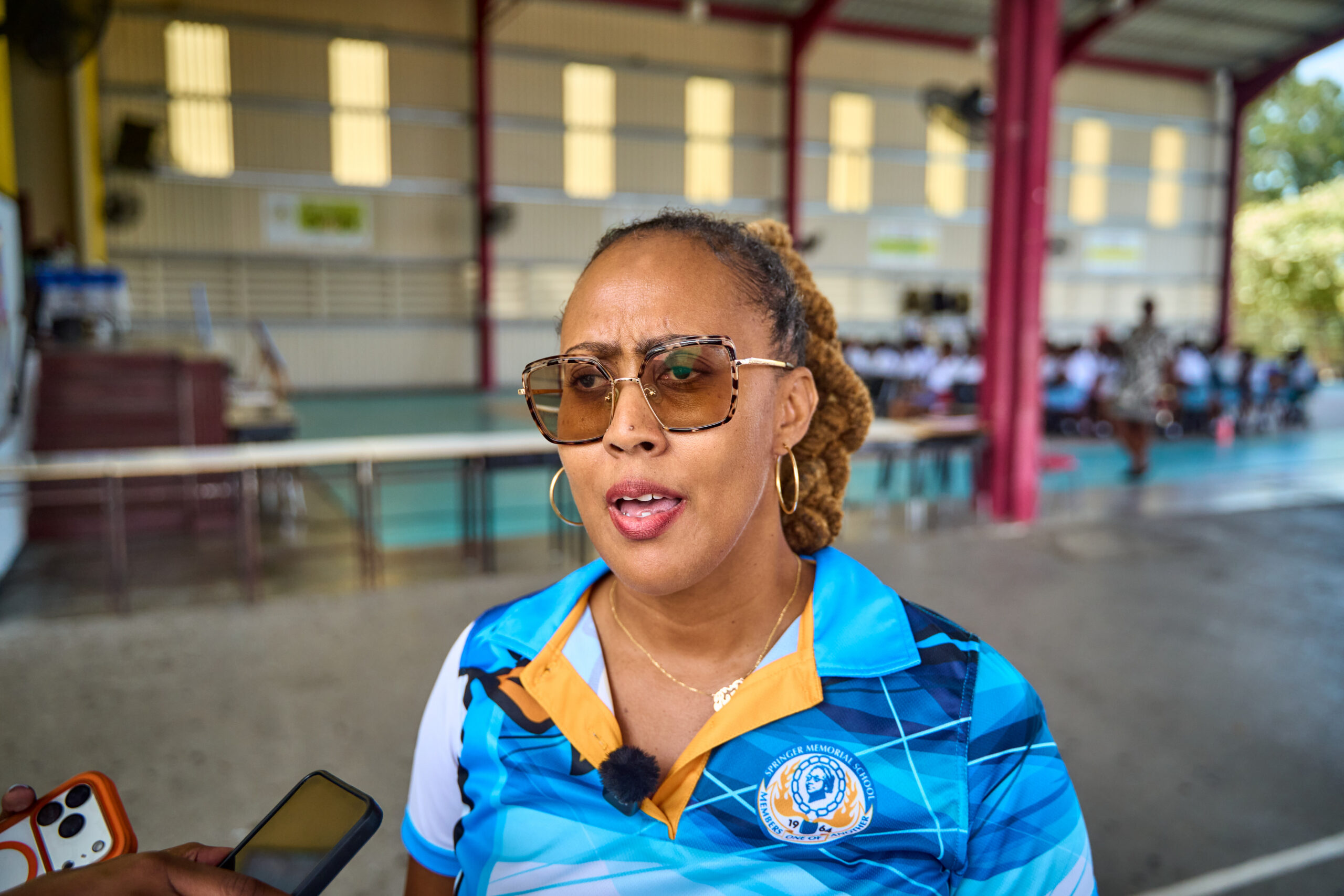
    Renee Taylor, a graduate teacher at the institution, articulated the crisis while observing her sixth-form students’ innovative response to the challenge. Their project, mandated by the Caribbean Advanced Proficiency Examination (CAPE) curriculum, required conceptualizing and implementing a practical, income-generating initiative within the performing arts discipline.

    “This exhibition represents the culmination of their Unit One SBA requirements,” Taylor explained. “These students identified a pressing issue within creative education, developed an event-based solution, and implemented it with professional standards, including revenue generation components as specified in the syllabus.”

    The student team selected a particularly relevant challenge: reversing the post-pandemic decline in creative arts enrollment. Their research revealed concerning trends across visual arts, music, fashion, and culinary programs. Through peer surveys, they uncovered pervasive misconceptions about creative careers, including perceptions of financial instability, lack of prestige, and limited professional viability.

    Taylor noted additional systemic barriers: “Limited exposure to arts programming at earlier educational levels created a foundational gap. Many students had minimal experience with drama or dance programs, which affected their perception of local career opportunities.”

    The exposition strategically countered these perceptions by assembling accomplished creative professionals and institutional representatives. Notable participants included acclaimed artist and alumna Sheena Rose, whose career demonstrates local artistic viability. The event also featured delegates from the National Cultural Foundation and the Barbados Museum, providing students with both academic and professional pathway guidance.

    “We brought practitioners and alumni who actually sustain careers in the arts,” Taylor emphasized. “They provided firsthand accounts of navigating the creative economy successfully within Barbados.”

    The educator stressed that while school programs introduce artistic fundamentals, students require more robust transition support toward sustainable careers. “The critical question becomes: after beginning studies in school, what options exist for advanced education and professional development?”

    Taylor concluded that strategic awareness-building and engagement initiatives could fundamentally reshape perceptions of creative fields, potentially unlocking significant economic potential within Barbados’ orange economy sector.

  • St Ignatius Welding Students Return from North Carolina Inspired and Empowered

    St Ignatius Welding Students Return from North Carolina Inspired and Empowered

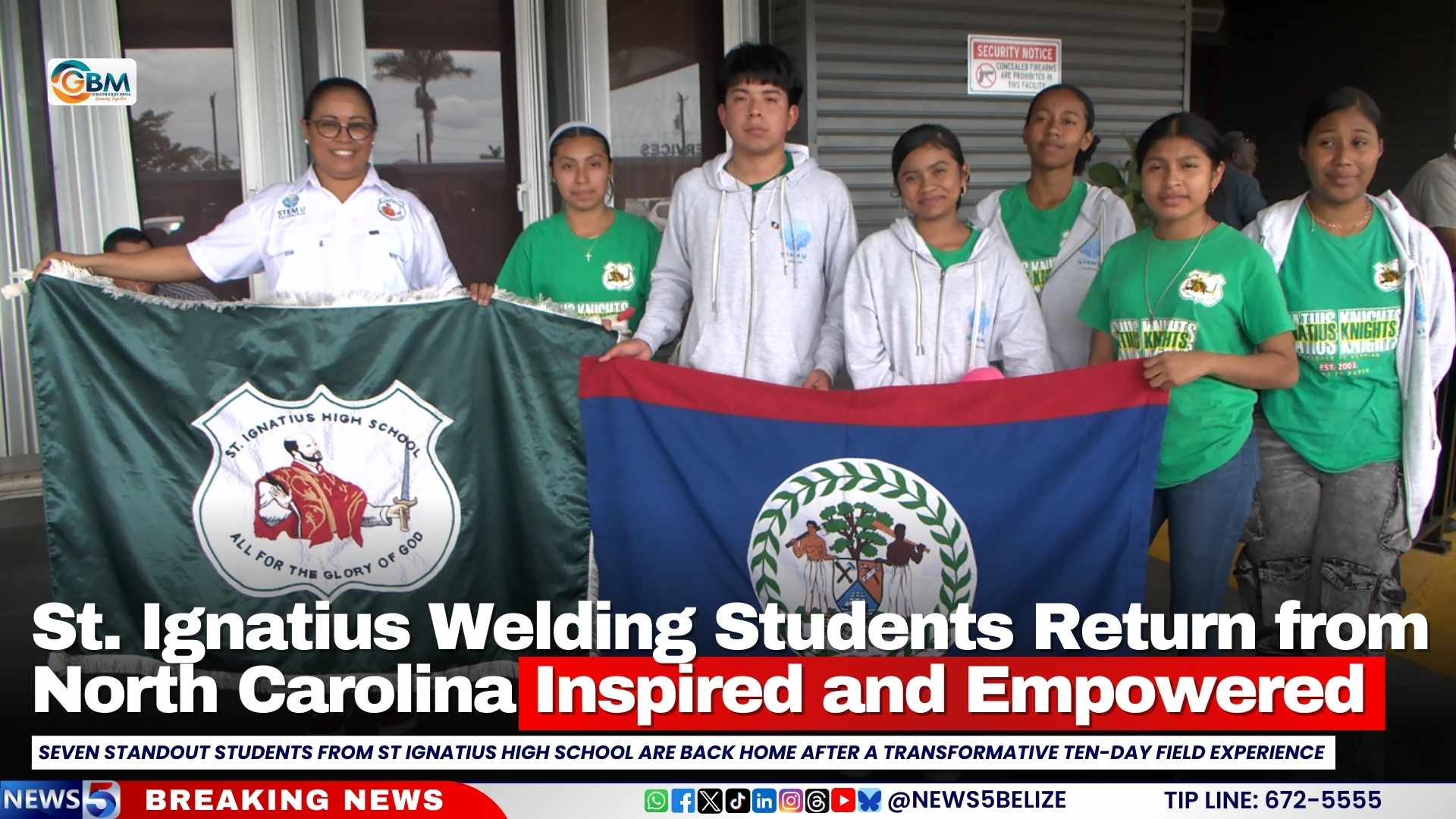
    A cohort of seven exceptional students from St Ignatius High School has returned to Belize following an immersive ten-day educational expedition to North Carolina, reporting significantly enhanced professional confidence and broadened vocational aspirations in welding and non-destructive testing (NDT) disciplines.

    This transformative initiative, substantially funded by the STEM U Foundation, constitutes an integral component of an annual international exchange program designed to fortify technical education and industrial exposure for youth. Marking the second consecutive year of collaboration between the foundation and St Ignatius High School, the program specifically targets the advancement of STEM education opportunities.

    Principal Jeaneane Neal emphasized the program’s strategic focus on welding and NDT—technical domains historically characterized by male predominance. “STEM U Foundation has emerged as our premier sponsor for this pioneering initiative,” Neal stated. “This international exchange represents our sustained commitment to empowering St Ignatius students through specialized STEM pathways.”

    The delegation, comprising six female students and one male student, departed Belize on March 9th, returning with profoundly changed perspectives. Fourth-form participant Bettina Myers characterized the experience as both intellectually illuminating and professionally empowering. “Witnessing numerous female specialists excelling in their technical fields has profoundly motivated me to pursue advanced studies and ultimately establish my own enterprise,” Myers reflected.

    This industry immersion program provides hands-on technical training while simultaneously challenging traditional gender norms within industrial professions, potentially establishing new benchmarks for vocational education in Central America.

  • Inter-school Gardening Competition Concludes Across the Twin-Island State By: Tyreke G Thomas-Horsford

    Inter-school Gardening Competition Concludes Across the Twin-Island State By: Tyreke G Thomas-Horsford

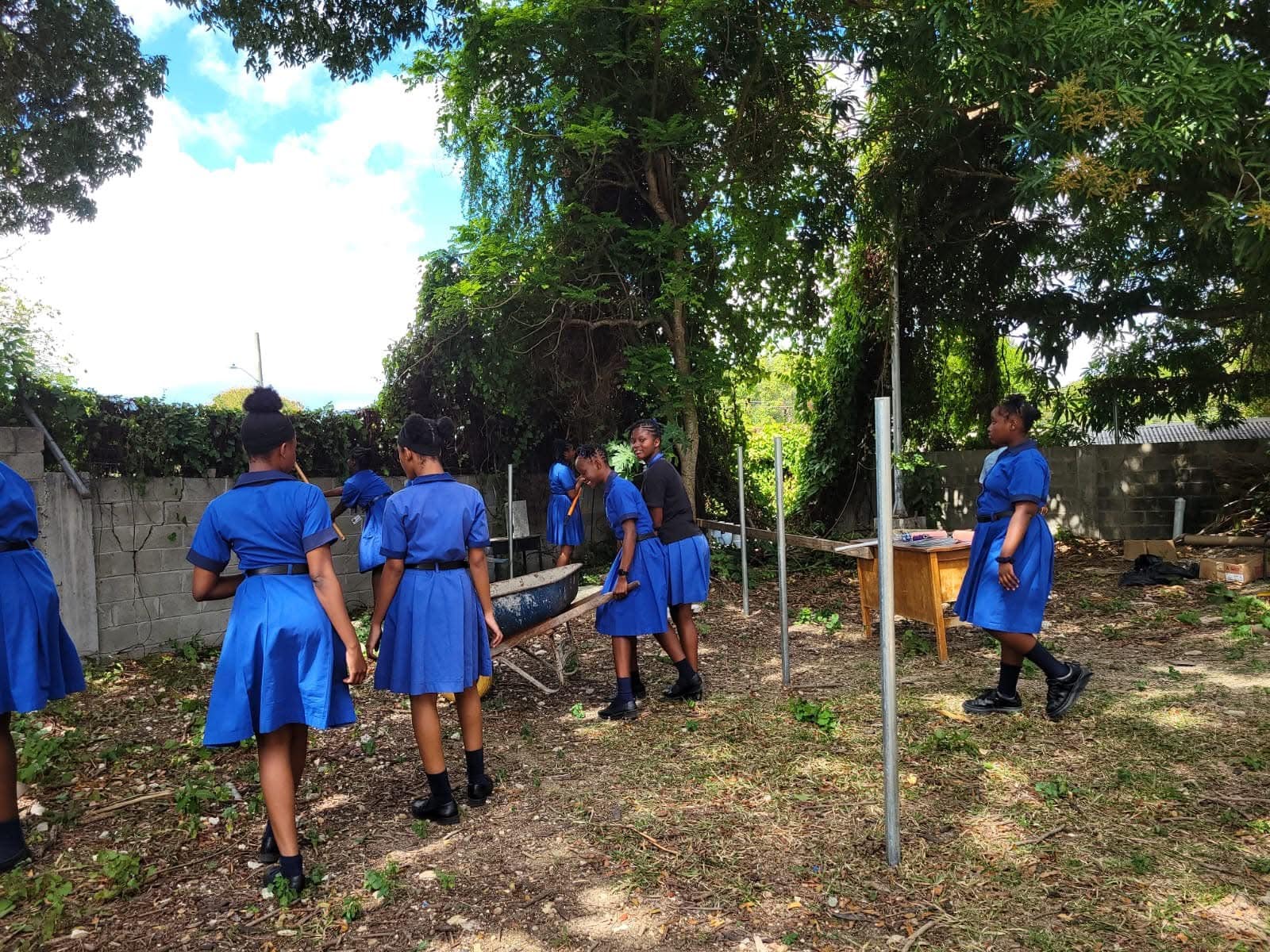
    Antigua and Barbuda’s educational landscape has been transformed through the recently concluded Interschool Gardening Competition, an initiative spearheaded by the Ministry of Education that engaged students across preschool, primary, and secondary levels in a nationwide display of agricultural creativity and environmental awareness. The competition turned school campuses throughout the twin-island nation into vibrant hubs of sustainability and innovation, showcasing the next generation’s commitment to ecological responsibility.

    Over several weeks, students demonstrated remarkable ingenuity in their garden designs, incorporating recycled materials, efficient irrigation systems, and culturally significant planting techniques. A distinguished panel of judges from the Ministry of Agriculture, Fisheries, Lands & Blue Economy, along with external stakeholders, conducted thorough evaluations based on creativity, sustainability, plant diversity, and thematic alignment.

    The preschool category proved particularly inspiring, with young children enthusiastically explaining their gardening techniques and demonstrating daily care routines for their plants. One preschool participant captured the spirit of the event by declaring, ‘This is my plant! I water it every day, and it’s growing big and strong!’

    Older students displayed more sophisticated agricultural understanding, implementing crop rotation systems, composting methods, and innovative farming solutions that addressed real-world challenges. Joshua Henderson, a student from Jennings Secondary School and 2025 Ministry of Agriculture intern, emphasized the competition’s educational value: ‘Agriculture is not just about getting your hands dirty, but learning about where food comes from and understanding its importance in our daily lives.’

    Many schools developed creative thematic names for their gardens that reflected their institutional identity while reinforcing the competition’s core messages about sustainability and food security. The initiative successfully blended practical agricultural education with lessons in teamwork, responsibility, and environmental stewardship.

    The competition represents a significant investment in Antigua and Barbuda’s agricultural future, fostering awareness about food security and local farming practices. While winners await official announcement, the Ministry of Education’s initiative has already achieved its broader objective: planting seeds of knowledge and passion that will continue growing long after the competition concludes.

  • Guyana on literacy, numeracy drives- Education Minister tells CXC conference

    Guyana on literacy, numeracy drives- Education Minister tells CXC conference

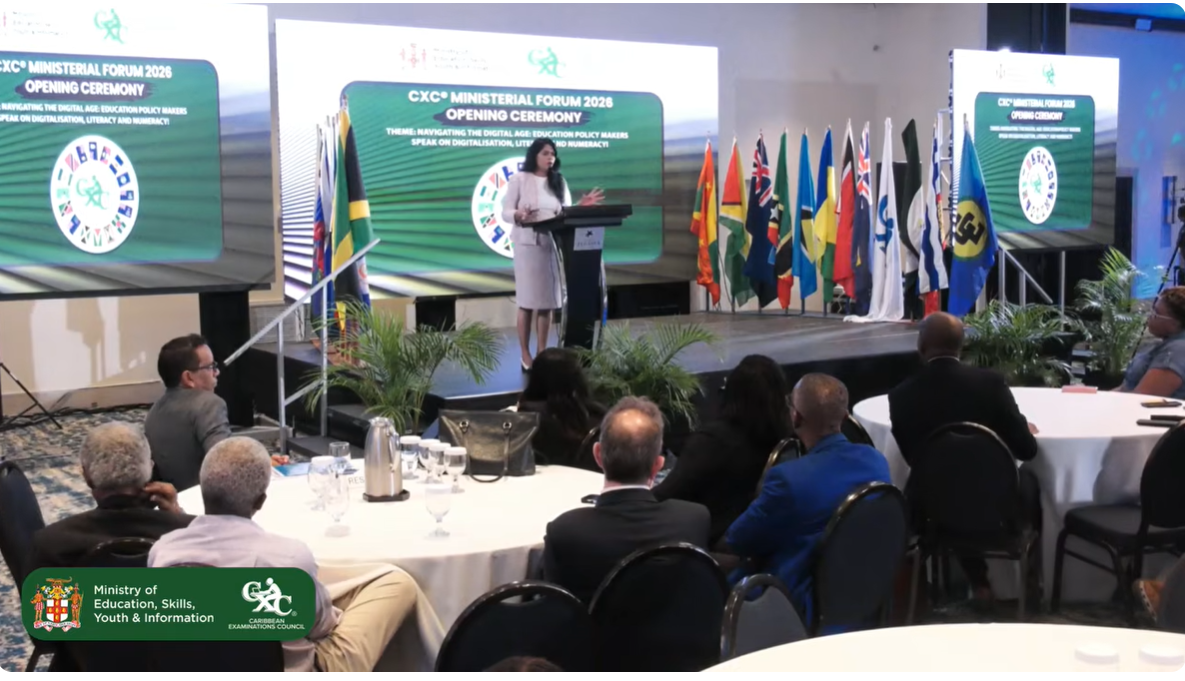
    Guyana is implementing sweeping educational reforms with the introduction of Grade Two and Four literacy assessments, Education Minister Sonia Parag announced at the Caribbean Examinations Council (CXC) Ministerial Forum in Jamaica. The initiative aims to ensure students achieve literacy before completing primary education, addressing what Minister Parag acknowledged as the region’s problem with “producing functionally illiterates.”

    The comprehensive strategy includes establishing community literacy tents where parents can assist children with homework, creating a collaborative learning environment that extends beyond classroom walls. Minister Parag, who also chairs CARICOM’s Council for Human and Social Development, revealed that numeracy assessments will follow in 2027.

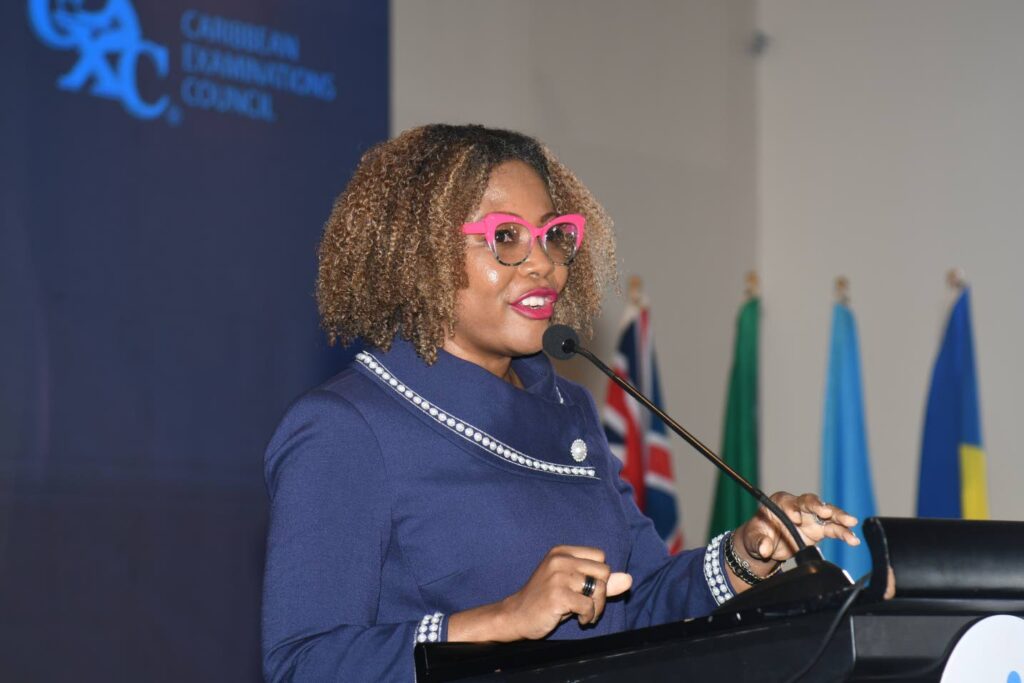
    The conference, themed “Navigating the Digital Age: Rethinking Teaching, Learning and Assessment,” became a platform for Caribbean education leaders to address both the opportunities and challenges presented by artificial intelligence. While recognizing AI’s potential for personalized learning and immediate feedback, Minister Parag warned of risks including false imagery, plagiarism, data privacy concerns, and increased bullying. She advocated for responsible integration with “clear frameworks” focusing on ethics, data protection, and academic integrity.

    CARICOM Assistant Secretary General Alison Drayton emphasized the urgency of educational transformation, stating incremental changes are insufficient in the face of rapid technological advancement. She cautioned that delays risk widening existing inequities, particularly when combined with the lingering impacts of COVID-19 and annual hurricane disasters.

    The conference concluded with several key resolutions: assessment systems prioritizing fairness and authenticity, sustained investment in teacher development and digital infrastructure, and strengthened regional collaboration. CXC Chairman Sir Hilary Beckles highlighted the concerning decline of history as a compulsory subject over the past fifty years, noting the visible consequences of historical ignorance in contemporary society.

    All speakers emphasized that educational reform must be implemented through phased, consultative approaches rather than sudden, heavy-handed measures that could leave teachers and students feeling unprepared or excluded. The consensus emerged that Caribbean nations must collectively navigate digital transformation while preserving regional identity and cultural values.

  • Romania Scholarship Announcement 2026/2027

    Romania Scholarship Announcement 2026/2027

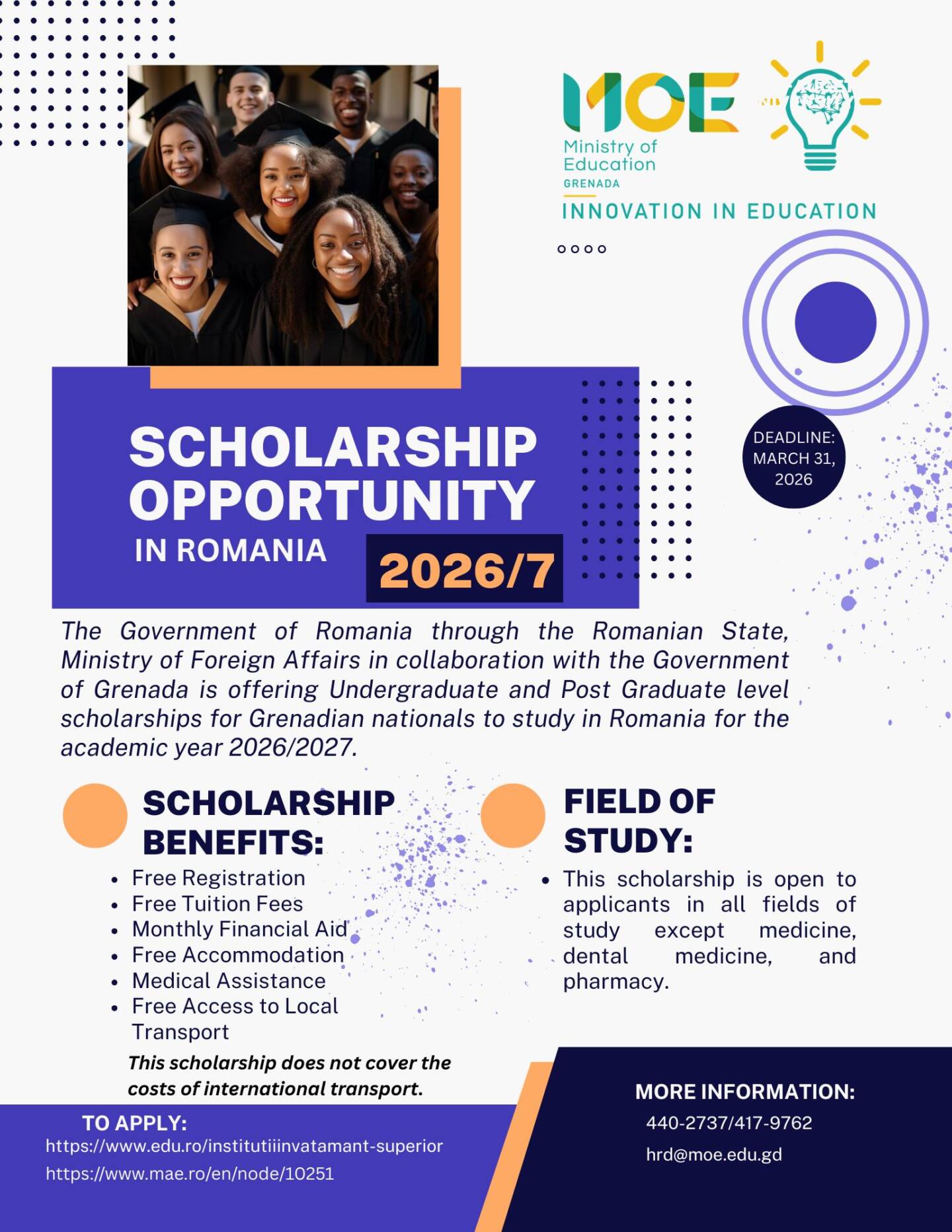
    In a significant bilateral educational partnership, the Governments of Romania and Grenada have announced a comprehensive scholarship program for Grenadian nationals seeking undergraduate and postgraduate studies in Romania for the 2026/2027 academic year.

    The initiative, facilitated through Romania’s Ministry of Foreign Affairs, extends beyond traditional scholarship offerings by incorporating extensive support systems for successful applicants. While excluding medical fields (medicine, dental medicine, and pharmacy), the program encompasses all other academic disciplines across Romania’s accredited higher education institutions.

    Prospective candidates must meet specific eligibility criteria, including demonstrated physical and mental fitness, commitment to reside in Romania throughout their studies, and willingness to complete a mandatory one-year Romanian language preparatory course. Applicants must also respect Romanian constitutional values and adhere to institutional regulations.

    The program structure accommodates three academic tiers: Bachelor’s degrees (3-6 years duration for high school graduates), Master’s programs (1-2 years for undergraduates), and Doctoral studies (3-5 years for graduate students).

    Comprehensive financial benefits include full tuition coverage for both the language preparatory year and subsequent academic programs, monthly stipends ranging from €65-€85 depending on academic level, free accommodation in university dormitories, medical coverage for emergencies, and extensive domestic transportation benefits equivalent to those granted to Romanian students.

    Critical application requirements involve submission of certified academic transcripts, birth certificates, passport copies, medical certificates, and completed application forms—all processed exclusively through Romanian diplomatic channels. The application portal (studyinromania.gov.ro) remains open until March 31, 2026, with additional guidance available through Grenada’s Human Resource Development Division.

    Notably, the scholarship excludes international travel costs and domestic transportation from Romanian entry points to host institutions, requiring students to budget accordingly. Academic performance benchmarks mandate minimum credit accumulation for continued funding eligibility throughout the program duration.

  • Gov’t to introduce AI systems to support national curriculum

    Gov’t to introduce AI systems to support national curriculum

    Jamaica is poised to transform its educational system through a groundbreaking integration of artificial intelligence technologies designed to support the national curriculum from primary through secondary levels. Education Minister Senator Dr. Dana Morris Dixon announced the imminent launch of the Jamaica Learning Assistant, an AI-powered platform that will provide round-the-clock academic support tailored to the island’s specific educational requirements.

    The innovative tool, unveiled during the Caribbean Examination Council’s inaugural regional conference in St. Andrew, represents a significant advancement in personalized learning. The AI system has been specifically engineered to adapt to diverse learning styles, offering content delivery through multiple modalities including visual storytelling, humorous engagement, and even instruction in Jamaican Patois to accommodate students more comfortable with the local dialect.

    Minister Morris Dixon emphasized the platform’s cultural relevance, noting that the AI recognizes and responds to Jamaica’s unique linguistic characteristics. “Students can request visual explanations, storytelling approaches, or even joke-based learning depending on their preferences,” she explained. “We’ve trained the AI to understand and speak in patois, ensuring no student is disadvantaged by language barriers.

    Beyond mainstream education, the initiative includes specialized support for students with disabilities. The education ministry is implementing enhanced technological solutions for visually impaired learners and other special needs students, ensuring inclusive access to educational resources through text-to-speech technologies and other adaptive tools.

    The minister explicitly addressed concerns about technology replacing educators, stating: “This platform doesn’t replace teachers—it empowers them. By handling routine tasks like exam marking through the Eagle Eye software system, teachers can redirect their efforts toward personalized student coaching and mentorship.”

    Complementing these developments, Jamaica is deploying an education management information system that provides real-time data on attendance, academic performance, and resource allocation. This infrastructure will enable ministry officials to make evidence-based decisions rapidly while maintaining transparency throughout the educational ecosystem.

    Minister Morris Dixon framed the initiative within broader regional context: “As small states, we possess significant insight and talent. We’re developing Caribbean solutions for Caribbean realities, ensuring our students compete globally while maintaining our cultural identity. Our investment in educational technology will fundamentally shape Jamaica’s future trajectory.”

  • Application Process Opens for the India Scholarship Program 2026

    Application Process Opens for the India Scholarship Program 2026

    The Nevis Island Administration’s Ministry of Human Resources has announced a significant educational opportunity for qualified candidates through the Indian High Commission’s scholarship program. Applications are now being accepted for a fully-funded Master of Technology program specializing in Renewable Energy Technologies and Management at the prestigious Indian Institute of Technology.

    The intensive two-year program commences on July 23, 2026, and offers comprehensive financial support covering tuition fees, monthly stipend, and round-trip airfare. This initiative represents a strategic partnership between Nevis and India aimed at developing expertise in sustainable energy technologies.

    Eligibility criteria require applicants to hold either a Bachelor’s degree with minimum 60% average in engineering disciplines including Chemical, Electrical, Mechanical, Energy, or Power Engineering, or a Master’s degree in Physics, Electronics, or Applied Physics. The program specifically targets professionals and graduates with backgrounds in technical fields relevant to renewable energy development.

    Prospective candidates must complete their applications through the official portal at https://ecampus.iitd.ac.in/IPGADM/login before the deadline of Monday, March 23, 2026. Applicants are required to submit printed copies of their online application along with supporting documentation to the Ministry of Human Resources.

    For additional information and application assistance, interested parties may contact ministry representatives Ms. Hardai Beephat, Ms. Corissa Griffin, Mrs. Shelly Liburd, or Mrs. Shanola Murrey-Gill via telephone at 469-5521 Ext. 5167/64/66/63 or through their official email addresses.

  • Antigua and Barbuda Set to Compete in Inaugural OECS Super Regional STEAM Robotics Challenge in St. Kitts

    Antigua and Barbuda Set to Compete in Inaugural OECS Super Regional STEAM Robotics Challenge in St. Kitts

    Antigua and Barbuda has dispatched its national team to participate in the groundbreaking inaugural OECS Super Regional STEAM Robotics Challenge, signaling a significant advancement in the Caribbean’s educational technology landscape. The Ministry of Education, Sports, and Creative Industries confirmed the delegation’s departure for this pioneering event that represents years of regional planning and commitment to youth innovation.

    The competition, scheduled for March 16-20, 2026, at the St. Kitts Marriott Resort, aims to enhance technical capabilities across Organization of Eastern Caribbean States member nations. This initiative builds upon previous international robotics achievements while creating a crucial bridge between local talent and global standards. The ministry anticipates establishing this event as an annual fixture on the regional academic calendar, promoting sustainable development in Science, Technology, Engineering, Arts, and Mathematics (STEAM) disciplines.

    For this historic participation, the ministry implemented a targeted selection approach featuring Mr. Tijah Myers from Irene B. Williams Secondary School as National Coach, accompanied by student competitors Micah Matthew and Michael Harvey from the same institution. The team embodies a shared enthusiasm for innovation and knowledge acquisition, with plans to leverage their experience to mentor future robotics enthusiasts upon their return.

    The ministry announced plans to develop a more comprehensive national selection process for future editions, drawing talent from annual National STEM Camps and established international robotics partnerships.

    Financial support for this initiative was secured through the Citizenship by Investment Programme, with special recognition given to Education Minister Honourable Daryll Matthew for his advocacy and resource allocation efforts. The ministry also acknowledged contributions from Permanent Secretary Mrs. Ena Dalso-Henry, Education Director Mr. Clare Browne, Assistant Director Mrs. Stacey Payne-Mascall, and Principal Mrs. Ursula Willock, along with the supportive parents of the student participants.

    The ministry extended best wishes to organizers in St. Kitts and Nevis while expressing anticipation for the intellectual returns on this investment in regional technological advancement.

  • CARIBBEAN-EDUCATION- Online learning gains momentum as students reconsider studying abroad

    CARIBBEAN-EDUCATION- Online learning gains momentum as students reconsider studying abroad

    ROSEAU, Dominica – A significant educational transformation is underway across the Caribbean region as digital learning platforms gain substantial traction among students reconsidering traditional overseas study options. This shift comes amid growing uncertainties surrounding international education, particularly in destinations like the United States.

    Wendy Williams, Deputy Dean of Academic Affairs at a prominent regional institution, has observed that online education is rapidly evolving into an attractive alternative for Caribbean scholars. The trend marks a fundamental rethinking of higher education pathways as students increasingly opt to pursue academic qualifications from their home countries.

    Several factors are driving this educational migration toward digital platforms, including changing immigration policies, rising tuition costs at foreign universities, and enhanced technological infrastructure throughout the Caribbean. The region’s academic institutions have responded by expanding their digital offerings, creating robust online programs that maintain academic rigor while offering greater flexibility.

    This transition to virtual classrooms represents more than just a temporary solution—it signals a permanent restructuring of Caribbean educational preferences. Students are discovering that remote learning eliminates numerous barriers traditionally associated with international study, including visa complications, cultural adjustment challenges, and substantial financial burdens.

    The proliferation of high-quality digital education resources has enabled Caribbean universities to compete more effectively with international counterparts. Regional institutions are now developing specialized programs tailored to local economic needs while maintaining global academic standards.

    This educational shift carries significant implications for Caribbean brain drain patterns, potentially encouraging more graduates to remain in the region while still obtaining world-class qualifications. The trend also stimulates local economies by retaining educational spending within Caribbean nations and creating new opportunities for academic professionals.

    As technology continues to advance and global educational landscapes evolve, Caribbean students are positioned to benefit from increasingly sophisticated online learning platforms that offer international-quality education without the complexities of overseas study.