分类: education

  • Saint Lucian students heading to UWI invited to local meet-and-greet

    Saint Lucian students heading to UWI invited to local meet-and-greet

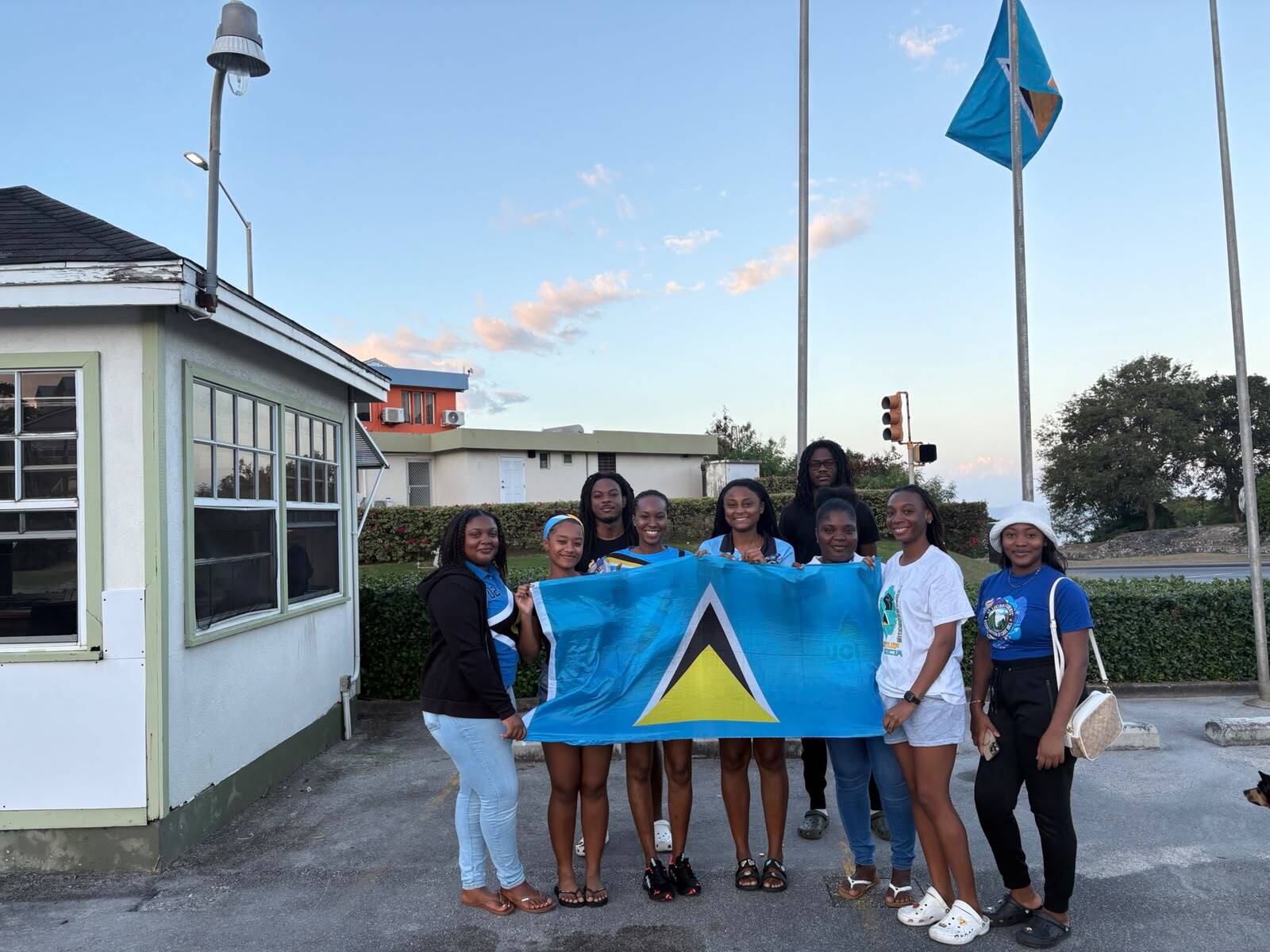
    For Saint Lucian students gearing up to begin their higher education journeys at the University of the West Indies’ Cave Hill or St. Augustine campuses this September, a valuable pre-term networking opportunity is on the horizon. The Lucia Students’ Association at Cave Hill (LUSAC) and the Saint Lucia Students’ Association in Trinidad and Tobago (LUSATT) have partnered to host a special welcome gathering, scheduled for Saturday, August 8 at Pigeon Island National Landmark in Gros Islet.

    Unlike many standard orientation events that take place after students arrive on campus, this pre-term meetup is open to three groups of local students: prospective applicants still deciding whether to enroll, incoming first-year students who have already secured admission, and returning UWI students who are heading back to campus for another academic year. Attendees will gain access to a range of useful resources and connections: they will get to interact directly with returning students to hear unfiltered, firsthand accounts of everyday campus and academic life, meet the elected executive leadership of both LUSAC and LUSATT, and learn in detail about the various programs, support services, and community initiatives the two associations offer to their members throughout the school year.

    Even students who have not yet finalized their application plans are encouraged to attend, event organizers note. John Tench, current president of LUSAC, shared with local outlet St Lucia Times that the gathering fills a critical gap for students making major decisions about their higher education, giving them an informal space to ask any questions they may have about campus culture, degree programs, student housing, and more before committing to enrollment.

    To remove barriers to attendance for local students, the event is fully free to attend, and complimentary round-trip transportation between Castries and the Pigeon Island venue will be provided for all attendees. Light refreshments will also be available throughout the gathering.

    Organizers emphasize that building social and community connections before students ever step onto their new campus offers long-term benefits for new students. By creating a pre-existing supportive network of peers from the same home community, the event helps smooth the often-stressful transition from secondary school to university life, reducing anxiety and helping students settle in faster once classes begin. Both associations are urging all eligible Saint Lucian students to take advantage of this opportunity to connect with peers ahead of the fall 2025 academic term.

    For anyone seeking additional information about the event, organizers can be reached directly via phone: John Tench can be contacted at 758-284-1330, and LUSAC Vice President Sade Gustave is available at 758-726-4363.

  • Seven students receive Chinese scholarships

    Seven students receive Chinese scholarships

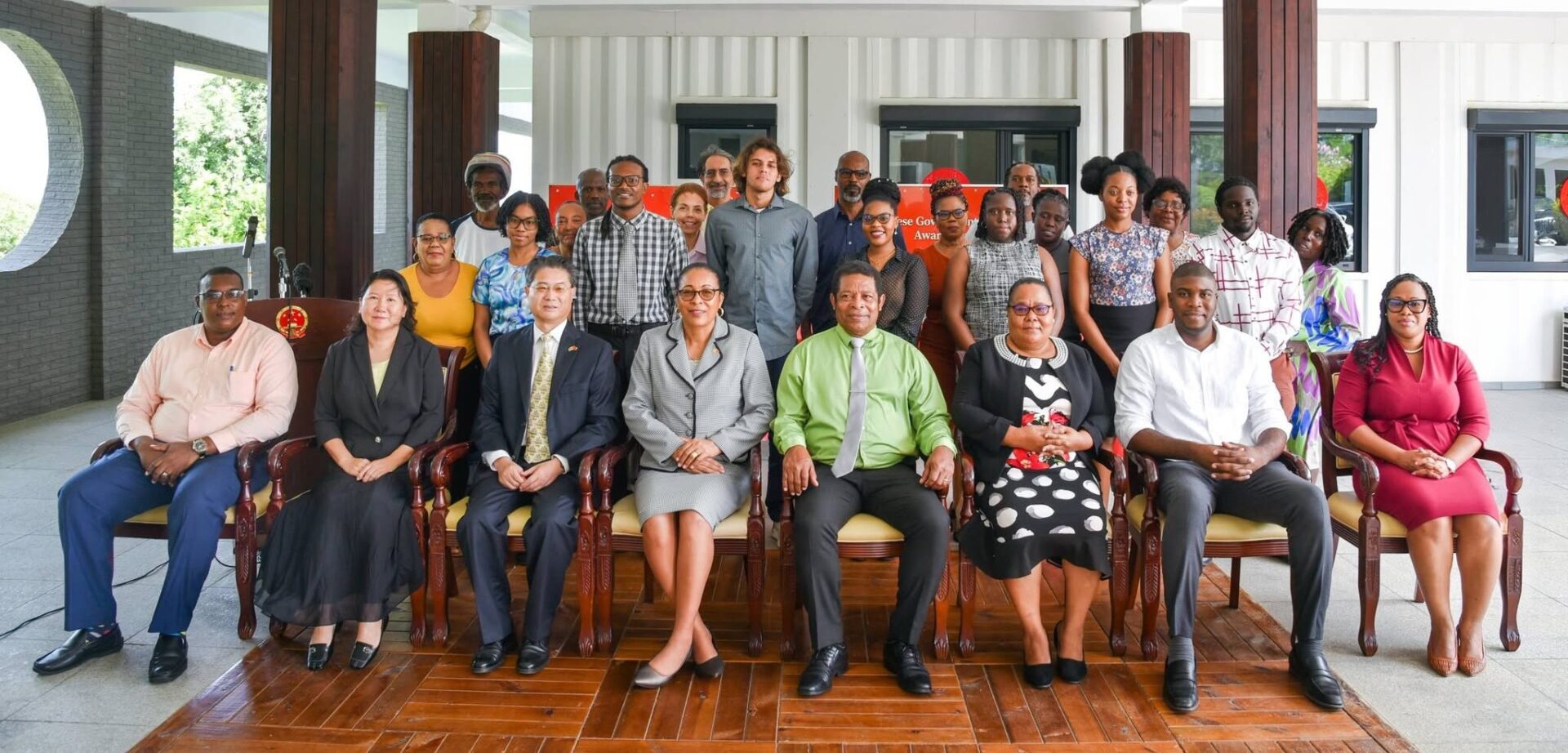
    In a formal ceremony hosted Wednesday at the Chinese Embassy in Morne Daniel, seven young Dominican scholars formally received full scholarships funded by the Chinese government to pursue higher education at top universities across China.

    The seven recipients, selected through the bilateral Chinese Government Scholarship Program, are Tiago Alishaw, Clint Iverson Lecointe, Michaela Warrington, Ayana Nakita Jordanne Augustine, Abigail Hannah Daniel, Nicquan Kern Richards and Jeriah Makeya Ovesen, comprising three male and four female students from the Caribbean island nation.

    Speaking on behalf of the government and people of the Commonwealth of Dominica, Octavia Alfred, the country’s Minister for Education, described the moment as a landmark occasion filled with national pride and profound gratitude. She emphasized that this opportunity marks a transformative turning point not only for the seven individual students, but also for the long-term future of Dominica as a whole.

    Alfred reinforced the widely held principle that education stands as the most impactful long-term investment a nation can make in its own development. With this scholarship initiative, she noted, that critical investment is being directed straight to Dominica’s most valuable national asset: its young people.

    Beyond framing the support as traditional development assistance, Alfred underlined the deeper meaning behind the gesture. The scholarship program, she explained, is far more than an act of generosity or a routine component of bilateral cooperation – it is a tangible demonstration of mutual trust. This trust extends to the potential of Dominican youth, the growth trajectory of the country, and the enduring bilateral friendship between Dominica and China that has consistently deepened year after year. Alfred closed her remarks by extending formal thanks to the government and people of the People’s Republic of China for their unwavering partnership and investment in Dominican education. The official photograph of the scholarship recipients alongside diplomatic and government officials was provided courtesy of the Chinese Embassy in Dominica.

  • “It’s Not Just a Dirty Job”: Reshaping How Kids See Farming

    “It’s Not Just a Dirty Job”: Reshaping How Kids See Farming

    In the heart of Stann Creek District, a transformative summer agriculture camp is challenging long-held stereotypes about farming, giving nearly 70 young people aged 7 to 17 a firsthand look at the diverse, critical work that underpins global food security. Running through this week at Georgetown Technical High School, the camp is the second of two week-long immersive programs organized by Belize’s Ministry of Agriculture, Food Security and New Growth Industries this summer, following an opening session held earlier at the Agriculture and Natural Resource Institute. The initiative is proudly sponsored by RF&G Insurance Ltd., whose guiding brand slogan “It Pays to Get it Right” aligns with the camp’s mission to build accurate, informed understanding of modern agriculture among the next generation.

    Each day of the camp introduces participants to a new specialized area of agricultural work, building a comprehensive foundation over the week. The curriculum kicks off with core lessons in horticulture and livestock care, before moving to hands-on workshops in beekeeping, agro-processing, and concluding this Friday with deep dives into aquaculture. Unlike traditional classroom learning that frames farming as manual, unskilled labor, the camp prioritizes experiential activities that let young participants engage directly with modern agricultural practices, from planting greenhouse tomato seedlings to examining the inner workings of a functioning beehive.

    Bernadette Cob, an Agriculture Field Officer leading the program, explains that the core goal of the initiative goes far beyond teaching basic farming skills: it aims to completely reshape young people’s relationship with and perception of agriculture as an industry. “We work hard to make every participant feel included, and to help them understand just how central agriculture is to our daily lives and national stability,” Cob shared in an interview during the camp. “Too often, young people grow up thinking farming is just a dirty, low-value job. We want to change that narrative. We need a new generation engaged in agriculture to protect our food security, and to build sustainable food systems for the future.”

    Cob noted that one of the most encouraging outcomes of the camp so far has been the high level of engagement from young female participants, who have not only taken the lead on many hands-on activities but have also encouraged their male peers to dive into the practical work. “It’s incredibly inspiring to see how they’ve embraced the work, and how they’re breaking gender stereotypes around agricultural labor right here in the camp,” she added.

    For 12-year-old participant Zemvirson Juarez, the week has already been packed with new discoveries that have changed his own view of farming. On his first day, he planted his own tomato seedling in the camp’s greenhouse and brought it home to continue growing it – but it was the beekeeping session that left the biggest impression. “I learned so many things I never knew before,” Juarez said. “I had no idea a single beehive can hold up to 80,000 bees. I also learned that honey comes in different colors depending on what flowers the bees collect nectar from, and got to see beeswax, royal jelly, bee venom, and even all the different products people make from beehive byproducts, like soaps.”

    As the camp prepares to wrap up its final day with aquaculture training, organizers say the program is already laying the groundwork for a more engaged, diverse next generation of agricultural leaders, proving that changing public perceptions of farming starts with giving young people the chance to experience the industry for themselves.

  • Grenada youth symposium strengthens regional justice initiative

    Grenada youth symposium strengthens regional justice initiative

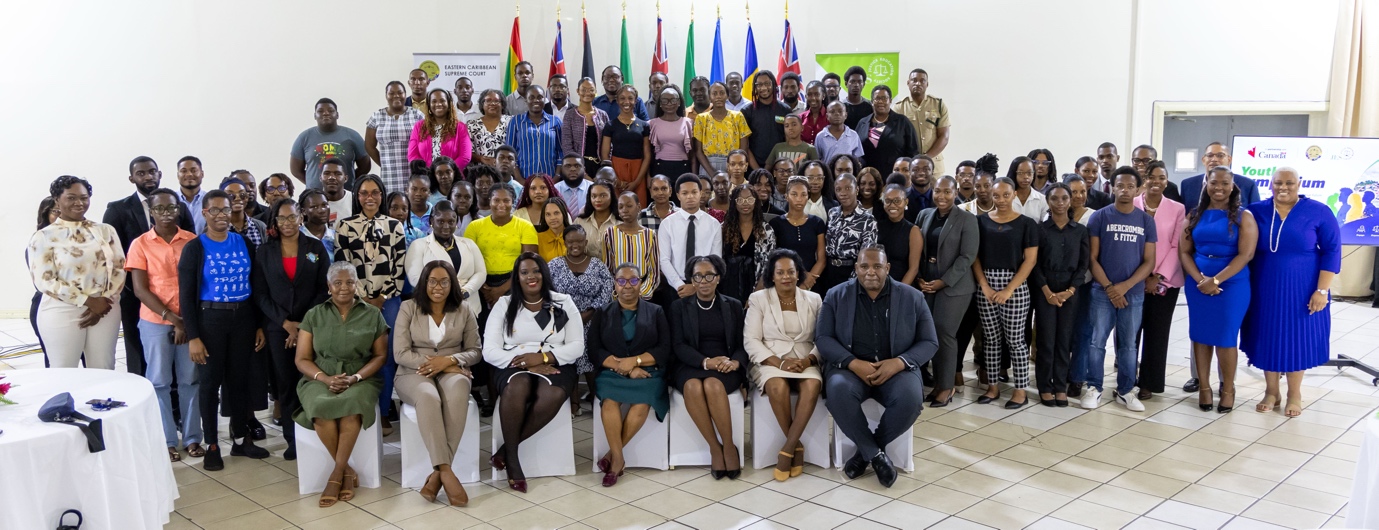
    On July 10, the Grenada Trade Centre Annex played host to a landmark regional youth event that brought legal education directly to the next generation of Caribbean leaders. More than 100 young people based in Grenada gathered in person for the Eastern Caribbean Supreme Court (ECSC) and Justice Education Society (JES) Youth Symposium, with additional participants from across the Eastern Caribbean joining virtually to take part in the day of learning and dialogue.

    Funded by the Government of Canada through the five-year, $4.5 million Judicial Strengthening for the Eastern Caribbean (JES-EC) Project administered by Global Affairs Canada, the symposium forms part of an expanding regional Public Legal Education and Information (PLEI) initiative. The project, which operates across Dominica, Grenada, St Lucia, and St Vincent and the Grenadines, aims to strengthen access to justice, boost legal empowerment, and build institutional capacity across the Eastern Caribbean, with a specific focus on expanding legal literacy for marginalized groups including women, youth, and vulnerable communities. This Grenada event follows on the success of a 2025 youth symposium held in St Lucia, with additional planned gatherings in Dominica and St Vincent and the Grenadines in the coming months.

    The event opened with a welcome from Her Ladyship the Honourable Justice Paula Gilford, Senior Resident Judge for Grenada, followed by a keynote address from Her Ladyship the Honourable Margaret Price-Findlay, Chief Justice of the Eastern Caribbean Supreme Court. Price-Findlay’s presentation centered on the core role of the judiciary and the critical function of a robust justice system in upholding and protecting the fundamental rights of all citizens.

    Throughout the day, participants engaged in hands-on interactive sessions led by sitting judges, practicing attorneys, youth advocates, law enforcement officials, and justice sector practitioners. The sessions covered a wide range of practical legal topics that directly impact young people in the region, including business and entrepreneurship law, property rights and estate planning, alternative dispute resolution through mediation, addressing cyberbullying, community policing frameworks, prevention of gender-based violence, and strategies for making informed positive life choices. The agenda also integrated spoken-word performances, open networking sessions, and facilitated group discussions that created space for young attendees to share their own perspectives and lived experiences, while reinforcing the core values of active citizenship and respect for the rule of law.

    In remarks following the event, Chief Justice Price-Findlay emphasized that youth outreach is a foundational investment in the future of regional governance. “Youth outreach is essential to the effectiveness of this public education programme, as these young people will go on to become the future leaders of our countries — leaders who will influence every sector, whether economic, social or political. It is our intention to better educate young people about the judiciary and the court system as a whole, as a crucial element in the governance of their countries. We also hope that they, in turn, will play a part in educating others, including family members, friends, schoolmates and other persons with whom they interact,” she said.

    Michele Gibson, Senior International Assistance Officer at Global Affairs Canada, highlighted Canada’s long-standing commitment to advancing the rule of law and democratic governance across the Caribbean. “Canada believes that young people are essential partners in advancing the rule of law, strengthening democratic values, and preventing violence in their communities. Through our support for the JES-EC Project, we are investing in opportunities that equip youth with legal knowledge, leadership skills and the confidence to become agents of positive change. When young people understand their rights and responsibilities and have a voice in shaping their communities, they help build safer, more inclusive and more resilient societies,” Gibson explained.

    Lyndel Archibald, Project Director for the JES-EC Project, credited the cross-sector partnership for the event’s success, noting that collaborative investment in youth legal education builds a durable foundation for fair governance across the region. “We are pleased to collaborate with the ECSC and grateful to the Government of Canada for investing in our youth. This partnership ensures that young people across the region gain the tools to understand the justice system, and receive the knowledge and values to lead with fairness and justice. Together, we are building a foundation for informed citizens and stronger communities,” Archibald said.

    Many youth attendees left the symposium feeling inspired and equipped to drive change in their own communities. One participant shared their takeaway from the event: “The highlight of the Youth Symposium for me was the opportunity to engage with passionate young leaders, exchange ideas, and learn from experienced facilitators and speakers. I especially appreciated the discussions on youth leadership, regional collaboration, and creating innovative solutions to challenges affecting young people. The networking opportunities and the sense of unity among participants were truly inspiring and motivated me to continue making a positive impact in my community and country.”

    For the ECSC, the symposium reflects a growing institutional commitment to expanding access to justice beyond the walls of the courtroom, through intentional outreach, education, and open dialogue with regional communities. By creating direct pathways for young people to engage with justice sector professionals, the initiative fosters greater public trust and understanding of the judicial system, while empowering the next generation to take on active roles as informed citizens and community advocates. The initiative also advances Canada’s broader strategic goal of strengthening regional security and stability, as legal literacy is recognized as a core pillar of just and resilient societies. With the Grenada event completed, organizing partners are now preparing to bring the same model of interactive legal education to youth in Dominica and St Vincent and the Grenadines in the months ahead, advancing their shared vision of a more legally empowered, engaged, and equitable Eastern Caribbean.

  • Halo donates $30,000 to Confucius Institute of Antigua and Barbuda’s cultural initiative

    Halo donates $30,000 to Confucius Institute of Antigua and Barbuda’s cultural initiative

    A $30,000 grant from the Halo Foundation has opened the door for a group of young learners from Antigua and Barbuda to experience authentic Chinese culture firsthand, as part of the Chinese Bridge Summer School program run by the local Confucius Institute (CIAB). The two-week cultural and educational expedition to China was built around three interconnected learning pillars: structured beginner-level Chinese language instruction, hands-on traditional performance training, and guided cultural site visits across the eastern Chinese city of Hangzhou.

    At the conclusion of the language training segment, all participants sat for an internationally recognized beginner proficiency examination to formalize their learning progress. Beyond the classroom, attendees dove deep into a wide spectrum of centuries-old Chinese cultural practices, CIAB Principal Han Wen detailed. These immersive activities included learning the fundamentals of lion dance performance, traditional Chinese vocal and folk dance, mastering the art of the tea ceremony, creating hand-painted kites, crafting decorative lacquer fans, sewing fragrant herbal sachets, trying woodblock printing and stone rubbing, designing Peking opera facial masks, playing the traditional shuttlecock kicking game, and trying on flowing traditional Hanfu clothing.

    To complement their hands-on cultural workshops, participants explored some of Hangzhou’s most historic and culturally significant landmarks. They cruised the iconic shores of West Lake, toured the Zhejiang Provincial Museum, explored the archaeological exhibits of the Liangzhu Museum, which showcases a 5,000-year-old ancient Chinese civilization, visited the China National Archives of Publications and Culture, and wandered the pedestrian lanes of historic Hefang Street, a hub of traditional crafts and local life.

    Han Wen emphasized that the trip fundamentally shifted how participants view China. Rather than forming impressions from secondhand accounts, attendees got to observe modern Chinese society for themselves. “The participants transformed from ‘hearing about China’ to ‘seeing China,’” he said. “Through their time in Hangzhou, they witnessed a real, modern, and vibrant China with their own eyes — correcting previously vague or inaccurate perceptions and building a more objective and three-dimensional understanding of the country.”

    Feedback from participants reflected the transformative impact of the trip, with many sharing enthusiastic reflections at the program’s closing ceremony. One participant wrote: “It was really nice meeting all of you and getting this opportunity—it has helped me a lot with my social skills and interacting with new people. This was an amazing journey that I do hope we can take again next year!” Another participant called the experience a transformative eye-opener, noting: “This has been a truly eye-opening and rewarding trip. We have certainly learned a great deal, and I am grateful for the opportunity to have been a part of this journey.”

    Her Excellency Lady Williams, President of both the Halo Foundation and the Antigua and Barbuda China Friendship Association, echoed the educational value of first-hand international experience. Williams noted that building direct, personal understanding of global regions — including China and the broader East Asia — is a critical component of holistic education spanning culture, politics, economics, diplomacy, linguistics, and geography. “One is in a position to make more accurate and realistic assessments, rather than mere assumptions, once one has experienced international exposure,” Williams said. “Primary knowledge is a much sounder educational tool than vicarious information.”

  • Open Registration : Entrance Examination, State University of Haiti (2026-2027)

    Open Registration : Entrance Examination, State University of Haiti (2026-2027)

    Haiti’s largest public higher education institution, the State University of Haiti (UEH), has officially launched the application window for its 2026-2027 academic year entrance examination, with registration running from July 30 through August 28, 2026. Announced by UEH’s Office of the Vice-Rector for Academic Affairs, the annual admission cycle gives prospective undergraduate students the opportunity to apply to up to three different UEH-affiliated academic units across the country, opening access to a wide range of degree programs for qualified Haitian learners. To be eligible for admission consideration, candidates must meet a clear set of baseline requirements established by the university. First, applicants cannot currently hold active student status at UEH. They must also possess one of the following: a valid secondary school graduation diploma, a 2025-2026 NS4 examination slip (pending official confirmation of results), or an equivalent educational credential formally issued by Haiti’s Ministry of National Education and Vocational Training (MENFP). All applicants are required to pay an examination fee of 800 Haitian gourdes per selected academic institution, and must hold a valid Tax Identification Number (NIF). Candidates under the age of 18, who are not yet required to obtain their own NIF, are permitted to use a parent’s NIF to complete their application. The application process follows a step-by-step structure designed to streamline registration for all candidates. First, applicants must complete their fee payment at any branch of SOGEBANK, depositing 800 gourdes per selected institution into the official UEH admission account numbered 706054558. Once payment is confirmed, candidates must fill out the mandatory online application form through UEH’s dedicated admissions portal at https://admission.ueh.edu.ht. During the online registration process, applicants will be required to input their payment confirmation number, upload a scanned copy of their payment slip, and select up to three academic units they wish to apply to. After submitting the online form, candidates must print a copy of the completed registration form, then attend an in-person validation session at their selected institutions on the scheduled dates and locations provided, where they will receive their official exam entrance card. For the in-person registration validation step, candidates must bring several required documents, including two identical, recent passport-sized photographs (taken within the last six months, with the candidate’s last name, first name, phone number and NIF written on the back of each), the printed online registration form, official proof of NIF, the original SOGEBANK deposit slip for each selected institution, and their secondary school leaving certificate or 2025-2026 NS4 exam slip. Only candidates who successfully pass the entrance examination will be required to submit additional documentation to formally enroll at their chosen academic unit, including an official birth certificate or extract from the Haitian National Archives, two additional recent passport-sized photos with the same identifying information on the back, and official proof of NIF. Entrance examinations are scheduled on a rolling basis across different months, starting in mid-September 2026. The Faculty of Medicine and Pharmacy will hold its exam first, on September 13, followed by the Faculty of Dentistry on September 20, and the Henry Christophe Campus of Limonade will host its exams from September 21 to 23. October 3 marks the exam date for all three National School of Nursing campuses in Cayes, Cap-Haïtien, and Jérémie, with the Faculty of Human Sciences following on October 4, and the Institute of African Studies and Research of Haiti holding its exam on October 11. A large group of 8 academic units will hold their entrance exams on October 18: the School of Law and Economics of Port-de-Paix, School of Law of Hinche, School of Law of Jacmel, School of Law and Economics of Fort-Liberté, School of Law and Economics of Les Cayes, School of Law and Economics of Les Gonaïves, Higher Teacher Training College, and the Faculty of Law, Economics and Management of Cap-Haïtien. The remaining exam dates are: October 24 for the Faculty of Sciences, October 25 for the Faculty of Applied Linguistics, November 1 for the Faculty of Agronomy and Veterinary Medicine, November 8 for the National Institute of Administration, Management and Institute of Advanced International Studies, November 15 for the Faculty of Law and Economics, and November 22 for the Faculty of Ethnology. UEH currently operates 23 academic campuses and units across multiple Haitian cities including Port-au-Prince, Limonade, Hinche, Cap-Haïtien, Les Cayes and Jacmel, with full addresses for all units listed on the official admissions announcement. The university has also issued important reminders for all prospective applicants. No fee refunds will be granted for any reason, including late applications, failure to meet eligibility requirements, failure to follow registration procedures, or payments made to incorrect banks or accounts. The university emphasizes that online registration via the official admissions portal is mandatory for all applicants; no paper applications will be accepted. Candidates with questions about the registration process or eligibility requirements can contact the UEH admissions office via email at admission@ueh.edu.ht, or by phone at +509 3782 3168, +509 4404 5257, +509 3704 1522, or +509 3750 6857. The UEH Rectorate is located at 21 Rue Rivière, Port-au-Prince, Haiti, and additional information can be found on the university’s official website at www.ueh.edu.ht.

  • Understanding the Reformed SBA Framework

    Understanding the Reformed SBA Framework

    For decades, the Caribbean Examinations Council (CXC)’s School-Based Assessment (SBA) framework has provided Caribbean students with a flexible pathway to showcase their knowledge and practical skills in authentic school and community learning environments. Working hand-in-hand with regional governments across the Caribbean, CXC has spent years refining SBA administration to align with regional education goals. In recent years, however, growing gaps in the SBA’s ability to accurately measure student ability, paired with the rapid spread of generative artificial intelligence (GenAI), have pushed the council to implement a multi-stage, far-reaching reform initiative that will roll out its full updated framework in 2026.

    CXC’s reform process did not begin overnight. Steady adjustments to SBA oversight started in 2020, when the council expanded moderation to cover 100% of SBA submissions across all assessment centers. In 2022, CXC shifted from center-level moderation to teacher-led moderation to increase scrutiny of assessment quality, while expanding the actionable feedback provided on student work. By 2024, the council issued a formal reminder to all education stakeholders of the requirement for candidates to submit original work aligned with CXC’s official examination regulations. The most recent policy update came in 2025, when CXC launched two landmark resources for the regional secondary education system: the CXC Responsible Generative AI Policy Framework, and the CXC Standards and Guidelines for the Use of AI in Assessments. These new guidelines include the Adapted Scale Levels and Descriptors for the AI Assessment Scale (AIAS), which defines clear boundaries for acceptable AI use in student work, guidance for teachers designing SBA-aligned assessments, and structured mechanisms for educators to verify the originality of student work when GenAI is used.

    The fully updated, reformed SBA framework, set to launch ahead of the 2026/2027 academic year, is designed to help the Caribbean regional education system keep pace with rapid technological change while protecting the academic integrity of school-based assessment as GenAI becomes increasingly accessible to students. Beyond upholding assessment standards, the reform will encourage responsible GenAI use among learners, deepen subject mastery, and better prepare students to demonstrate their competence in formal invigilated examinations. To further advance regional assessment transformation as a top strategic priority, CXC is also establishing a dedicated Educational Assessment Taskforce. While long-term systemic changes are already in early development, CXC moved to implement immediate updates to address widespread concerns about SBA quality ahead of the 2026/2027 academic year.

    All reform changes were developed following extensive consultation with education stakeholders across 21 Caribbean states, including classroom teachers, school principals, curriculum officers, local registrars, and national Ministries of Education. The finalized reforms have been formally approved, reflecting a shared regional commitment to upholding the rigorous standards that underpin CXC’s qualification and certification awards. CXC emphasizes that it takes seriously its responsibility to all stakeholders — students, parents, teachers, employers, and governments — to protect the validity of Caribbean Secondary Education Certificate (CSEC) and Caribbean Advanced Proficiency Examination (CAPE) certifications for both higher education matriculation and workforce entry.

    The reforms impact all 32 current CSEC subjects and 36 CAPE subjects offered by CXC, grouped into three categories each based on assessment changes. Practical, performance-based subjects will retain their existing SBA requirements, while non-practical subjects will shift to invigilated assessment via the Alternate Paper 032.

    For CSEC subjects, the 32 offerings are split into three groups: 12 subjects will retain their current SBA requirements with no changes; 7 subjects will expand SBA use, phasing out the Alternate Paper 032 entirely; and 13 subjects will transition to exclusive use of the Alternate Paper 032. The CSEC transition will proceed in phased stages: Group 1 subjects retain existing assessment rules permanently. For Group 2 subjects, the Alternate Paper 032 will be eliminated starting with the May–June 2028 examination session, requiring all candidates to complete the SBA. For Group 3 CSEC subjects, both SBA and Alternate Paper 032 will be accepted in May–June 2027, with only the Alternate Paper 032 permitted starting in May–June 2028.

    For CAPE subjects, the 36 offerings are similarly grouped: 11 subjects will retain current SBA requirements with no changes; 8 subjects will expand SBA use by eliminating the Alternate Paper 032; and 17 subjects will remove the SBA entirely and rely exclusively on the Alternate Paper 032. All CAPE changes will go into full effect starting with the May–June 2027 examination session.

    CXC has addressed common candidate questions regarding score reuse and transfer for the updated assessment model. Alternate Paper 032 scores will be transferable over a two-year period for both CSEC and CAPE, matching the previous transfer policy for SBA scores. For syllabuses modularized for the new Caribbean Targeted Education Certificate (CTEC), Alternate Paper 032 scores will be transferable over a four-year window, with full guidance available in subject syllabuses posted to CXC’s official website. For candidates pursuing modular CSEC Mathematics, Alternate Paper 032 scores from a first sitting can be reused across all modules within the four-year transfer window. Candidates registered for both CSEC English A and English B, or for CSEC Economics, Principles of Accounts, and Principles of Business, will only need to complete one combined Alternate Paper 032, matching the combined SBA structure previously in place. Longstanding score transfer policies, such as the ability to transfer CSEC Additional Mathematics scores to CSEC Mathematics (but not the reverse), and the ability to transfer CAPE Alternate Paper 032 scores between units where permitted by subject syllabi, will remain in effect.

    The Alternate Paper 032 itself will also see format updates to support candidate preparation. Assessment topics will be released approximately one month before the examination date, candidates will be permitted to bring printed or handwritten prepared reference notes into the examination room, and the allotted examination time may be increased. Electronic devices with stored notes are not permitted, and full additional guidance will be released to candidates before the examination period. Sample papers, marking schemes, and answer keys for the updated Alternate Paper 032 are already available for free download in subject syllabuses on CXC’s website.

    For the 2027 CSEC transition year, all decisions around assessment choice are made at the school level, not by individual candidates: a center must select either SBA or the Alternate Paper 032 for all its registered candidates across all subjects, though candidates who began an SBA in the 2025-2026 academic year will be permitted to complete and submit their existing SBA for the May-June 2027 session. For CSEC science subjects, the shift to exclusive SBA use does not take effect until May-June 2028, so the Alternate Paper 032 will remain available for January 2027 and January 2028 sittings. Starting in January 2029, only resit candidates carrying forward previously earned SBA scores will be permitted to register for January sittings of subjects where the Alternate Paper 032 has been eliminated. First-time private candidates registering for CSEC Biology, Chemistry, or Physics after May-June 2028 will be required to affiliate with a public or private examination center to complete required laboratory exercises.

    A clear timeline guides the full rollout of reforms: the updated SBA framework goes into effect for the 2026-2027 academic year, giving schools and candidates time to prepare for new arrangements. All CAPE changes take full effect in May-June 2027, while CSEC operates under a transitional arrangement that year. Full CSEC changes go into effect in May-June 2028, and the updated January sitting policy takes effect starting in January 2029.
  • Ministry of Culture reviews renovation progress at Fine Arts Schools and Manuel Rueda Hall

    Ministry of Culture reviews renovation progress at Fine Arts Schools and Manuel Rueda Hall

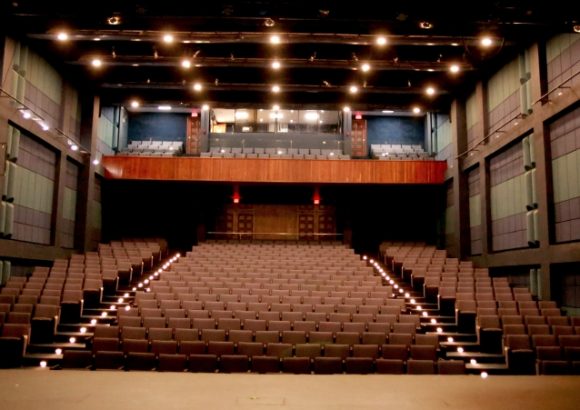
    In a progress inspection tour this week, Dominican Republic’s Culture Minister Roberto Ángel Salcedo visited the country’s national Schools of Fine Arts complex and the iconic Manuel Rueda Hall to check the status of ongoing renovation and maintenance projects designed to elevate the quality of the nation’s artistic education facilities.

    Accompanied by Marinela Sallent, the executive director of the Fine Arts system, Salcedo walked through all active work sites across the campus, which is located in Parque Iberoamérica. The portfolio of improvements being rolled out includes updated, energy-efficient lighting and cutting-edge technical equipment for the Manuel Rueda Hall, a key venue for performances and cultural events. Additionally, the project encompasses exterior and interior repainting across the entire complex, refreshed landscaping for public and student spaces, comprehensive general repairs to aging infrastructure, and full refurbishment of both academic classrooms and administrative office areas.

    Once completed, the upgrades will directly serve the complex’s four constituent schools: the School of Music, School of Dance, School of Visual Arts, and School of Performing Arts. By modernizing outdated facilities, the project will deliver a safer, more functional, and inspiring learning and working environment for thousands of current and future students, as well as for faculty and administrative staff across all programs.

    Minister Salcedo noted that project planners intentionally scheduled all construction and renovation work to take place during the institution’s annual vacation break, a strategic choice that limits disruptions to regular classes and campus operations. The renovation work, he explained, is not a standalone project but a core component of a broader, long-term strategy rolled out by the Ministry of Culture to modernize the country’s entire national cultural infrastructure and strengthen the quality of professional artistic training available to young Dominicans.

    Salcedo also used the tour to reaffirm the national government’s commitment to expanding this type of infrastructure rehabilitation to art education institutions across every region of the Dominican Republic. The rollout of these distributed projects is part of wider national efforts to strengthen cultural education across the country and decentralize access to high-quality arts training, bringing improved opportunities to aspiring artists outside the capital’s central cultural institutions.

  • Prime Minister Browne Congratulates St. John’s City West Residents on UWI Short Courses Completion

    Prime Minister Browne Congratulates St. John’s City West Residents on UWI Short Courses Completion

    In a moment of celebration that underscores the government’s commitment to expanding accessible skills development across Antigua and Barbuda, Prime Minister Gaston Browne has extended heartfelt congratulations to residents of St. John’s City West who successfully completed a series of professional short courses offered by the University of the West Indies (UWI).

    The milestone achievement marks a key step forward in the constituency’s efforts to upskill local workforces and create more competitive employment opportunities for community members across a range of industries. The UWI short courses, tailored to address evolving market demands, covered high-demand areas including digital literacy, small business management, and professional service skills, designed to equip participants with practical competencies that can be immediately applied in the workplace.

    In his official message marking the completion of the programs, Prime Minister Browne emphasized that investment in continuing education is central to his administration’s agenda for inclusive economic growth. He noted that upskilling initiatives like these, delivered in partnership with one of the Caribbean’s most respected tertiary education institutions, empower individuals to take control of their career trajectories while strengthening the overall resilience of the nation’s labor market.

    “These graduates have demonstrated a commitment to personal and professional growth that will not only transform their own lives but also contribute to the prosperity of the entire St. John’s City West community and our country as a whole,” Browne stated. He also reaffirmed the government’s ongoing commitment to expanding partnerships with UWI and other leading educational institutions to roll out similar short-form training programs across more constituencies in the coming months, reaching hundreds more adult learners seeking to advance their skills.

    Local community leaders echoed the Prime Minister’s remarks, highlighting that the program filled a critical gap for working adults in the constituency who were unable to commit to full-time degree programs. The flexible, accessible structure of the UWI short courses allowed participants to balance work, family responsibilities, and training, making continuing education achievable for learners from diverse backgrounds. Graduates of the program have already reported early outcomes including promotions, new job offers, and increased confidence to launch small independent businesses.

    Looking ahead, the St. John’s City West constituency office is already planning outreach for the next cohort of courses, with expectations of expanded enrollment to include more young people and unemployed residents seeking to re-enter the workforce. The success of this initial partnership between the constituency government and UWI is expected to serve as a model for other regions across Antigua and Barbuda looking to expand local skills development opportunities.

  • Second Group of Apprentices Begins Maritime Training Programme

    Second Group of Apprentices Begins Maritime Training Programme

    A new group of young aspiring professionals from Antigua and Barbuda has embarked on immersive, on-the-job training as part of the region’s targeted Maritime Apprenticeship Programme, an initiative designed to build a skilled pipeline for the growing local and regional maritime sector.

    The program is the result of a collaborative partnership between three key stakeholders: regional logistics leader Tropical Shipping, the Port Management Association of the Caribbean (PMAC), and the Antigua and Barbuda Port Authority. It was created to bridge a long-standing gap between academic learning and real-world industry requirements, opening pathways to stable, high-demand careers for young people interested in maritime work.

    First launched in 2025, the program saw strong success in its inaugural cycle, prompting organizers to expand the initiative with a second cohort in 2026. Unlike many classroom-only training programs, this apprenticeship places apprentices directly in active workplaces, giving them first-hand insight into core areas of the industry, from commercial shipping and port logistics to on-ground port operations.

    After a rigorous competitive selection process that drew applications from across Antigua and Barbuda, three young trainees – Dezante Maile, Myah Ward, and Shekinah Hector – were chosen to join the 2026 cohort. Over the coming six weeks, the group will complete a structured training curriculum that blends hands-on daily work experience with one-on-one mentorship from seasoned industry veterans.

    Trainees will rotate through multiple key departments at Tropical Shipping, gaining exposure to customer service, sales, corporate accounting, shipping documentation, vessel operations, and end-to-end logistics management. They will also complete on-site rotations at the Antigua and Barbuda Port Authority and with other industry partners across the region, to gain a holistic understanding of how different parts of the maritime ecosystem work together.

    Beyond individual skill-building for participants, the program has a broader regional goal: helping young people understand how the maritime supply chain acts as the backbone of regional trade and economic activity across the Caribbean. For small island developing states like Antigua and Barbuda, a strong domestic maritime sector is critical to sustaining economic growth, reducing reliance on foreign labor, and unlocking new trade opportunities.

    The initiative also underscores Tropical Shipping’s long-term investment in regional development. For years, the company has prioritized workforce development across the Caribbean, recognizing that a skilled local workforce benefits both the industry and the communities it serves. It also aligns with the Antigua and Barbuda Port Authority’s strategic goals to strengthen the country’s maritime sector by investing in the next generation of industry leaders.