分类: education

  • Column: De wereldwijde kenniscrisis

    Column: De wereldwijde kenniscrisis

    In late July 2026, during the high-profile AIDS 2026 international health conference hosted in Rio de Janeiro, Brazil, a glaring geographic error by U.S. officials drew widespread attention and reflection across global communities—including the small South American nation of Suriname.

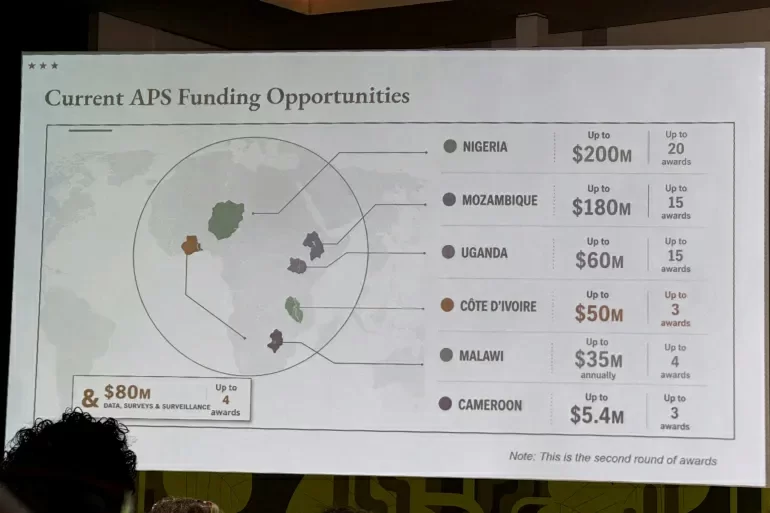
    The mistake unfolded mid-presentation from the U.S. Department of State, which was discussing newly negotiated, controversial health agreements with African nations. These talks came on the heels of the Trump administration’s deeply controversial, unprecedented cuts to global health aid that have left millions of vulnerable communities at heightened risk. On a presentation slide, an AI-generated map of Africa was displayed, with mislabeled and drastically misplaced countries that left many attendees stunned. Nigeria, the most populous nation in West Africa, was incorrectly placed within the boundaries of the Sahara Desert. Mozambique, a southern African coastal nation, was shifted all the way to the Horn of Africa on the continent’s eastern edge. Even Côte d’Ivoire, another West African state, was relocated across the entire continent to a wrong position.

    After the error circulated publicly, it was confirmed that the incorrectly labeled map had been produced entirely by artificial intelligence. The blunder quickly became a talking point around the world, illustrating that even leading global powers can face unforeseen pitfalls when relying on unvetted new AI technologies. For many, it raised important questions about the growing dependence on automated tools and the erosion of foundational human geographic knowledge.

    In Suriname, the map error struck a particular chord, stirring nostalgic reflection among older generations who received a far different foundational education than today’s youth. Surinamese people now in their 60s and 70s recalled rigid, thorough geography requirements during their school years: they were expected to memorize every country and its capital, identify nations on blank (or “blind”) maps with no labels, and draw accurate national and continental borders across Europe, Asia and other world regions. Students were also required to master global ocean and sea geography, including which bodies of water separated continents and which nations bordered major waterways. These requirements held even as the global map shifted over decades, with dozens of new nations emerging from the breakup of the Soviet Union and other geopolitical reorganizations.

    The blunder became a lively topic of discussion among a group of retired education workers who gather for water aerobics in Suriname, and the conversation quickly expanded beyond geography to broader shifts in modern education. The group noted that today’s young Surinamese students are no longer required to memorize proverbs from their native cultures—once a core part of primary school curricula that required learning both the saying and its cultural meaning. They laughed as they recalled old primary school readers that featured content disconnected from Suriname’s tropical climate: lessons about snow, winter and Northern European seasons that local teachers often skipped, since most Surinamese people had never seen snow, and the content felt alien to their lived experience.

    Beyond these nostalgic anecdotes, the conversation revealed a growing concern: just as the U.S. AI blunder exposed gaps in geographic knowledge among senior officials, many Surinamese educators and observers note that today’s younger generations often lack basic familiarity with global countries and capitals. Cultural proverbs are seen as outdated and irrelevant to modern life, and many young people prefer to use English borrowed from global popular music over their own native mother tongues.

    For many Surinamese commentators, this high-profile U.S. mistake serves as a critical wake-up call. It reminds communities that education must do more than teach technical digital skills: it must also ground young people in foundational global knowledge, their own history, and their cultural roots. This need is particularly acute in Suriname, a nation defined by its rich multicultural history and diverse population.

    As the reflection from Suriname makes clear, knowledge of the broader world begins with knowledge of oneself and one’s origins. Even amid rapid technological change, the next generation benefits immensely from staying connected to their cultural roots while building a robust understanding of the world around them. A correctly placed, well-understood map does more than show where nations sit on the globe—it reveals who we are, and where we come from.
  • Education : Official start date for the 2026-2027 school year

    Education : Official start date for the 2026-2027 school year

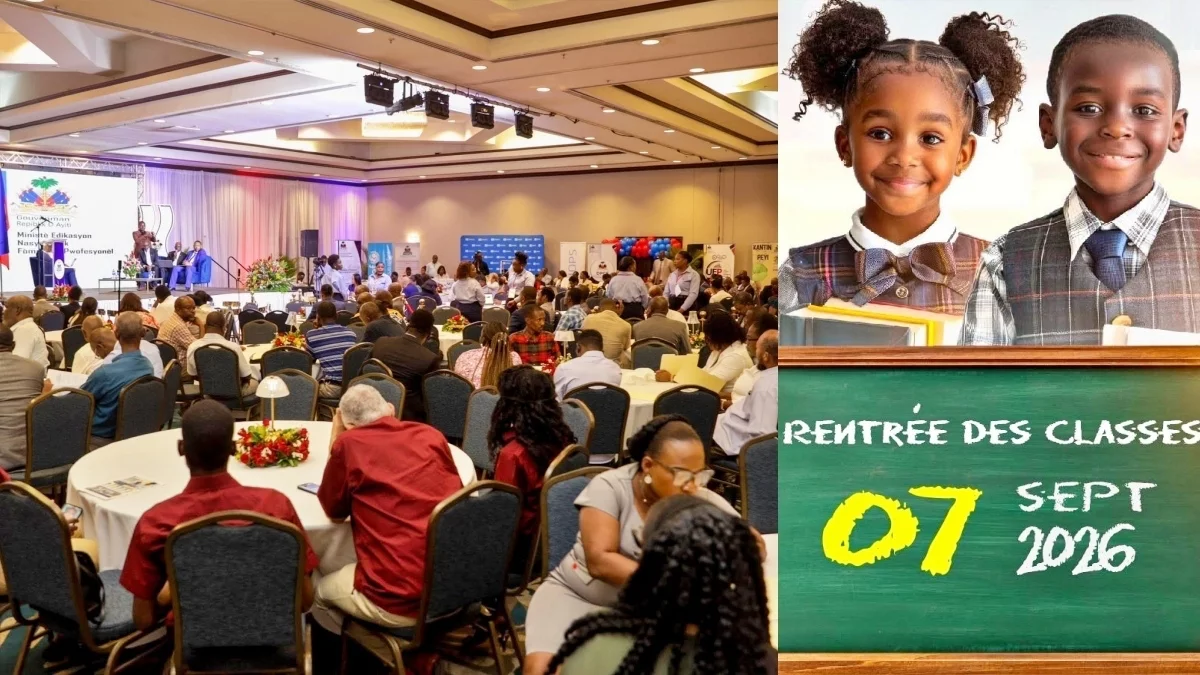
    On July 31, 2026, key education stakeholders from across Haiti gathered in Pétion-ville for a high-stakes working session to finalize preparations for the upcoming 2026-2027 academic year. Leading the discussions, National Education Minister Vijonet Déméro used the opening address to lay out the government’s core goal: delivering a safe, inclusive start to classes for every student across the country, through coordinated action across all sectors.

    Déméro used the event to formally confirm the official first day of the 2026-2027 school year as September 7, 2026. Beyond setting the start date, he framed the new academic year as a critical milestone in Haiti’s broader national reconstruction effort, emphasizing that investing in children’s education forms the foundational bedrock of a stable, prosperous future for the country.

    “Our ambition is not limited to opening the school doors. It aims to fundamentally transform what happens inside the classrooms,” Déméro told attendees. He called for a widespread embrace of civic values across Haitian society and outlined urgent priorities for transforming the country’s long-stagnant education system. Key reforms he highlighted include full implementation of the national Curriculum Framework, ongoing updates to academic programs, and widespread integration of digital technology into daily teaching and learning.

    To turn these goals into reality, the minister issued a unified call to action for all stakeholders. He urged technical and financial partners and fellow government officials to maintain and deepen collaborative resource alignment, called on Ministry of Education staff to maintain consistent on-the-ground presence, ethical management practices, and an unwavering focus on educational quality, and appealed to teachers’ unions to center the best interests of students above all other priorities. Extending an invitation for constructive dialogue, Déméro concluded his remarks by calling for an end to division, stating “Let’s join forces. Let us silence our divisions and place the future of our children in Haiti above all other considerations.” He also reaffirmed the Haitian government’s full solidarity with families of school-aged children.

    Speaking alongside Déméro at the opening of the working session, Interior Minister Paul Antoine Bien-Aimé provided key assurances to attendees that schools currently occupied by internally displaced persons will be cleared and returned to educational use in time for the start of the academic year. He also highlighted the newly established Municipal Education Commission, noting that Haiti’s Constitution designates national education authorities and local governments as co-managers of public education, making the commission a critical step toward more effective shared governance. He called on all elected officials across the country to fully commit to supporting the new body.

    Over the course of the day, participants including technical directors from the Ministry of National Education and representatives from domestic and international education cooperation partners held detailed panel discussions on a wide range of preparation priorities. Topics covered included the ongoing curriculum reform effort, expanded and improved teacher training programs, production and equitable distribution of textbooks, construction and rehabilitation of damaged school infrastructure, distribution of classroom furniture, school supplies and student uniforms, direct cash assistance for low-income families, expansion and improvement of school canteen programs, installation of solar energy and broadband internet systems in school facilities, and the development of new digital campuses at Haitian high schools and Departmental Public Universities (UPDs).

    All planned initiatives for the 2026-2027 academic year are structured around a four-pillar roadmap developed by the Ministry of Education to guide preparations. The four core pillars are: 1. Infrastructure, logistics, and security; 2. Social support and assistance to vulnerable families; 3. Curriculum reform, digital integration, and teacher training; and 4. Governance, social dialogue, and stakeholder communication.

    The Pétion-ville working session drew a broad cross-section of Haitian education leadership, including Secretary of State for Literacy Adelson Lorgeat, Ministry of Education Director General Osny Jean Marie, National Office for Partnership in Education (ONAPE) Director General Stéphanie Paultre, Institute for Social Welfare and Research (IBESR) Director General Arielle Jeanty Villedrouin, Interministerial Committee for Territorial Planning (CIAT) Executive Secretary Marie-Christine Stephenson, Ministry of Education inspectors general and senior officials, leaders of multiple Haitian teachers’ unions, and representatives from dozens of national and international institutions active in Haiti’s education sector.

  • Wereldbank: Suriname moet arbeidsmarkt beter voorbereiden op economie van de toekomst

    Wereldbank: Suriname moet arbeidsmarkt beter voorbereiden op economie van de toekomst

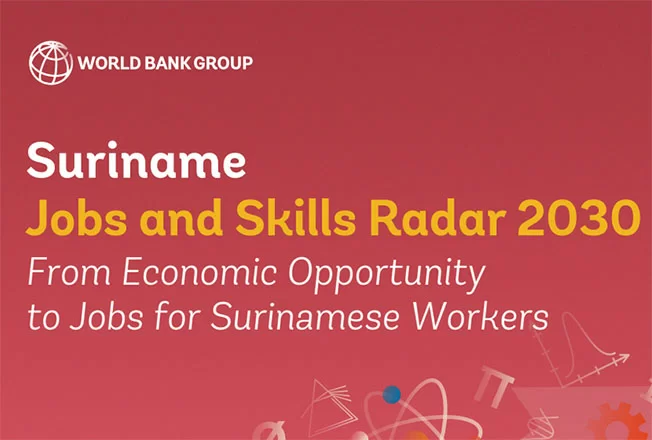
    Suriname holds significant untapped potential to bridge the long-standing gap between its education sector and evolving labor market demands, but meaningful progress will only be possible through far deeper cross-sector collaboration between government bodies, educational institutions and private industry, the World Bank has warned in a major new report.

    Titled *Suriname Jobs and Skills Radar 2030: From Economic Opportunity to Jobs for Surinamese Workers*, the publication lays out a comprehensive reform roadmap designed to prepare the South American nation for the shifting demands of its transitioning economy, which is currently undergoing rapid transformation driven by the expansion of the oil and gas sector and other emerging industries. The Suriname Association of Businesses has highlighted the findings of the report in local publication *De Nieuwslijn*.

    Contrary to common assumptions that additional public funding alone can resolve the country’s labor market challenges, the World Bank emphasizes that more financial resources are not the sole solution. With Suriname’s public finances already facing significant pressure, the nation must instead leverage its existing knowledge base, practical industry experience and training capacity more strategically. By strengthening coordination across the public, education and private sectors, the country can build a future-proof national skills system with relatively limited additional investment, the report argues.

    One of the most critical bottlenecks identified in the analysis is the early emergence of gaps in foundational literacy and numeracy skills during students’ school careers. These early deficits have long-term cascading effects, drastically reducing young people’s employment prospects once they enter the workforce. To address this, the World Bank recommends rolling out accelerated foundational skills programs focused on language and math, particularly before students enter technical and vocational education tracks. It also calls for expanded tailored support to meet individual students’ unique learning needs.

    Beyond technical expertise, the report notes that employers consistently report widespread gaps in soft skills among job applicants, including teamwork, professional communication and workplace professionalism. To remedy this, the World Bank advises working alongside the private sector to develop national standards for labor market readiness, which should then be integrated into all vocational training courses and national certification programs. The institution also calls for strengthened proficiency in both Dutch and English across the workforce, with targeted outreach to improve access to language training for interior communities, workers in priority economic sectors, and women.

    The report also highlights that Suriname’s current technical and vocational education and training (TVET) sector remains poorly aligned with labor market needs. Outdated training equipment, a shortage of qualified practical instructors, and rigid program structures all undermine the quality of training provided. In response, the World Bank advocates for targeted investment in updated equipment and new training curricula co-developed with industry partners. It also calls for improved compensation for vocational teachers and practical instructors, including performance-based pay schemes and formal professional recognition programs to attract and retain top talent.

    Currently, collaboration between educational institutions and private employers remains largely informal across Suriname, the World Bank finds. This lack of structured engagement means training programs often fail to keep pace with rapidly shifting economic demand. To fix this disconnect, the institution recommends formalizing ongoing, structured employer participation in the development of curricula, occupational standards and competency profiles for all vocational programs. It also notes that Suriname could unlock major benefits by expanding regional and international training partnerships to deliver specialized skills training and internationally recognized professional certifications.

    Fragmented governance and scattered responsibilities across multiple public and private organizations also act as a major barrier to building a robust national skills system, the report adds. To address this coordination gap, the World Bank advises establishing a five-year national skills agenda with clear, measurable targets, defined roles and responsibilities for all stakeholders, and a sustainable long-term funding model for training and certification programs.

    The country also lacks sufficient up-to-date labor market data to guide policy and training development, the institution notes. It recommends that Suriname’s Ministry of Education, Science and Culture and Ministry of Labour work together to integrate education and labor market datasets. Existing digital platforms that connect employers and job seekers could also be expanded into a unified national labor market information system to improve transparency and alignment.

    A well-functioning, responsive national skills system is critical to preparing Suriname for the economic shifts already underway across the country, including growth in the oil and gas sector and other new emerging industries, the World Bank concludes. Only when the education system is fully aligned with labor market demands can the broader population of Suriname access and benefit from the new employment opportunities generated by this ongoing economic transition.

  • IOL wil lerarenopleiding Lichamelijke Opvoeding vernieuwen vanuit nieuw beroepsprofiel

    IOL wil lerarenopleiding Lichamelijke Opvoeding vernieuwen vanuit nieuw beroepsprofiel

    As small Caribbean nations work to modernize their public education systems, Suriname’s Institute for Teacher Training (IOL) has kicked off a fundamental reimagining of its Physical Education (PE) teacher preparation program, centered on a critical question: what kind of PE educator does the country need for its future classrooms?

    Education experts and stakeholders gathered for a recent workshop focused on laying the groundwork for a new Associate Degree (AD) in Physical Education, which will run alongside IOL’s existing bachelor’s program in the field. Over 40 participants including current PE teachers, school principals, subject matter specialists and representatives from regional education boards collaborated to draft a forward-looking professional profile for the next generation of PE teachers.

    Program coordinator Kathlyn Hasselbaink framed the launch of the AD program as a rare opportunity to not just add a new credential, but to rethink the core purpose of PE teaching in Suriname. “A training program does not start with a list of courses—it starts with defining what kind of professional you want to graduate,” Hasselbaink explained. The new AD program is specifically designed to train practice-focused educators ready to step directly into roles in primary education and the lower years of secondary school, so stakeholders first need to clarify what core knowledge and skills set this qualification apart from the existing bachelor’s degree, and build the entire curriculum around those priorities.

    Unlike many traditional school subjects, PE uniquely integrates motor skill development, social growth, emotional learning and public health promotion into one curriculum, explained Ivan Fernald, a lecturer in exercise physiology and training science at IOL. He emphasized that updating the professional profile for PE teachers must start with acknowledging this unique role of the subject in schools, and the specific competencies PE educators need that differ from other teaching roles. Beyond core pedagogical and instructional skills, Fernald noted that modern PE teachers must master subject-specific technical knowledge, motor proficiency, improvisational skill for adapting activities to diverse groups, differentiated instruction techniques, and empathetic communication to support all students.

    A key point of discussion centered on repositioning PE as a fully academically valid core subject, rather than a non-graded extracurricular activity. Fernald argued that PE should be assessed based on concrete, measurable learning outcomes, just like mathematics, languages or economics. To do this successfully, he added, the entire training structure must align: professional profile, program goals, learning objectives, graduation requirements, curriculum structure, learning materials, instructional methods, and assessment frameworks all need to work in lockstep to support consistent outcomes.

    The workshop also highlighted the ongoing challenges facing PE in Suriname’s primary schools, which threaten the long-term impact of any training reform. Fernald shared that in the Zorg en Hoop district, fewer than half of all primary schools have access to a specialized, trained PE teacher. Many schools also lack adequate gym facilities, quality sports equipment, and other basic infrastructure needed to run a robust PE program. Despite growing research showing PE makes a critical contribution to public health, youth social development, self-discipline and broader community cohesion, Fernald noted the societal value of the subject is still widely underappreciated across the country.

    Over the course of the workshop, five working groups led by facilitator Michael Watson finalized a draft professional profile for PE teachers that will be in service by 2030. The profile integrates deep subject matter expertise with core modern competencies including pedagogical leadership, inclusive instruction, public health promotion, digital teaching skills, cross-stakeholder collaboration and ethical professional practice. The outcomes from the workshop will now serve as the foundational framework for developing the full curriculum for the new AD program, which will advance Suriname’s goal of upgrading its education workforce to meet 21st century needs.

  • Govt growing school agriculture push

    Govt growing school agriculture push

    In a strategic push to weave agricultural education deeper into the national K-12 system, Barbados’ Ministry of Agriculture and Ministry of Education have announced a joint expansion of the country’s school greenhouse program, with 13 new facilities set to launch at the start of the upcoming academic year. Unlike past iterations of the initiative that relied on external experts to complete construction before bringing students in, the new model centers student participation from the earliest planning and building phases, Agriculture Minister Dr. Shantal Munro-Knight confirmed during a Friday press briefing marking the close of a month-long national agricultural summer camp that hosted more than 20 student participants.

    Dr. Munro-Knight explained that the hands-on reworking of the program is designed to give students a far more comprehensive understanding of modern agriculture than traditional planting-focused lessons. “Previously, our specialists would handle all construction from start to finish. But Minister [of Education] Blackman and I agreed that this approach misses critical learning opportunities,” she told outlet Barbados TODAY. “Agriculture isn’t just about sowing seeds and harvesting crops. It involves architectural design, climate science, and technological innovation too, and we want students to experience all of that.”

    Beyond basic cultivation skills, students will gain practical knowledge in greenhouse structural design, the effects of weather and heat exposure on crop growth and infrastructure, modern agricultural technology, and sustainable growing practices. For example, students will learn firsthand how to adjust growing bed heights to manage heat and moisture levels, rather than just memorizing the concept in a textbook.

    To complement the practical learning, the government also plans to introduce a cooperative business framework for school agricultural programs, giving students firsthand experience in agribusiness and food systems economics. Under the proposed model, the Ministry of Agriculture will sign a formal off-take agreement to purchase quality produce grown by students, with all revenue generated returning to the participating schools to fund further agricultural programming or other school initiatives. “This structure lets students see the full commercial side of agriculture,” Dr. Munro-Knight said. “They learn that sustainable agriculture isn’t just growing food—it’s building a viable business too.”

    The long-term vision of the partnership extends far beyond adding new greenhouses. To embed agriculture permanently into the national education system, the two ministries are currently developing a complete formal agricultural curriculum for all school levels, a project that will be rolled out incrementally. Additional specialized training for participating teachers is also a core part of the initiative, as the government works to address existing capacity gaps. “We’ve tasked teams from both ministries to map out the full curriculum framework,” Dr. Munro-Knight said. “This is a long-term goal. We’re starting with the greenhouses and initial teacher training, and we’ll build steadily toward a full integrated curriculum over time.”

    The agriculture minister noted that demand for school greenhouse projects has grown steadily in recent years, with a number of local schools such as Springer Memorial already running consistent, successful agricultural programs on their own. Teacher training remains one of the most significant barriers to faster nationwide expansion, so the program will prioritize schools that already have established farming initiatives, enthusiastic leadership, and the capacity to scale up their work in the first phase. “We’re starting with the schools that are ready, that have teachers willing to lean in, and that already have momentum around agricultural learning,” Dr. Munro-Knight said. “Once we refine the model there, we’ll expand to the next stage.”

  • DEM interns lead disaster preparedness exercise for youth

    DEM interns lead disaster preparedness exercise for youth

    A four-week youth disaster preparedness training programme in Barbados wrapped up Friday with a hands-on, student-organized simulation exercise that put young participants’ emergency response skills to the test. Dubbed Operation Savannah Shield, the capstone activity was fully planned and led by interns with the country’s Department of Emergency Management (DEM) for participants of the Safe Coast BIM Youth Disaster and Emergency Preparedness summer camp, designed to equip teens with life-saving disaster response skills. The exercise was structured around five rotating skill stations, each targeting a core competency campers learned over the month-long programme. Participants demonstrated proficiency in clear radio communication, basic fire safety protocols, hazard identification in high-risk environments, cardiopulmonary resuscitation (CPR), general first aid, and the assembly of a well-stocked emergency go-bag. Speaking on behalf of the intern organizing team, co-lead Shakenya Jones explained the simulation was built specifically to reinforce the theoretical and practical lessons campers absorbed over the course of the programme. “We were tasked with developing a concluding exercise that tied all our learning together, so we built five stations that each focused on the key skills covered throughout the camp,” Jones said. She added that participants engaged enthusiastically with all activities, with the radio communication station emerging as a clear participant favorite. Fellow co-lead and DEM intern Edwin Workman noted the simulation was intentionally designed to mirror real-world emergency scenarios, with a core focus on building collaborative problem-solving and independent critical thinking. “We split participants into small teams, assigned every member a unique radio call sign, and tested their understanding of proper radio etiquette, observational skills, hazard assessment, and casualty response protocols,” Workman explained. “We intentionally only provided the base context and let participants lead their own responses because we wanted them to build confidence in their own skills—one day, they may need to act when more experienced responders aren’t immediately available.” Workman praised the performance of all 12 to 16-year-old campers, noting that while some teams required minor guidance to work through challenges, the overall level of engagement and teamwork exceeded expectations. “Some teams went far beyond the baseline requirements we set, and even groups that needed a little extra direction showed huge improvement over the exercise,” he said. “Overall, campers collaborated effectively, and the student team leaders stepped into their roles admirably.” Ashley Lashley, executive director of the Ashley Lashley Foundation, which partners on the Safe Coast BIM programme, emphasized that the simulation served as the critical practical capstone to a programme focused on closing a gap in youth disaster education in Barbados. The island nation is highly vulnerable to a range of climate-driven disasters, including seasonal hurricanes, widespread flooding, and chronic coastal erosion, making widespread public disaster preparedness a national priority. “Today’s exercise let students put into practice everything they learned over the past four weeks, replicating the exact work that national emergency agencies carry out when disasters threaten our country,” Lashley explained. She noted that while many young Barbadians understand the broader concepts of climate change and its local impacts, most lack concrete, hands-on knowledge of how to respond before, during, and after an emergency. “Young people are aware that climate change is affecting us, but many have never learned the practical steps they can take to keep themselves and their communities safe,” Lashley said. “That’s what makes programmes like Safe Coast so critical. They don’t just teach theory—they give young people the skills to act, and help them understand how disasters shape livelihoods and community well-being across the island.”

  • Agriculture camp aims to grow young farmers

    Agriculture camp aims to grow young farmers

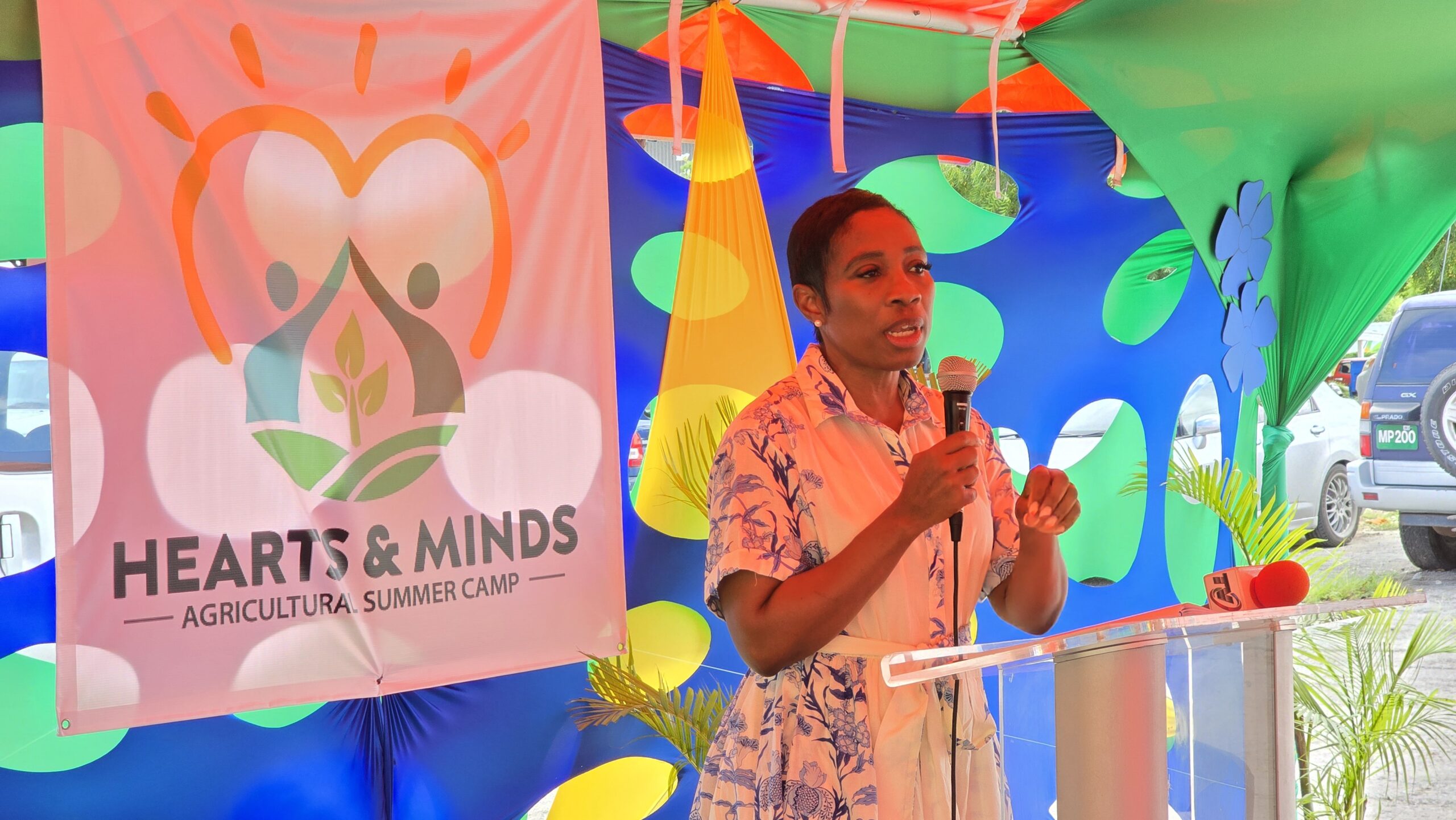
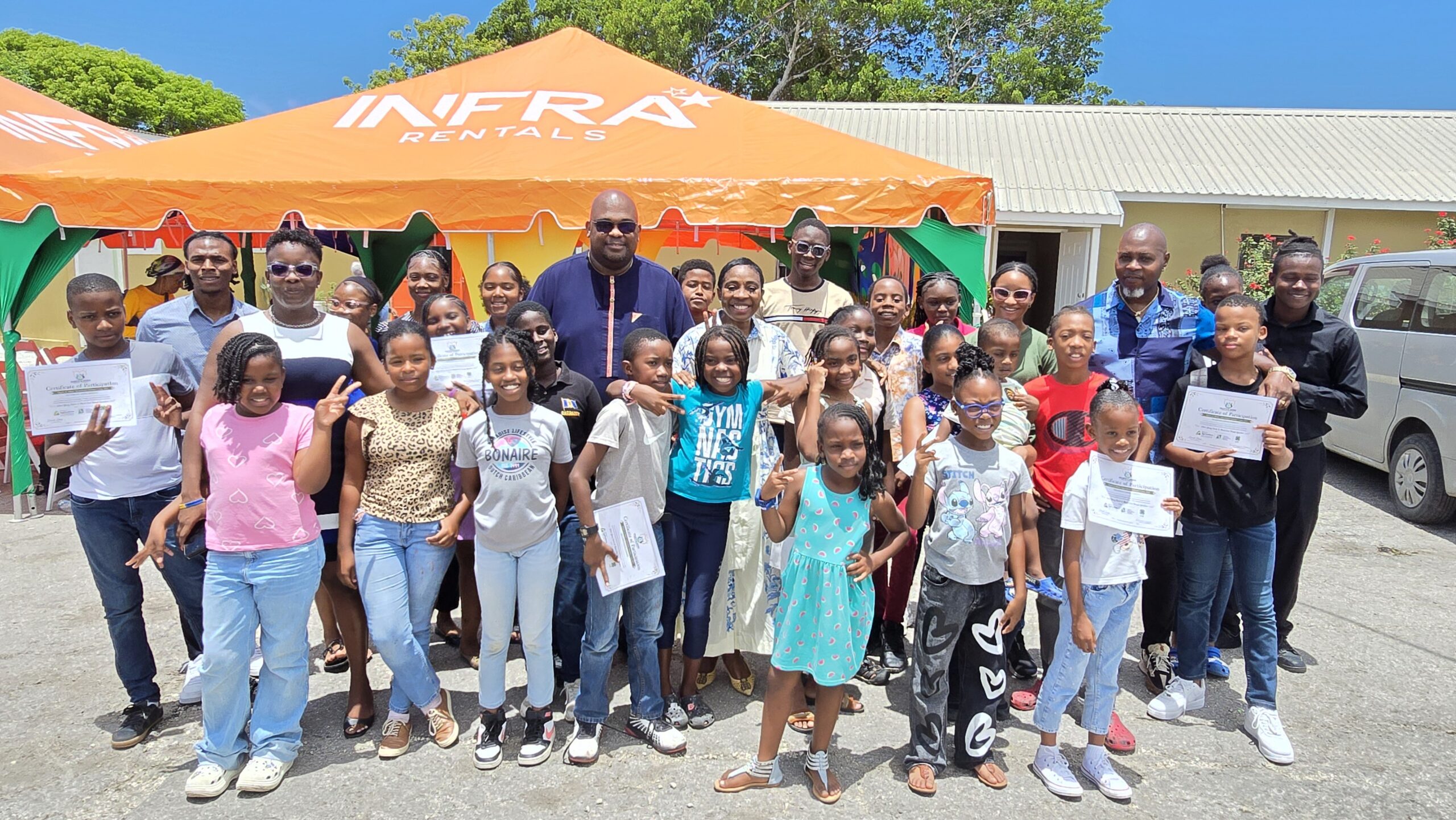
    Barbados has marked the successful completion of its first-ever Hearts and Minds agricultural summer camp, a Ministry of Agriculture initiative that brought hands-on farming education to more than 20 primary and secondary school students, with organizers already planning to expand the program in 2025 to cultivate a new generation of agricultural leaders.

    Running for four weeks through July, the immersive camp introduced participating students to core pillars of modern agriculture: sustainable soil management, ethical animal husbandry, end-to-end food production, agribusiness fundamentals, and agriculture as a viable, rewarding long-term career. At the closing ceremony, Barbados Minister of Agriculture Dr. Shantal Munro-Knight emphasized that boosting domestic food output cannot deliver national food security on its own unless the population rebuilds a meaningful, personal connection to farming and food production.

    The program was designed from the ground up to help young people recognize the central role domestic agriculture plays in supporting their families and local communities, Dr. Munro-Knight explained. “Agriculture is for us. It is not grown exclusively to feed tourists or export markets – it is first to feed our own families, our own communities, the Barbadian people who rely on it every day,” she said.

    Dr. Munro-Knight urged Barbadians to preserve the longstanding tradition of backyard gardening, a practice she framed as critical to advancing the country’s food security goals. “There are foundational cultural practices that support our national development that we must hold onto, and the ability to feed ourselves is at the top of that list,” she noted. “Being able to step out into your backyard and harvest fresh spinach, pick peas from a vine, or pluck fruit from an overhanging tree – those small, everyday acts are far more important than many people realize.”

    These local food production skills become even more critical during global crises that disrupt international supply chains, she added, pointing to ongoing geopolitical conflicts that have strained global food distribution in recent years. “When war disrupts global trade and we can’t rely on imported food, these are the skills that will keep our people from going hungry,” Dr. Munro-Knight said. “They also protect the livelihoods of our existing farming community, because when we prioritize buying and growing local, we sustain the work they have invested in for generations.”

    Camp director David Davis said that after four weeks working alongside the participating students, he left the program with full confidence in Barbados’ agricultural future. “I spent the last month with these young people, and I saw brilliant, curious minds hard at work every single day,” Davis shared. “I was nervous about how the inaugural program would go before we started, but meeting these students put all my worries to rest. I know the future of agriculture in Barbados is in good hands.”

    Davis stressed that the country must prioritize youth engagement in agriculture to secure long-term food sovereignty, comparing the young participants to seeds that require intentional nurturing to grow. “We must put agriculture at the top of our national priority list, and all of us have a role to play in supporting these bright young people,” he said. “We planted the seed of interest in agriculture through this camp, and now we have to keep pushing, keep nurturing that interest so they can grow into the innovative agricultural leaders our country needs.”

    Assistant camp director Keisha Weekes echoed Davis’ optimism, praising participants for their relentless curiosity and wholehearted engagement with every program activity. “Over the past four weeks, we watched these young minds jump at every opportunity to learn,” Weekes said. “Their enthusiasm, curiosity, and eagerness to explore the four core pillars of our program have been truly inspiring. They asked thoughtful, incisive questions, threw themselves into every hands-on activity, and reminded all of us that when young people get the chance to explore agriculture, the future of the sector is bright.”

    Weekes added that the camp not only taught students tangible new skills but also helped them build a lasting appreciation for agriculture’s role in everyday Barbadian life. “It has been wonderful to watch confidence grow, friendships form, and knowledge expand over the course of this program,” she said. “I hope every student leaves here today not just with new practical skills, but with a deeper understanding of how vital agriculture is to every part of our nation.”

    Camp counsellor Tawana Russell outlined the program’s core curriculum, which was structured around four key pillars: soil health, livestock care, the seed-to-table supply chain, and agribusiness. “Together we walked through each of these four areas, and along the way we watched our campers grow more confident, collaborate effectively, and develop a genuine respect for the work of farming,” Russell said.

    By the end of the program, students left with a far more nuanced understanding of farming than they had when they arrived, Russell noted. “They learned that healthy soil is far more than just dirt, that raising livestock requires patience and consistent responsibility, and that food doesn’t just magically appear on supermarket shelves – it’s the product of hard work along the entire supply chain,” she explained. “Most importantly, they learned that agriculture is not just a traditional way of life – it is also a dynamic career, a viable business, and an essential foundation for our nation’s future.”

    For 16-year-old camper Jamira Waithe, the hands-on learning opportunities were the highlight of the entire program. “We got to see first-hand how chickens are raised and processed before they ever reach supermarket shelves,” Waithe shared. “We went on farm tours, we had so much fun learning together, and the best part was building our own grow boxes as a group. We got to prepare the soil and plant our own seedlings – that experience stuck with me. This is honestly the best camp I’ve ever attended.”

    Fellow camper Zion Griffith said the program completely reshaped his understanding of what agriculture entails. “Before I came to this camp, I thought agriculture was just planting crops and taking care of animals – that was it,” Griffith said. “I quickly learned it’s so much more than that. Agriculture is a vital part of all our lives because it gives us the food we eat every day, and it supports the livelihoods of so many people across our country.”

    Griffith added that he also gained valuable insight into sustainable farming and its role in protecting the environment. “I learned so many useful skills: we got to plant crops, care for growing plants, study different farming methods, and I really understood how important sustainable practices are to protecting our natural resources while growing food,” he said.

    With the success of the first cohort, organizers are already preparing to expand the program next year, hoping to reach more young people and build a pipeline of new talent to support Barbados’ goal of greater food sovereignty.

  • Belize Bets on Technical Education to Power the Workforce

    Belize Bets on Technical Education to Power the Workforce

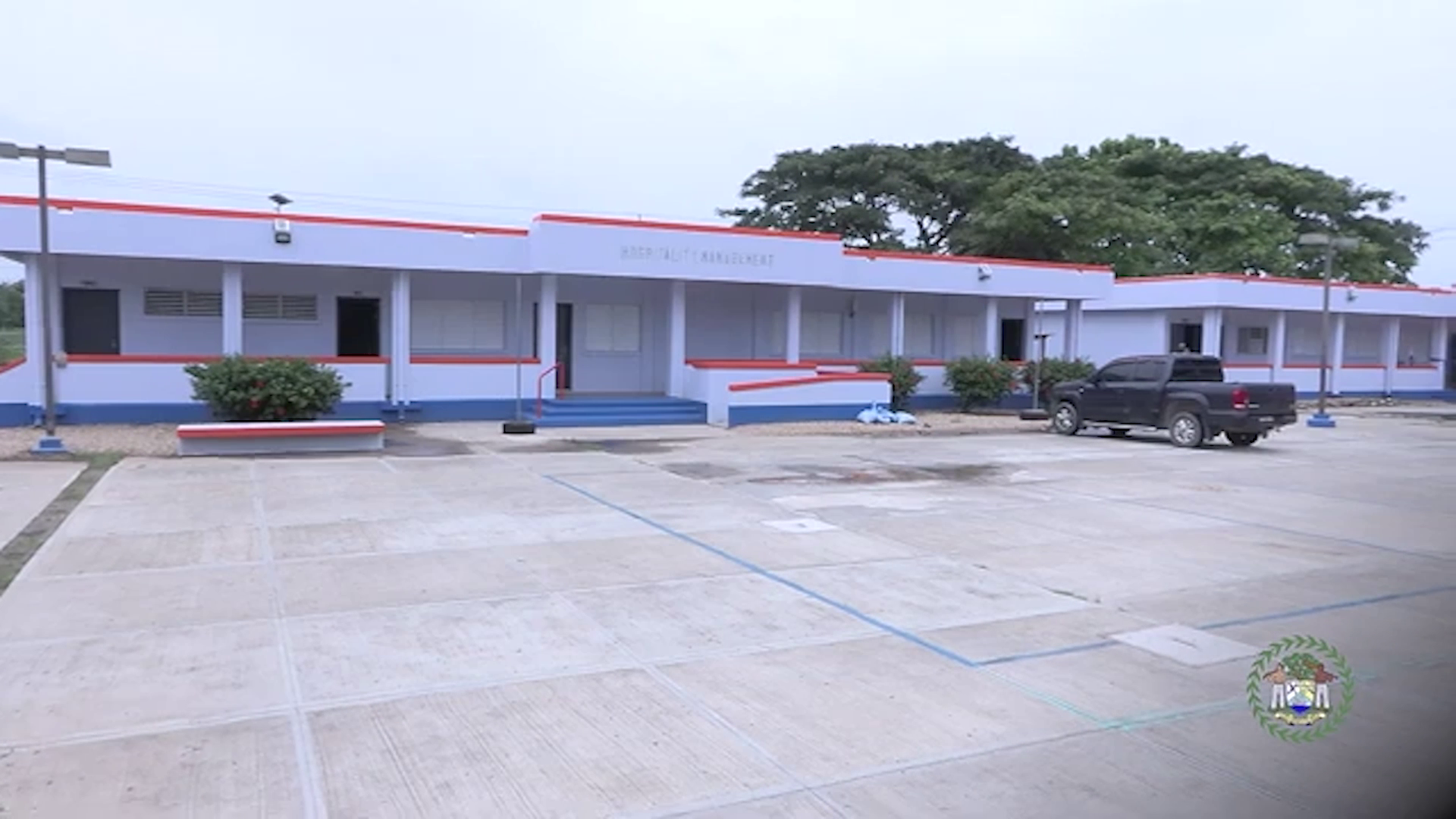
    In a landmark move to align its workforce with evolving labor market demands, the government of Belize has positioned technical and vocational education and training (TVET) as the cornerstone of its national workforce development strategy for 2026. As part of the country’s landmark Belize Compact agreement, $80 million out of the total $125 million compact funding is earmarked for broad education sector upgrades, with a core focus on modernizing the country’s existing Institute of Technical and Vocational Education and Training (ITVET) system.

    On July 31, Education Minister Francis Fonseca presented the groundbreaking, first-ever ITVET Bill to Belize’s House of Representatives. If passed, the legislation will establish an independent, industry-led National Training Authority, a structural shift designed to close the persistent gap between graduate skills and open job opportunities across the country.

    Minister Fonseca emphasized that the bill marks a historic shift for Belize’s education ecosystem, creating the first standalone, modern legal framework specifically for technical and vocational training in the nation’s history. The new legislation is structured to complement the upcoming 2026 Education Bill, which the minister plans to introduce in a subsequent legislative session.

    Under the proposed structure, the National Training Authority will be governed by a 13-member board that draws representation from across key stakeholder groups: government bodies, the private sector, training service providers, the national accreditation council, the National Trade Union Congress of Belize (NTUCB), organized labor, and the Ministry of Education. This composition intentionally places industry leaders at the center of decision-making, ensuring workforce development strategies are guided by actual on-the-ground labor needs rather than outdated institutional supply models.

    A core innovation of the bill is its demand-driven approach to skills training. The legislation establishes dedicated sector skills councils for each of Belize’s major economic sectors. These councils will be tasked with identifying current and emerging skills gaps, developing industry-endorsed occupational training standards, and conducting comprehensive reviews of these standards every five years to adapt to shifting market conditions. The legislation also formalizes recognition for vocational skills that workers have acquired through on-the-job experience, a change that expands professional mobility for thousands of working Belizeans who learned trades outside formal academic institutions.

    This policy shift comes as many small developing economies grapple with high youth unemployment and skill mismatches that hold back private sector growth. By centering industry input and demand-driven training, Belize’s government aims to equip graduates with market-relevant skills that translate directly to sustainable, well-paying employment, while also providing local businesses with a skilled workforce capable of supporting long-term economic expansion.

  • Education Law Playing Catch-Up as Government Tables New Bill

    Education Law Playing Catch-Up as Government Tables New Bill

    As Belize pushes forward with sweeping nationwide changes to its education sector, policy and legislation have failed to keep pace with on-the-ground reforms — a gap the government is moving to close with new legislative proposals tabled by the Ministry of Education.

    Alongside the separate ITVET Bill, Education Minister Francis Fonseca introduced the new Education Bill on July 31, 2026, which will fully repeal and replace the decades-old Education and Training Act if passed. The core mission of the new legislation is to bring Belize’s education legal framework into alignment with the suite of transformative reforms the ministry has rolled out across the country over the past five years.

    Fonseca emphasized that the existing law has simply been outgrown by the rapid evolution of Belize’s education system. “Over the past five plus years, we have introduced a number of important new initiatives, policy reforms,” he explained. “We have for example initiated and launched the Education Upliftment Project, the free tuition project. Tuition is a component, but it is much broader than tuition.”

    Beyond removing tuition barriers for students, the ministry has implemented several other major national programs: a nationwide school feeding program to support food-insecure students, the Connect Ed Program that has expanded wireless internet access to hundreds of public schools across the country, a new competency-based curriculum framework designed to better prepare students for workforce and higher education needs, updated educator licensing requirements, and a new national student assessment framework to measure learning outcomes more accurately.

    None of these rolling reforms have been matched by updates to the country’s foundational education law, creating a mismatch between policy implementation and legal governance that the new bill aims to resolve. Fonseca noted that the proposal was developed over months of collaborative consultations with a wide range of education stakeholders, including school administrators, teacher unions, parent groups and non-governmental organizations, to ensure the final legislation addresses the real-world needs of the sector. The final text also preserves and strengthens the long-standing collaborative church-state partnership that has shaped Belizean education for generations, a key priority for stakeholders that has been retained through the consultation process.

    This report is adapted from a transcript of an evening television news broadcast, with all speaker testimony retained in its original context. The full broadcast is available to view via the original publication’s digital platform.

  • UWI Five Islands Says Emancipation Means Protecting Caribbean Genius for Future Generations

    UWI Five Islands Says Emancipation Means Protecting Caribbean Genius for Future Generations

    As Antigua and Barbuda prepares to mark Emancipation Day, The University of the West Indies (UWI) Five Islands Campus has issued a powerful 2026 message framing the holiday as more than a historical commemoration: it is a moment for national reflection, collective peace, and renewed commitment to ending the exploitation of Caribbean potential. Titled “The Price of Genius,” the message from Pro Vice-Chancellor and Campus Principal Professor Justin Robinson centers on a little-known 19th-century anecdote to anchor a broader argument about righting historical injustice and centering regional talent.

    Robinson opens with the story of Isaac, an enslaved man whose multiple skills were documented in an 1854 letter written by slave trader agent A.J. McElveen. In the note, McElveen lavished praise on Isaac’s proficiency across a wide range of trades: he was a trained carriage driver, a skilled painter, a talented craftsman, a practiced musician, and a capable cook. Despite acknowledging Isaac’s breadth of ability, McElveen reduced that exceptional talent to a market price, valuing Isaac at $1,500 for resale.

    This dehumanizing transaction is not an isolated historical footnote, the university emphasizes. Isaac’s experience mirrors that of millions of enslaved Africans brought to the Caribbean and the Americas, whose inherent intelligence, creative gifts, and learned skills were treated as tradable commodities to be inventoried, appraised, and sold for the profit of outside owners. “This is what Emancipation Day asks us to remember,” the message reads. “Not slavery as an abstraction, but slavery as an arithmetic, a system that could look genius in the face, acknowledge it, and still put a dollar figure on it.”

    Against this grim historical context, Robinson pushes back against the idea that this history of exploitation can define the people it targeted. For generations, he notes, enslaved Africans held fast to their core identities, preserving their family structures, native languages, spiritual traditions, musical heritage, and cultural practices against systemic erasure. That legacy of resilience, he argues, remains the foundation of modern Caribbean society today.

    For Robinson, UWI itself has a core mission rooted in correcting this historical harm: for centuries, Caribbean genius built wealth and prosperity for foreign powers rather than the region itself, and the university exists to reverse that injustice. “Every classroom at Five Islands Campus stands as an answer to that letter from Sumterville,” Robinson says. He urges students to approach their education not merely as a pathway to personal qualification, but as both a legacy inherited from the resilient generations that came before them, and a responsibility to lift their entire region forward.

    The message also extends recognition to the campus’s own faculty and staff, who work to build institutional and regional capacity in a context of limited resources. Robinson notes that even with structural constraints, the people of the Caribbean have consistently delivered extraordinary achievements, a testament to the untapped potential the university is working to nurture.

    While legal chattel slavery was formally ended by emancipation, Robinson stresses that the work of building true freedom remains incomplete across the region. “Freedom is the work of every generation, and our assignment is to free the Caribbean mind from the idea that we are too small to matter, or too dependent to act, and to build societies where no one’s genius is ever again someone else’s property,” he says.

    In closing, Robinson encourages both the UWI Five Islands Campus community and all residents of Antigua and Barbuda to observe this year’s Emancipation Day as two things: a celebration of the unbreakable resilience of Caribbean people, and a public commitment to building a future that honors the sacrifices of all who endured the violence of slavery.