分类: education

  • ECSC Symposium educates Grendian youth on legal system, plans for Dominica

    ECSC Symposium educates Grendian youth on legal system, plans for Dominica

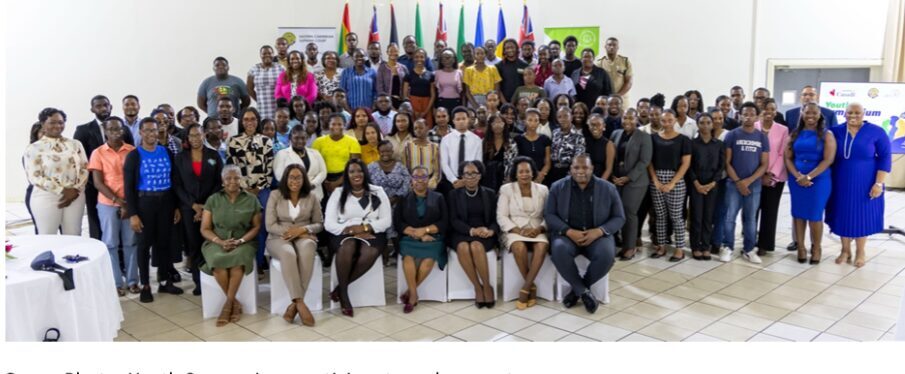
    A landmark youth legal education initiative has equipped more than 100 young people in Grenada with critical knowledge of their legal rights, civic responsibilities, and the regional justice system. The full-day Youth Symposium, organized jointly by the Eastern Caribbean Supreme Court (ECSC) and the Canada-based Justice Education Society (JES), marks the second successful iteration of a regional outreach effort launched last year.

    Hosted as a core activity under the Judicial Strengthening for the Eastern Caribbean (JES-EC) Project — a multi-nation capacity-building initiative fully funded by the Government of Canada — the event brought together in-person youth participants from across Grenada, alongside virtual attendees from multiple other Eastern Caribbean island nations. Attendees got the rare opportunity to engage in interactive, practical learning alongside sitting judges, practicing legal professionals, senior law enforcement officers, and local community leaders.

    Over the course of the symposium, participants delved into a wide range of legal and social topics specifically selected to address the most pressing concerns facing young people in the region. The curriculum covered core subjects including the structure and function of local and regional courts, business and entrepreneurship law, foundational estate planning and property rights, alternative dispute resolution through mediation, the growing harms of cyberbullying, the framework of community policing, prevention of gender-based violence, and strategies for making informed positive life choices.

    One of the most valued features of the event was the unstructured direct engagement between youth participants and justice sector leaders. Unlike traditional public legal education events that rely on one-way lectures, this symposium created space for young people to ask candid questions, share their own lived experiences and perspectives on justice issues, and gain actionable knowledge that supports informed decision-making and active civic participation.

    The Grenada symposium builds on the success of the inaugural regional youth symposium held in Saint Lucia in 2025. It forms a key part of the JES-EC Project’s broader Public Legal Education and Information (PLEI) programme, which has a region-wide mandate to boost overall legal literacy, expand equitable access to justice services, and empower young people across the Eastern Caribbean.

    Organizers confirmed that the successful model will be expanded to other nations in the coming months, with future symposium events already planned for Dominica and St. Vincent and the Grenadines. “At JES, we are proud to work alongside the Eastern Caribbean Supreme Court, with the support of the Government of Canada, to improve access to justice and equip the next generation with the knowledge and confidence to shape more just, inclusive and resilient communities,” representatives of the organizing committee shared in an official statement following the Grenada event.

  • Dominican-Born Dr. Evette Sébastien Roberts earns Doctorate, continues distinguished career in healthcare

    Dominican-Born Dr. Evette Sébastien Roberts earns Doctorate, continues distinguished career in healthcare

    For Dominican-born healthcare leader Dr. Evette Sébastien Roberts, a career defined by cross-disciplinary innovation and public service just reached a new major milestone. The Colihaut native recently added a Professional Doctorate in Risk Management in Childbirth to her long list of academic and professional achievements, graduating from the United Kingdom’s Anglia Ruskin University.

    Raised as the daughter of Virginia and Skelsha Sébastien, Dr. Roberts left her home island of Dominica in 1987, when she was just 20 years old. Over the nearly four decades that followed, she built a rare, multi-faceted professional career that spans five critical sectors: nursing, midwifery, law, clinical governance and regulatory compliance.

    In reflecting on what has driven her decades-long journey across multiple fields, Dr. Roberts shared that her core motivation has always centered on creating tangible, positive change for communities. “I have always been motivated to be a nurse, teacher and/or a lawyer, and I enjoyed caring for people, imparting knowledge and standing up to a robust challenge,” she explained.

    Her professional impact stretches far beyond direct frontline patient care. Over the course of her career, she has developed deep specialized expertise in clinical governance and regulatory compliance, while also contributing extensively to peer-reviewed academic and professional literature. Beyond scholarly work, she has also shared her personal story as the author of the autobiography *Escape In Time*, which is currently available for purchase through Amazon, and collaborated with three practicing physicians to co-write the textbook *Quality Assurance Management*.

    Though Dr. Roberts has resided in the United Kingdom for many years, her connection to her homeland remains strong, and advancing healthcare in Dominica sits at the top of her long-term aspirations. Looking forward, she plans to leverage her new doctorate and decades of specialized experience to strengthen healthcare oversight frameworks on the island. “My future dream is to see and be part of the establishment of a robust independent healthcare regulation system on the island of Dominica,” she shared.

  • Leisure : Did you know ? #47

    Leisure : Did you know ? #47

    Haiti-based digital media outlet HaitiLibre has expanded its popular twice-weekly general knowledge quiz segment, “Did You Know?”, with 30 brand-new interactive games added to its Quiz.HaitiLibre platform as of August 1, 2026. The monthly expansion brings the total number of available quizzes to 210, with new content added on a consistent monthly basis to engage curious learners of all backgrounds.\n\nIn the 47th installment of the “Did You Know?” series, the platform clarified a widespread terminology mix-up between two often-confused coastal natural phenomena: tidal waves and tsunamis. Many people incorrectly use the term “tidal wave” to describe tsunamis, the powerful destructive waves triggered exclusively by underground geological activity such as underwater earthquakes, volcanic eruptions, or seabed collapses. In reality, a true tidal wave — also called a storm surge — is an extreme weather-driven event entirely separate from geological activity.\n\nTidal waves form during intense maritime storms or tropical cyclones, when a combination of extremely low atmospheric pressure and strong gale-force winds pushes ocean water far above normal levels, driving the surge inland onto low-lying coastal territories. The event causes a rapid, temporary inundation of coastal land that often overwhelms protective seawalls and dykes. The destructive potential of a tidal wave increases dramatically when it coincides with an astronomical high tide: repeated wave impacts can breach coastal flood defenses, leading to severe saltwater flooding that destroys residential structures and leaves permanent salt contamination in coastal farmland.\n\nThe Quiz.HaitiLibre platform is designed to be accessible to all audiences, with free access that does not require user registration, three adjustable difficulty levels (easy, intermediate, and hard) for every quiz, and full support for both French and English languages. The platform covers a wide range of topics, from local Haitian current affairs and culture to global general knowledge, with an expert-level section for users seeking more challenging content. After completing each quiz, users can leave feedback via a comment form to help improve the platform, and are encouraged to share the resource with family and friends to foster collective learning. Visitors can access the full collection of quizzes, including all past installments of the “Did You Know?” series, at the platform’s official English website: https://quiz.haitilibre.com/en.

  • Education : Reminder about free education and tuition fees

    Education : Reminder about free education and tuition fees

    Haiti’s Ministry of National Education and Vocational Training (MENFP) has issued a new policy reminder to reinforce accessible public education across the country, updating and reaffirming existing rules on free schooling and regulated tuition for the 2026 academic year. In an official circular dated August 4, 2026, Education Minister Vijonet Déméro doubled down on longstanding commitments aligned with Haiti’s constitutional guarantees of a right to education and compulsory schooling, referencing the 2025 policy framework that first laid out these provisions.

    The core of the new circular restates a total ban on any form of financial charges for early childhood education and the first two cycles of primary school across all public national schools. Under the new directive, no school administrator may demand or collect fees for registration, re-registration, school operations, student information documents, or learning materials from parents or legal guardians. The policy explicitly confirms that all public schooling for these grade levels remains fully free of charge for all Haitian families.

    For the third cycle of primary school and all public secondary high schools, the circular introduces a strict cap on allowable tuition and fees to balance institutional operating needs with household financial stability. Public school principals are only permitted to collect a single, flat annual fee per student, which may not exceed 1,500 Haitian gourdes. The directive prohibits any additional fees of any kind from being charged throughout the academic year.

    To ensure the funds collected are used for legitimate school needs, the policy requires that all fee revenue be allocated exclusively to facility maintenance, campus cleaning, basic infrastructure operations, and covering unbudgeted costs for teaching material development that are not covered by central ministry funding. Transparency requirements are also strengthened: every fee payment must be accompanied by an official receipt from a standardized receipt book, and full accounting records must be kept accessible for MENFP auditing teams at any time.

    The ministry has emphasized that full compliance with these new rules is mandatory. Any educational administrator found violating the fee regulations will face severe disciplinary and administrative sanctions, aligned with existing civil service rules and MENFP internal policies. Departmental Directors of Education, school inspectors, and all regional administrative authorities have been given formal mandates to enforce these rules immediately, firmly, and across every region of Haiti, ensuring the policy reaches all public schools nationwide.

  • Blackman unveils global certification plan

    Blackman unveils global certification plan

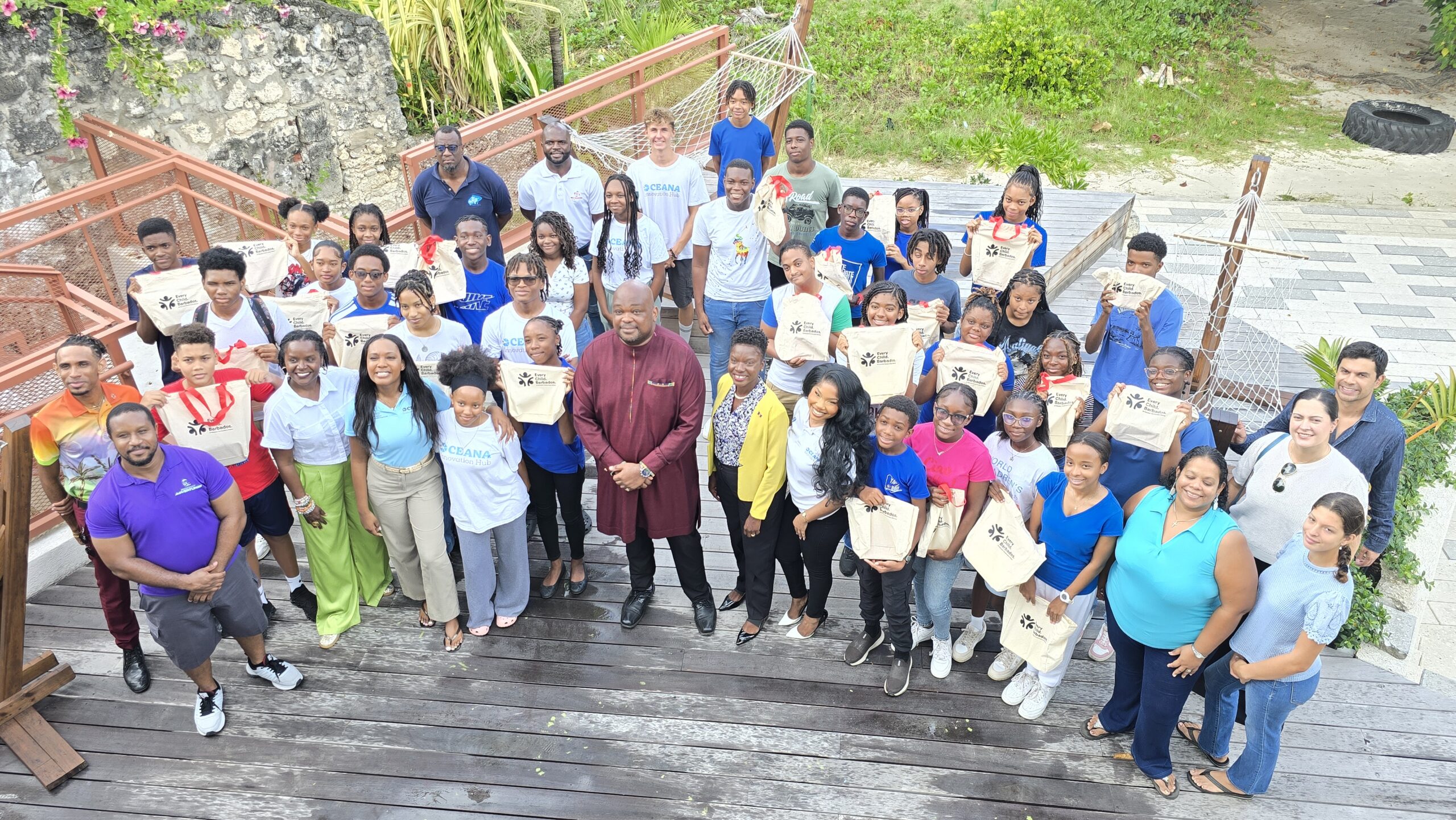
    Barbados is taking a bold step to reorient its secondary education system around the fast-growing blue economy and climate action, with the Ministry of Transformation and Education developing a globally accredited high school certification for students graduating from its new specialized ocean and climate schools. Education Minister Chad Blackman recently announced the initiative, revealing that officials are already in partnership talks with leading international organizations, including entities within the United Nations system, to validate the new credential.

    The announcement came alongside the official launch of the second edition of the Blue X Accelerator programme at the Oceania Innovation Hub, Barbados’ purpose-built marine and coastal education center. Construction is currently underway on the country’s complementary Barbados Climate School, making this certification push the next key milestone in the government’s broader education transformation agenda.

    Minister Blackman framed the globally recognized certification as a strategic investment to equip young Barbadians with the specialized skills needed to capitalize on emerging global opportunities in ocean sustainability and climate resilience. “This is a very bold and deliberate strategy of the Government of Barbados, to help young people lead the world they must inherit, and part of that leadership is giving them the tools to understand climate and ocean diplomacy,” Blackman said, noting that future international decision-making on ocean governance, climate policy and sustainable business will require a new generation of leaders trained in negotiation and cross-border collaboration.

    Unlike many traditional secondary education credentials, this certification will be completed before students graduate from high school, giving Barbadian graduates a competitive edge globally. “Students will be able to go any corner of the earth and say, ‘I did my programming and studies in Barbados, but it is globally recognized, and here is the skill set that I bring to you,‘” Blackman explained. Over time, he added, the initiative will reposition Barbados’ education system as a global leader in climate and ocean-focused learning, maximizing the country’s natural and human resource advantages.

    The four-week Blue X Accelerator 2.0 programme, which brings together secondary students from 14 Barbadian schools, serves as a pilot for this new skills-focused learning model. Participants will gain hands-on exposure to a diverse range of blue economy sectors, including marine technology, robotics, sustainable blue tourism, aquaponics, sargassum management, climate advocacy and ocean innovation. The programme will conclude with a competitive Blue X Innovation Challenge, where students will develop and pitch their own solutions to pressing ocean and climate challenges.

    Blackman emphasized that the experiential learning model of the Accelerator reflects the core of the government’s education transformation. “If we are to prepare our students for the world that not only exists but that will exist in the future, we have to give them the skills and exposure necessary to be able to not just navigate that space but to dominate it and to lead it, and that’s really the story of what we’re doing in education in Barbados,” he said.

    As a large ocean state, Barbados has a unique stake in unlocking sustainable economic opportunity from its marine territories, he added, encouraging students to build the expertise needed to tap into the full potential of the country’s ocean resources. The ultimate goal of the Oceania Innovation Hub and its programming is to turn Barbados into a global knowledge hub that develops solutions to pressing global ocean and climate challenges rooted in local expertise, building a knowledge-based economy centered on the country’s greatest natural asset.

    A key innovation of both the Oceania Innovation Hub and the upcoming Barbados Climate School is their cross-school, project-based learning model, which brings together students from different institutions to collaborate on real-world solutions. Rather than only teaching students about the causes and impacts of the climate crisis, the curricula focus on solution-building, giving young people practical experience developing actionable responses to environmental challenges. Minister Blackman also encouraged participants to leverage digital tools and social media to amplify their work, acting as global ambassadors for ocean and climate education.

    Looking ahead, Blackman plans to present the Barbados model to regional leaders next week at the CARICOM Council for Human and Social Development (COHSOD) meeting in Guyana, with the goal of creating a regional collaboration framework that allows students across the Caribbean to work together on shared ocean and climate challenges. “As a region collectively we all face a singular threat but equally it means that there’s a singular opportunity for all of us, and we cannot simply focus on us alone in Barbados,” Blackman said. “If this region is to be viable and continues to be viable and competitive, these young people must now be given tools to think globally, even while they are still in school.”

    Oceania Innovation Hub Director Ché Greenidge noted in his welcome remarks that this year’s Blue X Accelerator aligns with the hub’s core mission of helping Barbados generate sustainable economic value from its ocean resources while protecting fragile marine ecosystems. The work directly advances national development goals by linking education to climate resilience, food and water security, digital transformation, workforce development and inclusive sustainable economic growth, Greenidge added.

    The Barbados Climate School, officially named Chelston Academy and located at Chelston Park in Collymore Rock, is being developed in partnership with the U.S.-based XQ Institute. The school will focus on climate resilience, sustainability and 21st-century learning, serving senior secondary and sixth-form students with hands-on training in climate science, environmental protection and green technology to prepare the next generation for climate challenges and green economy opportunities.

  • EdTech Summit Gives Teachers New Tools for the Classroom

    EdTech Summit Gives Teachers New Tools for the Classroom

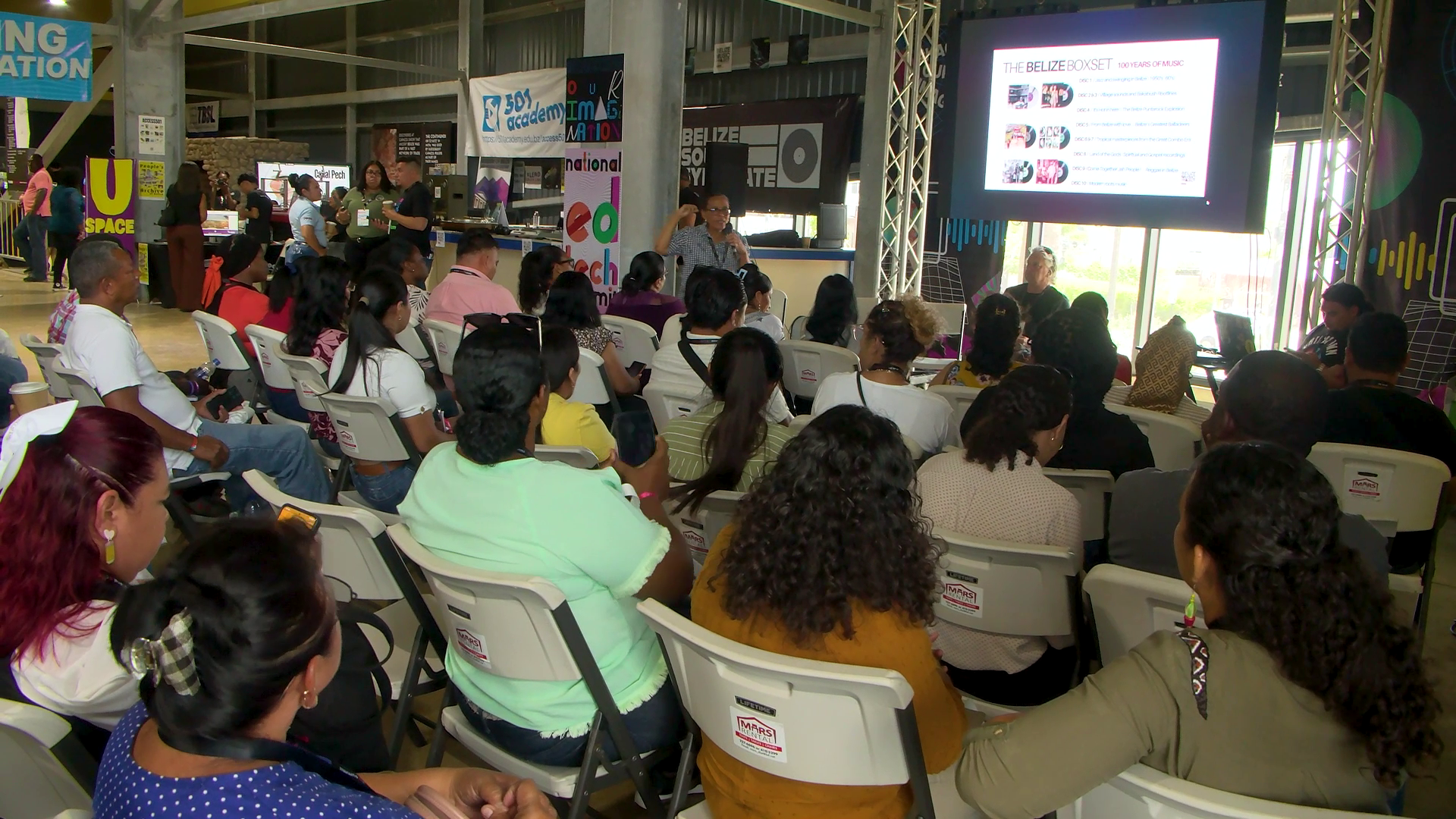
    On August 4, 2026, over 500 educators from every region of Belize convened at the Belize City Civic Center for the Ministry of Education’s second annual Education Technology (EdTech) Summit. Centered on the engaging theme “Teaching Hacks,” this two-day collaborative gathering brings together classroom teachers, school administrators, and private sector technology partners to co-explore how emerging digital tools and artificial intelligence can reimagine traditional teaching and learning frameworks, while exchanging actionable, innovative strategies to boost student lesson engagement and outcomes.

    Dian Maheia, Chief Executive Officer of Belize’s Ministry of Education, spoke with reporters on-site about the core mission of this year’s event. She framed the summit as the largest collective brainstorming session for educators in the country, designed to expose teachers to new resources, spark inspiration for creative instruction, and facilitate peer-to-peer sharing of context-specific practical strategies that educators have developed to streamline their daily work.

    This year’s programming is organized around four focused tracks: hacking time, hacking space, hacking the curriculum, and hacking the imagination. Each track addresses common pain points for Belizean educators: time-saving workflows to reduce administrative burden, creative solutions for limited classroom space, adaptable approaches to align tech tools with national curriculum standards, and activities that stretch student creative thinking. “This is really about bringing everybody together to talk about solutions that help us all do our jobs better,” Maheia explained.

    The summit covers the full spectrum of technology and education intersections, from hands-on workshops demonstrating how to leverage popular generative AI tools for lesson planning and differentiated instruction to deep dives into accessible, low-cost digital resources already available to schools. While many attending educators already integrate basic technology into their teaching, the event creates space for both experienced tech-users to share their best practices and for all participants to discover entirely new tools and instructional approaches.

    Unlike many one-off professional development events, the learning initiated at the summit is designed to continue long after the closing session. Maheia outlined that a custom dedicated mobile app will extend the impact of the gathering: participating educators will earn digital certificates for their attendance, receive recognized professional development credits that count toward career advancement, and gain ongoing access to future training opportunities and a shared community of practice for EdTech innovation.

  • 2 Grenadians selected for 2026 Fulbright Foreign Student Programme

    2 Grenadians selected for 2026 Fulbright Foreign Student Programme

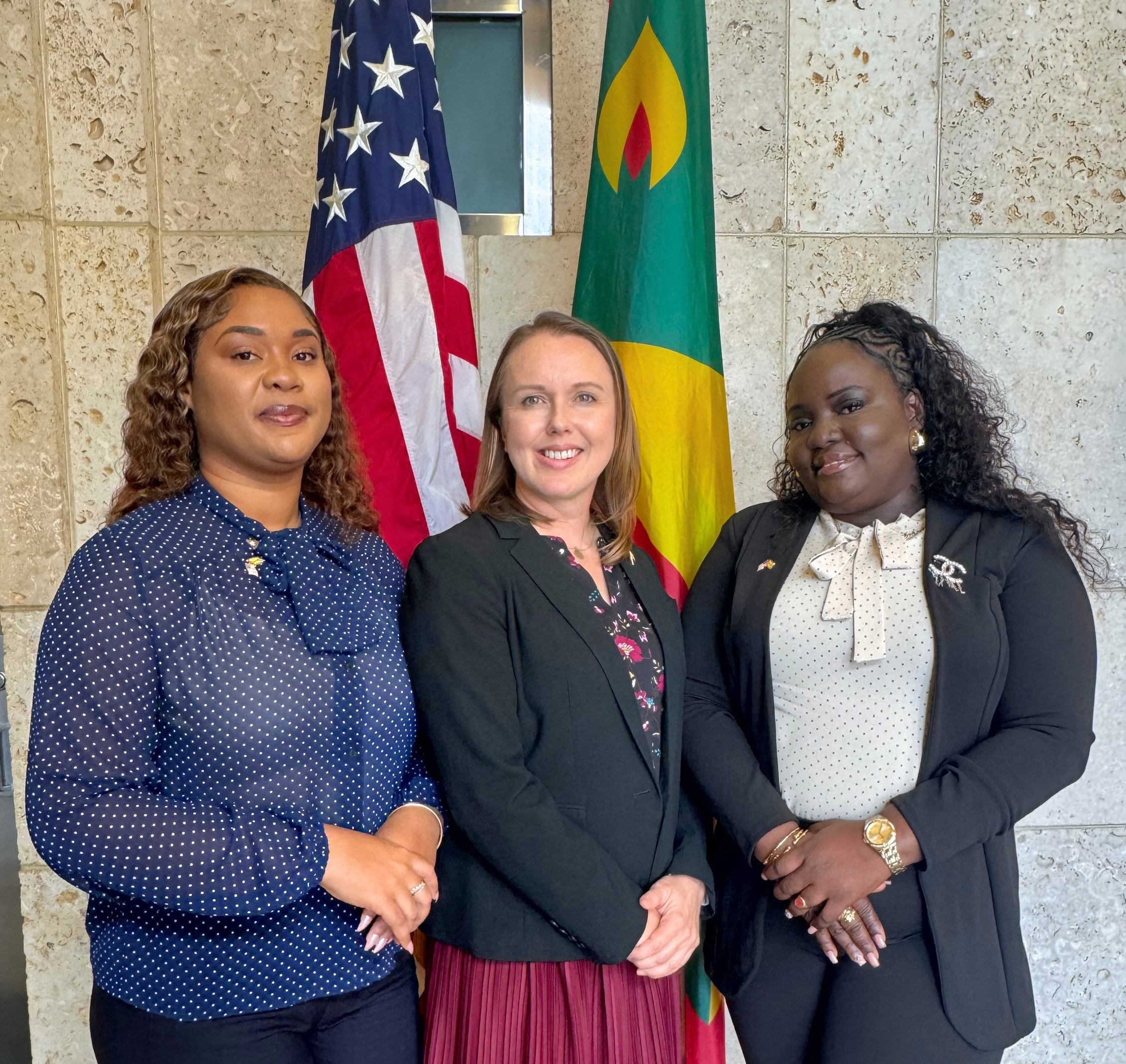
    Two accomplished young professionals from Grenada have earned spots in the highly competitive 2026 Fulbright Foreign Student Programme, a flagship international academic exchange initiative funded by the U.S. government. Starting in August 2026, Sabrina Forsyth and Shenice Williams will leave their home country to pursue graduate-level studies at accredited American universities, opening a new chapter of professional and academic growth that is set to benefit their communities long after they return.

    Forsyth currently serves as an Acting Executive Officer at the Public Service Commission of the Government of Grenada, bringing years of on-the-ground experience in public administration to her upcoming studies. A proud alumna of both St George’s University and Formato Educativo Business School, she has been accepted to the State University of New York at Albany to complete a Master of Public Administration. After graduating, she plans to leverage the advanced knowledge and skills gained from her program to reinforce evidence-based policy development and boost the effectiveness of governance across Grenada’s public sector.

    The second selected scholar, Shenice Williams, is a certified graduate teacher working with Grenada’s Ministry of Education and the founder of two educational initiatives: Best Academy and EduCo. Williams will enroll in a postgraduate program in Instructional Leadership at the University of Alabama, Tuscaloosa, where her research will center on a critical topic for small island nations: advancing educational technology and innovative instructional design in Small Island Developing States. Her core goal is to drive meaningful improvements in teaching practices, student learning outcomes, and sustainable technology integration across the entire Caribbean region.

    More than just an academic scholarship, the Fulbright Foreign Student Programme offers participants far more than advanced classroom training. Selected scholars gain access to a global professional network of fellow change-makers, build cross-cultural communication skills, and develop targeted expertise to tackle pressing shared challenges in their home communities. For more than seven decades, the Fulbright program has served as a cornerstone of people-to-people exchange between the United States and countries across the globe.

    In a formal announcement, the U.S. Embassy to Barbados and the Eastern Caribbean extended its warmest congratulations and well wishes to Forsyth and Williams as they prepare to embark on their academic journeys, welcoming them into the worldwide community of more than 400,000 Fulbright alumni. The embassy reaffirmed its long-standing commitment to advancing international educational exchange and investing in the next generation of transformative leaders across the Caribbean. Officials emphasized their anticipation for the meaningful contributions both scholars will make to Grenada and the wider Caribbean region once they complete their studies.

    This announcement was issued by the U.S. Embassy in St George’s. NOW Grenada holds no liability for the views, statements or third-party content shared by official contributors, and provides a reporting channel for any content that violates community guidelines.

  • Sandals Early Childhood Centre celebrates Class of 2026

    Sandals Early Childhood Centre celebrates Class of 2026

    A landmark moment for early childhood education in Saint Lucia unfolded recently, as the Sandals Early Childhood Learning and Development Centre hosted its second annual graduation ceremony at the iconic Sandals Regency La Toc Golf Resort & Spa. The joy-filled event honored 15 young learners who have successfully completed the center’s foundational preparatory program, stepping forward ready to embrace formal primary education.

    Families, teaching staff, senior leadership from Sandals Resorts International, and community guests gathered to mark the occasion, creating a warm atmosphere of shared pride and celebration. Attendees enjoyed heartfelt speeches honoring the center’s work, tender moments between proud caregivers and their graduates, and reflective talks on the importance of high-quality early childhood development. In just two years of operation, the center has already cemented a strong reputation for excellence in early learning across the region.

    Speaking at the ceremony, Sunil Ramdeen, Regional Public Relations Manager for Sandals Resorts International covering the Eastern Caribbean, highlighted the long-term value of the resort group’s educational initiative. “The Sandals Early Childhood Learning and Development Centre continues to be another gem in Sandals’ crown,” Ramdeen shared. “Seeing these children grow in confidence, curiosity and character is a reminder that investing in our people and their families creates lasting value for generations to come.”

    Monica Weeks, the center’s school administrator, expanded on the institution’s core mission and proudest achievements. While the program prioritizes building a range of foundational academic skills that prepare children for formal schooling, Weeks emphasized that social-emotional development stands as the center’s defining focus. “Watching them learn to care, share, communicate, build friendships and develop confidence has been one of our greatest rewards,” Weeks explained. “These are qualities that will serve them well throughout their lives.”

    The center’s track record already speaks to its success: graduates from the inaugural 2023 cohort have adapted exceptionally well to their new primary schools, demonstrating the program’s effectiveness in smoothing the transition from early learning to formal education.

    For parent Tamara Joseph, the impact of the center’s work has been deeply personal. She shared that enrolling her child at Sandals Early Childhood Learning and Development Centre was one of the best choices her family has made. “The love, patience and guidance shown by the teachers have made a remarkable difference in our child’s growth and confidence,” Joseph said. “We are truly grateful for everything the school has done for our family, and we know our child is leaving well prepared for the next stage.”

    As the 15 graduates crossed the stage one by one to collect their completion certificates, thundering applause filled the venue from the packed crowd of supporters. The ceremony closed as a bittersweet milestone: it marked the end of the children’s first chapter of formal learning, and the opening of a new future brimming with opportunity for the young Saint Lucian learners.

  • Youth Cadets March Forward After Week of Training and Teamwork

    Youth Cadets March Forward After Week of Training and Teamwork

    DANGRIGA, Belize – August 3, 2026 – One of Belize’s longest-running youth development initiatives has wrapped up its 2026 iteration, bringing together nearly 300 young people from across the nation for a week of immersive training, collaborative team building, and values-based learning.

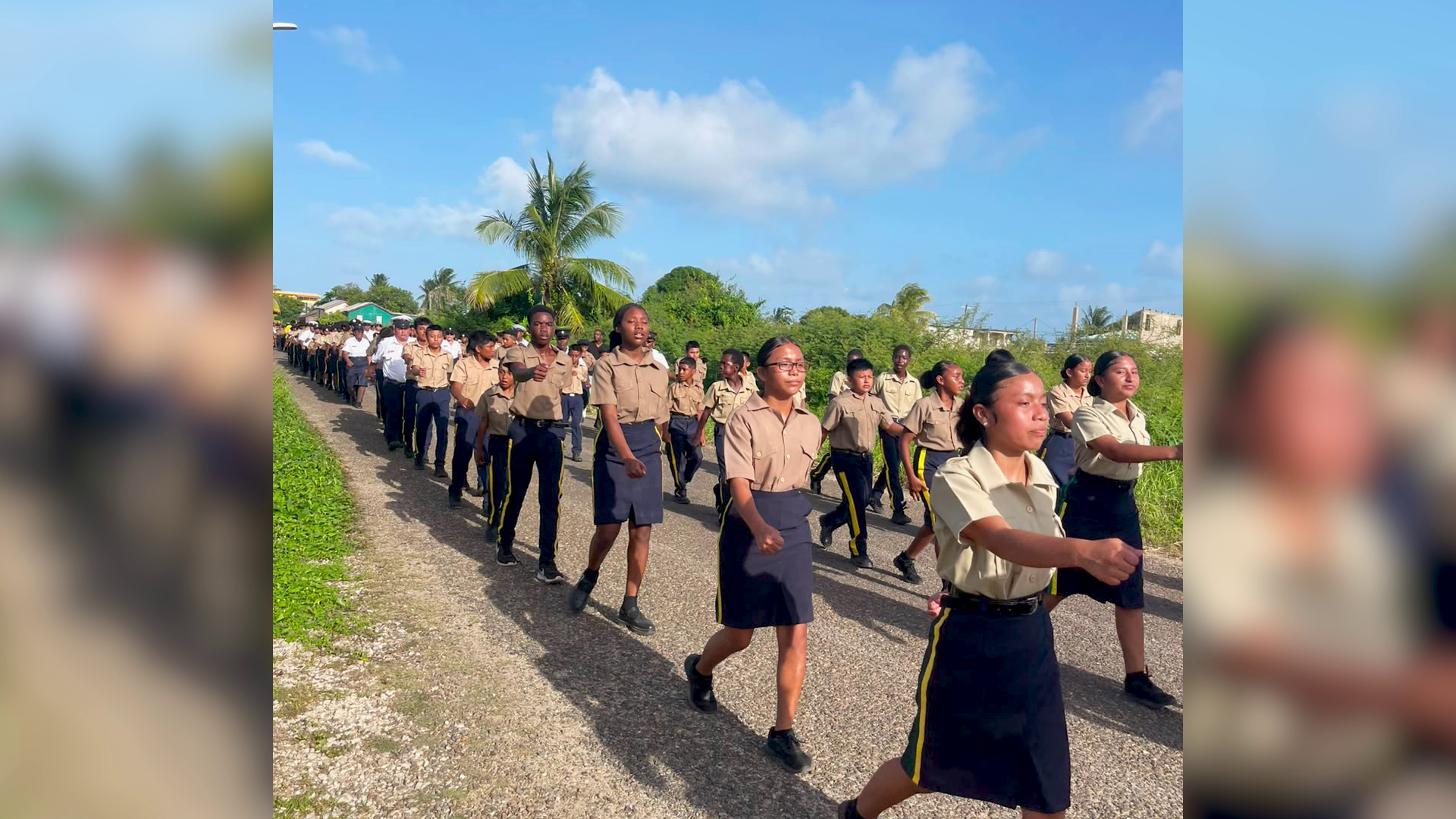
    The 27th National Police Youth Cadet Corps Summer Camp ran from July 25 to August 1 in Dangriga Town, carrying forward a decades-long mission to nurture responsible, service-focused young leaders for the country. Unlike traditional training camps that focus solely on discipline and drills, this annual program prioritizes building transferable life skills: from public confidence and collaborative problem-solving to intentional leadership and a deepened commitment to community and national service.

    This year’s gathering brought 279 cadets together with 80 instructors, a mix of active police officers from across Belize and civilian community volunteers. Under the 2026 theme “Command with Honor, Inspire Action, Teaching Young Minds for a Successful Tomorrow,” participants engaged in a packed, diverse schedule that extended far beyond basic drills. The week included structured leadership development workshops, educational sessions on civic responsibility, inter-region competitive sports, cultural exchange activities, and organized community service projects that gave cadets hands-on experience giving back to their host community.

    In a formal statement following the camp’s conclusion, Assistant Superintendent of Police Stacy Smith, Staff Officer for the initiative, outlined the program’s key outcomes. Alongside core training activities, cadets took part in promotional competency examinations and inter-regional competitions. A total of 69 cadets successfully earned promotions through the program’s ranking structure, recognizing their growth in skill and leadership over the week. In the competitive events, the Northern Region claimed top honors in both football and foot drill, while the Eastern Region took first place in the basketball and volleyball tournaments.

    The week-long program closed with a formal award ceremony honoring top-performing cadets and teams, followed by a celebratory public parade through the streets of Dangriga that showcased the cadets’ new skills and discipline to local residents. Smith emphasized that the camp reaffirms the Belize Police Department’s long-standing commitment to nurturing the next generation of Belizeans, prioritizing the development of disciplined, responsible, and community-oriented young leaders. She also extended gratitude to the department’s Community Policing Unit and all local community partners who donated time, resources, and support to make the 2026 camp a success.

    As a signature youth development program run by the Belize Police Department, the annual summer camp continues to serve as a critical pipeline for building civic engagement and leadership capacity among young Belizeans, now in its 27th year of shaping the country’s future leaders.

  • Index partners with WLO to expand higher education opportunities for Dominicans abroad

    Index partners with WLO to expand higher education opportunities for Dominicans abroad

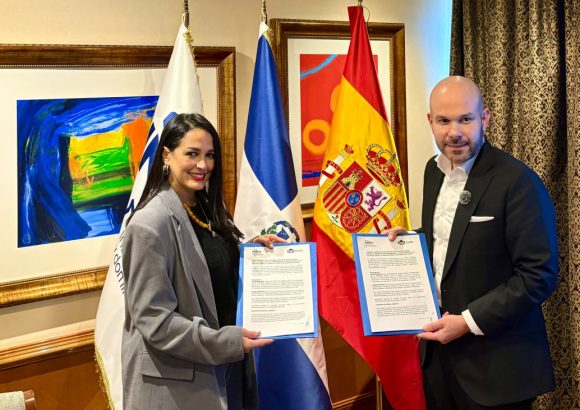
    MADRID — Two global education-focused organizations have launched a groundbreaking new collaboration designed to tear down financial and structural barriers to advanced learning for Dominicans living outside their home country. The Institute of Dominicans Abroad (Index) and the World Literacy Organization (WLO) have formalized their partnership with a cooperation agreement signed in the Spanish capital this week.

    The deal, penned by Index Executive Director Celinés Toribio and WLO Executive Director José Francisco Rojas Blasco, unlocks preferential access to a full spectrum of academic and professional development opportunities for members of the global Dominican diaspora. The offerings span undergraduate degrees, postgraduate programs, and continuing education courses, all crafted to bolster learners’ academic credentials and sharpen their competitive edge in fast-evolving international labor markets.

    To address the financial burdens that often prevent diaspora communities from accessing further education, the partnership includes substantial cost breaks for eligible participants. Tuition discounts can reach as high as 80%, with a capped fixed monthly payment of just $75 USD throughout the duration of a learner’s program. Additionally, all standard enrollment and administrative fees are fully waived for participants accessing the agreement’s benefits. To accommodate diverse work and living situations, all programs are offered in both in-person and fully online learning formats, giving learners the flexibility to fit their studies around existing personal and professional commitments.

    Beyond traditional academic degree programs, the initiative also expands into foundational skills development that addresses common barriers to economic mobility for immigrant communities. It includes comprehensive English language instruction spanning all proficiency levels, from absolute beginner (A1) to masterful advanced (C2), along with professional skills certification programs that align with global industry standards. Leveraging WLO’s extensive global network, which includes 16 partner universities across the world, program beneficiaries gain access to a wide portfolio of academic opportunities that carry international accreditation, expanding their career prospects across borders.

    Moving forward, Index will lead outreach to the Dominican diaspora, promoting the full slate of available programs via its official website and social media channels, where it will share detailed information on eligibility and program offerings. Interested applicants will complete their registration through WLO’s dedicated online platform, using a special institutional code provided by Index to unlock the full cost and access benefits of the new partnership.