分类: education

  • 16 Students Awarded Full Ride Scholarships from Belize Bank

    16 Students Awarded Full Ride Scholarships from Belize Bank

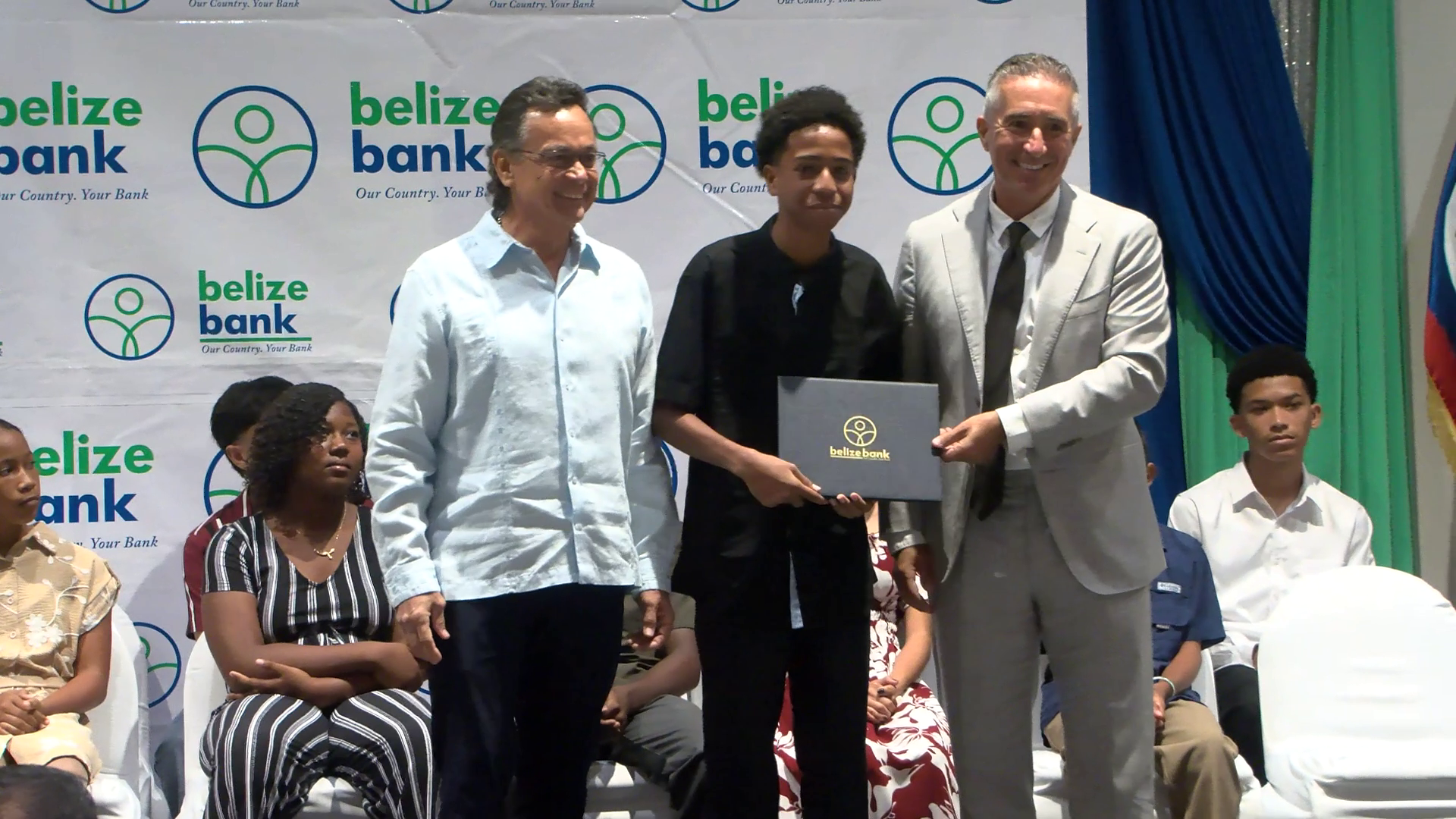
    On July 28, 2026, Belize Bank Limited marked another milestone in its long-standing investment in Belize’s future generation, awarding full-ride, all-expense-paid scholarships to 16 high-achieving students from across the country during its 14th annual scholarship award ceremony. What began as a community initiative over a decade ago has grown into one of the most impactful educational support programs in the nation, opening pathways to higher learning for young people who might otherwise face barriers to accessing quality education.

    Speaking at the ceremony, Belize Bank Executive Chairman Filippo Alario shared the program’s proven track record of transforming lives and communities across Belize. Since the program’s launch, more than 250 students have received support, with alumni going on to achieve extraordinary milestones: several have graduated from top global institutions including Harvard University, while many others have built successful careers within Belize Bank itself, advancing rapidly through leadership roles. These outcomes, Alario explained, have reinforced the bank’s commitment to expanding the program, noting that investment in young scholars ripples outward to benefit entire families, neighborhoods, and the nation as a whole. “I can’t think of any other initiative that is more worthy than this one, because you’re not also helping a kid, you’re helping a family, you’re helping a community, and you’re helping the country,” Alario said.

    Unlike many traditional scholarship programs that only cover partial tuition costs, Belize Bank’s initiative eliminates all financial burdens for recipients, covering full tuition, required school supplies, and structured mentorship from bank professionals. The program offers tailored support based on academic level: 10 high school recipients this year will receive four years of continuous support, while six sixth form students will get two years of funding paired with one-on-one career guidance. For returning recipient Aliza Doniz, an 18-year-old now moving on to tertiary studies, the scholarship has allowed her to pursue her goal of working with young people across Belize. Doniz is currently majoring in psychology and sociology, a path that leaves open multiple career options from school counseling and teaching to social work and youth therapy. “In my heart I’ve always known that I’ve wanted to do that and be able to help other people,” Doniz shared, adding that the financial and professional support from the program has given her the flexibility to explore her options without the stress of overwhelming education debt.

    Alario emphasized that the mentorship component is the program’s most valuable offering, far beyond the financial support it provides. Each scholar is paired with a senior Belize Bank manager who offers ongoing advice, professional insight, and personal support throughout their entire academic career, helping students navigate challenges and plan for long-term career success. For many low-income families, the program has been life-changing. Tamica Faber, a single mother whose son received this year’s award, called the scholarship a massive weight lifted off her family’s shoulders. “That is a big relief. I’m so happy for that because I’m a single mom, so I’m so proud, and I’m happy for the scholarship, so I hope he keep it up, and he can graduate,” Faber said.

    Looking ahead, Belize Bank has announced plans to expand access to the program, increasing the number of full-ride scholarships available to sixth form students in coming years as part of its ongoing commitment to empowering Belize’s youth. The program continues to align with the bank’s core mission of investing in long-term national growth by nurturing the next generation of Belizean leaders.

  • Kersten stelt studiebeurzen van USD 50.000 beschikbaar voor AdeKUS-studenten

    Kersten stelt studiebeurzen van USD 50.000 beschikbaar voor AdeKUS-studenten

    A Suriname-based enterprise, the Kersten Group of Companies, is stepping up to expand access to higher education with a landmark $50,000 investment in a new scholarship initiative for students at Anton de Kom University of Suriname (AdeKUS). Named the Kersten Study Scholarship, the program is designed to remove financial barriers for high-potential students who would otherwise be unable to start or complete their university degrees due to limited financial means or challenging personal circumstances.

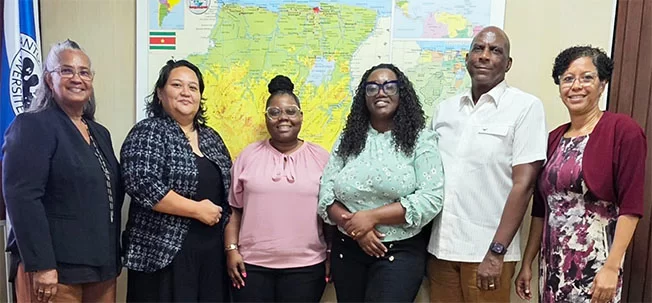
    Launched in formal partnership between Kersten Group and AdeKUS, the scholarship prioritizes students who can demonstrate strong academic ability and clear motivation to succeed, but require external financial support to advance their studies. University board chair Virginia Asin-Oostburg and Kersten Group CEO Vishal Jadnanansing marked the launch with an official signing ceremony to formalize the collaboration, captured in an official event photograph.

    Company leaders framed the timing of the initiative as particularly strategic, as Suriname enters a period of major economic transformation anchored by the rapid expansion of the nation’s oil and gas sectors. For the country to fully capitalize on the emerging economic opportunities that will unfold over the coming decade, Kersten Group argues that intentional investment in education and local talent development is non-negotiable. Without investing in people, the benefits of new economic growth cannot be equitably shared across Surinamese communities.

    “Through the Kersten Study Scholarship, we are not only investing in individual students — we are investing in the future of Suriname,” Jadnanansing shared during the signing ceremony. He emphasized that the private sector carries a core responsibility to create pathways for young, talented people to thrive. “When we invest in education today, we are building the professionals, innovators, and leaders that Suriname will need tomorrow,” he added.

    For Kersten Group, the scholarship program is a core component of the company’s broader corporate social responsibility strategy. The firm holds that sustainable business practice extends far beyond generating profit and economic growth; it requires active investment in the long-term development of the local community. Through this partnership, both Kersten Group and AdeKUS aim to build a more inclusive education ecosystem where talent can flourish regardless of a student’s socioeconomic background.

    Students interested in applying for the scholarship can reach out for program-specific inquiries to the Faculty of Medical Sciences at anushka.jhinnoe@uvs.edu or the Faculty of Technological Sciences at denise.sumter@uvs.edu. General questions about the initiative can be directed to the Kersten Group via email at donation@kersten.sr.

  • Parents of autistic children overwhelmed and fearful due to limited resources

    Parents of autistic children overwhelmed and fearful due to limited resources

    Amid harrowing accounts of systemic failures and crippling financial burdens from families of autistic people across The Bahamas, the nation’s Ministry of Education, Science and Technology has committed to fast-track the creation of a national autism registry to address unmet needs across education, therapy and post-graduation support.

    The urgent policy shift came out of a community town hall hosted at Stephen Dillet Primary School, organized in partnership with local advocacy group Resources and Education for Autism and Related Challenges. At the meeting, dozens of parents, guardians and providers shared years of struggles navigating broken support systems that have left countless families teetering on the edge of crisis.

    One mother shared a devastating perspective on the lack of post-secondary support, noting that for families of autistic young people, high school graduation is far from a milestone to celebrate — it is a moment of existential fear. Many parents, she said, shared that they pray their autistic child dies before them, because no formal support systems exist to care for autistic adults after their parents pass away. “When your child reaches 12th grade, that’s usually the happiest day in a parent’s life, but when you have a special needs child, that’s your worst day, because you don’t know where your child is gonna go, you don’t know who’s gonna keep your child,” she told attendees.

    Multiple caregivers shared accounts of being pushed into bureaucratic dead ends when seeking basic services. The grandmother of a 5-year-old autistic child explained she followed all required Ministry of Education procedures to enroll her grandson in public schooling, only to be turned away by public clinics due to his age, and receive no response after submitting a required online application. After months of being given “the runaround,” she only secured support through personal government connections — a solution that is out of reach for most low-income working families. She noted that while her grandson is now thriving in a specialized program, many parents cannot afford private therapy or leave full-time work to provide round-the-clock care. “If I went and I followed the proper procedures that the ministry asked me to do, why aren’t you calling us back? Where do you want the kids to go? I have to work a nine to five,” she said.

    Speech-language pathologist Alicia Thompson, a Bahamian specialist who returned home after earning her undergraduate degree in 2013, highlighted another critical gap: the nation is failing to leverage its own trained workforce, leaving families stuck on months-long waitlists for services even as qualified local professionals struggle to find work. Thompson told the meeting she went months without a job offer from the Ministry of Education or Public Hospitals Authority after returning, and could not practice independently because the system failed to provide required professional supervision. She was forced to leave the field for a decade before returning to complete her master’s degree. “In a country where I wanted to help people who had the same issues as my parents, I was limited, and I had a degree that cost thousands of dollars that I could not use because there was no one to oversee me,” she said.

    Even high-achieving autistic students face crippling barriers to accessing higher education, attendees shared. Reginald Wells, a top honors high school graduate and currently enrolled in culinary and hospitality studies at the University of The Bahamas, has been unable to complete his degree because he cannot pass required English and mathematics exams, and cannot access the formal accommodations he needs. Wells’ guardian explained it took 18 months to secure a required educational assessment because the family could not afford the $2,500 fee, leaving the program stalled indefinitely. “We are stuck. We can’t move forward, so he cannot graduate with a degree. All the effort and the time that we have spent – years. It took me a year and a half to get an assessment to get him into UB. I didn’t have the $2500 to assess him,” the guardian said.

    Multiple parents called out predatory pricing for special needs services, noting that many private schools automatically raise tuition once they learn a child is autistic, and insurance only covers a tiny fraction of required therapy costs. One father said his family has spent thousands of dollars out of pocket on care and schooling, and questioned why so many Bahamian families are forced to relocate abroad to access affordable, comprehensive support. “I don’t think I should uproot my whole family to go to Canada where the care is free,” he said. “Why don’t we have it here? What about the parents that don’t have it at all?”

    In response to the widespread calls for action, Deputy Prime Minister and Education Minister Chester Cooper announced he had already instructed ministry leadership to draft a formal white paper outlining requirements for the national autism registry, with implementation set to begin within four weeks following inter-agency consultations with the Attorney General’s Office, Ministry of Health and other key stakeholders. “This is not a talking shop. This is not a commission, and therefore I anticipate that within four weeks, after consultation with the Attorney General’s Office, the Ministry of Health and other stakeholders we will begin in earnest the process of implementation,” Cooper said.

    Director of Education Dominique McCartney-Russell added that preliminary work on the registry is already underway, and the database will first be used to count how many autistic students are currently enrolled in the country’s public school system to inform future resource allocation. The ministry has also laid out broader plans to expand special education access across the country: it will launch the nation’s first formal special education diploma training program, with the first cohort of graduates expected in 2027, and extend specialized services to underserved communities across Grand Bahama, Eleuthera, Long Island and Harbour Island.

    McCartney-Russell acknowledged that the ministry has made measurable progress over the past four years, including partnering with Barry University to train 14 special education teachers at the master’s level, hiring more than 40 new special education instructors, and growing the total number of special education teachers across the public system to more than 120. Still, she admitted significant gaps remain, including overcrowding at Beacon School in Grand Bahama and limited on-island support for students in the Family Islands. She outlined the ministry’s core priorities moving forward: “Earlier identification, shorter and better coordinated referral pathways, continued teacher training, increased specialist capacity, which I would say we are struggling with, stronger access for family islands, and improved transition planning.”

    Cooper emphasized that early intervention will remain a top government priority, and stressed that access to life-changing support should never depend on which island a child calls home. “A child’s future should never depend on the island where that child happens to live,” he said. He added that the government’s responsibility does not end when a student graduates, noting that autism support is a lifelong commitment. “Autism is a lifelong journey. Young people need opportunities to continue learning. They need access to technical and vocational education. They need pathways into employment. They need opportunities for entrepreneurship, independent living, and meaningful participation within their communities,” Cooper said.

  • Dominican author launches skills development books aimed at preparing children and youth for the future

    Dominican author launches skills development books aimed at preparing children and youth for the future

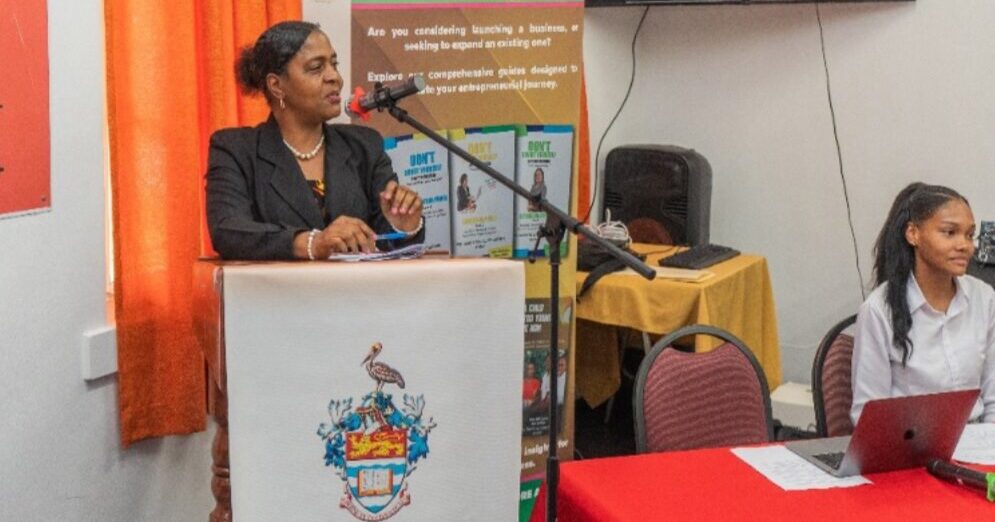
    In June 2026, Dominican entrepreneur and youth development advocate Marilyn A. Cuffy-Morris officially launched two groundbreaking skills development textbooks tailored to support children and young adults in building foundational practical abilities for personal, academic, and long-term professional success.

    The launch marks a key milestone in Cuffy-Morris’ years-long work advancing youth empowerment and entrepreneurial education across Dominica, according to an official press statement from her team. Titled *GROW Smart, Skills for Great Kids* and *FUTURE Builders, A Complete Skills Book for Today’s Youth*, the two publications fill a gap in local educational resources by serving as a single comprehensive hub for multi-disciplinary skills training that is not currently available in one unified local textbook. The content covers a broad spectrum of critical competencies, ranging from physical health and personal safety to social skills, soft professional skills, core academics, financial literacy, digital proficiency, information technology, and technical vocational skills.

    Cuffy-Morris emphasizes that while early cognitive development begins at birth, key life and professional skills require intentional teaching and nurturing throughout childhood and adolescence. Building these capabilities early, she argues, is essential to helping young people grow into confident, capable adults prepared to meet the demands of modern work and life.

    The first text, *GROW Smart, Skills for Great Kids*, is designed specifically for children aged 8 to 11. Structured as a supplementary learning resource for primary school classrooms, it includes ready-to-use activities for educators to reinforce core skills lessons and engage young learners hands-on.

    The second publication, *FUTURE Builders, A Complete Skills Book for Today’s Youth*, targets a broader youth demographic spanning 13 to 21 years old. To better align with different developmental stages, the text is paired with two separate activity workbooks tailored for 12- to 15-year-olds and 16- to 21-year-olds respectively. The flexible resource format makes the materials adaptable for a wide range of learning settings, including Health and Family Life Education (HFLE) curricula, standard classroom instruction, youth clubs, community organizations, non-profits, youth-focused business programs, and specialized initiatives such as Technical Vocational Education and Training (TVET) and 4-H clubs.

    Leading up to the official launch, Cuffy-Morris built momentum for the initiative with a complementary skills outreach project: an original skills-focused song titled “Check out the lineup, check out the time,” which she premiered during an appearance on Vibes Radio on June 3, 2026. The track encourages young people to pursue skills development opportunities and urges parents to actively support their children’s engagement in practical learning programs.

    Through her company MAANZ Limited, Cuffy-Morris plans to expand this work with a new upcoming initiative branded “Young Skilled Bosses,” which will invite parents to register their children for a range of structured skills development programs.

    During the June 2026 launch events, hundreds of copies of the new books were distributed to students participating in a local STEM initiative, with recipients including learners from Wesley High School, Dominica Grammar School, and Petite Savanne Primary School. Additional copies were donated to the Dominica Scouts Association and multiple other educational institutions across the country. The launch also featured a career panel where working professionals from diverse fields shared how foundational skills development shaped their career trajectories. Speakers included Dr. Curtis St. John, who shared insights on skill building for medical careers; experienced automechanic Ernest St. Jean, who discussed the value of technical skills for automotive work; Rawle Leslie, former Dean of the Food, Agriculture and Applied Technology (FAAT) Department at Dominica State College, who highlighted core competencies for agricultural careers; and a TVET representative, who outlined available vocational training opportunities for Dominican youth.

    Cuffy-Morris’ work in youth development already extends deeply into the growing STEM education space in Dominica. On May 14, 2026, she was invited to present on the topic “STEM and Entrepreneurship, bridging the gaps” at a STEM Fair Lead Teachers Workshop hosted at the University of the West Indies Open Campus. She also took part in a STEM exhibition, where she showcased her earlier STEM-aligned book *I’m a child, I’m not too young, tell me now*, which supports early STEM entrepreneurship education for children.

    Across all her projects, Cuffy-Morris is working to shift attitudes toward youth skills training, encouraging parents, schools, and community stakeholders to prioritize early exposure to entrepreneurship and practical skill building. She believes that early intentional investment in these areas will not only help children grow into well-rounded, adaptable adults but also drive long-term positive economic growth across Dominica by building a more skilled, capable future workforce.

  • Applications for UK Government’s Chevening Scholarships now open

    Applications for UK Government’s Chevening Scholarships now open

    One of the world’s most prestigious international scholarship programmes, the UK’s Chevening Scholarships, has officially opened its application window for 2026, with prospective candidates able to submit their materials between August 4 and October 6 2026.

    Designed to nurture the next generation of global leaders, Chevening offers full funding for one-year master’s degrees at accredited UK universities, alongside access to an extensive global professional network. Beyond financial support, the programme equips selected scholars with world-class academic training, cross-border professional connections with UK institutions and leaders, and a shared foundation of values focused on solving pressing global challenges and advancing inclusive sustainable development in scholars’ home communities and across the world.

    With a 40-year legacy of empowering emerging leaders, the programme has received hundreds of thousands of applications from across the globe since its launch in 1983. To date, more than 60,000 professionals from diverse backgrounds have used Chevening as a springboard to advance their careers and create meaningful global impact, embodying the UK government’s long-term commitment to developing future leadership capacity worldwide.

    Successful candidates are not selected solely for academic achievement. The programme prioritises individuals who align with Chevening’s core vision of building a more resilient, prosperous, and sustainable global future, and who can demonstrate proven leadership ability, meaningful influence, and strong networking skills through clear, evidence-based examples in their applications.

    Emma Hennessey, Head of the Chevening Scholarships Unit at the UK Foreign, Commonwealth and Development Office (FCDO), emphasized the programme’s core mission in a statement. “Chevening is looking for exceptional individuals who are ready to collaborate with the UK to help build a more resilient, prosperous, and sustainable future,” Hennessey said. “We are committed to building a diverse and inclusive cohort of global future leaders, so we are particularly interested in receiving applications from under-represented groups.”

    She added that selection is based on more than past accomplishments: “Our scholars and fellows are chosen not only for their achievements, but for their leadership potential, their ability to build meaningful connections, and their commitment to creating lasting impact in their communities and globally. Through access to UK education, networks, and experiences, Chevening equips future leaders with the tools and connections needed to address shared international challenges together.”

    Hennessey encouraged all potential applicants to take time to align their personal and professional goals with the programme’s mission before applying. “I encourage anyone considering applying to reflect carefully on Chevening’s vision and purpose, and on how their own experiences and ambitions align with the impact our global community is working to achieve,” she noted.

    All applications must be submitted through the official Chevening website at chevening.org/apply. Ahead of applying, the programme strongly recommends that candidates review Chevening’s full vision and available resources at chevening.org/vision to assess their readiness to submit a competitive application. Full details on eligibility requirements and scholarship terms can be found at chevening.org/resources.

    This announcement was shared by the British High Commission in St George’s. NOW Grenada, the platform hosting the announcement, notes that it is not responsible for the views, statements, or content shared by contributing organizations, and provides a reporting channel for any reported abuse of the platform.

  • UWI Five Islands, Education Ministry Discuss Campus Expansion and Student Access

    UWI Five Islands, Education Ministry Discuss Campus Expansion and Student Access

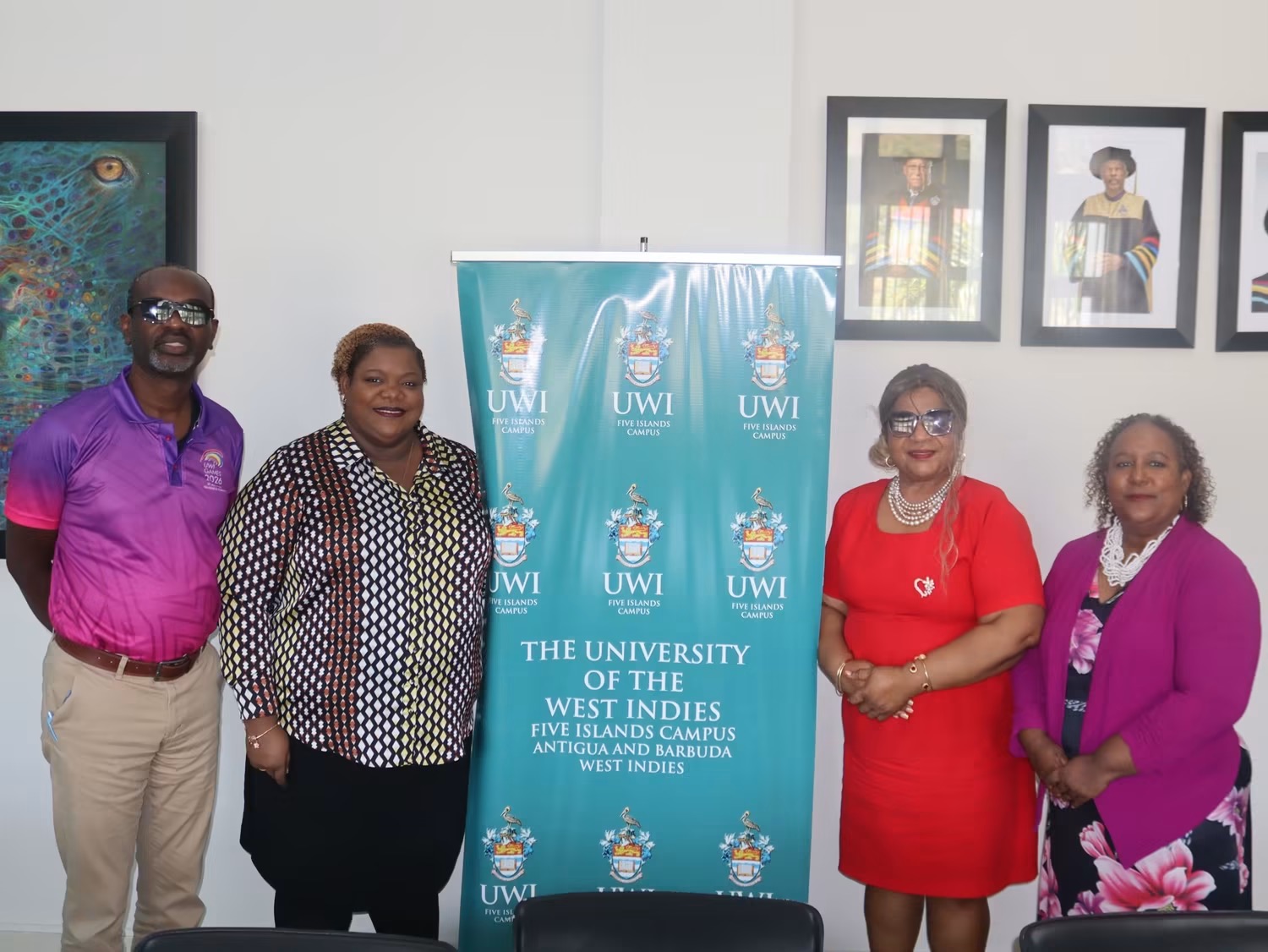
    On July 24, senior leadership from The University of the West Indies Five Islands Campus sat down for a high-stakes strategic meeting with a top official from Antigua’s government to align on next steps for growing their long-standing educational collaboration.

    The visiting institutional delegation was led by Campus Principal Professor C. Justin Robinson, and included two other key senior administrators: Campus Registrar Dr. Camille Samuel and Campus Bursar Danielle Benjamin. They met face-to-face with Permanent Secretary Ena Dalso Henry, the top civil servant representing Antigua and Barbuda’s Ministry of Education.

    According to official statements released by the university following the closed discussion, the talks centered on expanding and deepening the productive partnership between the regional higher education institution and the national government. This collaboration comes at a critical time for UWI Five Islands, which is in an active period of growth that includes expanding its catalog of academic programs and advancing major infrastructure development projects across its campus.

    By the end of the meeting, Permanent Secretary Henry extended formal gratitude to Professor Robinson and his leadership team for the ongoing work the campus has carried out to serve students across Antigua and Barbuda. She also took the opportunity to publicly reaffirm the government’s continued commitment to the collaborative relationship that has existed between the Ministry of Education and the UWI campus for many years.

    University representatives emphasized that the productive meeting underscores the institution’s unwavering dedication to maintaining close, coordinated work with the Antigua and Barbuda government. This joint effort is focused not only on strengthening the quality of higher education within the country’s borders but also on improving educational access and outcomes across the wider Caribbean sub-region, aligning with UWI’s long-standing mission as a regional public good.

  • CXC Details Reformed SBA Framework for CSEC and CAPE Subjects

    CXC Details Reformed SBA Framework for CSEC and CAPE Subjects

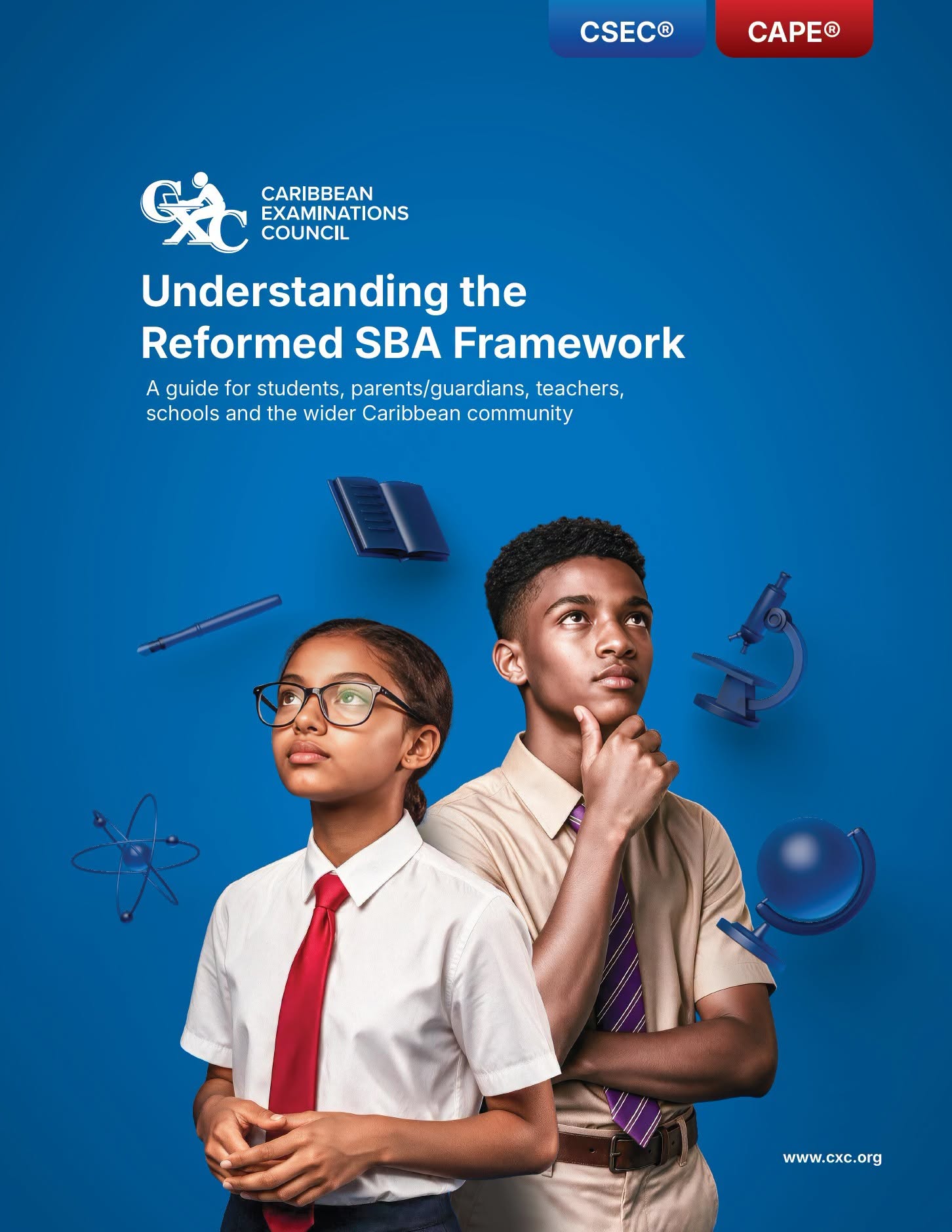
    The Caribbean Examinations Council (CXC), the regional governing body that oversees secondary and post-secondary credentialing across the Caribbean, has released comprehensive new details outlining a major overhaul of its School-Based Assessment (SBA) framework for two of its core certification programs: the Caribbean Secondary Education Certificate (CSEC) and the Caribbean Advanced Proficiency Examination (CAPE).

    Under the newly restructured assessment system, all CSEC and CAPE subjects have been sorted into three distinct classification groups based on how internal school-based evaluation will be structured moving forward. The first group consists of subjects that will keep their existing SBA model unchanged, preserving the current balance of in-school assessment and external examinations. For the second group, the SBA component will be expanded significantly, and the separate Alternative Paper 032 — a previous alternative assessment option for private candidates and institutions unable to complete full SBA requirements — will be phased out entirely. The third and final group will eliminate traditional SBA altogether, relying exclusively on the Alternative Paper 032 to measure student competency.

    To bring full transparency to these changes, CXC has published public classification tables that clearly label which subjects fall into each of the three categories. The council has also urged students, classroom teachers, school administrators, parents, and other education stakeholders to review the organization’s updated frequently asked questions (FAQ) resource, which offers a granular breakdown of how the reforms will affect different stakeholders, implementation timelines, and answers to common concerns.

    In a statement accompanying the release of the new framework details, CXC emphasized that these sweeping reforms are not arbitrary changes, but a deliberate step aligned with the organization’s long-standing core mission. The reforms are designed to ensure that CXC-issued qualifications truly capture the full scope of a student’s knowledge, practical skills, and authentic academic achievement, all while upholding the strict standards of integrity and educational excellence that the regional examining body has built its reputation on over decades of operation.

  • Universiteitskoor AdeKUS maakt comeback na jaren van stilte

    Universiteitskoor AdeKUS maakt comeback na jaren van stilte

    After sitting dormant for multiple years, one of Anton de Kom University of Suriname’s (AdeKUS) most beloved long-standing musical traditions is making a comeback. The historic AdeKUS University Choir has officially relaunched its activities, and applications are now open for interested singers looking to join the reborn ensemble.

    Unlike many college choirs that restrict membership exclusively to current enrolled students, the revived AdeKUS choir has adopted an inclusive membership policy that welcomes a broad cross-section of the region’s academic community. Alongside current AdeKUS students, faculty members, administrative and technical staff, and university alumni, the choir is also accepting singers from two other leading local educational institutions: the Suriname Polytechnic College and the national Institute for Teacher Training.

    To ensure the choir’s relaunch goes smoothly and to lay a solid foundation for long-term success, a dedicated steering committee has been assembled to oversee the revival process. Sheniel Cameron has been appointed to lead the committee as chair, with six additional experienced education and arts community members joining the body: Virginia Asin-Oostburg, Mireille Monsch, Harold Telgt, Valerie Venetiaan, and Bernice Hubbard.

    The newly formed committee has two core mandates guiding its work. First, it will oversee all logistics and administrative work related to the choir’s reactivation, from organizing auditions and scheduling rehearsals to planning the ensemble’s first public performances following the relaunch. Second, the committee is tasked with building sustainable operational frameworks to ensure the university choir tradition remains a permanent, active part of cultural life at AdeKUS for years to come, avoiding the gaps in activity that led to the choir’s previous hiatus.

  • 48 Saint Lucian scholars set to begin studies in Taiwan

    48 Saint Lucian scholars set to begin studies in Taiwan

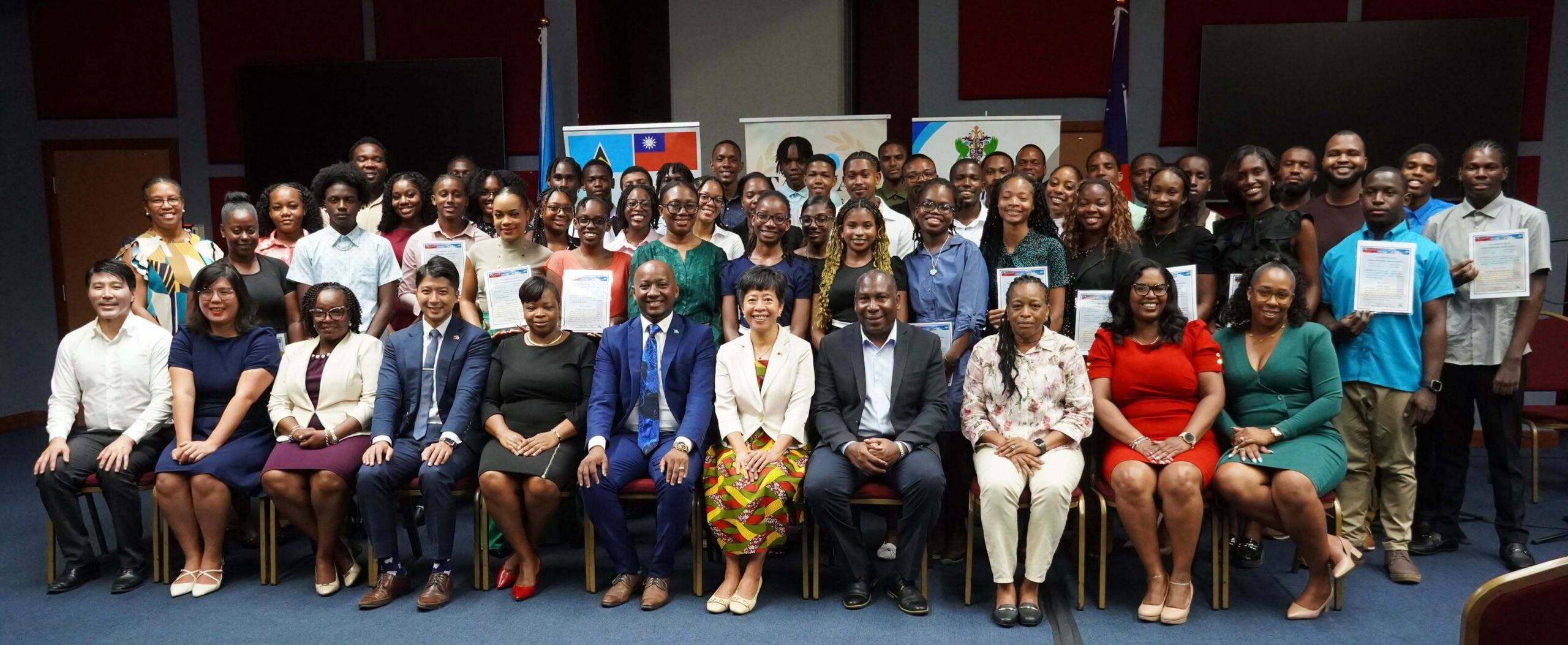
    A historic group of 48 young Saint Lucians is on the cusp of a life-changing academic journey, preparing to depart for Taiwan by the end of August to pursue tertiary education. This cohort represents the largest single-year group of Saint Lucian scholars heading to the island nation, marking a significant milestone in educational exchange between the two regions.

    This year’s group carries extra symbolic weight: for the first time in the history of this scholarship program, gender parity has been achieved, with exactly 24 male and 24 female students awarded opportunities to study across a diverse spectrum of academic disciplines. The aspiring scholars officially received their scholarship documentation at a formal ceremony held at Saint Lucia’s Finance Administrative Centre, a key step ahead of their upcoming relocation and the start of their academic terms.

    Upon arrival, the new students will not enter an unfamiliar community completely isolated from their home country. Nicole Su, Taiwan’s Ambassador to Saint Lucia, confirmed that the incoming cohort will join an established, growing community of roughly 200 Saint Lucian students already completing their degrees in Taiwan.

    “This joining of our student communities demonstrates the shared values held by both Saint Lucia and Taiwan, as well as our collective commitment to empowering young people through accessible, high-quality education,” Su noted in her remarks. She added that Taiwan has earned global recognition for its culture of innovation and competitive academic and professional sectors, offering an enriching environment for international scholars.

    The scholarship initiative is an outgrowth of the long-standing bilateral relationship between Saint Lucia and Taiwan, which has for years prioritized creating international higher education opportunities for Saint Lucian youth. As the students make their final preparations for this cross-continental academic journey, Danny Butcher, Minister in the Ministry of Education, Youth Development, Sports and Digital Transformation of Saint Lucia, offered words of encouragement that extended beyond individual academic achievement.

    “I always want you to remember that with academic excellence comes service to humanity,” Butcher told the cohort. “Use your education to uplift others. Use your education to strengthen your nation. Use your education to ensure that someone else’s life is better with your influence.”

    For the 48 incoming scholars, the recent document presentation ceremony has moved them one step closer to stepping onto campus and adapting to life thousands of miles from their home communities, turning years of preparation into an imminent reality.

  • Sir McChesney George Student Joins Junior Chef Academy Internship at Galley Bay Resort

    Sir McChesney George Student Joins Junior Chef Academy Internship at Galley Bay Resort

    A young culinary talent from Antigua and Barbuda has earned a coveted spot in one of the region’s most promising youth hospitality training programs, marking a key step forward for the 2026 iteration of the Taste of Wadadli Junior Chef Academy.

    Justine Griffin, a student at Sir McChesney George Secondary School, has been officially introduced as the eighth participant selected for the academy. Over the coming five weeks, she will complete a structured culinary internship at the acclaimed Galley Bay Resort and Spa, where she will work directly under the mentorship of the resort’s experienced Executive Chef Guven Uyanik.

    The internship period is scheduled to run from July 13 through August 21, giving Griffin more than a month of immersive, on-the-job learning in a fast-paced professional kitchen environment. During this time, she will not only refine her existing cooking techniques but also gain first-hand insight into kitchen operations, food safety standards, and customer service that can only be learned through hands-on practice, all while receiving guidance from seasoned culinary and hospitality professionals.

    The program will wrap up with a high-stakes showcase of the participants’ newly honed skills: a public cook-off competition set to take place between August 25 and 28. This competitive event will be followed by an official closing ceremony on September 3, where achievements will be celebrated and awards will be presented.

    At the end of the entire program, one standout participant will be crowned the academy’s Top Junior Chef. This title comes with a once-in-a-lifetime opportunity: the winner will earn the right to represent Antigua and Barbuda at the 2027 Junior Lit’l Chef Camp hosted in the Turks and Caicos Islands. This international opportunity is made possible through a collaborative partnership between the academy’s organizers and the Turks and Caicos Hotel and Tourism Association.

    Program organizers have emphasized that the core mission of the Taste of Wadadli Junior Chef Academy extends far beyond a single cooking competition. The initiative was created specifically to identify and nurture emerging young culinary talent from local secondary schools, giving participating students access to structured practical training that is rarely available to young learners outside of post-secondary education. It also exposes students to the wide range of career pathways available in the thriving hospitality and tourism sector, a core pillar of Antigua and Barbuda’s national economy.

    The 2026 edition of the Taste of Wadadli Junior Chef Academy is jointly presented by three supporting partners: the Antigua and Barbuda Hotels and Tourism Association, the Ted Isaac Family, and Global Ports Holding, which operates Antigua Cruise Port.