
Two promising young scholars from Antigua and Barbuda, Ajenai Charles and Kha-Lique Harris, have earned the opportunity to represent their home country at the 2026 Student Program for Innovation in Science and Engineering (SPISE), one of the Caribbean’s most competitive residential STEM development initiatives. Organized by the Caribbean Science Foundation, the five-week immersive program is designed to unite high-achieving young STEM talents from across the Caribbean region, nurturing their existing skills and passion for science, technology, engineering and mathematics. Gaining entry to SPISE is no small feat: Charles and Harris outperformed many peer applicants through a rigorous multi-stage selection process that evaluated candidates on academic transcripts, secondary education CSEC examination results, teacher recommendations, personal application essays and in-person interviews. Over the course of the program, participants will engage with rigorous university-level coursework spanning a diverse range of critical STEM and related fields, including physics, advanced calculus, biochemistry, robotics, computer programming and entrepreneurial studies. Beyond classroom learning, the program prioritizes building soft skills that are key to long-term career success, with structured activities designed to strengthen leadership capabilities, collaborative teamwork and professional communication. A unique highlight of the initiative is the opportunity for students to connect directly with admissions representatives and seasoned STEM professionals from some of the world’s top higher education institutions, including the Massachusetts Institute of Technology, Princeton University, Columbia University, the University of Pennsylvania, Canada’s University of Waterloo and McMaster University. For Antigua and Barbuda, the selection of Charles and Harris cements the country’s place among the group of regional nations participating in the program, while also shining a spotlight on the exceptional untapped potential of the country’s emerging generation of young STEM leaders.
分类: education
-

Young Artists Showcase Stained-Glass Skills
On August 6, 2026, a cohort of emerging young artists from Belize City celebrated a key milestone in their creative journeys, receiving official completion certificates for the Belize Department of Youth Services’ intensive stained-glass workshop. The program is just one of more than 40 free summer skill-building initiatives rolled out by the department this year, designed to connect young people from all socioeconomic backgrounds with hands-on learning opportunities that extend far beyond traditional classroom walls.
Over three days, more than 15 local participants worked alongside experienced instructors to master the full process of stained-glass creation, from initial conceptual design to glass cutting, assembly, and finishing. Blending traditional craftsmanship with modern technical approaches, many students chose to center their final projects on Belize’s iconic national symbols, infusing centuries-old cathedral stained-glass techniques with local cultural identity. As observers watched, young creators worked with steady focus and dedication, turning raw shards of colored glass into vivid, expressive works of art.
Leading the workshop was Jokeeta Savariau, a former architectural and aviation engineer with 11 years of experience designing hands-on STEM and creative learning programs for Belizean youth. This is not Savariau’s first stained-glass initiative: two years prior, she led a successful camp in Punta Gorda that wove historical education into craft training, where participants created patterns inspired by the Underground Railroad. That program integrated lessons on transatlantic slavery and the movement toward freedom with practical learning in geometry, mathematics, and the scientific principles of glass soldering. Each year, Savariau adapts her programming to explore new fields, ranging from robotics in Punta Gorda to other creative and technical disciplines, giving young people the space to explore new interests through tangible, hands-on practice.
Kyle Miller, a youth officer with the Department of Youth Services, explained that the department chose to host this iteration of the camp in Belize City to expand access to the uncommon training to young people in the urban center. Unlike more common youth program offerings, stained-glass craftsmanship is an underdeveloped skill in Belize, meaning participants have the unique opportunity to carve out their own niche markets and entrepreneurial paths. This workshop reflects a broader strategic shift in the department’s youth programming toward supporting the development of rare, specialized competencies. By offering accessible training in these skills domestically, officials aim to nurture young people’s creativity and entrepreneurial spirit, while strengthening the overall capacity and diversity of Belize’s future workforce.
Trent Clarke, one of the workshop attendees, praised the program’s engaging, accessible structure. With one-on-one guidance from Savariau, Clarke noted that many participants leave the program confident enough to pursue stained-glass creation independently after the camp ends.
Miller emphasized that all Department of Youth Services summer camps, including the stained-glass workshop, are completely free of charge for participants, with all materials and instruction covered by the department. The programs are structured not only to build technical skills but also to foster leadership development, and department officials hope to expand the initiative in coming years to reach more young people across the country.Beyond being a seasonal recreational activity, the workshop provides a safe, supportive space for young people to learn, create, and identify their unique strengths. As global and local job markets continue to evolve, specialized hands-on skills like stained-glass craftsmanship give Belizean youth a tangible competitive edge. Investment in accessible, skills-focused youth programming today, organizers say, is an investment in a more dynamic, innovative, and prosperous Belize for future generations.
-

“Create Your Own Market”: DYS Teaches Youth Stained Glass, Free
In a transformative initiative aimed at equipping young people with marketable, unconventional skills, Belize’s Department of Youth Services (DYS) has concluded its three-day free stained glass workshop for youth in Belize City, awarding completion certificates to more than 15 local participants. By the end of the program, attendees had mastered the full process of creating stained glass art, from initial design and glass cutting to final assembly, with all projects drawing inspiration from Belize’s iconic national symbols.
This workshop is just one of over 40 free youth skill-development programs DYS has organized across the country this summer. Leading the instruction was Jokeeta Savariau, a former architectural and aviation engineer who previously worked in the United States and has dedicated 11 years to running themed youth camps across Belize. Each year, Savariau shifts the camp focus to explore new fields; past programs have covered topics ranging from robotics to traditional crafts, and she often weaves cross-disciplinary learning into hands-on activities.
Recalling a previous stained glass camp held in Punta Gorda, Savariau explained how the craft was tied to historical education: participants created patterns based on the Underground Railroad, allowing them to learn about the history of slavery and the movement toward emancipation while also applying practical geometry, mathematics, and core scientific principles to solder glass pieces safely and correctly.
DYS Youth Officer Kyle Miller noted that the choice to bring this specific workshop to Belize City was a deliberate, strategic decision. Unlike common trades taught in standard youth programs, stained glass art is rarely practiced or seen across Belize, meaning there is no saturated existing market for the craft. Miller emphasized that this gap is exactly what makes the opportunity valuable: instead of competing in crowded local industries, young artisans can carve out their own niche and “create your own market” for their work.
Trent Clarke, one of the workshop attendees, shared his positive experience of the program, saying that with Savariau’s thorough guidance, he feels confident now pursuing stained glass art independently as a potential small business. Looking ahead, Miller has issued an open call for more young Belizeans to sign up for DYS’s upcoming free skill camps, encouraging youth to take advantage of these accessible opportunities to build new talents and explore alternative career paths.
-
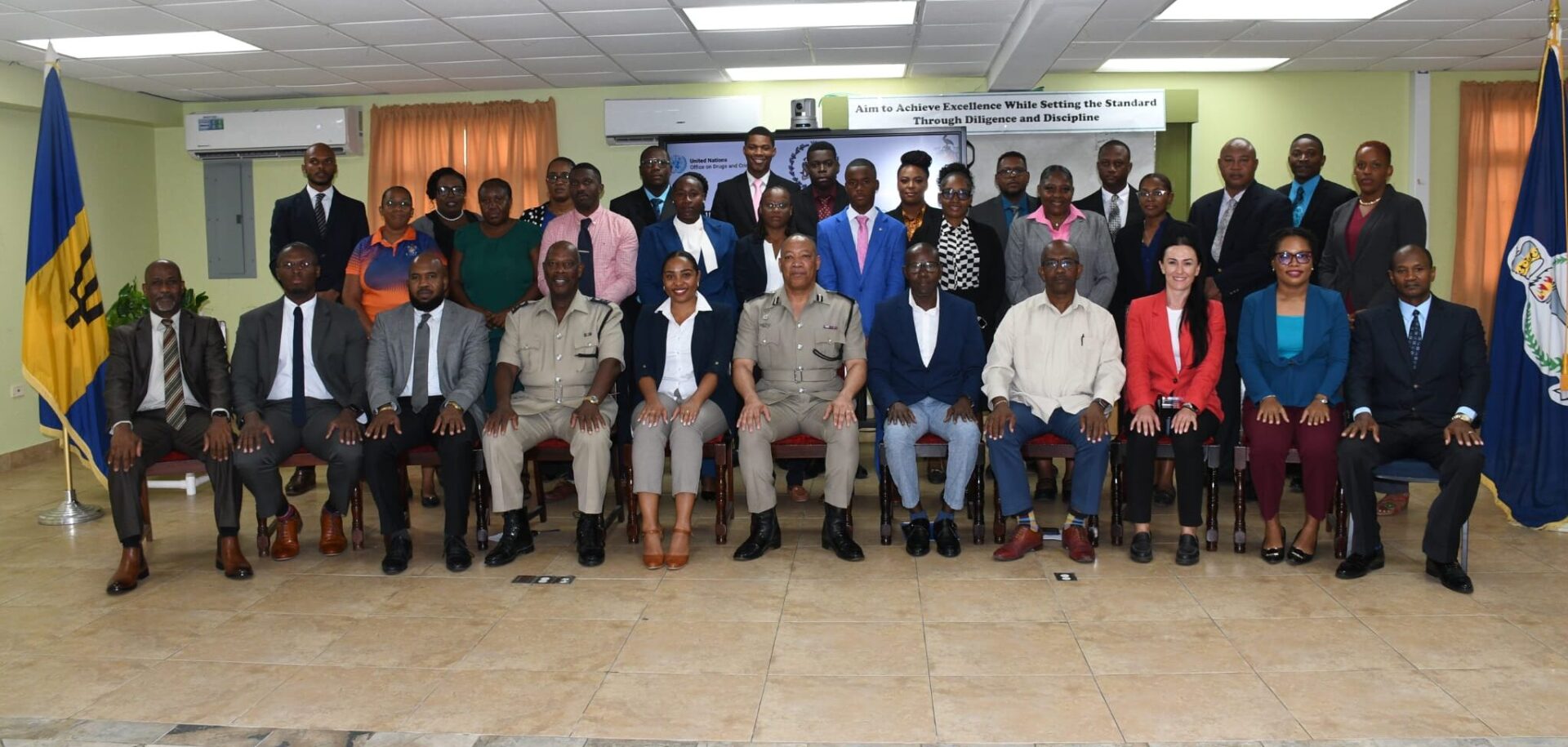
UWI Global Campus, Barbados Police Service celebrate first graduates of crime scene investigation programme
In a landmark collaborative effort between higher education and law enforcement, 19 members of the Barbados Police Service (TBPS) have made history as the first graduates of a formal Crime Scene Investigators Workshop, developed through a new partnership between The University of the West Indies (UWI) Global Campus and TBPS. Held at the Regional Police Training Centre (RPTC), the foundational Basic Crime Scene Investigation and Management course was co-delivered by TBPS’s Forensic Scenes of Crime Unit, with additional support from the United Nations Office on Drugs and Crime (UNODC).
The intensive training programme combined theoretical classroom instruction with hands-on practical skill-building across a full spectrum of core forensic and investigative domains. Trainees covered critical topics ranging from fundamental crime scene management, proper evidence preservation and documentation, and targeted evidence collection to collision reconstruction, fingerprint development, DNA and biological evidence handling, forensic photography, electronic evidence processing, basic ballistics, and effective courtroom evidence presentation. The graduation ceremony, held on July 17, marked a key turning point for professional policing training in the country.
Speaking at the ceremony, TBPS Deputy Commissioner of Police Adrian Broomes framed the milestone as a transformative shift for law enforcement in Barbados. While this training represented the third iteration of crime scene investigation courses for TBPS, it is the first to be delivered through a formal partnership with a leading regional academic institution. Broomes emphasized that the collaboration underscores TBPS’s ongoing commitment to equipping investigators to meet the evolving, complex demands of modern policing. “By aligning ourselves with The UWI Global Campus, we affirm that policing is not simply a vocation. It is a profession grounded in knowledge, ethics and continuous development,” he noted.
Ryan H. Byer, Head of Site for UWI Global Campus Barbados, echoed this sentiment, explaining that the partnership advances multiple institutional and national priorities. The initiative represents a critical step forward in formalizing accreditation for professional training delivered through the RPTC, while also advancing UWI Global Campus’s core “Triple A” Strategic Plan focused on expanding access to education, aligning programming with regional needs, and maintaining agility in addressing emerging challenges. Byer added that the programme embodies the university’s mission to deliver responsive education that meets the needs of both Barbados and the wider Caribbean region. He also recognized the RPTC leadership team, including Commandant Rodney Archer, Deputy Commandant Lawrence Collymore, and course coordinator Sergeant Mauricio Chase, for their work in executing the programme successfully.
Looking ahead, Byer urged TBPS to expand the collaborative framework by developing additional professional development pathways through UWI Global Campus, including fully online certificate programmes in high-priority fields such as Community-Based Policing, Criminology, Counselling, Supervisory Management, and Psychology.
For the graduates, the training delivered tangible improvements to their professional capacity. Multiple graduates reported increased confidence in their work and strengthened ability to manage crime scenes in line with globally recognized professional standards. Sergeant Roz’ Marie Ward-Waterman, a returning UWI student who earned the Best Overall Student award, noted that the formal academic partnership adds significant professional value to TBPS as an institution. “This… will not only add value and a core of professionalism to the Barbados Police Service through each participant of the Basic Crime Scene Investigation and Management Course, but it is the foundation that will usher The Barbados Police Service into a more knowledge driven atmosphere,” she said.
Organizers of the initiative emphasized that the cross-sector partnership reflects a shared commitment to raising national investigative standards, expanding access to accredited professional education for law enforcement, and ensuring frontline officers hold the formal qualifications, technical knowledge, and practical skills needed to preserve critical evidence effectively and uphold fair administration of justice in Barbados.
-

National Public Library to House Cultural and Educational Camp This August
As families across the region gear up for the 2026 academic year, the National Public Library is preparing to host a purpose-driven cultural and educational summer camp this August, designed to fill the end-of-vacation period with meaningful, growth-focused activities for young people.
Named WORK FU UM! Summer Camp 2026, the program is scheduled to run from August 10 through September 4, welcoming children and adolescents between the ages of 4 and 16. All camp activities will be held on weekdays from 9:00 a.m. to 3:00 p.m. on the National Public Library’s premises, creating a safe, accessible central location for participants.
Organized in partnership with the Peetron Music Group, the camp blends three core pillars of youth development: targeted educational support, broad cultural exposure, and hands-on creative skill building. To align with its back-to-school mission, the program’s activity lineup includes targeted back-to-school preparation workshops, curriculum-aligned educational sessions, performing arts classes covering music and dance, cultural celebration events, curated outdoor field trips, structured community service projects, and a wide range of interactive group sessions.
Beyond keeping young people engaged during the final weeks of summer break, the initiative is built to deliver long-term benefits for participants. Camp attendees will get structured opportunities to build new practical skills, nurture their creative talents, and practice collaboration through team-focused activities that foster collective learning, communication, and personal growth. For many young people transitioning between grade levels, the camp’s structured routine also eases the shift from unstructured summer vacation back to the regular schedule of the academic year, helping students feel prepared and confident on their first day back.
Registration for WORK FU UM! Summer Camp 2026 is open now for interested guardians. Parents and caregivers can complete the enrollment process in person at the National Public Library any weekday between 9:00 a.m. and 4:00 p.m. A non-refundable registration fee of 300 Eastern Caribbean dollars applies to all participants. The Peetron Music Group Secretariat confirmed that all program logistics and coordination are being finalized ahead of the camp’s August launch.
-
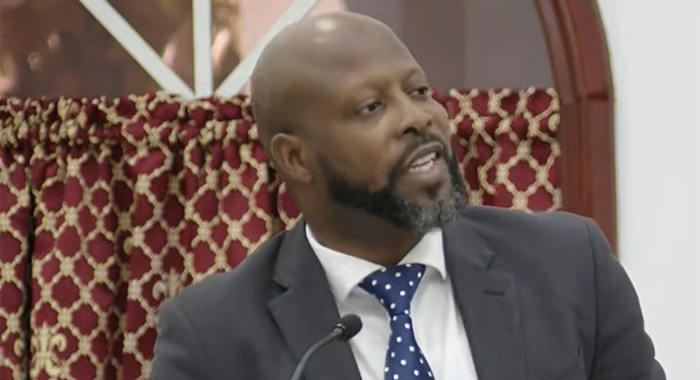
James ‘very disappointed’ school reopening pushed back 1 week
A scheduled start to the 2026–2027 academic year in St. Vincent and the Grenadines has become a flashpoint for political criticism, as the main opposition Unity Labour Party (ULP) has blasted the incumbent administration over a last-minute one-week delay to the term’s opening. The Ministry of Education recently confirmed that the new school year will now kick off on September 7, seven days later than the originally published timeline, framing the adjustment as a measure to allow time for final pre-term preparations and guarantee a smooth opening for students and staff. Official guidance has directed school principals and leadership teams to use the extra seven days to wrap up staffing allocations, finalize classroom arrangements, and carry out mandatory orientation activities for incoming students.
Speaking on the ULP’s own media outlet Star Radio, opposition Senator Carlos James — a former Minister of Tourism under the previous ULP administration — delivered sharp condemnation of the delay, saying he is deeply disappointed by what he frames as a clear demonstration of weak governance and lack of proactive leadership from the sitting government. James argued that the delay exposes critical gaps in administrative oversight, quality control, and forward planning that should have prevented the schedule change entirely.
Outlining the protocols the ULP followed when it held office, James explained that the former administration would meet well in advance of each new school year with technical teams from the Ministry of Education to align budget allocations to the specific needs of every school across the country. Allocated funds for infrastructure repairs would then be channeled through the Central Water and Sewerage Authority and Building and Roads General Authority (BRAGSA) under the Ministry of Transport to ensure all campus rehabilitation work was completed before the first day of class. The Ministry of Education, meanwhile, would coordinate ahead of time to secure all required furniture for both students and teaching staff, James added.
The opposition senator referenced recent comments from Prime Minister Godwin Friday, who stated that his administration allows government ministries to operate independently without micromanagement. James pushed back on this framing, arguing that the issue is not overreach into ministry operations, but a fundamental lack of accountability from the top levels of government. He clarified that he does not fault career technocrats for the delay, noting that no major natural disaster — which would be the only acceptable reason for a disruption to school opening schedules under past ULP governance — has impacted the country in 2026.
“Without even a catastrophic event to set work back, you cannot even open schools on time?” James questioned. He argued that the root cause of the delay is a failure by the current administration to verify that sufficient, accessible budget allocations were in place for the Ministry of Education to complete all pre-term work on schedule.
James added that when the ULP was in power, every parliamentary representative would conduct on-the-ground visits to schools in their constituencies to meet with principals, identify unmet needs, and flag gaps for central government. This created an open working relationship between elected officials and school leadership, with representatives acting as “eyes and ears” for communities to resolve administrative bottlenecks before they could delay the school year. Effective representation, James argued, is not just about showing up to events — it requires proactive engagement to resolve operational and administrative challenges before they impact students and families.
The current administration’s inexperience in governing is the core reason for this misstep, James contended, noting that while technical preparations are important, strong administrative coordination from elected leaders is equally critical to keeping the school year on track. He rejected all justifications for the delay, arguing that the government had full awareness of ongoing needs — from infrastructure repairs to procurement gaps and supply shortages — months in advance, and had a responsibility to adjust plans to meet those needs and keep schools opening on schedule.
James also warned that the one-week delay will have cascading impacts on the academic year, most notably complicating efforts to cover the full national curriculum within the scheduled term timeline.
-
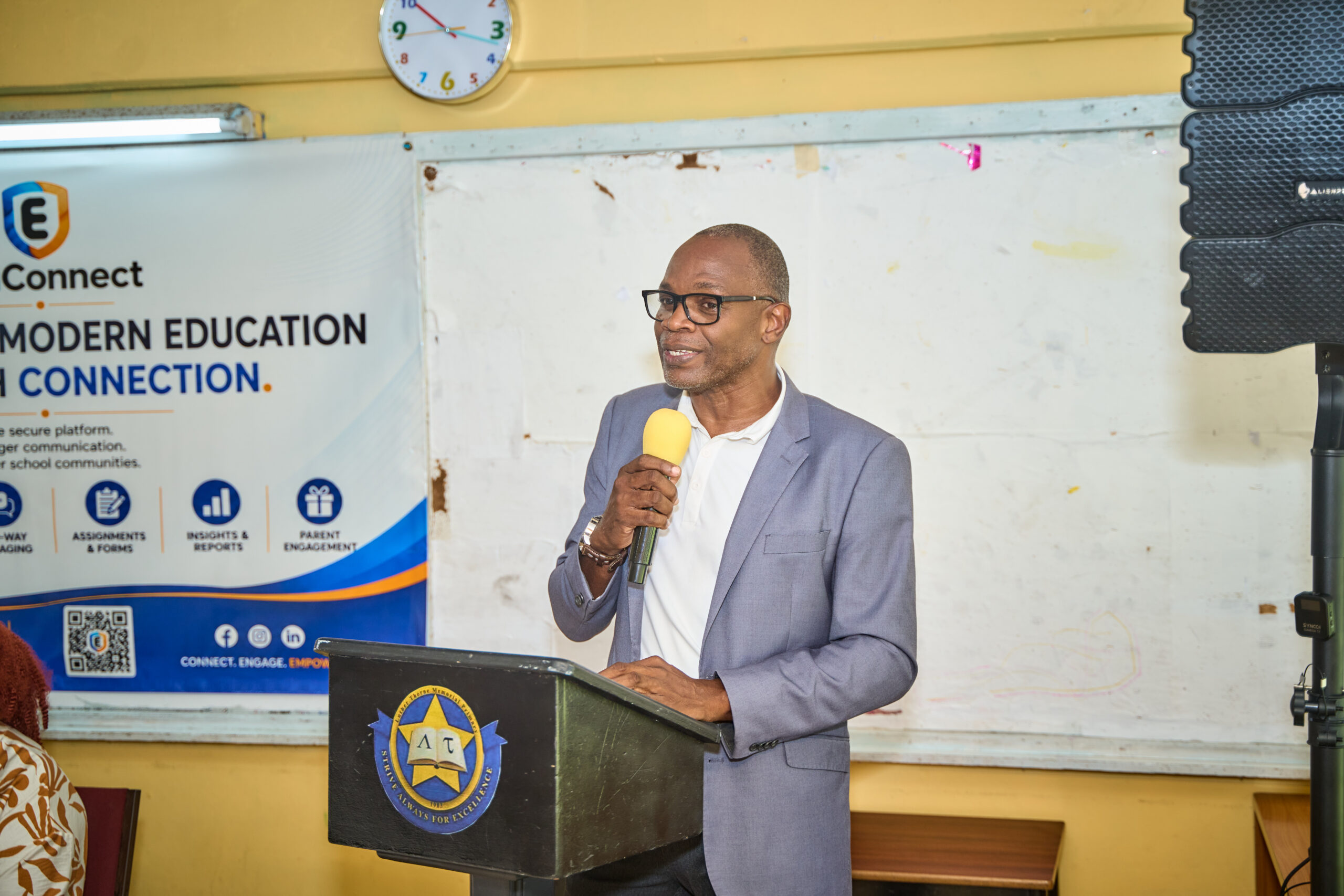
New app aims to bridge school-home communication gap, ease teacher workloads
Barbados has launched a homegrown mobile application that aims to revolutionize school-parent communication while cutting down the administrative burden weighing on local educators, earning official backing from education leaders as a key step forward for the country’s national education digital transformation.
Conceived by Barbadian co-founders Teddy Leon and Tonia Prescod, EduConnect made its official debut at Luther Thorne Primary School, and has already been adopted by five local institutions. Project organizers project that user adoption will climb to roughly 30 schools by the start of the upcoming academic year.
Acting Deputy Chief Education Officer Dr. Denise Charles emphasized that the new tool aligns directly with the Barbadian government’s ongoing education transformation strategy, which centers on integrating technology across all layers of the country’s K-12 school system. Dr. Charles explained that the government’s broader modernization agenda is built around equipping young learners with the adaptable skill set they need to succeed in a fast-evolving global workforce, a goal that depends on connected digital solutions that bridge gaps between schools, teachers, students, families and education policymakers.
Unlike fragmented, outdated communication channels that rely on manual paperwork and disjointed social media updates, Dr. Charles noted that EduConnect delivers real-time centralized access to critical information, from student attendance records and school-wide notices to individualized academic updates for parents. By automating routine administrative tasks that once consumed hours of teachers’ workweeks, the app frees up educators to redirect their time and energy to core instruction and student support, a critical gain as Barbados continues to update its education system for the digital age.
Dr. Charles also tied the launch of EduConnect to the Ministry of Education Transformation’s broader push to embed digital literacy into the national curriculum. She noted that 21st-century careers increasingly require advanced digital competencies, and routine use of integrated education technology like EduConnect helps students build hands-on familiarity with digital tools while fostering key soft skills including critical thinking, cross-team collaboration, innovative problem-solving and adaptability. Additionally, having a centralized digital communication infrastructure in place ensures schools can maintain operational continuity during emergencies such as extreme weather events or public health disruptions, keeping families informed regardless of disruptions to in-person classes.
The app’s origins trace back to a real-world communication gap that Prescod experienced ahead of an oncoming hurricane, Leon explained at the launch event. When Prescod struggled to get clear, timely information about whether schools would close to keep her school-aged twins safe, the pair recognized the gap that existing technology had failed to fill. “EduConnect wasn’t created just to add another app to people’s phones,” Leon said. “It came from that moment of frustration: we have all this modern technology, why can’t parents get instant, reliable alerts about school changes straight to their phones? That’s how the idea was born.”
Leon stressed that the platform is 100% Barbadian designed, developed and built for the unique needs of Caribbean educational communities. Throughout the development process, the team anchored their work in two core questions: would this tool give teachers back time to focus on student growth, and would it empower parents to stay consistently informed and engaged in their children’s learning?
“When teachers spend less time managing manual communication workflows, and parents have access to timely, accurate information, every stakeholder is positioned to better support each child’s success,” Leon added.
Priced at $7 per semester per family regardless of how many children a parent has enrolled in local primary or secondary schools, the app is designed to be accessible for most households. A coalition of local Barbadian businesses including Western Wholesale, Abeds, Club Avolta and Woolworths Barbados have partnered with the initiative to offer exclusive additional discounts for both parents and educators using the platform.
-
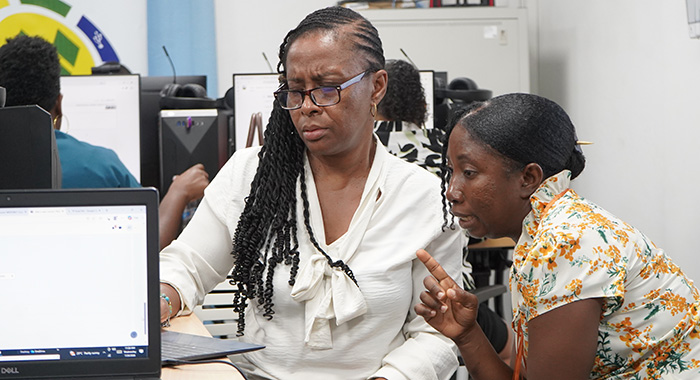
CARDTP advances digital transformation through Moodle training
From July 28 to 30, Kingstown, the capital of Saint Vincent and the Grenadines, played host to a targeted capacity-building workshop focused on the Moodle open-source learning management platform, organized by the Caribbean Digital Transformation Project (CARDTP). The event was designed to equip representatives from across government agencies with the practical skills and technical knowledge needed to leverage digital learning tools for more effective training delivery, cross-agency knowledge sharing, and ongoing professional development within the public sector.
Facilitated by learning technology specialist Silkie Prescott-Mc Kree, with on-the-ground support from Ashena Bowman, the three-day workshop moved beyond theoretical introductions to deliver hands-on, practical guidance covering every core aspect of using and administering the Moodle platform. Unlike generic tech training, the curriculum was tailored specifically to the needs of public sector stakeholders, covering key functions from foundational course creation and content management to user permission administration, interactive assessment tool deployment, and evidence-based strategies for boosting learner engagement. Every participant left the event with direct, practical experience that will allow them to immediately apply their new skills in their respective agencies.
Moodle, a free, open-source learning management system, was selected for the project because of its flexible, customizable framework that creates an interactive digital learning ecosystem. On the platform, learners can access centralized training materials, join structured online courses, complete graded assessments, and engage with a full library of digital learning resources on demand. For the Government of Saint Vincent and the Grenadines, widespread adoption of Moodle across the public service is expected to remove barriers to accessing training, expand the reach of capacity-building initiatives, and improve the overall quality of professional development opportunities for public servants.
Attendees at the workshop included official representatives from a range of partner government agencies, all of whom gained the specialized skills required to develop, manage, and deliver their own digital learning content moving forward. Beyond technical skill-building, the event also fostered greater cross-agency collaboration between participating stakeholders, while emphasizing the critical importance of building sustained internal technical capacity to ensure digital solutions like Moodle continue to deliver long-term value after the initial CARDTP project implementation phase concludes.
According to an official press release from the project, the Moodle Platform Training Workshop marks another key milestone in CARDTP’s ongoing commitment to strengthening institutional digital readiness across Saint Vincent and the Grenadines, and supporting the national government as it advances its broader digital transformation agenda. Through targeted investments in accessible digital tools, core infrastructure, and human capacity development, CARDTP is working to build a public sector that is more efficient, better connected, and fully enabled to leverage digital technology to serve citizens.
CARDTP itself is a major national digital development initiative funded by the World Bank, and implemented by the Government of Saint Vincent and the Grenadines through the dedicated Project Implementation Unit housed within the Ministry of Finance. The project’s broader mandate covers a range of priority digital transformation areas, including expanding access to digital public services, streamlining government operational processes, strengthening national cybersecurity frameworks, advancing inclusive digital skills development, and increasing access to technology-enabled solutions for both citizens and local businesses.
-

EdTech Summit Charts Future of Belizean Classrooms
On August 5, 2026, education leaders from every corner of Belize packed the Belize City Civic Center for the second and final day of the Ministry of Education’s National EdTech Summit, a landmark two-day gathering designed to reimagine how technology integrates into the country’s education system. Following a well-attended first day that drew hundreds of practicing teachers, the second day shifted focus to school administrators and principals, centering discussions on how institutional leadership can leverage emerging digital tools to strengthen collaboration across management teams, teaching staff, and student bodies.
Held under the provocative theme “Teaching Hacks,” the summit reclaims a term most often associated with cybersecurity breaches to reframe it as a creative, efficiency-focused approach to education reform. Organizers broke the concept into four core focus areas: reworking time management to cut down on administrative busywork, expanding imaginative problem-solving in lesson design, rethinking physical and virtual learning spaces, and updating rigid curricula to meet modern student needs.
Education Minister Francis Fonseca opened the day’s proceedings by emphasizing the summit’s core purpose: creating an open, collaborative space for the Ministry of Education to engage directly with educators, school leaders, and key education stakeholders to explore how technology and teaching can intersect to improve outcomes for all Belizean students.
The event comes amid a growing global and national conversation about the need for systematic innovation across all levels of education, not just in direct classroom instruction but also in institutional planning, administrative organization, and capacity building. Participants highlighted practical use cases for emerging tools like artificial intelligence that are already shifting how teachers work. Jeanne Link, Assistant Dean at Sacred Heart Junior College, shared on-the-ground insights into AI’s impact on her campus, noting that the technology has already streamlined time-consuming tasks for faculty. “With our faculty it has been wonderful, especially in doing calculations for like key assessment analysis, in order to review a lot of information very quickly,” Link explained. “So I’ve seen it enhancing the time effectiveness of our teacher’s work. They can easily have the AI edit their work so that saves a lot of time.”
Even as educators expressed enthusiasm for the potential of new technologies, summit speakers also centered the key barriers that still stand in the way of widespread, effective implementation. Ray Lawrence, Principal of Stann Creek Ecumenical College, pointed to the critical gap in targeted capacity building for current educators as Belize transitions to a new competency-based national curriculum. “We’re asking our current educators to deliver the national curriculum, which is a competency based curriculum now, but we have not trained them,” Lawrence noted. “And so a lot of training will be necessary because if the teachers themselves don’t know how to leverage technology then how can they teach the students how to leverage technology? So that’s one of the greatest challenges between ministry, management and teachers. The teachers have the desire to do it, but they require the capacity building and so the training is important.”
Organizers framed the summit as more than just a discussion forum: it marks the official launch of a new era of cross-stakeholder partnership between school management, teaching staff, and technology partners, all aimed at strengthening institutional cohesion and improving learning outcomes. When fully implemented, participants agreed that thoughtful technology integration will create a more accessible, effective curriculum and a more supportive working environment for educators, with ripple effects that extend from classrooms to students’ homes and Belize’s future workforce. Local outlet News Five sent reporter Devin Sabal to cover the event, who filed this report on the ground from the Belize City Civic Center.
-
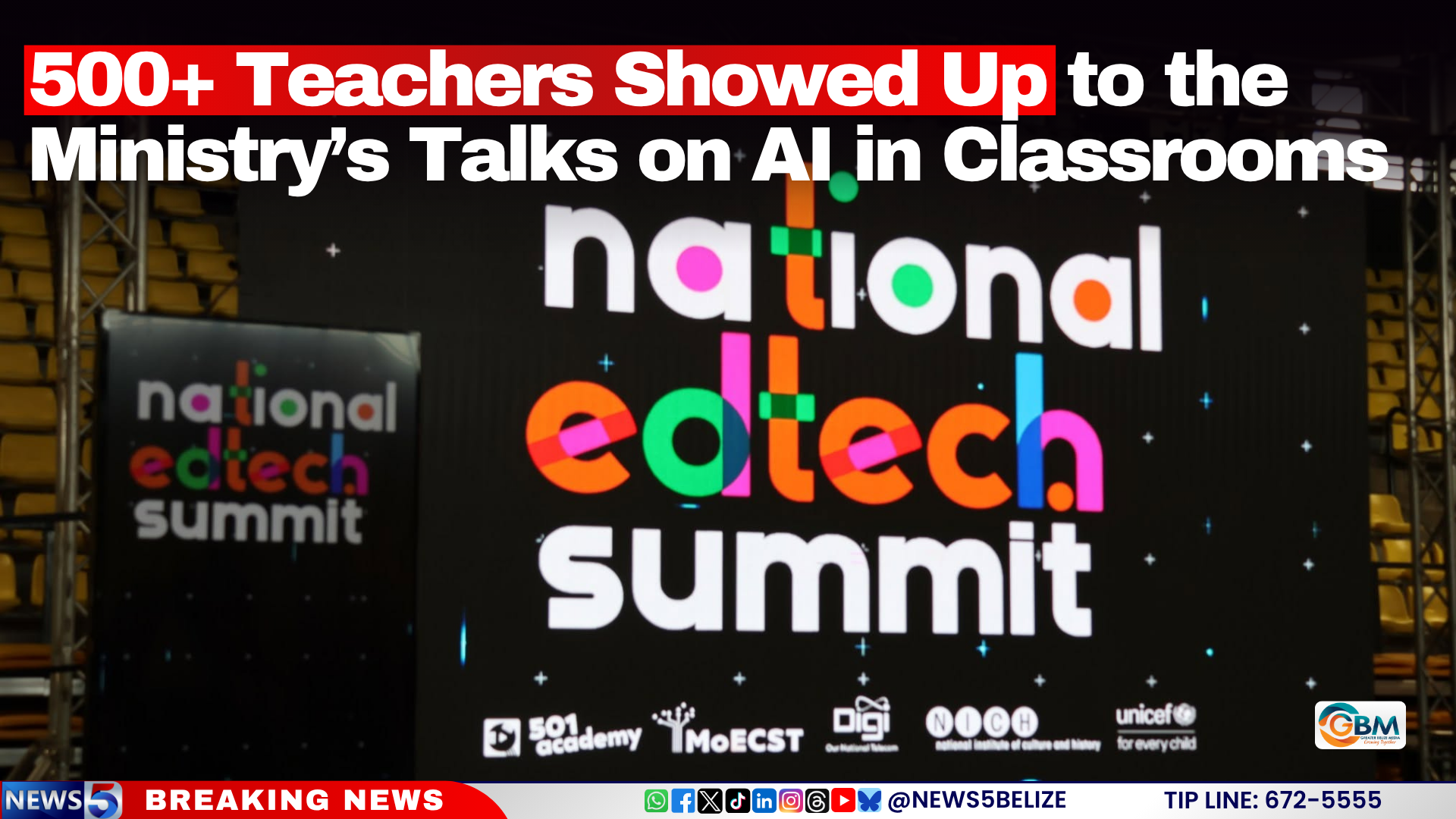
500+ Teachers Showed Up to the Ministry’s Talks on AI in Classrooms
Belize’s Ministry of Education has concluded its two-day National Edtech Summit held at the Belize City Civic Center, closing out the event August 5, 2026 with focused conversations on how emerging educational technologies can reshape collaboration between school leadership, teaching staff and students. The summit brought together hundreds of education professionals across both days, with more than 500 teachers in attendance for the opening day focused on frontline educator perspectives, and the second day reserved for school administrators to explore how digital tools can improve institutional planning, cross-team communication, and data-driven decision-making.
Addressing attendees at the close of the summit, Minister of Education Francis Fonseca emphasized that the core goal of the gathering was to create an open, inclusive space for the ministry to engage directly with teachers, school leaders, and all other education stakeholders. The event was designed to foster thorough, meaningful dialogue around the growing intersection of modern education and rapidly advancing technology, he said.
Framed around this year’s theme “Teaching Hacks”, the summit redefined “hacking” not as a digital security practice, but as an innovative problem-solving approach centered on boosting efficiency across four core areas: educator time, creative imagination, learning space design, and curriculum delivery.
Multiple education leaders shared on-the-ground insights into how artificial intelligence is already shifting daily work for teachers. Jeanne Link, Assistant Dean of Sacred Heart Junior College, highlighted that AI tools are already delivering tangible relief for overstretched education staff, noting that automated AI editing and content generation can cut hours of administrative and preparatory work each week, freeing teachers to focus more energy on direct student engagement.
Still, the summit did not shy away from addressing key gaps that remain before widespread, effective AI integration can be achieved. Ray Lawrence, Principal of Stann Creek Ecumenical College, stressed that targeted, ongoing professional development for educators is a non-negotiable foundation for successful technology adoption. Lawrence argued that without proper training to help teachers themselves build fluency in leveraging AI and other edtech tools, schools cannot reasonably expect students to develop the digital skills they need to thrive in an increasingly technology-driven world.