分类: business

  • Local Bus Operators Seek Relief as Fuel Costs Surge

    Local Bus Operators Seek Relief as Fuel Costs Surge

    Belize’s transportation sector faces mounting pressure as escalating fuel prices threaten operational viability for local bus services. The Belize Bus Association has formally petitioned Transport Minister Dr. Louis Zabaneh for immediate economic relief measures in response to unsustainable cost increases.

    In a March 30th communiqué, the industry representative body highlighted critical financial challenges stemming from a 20% surge in diesel prices alongside rising expenses for tires and mechanical components. The association presented three potential solutions: implementing tax exemptions on essential operational supplies, reinstating pandemic-style government subsidies, or authorizing regulated fare increases.

    However, the fare adjustment proposal faces significant regulatory obstacles. Minister Zabaneh recently reaffirmed the government’s position that bus rates remain strictly controlled under national legislation. The minister explicitly warned that any unauthorized fare increases constitute unlawful activity, emphasizing that officially posted rates represent the absolute legal maximum nationwide.

    This regulatory stance coincides with reported passenger dissatisfaction regarding attempted fare hikes, creating a complex situation where operational costs continue rising while revenue remains fixed. The developing situation presents policymakers with a challenging decision: provide alternative financial relief through tax structures or subsidies, or risk potential transportation disruptions as operators struggle with unsustainable operating margins.

    The outcome of these negotiations carries significant implications for Belize’s public transportation infrastructure and commuter accessibility across the nation.

  • Pricing methods for petroleum products in Haiti

    Pricing methods for petroleum products in Haiti

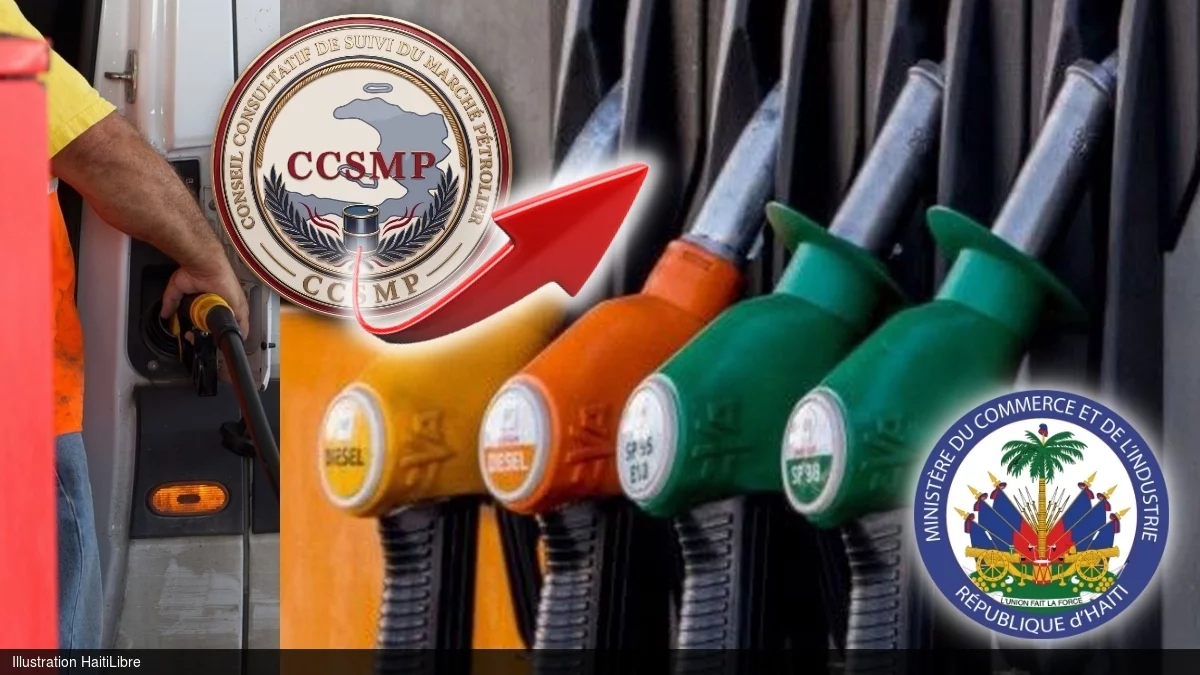
    The Haitian government has established a comprehensive regulatory framework for petroleum product pricing through an official decree published in the national gazette “Le Moniteur” on March 27, 2026. This new system introduces a standardized monthly calculation methodology that will determine fuel prices across the nation.

    Under the directive from the Ministry of Economy and Finance (MEF) and the Ministry of Commerce and Industry (MCI), pump prices will be recalculated monthly based on a transparent cost structure. The finalized prices will be announced through joint ministerial notices on the first day of each month and will maintain nationwide consistency.

    The pricing formula incorporates multiple components including the CIF (Cost, Insurance, and Freight) value of the most recent monthly shipment, complemented by various operational and regulatory expenses. These encompass customs inspection fees, import duties, port charges, specific excise taxes, royalty payments, and calculated margins for both oil companies and distributors. Additional factors include transportation and storage costs, variable excise duties, and a stabilization margin.

    A three-tier adjustment mechanism has been implemented to govern price changes:

    1. Price stability will be maintained when monthly calculated price variations remain at or below 3%, with no adjustment required.

    2. Automatic pump price adjustments will trigger when calculated price fluctuations exceed 3% in either direction, though these adjustments will be capped at a maximum of 10% of the previously published price.

    3. Significant calculated price variations exceeding 3% that would necessitate pump price adjustments beyond 10% will require government determination following consultation with the Advisory Council.

    This structured approach aims to balance market responsiveness with consumer protection against volatile price swings.

  • Dominican-Italian Chamber hosts “Two Worlds, One Experience” Gala celebrating culture

    Dominican-Italian Chamber hosts “Two Worlds, One Experience” Gala celebrating culture

    Santo Domingo witnessed a significant convergence of economic diplomacy and cultural exchange on March 26, 2026, as the Dominican-Italian Chamber of Commerce hosted its prestigious anniversary gala. The event, themed “Two Worlds, One Experience,” transformed the Kimpton Las Mercedes Hotel into a hub for bilateral relations, attracting more than 100 distinguished figures from business, government, and civil society.

    The evening’s program masterfully blended economic dialogue with cultural immersion, drawing inspiration from the special connection between the Dominican Republic and Italy’s Umbria region. Guests experienced a unique fusion of traditions through multiple dimensions: strategic networking opportunities, captivating artistic performances by the acclaimed Dominican National Ballet, and an innovative gastronomic journey curated by renowned chef Cosimo Urso. His four-course culinary creation artfully married authentic Umbrian ingredients with distinctive Dominican flavors, accompanied by live music and specialty tastings.

    Keynote addresses from Chamber President Giovanni Fois and Italian Ambassador Sergio Maffettone emphasized the strategic importance of promoting ‘Made in Italy’ excellence while deepening institutional and commercial partnerships. The gala also served as a platform for showcasing impactful cultural initiatives, including the SóDança international artistic exchange program. The event culminated with a raffle and formal acknowledgments of sponsors, reinforcing the Chamber’s ongoing commitment to fostering multidimensional collaboration between both nations beyond mere commercial interests.

  • IMF warns Dominica on rising fiscal pressures, calls for stronger reforms

    IMF warns Dominica on rising fiscal pressures, calls for stronger reforms

    The International Monetary Fund has issued a cautious assessment of Dominica’s economic trajectory, acknowledging robust post-pandemic recovery while warning of significant fiscal vulnerabilities that require immediate policy adjustments. Following its 2026 Article IV consultation concluded March 26, an IMF delegation led by Christopher Faircloth reported the island nation achieved 4.5% real GDP growth in 2025, building upon the previous year’s 3.5% expansion.

    This economic acceleration stems primarily from a tourism sector now operating 36% above pre-pandemic levels and sustained public infrastructure investments. Inflation moderated to 2.3%, yet the current account deficit persisted at an elevated 38% of GDP, largely driven by substantial construction-related imports.

    The IMF identified concerning fiscal trends, with infrastructure projects including climate-resilient roads and geothermal transmission lines pushing the primary fiscal deficit to 4.5% of GDP. Public debt, while reduced from its pandemic peak of 118%, remains critically high at 103% of GDP—significantly exceeding the regional benchmark of 60%.

    The Fund emphasized that Dominica’s current fiscal approach fails to comply with its own Fiscal Rule, which mandates maintaining a minimum 2% primary surplus until debt falls below 60% of GDP. Concurrently, the nation’s Disaster Resilience Strategy requires accumulating financial buffers equivalent to 12% of GDP.

    To address these challenges, the IMF recommends EC$60 million in additional fiscal consolidation over the next two years, with half this adjustment required in FY2026/27. Key recommendations include reducing dependence on Citizenship by Investment revenues, enhancing tax administration efficiency, and safeguarding social programs while maintaining growth-oriented investments.

    Financial sector vulnerabilities present additional concerns. While banks maintain adequate liquidity and capitalization, high non-performing loans and substantial sovereign exposures remain problematic. Credit unions—now accounting for 53% of private-sector credit—face even greater risks due to insufficient capital buffers and outdated regulatory frameworks.

    The IMF advocates stricter enforcement of provisioning regulations, completion of ongoing asset-quality reviews, and full engagement with regional regulatory initiatives.

    Structural reforms identified as critical include modernizing customs procedures through a unified digital platform, strengthening digital infrastructure and vocational training programs, streamlining business processes, enhancing legal frameworks, and improving governance protocols within the CBI program.

    The IMF further stressed the urgency of modernizing public financial management, establishing the long-delayed Fiscal Responsibility Committee, and upgrading statistical systems to support evidence-based policymaking.

    Economic projections indicate growth moderation to 3% through 2026-2027, potentially declining to approximately 2% as major construction projects conclude. While public debt is forecast to decrease to 70% of GDP by 2035, the IMF continues to classify Dominica as facing high debt distress risk.

    Downside risks include geopolitical tensions, volatility in CBI revenue streams, and the nation’s acute susceptibility to natural disasters. The IMF delegation acknowledged Dominican authorities for their cooperative engagement throughout the consultation process.

  • Huawei reports slowing revenue growth in 2025

    Huawei reports slowing revenue growth in 2025

    SHANGHAI — Huawei Technologies reported a significant deceleration in revenue growth for 2025, with annual figures revealing the impact of China’s sluggish consumer market and ongoing geopolitical pressures. The tech giant’s financial results, released Tuesday, show total revenue reaching 880.9 billion yuan ($126 billion), representing a modest 2.2% increase from the previous year’s 862 billion yuan.

    The growth rate marks a dramatic slowdown from the 22% surge recorded in 2024, primarily driven by stagnation in the company’s consumer devices division. Despite reclaiming its position as China’s leading smartphone vendor, Huawei’s consumer business revenue reached 344.5 billion yuan in 2025—a mere 1.6% increase compared to the previous year’s 38.3% expansion. This slowdown occurred against the backdrop of a contracting domestic smartphone market, as reported by International Data Corporation.

    Rotating Chairwoman Meng Wanzhou acknowledged the challenges, stating the company had ‘worked to overcome formidable challenges’ while navigating ‘a future that is full of uncertainty.’

    The telecommunications infrastructure segment similarly experienced moderated growth, with revenue increasing 2.6% year-on-year compared to 4.9% in 2024. Company officials attributed this deceleration to cyclical investment patterns within the industry.

    Huawei’s performance continues to be shaped by the prolonged technological standoff between China and the United States. Since 2019, American sanctions have restricted the company’s access to critical US-made components and technologies, compelling strategic diversification.

    In response to these challenges, Huawei dramatically increased its research and development investment, allocating 192.3 billion yuan—representing 21.8% of total revenue—toward innovation initiatives. This substantial investment has been channeled primarily into developing computing products designed for artificial intelligence applications.

    The company’s net profit showed resilience, rising 8.7% to 68 billion yuan from 2024’s 62.6 billion yuan, indicating improved operational efficiency despite revenue headwinds.

  • ‘Ask them’: DPM deflects as Grand Lucayan update deadline passes

    ‘Ask them’: DPM deflects as Grand Lucayan update deadline passes

    The Bahamas government is facing increased scrutiny over the stalled redevelopment of the Grand Lucayan resort, with Deputy Prime Minister Chester Cooper declining to address the missed deadline for a crucial project update and redirecting inquiries to the developer, Concord Wilshire. The evasion occurred on the sidelines of a public event, where Cooper advised journalists to contact the developer directly for statements, asserting he had “no more comments on it.

    This development follows a February 23rd statement from the U.S.-based developer, which pledged to announce key project milestones “within the next two weeks,” setting an implicit deadline around March 9th. That announcement, which vehemently denied reports of a collapsed $120 million acquisition deal with the government, promised to reveal formal commencement dates for development, construction activities, and two major cruise line destination resorts, alongside the start of demolition and preparatory works.

    No such update has materialized, making the February statement the sole public communication from Concord Wilshire since it inked a Heads of Agreement with the Davis administration in May 2025. The government has consistently supported the developer’s position, with Prime Minister Philip Davis recently urging public patience and affirming that progress was being made for the benefit of Grand Bahamians.

    The landmark project, envisioned to revitalize the resort shuttered since Hurricane Matthew in 2016 with only a section operational, carries significant economic promises. Official projections anticipate the creation of 1,300 construction jobs and over 1,700 permanent positions upon completion, highlighting the high stakes of the current silence and missed communications.

  • Public Procurement Commission to roll out MSME Procurement Integration Project

    Public Procurement Commission to roll out MSME Procurement Integration Project

    KINGSTON, Jamaica — Micro, small and medium-sized enterprises (MSMEs) across Jamaica are set to gain expanded access to valuable government contracting opportunities, as the island’s Public Procurement Commission (PPC) has announced plans to launch its comprehensive MSME Procurement Integration Project nationwide in the first quarter of the 2026–2027 fiscal year, kicking off in April 2026.

    The rollout announcement was made official by PPC Executive Director Nadia Morris during a public meeting hosted jointly by the PPC and the Small Business Association of Jamaica (SBAJ) on March 26, 2026. Held at the Exim Bank on Hope Road and organized to mark World Sustainable Procurement Day, the gathering brought together over 150 MSME representatives in person, plus additional virtual attendees, under the event theme “Get Ready for Public Procurement Opportunities!”. The initiative was backed by key supporting stakeholders including the Ministry of Finance and the Public Service, the Ministry of Industry, Investment and Commerce, and the Development Bank of Jamaica (DBJ).

    Morris explained that the new project is designed to operationalize the 2019 Public Procurement (Set-Asides) Order, a regulatory policy that reserves 20% of all public sector procurement contracts exclusively for MSMEs. For many small business owners across the country, accessing these reserved opportunities has remained out of reach due to complicated registration processes, limited awareness, and gaps in capacity building — gaps the new initiative aims to close.

    Core components of the MSME Procurement Integration Project include streamlining the end-to-end supplier registration process for small businesses, building a centralized, verified national database of qualified MSME suppliers, delivering targeted skills training and community outreach, and reinforcing monitoring and compliance protocols across all government ministries, departments, and agencies (MDAs). To ensure MSMEs in every region of Jamaica understand the policy and how to leverage it, the PPC will launch a series of island-wide roadshows coinciding with the project’s Q1 2026 rollout.

    Beyond the upcoming project, Morris noted that the PPC has already advanced additional reforms to modernize Jamaica’s overall Supplier Registration System (SRS). Concept proposals for these reforms have been submitted to Cabinet and already secured formal approval from the Ministry of Finance, with the initiative now moving forward to develop required legislative updates.

    Even in the wake of recent disruption from Hurricane Melissa, which impacted small businesses across sections of western Jamaica, demand for PPC registration among MSMEs has stayed robust. Official data shows the number of new applications for PPC Registration Certificates rose from 880 in the 2023–2024 fiscal year to 959 in 2024–2025, with current projections pointing to applications topping 1,000 by the end of the 2025–2026 fiscal year. This growing interest underscores the strong demand for government contracting opportunities among Jamaica’s small business community, which makes up 97.6% of all registered, tax-paying businesses in the country.

    SBAJ President Garnet Reid praised the new initiative, framing the public meeting as a critical milestone to help MSMEs navigate public procurement processes, identify existing capacity gaps, and position themselves to compete for reserved contracts. The event also featured keynote addresses from Minister of Finance and the Public Service Fayval Williams, alongside formal remarks from Minister of Industry, Investment and Commerce Senator Aubyn Hill. Technical presentations were delivered by key industry leaders including Captain Richard Campbell, Senior Director of the Suppliers Registration Branch at the PPC; David Thomas, Director of Advisory and Engagement in the Office of Public Procurement Policy at the Ministry of Finance and the Public Service; and Travell Mullings, Acting Manager of Intermediary Relationships at the Development Bank of Jamaica.

  • New Medellin to MoBay route to further increase Jamaica’s Latin American arrivals, says Bartlett

    New Medellin to MoBay route to further increase Jamaica’s Latin American arrivals, says Bartlett

    KINGSTON, Jamaica – Jamaica’s tourism sector is marking a major milestone in its regional expansion strategy, with senior officials announcing a groundbreaking new nonstop air link between Colombia’s Medellín and Jamaica’s popular tourist hub Montego Bay, set to launch in 2026.

    Operated by Colombian low-cost carrier Wingo Airlines, the new service is scheduled to commence operations on June 23, 2026, a move that tourism leaders say will cement Jamaica’s position as a top vacation choice for Colombian leisure travelers and open the door to increased visitor flow from across the Latin American region.

    Edmund Bartlett, Jamaica’s Minister of Tourism, emphasized that the new route represents a critical leap forward for the country’s long-term tourism development goals. “Today we are seeing a concrete outcome of our targeted strategy to deepen our connections with Latin American markets,” Bartlett stated during the announcement. “This new route does more than add a new destination to regional flight networks; it directly answers the rising demand from Colombian travelers eager to visit Jamaica’s shores, and it underscores our unwavering commitment to making Jamaica more accessible to visitors from across Latin America.”

    The service will operate on a consistent weekly schedule, with three flights departing every week on Tuesdays, Thursdays, and Saturdays. This regular timetable is designed to accommodate both leisure travelers planning getaways and travel industry professionals arranging itineraries for clients, offering unmatched flexibility and convenience for travel between the two cities.

    To kick off the new route, Wingo has introduced introductory one-way base fares starting at just $159 USD, a price that already includes all applicable taxes and fees. Tickets are already open for booking through the airline’s official digital and in-person booking channels. Looking ahead, Wingo projects that the route will offer close to 32,000 seats per year for travelers, and the carrier will be the only airline offering a nonstop connection between the two cities, giving it exclusive access to this growing travel market.

    Donovan White, director of Jamaica’s tourism agency, framed the new route as a collective win for the country and its regional travel partners. “This is the result of years of collaborative work to open up new air routes across Latin America, a push that will help us diversify our visitor base and expand our overall tourism market share,” White explained. “This is a victory for Jamaica and for all of our longstanding partners who have invested time and effort to make this new connection a reality.”

    The upcoming Medellín route builds on the already strong momentum of Jamaica’s expanding partnership with Wingo. Just this week, the airline launched its first nonstop service between Bogotá and Montego Bay, which launched with two weekly flights. Due to unexpectedly high consumer demand, that route is already scheduled to increase frequency to three weekly flights as early as this coming June.

    Philip Rose, deputy director of the Jamaica Tourist Board, noted that the consecutive route launches send a clear signal about the growing appeal of Jamaica in the Colombian market and across Latin America. “The launch of the Bogotá service, paired with our announcement of the upcoming Medellín route, makes it impossible to miss that demand for Jamaica travel is rising rapidly across Colombia and the broader region,” Rose said. “Investing in stronger air connectivity is the foundation for unlocking new, high-potential tourism markets and driving consistent, sustainable growth in visitor arrivals over the long term.”

    Jorge Jiménez, vice-president of commercial and network planning at Wingo, expressed the carrier’s enthusiasm for the expansion into the Jamaican tourism market. “We are thrilled to grow our footprint in Jamaica with this exciting new route,” Jiménez said. “This connection creates mutually beneficial opportunities: it gives Colombians easier access to Jamaica’s world-famous beaches and culture, while also opening up the chance for Jamaican travelers to explore everything Colombia has to offer. Medellín and the surrounding regions offer a vibrant, one-of-a-kind travel experience that we’re excited to connect to Jamaica.”

  • COMMENTARY: Renewal, a new Caribbean tourism concept

    COMMENTARY: Renewal, a new Caribbean tourism concept

    The Caribbean is positioning itself to establish a groundbreaking tourism classification centered on ‘Renewal’—a concept that transcends conventional luxury travel by offering restorative experiences grounded in indigenous wisdom and scientific validation. This innovative approach aims to transform the region from a mere vacation destination into a global hub for holistic healing and cultural authenticity.

    At the core of this initiative lies the strategic selection of a pilot location that must embody medical credibility, cultural resonance, logistical feasibility, and symbolic significance. This prototype will serve as a replicable model for other islands, creating an entirely new wellness category that leverages the Caribbean’s unique heritage rather than imitating existing spa concepts.

    The conceptual framework draws deeply from Taíno civilization principles, particularly the complementary philosophies of Bohío (representing rootedness and community) and Cohoba (symbolizing transformation and ancestral connection). This indigenous foundation integrates with Afro-Caribbean herbal knowledge and modern integrative medicine, creating a distinctive ecosystem that bridges ancient traditions with evidence-based wellness practices.

    Unlike manufactured tourism experiences, this Renewal model builds upon the Caribbean’s millennia-old history of healing traditions, offering what industry analysts describe as ‘public luxury’—a rare combination of medical credibility and nature-rooted healing that could function as a GDP multiplier for small island economies. The approach positions the region not as an escape destination but as a transformative healing environment where restoration becomes the new status symbol.

    The development requires careful cultural stewardship, ensuring that Taíno practices are incorporated respectfully while creating authentic experiences based on holistic worldviews that connect physical, emotional, and spiritual wellbeing. This cultural elevation provides a powerful narrative differentiation from the standardized wellness offerings found in other global destinations.

    Industry observers note that successful implementation could establish the Caribbean as the world’s undisputed capital of human renewal—offering value through confident authenticity rather than promotional exaggeration, and creating a tourism classification that other regions cannot easily replicate.

  • Antigua Targets  Reduction In $175M Meat Import Bill with New Abattoirs

    Antigua Targets Reduction In $175M Meat Import Bill with New Abattoirs

    In a strategic move to curb its substantial meat import expenditures, the Antiguan government has launched an ambitious initiative to construct two new state-of-the-art abattoirs. Agriculture Minister Anthony Smith Jr. confirmed that land preparation is already underway at a 12-acre site in Betty’s Hope, marking the first phase of this transformative agricultural project.

    The comprehensive plan involves developing separate processing facilities—one dedicated exclusively to poultry and another designed for pork and small ruminants. This infrastructure development directly addresses the nation’s critical processing bottleneck. While Antigua maintains a solid foundation in livestock production, its inability to process meats at commercial scale has historically forced heavy reliance on foreign imports, currently totaling approximately $175 million annually.

    Minister Smith identified chicken and pork as the primary contributors to this significant import bill. “Our fundamental challenge lies in lacking large-scale processing capabilities for pork and other meats,” Smith stated, emphasizing how this constraint has limited sectoral growth despite existing production potential.

    The new facilities will empower local farmers to expand operations by providing essential processing infrastructure. Smith highlighted the project’s broader economic impact: “With these abattoirs operational, we’ll achieve significant scaling capacity and substantially increase our large-scale domestic meat processing capabilities.”

    Current progress includes complete site clearance and procurement of specialized equipment already en route to Antigua. However, officials acknowledge that foundation work remains ongoing, with Minister Smith indicating that operational abattoirs are still “several months away” from completion. This project represents a crucial step toward agricultural self-sufficiency and reduced import dependency for the nation.