分类: business

  • Dominican government authorizes new international airport in Montecristi

    Dominican government authorizes new international airport in Montecristi

    The Dominican government has officially sanctioned the development of Montecristi International Airport through presidential decree 146-26, marking a significant infrastructure advancement for the nation’s northwestern region. President Luis Abinader formally authorized the project, which will be entirely financed through private investment while maintaining operational oversight by the state.

    This strategic initiative is designed to enhance international air transport capabilities and serve as a catalyst for economic revitalization in the northwest territories. The airport will function under a commercial investment model, representing a public-private partnership approach to infrastructure development.

    Aviation authorities confirm the facility will feature comprehensive operational services including immigration processing, customs clearance, health protocols, and security measures—all engineered to meet stringent international aviation standards. The development aligns with the government’s broader vision to transform Montecristi into a strategic center for tourism expansion, logistics operations, and industrial growth.

    Economic analysts project the airport will generate substantial employment opportunities while attracting increased foreign tourism and business investment to previously underserved regions. The enhanced connectivity is expected to create synergistic effects across multiple sectors, potentially reshaping the economic landscape of the Dominican Republic’s northwestern provinces.

  • Ministries joining forces to help small businesses net more gov’t contracts

    Ministries joining forces to help small businesses net more gov’t contracts

    In a significant policy shift, Jamaican government officials have announced a collaborative effort to dismantle barriers preventing small businesses from securing public sector contracts. Industry Minister Aubyn Hill and Finance Minister Fayval Williams appeared jointly at a procurement training event hosted by the Small Business Association of Jamaica (SBAJ), signaling what Hill described as “something big” in the making.

    The initiative addresses longstanding inequities in Jamaica’s procurement system, where small enterprises currently receive just 1% of government contracts despite a 2019 commitment to allocate 20% to this sector. Minister Williams acknowledged this shortfall while pledging substantial reforms to achieve the original target.

    A critical issue identified involves the prohibitive cost structure where small businesses pay identical fees for procurement documents as major conglomerates—ranging from $50,000 to $500,000—while typically securing contracts valued at only $3-5 million.

    The SBAJ orchestrated an unconventional gathering that brought together successful small business owners rather than bureaucrats. Attendees included representatives from diverse sectors such as agro-processing, printing, training services, and food production who have successfully navigated government procurement processes.

    Supplementary support included complimentary business readiness assessments allowing entrepreneurs to identify capacity gaps. SBAJ President Garnet Reid emphasized the value of peer learning, noting that practical insights from experienced business owners proved more valuable than policy documents alone.

    The event also featured strong institutional support from key agencies including the Public Procurement Commission, Development Bank of Jamaica, EXIM Bank, and the Ministry of Industry, indicating a whole-of-government approach to the reform initiative.

  • Digicel expands retail and connectivity footprint with new store in Ocho Rios

    Digicel expands retail and connectivity footprint with new store in Ocho Rios

    JAMAICA’S TELECOMMUNICATIONS LANDSCAPE ENHANCED WITH STRATEGIC RETAIL EXPANSION

    KINGSTON, Jamaica – Telecommunications provider Digicel has strategically augmented its retail network along Jamaica’s northern coastline through the inauguration of a new facility at Soni’s Plaza in Ocho Rios. This development significantly improves service accessibility for residents throughout St. Ann and neighboring districts, representing a calculated move to strengthen community engagement and digital inclusion.

    The newly established outlet complements Digicel’s comprehensive regional fiber optic infrastructure development, building upon previous collaborative ventures including the Underground Duct Sharing Agreement with Jamaica North-South Highway Company. These coordinated efforts substantially enhance network durability while accelerating the deployment of subterranean fiber connectivity throughout the region.

    Kristalle Chin, General Manager for Consumer – Mobile and Digicel+, emphasized during the opening ceremony that “This retail expansion embodies our sustained dedication to positioning Digicel within the communities we serve. We’re not merely opening stores but creating tangible opportunities for technological access and economic participation throughout St. Ann.”

    Executive Vision and Strategic Development

    According to company leadership, the Ocho Rios establishment forms part of an extensive organizational growth strategy, with multiple additional retail openings and facility enhancements scheduled throughout the current fiscal cycle. This initiative aims to bridge the digital divide by delivering advanced telecommunications services to both rural and urban populations.

    The launch coincides with Digicel’s approaching 25th anniversary celebrations in April, marking a significant milestone in the company’s ongoing evolution of service delivery methodologies and community integration practices.

    Stephen Murad, Chief Executive Officer of Digicel Jamaica, articulated the company’s dual-focused mission: “As we approach our silver anniversary, our primary objectives center on network reinforcement and strategic expansion. We’re committed to ensuring Jamaican communities develop enhanced connectivity and resilience, particularly crucial during post-hurricane reconstruction periods following events like Hurricane Melissa.”

    Community Impact and Economic Contribution

    Beyond technological infrastructure, Digicel’s investment generates substantial socioeconomic benefits through employment creation, both within the retail facility and through expanded field teams responsible for customer engagement throughout the region. This strategic move stimulates local economic activity while reaffirming the company’s foundational commitment to community empowerment through digital connectivity.

    The investment addresses diverse customer requirements across demographic segments – from students dependent on reliable internet access for education, to entrepreneurs building commercial enterprises through mobile platforms, and families maintaining inter-parish communications.

    Customers visiting the new Ocho Rios location will experience an immersive retail environment featuring exclusive promotional offerings, product demonstrations, and launch celebrations designed to introduce the complete spectrum of Digicel’s service capabilities.

  • Realtors Association launches first NAR ‘GREEN Designation’ course in English-speaking Caribbean

    Realtors Association launches first NAR ‘GREEN Designation’ course in English-speaking Caribbean

    KINGSTON, Jamaica — In a landmark initiative for sustainable development, Jamaica’s real estate sector has introduced the Caribbean’s first GREEN Designation program for property professionals. The Realtors Association of Jamaica (RAJ), partnering with the U.S. National Association of Realtors (NAR), unveiled this certification framework during a high-level sustainability symposium at Terra Nova All Suite Hotel.

    The comprehensive two-day training course, launching in June, represents a strategic response to both climate vulnerabilities and rapid development trends. While open to all industry professionals, only licensed realtors will receive formal GREEN Designation accreditation upon completion. The curriculum has been specifically adapted for Jamaican contexts through RAJ’s collaboration with NAR, including the training of local instructors certified to deliver the localized content.

    RAJ President Gabrielle Gilpin-Hudson framed the initiative within both historical and forward-looking contexts: “This launch perfectly commemorates our 60th anniversary while establishing foundations for the next six decades. Jamaican realtors already maintain the world’s highest per-member concentration of Certified International Property Specialists, demonstrating our commitment to professional excellence.”

    The program’s introduction follows Hurricane Melissa’s devastating impact on western Jamaica, highlighting the urgent need for climate-resilient construction practices. The certification will equip professionals with expertise in energy-efficient development, sustainable construction standards, and environmental compliance protocols.

    Supplementary events will reinforce this sustainability focus throughout RAJ’s anniversary year, including an April tree-planting ceremony, the June certification course concluding with sustainable property tours, and an upcoming Green Financing Summit.

    Industry leaders emphasized multidimensional approaches during the panel discussion. University of Technology senior lecturer Dr. Rochelle Channer Miller noted evolving buyer behavior: “Modern purchasers increasingly employ AI tools and multi-generational perspectives in property decisions.”

    Jamaica Developers Association Chairman Dayton Wood stressed code enforcement fundamentals, while NEPA deputy CEO Gregory Bennett outlined critical considerations for site evaluation—from zoning policies to environmental sensitivity assessments.

    Financial dimensions received equal emphasis, with VM Building Society’s Latoya Williams declaring: “As longstanding homeownership advocates, we recognize our responsibility to normalize sustainability beyond premium status into standard practice through financing structures.”

    This integrated approach signals Jamaica’s commitment to embedding climate resilience throughout its development ecosystem, positioning environmental responsibility as both economic imperative and national priority.

  • More demand for South Coast housing as Treasure Bay Estates records high sales

    More demand for South Coast housing as Treasure Bay Estates records high sales

    The Jamaican south coast is experiencing unprecedented real estate demand as Treasure Bay Estates, a premier coastal development in St. Elizabeth, reports nearly 70% of its villa lots already sold. Bernard Henry, Executive Chairman of development firm Great Bay Joint Venture Company, confirmed the remarkable sales performance, indicating strong international interest in this emerging Caribbean destination.

    Spanning 44 acres of elevated coastline, the meticulously planned community features 130 villa lots designed with long-term sustainability and organized growth principles. The development’s strategic elevation provides panoramic Caribbean Sea vistas, with most home sites offering uninterrupted ocean views. Henry emphasized the project’s philosophy of enhancing rather than overpowering the natural environment, creating a refined development that integrates seamlessly with Treasure Beach’s distinctive character.

    The development’s resilience was notably demonstrated during Hurricane Melissa’s impact last year, when the property remained undamaged despite significant destruction throughout the parish. This structural integrity has further bolstered investor confidence in the region.

    Real estate experts identify a broader trend transforming Jamaica’s south coast into a premium lifestyle destination. Nevin Nish, Director of Keller Williams Jamaica Realty, observed: ‘We’re witnessing a profound market shift toward the south coast as both an investment corridor and global lifestyle destination. Treasure Bay Estates represents the new era of Jamaican coastal living—where sophistication, natural beauty, and exclusivity converge.’

    With the ‘third city vision’ development initiative accelerating regional transformation, Treasure Beach emerges as the epicenter of this growth trajectory. The remaining lots at Treasure Bay Estates are now considered limited and highly coveted opportunities for discerning investors seeking legacy properties in one of the Caribbean’s most compelling coastal communities.

  • Trust fund takes community outreach to Christ Church

    Trust fund takes community outreach to Christ Church

    The Barbados Trust Fund Limited (BTFL) is escalating its mission to fortify small businesses through direct community engagement, marking a strategic shift toward grassroots economic development. This approach was prominently displayed during the recent WebizBajan Trade Fair at Wotton Playing Field in Christ Church, where BTFL’s Business Development Manager Kirk Dottin outlined the organization’s revitalized outreach strategy.

    Dottin revealed that the community-based initiative, originally piloted several years ago in Hoyte’s Village, has been reactivated to address significant awareness gaps about the Trust Fund’s services. “Our presence here today represents our commitment to reconnecting with local communities where many entrepreneurs remain unaware of our support mechanisms,” Dottin stated, expressing particular satisfaction with the substantial participation from Christ Church businesses.

    The initiative forms part of a comprehensive national rollout plan with scheduled events across multiple constituencies throughout the year. What distinguishes this program is its collaborative framework, combining resources from key national institutions including the National Insurance Scheme, Barbados Revenue Authority, and the Central Bank of Barbados. This multi-agency partnership provides entrepreneurs with integrated guidance spanning regulatory compliance, financial management, and business development.

    Dottin emphasized the fundamental philosophy driving these efforts: “We’re building entrepreneurship from the grassroots up, recognizing that sustainable economic development begins at the micro level.” This bottom-up approach reflects BTFL’s conviction that community-based support systems are essential for nurturing viable small enterprises that form the backbone of Barbados’ private sector. The Trust Fund’s strategy demonstrates an evolving model of economic development that prioritizes accessibility and localized support over centralized service delivery.

  • How the Iran war has hit the global economy

    How the Iran war has hit the global economy

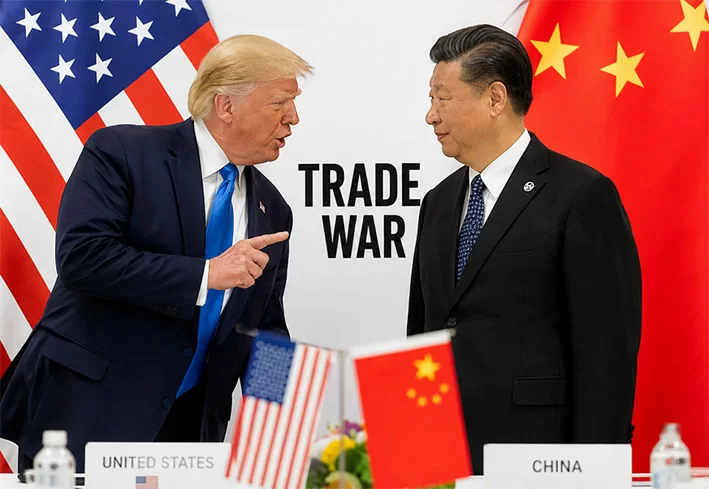
    Escalating military confrontations between the United States-Israel coalition and Iran have unleashed profound disruptions across global financial and energy markets, generating widespread alarm over a potential worldwide economic downturn. The conflict, initiated by strikes on February 28, has triggered a dangerous cycle of retaliation that now threatens global economic stability.

    Tehran’s strategic retaliation has included ballistic missile attacks targeting Israeli territories, U.S. military installations, and critical energy infrastructure throughout the Gulf region. Particularly consequential has been Iran’s targeting of commercial vessels transiting the Strait of Hormuz—a vital maritime corridor responsible for approximately 20% of global oil and gas shipments—resulting in dramatically reduced traffic through this crucial waterway.

    The energy sector has experienced immediate and severe price shocks. According to Muyu Xu, senior crude oil analyst at Kpler, liquefied natural gas (LNG) prices have surged by nearly 60% since hostilities began. The situation worsened significantly when QatarEnergy, supplier of 20% of global LNG, suspended production following an Iranian drone attack on March 2, creating substantial strain on international LNG markets.

    Refined petroleum products including gasoline, diesel, jet kerosene, and fuel oil have all witnessed substantial price increases. Industry analysts project these trends will persist should energy flows through the Strait of Hormuz remain severely constrained.

    Capital Economics economists, led by Neil Shearing, present two potential scenarios in their March 9 assessment. A short-lived conflict could see Brent crude prices falling to $65 per barrel by year-end. However, a prolonged engagement might drive oil prices to approximately $130 per barrel in the second quarter, with year-end prices remaining elevated even if Strait shipments resume.

    The economic ramifications extend beyond energy markets. Data from Global Petrol Prices indicates at least 85 countries have reported increased gasoline prices since February 28, with Cambodia experiencing the most dramatic surge at 68%. Vietnam (50%), Nigeria (35%), Laos (33%), and Canada (28%) have likewise recorded significant increases.

    Governments worldwide are implementing extraordinary conservation measures. Pakistan and the Philippines have adopted four-day workweeks for government employees, while Thailand has mandated remote work for officials. Myanmar has instituted alternate-day driving restrictions, and Sri Lanka has implemented digital fuel rationing systems requiring online registration and QR code verification at pumps.

    International Monetary Fund Managing Director Kristalina Georgieva warned on March 9 that prolonged conflict poses significant inflationary risks to the global economy. Historians note that oil price shocks have frequently preceded economic downturns, citing the stagflation episodes of 1973, 1978, and 2008 as precedent.

    The aviation industry faces particular challenges, with jet fuel prices skyrocketing from $85-90 to $150-200 per barrel. Flight paths between Asia/Australia and Europe/US are being substantially lengthened to avoid Gulf airspace, increasing operational costs that are being passed to consumers through higher ticket prices.

    Frederic Schneider, nonresident senior fellow at the Middle East Council on Global Affairs, warns that debt-burdened Global South nations may face catastrophic debt crises should developed economies raise interest rates to combat inflation. The convergence of these factors creates a perfect storm threatening global economic stability.

  • JCI Antigua holds 11th annual Professionalism in Customer Care Seminar

    JCI Antigua holds 11th annual Professionalism in Customer Care Seminar

    The Junior Chamber International (JCI) Antigua successfully concluded its 11th Annual Professionalism in Customer Care Seminar at the Villa Community Centre, marking a significant milestone in its ongoing commitment to elevating service standards. The event attracted a diverse cohort of over 35 professionals representing a wide spectrum of enterprises across Antigua and Barbuda, underscoring a collective recognition of customer-centricity as a critical business driver.

    The seminar’s core agenda was meticulously designed to address the multifaceted challenges of contemporary customer relations. It positioned service excellence not merely as a functional requirement but as a fundamental pillar for enhancing customer satisfaction, fortifying brand reputation, and securing sustainable organizational growth in a competitive landscape.

    A series of dynamic and thought-provoking presentations formed the cornerstone of the event, equipping attendees with actionable strategies. Keynote topics included ‘Every Touchpoint Matters: Customer Service Excellence Across All Platforms,’ which emphasized the need for a seamless and consistent omnichannel experience. Another pivotal session, ‘From Stress to Strength: Building Emotional Resilience in Customer Care,’ provided tools for professionals to manage high-pressure interactions effectively. A forward-looking discussion on ‘The Role of Artificial Intelligence in Modern Customer Care’ explored the integration of technological innovations to streamline support and personalize user engagement.

    These interactive sessions delivered a wealth of practical knowledge, offering fresh paradigms to refine service delivery protocols, enhance the quality of customer engagements, and navigate the rapidly evolving expectations of the digital age.

    JCI Antigua extended its profound gratitude to all participating businesses for their engagement and for acknowledging the indispensable role of superior customer service in operational success and economic development. The organization also lauded the contributions of its facilitators, event partners, and supporters, whose collaborative efforts were instrumental in the seminar’s achievement.

    Through this annual initiative, JCI Antigua reaffirms its dedication to fostering professional development, championing operational excellence, and empowering both individuals and organizations within the national business community to achieve new heights of service quality.

  • Barbados wins public debt management award

    Barbados wins public debt management award

    In a landmark ceremony hosted in London, the Commonwealth Secretariat has conferred its inaugural Public Debt Management Awards upon Barbados, Tanzania, and Sri Lanka. These nations were distinguished for their groundbreaking and sustainable approaches to handling national debt, setting a new benchmark for financial innovation within the 56-member association.

    An independent adjudication panel selected the winners based on rigorous criteria, including innovation, resilience, and long-term sustainability, following a comprehensive review of submissions from member states. The awards were announced during the closing session of the week-long Commonwealth Public Debt Management Forum, a premier gathering of senior finance officials, debt managers, and representatives from global financial institutions.

    Barbados’s Debt Management Unit secured the Regional Debt Management Office Award for the Caribbean for its pioneering implementation of debt-for-climate swaps. This innovative financial instrument enables the nation to negotiate reductions in its external public debt obligations by redirecting repayments into domestic environmental and climate resilience projects, effectively addressing both fiscal and ecological challenges simultaneously.

    The ceremony, inaugurated by Commonwealth Deputy Secretary-General for Programmes Tanmaya Lal, was attended by high commissioners, treasury representatives, and officials from development organizations. The accompanying forum served as a critical platform for peer-to-peer learning, where debt managers engaged in intensive discussions on sovereign borrowing strategies, debt repayment mechanisms, and the development of robust policy frameworks aimed at ensuring inclusive and sustainable debt management.

    Insights and collaborative strategies derived from the forum are expected to directly influence the technical support and capacity-building programs the Commonwealth Secretariat provides to member countries, empowering them to fortify their economic governance and operational resilience in public finance.

  • From handmade roots to modern creativity: A mother-daughter duo’s crochet journey

    From handmade roots to modern creativity: A mother-daughter duo’s crochet journey

    Samantha Alexander, Creative Director of Suzy Dezigns, has transformed childhood crochet lessons into a flourishing commercial enterprise, blending ancestral tradition with contemporary design aesthetics. Her journey represents a remarkable case study in cultural preservation through entrepreneurial innovation.

    Initially introduced to the craft at just seven years old by her mother Constance Alexander, Samantha’s early creations were simple doll accessories that gradually evolved into sophisticated design capabilities. Despite a period of divergence during her youth, a pivotal moment occurred in 2016 during a floral arrangement class where she integrated crochet elements into bridal packages, sparking professional rediscovery.

    Market validation emerged organically as public interest grew from initial requests for brooches to expanded demand for diverse product lines including artisanal earrings, handcrafted bags, functional coasters, mug warmers, and specialized baby items. What began as informal experimentation in October 2016 formally incorporated as registered business entity by May 2017, earning market recognition for exceptional craftsmanship quality.

    The enterprise’s foundation rests upon remarkable intergenerational knowledge transfer. Constance Alexander’s own journey began with improvisational ingenuity at primary school age, utilizing coconut sticks as makeshift crochet needles due to economic constraints. Her decades of craftsmanship produced countless family garments including boutique children’s wear, communion dresses, and specialized knitwear, eventually extending to pedagogical instruction that emphasized pattern comprehension and technical literacy.

    Despite evolving consumer preferences that affected traditional baby item demand, both generations demonstrated adaptive innovation. Constance transitioned to creating ornamental animal figures appealing to contemporary tastes, while Samantha continues expanding into apparel markets with designed tops and skirts awaiting public presentation.

    This mother-daughter narrative illustrates how traditional crafts evolve across generations while maintaining cultural authenticity. From resourceful beginnings with natural materials to modern business registration, their story embodies both creative resilience and entrepreneurial adaptation, ensuring that handcraft artistry remains both economically viable and culturally significant in contemporary markets.