分类: business

  • Rodrigues woos investors to Rupununi

    Rodrigues woos investors to Rupununi

    Guyana’s Minister of Tourism, Industry and Commerce Susan Rodrigues has issued a compelling call to action for domestic investors, urging them to capitalize on emerging opportunities in the Region Nine (Upper Takatu-Upper Essequibo) area. This appeal comes alongside significant infrastructure advancements, including the ongoing construction of the critical Linden-Lethem Road and planned development of a major international airport in Lethem.

    Addressing attendees at the Georgetown Chamber of Commerce and Industry’s annual awards ceremony, Minister Rodrigues emphasized that Guyanese businesses should not delay their strategic positioning until project completion. “Now is the time to make strategic decisions about your presence, your services and your role in that region,” she asserted, highlighting that the roadway will create direct access to substantial economic zones in neighboring Brazil.

    The Minister confirmed that contract awarding for the modern Lethem airport has been finalized, with construction scheduled to commence in 2026. Rodrigues delivered a sense of urgency to potential investors, stating plainly: “If you are not there, you’re almost late already.

    Tourism development features prominently in the government’s regional strategy, with Rupununi identified as one of ten priority locations for eco-lodge construction. Rodrigues specifically invited GCCI members to submit proposals for these initiatives, noting they represent “potential opportunities for business expansion through engagement and partnership with local communities.”

    The investment push coincides with Guyana’s remarkable tourism growth trajectory. Official projections indicate a 20 percent increase in visitor numbers compared to the previous year, with the Caribbean Tourism Organization confirming the country achieved the region’s “highest percentage increase” in tourist arrivals during the first seven months of 2025.

  • Montecristi and Dajabón producers to receive RD$23 million for solar energy projects

    Montecristi and Dajabón producers to receive RD$23 million for solar energy projects

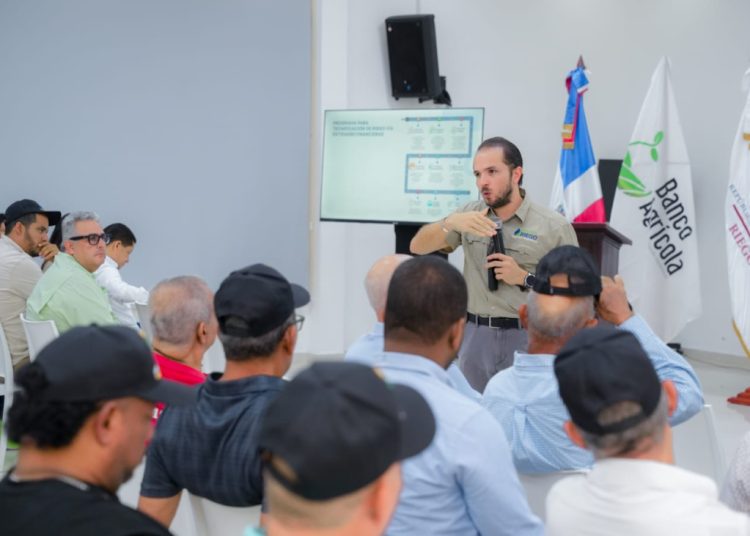
    The Dominican Republic’s agricultural sector is embracing renewable energy through a major government-backed initiative. The National Irrigation Technology Directorate (TNR) and the Agricultural Bank (Bagrícola) have announced a new funding round under the Fund for the Promotion of National Irrigation System Technology (Fotesir), specifically targeting agricultural producers in the northwestern provinces of Montecristi and Dajabón.

    This program provides substantial non-refundable incentives covering up to 25% of project costs, backed by an investment of RD$23 million (approximately US$390,000). The primary objective is to facilitate the adoption of solar-powered irrigation systems that reduce production expenses, enhance climate resilience, and advance sustainable farming practices across the nation.

    Operating under the Bagri-Riego program framework, this initiative will accept applications until February 6, 2026. It represents a strategic effort to modernize Dominican agriculture by decreasing reliance on fossil fuels while promoting environmentally conscious farming methods.

    Claudio Caamaño Vélez, Director of TNR, emphasized that solar energy integration is crucial for agricultural modernization. “Photovoltaic technology serves as a transformative tool for reducing energy costs, boosting productivity, and strengthening national food security while simultaneously supporting our environmental commitments,” Vélez stated.

    Steven Baldera, Project Coordinator at Bagrícola, revealed enhanced financing terms accompanying the technological incentives. Loan repayment periods have been extended from five to seven years with reduced interest rates, including special provisions of 7% financing for female agricultural producers and zero-interest loans for young farmers.

    The program has already generated significant interest nationwide, with hundreds of producers participating. Montecristi and Dajabón now join other regions benefiting from these renewable energy and irrigation technology projects.

    Eligibility is restricted to small and medium-scale agricultural producers—both individuals and legal entities—operating in the two northwestern provinces. Projects are limited to 60 kilowatts of installed capacity. Priority consideration will be given to proposals that demonstrate: replacement of conventional energy sources with solar irrigation technology, improved water efficiency, rehabilitation of existing pumping equipment, and measurable reduction of environmental impact. These criteria align with the government’s broader vision for a more competitive and sustainable agricultural sector.

  • Dominican Rep. : Export volume to Haiti will exceed US$1 billion (2025)

    Dominican Rep. : Export volume to Haiti will exceed US$1 billion (2025)

    The Dominican Republic’s export economy with Haiti is poised to break the $1 billion barrier in 2025, according to the latest trade data released by the General Directorate of Customs (DGA). Between January and October 2025, bilateral trade reached $982.9 million, dominated by $977.13 million in Dominican exports to Haiti with only $5.77 million in return imports.

    This substantial trade flow represents a remarkable 30.09% increase compared to the same period in 2024, highlighting one of the Caribbean’s most dynamic economic relationships despite regional challenges. The trade ecosystem involves 1,212 exporters from 20 Dominican provinces trading 1,821 different product categories, demonstrating significant diversification in commercial exchange.

    The export structure reveals that 70.07% of shipments operate under the national regime, followed by free trade zones (22.67%), temporary admission (3.80%), and re-export mechanisms (3.45%). Dominant export categories include unalloyed iron or steel bars (11.01%), hydraulic cements including colored variants (9.43%), and wheat or mixed grain flour (6.27%), positioning the Dominican Republic as a critical supplier of industrial, construction, and food production inputs to Haiti.

    Free trade zone exports show particular concentration in textiles, with knitted t-shirts and undershirts accounting for 35.09% of shipments, followed by other cotton fabrics (29.26%) and textile yarns and ropes (5.24%).

    Conversely, imports from Haiti have experienced a dramatic 56.81% decline, reflecting diminished production capacity likely attributable to ongoing political instability and security challenges within Haiti. This growing trade imbalance underscores the asymmetric nature of the economic relationship between the two neighboring nations.

  • Recycling pilot exposes missing links as Jua Kali prepares Phase Two

    Recycling pilot exposes missing links as Jua Kali prepares Phase Two

    A groundbreaking recycling pilot project in Saint Lucia has demonstrated both the potential and challenges of creating a functional circular economy in the Caribbean region. Spearheaded by social development entrepreneur Laurah John and her company Jua Kali Ltd, the innovative program collaborated with retail giant Massy Stores to tackle the dual crises of waste management and community empowerment.

    The initiative, launched in 2014 but recently implemented through a pop-up depot system, established collection points outside Massy Stores where residents could exchange plastic and glass containers for reward points. This incentive-based model successfully collected 32 tonnes of recyclable materials, diverting 24 tonnes from landfills while highlighting critical infrastructure gaps that prevented full utilization of the collected waste.

    According to John, the project revealed that behavioral change through incentives is achievable when integrated into daily routines. However, the initiative exposed deeper structural deficiencies, particularly the absence of reliable local markets for recycled materials and inadequate processing infrastructure. Approximately 7.4 tonnes of carefully sorted and prepared materials ultimately reached landfills due to what John described as ‘an incomplete system’ lacking downstream processing capabilities.

    Kelly Mitchell, Massy Stores’ Divisional Head of Marketing and Corporate Communications, expressed strong satisfaction with Jua Kali’s performance, emphasizing the company’s commitment to measurable environmental impact. ‘We have very strict KPIs in terms of environmental impact,’ Mitchell stated, noting that the supermarket chain prioritizes partnerships with organizations that share their vision for sustainable development.

    The pilot project identified four essential conditions for successful circular economy implementation: effective incentive systems integrated into community routines, decentralized collection systems to reduce transportation costs, reliable local and regional buyers for recycled materials, and shared responsibility among multiple stakeholders.

    Building on these insights, Jua Kali is now preparing for an ambitious second phase focused on developing the necessary infrastructure and partnerships. This includes establishing decentralized collection centers with preprocessing capabilities, identifying reliable local manufacturers who can utilize recycled materials, and creating a robust multi-stakeholder partnership model.

    John emphasized that true circular economy transformation requires moving beyond small pilot projects toward sustained, impactful solutions that can transform communities while addressing both environmental and social challenges. The initiative represents a significant step toward redefining waste management in the Caribbean while creating economic opportunities for disenfranchised communities.

  • UWI economist raises fresh concerns over Economic Diversification Bill

    UWI economist raises fresh concerns over Economic Diversification Bill

    A significant policy divergence has emerged in Barbados as Professor Don Marshall, Director of the Sir Arthur Lewis Institute of Social and Economic Studies (SALISES), has raised substantive concerns regarding the government’s newly passed Economic Diversification and Growth Fund Bill. The legislation, approved by the House of Assembly last Friday, establishes a dedicated fund with an initial allocation of $225 million from the Consolidated Fund, distributed in $75 million annual installments over three years, supplemented by parliamentary resolutions and external grants.

    The fund’s stated objective is to provide financial support to selected companies aiming to enhance employment opportunities, increase foreign exchange earnings, and stimulate overall economic growth. However, Professor Marshall contends that subsequent clarifications by Prime Minister Mia Mottley reveal the bill primarily focuses on adjusting tax rates for foreign corporations seeking investment opportunities in Barbados, creating a fundamental misalignment with its purported diversification goals.

    The political economist emphasized that effective economic diversification legislation typically anchors foreign investment incentives within a comprehensive industrial policy framework. He noted the current bill conspicuously lacks critical elements including innovation mechanisms, value-added intentions, or clearly delineated target sectors for capital development. This absence of strategic direction, Marshall argues, undermines the legislation’s capacity to achieve genuine economic transformation.

    Drawing from three decades of economic data, Marshall demonstrated that previous foreign direct investment inflows have predominantly reinforced Barbados’ commercial dealing economy rather than driving diversification. Most investments have concentrated in real estate speculation and import distribution networks, generating temporary employment spikes during construction phases but ultimately straining foreign reserves through substantial import dependencies for project components and maintenance.

    The academic proposed that tax rate adjustments could be more appropriately addressed through amendments to existing international business legislation rather than conflating them with diversification initiatives. He emphasized that successful economic transformation depends less on tax incentives and more on strategic state posture, including negotiated relationships with investors, ministerial capacity, civil society engagement, and government steering mechanisms toward priority sectors.

    The legislation defines qualifying companies as those maintaining substantial economic presence outside Barbados while engaging in, or intending to engage in, significant economic activities within the country.

  • South America market still strong post-Melissa, says Bartlett

    South America market still strong post-Melissa, says Bartlett

    JAMAICA — Jamaica’s tourism sector is demonstrating remarkable resilience with South American markets driving a powerful post-hurricane recovery, according to Tourism Minister Edmund Bartlett. While North American arrivals have experienced temporary adjustments, South American visitor numbers have not only rebounded but exceeded pre-Hurricane Melissa levels with a sustained 77% increase.

    Minister Bartlett, speaking during a sector update at Ocean Coral Spring Hotel following a tour of Falmouth attractions, revealed significant airlift expansions from South America. Copa Airlines has substantially increased its weekly flights to Jamaica, now operating 10 weekly flights to Montego Bay alongside 5 to Kingston—exceeding pre-hurricane capacity by two additional flights.

    “This expansion represents a strong vote of confidence in our destination’s recovery,” Bartlett stated. “Our air seats are adequately aligned with current capacity, and the sustained momentum from South American markets indicates robust demand.”

    European markets remain strong according to the Minister, with the United Kingdom maintaining particularly powerful performance. North American markets (United States and Canada) are showing signs of rebounding as room inventory increases, with full recovery anticipated by 2026.

    The destination has welcomed approximately 300,000 visitors within a short period post-Melissa, positioning Jamaica for what Bartlett describes as a “V-shaped recovery.” Attractions across the island from Morant Point along the northern coastal area are fully operational.

    Hoteliers confirm the positive trend, with Ocean Coral Spring and Ocean Eden Bay General Manager Rudy Richardson reporting strong demand pressures. “We’re currently operating at 85% of our 954-room inventory with sales teams pushing for 100% capacity,” Richardson noted. The property maintained continuous operations throughout the hurricane period with all 1,250 staff retained.

    Final touch-up works are underway across properties, ensuring rooms meet quality standards before availability. The sustained airlift expansion and strong market performance indicate Jamaica’s tourism sector is exceeding recovery expectations.

  • In war, we’re on our own

    In war, we’re on our own

    Amid escalating geopolitical tensions between the United States and Venezuela, the Insurance Brokers Association of Trinidad and Tobago has issued a stark warning to businesses: standard insurance policies provide no coverage for war-related damages. The December 11 advisory emphasized that catastrophic and unpredictable nature of conflict losses makes them fundamentally uninsurable through conventional means.

    The association’s executive board member Navin Dookeran acknowledged that while brokers can explore specialized foreign insurers for potential coverage options, the global insurance market universally struggles with pricing war risk premiums due to the inherent unpredictability of conflict-related losses.

    This warning carries particular significance for Trinidad and Tobago, where historical precedents demonstrate the devastating financial impact of civil unrest. The 1990 attempted coup by Yasin Abu Bakr resulted in over $1 billion in losses from looting and property destruction, mirroring similar insurance claim denials following the 1970 Black Power demonstrations. Legal test cases including the Nahous and Grell-Taurel actions ultimately confirmed insurers’ exemption from covering conflict-related losses.

    The current geopolitical climate presents additional economic vulnerabilities beyond direct physical damage. Should Trinidad and Tobago be classified as a high-risk zone due to proximity to US-Venezuela tensions, the country could face substantial increases in shipping and aviation insurance costs. This scenario echoes post-9/11 developments when the FAA expanded its Aviation War Risk Program after private insurers canceled policies following massive claims.

    Specialized coverage options like Bumbershoot policies exist for commercial maritime war risks, but these remain niche products with limited accessibility. The insurance industry’s position reflects the harsh economic reality that war creates fundamentally unquantifiable risks that challenge the very foundations of insurability.

  • Digicel Christmas caravan connects with communities

    Digicel Christmas caravan connects with communities

    Digicel has launched an expansive Christmas initiative across Trinidad, deploying a mobile Community Pop-Up Caravan to deliver festive surprises and genuine connections throughout the holiday season. The telecommunications giant is transforming the traditional corporate giveaway into a moving celebration that brings Santa Claus and his helpers directly to communities, markets, and main roads.

    The caravan initiative represents a significant investment in community engagement, with over $700,000 in prizes and weekly giveaways being distributed to surprised recipients. Gifts range from practical groceries and Christmas hams to electronic devices and seasonal treats, creating unexpected moments of joy for customers throughout December.

    Security measures have been implemented to ensure Santa’s safety during his nationwide appearances, with officers accompanying the caravan during its travels across Trinidad. This attention to safety underscores the company’s commitment to executing a seamless and secure community engagement operation.

    Beyond the mobile caravan, Digicel has converted multiple flagship and dealer locations into festive hubs where customers can experience live entertainment, holiday treats, and interactive activities. The Spin the Wheel giveaway stations and appearances by popular influencers add to the celebratory atmosphere at these transformed retail spaces.

    The Christmas Runs on Real Connections campaign represents a strategic approach to holiday marketing that emphasizes authentic engagement over traditional advertising. By bringing the celebration directly to communities rather than waiting for customers to visit stores, Digicel is creating memorable brand experiences that blend corporate generosity with genuine human connection.

    This initiative demonstrates how telecommunications companies are increasingly leveraging experiential marketing strategies to build customer loyalty and community goodwill during peak holiday seasons.

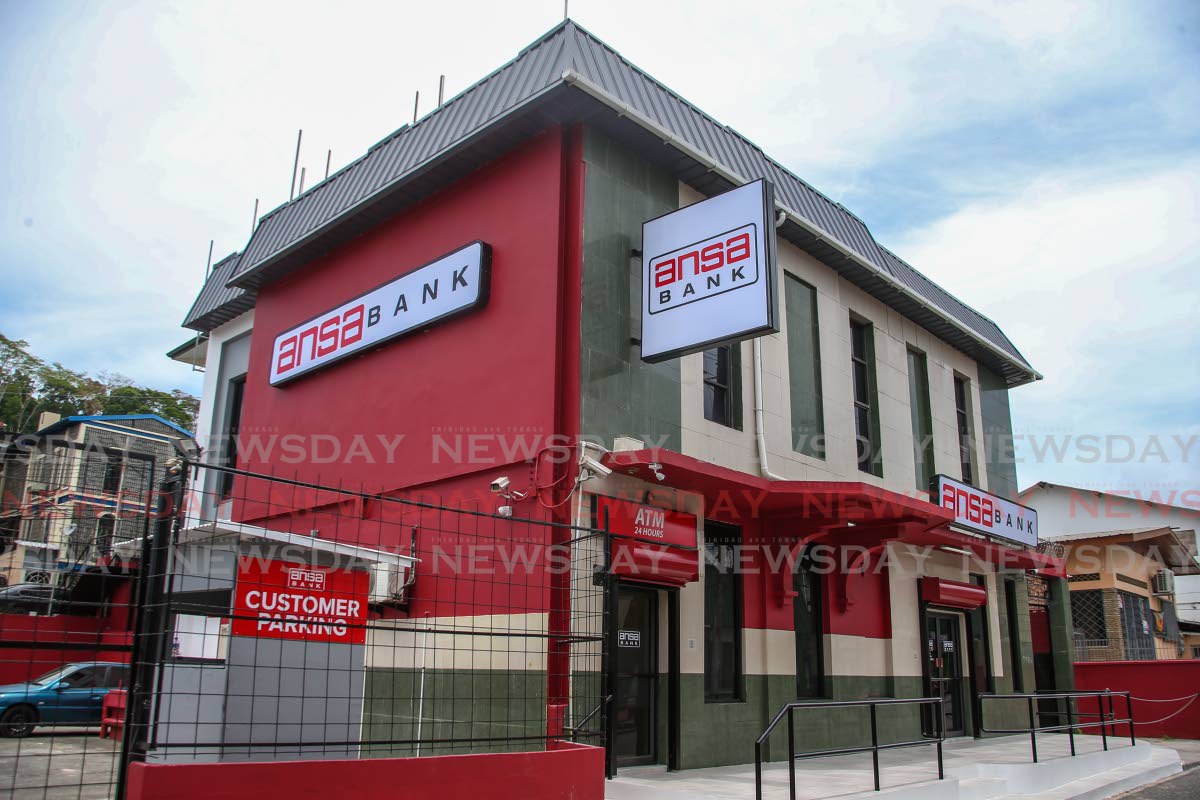
  • Ex-worker, companies ordered by court to pay Ansa Bank $40m

    Ex-worker, companies ordered by court to pay Ansa Bank $40m

    In a landmark ruling with significant implications for Trinidad and Tobago’s financial sector, the High Court has mandated over $40 million in damages, interest, and costs be paid to Ansa Bank Ltd following a sophisticated fraudulent loan scheme. Justice Frank Seepersad delivered the decisive judgment on December 15, culminating a complex case that exposed critical vulnerabilities in banking oversight.

    The court found former business development officer Dwayne Rojas at the heart of an elaborate conspiracy that defrauded the institution of approximately $30 million over two and a half years. Evidence revealed Rojas systematically processed fraudulent vehicle loan applications supported by fabricated employment letters and falsified documentation. The scheme involved collusion with multiple auto dealerships that presented non-existent luxury vehicles as collateral, including purported Lexus, Range Rover, BMW, and Jeep models that were actually lower-end vehicles or commercial trucks.

    Justice Seepersad ordered Rojas to pay $16.5 million in damages, while five corporate defendants faced substantial judgments: Ceylon Marketing Ltd ($6.3 million), Joalex Auto Ltd ($11.8 million), Miva Import Export Consultancy Ltd ($4.1 million), Diamond Conceptions Company Ltd ($389,923), and It’s A Deal Ltd ($837,313). Each entity additionally faces prescribed costs ranging from $27,221 to $131,934.

    In scathing commentary, Justice Seepersad criticized Ansa Bank’s internal controls as “woefully wanting” and condemned the institution’s approach to litigation against junior employees. The judge dismissed claims against several former staff members—Zaria Sankar, Reyvaan Rampersad, and Kerry Ramsaroop—finding no evidence of wrongdoing. The court awarded these wrongfully sued defendants over $896,000 in costs, noting that the bank had engaged in an “ill-advised” and “bullying stance” that unfairly impacted innocent individuals.

    The ruling highlighted that senior officers who approved the questionable loans were neither sued nor called as witnesses, raising questions about accountability structures within the institution. Justice Seepersad revealed the fraud was only uncovered after a whistleblower contacted a former bank director in June 2023.

    In a significant development, the judgment has been referred to the Director of Public Prosecutions and Commissioner of Police for potential criminal proceedings against Rojas, former employee Randy Gottsleben, and the implicated dealers. Additionally, the Minister of Trade, Industry and Tourism will review whether the involved dealerships should retain their operating licenses.

    The case exposed numerous red flags ignored by the bank, including loan applications where driver’s permits were issued to 14-year-olds and employment letters containing glaring inconsistencies. Justice Seepersad characterized Rojas’s conduct as pursuing a “facinorous and opportunistic agenda,” noting evidence of regular socialization with dealership representatives that supported collusion findings.

  • Jonge ondernemers krijgen structurele steun

    Jonge ondernemers krijgen structurele steun

    The Surinamese government is developing a comprehensive structural program to train and mentor young entrepreneurs, with President Jennifer Simons announcing collaborative efforts with the Inter-American Development Bank (IDB) during Saturday’s Entrepreneurship Fair & Bazaar at the Congreshall. Existing institutions have already initiated training programs as part of this national initiative.

    President Simons emphasized the critical importance of providing youth with economic development opportunities to prevent cycles of poverty. She stated that sustainable entrepreneurship requires robust support through training, skill development, and continuous guidance. “Young people must be given the space to excel in their chosen fields,” Simons declared during her address.

    The event, organized by the RUMAS Foundation under Emmy Hart’s leadership and themed ‘Dream to Goal,’ focused on promoting self-employment among young Surinamese. The president commended the organization’s efforts, describing the participation of young trainers and attendees as “encouraging and hopeful.”

    Multiple government agencies are already implementing support measures. The Foundation for Labor Mobilization & Development (SAO) has commenced training sessions, while the Foundation for Productive Work Units (SPWE) requires further strengthening. The Ministry of Youth Development and Sports has also scheduled educational activities. Additionally, the government plans to establish a specialized institute next year to guide aspiring entrepreneurs through partnerships with private sector entities and existing community organizations.

    President Simons highlighted that well-prepared entrepreneurs will be positioned to capitalize on emerging opportunities as Suriname’s oil and gas sector develops further. She urged young entrepreneurs to persevere and continue their education despite business challenges.

    The fair featured presentations from four entrepreneurial groups representing hairstylists, textile workers, landscapers, and pastry chefs. The Volkscredietbank (VCB) provided information about affordable loan options, while RUMAS director Hart announced new training programs for canteen management, car wash businesses, and construction sectors.

    Participant Kelvin Paiman, a hairstylist, described the event as a significant motivational boost. “My hobby has become my profession,” he stated, noting that such initiatives help eliminate doubts among youth considering business ventures.