分类: business

  • Naxos Trading brings quality, affordable products to Jamaica’s digital marketplace

    Naxos Trading brings quality, affordable products to Jamaica’s digital marketplace

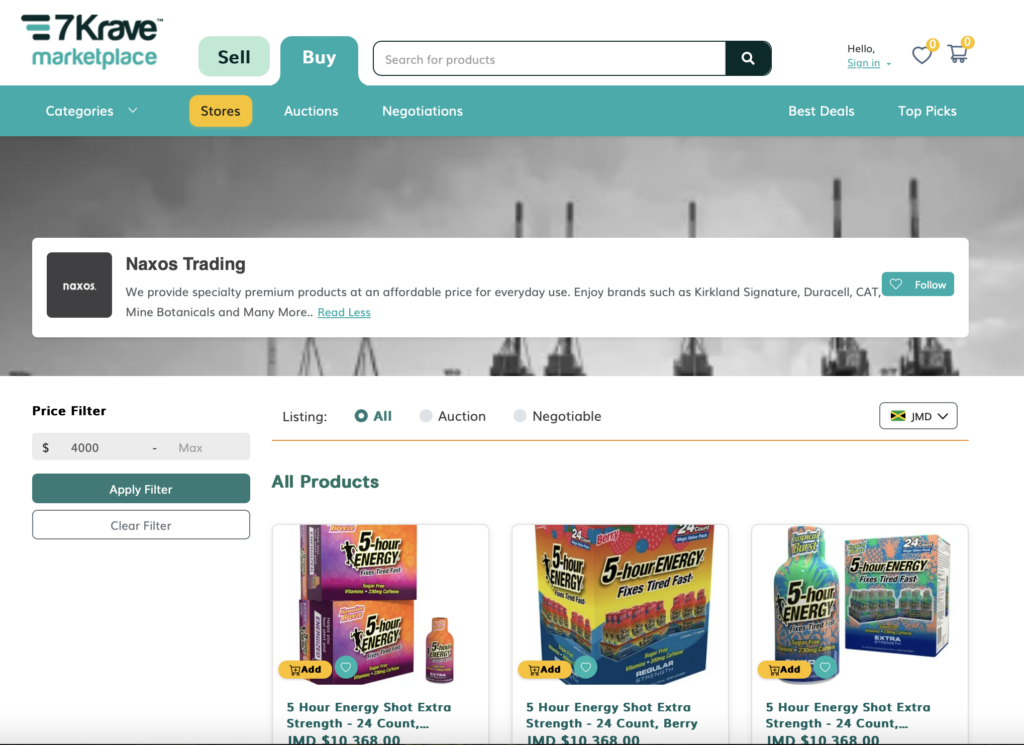
    KINGSTON, Jamaica — Naxos Trading has emerged as a significant player in Jamaica’s rapidly expanding digital marketplace, positioning itself as a premier destination for affordable quality products since its January 2025 launch. The online retailer has strategically aligned with 7Krave Marketplace, an established digital platform, to overcome traditional barriers faced by small and medium-sized enterprises in the Caribbean nation.

    This innovative partnership leverages 7Krave’s robust technological infrastructure to address critical challenges including inventory management, delivery logistics, and digital marketing. Through the integrated mobile application, Naxos Trading has accelerated its market penetration while maintaining a customer-centric operational model that prioritizes accessibility and convenience.

    The company’s product portfolio showcases an intentional blend of health-conscious and practical offerings. Shoppers can discover 100% natural deodorants, specialized personal care items including Neem Essential Care 5-in-1 Toothpaste, and Mine Botanicals Raw and Organic Skin and Hair Oils. The selection extends to globally recognized Kirkland Signature brand products such as Himalayan Pink Salt, premium olive oils, and organic virgin coconut oil.

    Beyond wellness products, Naxos Trading addresses everyday practical needs with solar lanterns, utility storage solutions, automotive supplies including synthetic motor oils, and authentic Jamaican honey. This diverse merchandise strategy reflects a comprehensive approach to serving household, automotive, and lifestyle requirements.

    Founder Mario Thomas emphasized the transformative impact of the partnership: “The collaboration with 7Krave Marketplace has provided a streamlined solution that enables entrepreneurs to list products efficiently, benefit from reliable island-wide delivery systems, and access thousands of daily platform users across Jamaica.”

    Demonstrating corporate social responsibility, Naxos Trading has implemented a hurricane relief initiative offering customers a 10% discount using promo code RELIEF10 when purchasing items to support Hurricane Melissa recovery efforts.

    Consumers can access Naxos Trading’s offerings via https://7krave.com/marketplace/stores/naxos-trading or through the 7Krave Mobile App available on major digital platforms.


  • Uber opens registration for taxi drivers in Saint Lucia

    Uber opens registration for taxi drivers in Saint Lucia

    Uber Technologies has initiated the registration process for licensed taxi operators in Saint Lucia, marking a significant step toward the official debut of its ride-hailing services on the island nation. The December 16 announcement confirms the platform will operate exclusively under the Uber Taxi framework, requiring all participating drivers to hold valid taxi licenses and certifications.

    Jorge Cordero, General Manager for Uber’s Saint Lucia operations, emphasized the strategic focus on leveraging technology to enhance earning potential for local drivers. “We’re seeking licensed taxi professionals who want to expand their client base through digital innovation,” Cordero stated. “This initiative specifically targets the growing demographic of tourists who already prefer the Uber ecosystem during their travels.”

    The company is implementing a dual approach to market entry: directly onboarding individual drivers through the Uber Driver application while simultaneously engaging with established taxi associations and transportation enterprises across the island. This collaborative model aims to integrate existing transportation infrastructure with Uber’s technological platform.

    Prospective drivers must undergo a comprehensive verification process, submitting documentation including valid driving credentials, taxi permits, insurance certifications, banking information, photographic identification, and completed background checks. The Uber Taxi model already operates successfully in multiple Caribbean markets including Barbados, Jamaica, and the Dominican Republic, demonstrating the viability of this approach in similar tourism-driven economies.

    Uber’s expansion strategy focuses on connecting licensed operators with both residents and visitors, particularly targeting the substantial tourist population already familiar with the application’s functionality. The company confirms that while driver onboarding is currently underway, an official service launch date will be announced following completion of preparatory phases.

  • Dominican Republic pushed out its $3M Startup

    Dominican Republic pushed out its $3M Startup

    The recent announcement of HEVA’s $3 million pre-seed funding round reveals a troubling pattern within the Dominican Republic’s innovation ecosystem rather than celebrating another diaspora success story. Dominican-American founder Héctor Alex Terrero’s AI-native healthcare platform secured substantial venture backing only after relocating operations from Santo Domingo to the United States, despite two years of effort to build within his home country.

    HEVA represents precisely the type of venture-scale startup that Dominican institutions rhetorically support—operating at the intersection of AI, healthcare, and cross-border services that align with the nation’s promoted identity as a medical tourism hub. Yet when Terrero attempted to establish his previous fintech venture Moneda and later HEVA from within the Dominican Republic, he encountered systemic barriers rather than substantive support.

    The funding consortium that ultimately backed HEVA—including Collide Capital, Flybridge, Benchstrength, and Techstars—operates within jurisdictions equipped with modern venture infrastructure: robust investor protection frameworks, banking systems accommodating cross-border transactions, and regulatory environments that recognize technology startups as legitimate asset classes rather than novelties.

    This case study exposes fundamental weaknesses in the Dominican innovation economy:

    1. Structural deficiencies in venture capital infrastructure, including inadequate investor protections and misalignment between public policy and venture risk profiles
    2. Regulatory friction that penalizes modern corporate structures like Delaware C-corps and international banking arrangements
    3. Cultural confusion between traditional small businesses optimized for stability and venture-backed startups designed for exponential growth
    4. Predatory local investment terms offering small capital in exchange for disproportionate equity and control
    5. Disconnect between institutional rhetoric and actionable support mechanisms, with panels and networking events substituting for substantive ecosystem development

    The consequences extend beyond individual startups. The Dominican Republic loses high-skill employment opportunities in engineering, product development, and operations; forfeits regulatory learning that could inform future policy decisions; and diminishes investor confidence in local tech talent and jurisdiction viability.

    Parallel research from Successment Venture Labs examining risk modeling deficiencies reveals broader systemic issues. Outdated credit scoring mechanisms prioritize formal paperwork over behavioral data, excluding approximately half the workforce operating in informal sectors despite demonstrating reliability. This risk-aversion mentality permeates both investment decisions and institutional support frameworks.

    The solution requires moving beyond branding exercises to address technical foundations: modern investor protection laws, distinct legal and tax regimes for venture-backed startups, banking reforms accommodating cross-border capital flows, and domestic investment vehicles structured for appropriate risk-return profiles rather than control-seeking arrangements.

    Until these structural reforms occur, the Dominican Republic will continue exporting its most promising ventures while celebrating their diaspora successes—a pattern that benefits LinkedIn narratives more than domestic economic development.

  • Dominican merchants criticize new Solid Waste Law 98-25 over business fees

    Dominican merchants criticize new Solid Waste Law 98-25 over business fees

    SANTO DOMINGO – A contentious new environmental law has sparked significant backlash from the Dominican Republic’s business community, with merchant federations warning of disproportionate economic impacts on smaller enterprises. Law No. 98-25, which modifies the country’s Comprehensive Management and Co-processing of Solid Waste framework, was unexpectedly promulgated by President Luis Abinader this week, immediately drawing criticism from commercial representatives.

    Iván García, President of the Dominican Federation of Merchants (FDC), emerged as the foremost critic of the legislation, characterizing its implementation as abrupt and ill-considered. The core contention centers on the law’s uniform fee structure that imposes identical financial obligations on businesses regardless of scale or revenue. “This legislation creates an absurd scenario where a corporation declaring over RD$10 billion pays precisely the same as an enterprise selling RD$100 million,” García stated, emphasizing the regressive nature of the fee system.

    The legislation, confirmed by Executive Branch legal advisor Antoliano Peralta Romero, represents the Dominican government’s ambitious attempt to modernize waste management protocols and advance environmental sustainability objectives. The updated legal framework significantly expands the regulatory purview of the Ministry of Environment and Natural Resources while introducing stricter controls on waste disposal operations and landfill management.

    Key environmental provisions include progressive measures targeting pollution reduction, particularly through phased prohibitions on single-use plastics and foam containers commencing in 2026. Exemptions will apply only to products incorporating certified biodegradable additives, reflecting the government’s commitment to transitioning toward a circular economy model.

    While acknowledging the environmental merits of the legislation, business advocates argue that the current formulation fails to account for fundamental economic realities. Merchant groups contend that without structural revisions incorporating graduated fees based on enterprise size and capacity, the law could inadvertently stifle commercial activity and place undue burdens on small and medium-sized businesses—the backbone of the Dominican economy.

    The unfolding situation presents a complex policy challenge pitting environmental imperatives against economic equity concerns, with stakeholders urging dialogue to develop more nuanced implementation frameworks.

  • BEL Seeks Price Adjustment After Years of Stability

    BEL Seeks Price Adjustment After Years of Stability

    Belize Electricity Limited (BEL), the nation’s primary power distributor, has formally requested its first electricity rate increase since 2030, signaling an end to a prolonged period of price stability. The company has petitioned the Public Utilities Commission (PUC) for an adjustment exceeding five cents per kilowatt-hour to address mounting financial pressures.

    The PUC has counter-proposed a more modest increase of approximately three cents per kilowatt-hour, acknowledging the utility’s need for financial recovery while balancing consumer protection concerns. This regulatory response comes as BEL faces unsustainable operational costs exacerbated by global energy market volatility and persistent supply chain disruptions.

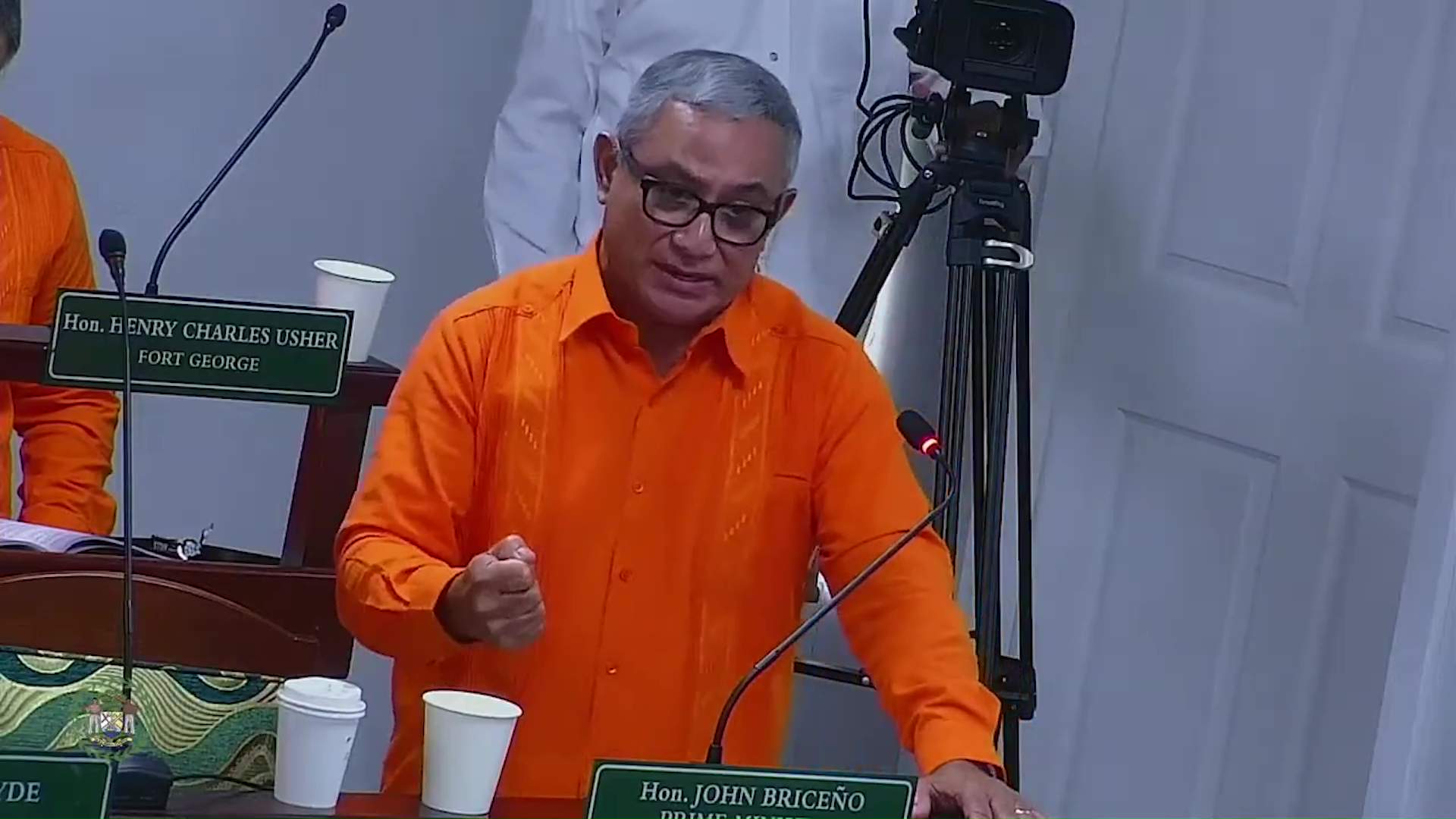
    Prime Minister John Briceño provided context for the requested adjustment, revealing that BEL has been operating at a significant deficit by selling electricity below procurement costs. “BEL has been selling its electricity cheaper than what it costs to buy,” Briceño stated, drawing parallels to business fundamentals: “You will not sell your fry chicken for less than what you are paying for the chicken.”

    The Prime Minister detailed extraordinary measures taken during recent crises, including negotiations with major consumers in tourist areas like San Pedro during supply interruptions from Mexico. BEL reportedly compensated businesses with generators to maintain grid stability when imported electricity costs surged to one dollar per kilowatt-hour—far exceeding domestic selling prices.

    Despite the proposed increase, Belize’s electricity rates remain competitive within the Caribbean region, though this comparative advantage has come at substantial cost to the utility’s financial health. The rate review process continues as stakeholders weigh economic realities against consumer impact.

  • Belize Targets Digital Asset Boom with New Compliance Rules

    Belize Targets Digital Asset Boom with New Compliance Rules

    The Central American nation of Belize is positioning itself at the forefront of digital asset regulation with comprehensive new legislation designed to establish robust oversight of cryptocurrency and digital asset markets. The proposed bill, currently under consideration in the House of Representatives, introduces stringent compliance requirements including enhanced customer verification protocols, secure digital record-keeping systems, and international information sharing mechanisms.

    Prime Minister John Briceño emphasized the urgency of regulatory adaptation during his address to lawmakers. “The global landscape for digital assets is changing rapidly,” Briceño stated. “While the United States previously maintained strong opposition to these activities, the current administration under President Trump has significantly shifted its stance, with substantial family investments entering this sector.”

    The legislative initiative directly responds to updated standards from the Financial Action Task Force (FATF), specifically Recommendation 15, which mandates that jurisdictions implement risk-based measures to regulate emerging technologies and digital asset services. Briceño highlighted that Belize cannot afford regulatory stagnation as digital currencies achieve mainstream adoption, noting that alignment with international standards is crucial for the nation’s financial security and economic development.

    The regulatory framework aims to balance innovation facilitation with consumer protection, establishing clear guidelines for digital asset service providers while preventing financial crimes. This move positions Belize among a growing number of nations developing structured approaches to cryptocurrency regulation amidst increasing global acceptance of digital assets.

  • Belize Builds Caribbean’s First Sugar Refinery

    Belize Builds Caribbean’s First Sugar Refinery

    Belize is poised to revolutionize the Caribbean sugar industry with the construction of the region’s first-ever sugar refinery, marking a significant advancement in agricultural value chain development. The transformative $40 million project, funded by U.S.-based SUCRO Sourcing and implemented through Santander Sugar, represents a strategic leap for Belize’s agricultural sector currently under development with an anticipated operational date of April 2026.

    This groundbreaking initiative will enable Belize to transition from primarily exporting raw, plantation white, and brown sugar to producing refined sugar—a commodity that Belize and numerous CARICOM member states currently import from outside the region. The investment agreement was formalized during the Belize Investment Summit and received formal endorsement from CARICOM through its Council for Trade and Economic Development (COTED).

    Beverly Burke, Public Relations Manager at Santander Sugar, revealed that the refinery concept has been part of the company’s strategic vision for over a decade. “A refinery was our plan from the very inception from the day Santander came to Belize,” Burke stated. “It’s a natural fit that represents the next evolutionary stage for our growing operations.”

    The project addresses a significant gap in the Caribbean market, where all refined sugar is currently imported despite the region’s substantial sugar production capabilities. Burke emphasized the expected economic impact: “The economic impact is definitely going to be significant. New Belizean hires will be coming on board to ensure continuity.”

    The refinery initiative promises enhanced regional production capabilities, value-added manufacturing development, and reduced dependency on extra-regional imports while contributing to social security, income tax revenues, and the nation’s overall GDP. The operation aims to deliver affordable, accessible refined sugar while maintaining competitive pricing and sustainable operations.

  • Costa Fascinosa begins home port operations at Sans Souci, strengthening Santo Domingo as a Caribbean cruise hub

    Costa Fascinosa begins home port operations at Sans Souci, strengthening Santo Domingo as a Caribbean cruise hub

    Santo Domingo has cemented its position as a premier Caribbean cruise destination with the formal inauguration of home port operations for the Costa Fascinosa at the Port of Sans Souci. This strategic development, orchestrated by the Dominican Port Authority (APORDOM), represents a significant advancement for the nation’s maritime tourism sector and will serve as the vessel’s operational base throughout the current cruise season.

    APORDOM Executive Director Jean Luis Rodríguez characterized this milestone as a cornerstone of the government’s broader strategy to establish the Dominican Republic as the Caribbean’s foremost cruise hub. The initiative is designed to amplify passenger volumes, stimulate economic activity through enhanced port operations, and solidify the country’s competitive standing in the global maritime tourism market.

    The commencement of operations was marked by a ceremonial exchange of commemorative plaques between port authorities and cruise line representatives. This time-honored maritime tradition symbolizes mutual cooperation, institutional confidence, and the cultivation of enduring partnerships. APORDOM has reiterated its dedication to implementing measures that boost the operational efficiency, competitive edge, and international prominence of Dominican ports, thereby reinforcing Santo Domingo’s emergence as a pivotal embarkation point for Caribbean cruise itineraries.

  • Crypto Capital Eyes Nevis — But Can Private Governance Work In The Caribbean? | News Americas Now

    Crypto Capital Eyes Nevis — But Can Private Governance Work In The Caribbean? | News Americas Now

    A contentious proposal to establish a semi-autonomous, technology-focused community on the Caribbean island of Nevis has ignited intense debate throughout the federation of St. Kitts and Nevis. Dutch cryptocurrency entrepreneur Olivier Janssens is advancing the ambitious ‘Destiny’ project, which aims to create a self-contained enclave tailored for global entrepreneurs, digital asset investors, and technologists seeking crypto-friendly infrastructure and alternative governance frameworks.

    The initiative operates under the recently enacted Special Sustainability Zones Authorization Act, which permits designated zones for testing innovative approaches to governance, technology, and sustainability. The project has already begun acquiring substantial coastal land parcels along Nevis’s southern coast, with architectural plans including luxury villas, commercial offices, medical facilities, and supporting infrastructure designed by prominent global firm Skidmore, Owings & Merrill.

    At the core of the controversy lies a proposal to implement private arbitration mechanisms for resolving certain legal disputes within the zone, potentially bypassing the nation’s established court system. Proponents argue this represents a forward-thinking approach to attract new capital streams to the Caribbean, particularly from global investors seeking jurisdictions receptive to digital asset innovation and fintech advancement. Janssens maintains the project would provide expedited, predictable dispute resolution for international commercial transactions while remaining compliant with national laws.

    However, the proposal has generated significant apprehension among local residents, legal professionals, and political leaders. Critics express concerns about creating a ‘state within a state,’ questioning the extent of governmental oversight that would remain if dispute resolution shifts to private judicial mechanisms. Additional worries center on land use patterns, environmental consequences, strain on public infrastructure, and the broader implications of privatized governance models in small island nations.

    The Destiny project aligns with the emerging ‘network state’ concept promoting digitally interconnected communities with shared governance frameworks operating alongside traditional nation-states. While gaining traction in technology circles, previous attempts to implement similar models elsewhere have encountered regulatory resistance, legal challenges, and financial instability—particularly during cryptocurrency market volatility.

    Analysts note that the interest from crypto investors highlights a broader trend of global capital seeking alternative development models in the Caribbean, especially in technology, digital services, and infrastructure. The critical challenge for governments involves distinguishing between speculative ventures and projects capable of delivering sustainable economic benefits while respecting legal frameworks and social cohesion.

    The project’s ultimate realization will depend on multiple factors: governmental supervision, community involvement, investor confidence, and successful integration of private governance mechanisms with public legal systems. This development serves as a significant case study examining both the potential benefits and risks of crypto-driven initiatives in small island economies, potentially influencing how Caribbean governments approach unconventional investment and governance proposals in an evolving global landscape.

  • Cellphone Repair Technicians Raise concerns during meeting on new Consumer Protection Act

    Cellphone Repair Technicians Raise concerns during meeting on new Consumer Protection Act

    In a significant regulatory development, the Prices and Consumer Affairs Division convened a crucial meeting with cellphone repair technicians on December 10th, 2025, to outline the comprehensive requirements of the newly enacted Consumer Protection Act 2025. The gathering, hosted at the Inland Revenue Department’s Conference Room under the leadership of Director Orrin Steele, brought together over 20 industry professionals to discuss the practical implications of the groundbreaking legislation.

    The session revealed several transformative provisions that will fundamentally reshape operational protocols within the repair sector. Among the most notable mandates is the requirement for technicians to maintain detailed service records including consumer contact information, accurate descriptions of goods, replacement value estimates, labor cost breakdowns, and precise service timelines. These records must be formally presented to consumers in either printed or electronic format for written approval before commencing repairs.

    While technicians expressed concerns about potential increases in operational costs, many acknowledged the long-term benefits of enhanced tracking capabilities for customer management and dispute resolution. The pricing transparency requirement emerged as particularly challenging, with technicians noting the difficulty in establishing fixed rates for services like unlocking, which fluctuate according to market conditions. The Division recommended implementing price ranges that reflect these variable market dynamics.

    The legislation introduces severe penalties for misrepresentation of non-genuine parts, including fines up to $5,000 ECD or potential imprisonment for offenders. Technicians must now explicitly disclose the use of non-original components and clearly indicate this information on all receipts.

    Additional provisions address post-repair retention periods, with the Division recommending a 90-day limit for storing repaired devices—a guideline that must be explicitly stated in service contracts. The Act also establishes clear protocols for additional repair authorization, protecting consumers from unauthorized charges while requiring technicians to obtain explicit consent before performing supplementary services.

    The meeting also clarified policies regarding returns and layaway agreements, establishing that consumers cannot return non-defective parts for price-matching purposes while outlining specific conditions under which cancellation fees may be applied to layaway arrangements.

    This collaborative dialogue between regulatory authorities and industry practitioners marks a significant step toward enhanced consumer protection while addressing the practical concerns of small business operators navigating the new regulatory landscape.