分类: business

  • Republic Bank introduces First Step savings account for the unbanked

    Republic Bank introduces First Step savings account for the unbanked

    Republic Bank (EC) Limited has unveiled a groundbreaking financial inclusion initiative with the September 2025 introduction of its First Step Account (FISA). This innovative banking solution is specifically engineered to eliminate traditional obstacles that have historically prevented underserved populations from accessing formal financial services across six Eastern Caribbean nations.

    The account, available throughout Anguilla, Dominica, Grenada, St Kitts & Nevis, Saint Lucia, and St Vincent and the Grenadines, requires only a single valid photo identification document for activation. This streamlined approach deliberately bypasses conventional requirements for proof of income or residential address that have typically excluded marginalized communities from banking participation.

    This strategic initiative forms part of the broader Eastern Caribbean Central Bank’s regional framework under the ECCU First Step Savings Account program. Republic Bank’s implementation aligns with its commitment to the United Nations Principles for Responsible Banking and directly supports Sustainable Development Goal 8, which focuses on fostering decent work conditions and sustainable economic growth.

    Account holders will gain access to comprehensive banking services including ATM transactions, debit card facilities, digital banking platforms through Republic Online and Republic Mobile, and bill payment capabilities. The bank’s senior management emphasizes that this represents a fundamental shift in banking accessibility philosophy rather than merely a new product offering.

    Ron Leon, Senior Manager of Corporate Services at Republic Bank (EC) Limited, stated: ‘Our vision extends beyond traditional banking parameters. The First Step Account embodies our commitment to dismantling financial barriers and creating genuine economic opportunities for all Eastern Caribbean residents, regardless of their documentation status or income level.’

    Prospective customers can obtain detailed application information through the bank’s official digital channels or by visiting any physical branch location throughout the participating territories.

  • Hewanorra Airport redevelopment shows steady progress

    Hewanorra Airport redevelopment shows steady progress

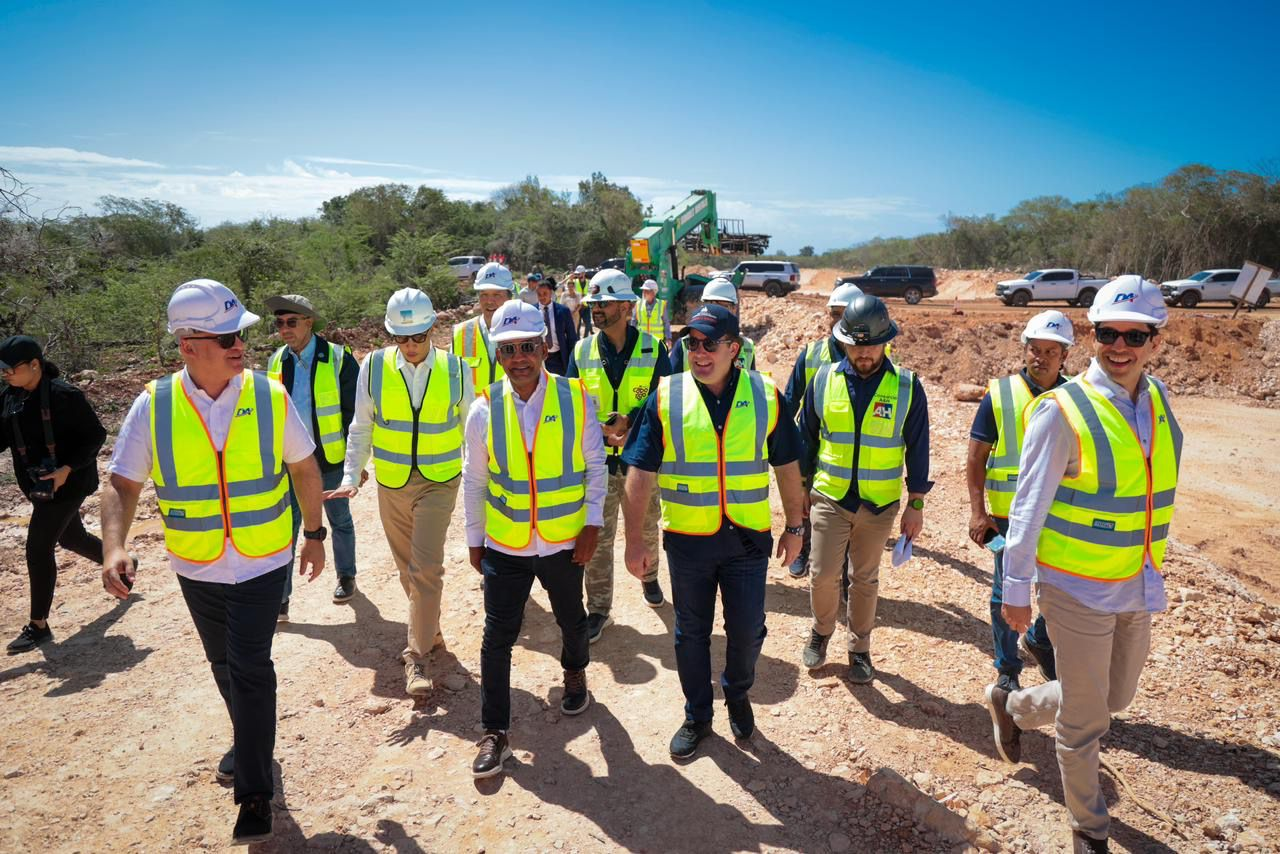
    Saint Lucia’s Hewanorra International Airport is undergoing significant transformation as critical modernization projects gain momentum. Infrastructure Minister Shawn Edward recently conducted an extensive site inspection alongside senior officials from the Saint Lucia Air and Sea Ports Authority (SLASPA) to assess progress on the long-awaited redevelopment initiative.

    The revitalization effort has marked a major milestone with the resumption of construction on the new Air Traffic Control Tower, a cornerstone project designed to enhance aviation safety and navigation capabilities. NH International (Caribbean) Ltd., in joint venture with Aeronav Inc., has been tasked with executing this vital infrastructure component.

    Minister Edward and SLASPA representatives conducted comprehensive evaluations of multiple operational facilities including the crash fire response hall, air cargo processing center, meteorological services department, and terminal building infrastructure. The broader redevelopment site was also subject to detailed technical assessment.

    This ambitious airport upgrade receives financial backing from the World Bank through the Caribbean Regional Air Transport Connectivity Project specifically allocated for Saint Lucia. The current phase emphasizes critical runway rehabilitation works alongside comprehensive facility improvements.

    Minister Edward emphasized that the Hewanorra International Airport redevelopment maintains its status as a priority national project, representing a strategic investment in operational efficiency, safety protocols, and overall aviation infrastructure. The enhanced facility is projected to solidify Saint Lucia’s position as a premier travel hub while strengthening regional and international connectivity.

  • Glasford Francis, Founder of Kennedy’s Club Ltd., Dies

    Glasford Francis, Founder of Kennedy’s Club Ltd., Dies

    The business community mourns the loss of Glasford Francis, the pioneering founder and guiding force behind Kennedy’s Club Ltd., who passed away on January 20, 2026. The company confirmed his passing in an official statement released this Tuesday, commemorating his extraordinary life and enduring legacy.

    Hailed as the patriarch of the Kennedy’s Club family, Francis was celebrated for his exceptional vision, profound generosity, and unwavering dedication to both his enterprise and his loved ones. These core principles not only shaped the company’s ethos but also profoundly impacted the countless lives it touched throughout its operation.

    Establishing Kennedy’s Club Ltd. in 1962, Francis steered the enterprise from its humble origins to its status as a venerable and highly respected institution within the local economic landscape. His transformative leadership over more than six decades was instrumental in building a brand synonymous with reliability and community values.

    The company’s statement emphasized that while Francis is no longer present, his indelible legacy will persist through the foundational values he embedded within the corporate culture and the robust institution he meticulously constructed. His passing marks the end of an era but affirms the continuation of his life’s work through the ongoing operations and philosophical underpinnings of Kennedy’s Club Ltd.

  • Uruguayan exporters conclude Mercosur-EU agreement

    Uruguayan exporters conclude Mercosur-EU agreement

    A comprehensive monthly analysis from an economic guild has shed new light on the significant implications of the EU-Mercosur association agreement, formally signed in Montevideo on January 17th. The report underscores the European Union’s pivotal role as a cornerstone for South American export growth and foreign investment.

    According to the study, which draws on official projections, the implementation of the treaty is anticipated to catalyze a substantial upswing in Mercosur nations’ exports, with an estimated increase nearing 4%. Furthermore, the accord is forecast to generate a 0.5% rise in employment, providing a tangible economic stimulus.

    Beyond these macroeconomic gains, exporters are anticipating a robust bilateral enhancement in the trade of both goods and services, coupled with a reciprocal surge in cross-continental investments. The agreement is also projected to fortify the competitiveness and security of international supply chains, addressing a key vulnerability exposed in recent years. A parallel strategic benefit involves the increased competitiveness and critical diversification of energy sources and essential raw materials, reducing dependency on single suppliers.

    The guild’s analysis extends into environmental governance, heralding the pact as a catalyst for transformative changes in the collective fight against climate change. The framework is noted for incorporating stringent measures aimed at curbing deforestation and actively promoting sustainable development practices across the member economies.

  • Melissa-ravaged small shopkeeper back on her feet with JN Bank support

    Melissa-ravaged small shopkeeper back on her feet with JN Bank support

    In the wake of Hurricane Melissa’s catastrophic passage over Jamaica, the storm’s legacy extended far beyond physical destruction, severely crippling the economic foundations of local entrepreneurs. Andrea Knox, a dedicated shopkeeper from Lime Hall, St Ann, faced the utter devastation of her livelihood when the Category 5 hurricane tore the roof from her establishment, a business she had painstakingly built over five years.

    The immediate aftermath forced Knox into swift action. During a brief lull in the storm, she, aided by family members, salvaged what merchandise she could, transporting it to her nearby home, which had also sustained damage. The total losses were substantial: a destroyed roof, ruined electronic equipment including a television and sound system, and a complete spoilage of refrigerated goods—three boxes of ice cream, chicken, and other items—due to prolonged power outages. Knox initially estimated her total losses at approximately $200,000 in spoiled stock and a further $250,000 required for structural repairs.

    Faced with an uncertain path to recovery, Knox found critical support through her existing relationship with JN Bank Small Business Loans. The institution provided a comprehensive financial recovery package. This began with an immediate two-month payment holiday on her existing loan, alleviating the pressure of repayments during the most critical period. Furthermore, the bank proactively restructured her loan agreement. This restructuring extended the loan’s term and provided additional capital, specifically allocated for roof repairs and replenishing inventory.

    Cian Murphy, Client Relations Manager at JN Bank Small Business Loans, emphasized the institution’s strategic approach. Murphy stated that such support, including tailored payment holidays and loan restructuring, is a fundamental commitment to the small business sector, which acts as the backbone of local communities. The goal extends beyond short-term relief, aiming to ensure long-term business viability by adjusting repayment schedules, reducing monthly obligations, and aligning terms with the client’s post-disaster financial reality. This flexibility is designed to help entrepreneurs regain stability without facing insurmountable long-term financial setbacks.

    With the injected funds, Knox successfully repaired her shop with a new roof and restocked her shelves. She expressed profound relief and confidence, noting that her business is not only operational again but is on a more secure footing. The intervention transformed a scenario of complete operational disruption into a story of resilient recovery, underscoring the vital role of responsive financial institutions in post-disaster economic healing.

  • Opportunities opening up with crime reduction, says Holness

    Opportunities opening up with crime reduction, says Holness

    Jamaican Prime Minister Andrew Holness presented a compelling case for investment on Tuesday, positioning the nation’s robust macroeconomic stability and significant public safety improvements as foundational pillars for economic opportunity. Delivering the keynote address at the Jamaica Stock Exchange’s 21st Investment and Capital Markets Conference, Holness outlined a decade of disciplined fiscal management and consistent growth as evidence of the country’s economic resilience.

    The Prime Minister established a direct correlation between national security and economic prosperity, declaring that reducing criminal activity transcends social necessity to become a central component of investment strategy. ‘Lowering crime is not just a social imperative. It is central to attracting the quality investment our country needs,’ Holness told conference attendees, reinforcing the symbiotic relationship between safer communities and financial opportunity.

    Government initiatives targeting serious crime have yielded measurable results, with Jamaica recording fewer than 700 homicides in 2025—the nation’s lowest murder tally in over three decades. Holness highlighted increased support for law enforcement agencies and strategic security policies as integral to creating a more favorable business environment.

    ‘When people feel secure, businesses flourish. When investors see progress on crime, they see Jamaica as a place to grow,’ the Prime Minister asserted, challenging both domestic and international investors to adopt bold visioning for Jamaica’s economic future. He emphasized that the convergence of economic stability and security enhancements could unlock transformative opportunities across multiple sectors.

    The three-day conference serves as a formal gathering for policymakers, business leaders, and market participants to develop strategies for expanding Jamaica’s capital markets and strengthening investor engagement mechanisms.

  • Grenada must reapply fiscal discipline by 2027, IMF says after hurricane relief

    Grenada must reapply fiscal discipline by 2027, IMF says after hurricane relief

    The International Monetary Fund has advised Grenada to restore its core fiscal rule by 2027 to maintain debt sustainability, following the country’s temporary suspension of the measure this year to finance recovery efforts from Hurricane Beryl. In its annual Article IV economic assessment concluded Wednesday, the IMF justified the temporary pause as necessary for post-disaster reconstruction, which resulted in an estimated 2025 primary deficit of 3.2% of GDP.

    The IMF’s Executive Board supported staff recommendations that returning to fiscal rules is crucial for preserving fiscal discipline and ensuring sustainable debt management. Grenada’s fiscal framework requires a central government primary balance floor of 1.5% of GDP—a surplus level the IMF anticipates will be achieved in 2027. This return to fiscal rigor is projected to establish a firm downward trajectory for public debt, with a key debt target of 60% of GDP now expected by 2033.

    Alongside its call for fiscal consolidation, the IMF commended Grenada’s economic resilience, noting real GDP growth accelerated to 4.4% for 2025 driven by robust investment and construction activity, while inflation eased to 0.3%. The report acknowledged that prudent savings from substantial revenues generated through Grenada’s Citizenship-by-Investment program provided a critical financial buffer during the crisis period.

    Looking forward, the IMF projects growth will gradually moderate from current levels to an estimated potential rate of 2.7% by 2029 as the stimulus from large-scale public investment diminishes. The assessment identified significant external sector challenges, with Grenada’s 2024 position assessed as “weaker than the level implied by medium-term fundamentals.” A substantial current account deficit, estimated at 17.5% of GDP for 2025, is expected to persist due to high construction-related imports.

    The report highlighted Grenada’s heightened vulnerability to natural disasters and its dependence on tourism and imports as principal downside risks. The IMF recommended careful management of ambitious public investment projects to prevent cost overruns and emphasized the need for close monitoring of vulnerabilities within the non-bank financial sector.

    To foster durable growth, the fund proposed policies strengthening domestic economic foundations beyond foreign investment-driven tourism. These include enhancing local business linkages to the tourism sector, reducing trade friction, and investing in human capital development. The assessment also identified significant data deficiencies in key economic statistics as an impediment to effective policy-making, urging Grenada to prioritize improvements in its statistical capacity.

  • What the Trinidad and Tobago economy looked like in 2025

    What the Trinidad and Tobago economy looked like in 2025

    The year 2025 marked a period of significant economic recalibration for Trinidad and Tobago as the nation confronted multiple structural challenges within an increasingly volatile global landscape. Trade policy fluctuations and geopolitical tensions created headwinds for the Caribbean economy, exposing its continued reliance on the energy sector while highlighting urgent needs for diversification and reform.

    Global economic conditions deteriorated throughout 2025, particularly following April tariff actions by the United States that targeted several trading partners including China and Canada. Although subsequent negotiations resulted in partial rollbacks and delayed implementation timelines, persistent uncertainty undermined international trade stability.

    Domestically, the Trinidad and Tobago economy contracted by 2.1% during the first quarter of 2025, with both energy (-4.8%) and non-energy (-1.0%) sectors contributing to this decline. The economic downturn reflected deeper structural issues, including declining natural gas production and a severely constrained foreign exchange market that affected businesses across virtually all sectors.

    Geopolitical tensions with Venezuela emerged as a critical concern, with Caracas suspending key energy cooperation agreements including the strategically important Dragon gas project. This suspension jeopardized Trinidad’s access to Venezuela’s substantial offshore gas reserves, potentially undermining future gas supply security for the nation’s LNG and energy industries while damaging investor confidence in the sector.

    The foreign exchange shortage persisted throughout 2025, creating operational challenges for businesses through unpredictable currency access, delayed supplier payments, rising input costs, and production disruptions. The administratively managed system continued to reduce competitiveness and discourage new investment, demonstrating that rationed rather than market-responsive forex access inhibits efficient economic growth.

    Business confidence metrics revealed a complex picture. The TT Chamber of Industry and Commerce’s Business Outlook Index for Q4 2025 indicated that 54% of executives reported worsened financial performance over the previous six months. However, a majority anticipated improved organizational financial outlook within twelve months, suggesting business leaders viewed current challenges as cyclical rather than permanent. Notably, the Accommodation and Food Services sector demonstrated particular sensitivity to fiscal policy changes, with hiring intentions dropping sharply following excise duty increases on alcohol and tobacco in the 2026 Budget.

    International ratings agencies expressed growing concern about the nation’s economic trajectory. S&P Global Ratings revised Trinidad and Tobago’s outlook to negative on September 25, 2025, citing gradual erosion of fiscal and external buffers alongside subdued long-term economic growth. Moody’s maintained the government’s Ba2 rating but similarly revised the outlook to negative on December 12, 2025, highlighting near-term risks including declining foreign exchange reserves.

    Operational challenges persisted across the business environment, with issues in trade facilitation, port operations, and administrative processing affecting transaction costs and delivery timelines. Tax administration delays, particularly regarding VAT refunds, created cash flow management difficulties for exporters and VAT-intensive businesses.

    The labor market reflected both resilience and structural problems, with job demand continuing to outpace available opportunities—particularly for youth and first-time labor force entrants. A National Recruitment Drive in October 2025 attracted approximately 11,000 online applications on its first day, demonstrating substantial unmet employment demand. Simultaneously, employers reported persistent skills mismatches and difficulties sourcing appropriately trained labor for specialized roles.

    The potential prolonged shutdown of Nutrien’s nitrogen operations at Point Lisas Industrial Estate exemplified the economic consequences of structural challenges. The fertilizer producer cited port access restrictions and unreliable, uneconomic natural gas supply as primary reasons for the closure, which threatens significant foreign exchange earnings from ammonia and urea exports, risks hundreds of jobs, affects related industries, and could undermine investor confidence in the petrochemical sector.

    These developments throughout 2025 underscored the urgent need for decisive economic reform in Trinidad and Tobago. The convergence of global uncertainty, energy sector vulnerabilities, foreign exchange constraints, and business confidence challenges revealed the limitations of the current economic model and emphasized the risks of continued energy sector reliance. The path forward requires prioritizing private sector-led expansion, productivity enhancement, and long-term competitiveness to achieve inclusive and durable economic progress.

  • MV Blue Wave Harmony arrives Jan 22

    MV Blue Wave Harmony arrives Jan 22

    In a significant development for Trinidad and Tobago’s infrastructure and economic landscape, Works and Infrastructure Minister Jearlean John announced the imminent arrival of the MV Blue Wave Harmony. The new passenger and cargo vessel, set to dock at 8 am on January 22, will serve as a replacement for the Cabo Star on the critical seabridge connection.

    The announcement came during the Amcham economic forum at Port of Spain’s Hyatt Regency on January 21, where Minister John revealed extensive redevelopment plans as part of the government’s broader revitalization initiative. The comprehensive strategy encompasses 129 projects targeting key areas nationwide, with particular focus on transformative developments at Invaders Bay and Port of Spain.

    Invaders Bay, comprising 50 acres of prime reclaimed real estate accumulated over two administrations, is poised for dramatic transformation. Minister John outlined ambitious proposals including hotel complexes, marina facilities, and residential housing. The foreshore development alone anticipates 300 premium apartments and 400 marina docks, capitalizing on Trinidad’s advantageous position outside the hurricane belt for dry docking services.

    The Port of Spain revitalization involves repurposing over 400 acres of land, potentially freeing 150 acres of premium real estate for tourism-oriented development including convention centers and entertainment venues. Additionally, Sea Lots is designated for conversion into a specialized “health city” district.

    The scale of construction requirements underscores the project’s magnitude: 3,000 tonnes of structural steel, 23,000 tonnes of cement, 5,000 tonnes of rebar, and substantial additional materials. At peak development, the initiatives are projected to generate over 70,000 jobs, providing significant economic stimulation through construction activity.

    Minister John confirmed the extension of expression of interest submissions for the Invaders Bay project until February 5, responding to numerous requests for additional time. The developments will receive international validation through an upcoming visit by Abu Dhabi’s foreign affairs minister on January 23, who will assess project sites firsthand.

  • BBC announces landmark ‘partnership’ with YouTube

    BBC announces landmark ‘partnership’ with YouTube

    LONDON — In a strategic move to expand its digital footprint, the British Broadcasting Corporation (BBC) has unveiled a groundbreaking partnership with YouTube, the American video streaming behemoth. The collaboration aims to amplify the BBC’s renowned storytelling and journalistic content for a younger, digitally-engaged global audience.

    The multi-faceted agreement will see the BBC significantly enhance its presence on the platform by developing bespoke content specifically tailored for YouTube’s demographic. A key component involves the creation of new programming designed to resonate with younger viewers, alongside initiatives to highlight existing BBC content and foster the development of emerging British digital creators.

    Financially, the partnership introduces a new revenue stream for the publicly-funded broadcaster. Content viewed outside the United Kingdom will feature advertising, potentially generating crucial supplementary income. This development arrives at a pivotal moment for the BBC, which is navigating financial pressures and ongoing scrutiny regarding its long-term funding model, primarily supported by a mandatory television license fee of £174.50 ($234) for UK households.

    While the precise financial terms of the YouTube deal remain confidential, its strategic importance is emphasized by leadership. Tim Davie, the BBC’s outgoing Director-General, stated, ‘It’s essential that everyone gets value from the BBC, and this groundbreaking partnership will help us connect with audiences in new ways.’

    Echoing this sentiment, Pedro Pina, YouTube’s Vice President for EMEA, expressed delight in the alliance, noting it will ‘redefine the boundaries of digital storytelling.’ Pina added that the partnership is designed to ‘translate the BBC’s world-class content for a digital-first audience, ensuring its cultural impact reaches a younger, more global audience.’