分类: business

  • Africa Union exports to Caricom could surpass US$1 billion mark

    Africa Union exports to Caricom could surpass US$1 billion mark

    A transformative economic partnership between Africa and the Caribbean is gaining momentum as new research reveals up to $1.6 billion in untapped trade potential. The groundbreaking findings emerged during the inaugural AfriCaribbean Private Sector Webinar Series, where government and business leaders convened to forge a new south-south economic alliance.

    Commissioned by the Caricom Private Sector Organisation (CPSO), the comprehensive study titled ‘Africa Union–Caricom Trade in Goods: Scope and Potential’ identifies 579 competitively priced product lines that African nations can supply to Caribbean markets at approximately 60% of current benchmark prices. The analysis demonstrates that at least 13 African Union countries each possess capacity to export over $58 million worth of non-mineral fuel goods to Caricom nations.

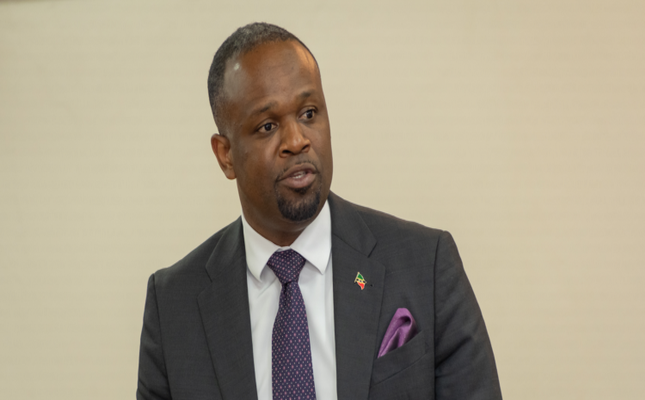
    Antigua and Barbuda’s Foreign Affairs and Trade Minister, Honourable E.P. Chet Greene, emphasized the strategic imperative behind this economic integration. “Political leadership establishes the framework, but it is businesses that drive innovation, generate trade volumes, mobilize investment, and create employment,” Minister Greene stated during his keynote address. He highlighted how global protectionism, geopolitical instability, and supply chain disruptions have made strengthened Africa-Caricom relations an economic necessity rather than merely an opportunity.

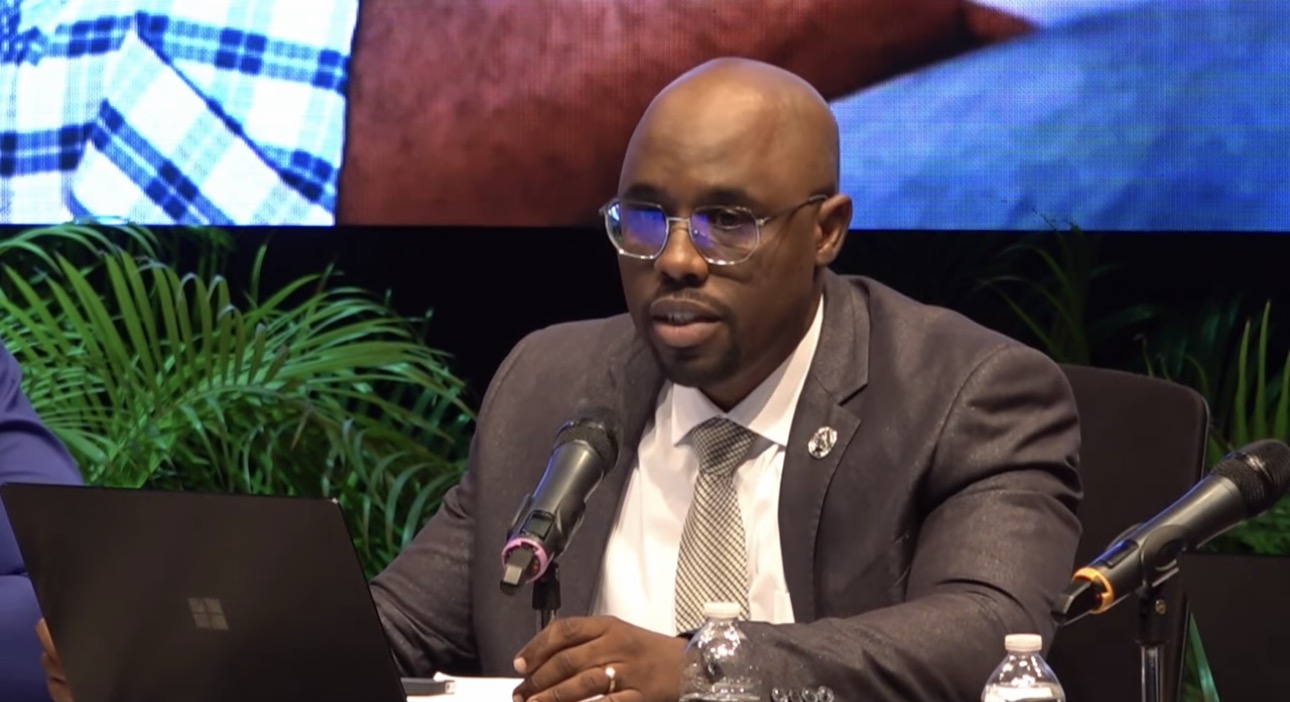
    CPSO Chief Executive Officer Dr. Patrick Antoine presented compelling market data showing that for most identified products, Caricom typically has four potential sourcing options from African Union countries, ensuring both supply diversity and competitive pricing. Dr. Antoine issued a powerful call to action: “We in the Caricom Private Sector choose not to wither; we choose not to retreat. Instead, we choose to engage relentlessly despite challenges of affordability, trade concentration, and scale inefficiencies.

    The virtual forum, jointly organized by the International Trade Centre, African Export-Import Bank (Afreximbank), CPSO, and Africa Business Council, brought together over 200 business leaders and private sector firms. Anthony Ali, CEO of Goddard Enterprises Limited, shared practical insights from his company’s African market engagements, emphasizing the need for flexible approaches including local production partnerships and licensing arrangements to overcome logistical and financial barriers.

    While participants acknowledged persistent challenges including limited transport connectivity, high logistics costs, and fragmented payment systems, the consensus pointed toward innovative solutions in digital payments, shipping, and financing. The webinar series will continue with focused sessions on agribusiness, fashion, cosmetics, wellness, and medical technologies to translate this strategic vision into concrete business opportunities.

  • Chebat Says Over 20 Internet Providers in Belize

    Chebat Says Over 20 Internet Providers in Belize

    Belize’s telecommunications sector faces a pivotal moment as Belize Telemedia Limited (BTL), the nation’s dominant internet service provider, seeks governmental approval for its proposed acquisition of SpeedNet. Public Utilities Minister Michel Chebat has directly addressed mounting concerns about potential market consolidation, asserting that the transaction would not establish a broadband monopoly given Belize’s competitive landscape.

    Minister Chebat revealed these insights on Tuesday following BTL’s formal presentation of its acquisition proposal to the Cabinet. The minister emphasized that no definitive decision has been reached, with Cabinet members awaiting the conclusion of BTL’s ongoing stakeholder consultations before rendering judgment.

    In a significant regulatory development, Chebat confirmed the Public Utilities Commission (PUC) is drafting a statutory instrument designed to safeguard consumer interests. This legislation would mandate that internet service rates and package offerings remain frozen throughout any potential ownership transition period.

    When confronted directly about monopoly apprehensions, Chebat responded: “The notion of a monopoly doesn’t align with market reality. To my knowledge, approximately 23 other licensed broadband providers currently operate within our national borders.” This statement finds support in a 2024 International Trade Administration report acknowledging BTL’s market leadership while noting 27 companies hold official operating licenses. However, the report simultaneously questioned whether average Belizean consumers recognize this competitive diversity.

    BTL’s Cabinet presentation culminated weeks of negotiations with key stakeholders including the Social Security Board and the Belize Communications Workers’ Union. Company Chairman Markhelm Lizarraga characterized the high-level meeting as “productive,” noting Cabinet engagement with numerous aspects of the proposal. “The discussion progressed exceptionally well with highly engaged participation from Cabinet members,” Lizarraga stated, reflecting optimism about the proposal’s reception despite pending deliberations.

  • EXCLUSIVE: Caribbean Sprinter Details Credit Card Fraud

    EXCLUSIVE: Caribbean Sprinter Details Credit Card Fraud

    A comprehensive investigation into Belize’s burgeoning Business Process Outsourcing (BPO) sector has uncovered widespread credit card fraud operations with devastating financial consequences for local enterprises. Water taxi operator Caribbean Sprinter has emerged as a primary case study, revealing sophisticated fraudulent activities that have systematically targeted Belizean businesses.

    The scheme involved perpetrators utilizing stolen US credit card information to purchase transportation tickets, which were subsequently resold domestically at discounted cash rates. The fraudsters employed fabricated bank transfer confirmations to validate transactions, creating an elaborate facade of legitimacy. The financial damage compounded when legitimate cardholders initiated chargebacks—automatic payment reversals mandated under US consumer protection regulations.

    Caribbean Sprinter reported sustaining approximately $5,000 in monthly losses before implementing enhanced security protocols. The company’s forensic analysis revealed multiple failed authorization attempts preceding successful fraudulent transactions, indicating systematic testing of compromised card data.

    Through the deployment of multi-layered security measures including identity verification systems, advanced bank transfer monitoring software, and specialized credit card fraud detection technology, the company successfully reduced monthly losses to under $500. This represents a 90% reduction in financial damage.

    The investigation has illuminated the broader economic threat posed by these operations, particularly to smaller enterprises with limited financial resilience. Caribbean Sprinter emphasized that beyond direct financial losses, businesses risk termination of merchant services due to excessive fraudulent activity, potentially crippling their operational capabilities.

    In a particularly distressing case, the company documented how a US cancer patient’s payment card was disabled due to fraudulent charges, preventing her from securing transportation to chemotherapy treatments. This highlights the human impact extending beyond commercial consequences, affecting vulnerable individuals thousands of miles away.

    The revelations underscore the critical need for enhanced cybersecurity measures and cross-border financial cooperation to combat increasingly sophisticated international fraud networks targeting developing economies.

  • Africa–CARICOM Trade Could Top US$1 Billion

    Africa–CARICOM Trade Could Top US$1 Billion

    A groundbreaking economic study reveals that trade between the African Union and CARICOM (Caribbean Community) is positioned to exceed the US$1 billion milestone. The comprehensive analysis, titled “Africa Union–CARICOM Trade in Goods: Scope and Potential,” was unveiled during the inaugural AfriCaribbean Private Sector Webinar Series this Tuesday.

    The research, conducted by the CARICOM Private Sector Organization (CPSO), attracted over 200 prominent business executives, government representatives, and organizational leaders from both regions. These stakeholders convened to explore emerging commercial opportunities and investment prospects strengthening transatlantic economic cooperation.

    During his keynote presentation, Antigua and Barbuda’s Minister of Foreign Affairs and Trade, E.P. Chet Greene, emphasized the critical importance of enhanced Africa-CARICOM relations within the evolving global trade landscape. He characterized this strategic partnership as an urgent imperative rather than merely an option.

    Dr. Patrick Antoine, Chief Executive Officer of CPSO, presented compelling findings indicating substantial untapped trade potential. The investigation identified more than 500 competitively priced product lines, with at least thirteen African nations individually capable of supplying over US$58 million in CSME non-mineral fuel imports. Notably, these offerings typically average approximately 60% of current benchmark prices.

    Dr. Antoine encouraged CARICOM enterprises to diversify their trading networks to enhance resilience against global market fluctuations. The webinar series will continue in subsequent weeks, featuring dedicated sessions on agricultural development, creative industries, and health and wellness sectors.

    For Belize specifically, the report highlights significant advantages for local exporters and manufacturers. As CARICOM deepens its economic integration with African markets, Belizean businesses stand to gain substantially through expanded market access and reinforced trade alliances.

  • NCB Financial Group Director Bruce Bowen resigns from all board positions

    NCB Financial Group Director Bruce Bowen resigns from all board positions

    KINGSTON, Jamaica — Jamaica’s premier financial services institution, NCB Financial Group Limited (NCBFG), has confirmed the immediate resignation of board member Bruce Bowen from all corporate boards within the organization. This strategic departure marks a significant leadership transition for the Caribbean financial conglomerate.

    The resignation, effective January 21, 2026, encompasses Bowen’s positions across multiple NCB subsidiaries including National Commercial Bank Jamaica Limited (NCBJ), Guardian Holdings Limited, and NCB Capital Markets Limited. This development follows closely after NCBJ’s January 19 announcement regarding executive restructuring.

    Bowen, who joined the board in 2023, spearheaded a comprehensive transformation initiative at NCBJ that the institution now characterizes as ‘substantially accomplished.’ His exit aligns with the predetermined transition from organizational restructuring to long-term sustainable growth strategies planned for 2026.

    During his five-year tenure with NCB Group, Bowen held numerous directorship roles while maintaining external board positions with Jamaica Broilers Group, Rock Mobile Limited, Rock Capital Partners, and Advantaq. His formal departure from NCBJ is scheduled for February 28, 2026, with Bowen currently utilizing accrued vacation leave.

    The NCBJ board has designated Sheree Martin, the bank’s Executive Vice President and Chief Operating Officer, as Interim Chief Executive Officer effective January 19. This appointment ensures leadership continuity during the transition period.

    NCB Financial Group serves as the holding company for NCBJ, delivering comprehensive financial solutions including commercial banking, insurance products, wealth management, and capital markets services throughout the Caribbean region. The group maintains operational presence in Jamaica, Barbados, Cayman Islands, Bermuda, and Trinidad and Tobago.

  • Spanish hotel group commits to helping Jamaica recover stronger from Melissa

    Spanish hotel group commits to helping Jamaica recover stronger from Melissa

    KINGSTON, Jamaica — Jamaica’s tourism sector has initiated a strategic partnership with Spanish hospitality conglomerate Inverotel to accelerate post-hurricane recovery and enhance global market competitiveness. The landmark discussions occurred during the FITUR international tourism fair in Spain on Wednesday, marking a significant development in cross-continental tourism collaboration.

    Tourism Minister Edmund Bartlett characterized the alliance as essential for rebuilding traveler confidence and stimulating demand across key source markets. “This recovery requires all available resources,” Bartlett stated. “We particularly welcome Inverotel’s support in highlighting Jamaica’s diverse offerings spanning resort tourism, cultural experiences, and gastronomic excellence.”

    The negotiations centered on developing integrated promotional strategies, facilitating knowledge exchange, and implementing coordinated marketing initiatives. These efforts are designed to reinforce Jamaica’s status as a premier Caribbean destination amid ongoing recovery challenges.

    Bartlett emphasized the partnership’s significance, noting: “Genuine partnerships reveal themselves during difficult periods. Inverotel has demonstrated unwavering commitment to Jamaica’s tourism sector, for which we extend our heartfelt appreciation.”

    Inverotel, which operates approximately 100,000 hotel rooms across the Americas and Caribbean, reaffirmed its substantial commitment to Jamaica’s tourism resilience. The group emphasized that collaborative marketing between public and private entities remains crucial for achieving sustainable industry recovery.

    Tourism Director Donovan White welcomed the development as strategically timed. “By synchronizing marketing approaches and utilizing international networks,” White explained, “we can accelerate recovery while establishing foundations for prolonged growth. This collaboration becomes particularly vital as we intensify destination marketing efforts.”

    White highlighted Jamaica’s continued importance to Spanish hotel investors, noting billions of dollars in committed investments encompassing new hotel infrastructure, worker welfare programs, housing initiatives, training schemes, and strategies to increase local procurement that will bolster both economic and tourism sustainability.

  • Vusi Thembekwayo sets the tone at Sagicor’s annual ‘Blast Off’ event

    Vusi Thembekwayo sets the tone at Sagicor’s annual ‘Blast Off’ event

    KINGSTON, Jamaica – Sagicor Group Jamaica convened its largest corporate assembly since 2018, drawing more than 2,500 employees to the National Indoor Sports Centre on January 14 for its annual “Blast Off” event. The gathering, orchestrated under the unifying banner “One Sagicor: One Team, One Future,” served as a powerful demonstration of the financial conglomerate’s expansive growth and deepening internal cohesion across its diverse business divisions, establishing a resolutely ambitious trajectory for the year 2026.

    Christopher Zacca, President and Chief Executive Officer of Sagicor Group Jamaica, addressed the assembled workforce, emphasizing the critical importance of organizational alignment and shared accountability in driving future success. “Blast Off 2026 fundamentally serves to reinforce that our collective strength is rooted in our unity,” Zacca stated. He elaborated that while the specific challenges of the coming year remain uncertain, the company’s fortified collaborative spirit, disciplined execution, and mutual support would be the definitive factors navigating the organization forward.

    Zacca further outlined Sagicor’s dual-focused mandate for the year, which integrates robust commercial performance with sustained humanitarian efforts directed at communities devastated by Hurricane Melissa in October of the previous year. This commitment, he affirmed, is guided by the company’s core philosophical principles and its enduring dedication to fostering national and regional development throughout Jamaica and the wider Caribbean.

    The event featured a keynote presentation by Vusi Thembekwayo, the internationally recognized entrepreneur and business strategist, who galvanized attendees with a call to embrace bold thinking and decisive action. Thembekwayo posited that truly successful enterprises are built by individuals who hold themselves accountable for concrete results, not merely their exertion of effort. He expressed strong confidence in the Sagicor team’s appetite for growth and their inherent capability to emerge as a regional leader.

    Andre Mousseau, President and CEO of parent company Sagicor Financial Company, utilized the platform to underscore the strategic significance of the recently announced merger consolidating the firm’s Caribbean operations. This transformative corporate restructuring, first disclosed on December 16, will amalgamate Sagicor Life Inc. and Sagicor Group Jamaica under a new singular holding architecture named Sagicor Group Caribbean (SGC). Pending necessary regulatory consents, this new entity—envisioned as a diversified financial services powerhouse offering integrated insurance, banking, and wealth management products—is slated for listing on the Jamaica Stock Exchange. Company leadership anticipates the merger will catalyze enhanced collaboration, accelerate professional development, and facilitate greater mobility for talent across the region.

  • Liberty Business champions digital transformation at JSE regional conference

    Liberty Business champions digital transformation at JSE regional conference

    Liberty Business has emerged as a pivotal advocate for digital transformation through its strategic collaboration with the Jamaica Stock Exchange (JSE) Regional Investments and Capital Markets Conference. The event, themed ‘Capital Markets Fuelling Economic Resurgence and Resilience,’ serves as a convergence point for international investors, policy architects, and corporate leaders to deliberate on sustainable growth and economic recovery strategies.

    The technology solutions provider will spearhead a dedicated session on cybersecurity and business continuity, emphasizing how robust cyber defenses are imperative for data protection, financial system integrity, and operational continuity across public and private entities. This dialogue will establish cybersecurity as an indispensable component within comprehensive digital transformation frameworks for both governmental and commercial organizations.

    Charles Manus, Senior Director at Liberty Business, articulated the company’s perspective: ‘Digital transformation has evolved into a fundamental catalyst for economic resilience, with cybersecurity serving as its core enabler. As capital markets increasingly embrace digital solutions, organizations must prioritize the security of their data ecosystems, operational systems, and network infrastructures. Our alliance with the JSE Conference underscores our commitment to advancing secure digital infrastructure that bolsters investor confidence and fosters sustainable regional development.’

    Conference participants will have direct access to Liberty Business experts at the specially designed Connectivity Hub, where tailored technological solutions will be demonstrated to enhance operational efficiency, fortify security protocols, and generate substantial value for organizations at varying stages of digital evolution.

    The company, which recently transitioned from C&W Business through a strategic rebranding initiative, now operates as Liberty Business—aligning with Liberty Caribbean’s regional vision for innovation, connectivity, and enterprise empowerment. The organization delivers an extensive portfolio of services including broadband connectivity, mobile solutions, cloud computing, cybersecurity systems, data center management, and Internet of Things (IoT) technologies, catering to diverse clients from small-to-medium enterprises to large corporations and government agencies.

  • Study finds potential for over $1 billion in trade between African Union and CARICOM

    Study finds potential for over $1 billion in trade between African Union and CARICOM

    A groundbreaking economic partnership between Africa and the Caribbean is gaining momentum as new research reveals export opportunities exceeding $1.6 billion. The CARICOM Private Sector Organization (CPSO) presented findings indicating that African Union exports to CARICOM nations could dramatically transform regional supply chains and economic resilience.

    The revelations emerged during the inaugural AfriCaribbean Private Sector Webinar Series launched on January 20, 2026, titled “Unlocking AfriCaribbean Trade and Investment: Opportunities, Ecosystems and Private Sector Leadership.” This virtual gathering, jointly organized by the International Trade Centre, African Export-Import Bank (Afreximbank), CPSO, and Africa Business Council, brought together over 200 private sector leaders, ministers, and development agencies from both regions.

    Antigua and Barbuda’s Foreign Affairs and Trade Minister, Honourable E.P. Chet Greene, delivered a keynote address emphasizing the urgency of strengthening Africa-CARICOM economic relations amid global trade disruptions. “Political leadership establishes the framework,” Minister Greene stated, “but it is businesses that drive innovation, generate trade volumes, mobilize investment, and create employment. If AfriCaribbean integration is to succeed in practical terms, it must now be carried forward by the private sector.”

    The comprehensive study, “Africa Union-CARICOM Trade in Goods: Scope and Potential,” identifies 579 competitively priced product lines that African nations can supply to Caribbean markets. Remarkably, at least 13 African Union countries can provide over $58 million worth of non-mineral fuel imports to the Caribbean Single Market and Economy at approximately 60% of current benchmark prices.

    Dr. Patrick Antoine, CPSO CEO and Technical Director, presented compelling market data showing that most identified products have sourcing options from at least four African countries, demonstrating remarkable supply diversity. “At moments like these, the role of the private sector becomes even more vital,” Dr. Antoine emphasized. “We must be prepared to respond with agility and seize opportunities wherever they emerge.”

    Despite the promising outlook, participants acknowledged significant challenges including limited transportation connectivity, elevated logistics costs, and fragmented payment systems. Anthony Ali, CEO of Goddard Enterprises Limited and CPSO board member, shared practical insights from direct African market engagement, highlighting opportunities for local production partnerships and reciprocal market presence.

    The webinar series will continue with focused sessions on agriculture, fashion and creative industries, cosmetics and wellness, and health technologies, further exploring sector-specific collaboration opportunities between the two regions.

  • Greene says shifting global trade environment has made stronger Africa Union-CARICOM economic relations an urgent necessity

    Greene says shifting global trade environment has made stronger Africa Union-CARICOM economic relations an urgent necessity

    In a significant address on the evolving global economic landscape, a prominent voice has highlighted the pressing need for strengthened economic cooperation between the African Union (AU) and the Caribbean Community (CARICOM). The call to action is framed as a direct response to fundamental transformations within international trade frameworks and supply chain dynamics.

    The current geopolitical climate, characterized by increasing protectionism and regional realignments, has created both challenges and opportunities for emerging economies. This shifting environment necessitates the formation of strategic economic partnerships that can enhance collective bargaining power and foster sustainable development. The proposition emphasizes that deeper AU-CARICOM collaboration is no longer merely advantageous but has become an imperative for economic resilience.

    Such a partnership would potentially encompass expanded trade agreements, joint investment initiatives in key sectors like agriculture and renewable energy, and enhanced cultural and technological exchanges. This South-South cooperation model aims to reduce historical economic dependencies and create new pathways for shared prosperity. The argument posits that by uniting their considerable market potential and resources, these blocs can better navigate the complexities of contemporary global commerce and secure more favorable positions within it.