分类: business

  • Central Bank going fully paperless by year-end

    Central Bank going fully paperless by year-end

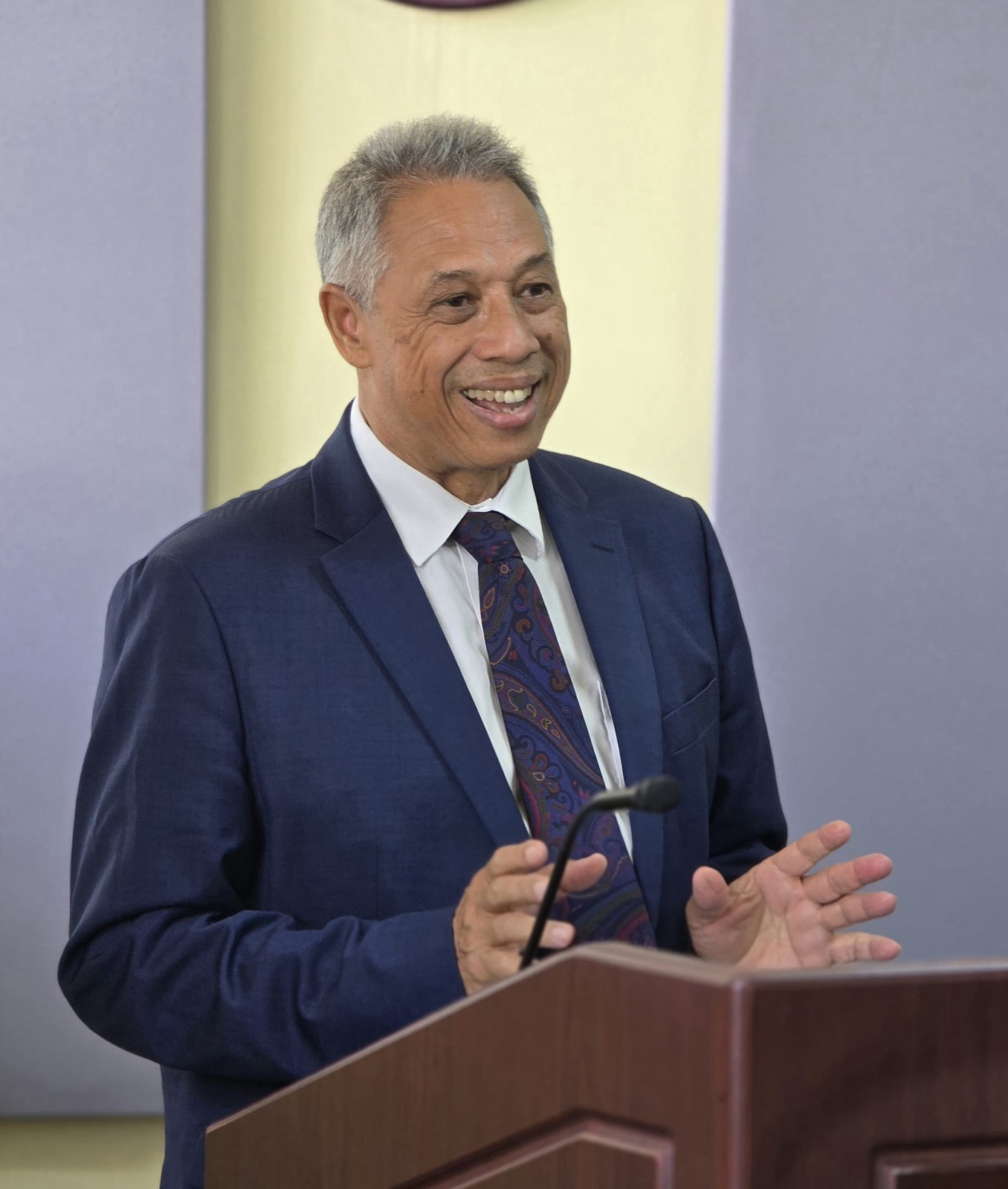
    The Central Bank of Barbados has announced an ambitious plan to transition into a completely paperless, fully digital institution by December 21, 2026, a shift that is projected to cut annual printing expenditures by more than $70,000. Central Bank Governor Dr. Kevin Greenidge revealed the milestone timeline during an address to the Barbados Association of Administrative Professionals conference held Wednesday at the Lloyd Erskine Sandiford Centre, expanding on the details of the initiative in an interview with local outlet Barbados Today.

    Dr. Greenidge outlined three core drivers behind the organizational shift: boosting operational efficiency, delivering significant long-term cost reductions, and modernizing the bank’s internal and external communication infrastructure. Beyond financial savings, he highlighted the environmental benefits of a paper-free workspace, noting that eliminating bulk paper storage creates a cleaner, more organized office environment. Early internal projections actually place annual printing cost savings closer to $75,000, a figure that does not include additional savings from reduced storage, handling, and logistics costs associated with physical documentation.

    The full transition is not a sudden pivot, but rather the next phase of a multi-year digital transformation effort initiated by previous Central Bank leadership, according to Dr. Greenidge. When he took office, the groundwork for digital modernization was already in place, and his administration has advanced the agenda to create an end-to-end paperless digital ecosystem, rather than incremental digital updates to existing paper-based workflows.

    To ensure a smooth transition for all staff, the bank has developed a full suite of custom digital tools to replace legacy paper processes, including cloud-based platforms for document uploading, collaborative editing, and real-time cross-team project work. Even core regulatory functions, such as bank supervision and application processing, have been moved entirely to digital systems. Currently, the initiative is roughly 70% complete, with progress accelerated by widespread staff buy-in and comprehensive upskilling programs. Every role at the institution — from entry-level support to senior leadership — has been equipped with digital tools tailored to their responsibilities, and all staff have completed targeted training to build proficiency with the new systems.

    Recognizing that full digitalization could create barriers for members of the public less familiar with online systems, the Central Bank has built explicit digital inclusion provisions into the rollout to avoid leaving any demographic behind. For members of the public accessing core services such as foreign exchange approval, which is now fully digital, the bank offers in-person guidance to help users set up accounts and navigate online processes, enabling self-service for future visits.

    As part of its broader commitment to digital literacy across Barbados, the institution has partnered with the Barbados Association of Retired Persons (BARP) to distribute more than 200 iPads to older adults, supporting ongoing community digital skills training. To address growing concerns around digital risk, the bank has also substantially upgraded its cybersecurity framework, launching a dedicated specialized unit that leverages artificial intelligence and other advanced technologies to monitor, detect, and mitigate emerging threats.

    Dr. Greenidge emphasized that while the new BIMPay digital system offers significantly stronger cybersecurity protections than legacy infrastructure, no system can eliminate digital risk entirely. As a result, the bank runs ongoing public education campaigns to help users recognize common scams and fraud, and requires mandatory cybersecurity training for all staff, including regular phishing simulation tests that require additional training for employees who fall for simulated attacks. Dr. Greenidge also reminded the public that the Central Bank will never request sensitive personal or financial information over the phone, urging consumers to remain vigilant and avoid sharing details with unknown callers.

    Widespread staff enthusiasm has emerged as a key catalyst for the rapid progress of the transition, with employees embracing the flexibility and efficiency of digital workflows. Staff can now access full documentation from any device — smartphones, tablets, or laptops — eliminating the need to carry large physical binders and notes, and cutting down the time required to locate and share critical information. What began as a top-down strategic initiative has now developed its own momentum, with staff taking ownership of the new systems and advocating for further digital improvements across the institution.

  • Tourism strategy signals shift to ‘Tourism 3.0’ model

    Tourism strategy signals shift to ‘Tourism 3.0’ model

    Against the backdrop of lasting global upheaval from the COVID-19 pandemic, Barbados Prime Minister Mia Mottley has announced a bold, forward-thinking overhaul of the country’s signature tourism industry, labeling the new vision “Tourism 3.0”. Speaking at a ceremony marking progress on the Pendry Barbados Residences — a luxury villa development under construction in the parish of St Peter — Mottley framed the shift as a necessary evolution beyond outdated industry models, designed to build a more competitive, community-rooted and globally integrated tourism economy.

    Even as Barbados holds a global-leading track record for high repeat visitor rates, Mottley argued that incremental change is no longer enough to keep the island nation competitive in a transformed post-pandemic travel landscape. After six decades of growth under earlier tourism frameworks that have powered national development since independence, and five years since Barbados became a republic, the time has come for a strategic reset, she said.

    At its core, Tourism 3.0 is built on what Mottley called a “judicious blend” of two pillars: expanded local Barbadian ownership of tourism assets, and strategic partnerships with international branded hospitality developments. This balance, she explained, lets the nation tap into the global marketing reach of major international brands to drive higher visitor arrivals, while keeping economic benefits anchored in the local community. Mottley emphasized that this model will reinforce Barbados’ global reputation as an unrivaled travel destination, making it easier for travelers worldwide to discover everything the island has to offer.

    Mottley pointed to several large-scale hospitality projects already breaking ground across the island as tangible proof that the industry’s transformation is already underway. These include the ongoing Royalton and Hotel Indigo developments, as well as the upcoming Beaches Resort. She also expressed strong confidence that the Montage Group will finally revitalize the long-dilapidated former Four Seasons site — which she described as the “holy grail” of Barbadian tourism — putting an end to more than 20 years of underuse at the prime property.

    A key strategic priority of the Tourism 3.0 framework is diversifying the island’s source travel markets. Last year marked a milestone: arrivals from the United States surpassed those from the United Kingdom for the first time in Barbados’ tourism history. Building on this shift, Mottley issued a clear directive to the Ministry of Tourism: secure new direct airlift connections between Los Angeles and Bridgetown. She noted that a non-stop 7.5-hour flight from the U.S. West Coast matches the flight time from London, opening access to high-value travel markets in Silicon Valley, San Francisco, and the Pacific Northwest, unlocking new economic potential for the island.

    Addressing widespread shifts in the global labor market that have impacted hospitality sectors worldwide, Mottley reaffirmed her government’s commitment to a “New Deal” for Barbadian tourism workers. She stressed that frontline employees are the heart of the island’s tourism experience, and must be treated with dignity and fair compensation. Whenever the government offers tax and revenue concessions to tourism developers, she explained, a core condition is that employers guarantee wages and working conditions that support a decent living for local workers. Mottley tied this commitment directly to guest experience: stable, fairly treated workers deliver the high-quality hospitality that keeps visitors returning to Barbados.

    Mottley also highlighted the community-centered ethos of the new approach, praising the Pendry Residences developers for their “neighbour-centric” planning. As part of the project, developers have committed to building a brand-new community fish market for the Six Men’s area, a tangible investment that benefits local residents beyond the tourism development itself. She reiterated that large-scale tourism projects cannot deliver long-term success unless they lift up and include local communities every step of the way.

    Closing her address, Mottley called on all Barbadians to play their part in the new strategy, urging residents to maintain the island’s safety, cleanliness, and world-famous warm hospitality. Reminding the audience that long-term prosperity is not guaranteed, she said, “No one owes us a living. We must command the respect that will ensure we sustain our quality of life.”

  • NCB returns with $2-billion SME fund

    NCB returns with $2-billion SME fund

    KINGSTON, Jamaica — Strong unmet demand for accessible small and medium enterprise (SME) financing has pushed National Commercial Bank Jamaica Limited (NCBJ) to expand its dedicated SME Growth Fund from the original $1 billion to $2 billion, after the initial allocation was completely exhausted by eager borrowers in 2024. The newly launched second iteration of the fund, dubbed SME Growth Fund II, will extend individual loans of up to $35 million per borrower at starting interest rates as low as 9.75 percent. Funding from the program can be used to cover core working capital needs, purchase new equipment and machinery, acquire heavy-duty business vehicles, and finance a wide range of business expansion projects.

    Speaking at the official launch event held Thursday at Kingston’s AC Hotel, NCB’s SME Portfolio Manager Khason Morgan noted that the original $1 billion fund was drawn down far faster than bank leadership projected. “The depletion in funds last year happened so quickly that we broke that record, and my team would have had to make the decision around doubling the funding or extending the promotion,” Morgan explained. Bank officials confirmed that the expanded capital pool is designed to widen access to affordable financing for Jamaican SMEs, though they acknowledge that strong market demand could lead to the full $2 billion being subscribed much faster than the official timeline allows.

    Unlike the first Growth Fund, which operated without a fixed closing date and remained open to applications until all capital was disbursed, the new facility will run for a fixed application window between April 2024 and June 2026. The fixed timeline was directly shaped by the unexpected speed at which the first fund was exhausted. The initial program, originally scheduled to run from March to July 2023, closed fully disbursed in June, with 30 percent of its original allotted timeline still remaining unused. That first fund supported roughly 100 small and medium business owners across Jamaica. For the second iteration, the bank has set a baseline target of supporting at least 57 businesses, though officials note that smaller average loan sizes could open the door for many more micro-enterprises to access support than the initial target suggests.

    Garfield Holness, NCB’s Manager of Product Delivery & Portfolio Management, told local outlet Observer Online that post-disaster recovery needs reinforced the already strong demand for SME financing in the region. “We saw there was a distinct need in the market for financing for our SME clients, particularly after Hurricane Melissa, where we saw several businesses would have been impacted. We saw there was a need for capital,” Holness said. While interest rates for the new facility are variable by borrower risk profile, the bank has guaranteed that all approved borrowers will lock in the rate they agree to at the time of approval, in compliance with standard notification requirements set by Bank of Jamaica. Morgan emphasized that this rate lock guarantee, paired with the fixed application window, makes timely submissions critical for interested business owners. “The rate you apply for is the rate for the facility; that’s why it’s very important to put in, in this definitive time period, your application to be a part of it,” Morgan said.

  • Cement shortage to ease next month, says IMAJ

    Cement shortage to ease next month, says IMAJ

    In the middle of a widespread cement shortage that has rippled across Jamaica’s construction sector and left hardware operators scrambling to stock supplies, regional manufacturer Caribbean Cement Company Limited (CCCL) has given formal assurances that normal supply levels will be restored by mid-May. The commitment came out of a scheduled meeting this week between CCCL executives and leadership of the Incorporated Masterbuilders Association of Jamaica (IMAJ), the industry’s leading trade group for local construction professionals.

    In an official statement released after Wednesday’s meeting, IMAJ outlined that CCCL has already begun rolling out corrective actions to resolve the current shortfall, with gradual improvements projected over the next three weeks. To address the immediate gap between available stock and market demand, the manufacturer has committed to ramping up production output immediately. Longer-term, the company is also reviewing systemic changes to boost plant resilience and reduce the risk of repeated supply disruptions that could threaten sector stability down the line.

    Beyond addressing immediate production constraints, talks between the two groups also focused on aligning long-term manufacturing capacity with the sustained high demand Jamaica’s construction sector is currently facing. A key driver of this elevated demand is upcoming large-scale reconstruction work tied to recovery from Hurricane Melissa, a disaster that has already placed unprecedented pressure on local building material supplies.

    IMAJ has pledged to maintain close coordination with CCCL and all relevant industry stakeholders to track progress on the manufacturer’s commitments, noting that consistent, reliable cement access is fundamental to both the construction market’s healthy functioning and Jamaica’s broader national economy.

    The current shortage has already created significant disruptions for businesses across the island, particularly small and medium-sized hardware retailers. Deanall Barnes, executive director of Corporate Area-based Atlantic Hardware and Plumbing, described ongoing tightness in the local market Wednesday, pointing to a mix of interconnected causes that have created the current supply crunch.

    Barnes explained that two major government-led post-hurricane recovery programs—the $10 billion Restoration of Owner or Occupant Family Shelters (ROOFS) initiative and the Tourism Housing Assistance and Recovery Programme (THARP)—have pushed already high demand past available supply. ROOFS, administered by the Ministry of Labour and Social Security, offers tiered grants to homeowners repairing hurricane-damaged properties based on damage severity, requiring formal damage assessments for eligibility. THARP, funded by the Tourism Enhancement Fund (TEF), provides up to $100,000 in housing repair grants to eligible tourism workers—including hotel employees and contractors—in Trelawny and surrounding areas impacted by Hurricane Melissa.

    “Both of these programs include allocations for cement and concrete blocks, so demand has spiked sharply especially across western Jamaica over the last three to four months,” Barnes explained. “Now that both initiatives are fully operational, consistent access to adequate cement supplies has become a major challenge, even for our operations.”

    Last week, Lloyd Gillings, a hardware operator based in Albert Town, Trelawny, called the ongoing shortage a full-blown crisis that has severely harmed small business operations. He reported that suppliers are restricting orders to small volumes, and in some cases require customers to purchase additional unrelated products before they can buy cement. The shortage has forced Gillings to travel long distances just to source small quantities of the material, while large corporate construction firms have maintained more consistent access. Supplies are particularly scarce in southern Trelawny, he added, though conditions there are reportedly marginally better than in some parts of neighboring Manchester.

    Alex Chen, who runs the well-known Just In Hardware in Falmouth, Trelawny, also confirmed his business has faced repeated stockouts for the past two consecutive weeks. On Wednesday, *Jamaica Observer Online* obtained a April 21 letter from a major Jamaican construction firm alerting its customers to the chronic cement shortage, which the company blamed on production disruptions at its primary supplier CCCL. The letter noted the disruption has impacted the sector through most of March and April, thanking customers for their patience and promising ongoing updates as conditions change.

    As Jamaica’s dominant domestic cement manufacturer, CCCL has acknowledged the production challenges that triggered the shortage, citing persistent heavy rainfall as a key external factor that disrupted operations. The bad weather created complications with raw material extraction and processing, leading to equipment and workflow disruptions that pulled down temporary production levels.

    In its own Wednesday press release, CCCL confirmed some delays remain due to the combination of unseasonably bad weather and soaring post-reconstruction demand. But the company emphasized that cross-functional dedicated teams have been working around the clock to resolve issues, stabilizing damaged equipment and improving overall operating conditions. Work is ongoing to fully clear all remaining supply constraints, the company added, with new protocols being implemented to strengthen operational processes and boost long-term supply reliability across the island.

  • MIIC takes action to stabilise cement supply and support key economic sectors

    MIIC takes action to stabilise cement supply and support key economic sectors

    KINGSTON, Jamaica — Severe recent rainfall has forced operational shutdowns at Caribbean Cement Company Limited (CCCL), the island’s leading domestic cement producer, triggering widespread supply shortages across Jamaica’s construction market. In response, the country’s Ministry of Industry, Investment and Commerce (MIIC) has moved rapidly to implement emergency measures designed to close the supply gap and restore market stability.

    In an official statement published Thursday, the ministry confirmed that short-term interim interventions have already been rolled out, even as CCCL prioritizes repairing equipment, addressing operational bottlenecks, and bringing production back to full capacity. Among the emergency steps is the diversion of a cargo vessel originally destined for The Bahamas, which is now scheduled to dock in Jamaica this Saturday, April 25, carrying a load of cement to restock local inventories. A second, larger shipment totaling 28,400 tonnes of cement is also on track to arrive in early May, further bolstering available supply.

    In addition to arranging emergency cargo diversions, the ministry — headed by industry minister Senator Aubyn Hill — has approved a expanded import quota for Buying House Company Limited, a local importer, specifically to address unmet demand in the western region of the country, where shortages have been particularly acute.

    Senator Hill emphasized the critical role of consistent cement supply for Jamaica’s ongoing recovery and economic activity, noting that the construction sector remains a core driver of reconstruction in the wake of Hurricane Melissa. “Cement is far more than a construction input — it is a foundational building block of our national economic momentum and growth,” Hill explained in the statement. “We moved quickly to mitigate short-term disruptions so that local builders, property developers, and outside investors can continue their projects without uncertainty and keep driving progress.”

    Hill added that the incoming emergency imports will not only stabilize the entire construction sector but also help protect existing jobs that rely on consistent construction activity. The ministry, he confirmed, will maintain close monitoring of the market and continue collaborating with private sector industry partners to ensure efficient market function as CCCL works to resume normal output. CCCL has also reaffirmed its commitment to resolving all remaining production constraints and returning output to projected target levels in the near term.

  • Exclusive: Bajan firm behind ferry service gets two ships

    Exclusive: Bajan firm behind ferry service gets two ships

    After 18 months of delays and three missed target launch dates, the Barbadian maritime subsidiary developing a much-anticipated regional inter-island ferry service has finally secured two purpose-suited vessels to launch operations before the end of the year, Barbados TODAY can report exclusively.

    Connect Caribe, a subsidiary of Bridgetown-based Pleion Group Inc., has been working for nearly two years to launch a cross-Caribbean service connecting Barbados, the Organisation of Eastern Caribbean States (OECS), and most recently the U.S. Virgin Islands, aiming to streamline both passenger travel and cargo trade between regional islands and the U.S. market. Shaka Jones, senior executive at Connect Caribe, confirmed the milestone in an interview Tuesday, noting that sourcing ships able to withstand the unique sea conditions of the Caribbean was the single largest hurdle causing repeated delays.

    “This is not a simple venture to stand up; we’ve had to work through countless unforeseen obstacles to get to this point,” Jones told reporters. “We haven’t locked in a firm inauguration date yet, but our core mission remains unchanged: to deliver reliable, affordable movement of both people and goods across the Caribbean. We now have two vessels secured to launch the service, and we will share an official launch date with the public shortly. Finding a vessel built to handle Caribbean swells and sea conditions is far from straightforward, but we’ve finalized the selection process.”

    The project has faced repeated timeline shifts since it was first announced. The original target launch was November 2024, which was accelerated to August 2024 following the announcement of new strategic partnerships. That deadline passed without launch, and a subsequent target of the first quarter of 2025 was also missed. Most recently, the company has committed to launching before the end of 2025.

    In the wake of the latest milestone, regional economist and commercial pilot Jeremy Stephen, who has long questioned the financial and practical viability of the passenger-focused service, is doubling down on his criticism. Stephen, who operates intraregional charter flights, argues that the repeated missed deadlines are a clear warning sign of deeper structural issues with the project.

    “I remain unconvinced that this service will work for passengers as planned,” Stephen said in an interview Tuesday. “Half of the year, Caribbean swells are too large to make sailing comfortable for the typical modern traveler coming to or from Barbados, unless the company invests heavily in high-technology airfoil-equipped vessels that can ride above rough seas – something they have not mentioned publicly to date. At this point, I only see the venture making sense if they shift focus entirely to cargo operations, which fills a clear gap in the regional market. For passenger travel, the distance and sea conditions make the model unworkable.”

    The company has expanded its scope since the initial announcement, adding the U.S. Virgin Islands to its route network following stakeholder consultations. Under a public-private partnership with the USVI governor’s office, Connect Caribe plans to develop a central maritime logistics hub to streamline U.S.-Caribbean trade, making it faster and cheaper for Caribbean producers to access American consumer markets. Company officials have previously noted that adding the USVI hub will guarantee consistent full container loads, a key requirement for long-term financial sustainability for any private maritime venture. Longer term, the company still plans to expand its fleet to three vessels: an 800-passenger cruise-style ship, a 400-passenger fast ferry, and a dedicated cargo vessel to support regional trade.

  • UK Vincies urged to invest even in small projects in SVG

    UK Vincies urged to invest even in small projects in SVG

    On a recent Sunday in London, the government of St. Vincent and the Grenadines (SVG) advanced its ongoing outreach to the global Vincentian diaspora, reframing conventional expectations of diaspora investment for the island nation’s development. At the Invest SVG Diaspora Outreach and Investment Programme, Senator Lavern King, Minister of State for Education, Vocational Training, Innovation, Digital Transformation and Information, delivered a clear, inclusive message: investments in SVG do not require the large-scale projects that have long been the focus of diaspora investment conversations.

  • Dominican Republic promotes agricultural exports at Macfrut 2026

    Dominican Republic promotes agricultural exports at Macfrut 2026

    ROME, Italy – The Embassy of the Dominican Republic in Italy has officially opened the Dominican national pavilion at Macfrut 2026, one of Europe’s leading international agricultural trade exhibitions, which has centered this year’s thematic focus on global mango and avocado production and trade development.

    The opening ceremony was headed by Dominican Ambassador to Italy Rafael A. Lantigua Ciriaco, with Anibelca María Mena, Vice Minister of the Dominican Republic, joining as a key guest participant. The pavilion also received high-profile visiting officials including Italian Member of Parliament Giorgio Silli and Italy’s sitting Minister of Agriculture Francesco Lollobrigida, who toured the exhibition space and met with Dominican delegation members.

    Comprising more than 120 business representatives, the full Dominican delegation brings together stakeholders from across the country’s agricultural ecosystem: leaders from the domestic agro-industrial sector, academic researchers from leading Dominican agricultural universities, and representatives from national government agricultural agencies. Notable private and public sector attendees included Patrizio Neri, Osmar Benítez, and Edwin Reyes, all key figures advancing Dominican agricultural trade.

    Throughout the duration of Macfrut 2026, the Dominican Republic is showcasing a wide range of its premium agricultural products at the pavilion, hosting one-on-one and group business matching meetings with European buyers, and highlighting untapped export opportunities for Dominican goods in the European single market. Event organizers from both the Dominican Republic and Macfrut 2026 note that this large-scale participation delivers far more than immediate trade connections: it provides a critical high-profile platform to strengthen the global competitiveness of the Dominican Republic’s agro-industrial sector, foster innovation in sustainable farming practices, and facilitate cross-border knowledge sharing around advanced agricultural technology and farm mechanization.

    Industry observers add that the event comes as the Dominican Republic continues to expand its agricultural export footprint, with European demand for tropical products including mangoes and avocados rising steadily in recent years. Participation in major European trade fairs like Macfrut is seen as a strategic step to solidify the country’s position as a reliable, high-quality supplier of tropical agricultural goods to the region.

  • Antigua Sailing Week announces new bank partnership

    Antigua Sailing Week announces new bank partnership

    CIBC Caribbean has announced an exciting new collaborative partnership with the iconic Antigua Sailing Week, marking a strategic move to spotlight its exclusive Platinum Banking Service, a custom offering designed for discerning professionals, corporate executives, and international clients seeking financial solutions for regional investments and Caribbean property purchases.

    Priscilla Leonce, Country Head of CIBC Caribbean, emphasized the strong alignment between the sailing event and the brand’s vision for its premium banking division. “We are thrilled to enter into this partnership with Antigua Sailing Week, a leading lifestyle event that shares our core values for Platinum Banking,” Leonce stated in a press release announcing the collaboration. “Our Platinum Banking Service is built around a specialized, dedicated team that prioritizes understanding each client’s unique long-term financial goals, then works hand-in-hand with them to craft customized solutions that drive sustained growth and success. What sets our offering apart is the combination of personalized one-on-one support, innovative forward-thinking financial strategies, and an unwavering commitment to building enduring, trust-based relationships with every client.”

    Leonce also noted that the partnership extends beyond brand visibility, framing the iconic regatta as a valuable opportunity to connect with sailing enthusiasts, international visitors, and existing clients based on the island of Antigua, fostering organic networking in a relaxed, premium setting.

    Organizers of Antigua Sailing Week have welcomed the regional banking giant as a key sponsor for the 2026 event, praising CIBC Caribbean’s standing as a foundational financial institution across the Caribbean. Event representatives noted that the partnership does more than boost the regatta’s prestige: it also underscores the critical importance of forging strong, mutually beneficial ties between local businesses, global brands, and the regional community.

    The 2026 Antigua Sailing Week roster of sponsors already includes a diverse array of public and private partners, ranging from the Antigua & Barbuda Ministry of Tourism, Investment & Economic Development and the island’s Citizenship by Investment Unit to global brands such as Heineken Beer and Virgin Atlantic, luxury hospitality providers like The Residences at Nikki Beach Resort and Spa Antigua and Palmer Champagne, and local businesses including Seahawk Paints, English Harbour Rum, CalvinAir Helicopters, and APUA Inet.

  • Antigua and Barbuda Targets Africa, Middle East and Latin America in Tourism Expansion Push

    Antigua and Barbuda Targets Africa, Middle East and Latin America in Tourism Expansion Push

    As the Caribbean nation of Antigua and Barbuda prepares for its upcoming general election on April 30, the country’s Tourism Minister Charles Fernandez has laid out an ambitious plan to reshape the nation’s core economic sector: tourism. In a public “Know Your Candidate” interview, Fernandez detailed a strategy that moves beyond the nation’s long-standing reliance on traditional source markets, with new outreach focused on high-growth regions across Africa, the Middle East and Latin America.

    For decades, Antigua and Barbuda’s tourism industry has drawn the vast majority of its visitors from established markets including the United States, the United Kingdom and Canada. While these core markets will remain important, Fernandez says expanding into new regions is no longer optional in an increasingly competitive global travel landscape. “I think what we need to do now, and we have started it, is to look at other source markets apart from the US, UK, Canada,” he noted, pointing to advanced ongoing negotiations with one of the world’s leading air carriers.

    The centerpiece of the new airlift strategy is a pending deal with Emirates Airline that would bring three weekly direct flights from Dubai to Antigua and Barbuda starting in 2027. Fernandez explained that this air link would unlock access to a large base of high-net-worth travelers across the Middle East, while also creating easier connections for visitors from African and South Asian markets. “There are a lot of very, very wealthy people in Africa, the Middle East, and so on, and Antigua has now positioned itself as a high-end destination,” he said.

    The diversification push extends beyond tourism alone, with parallel plans to boost bilateral trade and economic ties with the new target regions. To support this dual goal of growing travel and commerce, the government has outlined major infrastructure upgrades for the nation’s main airport, including expanded cargo storage space and new temperature-controlled refrigeration facilities. These upgrades are designed to complement ongoing expansion work at the country’s commercial seaport, with the end goal of transforming Antigua and Barbuda into a comprehensive logistics and transportation hub for the entire Caribbean region.

    “We’re now looking to build out a larger cargo area… all in making the airport, just as the port is being done, a hub for the Caribbean,” Fernandez explained. He emphasized that the broader diversification strategy is a critical step to insulate the national economy from sudden disruptions, noting that over-reliance on a small number of source markets leaves the tourism sector vulnerable to shocks such as economic downturns or public health emergencies in any single region.

    Even with the push for new markets, Fernandez reaffirmed that the existing tourism ecosystem remains the primary engine of Antigua and Barbuda’s national economy. Today, the sector supports widespread employment across the country, with growth coming not just from large international hotel brands but also a fast-expanding network of locally owned short-term vacation rentals that keep more tourism revenue in local communities. By expanding into new high-yield markets while strengthening core infrastructure, the government aims to deliver long-term, stable growth that benefits all segments of the national economy.