分类: business

  • CDB president says corruption is a significant barrier to development

    CDB president says corruption is a significant barrier to development

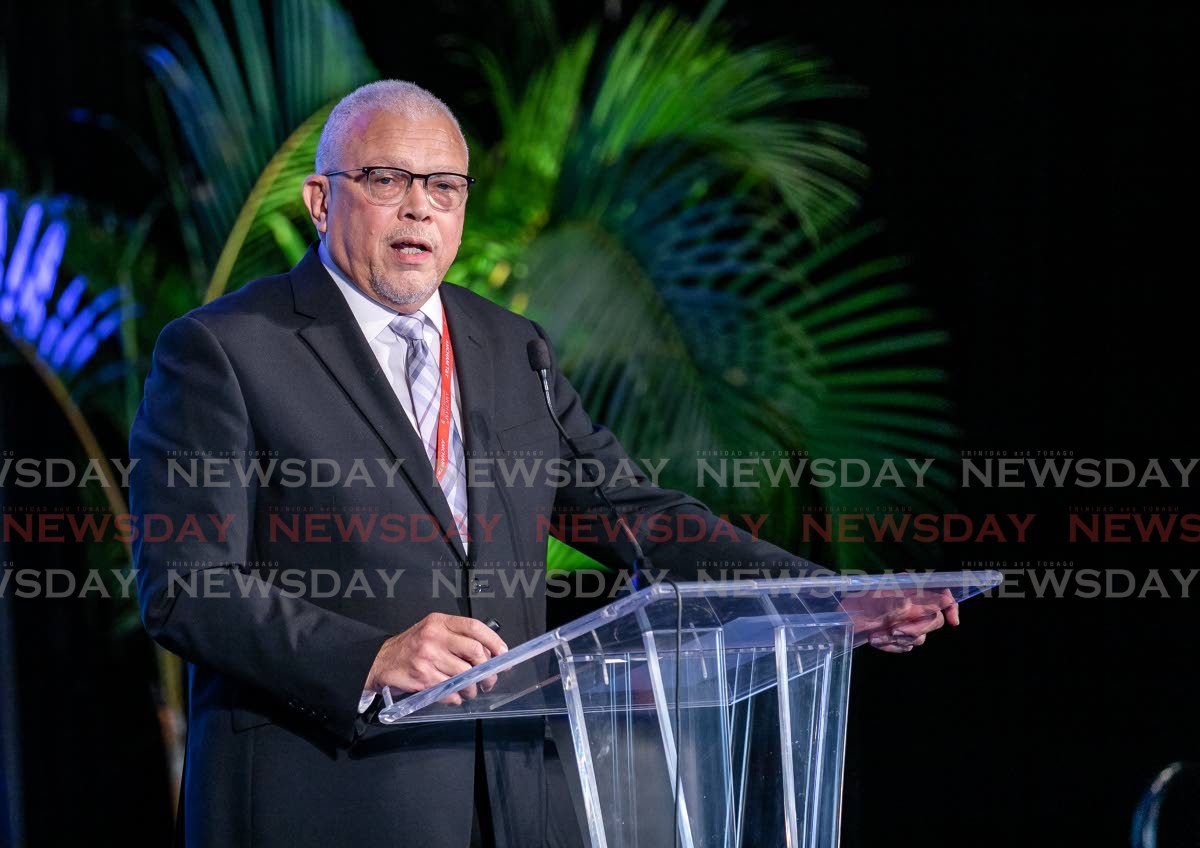
    BRIDGETOWN, Barbados – In a powerful statement marking International Anti-Corruption Day, Caribbean Development Bank (CDB) President Daniel Best identified systemic corruption as one of the most formidable obstacles to sustainable development across Caribbean nations. The Barbados-based financial institution used the occasion to reinforce its institutional commitment to the foundational principles of effective development: transparency, integrity, and accountability.

    Citing alarming United Nations statistics provided by Secretary-General António Guterres, Best revealed that approximately one trillion US dollars are paid in bribes annually worldwide, with an additional $2.6 trillion stolen through corrupt practices. These astronomical figures represent resources that could otherwise transform living conditions and build prosperous societies, particularly in Caribbean countries already operating within constrained fiscal environments and substantial debt obligations.

    For vulnerable small island states served by the CDB, Best emphasized that resources lost to corruption directly equate to forfeited essential infrastructure, diminished education and healthcare services, and missed economic advancement opportunities. Consequently, the Bank regards anti-corruption not as peripheral concern but as central to its developmental mandate.

    The CDB’s Office of Integrity, Compliance, and Accountability has served as the institutional anchor for governance frameworks throughout the past decade, encompassing ethics, accountability, and compliance mechanisms. Through sustained capacity-building initiatives, including specialized training and knowledge-sharing programs, the Bank has demonstrated regional leadership in promoting anti-corruption practices and robust governance standards.

    This year’s theme, “Uniting with Youth Against Corruption: Shaping Tomorrow’s Integrity,” aligns directly with CDB’s operational priorities and strategic vision. Recognizing youth development as fundamental to institutional strategy, the Bank is committed to empowering the next generation with values, knowledge, and tools necessary to champion integrity across all sectors. Young Caribbean citizens bring technological fluency, fresh perspectives, and determination to challenge outdated practices that have historically impeded progress.

    By investing in youth-led initiatives and creating platforms for young voices in governance discussions, the CDB aims to foster a generation that will both demand and deliver higher standards of institutional integrity throughout the region.

  • Chambers call for fair forex distribution as Eximbank CEO axed

    Chambers call for fair forex distribution as Eximbank CEO axed

    In the wake of Navin Dookeran’s abrupt termination as CEO of Eximbank, Trinidad and Tobago’s business chambers are urgently calling for fundamental reforms in foreign exchange allocation policies. The newly appointed board, chaired by Edwin Chariah with Suresh Maharaj as deputy chairman, now faces mounting pressure to establish more equitable distribution mechanisms that serve a broader spectrum of the business community.

    Vivek Charran, President of the Confederation of Regional Business Chambers, emphasized the critical nature of this transition: ‘Our primary concern is ensuring this new administration develops a fair and balanced approach to forex distribution for our most vulnerable enterprises. We’re discussing generational family businesses and retail SMEs that are fundamentally fighting for survival.’

    The business community’s consensus reveals deep-seated frustrations with the previous system’s limitations. Ramon Gregorio of the Greater Tunapuna Chamber of Industry and Commerce noted the essential balancing act required: ‘This is about reconciling the needs of large manufacturers with enabling SMEs to develop into larger organizations. Achieving proper equity and balance remains our central advocacy point.’

    Baldath Maharaj of the Chaguanas Chamber of Industry and Commerce stressed the institutional requirements for effective reform: ‘Our chamber consistently emphasizes fairness, predictability, and transparency in allocation processes. Whatever strategic direction emerges, businesses must have confidence in an equitable and accessible system—this stability is indispensable for investment, growth, and national development.’

    The chambers collectively expressed hope that the new directorship would expand forex allocation policies beyond the manufacturing sector to include goods and services industries frequently excluded from the equation. Gregorio added, ‘We urgently need a holistic approach that addresses the distinct challenges all sectors face in securing foreign exchange.’

    Despite understanding the underlying forex shortages and national challenges, business leaders highlighted the practical realities: many retailers and manufacturers depend on Eximbank’s window to maintain operations, meet payroll obligations, and settle long-pending foreign supplier invoices. Charran revealed that during previous meetings with bank officials and former Finance Minister Colm Imbert, chambers were explicitly told no forex was available despite the operating window—with indications that stricter controls might be implemented.

    Regarding leadership transition, chambers expressed confidence in the board’s diligence in selecting a replacement CEO while emphasizing the need for continuity. Maharaj noted, ‘History demonstrates that leadership transitions involve adjustment periods. We need a CEO with substantial expertise in export development and manufacturing who can maintain operational continuity while addressing the immediate needs of the business community.’

    Dookeran, when contacted for comment, referred to a previous article expressing pride in his accomplishments since his 2019 appointment but declined further statement. The business community’s unified message remains clear: systemic reform, not personnel changes, represents the true path toward resolving Trinidad and Tobago’s foreign exchange distribution challenges.

  • SFBA welcomes refinery restart as government reviews reactivation plan

    SFBA welcomes refinery restart as government reviews reactivation plan

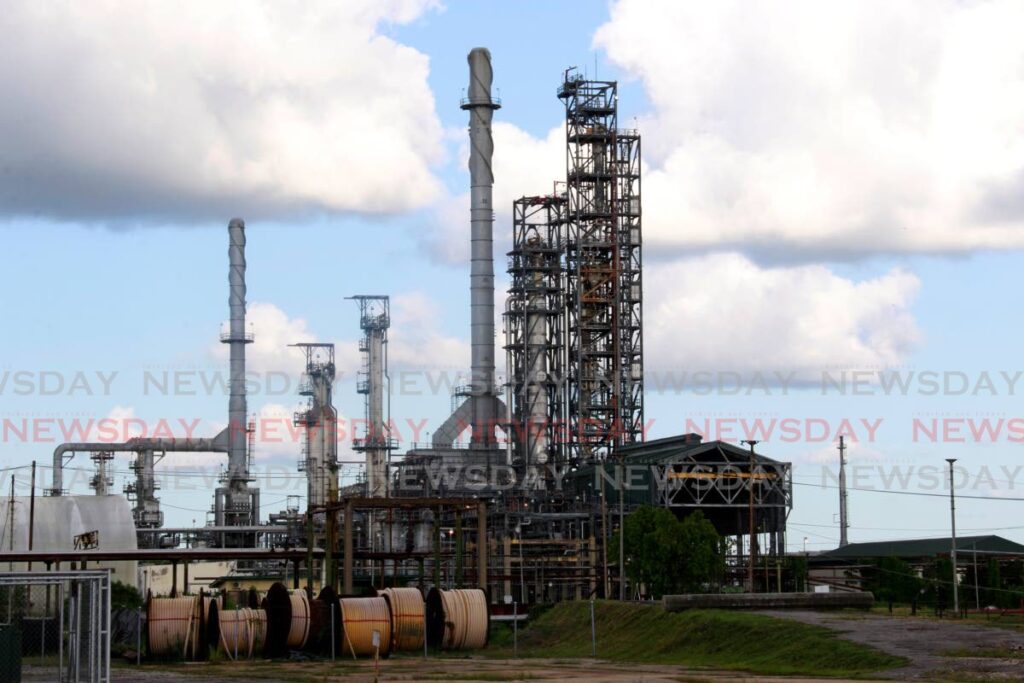
    The San Fernando Business Association (SFBA) has enthusiastically endorsed the Trinidadian government’s decision to recommission the Pointe-a-Pierre petroleum refinery, characterizing the move as a crucial economic stimulus for southern Trinidad and a transformative development for national prosperity.

    SFBA President Daphne Bartlett, in an official December 7 statement, expressed the association’s profound satisfaction with Prime Minister Kamla Persad-Bissessar’s administration for honoring its campaign commitment to restart refinery operations. Bartlett emphasized that the facility’s 2018 closure severely disrupted foreign exchange revenues, paralyzed ancillary industries, and exacerbated resource allocation challenges.

    “During its operational peak, the refinery generated substantial profitability through aviation fuel exports and international sales, earning critical foreign currency,” Bartlett explained. “Domestically, we utilized Trinidad and Tobago dollars for fuel purchases while bitumen by-products maintained our road infrastructure. Since the shutdown, we’ve been forced to import these commodities with limited foreign reserves, directly contributing to our deteriorating road conditions.”

    Bartlett further highlighted the reactivation’s potential to revitalize adjacent communities historically dependent on Petrotrin and its supply chain for employment. “Economic activity generates commercial vitality. Enterprises throughout the San Fernando region will experience renewed growth, and secondary operations will reactivate. This initiative represents a comprehensive national advantage,” she affirmed.

    Addressing feedstock concerns, Bartlett noted the refinery’s historical reliance on imported crude to supplement domestic production. With emerging oil producers like Guyana and Suriname, plus potential Venezuelan supply partnerships, she expressed confidence in sustainable operational continuity. “The reopening illuminates a prosperous future. We appreciate the Prime Minister’s exemplary seasonal offering,” Bartlett concluded.

    The business endorsement coincides with governmental advances in the reactivation process. Prime Minister Persad-Bissessar convened with the refinery recommissioning committee—chaired by former energy minister Kevin Ramnarine—at the Diplomatic Centre on December 5 to evaluate progress. She reiterated commitments to procedural transparency and assured citizens that national interests would remain paramount.

    Photographs from the December 4 meeting depicted Persad-Bissessar, Energy Minister Dr. Roodal Moonilal, and committee members examining interim strategic recommendations. Moonilal previously indicated that technical feasibility evaluations would conclude in early December, informing decisions regarding implementation schedules, financial investments, and capital needs.

    Preliminary estimates suggest partial production could restart within 12-18 months, with complete operational restoration anticipated within three years. “We expect the assessment to deliver thorough analysis and a definitive strategic roadmap,” Moonilal stated, emphasizing that fiscal allocations and capital investments remain pivotal factors.

    The refinery, formerly a cornerstone of Trinidad and Tobago’s economy, ceased operations in November 2018 during Petrotrin’s restructuring into Trinidad Petroleum Holdings Ltd. Its restoration constitutes one of the current administration’s most significant industrial projects, drawing intense scrutiny from energy sector participants, labor organizations, and regional allies.

    As committee deliberations continue, the Prime Minister has guaranteed ongoing public updates—a commitment aligning with SFBA’s advocacy for economic confidence and regional rejuvenation in southern Trinidad.

  • Gifting shoes this Christmas? Look for quality, comfort

    Gifting shoes this Christmas? Look for quality, comfort

    As the Christmas shopping season reaches its peak, consumers face a critical purchasing decision: authentic branded footwear versus counterfeit alternatives. This choice carries significant implications for both personal wellness and economic integrity.

    Premium footwear manufacturers like Nike, Adidas, and Crocs have built their market dominance through decades of research and development. Their products incorporate engineered materials specifically designed for anatomical support, impact absorption, and long-term durability. The manufacturing processes undergo rigorous quality control measures to ensure consistent performance standards.

    Conversely, counterfeit footwear operations prioritize cost reduction over quality and safety. These unauthorized manufacturers typically utilize substandard materials that compromise structural integrity and comfort. The absence of proper biomechanical engineering in knockoff designs can lead to foot discomfort, improper alignment, and potential injury with extended use.

    From an economic perspective, authentic purchases support legitimate businesses that invest in innovation, employment, and consumer protection. Counterfeit transactions inadvertently fund unregulated operations that often violate intellectual property rights and labor standards.

    Consumer protection experts emphasize that branded footwear represents more than just a logo—it embodies scientific research into foot health, quality materials sourcing, and manufacturing accountability. The higher initial investment typically translates to longer product lifespan and better value per wear.

    This holiday season, consumers should consider that gifting footwear involves not just immediate satisfaction but long-term foot health and ethical consumption practices. While counterfeit options may present tempting short-term savings, they carry hidden costs in comfort, durability, and potential health implications.

    Industry professionals like Delicia Burris, owner of Glorious Touch Health and Wellness Spa, reinforce that footwear choices directly impact musculoskeletal health and overall wellbeing during seasonal activities.

  • Riley exits Republic Financial Holdings board ahead of Dec 15 AGM

    Riley exits Republic Financial Holdings board ahead of Dec 15 AGM

    Republic Financial Holdings Ltd (RFHL) is undergoing significant boardroom changes with the confirmed departure of director Robert Riley, effective December 6. This marks the fourth high-level resignation from the financial institution’s leadership in just over two months, creating a substantial shift in corporate governance.

    The resignation was formally disclosed through public channels and the Trinidad and Tobago Stock Exchange on December 9, in compliance with Section 64(1)(B) of the Securities Act 2012. This regulatory framework requires listed entities to promptly announce material alterations to their board composition.

    Robert Riley, an experienced energy-sector executive and corporate veteran, had served on RFHL’s board since October 2016. His departure follows those of Shameer Ronnie Mohammed (October 3), Waltnel X Sosa (October 7), and Jason Mootoo (November 21).

    This wave of resignations coincides with the government’s publicly stated objective to secure majority representation on RFHL’s board. Finance Minister Davendranath Tancoo initially signaled this strategic move during his presentation of the 2025-2026 national budget on October 13.

    According to RFHL’s 2025 annual report, the board comprised twelve directors as of September 30. Further changes are anticipated at the upcoming annual meeting scheduled for December 15 at Port of Spain’s Hyatt Regency. Current chairman Vincent Pereira is expected to step down due to reaching the bank’s mandatory retirement age of 70, while director Kristine Thompson is also anticipated to retire during the AGM proceedings.

  • PM Points to Five-Figure Incomes for Antiguans Managing Luxury Villas

    PM Points to Five-Figure Incomes for Antiguans Managing Luxury Villas

    A transformative economic shift is underway in Antigua as the proliferation of luxury villas and high-end residential tourism catalyzes a lucrative property management sector, creating unprecedented earning potential for local professionals. Prime Minister Gaston Browne, during a recent appearance on the ‘Browne and Browne Show’, highlighted how this niche industry is generating premium salaries for Antiguans, with numerous individuals now commanding five-figure monthly incomes.

    The Prime Minister revealed that several Antiguans are securing management contracts for multimillion-dollar estates owned by international investors, particularly in exclusive enclaves like Jumby Bay. He cited a compelling case study of one young Antiguan woman whose earnings trajectory exemplifies the sector’s potential. Having previously earned approximately $3,000 monthly, her income skyrocketed to a five-figure sum per month after securing a high-value property management contract.

    This trend has precipitated a dramatic surge in the number of locals earning between $10,000 and $15,000 monthly. Prime Minister Browne quantified this growth, stating, ‘You’d have had a doubling, well almost… a quadrupling, of people making between 10 and 15,000,’ with a significant portion deriving their income from managing these luxury residences.

    The discussion clarified that elite property management transcends basic maintenance, encompassing sophisticated revenue generation and meticulous expense management. The economic ripple effects extend widely, as these luxury villas necessitate comprehensive service teams. This creates additional high-wage employment opportunities for pool staff, landscapers, chefs, butlers, and housekeepers, all of whom benefit from the premium pay scale that caters to an ultra-wealthy clientele.

    Drawing an international parallel, Prime Minister Browne referenced Cabo, Mexico, where property managers routinely earn between $5,000 and $6,000 monthly, often with additional housing benefits, underscoring the global standard of premium compensation in this thriving industry.

  • PM Says His Long-Term Vision Is 10 Million Tourists a Year

    PM Says His Long-Term Vision Is 10 Million Tourists a Year

    Prime Minister Gaston Browne has unveiled an ambitious national strategy to transform Antigua and Barbuda’s tourism economy, calling for a dramatic escalation from current visitor numbers to an eventual target of 10 million tourists annually. During his appearance on the Browne and Browne Show, the leader articulated his vision for substantial economic transformation through tourism sector expansion.

    The Prime Minister characterized the nation’s present tourism performance as merely preliminary, asserting that the industry remains in its developmental infancy despite recent progress. While acknowledging that cruise passenger arrivals have doubled in recent years, Browne emphasized that stay-over tourist figures remain critically below potential.

    Current estimates indicate approximately 350,000 to 400,000 overnight visitors annually—numbers the Prime Minister dismissed as fundamentally inadequate. “Especially when it comes to overnight tourists… 350,000-400,000 tourists… that is not enough,” Browne stated during the broadcast.

    As an initial benchmark, the administration targets one million overnight visitors, which Browne described as a modest starting point. The Prime Minister outlined the economic rationale behind this expansion, estimating that each additional million tourists could generate approximately one billion dollars in economic activity.

    Browne urged citizens to embrace ambitious thinking rather than limited aspirations, reiterating his government’s commitment to establishing Antigua and Barbuda as a premium tourism destination and “lifestyle superpower.” This vision is currently being pursued through strategic investments in cruise infrastructure, home-porting operations, and luxury tourism development designed to boost arrivals across all market segments.

  • SLM RvC stopt vrachtvliegtuig-deal: ‘Geen winst, geen zekerheid, dus geen risico’

    SLM RvC stopt vrachtvliegtuig-deal: ‘Geen winst, geen zekerheid, dus geen risico’

    In a significant corporate reversal, Surinam Airways’ newly appointed Board of Commissioners has terminated a contentious cargo aircraft lease agreement, citing fundamental flaws in its business rationale. Board President Marlon Telting revealed to Starnieuws that the project, initiated by the previous interim management under the Santokhi administration, failed to demonstrate financial viability upon rigorous examination.

    The board’s September assessment uncovered critical deficiencies in the proposed business case, particularly the absence of concrete financial projections. Telting noted that the Surinamese government would have faced additional unexpected investments beyond previously agreed payments to operationalize the transport aircraft. Despite providing management an opportunity to revise their proposal, the resubmitted documentation contained persistent inconsistencies and unresolved issues.

    Contract cancellation presented substantial financial implications, as the lessor had already received deposit payments and nearly finalized lease arrangements. Potential termination costs initially estimated in millions of dollars were successfully negotiated down to $100,000 through legal intervention, with the board preserving three months’ pre-paid deposit outside the settlement agreement.

    Telting specifically addressed misconceptions about the aircraft’s potential utilization in Surinam’s oil and gas sector, clarifying that the leased aircraft lacked necessary certifications and possessed only half the intended capacity. Current mid-Atlantic route operations continue through existing partnerships, with evaluations scheduled for next year regarding future arrangements.

    The board president emphasized that ongoing legal proceedings against former director Paul de Haan, ex-commission president Xaviera Jessurun, and jurist Prenobe Bissessur remain separate from current operational restructuring efforts, which focus on comprehensively mapping SLM’s present condition before implementing strategic improvements.

  • Rosebel eert 30 jaar trouwe medewerkers

    Rosebel eert 30 jaar trouwe medewerkers

    PARAMARIBO – In a significant celebration of workforce dedication, Zijin Rosebel Gold Mines recognized 162 employees reaching career milestones during a special ceremony held Saturday in Brokopondo. The event spotlighted personnel with service periods ranging from 5 to 30 years at the prominent gold mining operation.

    The anniversary gala, hosted at Roeli’s Event Venue in Wanica, transformed into an evening of appreciation through live musical entertainment and comedic performances by Glenn Huisden. Each honored employee received a commemorative award, official certificate, and monetary bonus in recognition of their service contributions.

    Country Director Stephanie Lobbrecht emphasized the human capital foundation of the company’s operations: “We celebrate our people because they form the very heart of Rosebel. Without their consistent efforts, the achievements we deliver daily for both the company and nation would remain unattainable.”

    This year’s recognition ceremony encompassed 436 milestone achievers across multiple service tiers: 328 employees marking five years of service, 5 reaching ten years, 28 achieving fifteen years, and 73 celebrating twenty years of employment. Notably, one employee commemorated a quarter-century with the organization, while another achieved the exceptional milestone of thirty years’ service.

    Lobbrecht confirmed the company currently employs approximately 1,700 workers while highlighting Rosebel’s organizational priorities: “Safety remains our absolute top priority. Nothing is more devastating than when individuals leave home and fail to return safely. Beyond this fundamental commitment, team spirit remains indispensable. It is precisely through our strong collaborative dynamics that we have maintained production excellence throughout so many years.”

  • Caribbean Manufacturers’ Association boss laments humbugs to regional trade

    Caribbean Manufacturers’ Association boss laments humbugs to regional trade

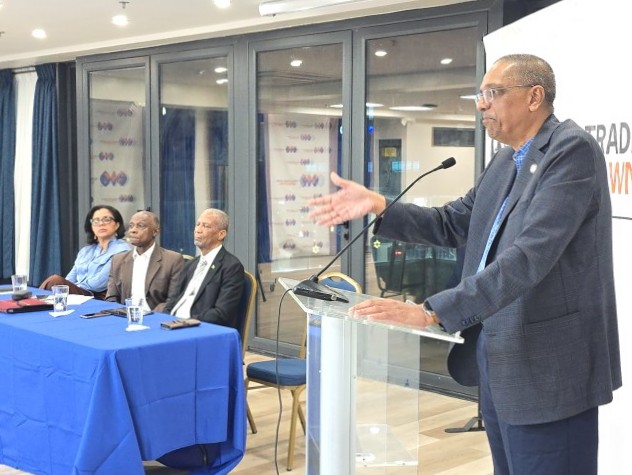
    Georgetown, Guyana – Caribbean manufacturers are confronting significant structural obstacles to regional trade integration, with harmonization issues and protectionist policies undermining economic cooperation efforts. Ramsey Ali, President of the Caribbean Manufacturers’ Association (CMA), voiced these concerns during a recent trade forum organized by World Trade Centre Georgetown.

    The absence of standardized food import regulations across CARICOM member states remains a persistent challenge. Ali highlighted how varying requirements force exporters to navigate disparate inspection protocols, creating unnecessary delays and increased operational costs. “The distinct different requirements, including the need for inspectors from intended buying countries, point to the absence of a common set of rules,” Ali stated, noting this non-tariff barrier has persisted for years without resolution.

    A particularly contentious issue involves the Common External Tariff (CET) waiver process. Ali criticized member states for routinely blocking waiver requests despite demonstrated inability to supply certain products regionally. The objection process through CARICOM’s Council for Trade and Economic Development (COTED) proves excessively time-consuming and costly for businesses awaiting essential raw materials.

    Furthermore, Ali accused several CARICOM governments of systematically violating CET provisions by permitting extra-regional imports without applying protective tariffs. This practice undermines local manufacturers who have invested substantially in production capabilities. “There are hundreds of pending court cases about that violation across the region,” revealed Ali, whose own company faces ten such legal challenges.

    The debate revealed divergent perspectives on CARICOM’s institutional effectiveness. Former Guyana Foreign Minister Carl Greenidge defended the organization’s technical staff while acknowledging COTED’s limitations as “the least effective of all ministerial bodies.” Greenidge attributed implementation failures to member states prioritizing sovereignty over collective commitments.

    Contrasting this view, CARICOM Single Market expert Neville Bissember maintained that the COTED mechanism provides adequate space for negotiating medium-to-long term exemptions, asserting that “the thing is working.” Belize’s High Commissioner to Guyana, Gale Miller-Garnett, emphasized the CET’s importance for protecting domestic industries and strengthening CARICOM’s external negotiating position.

    The forum underscored the tension between regional integration aspirations and national economic interests, highlighting the urgent need for institutional reforms to facilitate smoother trade operations across the Caribbean community.