分类: business

  • Cipriani Bellini: The Luxury in Simplicity

    Cipriani Bellini: The Luxury in Simplicity

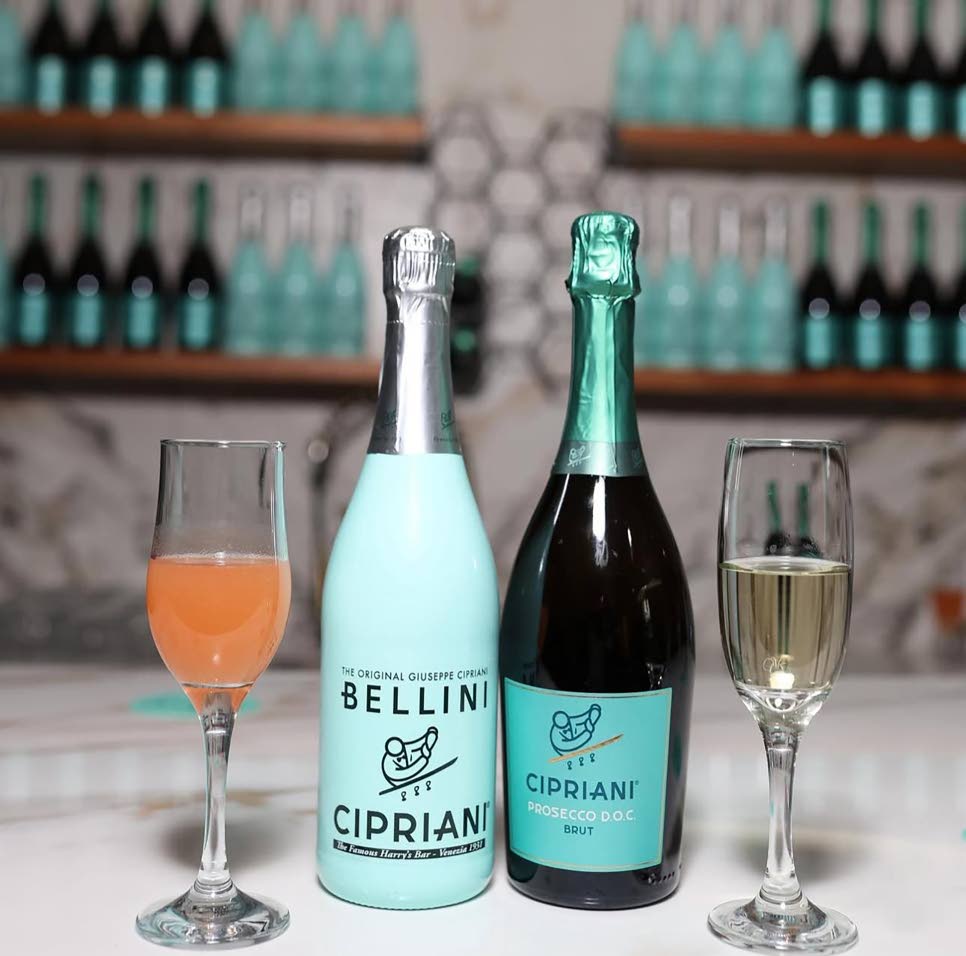
    The legendary Bellini cocktail, an enduring symbol of Italian elegance since its 1948 creation at Venice’s Harry’s Bar, has officially arrived in Jamaica through a strategic partnership between Cipriani Drinks and Harbour Wines & Spirits. Founded by Giuseppe Cipriani and inspired by the soft pink hues of Renaissance artist Giovanni Bellini’s paintings, the cocktail has transcended its Venetian origins to become a globally recognized aperitif.

    The official launch event, held on December 6th at the luxurious Opulenz Villa in St. Ann, marked the Caribbean introduction of both the ready-to-drink bottled Bellini and Cipriani’s proprietary Prosecco. Francesco Portello, National Sales Director for the Americas at Cipriani Drinks, traveled from Miami to personally oversee the introduction, emphasizing the brand’s commitment to global expansion while maintaining its century-old legacy of impeccable service and Italian charm.

    Dr. Debbian Spence-Minott, Commercial Manager at Harbour Wines & Spirits, detailed how the partnership emerged from Wine Paris, an international trade show where the brand’s unique combination of heritage and modern presentation captured their attention. ‘One sip of the Bellini and the Prosecco and we knew we had a hit on our hands,’ Spence-Minott enthused, noting the products’ alignment with evolving Jamaican consumer preferences and their exposure to international flavor profiles through travel.

    The event itself embodied the Cipriani experience, with brand ambassadors in blue and white tulle creations reminiscent of the brand’s iconic Majolica print, smooth Prosecco pours, and culinary creations from award-winning Chef Trevanne Donegal that incorporated the Bellini into dessert offerings. Against a backdrop of sunset and blue-illuminated pool decks, guests toasted with miniature 200ml bottles of the ready-to-serve cocktail, celebrating what both companies anticipate will be a successful market penetration.

    The convenience of the bottled format maintains the cocktail’s essential character: a precise blend of high-quality Prosecco and Mediterranean white peach purée with only 5.5% alcohol content, offering subtle sweetness without overwhelming potency. This presentation strategy acknowledges modern consumer preferences for both quality and convenience while preserving the drink’s artisanal origins.

  • Bar associations say government tax hike a losing bet

    Bar associations say government tax hike a losing bet

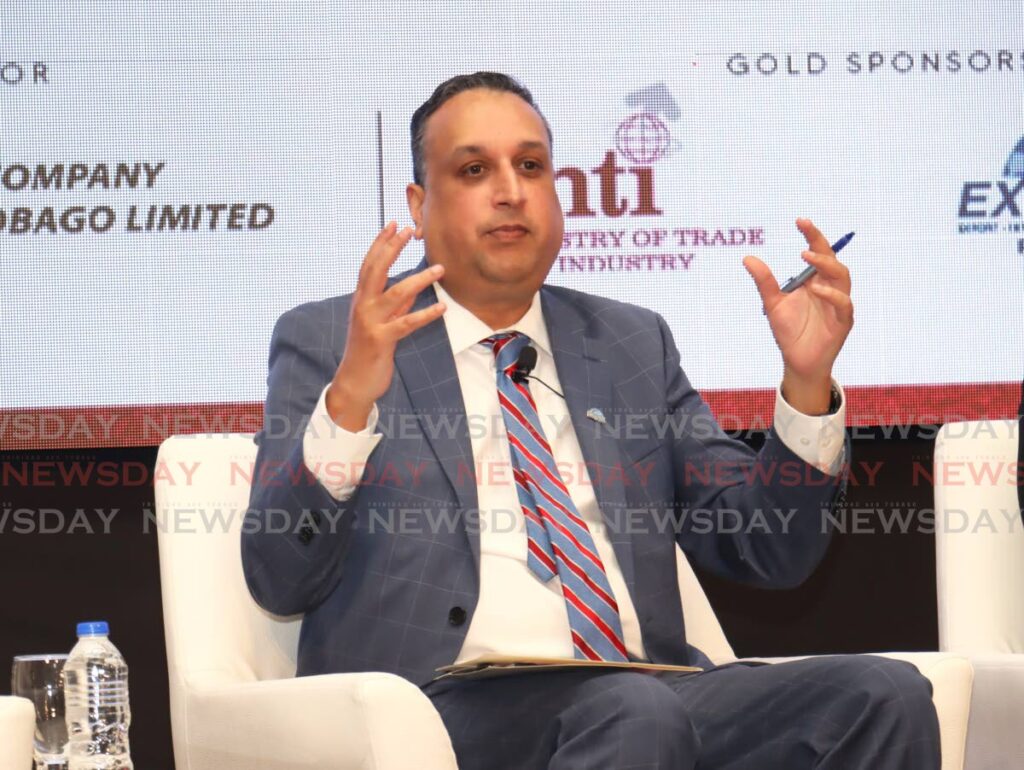
    Trinidad and Tobago’s hospitality industry is mounting a significant challenge against the government’s unprecedented 400% tax increase on gaming machines, setting the stage for a crucial meeting between industry representatives and Finance Minister Dave Tancoo on December 11.\n\nThe TT Coalition of Bars and Restaurants (TTCOBAR) and the Barkeepers Owners/Operators Association of TT (BOATT) characterize the tax hike as \”drastic and illogical,\\” warning it will devastate legal operators while driving gambling activities underground. Both organizations maintain that enhanced enforcement of existing tax rates—not increased taxation—represents the solution to revenue collection challenges.\n\nBOATT representative Satesh Moonessar expressed surprise at receiving the minister’s invitation, coming just days after Parliament passed sweeping gambling legislation that instituted fines up to $3 million for illegal operations. The government contends these measures address tax evasion, money laundering, and other criminal activities associated with unregulated gambling.\n\nMoonessar vigorously challenged the government’s rationale, arguing that compliance issues stem from chronic enforcement failures rather than tax rates. \”If someone was not paying the tax at $6,000, how in God’s name are they going to become compliant now when you’ve raised it by 400 percent?\” he questioned, noting that selective enforcement practices have undermined compliance efforts.\n\nThe industry representative projected that 50-75% of bars cannot afford the increased tax burden, potentially forcing widespread closures. He warned of cascading economic consequences, including job losses and impacts on related businesses such as food vendors and suppliers.\n\nTTCOBAR advocates for a modified approach that includes quarterly tax payments instead of full upfront payments and a reduced rate increase. The association estimates that a 50% reduction from the proposed hike could generate approximately $200 million annually through improved compliance.\n\nIndustry representatives emphasize that gaming revenue provides essential financial support for bars operating on thin profit margins. They contest government estimates of machine profitability, asserting that typical monthly earnings per machine are approximately $2,000—far below the official $10,000 projection.\n\nIn response, Minister Tancoo acknowledged significant tax evasion and fraud within the industry, noting that many amusement machines operated unregistered for years while generating unreported revenue. Despite his firm stance on ending these practices, he expressed openness to dialogue.\n\nThe dispute escalated on December 9 when approximately 30 bar operators gathered peacefully at Woodford Square near Parliament, accusing the government of victimization through consecutive measures targeting their industry, including increased alcohol taxes, commercial electricity rates, and landlord taxes.

  • More heads roll on forex issue

    More heads roll on forex issue

    In a sweeping financial sector overhaul, Trinidad and Tobago’s government has intensified its crackdown on foreign exchange management with the dismissal of Eximbank CEO Navin Dookeran on December 6. This move represents the latest in a series of high-profile executive removals that began in June with the abrupt revocation of Central Bank Governor Alvin Hilaire’s appointment, followed by the August departure of First Citizens Group CEO Karen Darbasie.

    The government maintains strategic silence regarding these personnel changes, yet evidence suggests profound disagreements over forex data disclosure and auditing protocols precipitated these actions. Dr. Hilaire’s dismissal reportedly followed contentious debates about transparency, while Ms. Darbasie’s exit has been linked to examinations of forex distribution channels and potential leakage.

    This executive purge coincides with alarming economic indicators: foreign exchange purchases plummeted by 19.2% year-on-year as of August, creating severe disequilibrium between supply and demand. Central Bank Governor Larry Howai’s September presentation highlighted the Eximbank’s increasingly pivotal role in forex dynamics, noting the urgent need to ‘address the Eximbank facility with respect to pricing and revolving.’

    Mr. Dookeran, who had led Eximbank since 2019, declined extensive commentary but previously expressed pride in his tenure accomplishments. His departure signals heightened governmental scrutiny of financial institutions amid growing pressure to resolve the currency crisis.

    Prime Minister Kamla Persad-Bissessar’s administration promises forthcoming revelations from its comprehensive review of financial systems and key operatives. However, business leaders like Vivek Charran, president of the Confederation of Regional Business Chambers, emphasize that rhetoric and dismissals cannot substitute for actionable solutions. ‘We are talking about generational family businesses fighting for survival,’ Charran stated, underscoring the urgent need for ‘fair and equitable means of forex distribution.’

    While Governor Howai has found no evidence of the ‘forex cartel’ alleged by the Prime Minister, he acknowledges that foreign exchange management may require stricter controls. The business community now awaits substantive policy measures rather than symbolic personnel changes as the nation grapples with one of its most significant financial challenges in decades.

  • Ex-Jamaican MP urges Caribbean women to prepare of the age of AI

    Ex-Jamaican MP urges Caribbean women to prepare of the age of AI

    In a powerful address at the inaugural Women in Tourism Caribbean Retreat, former Jamaican Parliament member Lisa Hanna issued a compelling call for women across the region to actively prepare for the artificial intelligence revolution and embrace professional reinvention. The landmark gathering, held November 13-16 in the Turks and Caicos Islands, brought together female tourism professionals from across the Caribbean basin for a transformative professional development experience.

    Hanna delivered her keynote message during the November 15 Brunch and Conversation event, where she emphasized the critical importance of women remaining vigilant to global geopolitical shifts while leveraging their unique ability to combine passion with pragmatic decision-making. Her address formed the centerpiece of a retreat specifically designed to explore challenges including work-life balance, navigation of male-dominated environments, leadership development, and mutual support systems among women in the industry.

    The retreat, conceptualized by Turks and Caicos Hotel and Tourism Association CEO Stacy Cox, represented the physical evolution of a virtual platform initially launched during the pandemic to recognize women driving the tourism sector forward. Participants from Dominica, Belize, Grenada, Barbados, Saint Lucia, the US Virgin Islands, The Bahamas, Jamaica, and Toronto engaged in carefully curated activities including school outreach visits, with Hanna joining delegates at the Special Needs Association Providenciales (SNAP) Centre.

    In a gesture of regional solidarity, organizers presented Hanna with a charitable donation to support relief efforts for victims of Hurricane Melissa in Jamaica. The retreat’s significance was further underscored by the attendance of prominent government officials including Deputy Governor Anya Williams, Tourism Minister Zhavargo Jolly, and permanent secretary Wesley Clerveaux at the opening reception hosted at Beaches Turks and Caicos.

    Reflecting on the event’s success, Cox expressed profound satisfaction: ‘This retreat provided a space for women to remove their masks, discuss authentic life challenges, draw strength from shared experiences, and ultimately build a powerful sisterhood.’ Buoyed by its inaugural success, organizers have already announced that the Women in Tourism Caribbean Retreat will return to the Turks and Caicos Islands in November 2026.

  • Premier Brantley Hails Bank of Nevis Ltd. as a Pillar of Nevisian Progress at 40th Anniversary

    Premier Brantley Hails Bank of Nevis Ltd. as a Pillar of Nevisian Progress at 40th Anniversary

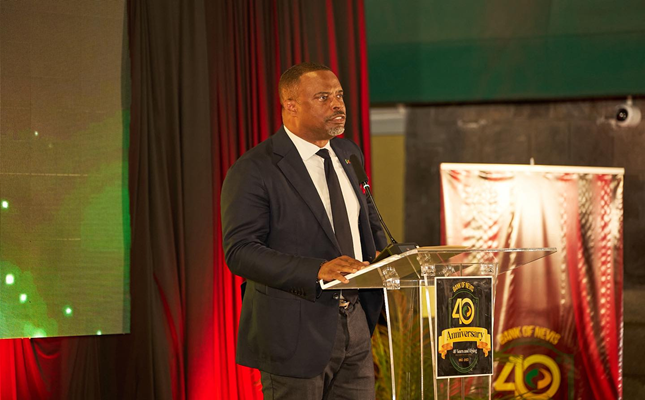
    CHARLESTOWN, NEVIS – The Bank of Nevis Limited (BON) marked its four-decade journey with a landmark celebration on December 09, 2025, receiving high praise from Nevis Premier Mark Brantley as a cornerstone of the island’s economic development. The ceremony, held before the bank’s Main Street headquarters under the theme “40 Years and Rising- Banking Beyond Boundaries,” brought together government officials, financial leaders, and community members to honor the institution’s transformative impact.

    Premier Brantley, serving as Minister of Finance in the Nevis Island Administration, highlighted the extraordinary evolution of what began as a local initiative into a billion-dollar financial powerhouse. He reflected on the visionary leadership of the late Sir Simeon Daniel, Nevis’ first Premier, who co-founded the bank with nine other pioneers in 1985.

    “The true lesson of the Bank of Nevis isn’t merely its billion-dollar valuation,” Brantley stated, “but rather that a homegrown idea could take root and benefit our entire community, even those who initially doubted its potential.”

    The Premier emphasized the significance of this achievement for the small Caribbean island: “When we celebrate institutions like the Bank of Nevis, we celebrate what is best in us as Nevisians – our capacity to conceive and execute remarkable ventures against all geographical constraints.”

    Board Chairman Damion Hobson noted the institution’s historic milestones, including its position as the second largest bank in the St. Kitts and Nevis Federation and its pioneering status as the first company listed on the Eastern Caribbean Securities Exchange.

    CEO Denrick Liburd outlined the bank’s forward-looking strategy, emphasizing a shift from transactional banking to relationship-based services. “We are already planning for our 50th anniversary,” Liburd revealed. “Our mission is to refine every service level, building strong, genuine, and transformative connections with our clients.”

    The executive highlighted BON’s reinvestment philosophy and encouraged broader public ownership through share acquisition: “No other financial institution reinvests in our people quite like we do. This commitment embodies our purpose – improving quality of life across the Federation.”

    The anniversary gathering also featured addresses by St. Kitts and Nevis Prime Minister Honourable Dr. Terrance Drew and Eastern Caribbean Central Bank Governor Timothy Antoine, underscoring the institution’s regional importance.

  • Four Cruise Ships Bring Thousands to St. John’s, Fueling One of Season’s Busiest Tourism Days

    Four Cruise Ships Bring Thousands to St. John’s, Fueling One of Season’s Busiest Tourism Days

    The port of St. John’s, Antigua, transformed into a major hub of economic activity this Tuesday, experiencing one of its peak tourism days of the season. The simultaneous docking of four international cruise vessels—Marella Explorer, AIDAsol, Celebrity Eclipse, and the colossal Norwegian Epic—flooded the capital with thousands of international visitors, creating a significant windfall for the local economy.

    The morning commenced with the arrival of the first three ships, whose passengers swiftly dispersed from the waterfront to explore the city’s retail offerings, pristine beaches, and cultural landmarks. The spectacle intensified with the late morning entrance of the Norwegian Epic, whose imposing structure became a defining feature of the harbor skyline, contributing a substantial additional contingent of tourists.

    According to statements from Antigua Cruise Port, the collective influx provided a powerful boost to a wide spectrum of local businesses. Taxi operators, guided tour agencies, artisan craft vendors, restaurants, and excursion providers across the city and its periphery reported exceptionally robust demand and sustained customer traffic throughout the day.

    From the bustling Heritage Quay deep into the city center, merchants enjoyed a steady stream of visitors. Tourists engaged in curated excursions, purchased authentic local products, and indulged in the island’s distinctive culinary offerings, directly injecting capital into the community.

    Port officials highlighted the event as a clear testament to the critical role the cruise industry plays within the economic framework of Antigua and Barbuda. With the crucial winter tourism season gaining momentum, authorities anticipate a series of similar high-capacity days, which are essential for sustaining hundreds of jobs and livelihoods dependent on the sector.

  • Dominican Republic launches WEIDE Fund to empower women in international trade

    Dominican Republic launches WEIDE Fund to empower women in international trade

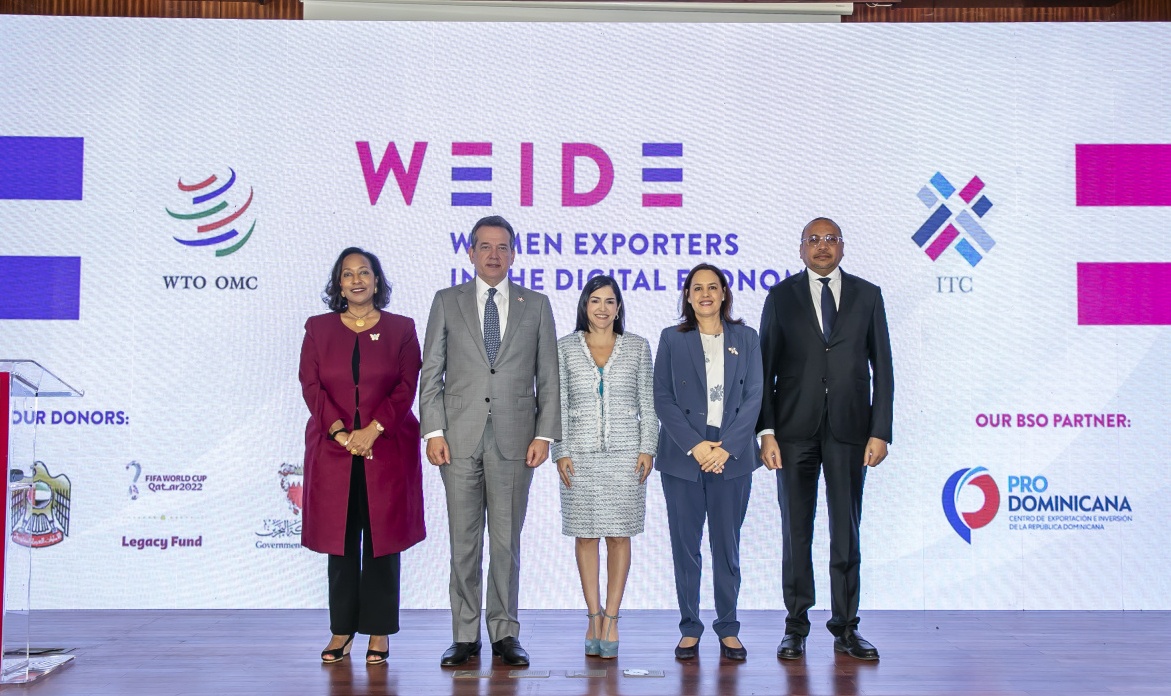
    SANTO DOMINGO – In a landmark move for gender equality in international commerce, the Dominican Republic has become a pioneering nation in the launch of the WEIDE Fund, a $50 million global initiative designed to bolster female participation in digital trade. The program, formally unveiled on December 9, represents a strategic partnership between the World Trade Organization (WTO), the International Trade Centre (ITC), and the nation’s export promotion agency, ProDominicana.

    The initiative positions the Dominican Republic as one of only four selected countries globally to pilot this ambitious project. At the official commencement, a consortium of high-ranking officials—including WTO Deputy Director-General Johanna Hill, ITC Executive Director Pamela Coke-Hamilton, and Minister of Industry, Commerce, and SMEs Víctor Bisonó—revealed that 34 women-led export firms have been chosen as the first beneficiaries. This support is strategically tailored to enhance the digital infrastructure, financial literacy, and market penetration capabilities of micro, small, and medium-sized enterprises (MSMEs).

    Preceding the formal launch, the program initiated its mission with a series of intensive technical workshops. These sessions provided participants with practical, hands-on training in leveraging e-commerce platforms and mastering financial management principles. This foundational training is part of a sustained commitment, with ongoing, customized technical assistance planned to fortify the long-term competitiveness of these enterprises on the world stage.

    The overwhelming response to the initiative underscores its critical need, with over 200 Dominican entrepreneurs submitting applications. This robust demand highlights a significant appetite among women business leaders for enhanced pathways to global export markets. Biviana Riveiro, Director of ProDominicana, stated that the country’s inclusion in this pilot phase is a testament to its national dedication to cultivating and championing female entrepreneurship.

    By providing crucial capital, advanced digital tools, and access to international networks, the WEIDE Fund is poised to fundamentally transform trade dynamics. Its implementation is a clear indicator of the Dominican Republic’s broader commitment to driving sustainable economic growth and achieving greater gender parity through the power of digital trade.

  • Edesur unveils RD$155 million grid expansion to power Dominican growth

    Edesur unveils RD$155 million grid expansion to power Dominican growth

    Santo Domingo’s primary electricity distributor, Edesur Dominicana, has initiated a comprehensive RD$155 million (approximately US$2.6 million) modernization project to significantly enhance its power infrastructure. This strategic investment targets critical upgrades across ten major substations—including Paraíso, UASD 138 kV, Herrera, and Bayona—while deploying new distribution lines to manage escalating electricity consumption during high-demand periods.

    The initiative specifically aims to reduce technical energy losses, which currently range between 10% and 17% in affected circuits. Key engineering enhancements involve installing additional transformers, establishing new medium-voltage transmission lines, and substantially increasing substation capacities. Notable technical improvements include a 10-14 MVA transformer at Herrera’s operational hub and a new 40 MVA Alfa substation designed to redistribute approximately 25.9 MVA of electrical load from overburdened network segments.

    Approximately 400,000 customers across 70 communities in Santo Domingo and the National District will benefit from these infrastructure improvements. The project focuses on enhancing distribution stability and reducing prolonged outage risks, particularly during the upcoming summer months when cooling demand peaks.

    This substantial investment marks a strategic shift from reactive maintenance to proactive infrastructure development. By modernizing its grid architecture, Edesur not only addresses immediate service reliability concerns but also establishes a scalable foundation for future energy demands aligned with the country’s urban expansion and economic growth trajectory.

  • Guyana, Belize to satisfy CARICOM’s refined sugar demand

    Guyana, Belize to satisfy CARICOM’s refined sugar demand

    In a significant development for regional food security and economic integration, two major sugar refineries currently under construction in Guyana and Belize are positioned to fully satisfy the Caribbean Community’s (CARICOM) refined sugar requirements. This strategic initiative, led by U.S.-based SUCRO in partnership with local private sector entities, represents a transformative shift in the Caribbean’s agricultural landscape.

    According to official statements released Tuesday, these facilities will collectively address CARICOM’s annual demand of 200,000 tonnes of refined cane sugar, valued at approximately US$180 million. Finance Minister Dr. Ashni Singh confirmed the projects’ capacity to achieve regional self-sufficiency in refined sugar production upon completion.

    The Guyana operation, Demerara Sugar Refinery Inc., emerges as a joint venture between SUCRO and local investors, with construction scheduled to commence next year at Wales, West Bank Demerara. This development follows a similar September agreement between SUCRO and Belize’s Santander Sugar Limited, establishing Caribbean Sugar Refinery Limited (CSR).

    Komal Singh, Director of Demerara Sugar Refinery, emphasized the project’s potential to revitalize Guyana’s struggling sugar industry. “We’re collaborating closely with GUYSUCO to enhance their productivity while adding value to surplus sugar that enjoys substantial global market demand,” Singh stated. GUYSUCO CEO Paul Cheong endorsed the partnership as beneficial for the industry’s recovery, noting that 40% of state-owned operations have already been mechanized.

    SUCRO Vice President Oliver Hire outlined the operational strategy, explaining that raw sugar will be transported to refineries before distribution across CARICOM nations through a Trinidad-based hub. “We’re leveraging Guyana’s geographical advantage to ensure comprehensive regional coverage,” Hire remarked.

    The initiative promises substantial economic and environmental benefits. The Guyana refinery will utilize rice husk for electricity generation, significantly reducing dust pollution while creating sustainable energy solutions. Hire further highlighted that the operation will support GUYSUCO’s 8,000 workers and generate profits that directly incentivize production, reducing dependence on volatile global brown sugar markets.

  • SEOB: Inflatie loopt verder op en begroting 2026 blijft kwetsbaar

    SEOB: Inflatie loopt verder op en begroting 2026 blijft kwetsbaar

    Suriname’s economic landscape is confronting significant challenges in 2025, according to the latest bulletin from the Suriname Economic Oversight Board (SEOB). The nation’s inflation rate climbed to 10.8% in August, primarily driven by the depreciation of the Surinamese dollar and an expanding money supply. The exchange rate continued its upward trajectory through September, reaching approximately SRD 38.4 per US dollar, further exacerbating market uncertainty and price pressures.

    Despite maintaining robust international reserves of approximately $1.55 billion—covering 7.2 months of imports and well exceeding the three-month benchmark—the SEOB warns that macroeconomic stability remains vulnerable due to escalating government deficits. The 2026 budget reveals a deficit of SRD 6.3 billion, representing about 3.5% of GDP. Should this shortfall be financed domestically, it could further increase money supply, intensifying both inflationary trends and exchange rate pressures.

    The national debt continues to substantially exceed statutory limits, standing at 88.3% of GDP according to international definitions, compared to the legal ceiling of 60%. In response, the SEOB advocates for proactive debt management strategies and divestment from loss-making state enterprises that require substantial subsidies.

    Suriname’s banking sector presents a mixed performance picture. While capital adequacy remains strong at 22.3%, non-performing loans have risen to 6.6%, indicating growing repayment difficulties among borrowers. High lending rates of 14.5% continue to discourage investment activity.

    The oversight board notes that the 2026 budget largely aligns with policy guidelines outlined in the annual address, particularly for ministries of Finance, Economic Affairs, Justice and Police, and Oil, Gas and Environment. However, weaker coherence is observed in sectors including Health, Land Policy, and Public Works.

    Key recommendations from the SEOB include:
    – Implementing stronger fiscal discipline and enhanced budget transparency
    – Establishing a modern investment framework modeled after Argentina’s RIGI system
    – Promoting export growth and economic diversification beyond the mining sector
    – Strengthening risk management protocols within the banking industry
    – Enhancing operational capacity of the Tax Administration, Customs, and ministerial departments
    – Improving coordination between monetary and fiscal policies to stabilize exchange rates

    The board concludes that Suriname’s economic recovery remains fragile, emphasizing that consistent policy implementation and clear communication are essential to maintain market confidence.