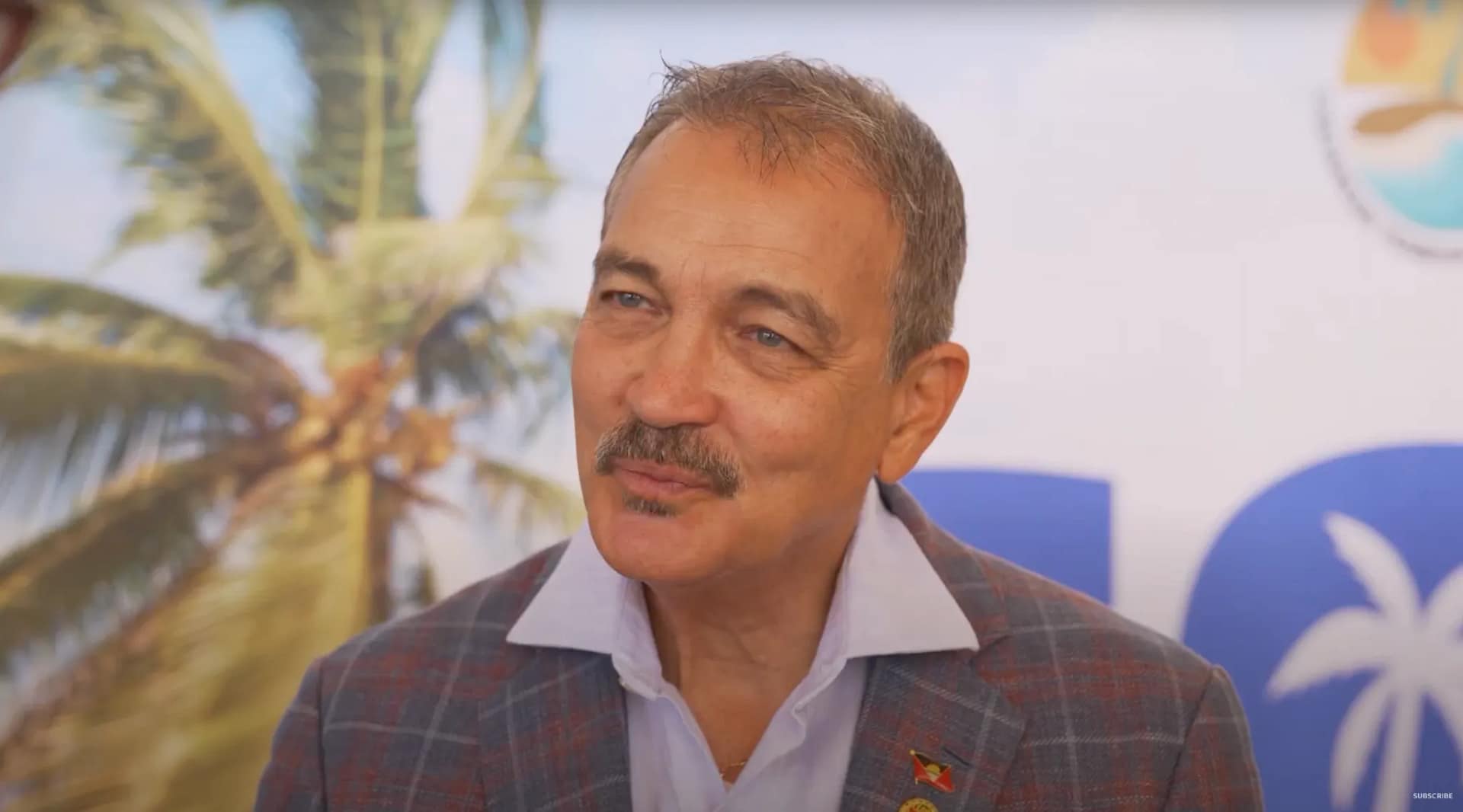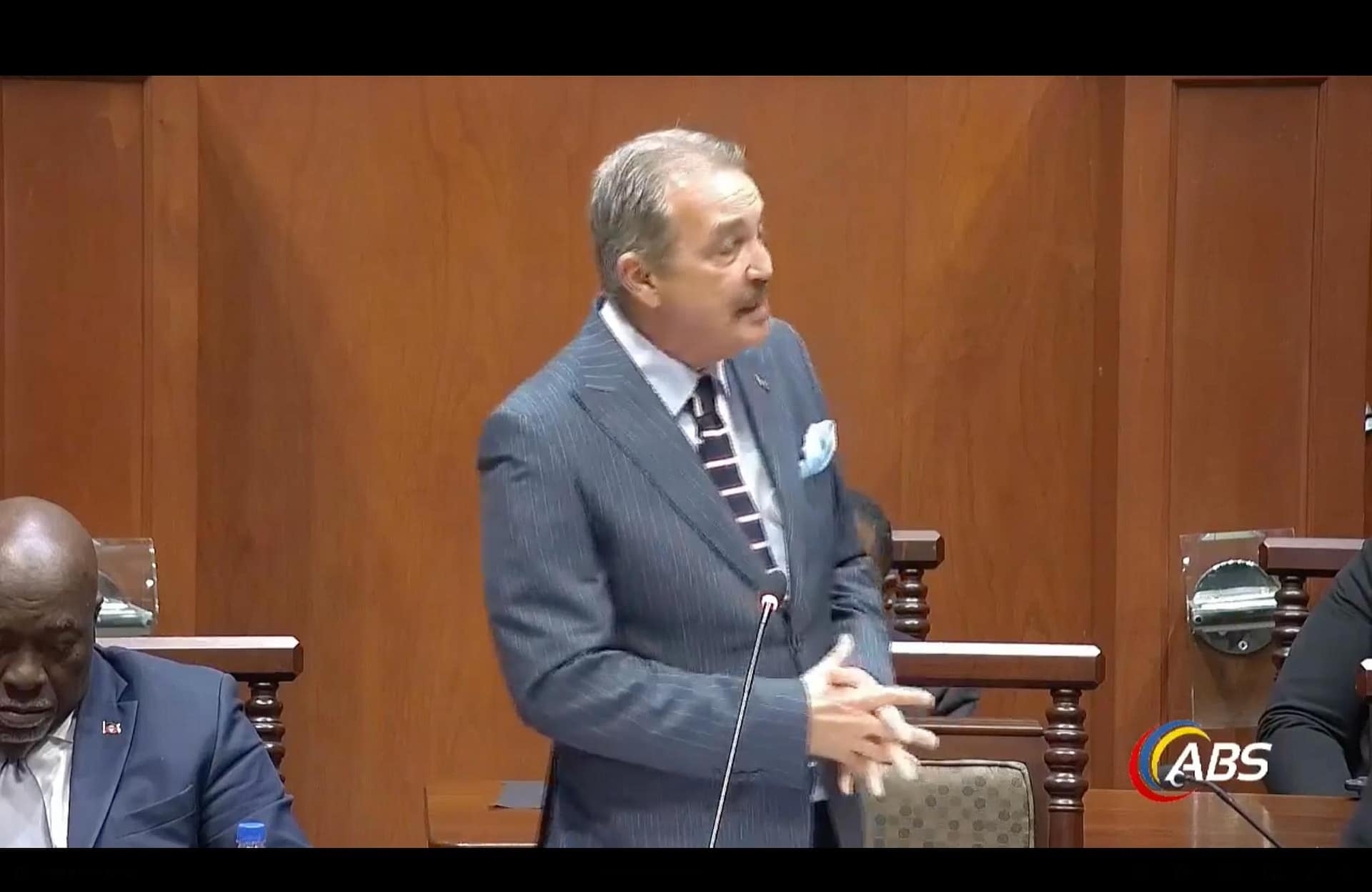
Barbados is set to transform its public debt unit into an investor relations agency as part of a broader initiative to enhance debt management and make government securities accessible to ordinary citizens. Finance Minister Ryan Straughn announced the plan during the 20th Annual Meeting of the LAC Debt Group 2025, held at the Hilton Barbados. The restructuring aims to emphasize citizen participation in debt management, with the revamped unit handling front, middle, and back-office functions. Currently, the Central Bank acts as the fiscal agent, but the new unit will proactively manage the debt portfolio, treating it as a productive sector of the economy. Additionally, the government has approved a Public-Private Partnership (PPP) framework under its procurement law to share risks with the private sector while maximizing value for citizens. The investor relations unit will focus on extracting value from PPPs, shifting risks to the private sector, and fostering economic growth. Digital platforms like BIMPay will facilitate broader participation in the domestic capital market, enabling real-time payments and reducing costs for financial institutions and merchants. The government also plans to introduce smaller investment lots, allowing individuals to invest as little as $50 in treasury bills, with digital notifications streamlining the process. The ultimate goal is to democratize access to government debt returns, ensuring that average citizens can earn returns comparable to larger investors. Minister Straughn emphasized that this initiative will reduce reliance on banks as brokers, enabling direct citizen participation in the debt market.
分类: business
-

High Court Halts Feinstein Trial Over Evidence Dispute
In a significant legal development, the High Court has postponed the trial of businessman Michael Feinstein and Stake Bank Enterprise, following a dispute over the introduction of new evidence. The case, which dates back to April 2024, involves allegations of fraud brought by Atlantic Bank Limited. The bank claims it provided $62 million to Stake Bank Enterprise for the development of Stake Bank Island into a cruise ship docking facility. However, Feinstein is accused of securing title to a 23.5-acre island extension in his own name, bypassing the company. The trial, initially set to commence today, was halted after Feinstein’s legal team, led by King’s Counsel Richard Salter, appealed a decision by Justice Rajiv Goonetilleke, who denied their request to introduce new evidence. The Court of Appeal is expected to hear the matter next week, with a virtual session tentatively scheduled for November to determine the trial’s resumption. Meanwhile, Justice Goonetilleke has ordered Atlantic Bank to cover the legal costs for Feinstein and Stake Bank Enterprise, which is currently in receivership. Representing Atlantic Bank is Senior Counsel Eamon Courtenay, while Senior Counsel Dean Barrow represents Stake Bank Enterprise. Upon exiting the courtroom, Feinstein expressed his disappointment, stating, ‘It is a sad day when the government takes the side of banksters.’ His attorney, Richard Salter, declined to comment on the application before the Court of Appeal.
-

Ali welcomes Islamic Development Bank, IDB Group’s $1 billion financing for Suriname, Guyana development
In a significant move to bolster sustainable development in South America, the Islamic Development Bank (IsDB) and the Inter-American Development Bank Group (IDB Group) have pledged $1 billion over the next five years to support Suriname and Guyana. The announcement was made during President Irfaan Ali’s official visit to Saudi Arabia, where he expressed gratitude for the global confidence in Guyana’s leadership and development strategy. The two institutions also signed a Memorandum of Understanding (MoU) to formalize their renewed partnership, which will focus on key sectors including transportation, energy, urban development, education, health, and resilience. IsDB President Dr. Muhammad Al Jasser emphasized the bank’s commitment to empowering member countries and fostering partnerships that drive sustainable development. Similarly, IDB Group President Ilan Goldfajn highlighted the collaboration’s potential to unlock co-financing opportunities and improve lives in the region. Beyond Suriname and Guyana, the partnership aims to enhance cooperation in other member countries with significant Muslim populations, promoting inclusive growth and climate resilience. President Ali described the initiative as part of Guyana’s success story, showcasing the nation’s positive global engagement and innovative diplomacy. The IsDB, headquartered in Jeddah, Saudi Arabia, and the IDB Group, a leading financier in Latin America and the Caribbean, reaffirmed their shared commitment to knowledge sharing and impactful development solutions.
-

Islamic Development Bank and IDB Group announce $1 billion financing for development in Suriname, Guyana
In a significant move to bolster sustainable development, the Islamic Development Bank (IsDB) and the Inter-American Development Bank Group (IDB Group) have renewed their strategic partnership, committing $1 billion over the next five years to support Suriname and Guyana. The agreement, formalized through a memorandum of understanding (MoU), focuses on key sectors including transportation, energy, urban development, education, rural development, health, and resilience. This collaboration aims to drive inclusive growth, enhance regional connectivity, and build climate resilience in both nations. IsDB President Dr. Muhammad Al Jasser emphasized the commitment to transformative projects that improve livelihoods and promote shared prosperity. IDB Group President Ilan Goldfajn highlighted the partnership’s potential to unlock co-financing opportunities and foster inclusive growth. Beyond Suriname and Guyana, the partnership will also benefit other member countries with significant Muslim populations, promoting trade, investment, and sustainable transportation solutions. Both institutions reaffirmed their dedication to knowledge sharing and impactful development solutions, strengthening cooperation among Latin America, the Caribbean, Gulf States, and other stakeholders.
-

Jason Julien appointed CEO of First Citizens Group
First Citizens Group has officially named Jason Julien as its new Group CEO, effective October 22, as disclosed in a legal notice published on the Trinidad and Tobago Stock Exchange’s website on October 29. Julien, a seasoned banking and finance professional with over 25 years of experience, succeeds Karen Darbasie, who retired on October 21. Julien holds an MBA from Edinburgh Business School, Heriot-Watt University, and a bachelor’s degree in management studies from the University of the West Indies. He is also a Chartered Financial Analyst and holds a Certificate of Financial Advisors from the Institute of Business and Finance. Sana Ragbir, the General Manager for Retail and Commercial Banking, will continue to serve as Group Deputy CEO of Business Generation. Darbasie’s retirement followed her approved vacation leave starting August 21, during which Julien acted as interim Group CEO. The transition occurred amidst broader organizational changes, including the resignation of the entire board of directors on October 7, just before a special general meeting to elect a new board and CEO. Finance Minister Davendranath Tancoo had earlier expressed concerns about the bank’s operations and appointed a new board to First Citizens Holdings, the majority shareholder of First Citizens Group.
-

Furness launches Atlantic Pearl smoked herring to local market
Furness Shipping & Marketing Ltd, a subsidiary of the Furness Group, has broadened its seafood product line by introducing premium salted smoked split herring under its Atlantic Pearl brand. Known for its boneless salted fish in vacuum-sealed packaging, the brand has now ventured into smoked herring, a staple in Trinidad and Tobago’s culinary scene. At a recent launch event attended by chefs and retailers, Patrick A Ferreira, the company’s executive chairman, emphasized the popularity of smoked herring and detailed the process of importing fresh split herring, commonly referred to as kippers. Ferreira noted that kippers are favored over alternatives like bloaters or boneless versions, which can lose flavor during processing. Additionally, he revealed plans to diversify the seafood range further, including blue shark, fresh salmon, white fish, and red snapper. Leveraging its extensive expertise in cold storage, Furness ensures efficient preservation of chilled and frozen seafood products.
-

Creating sustainable livelihoods
Trinidad and Tobago has taken a bold step toward reshaping its labor landscape with the introduction of an Employment Fund, designed to transition workers from the Community-Based Environmental Protection and Enhancement Programme (CEPEP) and the Unemployment Relief Programme (URP) into full-time, higher-paying roles. This initiative marks a pivotal shift from dependency-driven schemes to sustainable livelihoods, aiming to address long-standing structural underemployment issues. However, the success of this reform hinges on its alignment with the evolving demands of the labor market and the strategic development of human capital. The 2026 budget underscores key sectors such as tourism, hospitality, digital services, agriculture, and creative industries as pillars of economic diversification. To capitalize on these opportunities, the Employment Fund must foster partnerships with training institutions, industry associations, and professional bodies to ensure workers are equipped with both technical and behavioral competencies. Additionally, the fund must embrace entrepreneurship as a viable pathway to economic empowerment, particularly for women and youth, by providing access to skills training, mentorship, and financial resources. A robust labor market intelligence system will be essential to track progress and ensure the fund remains responsive to workforce needs. Ultimately, this initiative represents more than economic reform; it is a commitment to human dignity, offering workers the tools to thrive in a rapidly changing economy.
-

CSME for creatives: Exporting culture, innovation
The Caribbean’s creative industries, spanning music, fashion, film, animation, digital design, and performing arts, are not only cultural treasures but also significant economic assets with the potential to reshape the region’s growth trajectory. Globally, creative and cultural industries (CCIs) contribute over US$2.3 trillion annually, accounting for 3.1% of global GDP and supporting nearly 30 million jobs. However, in the Caribbean, where creativity is deeply ingrained in national identity, the economic potential of the Orange Economy remains largely untapped due to fragmented markets, inconsistent regulations, limited capital, and small domestic audiences. The Caribbean Single Market and Economy (CSME), a core initiative of Caricom, offers a promising solution by removing barriers and enabling seamless cross-regional operations for creatives. The CSME facilitates the free movement of goods, services, capital, and skilled labor, providing access to an estimated 18 million consumers and fostering collaboration and specialization across borders. By eliminating redundant customs procedures, work permit requirements, and inconsistent VAT regimes, the CSME reduces transaction costs and expands opportunities for creative enterprises. Research by the United Nations Trade and Development (UNCTAD) indicates that creative industries in emerging economies can double their export revenues when regional markets are effectively integrated—a lesson the Caribbean is well-positioned to apply. For instance, a Jamaican filmmaker could collaborate with Barbadian actors, utilize Trinidadian post-production facilities, and distribute across Caricom territories, creating high-quality products at competitive costs. Similarly, a Saint Lucian fashion designer could source sustainable textiles from Suriname, manufacture garments in Trinidad and Tobago, and ship them duty-free throughout the region. These cross-border value chains enhance efficiency, quality, and diversity, making the creative sector more resilient and globally competitive. To ensure the CSME’s continued growth, grant programs and cross-border market access should be tied to clear integration criteria, such as requiring at least 30% of a product’s value to be derived from within Caricom. Legal harmonization, including the Caricom Skilled Nationals Certificate and improved intellectual property (IP) protection, further strengthens the foundation for creatives to license and monetize their work. Realizing the full potential of the Orange Economy requires a deliberate strategy that connects regional integration with measurable economic outcomes, including recognizing the economic and cultural value of creative industries, expanding regional participation, protecting IP, investing in infrastructure, building entrepreneurial capacity, and measuring performance through reliable data. Policymakers and private sector leaders must recognize these as interdependent processes that reinforce each other. For example, investment in digital infrastructure facilitates regional collaboration, enhancing competitiveness and attracting international financing. A modern, regional digital platform could serve as both a marketplace and a knowledge hub, showcasing regional talent, streamlining licensing processes, and connecting creators with international buyers and investors. The Caribbean’s creative economy must balance cultural authenticity with economic pragmatism, integrating fragmented markets, reducing friction, fostering mobility, and enabling collaboration to create a foundation for sustainable growth. Regional governments must commit to enforcing and modernizing CSME provisions, while creative entrepreneurs must view the Caribbean as a unified platform to showcase and commercialize talent. By doing so, the region’s rich cultural heritage, combined with modern business practices and regional cooperation, can generate income, create jobs, and project Caribbean identity on the global stage.
-

Exploring Trinidad and Tobago’s capital market
Trinidad and Tobago’s economic future hinges on the development of a robust and inclusive capital market that can mobilize private investment and bolster public confidence. This was the central message at the TT Stock Exchange’s Capital Markets and Investor Conference 2025, held on October 24 in Port of Spain. Key stakeholders, including government officials and private-sector experts, emphasized the need to shift from state-driven growth to private-sector-led development. Dr. Kennedy Swaratsingh, Minister of Planning, Economic Affairs and Development, highlighted the government’s role in creating an enabling environment through legislation and policy, while urging broader participation in the TT Stock Exchange (TTSE) to enhance liquidity. Finance Minister Davendranath Tancoo announced initiatives such as a state-sponsored Real Estate Investment Trust and a $1 billion National Investment Fund bond, aimed at democratizing ownership and stimulating the domestic market. Central Bank Governor Larry Howai underscored the importance of balancing monetary policy with capital-market growth, while exploring digital innovations like tokenization and Central Bank Digital Currencies (CBDCs). Anthony Zamore of PricewaterhouseCoopers (PwC) discussed the transformative potential of AI, blockchain, and tokenization in reshaping global finance, urging Trinidad and Tobago to embrace these technologies to attract global investors. Andre Jeffers of Ansa McAL called for bridging the gap between private businesses and public markets to ensure the sustainability of generational enterprises. The conference concluded with a unified call for immediate action to implement these reforms and drive the nation’s next phase of economic development.