分类: business

  • OECS Advances Plans for Independent Aircraft Accident Investigation Unit

    OECS Advances Plans for Independent Aircraft Accident Investigation Unit

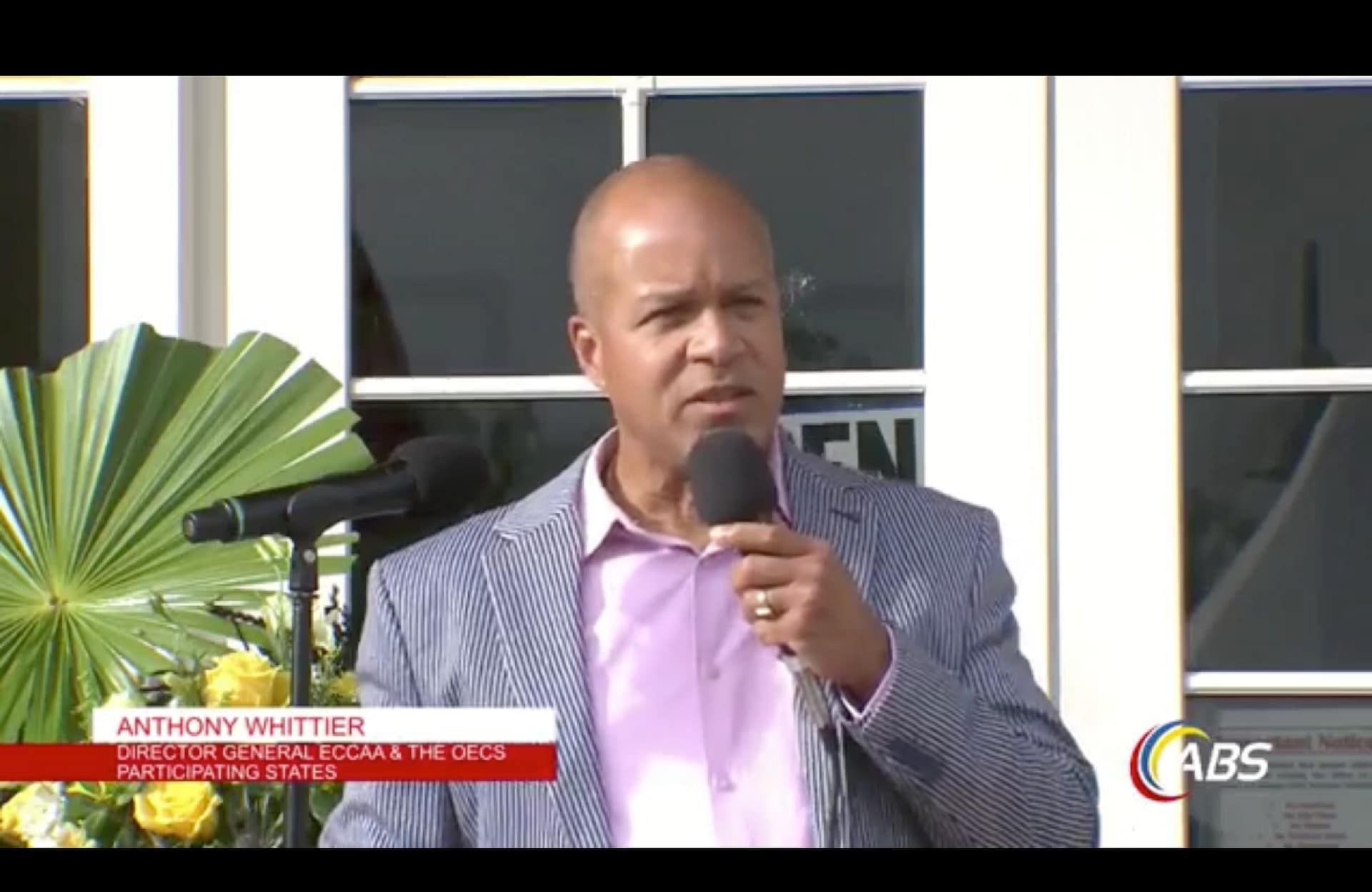
    The Organisation of Eastern Caribbean States (OECS) is making significant progress toward launching the Eastern Caribbean’s first independent regional aircraft accident and incident investigation unit, a transformative infrastructure project that aviation leaders say will overhaul regional safety protocols and cut reliance on outside expertise. The development was formally announced by Eastern Caribbean Civil Aviation Authority (ECCAA) Director General Anthony Whittier, who made the disclosure Thursday during the opening ceremony for ECCAA’s newly expanded headquarters at Antigua and Barbuda’s V.C. Bird International Airport.

    According to Whittier, the ambitious regional initiative has secured steady backing from the government of France as the ECCAA moves through the final stages of planning and preparation. Unlike existing investigative structures that tie probes to aviation regulators or industry operators, the new unit will operate as a fully independent body, tasked with conducting impartial probes into all aircraft accidents and incidents across participating member states.

    To build a skilled, localized investigative team, the ECCAA has already identified qualified investigator candidates from two OECS member states: Dominica and St. Kitts and Nevis. The project has also earned formal backing from the government of Dominica, which has agreed to integrate the unit’s permanent headquarters into the country’s landmark new international airport development currently under construction. The new Dominica airport is on track to open in 2027, and Whittier confirmed the investigation facility will be housed on its campus once completed.

    Aviation industry analysts frame the new unit as a pivotal milestone for Eastern Caribbean aviation governance. For decades, the OECS region has depended almost entirely on external assistance to conduct accident investigations, a gap that delayed response times and created barriers to aligning with global safety standards. The dedicated, regionally based investigative capacity will eliminate that gap, allowing for faster, more context-aware probes that directly support ongoing safety improvements across the bloc.

    The investigation unit forms a core pillar of the ECCAA’s broader organizational modernization strategy, which Whittier outlined in detail during his Thursday address. Beyond the new investigative body, the authority is advancing multiple initiatives to upgrade regional aviation: expanding technical training programs for aviation staff, building out robust cybersecurity defenses to protect critical aviation infrastructure, strengthening oversight of aerodrome operations across member states, and coordinating preparations for an upcoming reassessment by the U.S. Federal Aviation Administration (FAA). The reassessment is tied to the region’s ongoing bid to regain FAA Category 1 status, a designation that unlocks expanded commercial air travel access to the United States.

    Currently, the ECCAA provides civil aviation safety regulation and oversight for six OECS member states, and has steadily expanded its regional influence in recent years through expanded training partnerships, international collaborative agreements, and the launch of specialized aviation safety initiatives. Whittier emphasized that the creation of the independent investigation unit is more than an infrastructure project: it is a clear demonstration of growing integration and cooperation across the Eastern Caribbean, and a tangible commitment to meeting the strictest international aviation safety standards while protecting passengers and industry stakeholders across the region.


  • Antigua to Host Largest Regional Civil Aviation Conference Next Week

    Antigua to Host Largest Regional Civil Aviation Conference Next Week

    Next week, Antigua and Barbuda will open its doors to the biggest civil aviation gathering in the Eastern Caribbean, an event that brings together a wide cross-section of aviation industry stakeholders to address cutting-edge innovation and evolving regulatory strategies for the fast-transforming sector. The announcement was made by Eastern Caribbean Civil Aviation Authority (ECCAA) Director General Anthony Whittier during the official opening ceremony of ECCAA’s newly expanded headquarters this past Thursday.

    Whittier emphasized that the core mission of the upcoming conference is to explore how aviation regulators and industry players can proactively adapt to the sector’s accelerating technological shifts and the rise of new aviation operating models. Among the central topics on the conference agenda, he highlighted, will be the growing adoption of regulatory sandboxes as a framework for governing emerging industry developments.

    Explaining the value of this regulatory approach, Whittier noted that regulatory sandboxes have gained global traction in recent years as a flexible tool that enables aviation authorities to safely test and evaluate new technologies, business structures, and operational concepts before integrating them into formal, permanent regulatory rules. This approach, he argued, addresses a critical need for the modern aviation sector, which is evolving at a pace never seen before, requiring oversight bodies to evolve alongside the industry they regulate.

    “Aviation itself is changing, and therefore, as we are the oversight body for aviation, we also must change and adapt,” Whittier told attendees of the headquarters opening. Drawing on his decades of experience in the sector, he pointed to the dramatic technological transformation that has reshaped aviation operations over the course of his career: what once relied on large physical workshops, paper-based procedural manuals and outdated legacy systems has now been fully replaced by integrated digital technologies and far more efficient aircraft operating systems.

    Today, Whittier explained, ECCAA increasingly receives proposals for new activities and concepts that do not fit cleanly into the region’s existing regulatory frameworks. These range from novel emerging aviation concepts to growing recreational aviation operations, and regulators can no longer dismiss these developments simply because they are not already covered by existing rules. “We can no longer turn them away and say, ‘Well, it’s not in our regulations,’” he said. “What we have to do is use some of the tools of innovation in order to address these things in a safe manner and therefore promote aviation growth and expansion in the Eastern Caribbean region.”

    The conference is being held as ECCAA advances a broad slate of modernization initiatives across the region. These include new cybersecurity programs to protect aviation digital infrastructure, ongoing efforts to certify aerodromes to international standards, expanded technical training programs for regional aviation personnel, and preparations for an upcoming reassessment by the U.S. Federal Aviation Administration (FAA). The reassessment is tied to the Eastern Caribbean region’s broader goal of regaining FAA Category 1 status, a designation that supports expanded international air connectivity.

    Industry officials note that the upcoming gathering will create a critical collaborative space for regulators, commercial aviation operators, and independent industry experts to work together to identify pathways that allow the region to safely embrace innovation while upholding the strict international aviation safety standards that underpin global connectivity and public trust.

  • Regional music rights organization to hold 15th Annual General Meeting in June

    Regional music rights organization to hold 15th Annual General Meeting in June

    The Eastern Caribbean Collective Organisation for Music Rights (ECCO) Inc., a regional collective management group that represents music creators and rights holders across the subregion, has formally announced plans to host its 15th Annual General Meeting (AGM) in St. Lucia next month. In a public press release issued by the organization, officials confirmed that the in-person gathering will be complemented by a virtual participation option for members who cannot travel to the host venue, allowing remote attendance via the Zoom video conferencing platform.

    Founded to bring together music writers and publishers from across the Eastern Caribbean, ECCO’s core mandate is to manage global music copyright licensing for public and commercial use across all broadcast and digital platforms. The organization collects royalties on behalf of its member creators and rightsholders, ensuring that creators are compensated fairly when their work is performed or reproduced publicly.

    While a range of operational and strategic governance matters will be addressed during the one-day AGM, the most high-stakes item on the meeting’s agenda is a set of leadership elections to fill vacant board director positions across multiple regional territories and membership classifications. The open seats span all corners of the Eastern Caribbean: one Writer/Director position each will be contested for Dominica, Grenada, St. Kitts and Nevis, and St. Vincent and the Grenadines. Additionally, five Writer Director seats and two Publisher Director seats representing host territory St. Lucia will be up for election.

    ECCO has outlined clear deadlines and requirements for members seeking to stand for the open director positions. All completed nomination forms must be submitted to the organization’s headquarters located at Maurice Mason Avenue, Sans Souci, Castries, Saint Lucia no later than 10:00 a.m. local time on Wednesday, June 17, 2026. Submissions may be delivered either in person to the office or sent electronically to the dedicated email address [email protected] Per ECCO’s rules, every nomination form must carry the signatures of both the nominating member (a writer or publisher matching the nominee’s classification) and the nominee themselves, as formal confirmation that the candidate agrees to serve on the board if elected.

    For members who plan to miss the AGM entirely, whether in person or virtually, the organization has also set rules for proxy voting. To allow an authorized representative to vote and conduct business on their behalf during the meeting, completed proxy forms must be submitted to the ECCO office — either physically or via email — by 10:00 a.m. local time on Thursday, June 18, 2026, one day after the nomination deadline.

    The AGM is officially scheduled to kick off at 10:00 a.m. local time on Saturday, June 20, 2026, at the Burke King Conference Room in Castries’ Sans Souci district. Meeting organizers confirmed that registered virtual attendees will receive their unique Zoom access link after completing their registration for the event.

  • ECCAA Staff Working Overtime to Help Region Regain Category 1 Status

    ECCAA Staff Working Overtime to Help Region Regain Category 1 Status

    The Eastern Caribbean Civil Aviation Authority (ECCAA) has entered a period of intensified preparation for a pivotal International Aviation Safety Assessment reassessment by the United States Federal Aviation Administration (FAA), with all full-time staff now working six-day weeks to get ready for the review that could restore the region’s coveted Category 1 aviation safety status.

    Director General Anthony Whittier publicly outlined these accelerated efforts during Thursday’s inauguration ceremony for ECCAA’s newly expanded headquarters at V.C. Bird International Airport, where he emphasized the regulatory body’s full commitment to meeting every FAA requirement ahead of inspectors’ arrival. “Right at this moment, our teams across the organization are putting in extra hours six days a week to cross every t and dot every i,” Whittier told the assembled audience of regional government and aviation stakeholders.

    This stepped-up work schedule comes on the heels of the successful completion of an extended FAA technical assistance initiative, during which 19 key findings for improvement were identified by U.S. aviation officials. Whittier confirmed that every single one of these findings has now been fully resolved and formally closed, clearing the procedural hurdle for ECCAA to submit an official request for the long-awaited reassessment.

    Per Whittier’s announcement, the FAA notified ECCAA of the technical assistance phase’s conclusion on May 12, with the regulator given the option to move forward with either a preliminary technical review or the full reassessment. ECCAA submitted its formal request for the full reassessment on that very same day, marking a key milestone in a process that nearly ground to a halt after an earlier round of work wrapped up in 2024.

    Following the stall, Whittier said ECCAA leadership held successful negotiations with FAA officials to restart the assessment timeline, highlighting the progress the small regional regulator had already made and arguing for the need to bring the ongoing process to completion. As part of those negotiations, Whittier made two formal commitments to the FAA: first, that the authority would not call for inspectors to arrive until it was fully prepared, and second, that all required regulatory systems, safety protocols, and supporting documentation would be fully organized and accessible when the review team landed.

    Whittier used the ceremony to highlight the extraordinary effort of ECCAA’s small but dedicated workforce, noting that the organization’s limited staff often take on multiple overlapping core functions, from drafting regional aviation regulations and issuing industry certifications to conducting routine safety inspections and upholding ongoing oversight responsibilities across the area of operation.

    A successful outcome of this reassessment ranks as one of ECCAA’s highest-priority initiatives at present, regional aviation leaders confirmed at the event. Regaining Category 1 status is expected to drastically boost international confidence in the Eastern Caribbean’s aviation oversight system, creating a more stable foundation for sustained growth in air travel and connectivity across the region’s six participating Organization of Eastern Caribbean States (OECS) member states. The opening of the expanded headquarters itself underscores the growing role of the regional regulator in upholding consistent safety and security standards across the Eastern Caribbean’s aviation sector, officials noted during the ceremony.

  • Fernandez: ECCAA Headquarters Reinforces Antigua’s Role as Aviation Hub

    Fernandez: ECCAA Headquarters Reinforces Antigua’s Role as Aviation Hub

    On Thursday, Antigua and Barbuda celebrated the official inauguration of the expanded Eastern Caribbean Civil Aviation Authority (ECCAA) headquarters located at V.C. Bird International Airport, a milestone that government officials say will solidify the island nation’s standing as the Eastern Caribbean’s preeminent aviation hub.

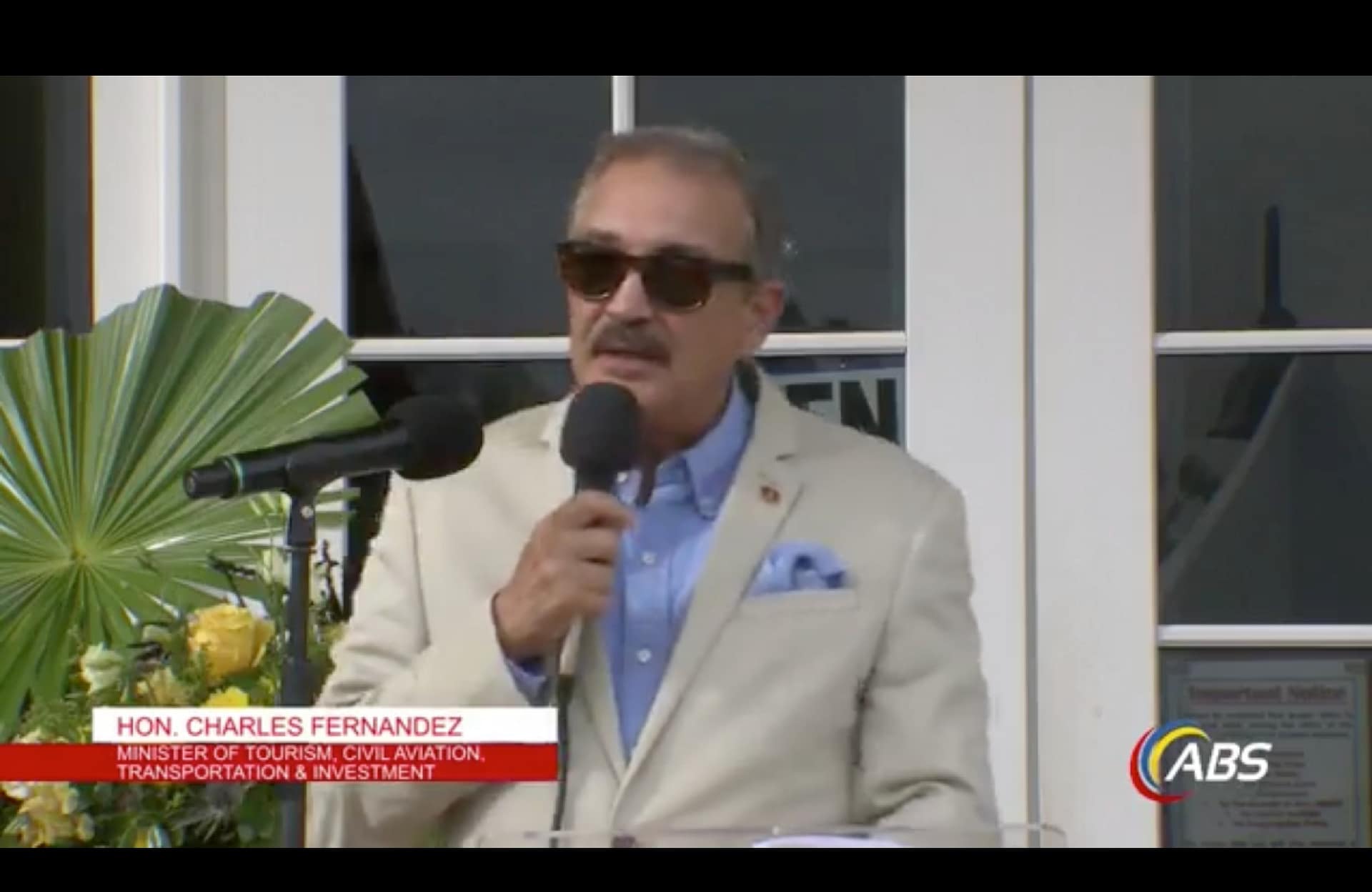
    Addressing attendees at the opening ceremony, which drew senior government officials, key aviation industry stakeholders, and regional diplomatic representatives, Charles Fernandez — the country’s Minister of Tourism, Civil Aviation, Transportation and Investment — emphasized that the regional regulator’s long-term presence in Antigua and Barbuda is a powerful testament to the widespread confidence in the nation’s aviation infrastructure and governance.

    “Having ECCAA’s headquarters based here in Antigua and Barbuda speaks volumes about the trust the region places in our country and our growing aviation sector,” Fernandez noted during his remarks. “This expansion only reinforces our position as a strategic connectivity and regulatory hub across the Eastern Caribbean.”

    Far from being just a construction project, Fernandez framed the addition of the new headquarters wing as a visible marker of the steady growth and ongoing modernization of civil aviation across the entire Eastern Caribbean. Over the past decade, the regional aviation sector has shifted dramatically: passenger volumes have climbed steadily, commercial airline networks have expanded into new markets, and regulatory requirements for safety and security have grown more stringent, creating new demands for governing bodies.

    The ECCAA serves as the primary regional aviation regulator, holding responsibility for safety oversight, security enforcement, and regulatory compliance across six member states of the Organisation of Eastern Caribbean States (OECS). Fernandez reaffirmed the Antigua and Barbuda government’s unwavering commitment to ensuring the authority has the modern infrastructure, resources, and institutional support needed to fulfill its critical regulatory mandate across the OECS bloc.

    Beyond supporting the regional regulator, Antigua and Barbuda is advancing an aggressive strategy to expand its overall airlift capacity, with active negotiations already underway to secure new direct air routes from the United Arab Emirates, Latin America and South America. As the nation pursues these ambitious connectivity goals, Fernandez stressed that strong regional institutions like ECCAA become ever more critical to long-term success.

    “Safe, consistently regulated aviation systems are non-negotiable for the sustainable growth of the air transport sector, and that is exactly what ECCAA delivers,” he added.

    The minister also offered public praise to ECCAA Director General Anthony Whittier and the entire authority staff, highlighting their commitment to upholding strict global regulatory standards for years while operating out of cramped, inadequate facilities at their former Nugent Avenue location before the relocation to the V.C. Bird International Airport campus.

    Looking ahead, Fernandez pledged the Antigua and Barbuda government would continue to back future expansion initiatives for the authority, noting that rising aviation activity across the Eastern Caribbean will require ECCAA to steadily scale up its operational capacity and service offerings to meet growing demand.

    ECCAA leadership echoed that outlook following the official opening, confirming that the upgraded facility will streamline internal operations, cut bureaucratic delays, and boost the authority’s ability to deliver consistent, effective safety and security oversight across all six of its OECS member states.

  • Port expands capacity with new berth

    Port expands capacity with new berth

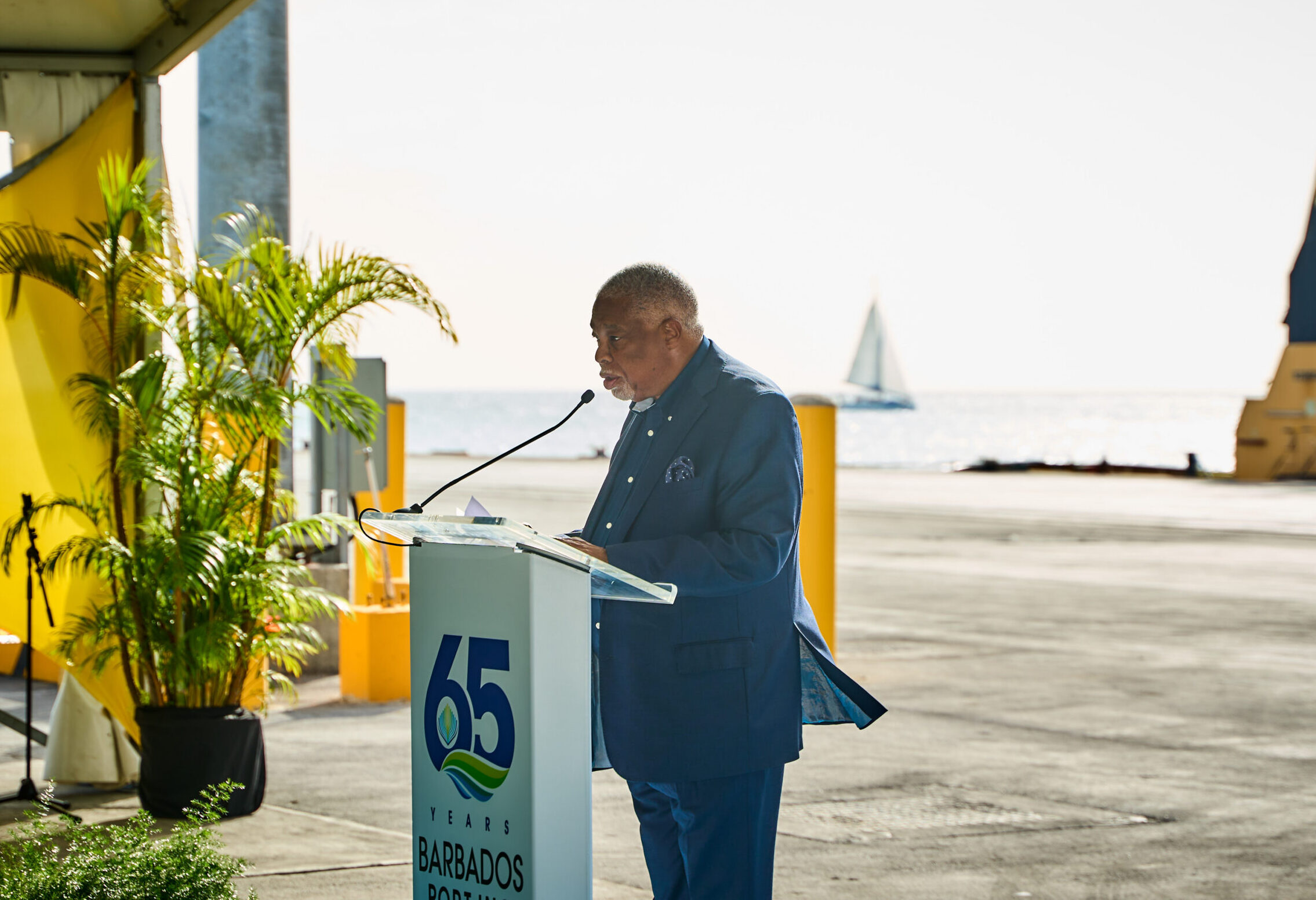
    Barbados’ Port of Bridgetown has launched a transformative $213.5 million infrastructure expansion with the official commissioning of its new Berth 6, a development that port leaders say will dramatically lift the island nation’s cargo handling capacity, sharpen operational efficiency, and position it to meet rising regional and global shipping needs. Peter Odle, chairman of state-owned Barbados Port Inc., framed the new berth as a landmark investment that strengthens the port’s standing across trade, logistics, and the growing cruise tourism sector. Speaking at the launch ceremony Thursday, Odle connected the modern expansion to the port’s decades-long history of adaptation, tracing its evolution back to the 1961 completion of the deepwater harbour—once hailed as the most impactful public development and engineering project in Barbados’ history up to that point, built at a cost of $28 million. Over the 60-plus years since that milestone, the global maritime industry has undergone sweeping changes, but Odle emphasized that continuous infrastructure upgrades and strategic diversification have allowed Barbados to retain its competitive edge as a leading regional multi-purpose port. “The world has changed immensely since 1961, and it is only the fact that we have succeeded in keeping pace with this extraordinary transition that we remain an outstanding multi-purpose port,” Odle noted, adding that ongoing infrastructure improvements and forward-thinking diversification strategies have laid a solid foundation for long-term economic growth while enabling the port to adapt to larger vessel sizes and shifting global industry demands. The full Berth 6 project, priced at $213.5 million including on-site infrastructure, heavy cranes, and supporting operational equipment, stands as concrete proof of Barbados Port Inc.’s commitment to a bold, ambitious vision for the future of Barbados’ international trade, logistics, and cruise tourism sectors, Odle explained. Stretching 315 meters north from the existing Berth 5 and featuring a 13-meter depth, the new berth is purpose-built primarily to accommodate cargo vessels. This dedicated cargo space frees up existing adjacent berths to handle increased cruise ship traffic during Barbados’ peak winter tourist season, which runs from November through April each year. “This allows for increased operational efficiency, optimises use of existing space and allows us to meet increasing future berthing requirements and container throughput demands,” Odle said. Beyond the berth itself, the expansion adds 9.4 acres of new container yard space, outfitted with full supporting infrastructure including electrical reefer plugs for temperature-sensitive cargo, site lighting, potable water access, and upgraded grid connections. According to Odle, the development has already boosted the port’s static container yard capacity by 40%, expanding available container slots from 230,000 to 345,000 when using the port’s existing straddle carrier system. The new berth is engineered to support two Panamax gantry cranes, enabling the port to service two cargo vessels at the same time, a capability that cuts waiting times and improves turnaround for shipping lines. The facility was also designed with future expansion in mind: it is already prepared to accommodate the upcoming introduction of rubber-tyred gantries (RTGs), a upgrade that will further increase stacking capacity and push total container slots to roughly 460,000 when paired with the existing straddle carrier network in a hybrid operational model. “Our growth and infrastructure expansion continue, buoyed by a stream of new industry demands and the ever-growing numbers and size of ships,” Odle confirmed, signaling that additional upgrades to the port may be on the horizon to keep up with evolving maritime needs.

  • PM wants port projects fast-tracked amid development push

    PM wants port projects fast-tracked amid development push

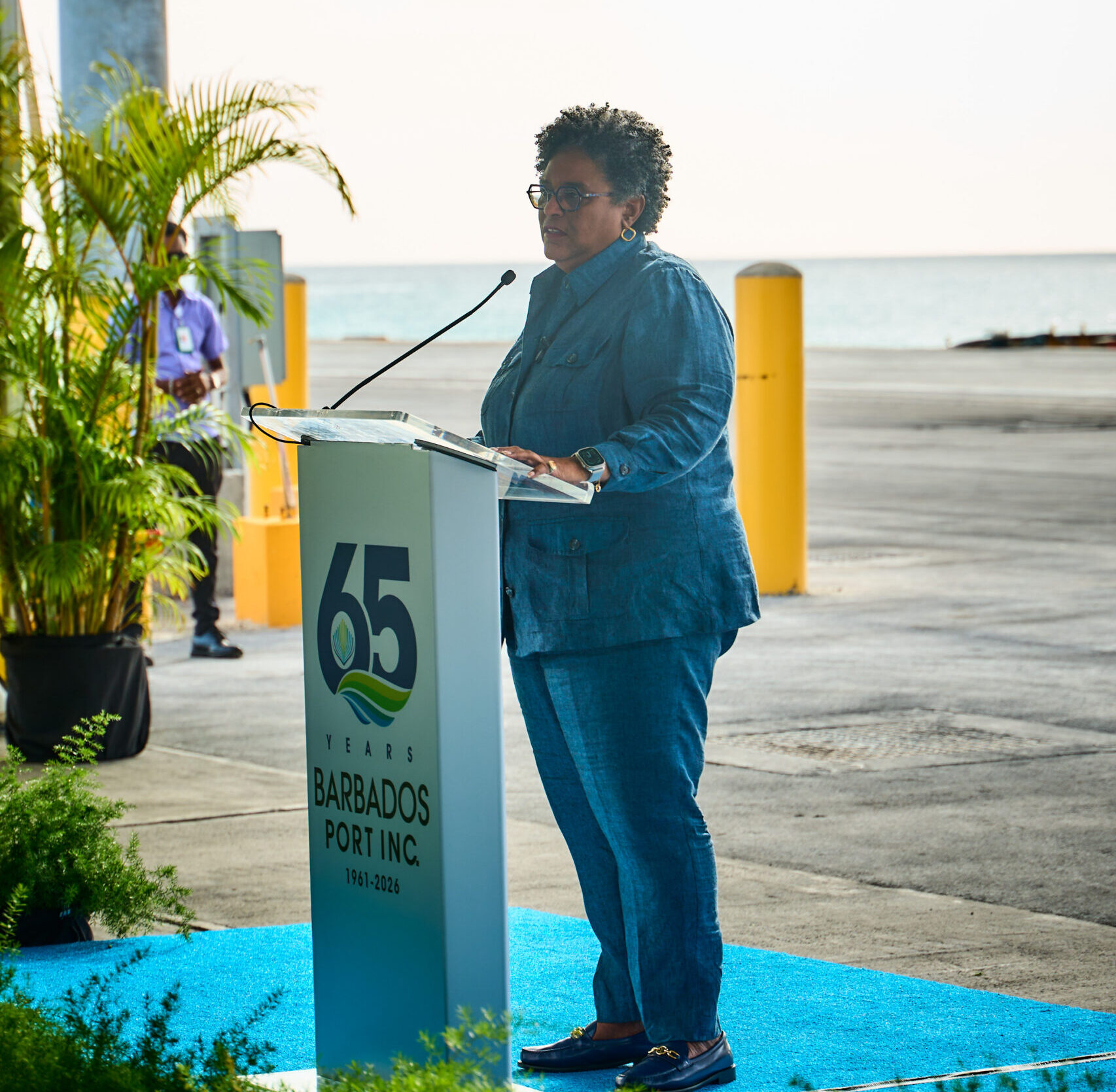
    At the official commissioning ceremony for Bridgetown Port’s newly completed Berth 6, Barbadian Prime Minister Mia Mottley has delivered a clear directive to port authorities: break through bottlenecks and accelerate long-delayed key expansion projects, warning that further hold-ups to critical cruise and national security infrastructure are incompatible with the island nation’s goal of becoming the Caribbean’s top cruise destination. The multi-component expansion package includes three high-priority initiatives: a new finger-style cruise pier, a purpose-built central container examination facility, and a waterfront hotel development tied to an upcoming Caribbean cricket legends franchise. Mottley emphasized that even with ongoing legal proceedings surrounding parts of the project, Barbados cannot afford to put its cruise sector growth on indefinite hold. “Earlier this year, I convened meetings with the port’s chairman, executive leadership and the responsible minister to make sure that construction of the new finger cruise pier is moved to the top of the immediate priority list,” Mottley stated during her address. She noted that while outstanding litigation related to the development still requires resolution, the nation’s rising standing as one of the most important cruise ports in the Americas leaves no room for slow, incremental progress that holds back economic growth. Beyond positioning the country as a premier cruise stop, Mottley outlined that the new cruise pier and accompanying aggregate facility will generate consistent new revenue streams for the port, including through passenger head taxes and a range of additional commercial income opportunities. Of equal importance, the prime minister stressed, is the planned central container examination facility, a core asset for strengthening the nation’s border and national security frameworks. “This government has not held back on investment in cutting-edge scanners and expanded scanning capacity at Bridgetown Port, and we will continue to prioritize these security investments,” she said, adding that rapid completion of the dedicated examination facility is central to the government’s ongoing work to upgrade port security protocols. In a major milestone for project financing, Mottley revealed that the Ministry of Finance has already formally approved a $70 million loan to support the port expansion initiative, and she expressed confidence that remaining financing arrangements will be finalized quickly to clear the way for construction to move forward. She also offered public praise for the port’s board and management team for pursuing cost-effective development strategies, noting that this focus on fiscal responsibility aligns with the government’s expectations for all state-linked infrastructure projects. “This level of cost efficiency is exactly what I expect to remain a core part of how Bridgetown Port operates moving forward,” she added. Turning to one of the most ambitious mixed-use elements of the redevelopment plan, Mottley laid out details for a new waterfront hotel located adjacent to Kensington Oval, a project she framed as the starting point for a region-wide Caribbean cricket legends tourism brand. Currently, the targeted waterfront parcel is occupied by government procurement offices and other state operational facilities, but Mottley confirmed that relocation discussions are already at an advanced stage to clear the site for redevelopment. Comparing the proposed development to successful upscale waterfront projects in St. Lucia and multiple European destinations, Mottley described the land around Kensington Oval — which she called the third most iconic cricket ground globally — as a once-in-a-generation opportunity not just for Barbados, but for the entire Caribbean region. The overarching concept centers on a “Legends of the Caribbean” brand, with a network of hotels across the region honoring the historic legacy of legendary West Indies cricketers. “I have no doubt that the former West Indies players who brought so much glory to our region, but earned so little during their era of dominance, would be thrilled to know that their legacy, image and excellence can finally be rewarded through this project,” Mottley said. She confirmed the proposed Legends Hotel will occupy a prominent, iconic plot directly adjacent to Kensington Oval, laying the groundwork for the regional brand expansion.

  • St. Kitts and Nevis welcomes 14,000 cruise passengers in off-season surge – WIC News

    St. Kitts and Nevis welcomes 14,000 cruise passengers in off-season surge – WIC News

    The Caribbean island nation of St. Kitts and Nevis notched a notable win for its tourism sector on May 28, when two major modern cruise vessels docked at Basseterre’s Port Zante, delivering an unexpected off-season influx of more than 14,000 total passengers and crew members. The arrival marks a key milestone in the country’s ongoing push to establish itself as a leading, year-round cruise destination in the region.

    Prior to dropping anchor in St. Kitts and Nevis, both ships completed their previous port call in St. Thomas, part of the United States Virgin Islands, wrapping up a segment of their scheduled Caribbean itineraries before heading to their stop in the twin-island nation. The first vessel, Star of the Seas, is operated by Royal Caribbean International, a subsidiary of the Royal Caribbean Group. This visit marked the ship’s second docking at Port Zante, carrying roughly 7,161 passengers and 2,500 crew members on board. As a member of Royal Caribbean’s innovative Icon Class fleet, Star of the Seas joins the ranks of some of the most advanced cruise vessels operating globally, including the industry-leading Icon of the Seas and Legend of the Seas.

    The second ship, Celebrity Beyond, is managed by Celebrity Cruises and brought approximately 3,400 passengers and 1,417 crew members to the islands. An Edge Class vessel, Celebrity Beyond stands out for its forward-thinking, outward-focused design that prioritizes panoramic ocean views, and it is home to the cruise industry’s one-of-a-kind “Magic Carpet” — an innovative movable platform that travels vertically between multiple decks. The versatile space can transform to serve as an open-air restaurant, a scenic bar, or a tender boarding area for small excursion boats.

    St. Kitts and Nevis Prime Minister Dr. Terrance Drew emphasized the significance of the unprecedented off-season arrival in an official statement posted to his Facebook page, calling the large-scale port call a “tremendous achievement” for the country’s tourism industry. “This level of cruise activity brings continued growth to our economy and provides many job opportunities for our people,” Drew noted, adding that the surge during what has historically been a slow tourism period demonstrates the success of the nation’s tourism strategy. He also publicly commended Minister of Tourism Marsha T. Henderson and the entire Ministry of Tourism for their persistent work to elevate St. Kitts and Nevis as a premier cruise stop in the Caribbean.

    Industry observers note that the unexpected off-season surge signals growing demand for less crowded Caribbean cruise destinations, and reinforces the trajectory of St. Kitts and Nevis as an increasingly popular choice for major global cruise lines looking to diversify their itineraries beyond traditional peak-season hotspots.

  • Neverson feeling the ‘Sandals Effect’

    Neverson feeling the ‘Sandals Effect’

    For over 15 years, Kendal Neverson has built his career as a taxi driver, greeting countless tourists as their first point of contact when they arrive in St. Vincent and the Grenadines. What began as consistent but modest work shifted dramatically in 2024, when a major new hospitality development opened on the island chain, opening unexpected new doors for local workers like Neverson.

    A trusted member of the local Taxi Association, Neverson has long anchored his work in three core values: professional service, warm hospitality, and a deep sense of national pride that he brings to every trip he guides. When news first broke that international resort brand Sandals planned to open a new luxury property at Buccament Bay, Neverson admitted he felt uncertain about what the development would mean for independent local drivers. It did not take long, however, for that uncertainty to give way to tangible new opportunity.

    To manage airport transfers and on-demand guest transportation, Sandals launched a rigorous competitive selection process to partner with qualified local drivers. In an official press release announcing the initiative, the resort confirmed Neverson was among the local transportation professionals selected to join the resort’s service network.

    For Neverson, the impact of the resort’s launch on St. Vincent and the Grenadines’ tourism ecosystem has been nothing short of transformative. “From the moment Sandals began operations here, St. Vincent and the Grenadines’ tourism sector has moved forward incredibly quickly,” he explained in the release. “Our industry has grown drastically, and it has been a huge step up for taxi drivers, especially those of us working on transfers between the airport and the resort.”

    Unlike the inconsistent demand many local drivers faced prior to the resort’s opening, the steady stream of international guests visiting the new property has translated into reliable, consistent work for Neverson, while also giving him the chance to welcome travelers from every corner of the globe. As one of the first local residents visitors interact with when they step off the plane, Neverson takes this responsibility deeply seriously, and says the resort’s commitment to high service standards has shaped his own approach to work.

    “When it comes to Sandals, everything centers on upholding strict standards,” he said. “That’s a lesson I’ve absorbed and continue to put into practice every single day on the job.”

    Beyond the direct benefits for transportation workers like himself, Neverson emphasized that the resort’s presence has rippled through nearly every corner of the local economy. From agriculture and fishing to small retail and other local businesses that support the tourism sector, multiple industries have seen growing demand as visitor numbers climb.

    “It has truly been a pleasure having Sandals here on our island,” he said. “It has brought new opportunities across so many different sectors, and helped lift up our entire tourism industry. For me, Sandals represents progress and higher standards across the board. If we want to keep benefiting from the growth of tourism, we have to keep improving our own service and professionalism. When visitors come here, they experience our whole country through the people they meet, like me.”

    In highlighting Neverson’s story, Sandals noted that his experience is far from unique. It serves as a powerful reminder that the economic and social impact of tourism development stretches far beyond the walls of the resort itself, creating tangible, long-term benefits for entire local communities.

  • Houtproductie daalt licht in 2025; Sipaliwini blijft grootste productiegebied

    Houtproductie daalt licht in 2025; Sipaliwini blijft grootste productiegebied

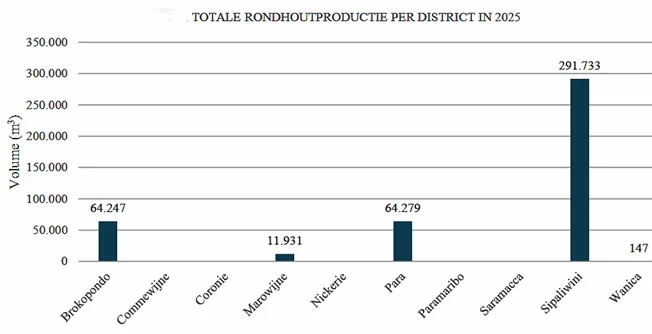
    Fresh data released by Suriname’s Foundation for Forest Management and Forest Control (SBB) shows that the country’s total roundwood output edged slightly lower in 2025, marking a modest shift in the nation’s key forestry sector performance. Per the latest official forestry statistics, total production reached 432,337 cubic meters of roundwood equivalent this past year, down from 435,942 cubic meters recorded in 2024.

    Geographically, production remains heavily concentrated across the country’s districts, with Sipaliwini standing out as the undisputed core production region. The district alone contributed 291,733 cubic meters of roundwood in 2025, accounting for more than two-thirds of Suriname’s total national output. Following Sipaliwini are Para with 64,279 cubic meters and Brokopondo with 64,247 cubic meters, making these two districts the secondary production hubs. By contrast, Wanica registered just 147 cubic meters of production for the year, while multiple other districts recorded barely any or no commercial roundwood output at all.

    When broken down by product type, industrial roundwood — particularly sawlogs and peeling logs — makes up the overwhelming majority of total production. This segment accounted for 430,331 cubic meters of the 2025 total, with smaller volumes of other wood products including utility poles, shingles and sawn timber making up the remaining output.

    Production is also heavily centered on concession areas, which generated more than 362,905 cubic meters of roundwood in 2025. Community forests contributed an additional 42,614 cubic meters, with smaller volumes coming from areas covered by general logging permits, LBB reserves and incidental logging permits.

    A monthly breakdown of production reveals clear seasonal variations across the year. The highest monthly output was recorded in October, at 52,270 cubic meters, followed closely by November with 51,912 cubic meters. July saw the lowest production level of any month in 2025, with just 20,093 cubic meters harvested.

    Among commercial wood species, basralokus retained its position as the most harvested commodity in 2025, with total output reaching 123,962 cubic meters. Other leading commercial species include gronfolo at 69,535 cubic meters, kopi at 32,659 cubic meters, bruinhart at 27,915 cubic meters and wana at 26,294 cubic meters.

    On the export side, Asia continues to dominate as the primary destination for Surinamese timber. Approximately 92 percent of total Surinamese wood exports are shipped to Asian markets, with China, India, Singapore and Vietnam ranking as the largest buyers.

    SBB officials note that the updated statistics provide a critical, transparent overview of ongoing trends in Suriname’s forestry sector, highlighting the steady economic contribution the industry makes to the country’s national economy.