分类: business

  • 2026 BYD Yuan Plus: EV with character

    2026 BYD Yuan Plus: EV with character

    For years, BYD’s Yuan Plus has held its place as one of the Chinese automaker’s top-selling global nameplates — a streak only recently broken by the launch of the larger, newer Sealion 7. Even now, the compact all-electric SUV continues to dominate BYD’s regional sales charts and holds a leading position among all electric vehicle offerings in markets like Jamaica, proving its enduring mass-market appeal.

    ### Exterior Design
    Sticking to a conservative aesthetic aligned with most mainstream SUVs, the Yuan Plus does not adopt BYD’s popular Ocean-themed design language reserved for its ocean-named models. Instead, it features the brand’s signature Dragon Face styling, a visually inoffensive yet polished look that fits neatly within its compact exterior footprint. The design walks a careful line between contemporary and approachable, avoiding polarizing styling choices that might turn off everyday buyers.

    ### Interior Comfort and Features
    Where the exterior plays it safe, the Yuan Plus’ interior leans into more distinctive, playful design choices, while leveraging the benefits of its dedicated all-electric platform to maximize space. Without a internal combustion engine and transmission eating up valuable cabin room, the compact exterior dimensions are misleading: the interior feels far roomier than expected, with extra space for both passenger comfort and cargo storage across the full length of its wheelbase. A standard panoramic sunroof amplifies this sense of openness, flooding the cabin with natural light to create an airy, uncramped atmosphere.

    Upon entering via keyless entry, the 12.8-inch rotating infotainment touchscreen immediately draws the eye, but the cabin holds more unique character than just this standout tech feature. BYD describes the interior design as fitness-inspired, featuring sculpted two-tone surfaces and unexpected whimsical touches: door handles shaped like rocker arms, uniquely styled air vents, and lower door storage bins fitted with guitar-inspired elastic strings that can actually be strummed for casual entertainment.

    Beyond its playful design details, the Yuan Plus comes packed with technology and convenience features that are often only available as costly add-ons on premium SUVs, or missing entirely from many competing gas and electric models. Automated features range from basic automatic lights and wipers to advanced driver assistance systems that can handle short-distance steering and speed control, reducing driver stress. A 5-inch digital driver display keeps key metrics visible at a glance, and multiple control options make accessing the vehicle’s full tech suite simple and intuitive. It also comes standard with all the popular powered convenience features buyers expect in this segment.

    ### On-Road Performance
    Driving the Yuan Plus is a straightforward, stress-free experience, with its compact size eliminating the bulky, cumbersome handling that plagued older traditional SUVs, a benefit amplified by its smooth electric powertrain. The front-mounted electric motor produces 201 brake horsepower and 228 lb-ft of instant electric torque, delivering responsive, brisk acceleration whenever needed and quiet, smooth operation during steady cruising. For a compact mass-market SUV, its handling is more than capable, and the suspension system effectively absorbs imperfections in rough Jamaican road surfaces, keeping cabin disturbance minimal for occupants.

    Even when driven at higher speeds, the Yuan Plus delivers surprisingly engaging performance, but its biggest practical win for everyday use is its solid driving range. It offers more than 400 kilometers of real-world driving range on a single charge, more than enough for both urban commuting and rural road trips. For charging, it supports 7kW AC charging, and DC fast charging can top the battery from zero to 80 percent in roughly 30 minutes, making long-distance trips convenient.

    ### Final Verdict
    It is not hard to see why the Yuan Plus has become such a massive global sales success for BYD, and why it remains a top choice even after the launch of newer models like the Sealion 7. It pairs solid technical capability with a highly competitive price point and on-road driving dynamics that punch above its compact class. Most importantly, its unique, playful interior touches add a much-needed dose of character to the compact SUV segment, breaking free from the generic monotony that plagues many mainstream models.

  • Iberostar Hotels & Resorts and UNDP launch alliance for a more resilient tourism sector

    Iberostar Hotels & Resorts and UNDP launch alliance for a more resilient tourism sector

    The global hospitality firm Iberostar Hotels & Resorts has partnered with the United Nations Development Programme (UNDP) to roll out a landmark strategic initiative aimed at revolutionizing the tourism sector in the Dominican Republic. The collaboration centers on building tourism value chains that are not only more environmentally sustainable, but also socially inclusive and economically resilient, with three core focus areas: advancing environmental accountability, boosting climate preparedness, and expanding opportunities for local suppliers and micro, small and medium-sized enterprises (MSMEs) embedded in the country’s tourism economy.

    The formal agreement was signed by Alejandro Francisco Ferrer Alcalde, representing Iberostar, and Ana María Díaz, UNDP’s lead representative in the region. Under the terms of the partnership, the two organizations will roll out a suite of targeted projects addressing key gaps in the Dominican tourism sector. These include efforts to cut carbon emissions across the entire tourism supply chain, upskill local suppliers to meet global sustainability standards, promote responsible production and consumption habits among both businesses and travelers, and upgrade systems for climate risk assessment and operational resilience across tourist destinations.

    A key innovation of the alliance is its commitment to breaking down silos between key stakeholders, creating structured platforms for dialogue and joint action across the private sector, academic institutions, national and local financial bodies, and government agencies. This multi-stakeholder approach is designed to align efforts around shared sustainability priorities, which range from large-scale greenhouse gas emissions reductions and expanding access to sustainable finance for small businesses, to updating national environmental and social governance standards for tourism and delivering hands-on training programs for local entrepreneurs.

    In remarks following the signing, Ana María Díaz underscored that cross-sector collaboration between private enterprise and multilateral organizations is one of the most powerful drivers of large-scale sustainable transformation. For his part, Alejandro Francisco Ferrer Alcalde confirmed that the new alliance aligns seamlessly with Iberostar’s global flagship responsible tourism strategy, the Wave of Change initiative. He emphasized that Iberostar has maintained deep, longstanding roots in the Dominican Republic, and that the partnership reflects the company’s ongoing commitment to the country’s long-term growth, with a goal of building a more robust, competitive tourism ecosystem that delivers shared benefits to local communities through collaborative, impact-focused action.

    Looking ahead, the alliance has outlined a range of additional activities to embed sustainable practices across the sector. These include hosting multi-stakeholder forums, running public awareness campaigns to highlight the importance of sustainable tourism, and publishing research and guidance focused on sustainability, sector competitiveness, and climate risk management. All of these activities tie back to the partnership’s broader overarching goal: supporting inclusive human and economic development across the Dominican Republic.

  • Butterfield to Buy CIBC Caribbean in Major Regional Deal For $1.8 Billion

    Butterfield to Buy CIBC Caribbean in Major Regional Deal For $1.8 Billion

    In a transformative move set to reshape the Caribbean and international financial services landscape, The Bank of N.T. Butterfield & Son Limited (Butterfield) has announced a definitive $1.8 billion agreement to acquire Canadian Imperial Bank of Commerce’s 91.7% controlling stake in CIBC Caribbean Bank Limited. The merger will combine two leading full-service banking and wealth management platforms to create a combined institution with approximately $29 billion in total assets, poised to deliver expanded value to clients, employees and stakeholders across the region.

    CIBC Caribbean brings decades of legacy relationship banking experience and deep community ties across Caribbean markets, while Butterfield boasts a strong footprint in leading international financial centers. The complementary nature of the two institutions will create a far more diversified, scaled entity with enhanced capacity for sustainable, long-term growth. Unlike fragmented smaller regional players, the combined bank will be able to offer upgraded services across corporate, personal, and wealth management segments that neither could deliver independently.

    For clients, the merger unlocks tangible benefits immediately: improved cross-border payment processing, expanded consumer and merchant banking capabilities, and accelerated investment in modern digital and technology banking infrastructure. Butterfield has committed to retaining all existing operational footprints, including CIBC Caribbean’s regional headquarters in Bridgetown, Barbados, guaranteeing seamless service continuity for both customers and employees. The combined organization will also uphold both firms’ longstanding commitments to local philanthropy, financial literacy programs, and sustainability initiatives across all operating geographies, ensuring the merger delivers mutual benefits for the business and the communities it serves.

    Michael Collins, Chairman and Chief Executive Officer of Butterfield, emphasized that the deal builds on the bank’s proven track record of strategic growth and profitability enhancement since its 2016 New York Stock Exchange listing. “This transaction brings together two storied, complementary banks with deep local roots and decades of trusted customer relationships in their core jurisdictions,” Collins said. “The scale and diversification we gain from this deal positions Butterfield as the leading independent bank and wealth manager across Caribbean and international financial center markets. I am thrilled to welcome our new talented colleagues and valued new clients to the organization.”

    Mark St. Hill, Chief Executive Officer of CIBC Caribbean, echoed Collins’ optimism, noting the alignment of core values between the two institutions. “For our clients, teams, and local communities, this merger unites two organizations that share a commitment to relationship-driven banking, innovation, and local impact,” St. Hill said. “We are excited to build on our legacy as the Caribbean’s leading financial services provider with this new partnership.”

    CIBC President and CEO Harry Culham also praised the transaction, highlighting the strength of the regional business built by the CIBC Caribbean team. “The entire CIBC Caribbean team under Mark St. Hill’s leadership has built a formidable, client-first bank across the region,” Culham said. “We are eager to realize the strategic benefits of this transaction and deliver enhanced value to all our stakeholders.”

    Breaking down the transaction terms, the total aggregate purchase price for CIBC Caribbean amounts to $1.794 billion, or $1.14 per CIBC Caribbean share. The consideration will be structured as 61% cash ($1.091 billion) and 39% Butterfield common stock ($703 million), with the share portion valued based on Butterfield’s 10-day volume-weighted average price (VWAP) of $55.66 on the NYSE as of May 27, 2026. Under the agreement, which has received unanimous approval from Butterfield’s Board of Directors, Butterfield will first acquire CIBC Investments (Cayman) Limited, the holding company that holds CIBC’s 91.7% stake in CIBC Caribbean.

    Following the initial acquisition, Butterfield will launch a mandatory takeover bid for the remaining 8.3% of outstanding CIBC Caribbean shares held by minority shareholders, with the goal of securing full ownership of the regional bank, pending compliance with local regulatory requirements and applicable laws. Minority shareholders will receive the same economic terms as CIBC, and will have the option to elect 100% of their consideration in Butterfield shares if they wish to retain full exposure to the combined entity. If minority shareholders choose the same cash-share mix as CIBC, they will collectively hold approximately 2% of Butterfield’s outstanding shares following completion of the transaction. Houlihan Lokey, the financial advisor to the Special Committee of CIBC Caribbean’s Board of Directors, has issued a positive opinion confirming the fairness of the consideration offered to minority shareholders from a financial perspective.

    To support the transaction, Butterfield has already secured binding commitments for $700 million in Tier 2 capital-qualifying subordinated debt financing, which is expected to close prior to the main transaction. Following completion of the merger, regulatory capital levels for the combined entity are projected to remain significantly above all required regulatory thresholds, with a pro forma Common Equity Tier 1 (CET1) ratio exceeding 12% and total capital ratio above 19% at closing.

    The transaction is on track to close in the first half of 2027, subject to three key conditions: approval by Butterfield shareholders, regulatory clearance from all relevant jurisdictions, and satisfaction of standard closing conditions. Following closing, Butterfield’s ordinary shares will remain listed on both the New York Stock Exchange and the Bermuda Stock Exchange, and the bank plans to add secondary listings on the Barbados Stock Exchange, Bahamas International Securities Exchange, and Trinidad & Tobago Stock Exchange, pending compliance with local listing and regulatory requirements.

    After the transaction closes, CIBC will retain an approximately 22% stake in the combined Butterfield entity. Under the terms of a finalized shareholder agreement between the two firms, CIBC will initially have the right to appoint two directors to Butterfield’s Board of Directors. The agreement also includes standard lock-up provisions restricting early sales of CIBC’s stake, as well as customary standstill obligations and registration rights.

    The Bermuda Monetary Authority will remain the primary consolidated regulatory supervisor for Butterfield across all its global operations, and Butterfield has committed to working closely with all relevant local jurisdictional regulators to ensure service continuity, maintain market confidence, and preserve access to high-quality financial services across every operating market.

    Key financial projections for the deal highlight its expected value creation for Butterfield shareholders: the purchase price represents 106% of CIBC Caribbean’s tangible book value as of January 31, 2026. The transaction is projected to deliver a 12% accretion to GAAP earnings per share (EPS) in the first full year after closing (with fully phased-in synergies, excluding integration costs), and a 15% accretion to cash EPS in year one (excluding integration costs, rate marks, and transaction-related amortization). Tangible book value per share for Butterfield is expected to increase by 10%, with an internal rate of return exceeding 20%. Pre-tax annual cost savings are projected to reach a $49 million run rate by 2030 once all integration initiatives are fully implemented.

  • Shippers charging US$ for local fees

    Shippers charging US$ for local fees

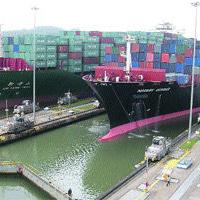
    Amid a crippling foreign exchange crisis gripping Trinidad and Tobago, the Couva/Point Lisas Chamber of Commerce has issued a formal call for a full government-led investigation into predatory pricing practices by local shipping agents and representatives of foreign ocean freight carriers. In an official public statement released Wednesday, the business advocacy group outlined growing alarm among local industry stakeholders over a expanding trend of these shipping entities billing domestic administrative and service fees exclusively in United States dollars, despite the Trinidad and Tobago dollar (TT$) holding status as the nation’s only legal tender.

    The chamber clarifies that it does not dispute the standard international practice of pricing core international ocean freight charges directly paid to overseas carrier companies in US dollars, a longstanding norm aligned with global shipping industry conventions. What has triggered the chamber’s formal complaint, however, is the unlawful and exploitative extension of this practice to all domestic fees incurred within Trinidad and Tobago’s borders. These include local administrative processing fees, documentation preparation charges, delivery order fees, and manifest amendment fees, all of which the chamber says are either being invoiced in foreign currency or converted to local currency at marked-up exchange rates far above the official rate published by the Central Bank of Trinidad and Tobago.

    This unfair pricing scheme, the organization emphasizes, imposes an unnecessary and crippling additional burden on local businesses and consumers who are already navigating severe, widespread shortages of accessible foreign exchange across the country. Citing the Exchequer and Audit Act and official regulatory advisories issued by the Central Bank that prohibit unauthorized foreign currency trading and exchange outside of government-approved channels, the chamber underlines that the use of inflated, unregulated exchange rates directly violates existing national legislation. In some of the most extreme documented cases the chamber has collected, consumers and businesses are being forced to pay rates as high as TT$8 for every US dollar exchanged, a substantial markup over the bank’s official published rate.

    Beyond the inflated exchange practices, the chamber also highlights the exorbitant amendment fees some shipping agents are imposing, even for corrections required due to the agents’ own errors. Documented cases reviewed by the organization show amendment fees reaching as high as US$255 for simple clerical corrections to information submitted to Trinidad and Tobago’s Customs and Excise Division, fees that are not mandated or collected by the government division itself. In other instances, agents are charging consignees for seal amendment costs required after errors or inspections that occurred while cargo was in the agents’ custody during transshipment, passing avoidable costs onto innocent domestic customers.

    “These harmful practices raise urgent, fundamental questions about fairness, pricing transparency, consumer protection, and regulatory oversight across the entire domestic shipping and logistics sector,” the chamber’s statement reads. The organization has issued a formal request for urgent intervention from multiple key national bodies, including the Ministry of Trade and Industry, the Ministry of Finance, the Central Bank of Trinidad and Tobago, the Consumer Affairs Division, the Customs and Excise Division, and all relevant industry and trade associations.

    In addition to a formal investigation, the chamber is seeking clear official guidance on three core regulatory questions: whether domestic administrative shipping fees can legally be invoiced in US dollars under national law; whether exchange rates above the official Central Bank rate are lawful for local transactions; and whether the exorbitant amendment fees currently being charged by many agents are reasonable, justified, or subject to existing regulation. The chamber stressed that while the shipping and logistics sector is a critical backbone of Trinidad and Tobago’s national economy, compliance with local laws and commitments to transparency and accountability must remain non-negotiable priorities for all operators in the space.

    Local media outlet the Express attempted to secure comment from the Shipping Association of Trinidad and Tobago on the chamber’s allegations Wednesday afternoon, but had not received a response by the time of publication.

  • CAL withdrew without consulting government as SKN in talks with another airline

    CAL withdrew without consulting government as SKN in talks with another airline

    BASSETERRE, St Kitts – In a sudden development announced May 28, 2026, St Kitts and Nevis’ Tourism Minister Marsha Henderson has confirmed that state-owned Caribbean Airlines will end its service to the federation without any prior consultation with local government officials – a decision that has left officials without the opportunity to negotiate concessions to keep the route active. Now, St Kitts and Nevis authorities are already in active discussions with a new airline partner to restore critical regional connectivity, as Caribbean Airlines blames crippling financial losses driven by volatile global fuel markets tied to ongoing Middle East conflict for the exit.\n\nCaribbean Airlines, headquartered in Trinidad and Tobago, has struggled with mounting financial pressures over the past 12 months. Global fuel costs have skyrocketed amid heightened geopolitical tensions between the United States, Israel and Iran, which has disrupted shipping through the Strait of Hormuz and pushed up the price of Brent crude and key energy commodities. These cost increases have pushed already unprofitable routes into unsustainable territory for the carrier.\n\nTrinidad and Tobago’s Transport and Civil Aviation Minister Eli Zakour recently explained to the country’s National Assembly that a full operational review by Caribbean Airlines’ Route Oversight Committee found that multiple routes launched under the airline’s 2023 expansion initiative lacked solid commercial justification and have generated consistent, heavy financial losses since they launched.\n\nThe St Kitts and Nevis route, which launched in 2023, has accumulated losses of more than US$1.65 million as of April 2026, according to official figures. Along with ending service to St Kitts and Nevis, Caribbean Airlines will also exit Dominica (launched in 2025, which has lost roughly US$730,000) and end nonstop service between Guyana and Suriname, which has lost US$1.24 million. The airline will also cut flight frequencies to the French Caribbean territories of Martinique and Guadeloupe. Previous failed expansion routes include the Jamaica-to-Fort Lauderdale connection, which ended in November 2025 after losing US$7.2 million, and the Trinidad-to-Puerto Rico route, which closed in January 2026 with US$4.92 million in losses. Collectively, all underperforming routes from the 2023 expansion have lost more than US$18.84 million, or over TT$128 million, as of April 2026. Service changes for all affected routes will take effect June 1, 2026.\n\nMinister Henderson confirmed that St Kitts and Nevis government received no advance warning or consultation before Caribbean Airlines publicly announced its withdrawal. “There were no discussions,” Henderson stated at a press conference held at the St Kitts Marriott Resort, adding that this lack of communication meant the local government was unable to propose any financial concessions or adjustments that might have changed the airline’s decision. She also hinted that there may be unstated factors beyond simple route profitability that influenced Caribbean Airlines’ call, noting “there are other dynamics involved in the decision taken — things above my pay grade.”\n\nDespite the abrupt exit, Henderson moved quickly to reassure residents and tourism stakeholders that the federation will not lose critical regional air access. “We do have alternative services to those routes, so I don’t think we are left without an alternative,” she said. Currently, travelers can reach southern Caribbean destinations via existing connections through Barbados, serviced by regional carriers InterCaribbean and Winair, which offer onward service to both Trinidad and Tobago and Guyana.\n\nMaintaining consistent connections to the southern Caribbean market is a top priority for St Kitts and Nevis’ tourism industry, as Trinidad and Tobago and Guyana remain key source markets for visitors to the federation. To that end, government is already in advanced talks with an unnamed regional carrier to launch a new direct route between St Kitts and Trinidad, Henderson confirmed. While she declined to name the prospective partner at this stage, she noted that the incoming airline is eager to finalize the partnership and begin service. “The person can be eager and excited to come on board and partner with us,” she said.

  • Briceño Defends Swift Action as Fuel Dealers Cry Foul Over Margin Cuts

    Briceño Defends Swift Action as Fuel Dealers Cry Foul Over Margin Cuts

    A bitter public dispute has erupted in Belize over fuel pricing, putting Prime Minister John Briceño’s government in the hot seat after it implemented unexpected cuts to fuel dealer profit margins that have left industry representatives furious.

    Fuel dealers argue the Briceño administration violated a long-standing collaborative agreement that has governed the nation’s fuel sector since 2004. Under that 20-year-old framework, any adjustments to dealer margins required prior consultation between the government and industry stakeholders. Dealers contend the sudden, unilateral move breaks decades of established trust and the shared understanding that all changes to pricing structures would go through collaborative dialogue. As tensions continue to escalate, industry representatives are stepping up their pushback against the policy.

    Prime Minister Briceño, however, is standing firm in his defense of the swift decision, framing the margin cuts as a necessary response to an urgent national crisis. With global and domestic fuel prices skyrocketing to unprecedented levels in recent years, Briceño argues that waiting for a lengthy consultation process would have imposed unnecessary additional harm on cash-strapped consumers. While he has left the door open for future negotiations with dealers, he stressed that in the face of a rapidly unfolding cost-of-living crisis, delay was simply not a viable option.

    Briceño, who holds a personal stake in Belize’s fuel industry, offered a rare transparent breakdown of how the country’s fuel pricing system operates, giving the public an inside look at a mechanism that affects every driver and consumer in the nation. He explained that the 2004 framework was designed to let market forces adjust margins dynamically alongside fluctuating fuel prices, eliminating the need for frequent negotiations over profit levels. But he noted that when the agreement was drafted, fuel hovered around $5 per gallon — a far cry from today’s prices that have surged to between $13 and $15 per gallon. Under the original formula, higher retail prices automatically translate to larger absolute margins for dealers, a dynamic that was never anticipated when the 2004 deal was struck.

    Citing input from a former Texaco executive, Briceño pointed out that Belize currently has some of the highest fuel dealer margins in the region, a gap that widened as global prices climbed. He argued that as the government has already cut fuel taxes to reduce consumer costs, and households are already shouldering the burden of higher prices, it is only fair that dealers also contribute to easing pressure on the public by accepting a reduced margin. The cut implemented by the administration amounts to just under $1 per gallon. Briceño acknowledged that dealers would naturally prefer to retain higher profits, but emphasized the need for shared sacrifice during a period of national economic stress.

    The prime minister also called on major multinational fuel operators active in Belize, including PUMA Energy, to reevaluate their own pricing structures, particularly around facility rental fees and revenue sharing from in-store retail sales at gas stations.

    In his breakdown of the country’s fuel supply chain, Briceño explained that imported fuel costs are calculated based on suppliers’ stated acquisition costs, shipping fees, and throughput charges for processing fuel through terminal facilities. After these base costs are tallied, dealer margins are added under the existing formula, followed by government taxes. He also noted that fuel prices vary across Belize’s districts due to added transportation costs, a reflection of the country’s geographic spread.

    Unlike many larger nations, Belize does not maintain large strategic fuel reserves, Briceño confirmed. The country receives fuel shipments one to two times per month, aligned with current consumption rates, and building large-scale storage infrastructure to hold tens of millions of gallons of reserve fuel is currently unaffordable for the small nation.

    This dispute comes as rising energy costs continue to be a top economic pressure for households across Belize, putting both the government and industry stakeholders under growing public scrutiny over how retail fuel prices are determined.

  • Fuel Crisis Takes Center Stage at Belize Energy Summit

    Fuel Crisis Takes Center Stage at Belize Energy Summit

    In 2026, Belize stepped into the regional energy spotlight as it welcomed attendees to the 65th annual assembly of the Latin America and Caribbean Energy Organization (OLACDE), where a crippling regional fuel price surge dominated every discussion on the agenda. New data presented at the summit painted a stark picture of the unfolding crisis: across Latin America and the Caribbean, regular and premium gasoline prices have jumped 15% in recent months, while diesel costs, a critical input for transportation, agriculture and industrial activity, have skyrocketed by a staggering 22%.

    Energy leaders and policy analysts at the gathering warned that this rapid price increase is unlikely to be a temporary market spike, warning of far deeper economic instability on the horizon. OLACDE Executive Secretary Andrés Rebolledo told attendees that the global economy is increasingly at risk of tipping into stagflation, a rare and damaging economic scenario marked by simultaneous high inflation and stagnant economic growth that would disproportionately hurt small and developing economies across the region.

    In his remarks from the summit floor, Rebolledo outlined the uneven patchwork of policy responses that regional governments have already deployed to soften the blow of rising fuel costs for consumers. Most nations have relied on one of four core strategies, he explained: widespread fuel subsidies, targeted tax exemptions for energy and transportation sectors, price controls for retail fuel distribution networks, or negotiated agreements with private sector fuel suppliers. But each strategy carries significant tradeoffs, Rebolledo noted: the ability of governments to maintain large-scale subsidies, for example, is strictly limited by national fiscal capacity and existing public debt burdens, leaving many lower-income nations unable to shield their populations from rising costs.

    Beyond immediate policy responses, Rebolledo highlighted the deep split in global analysis around the root causes of the current price volatility. While many economists warn that the world is now on the brink of a harmful stagflationary period that would impact every sector of the global economy, not just energy markets, another cohort of analysts frames the current instability as a side effect of what they term a “freezing conflict” — an extended period of low-intensity geopolitical tension that keeps global energy supply chains constrained and prices elevated.

    Against this backdrop, attendees at the Belize summit prioritized collaborative action, with regional energy partners working to draft joint strategies that can cushion regional economies from incoming shocks while accelerating the transition to sustainable domestic energy sources that would reduce long-term reliance on imported fossil fuels. Participants emphasized that coordinated regional action is the most effective path to mitigating the worst impacts of the current fuel crisis and building more resilient energy systems for the future.

  • CIBC Caribbean sold majority stake to international company

    CIBC Caribbean sold majority stake to international company

    After years of market speculation and extended negotiation talks, a major shakeup in Caribbean regional banking has been officially confirmed: majority ownership of CIBC Caribbean will pass to The Bank of N.T. Butterfield & Son Limited, a Bermuda-headquartered financial institution listed on the New York Stock Exchange.

    Announced publicly on May 28, 2026, the transaction totals approximately $1.8 billion, structured as $1.09 billion in cash and $703 million in Butterfield common stock. Under the terms of the agreement, Butterfield will acquire CIBC Investments (Cayman) Limited, the holding company that controls CIBC’s 91.7% stake in the regional Caribbean bank. Following the completion of the primary acquisition, Butterfield plans to launch a mandatory takeover bid for the remaining 8.3% of minority-held CIBC Caribbean shares, with identical pricing terms to the main deal and an option for minority shareholders to accept full payment in Butterfield equity.

    Leaders of both organizations frame the merger as a strategically complementary move that will reshape the regional banking landscape. When combined, the two institutions will boast a total of approximately $29 billion in assets and nearly 400 years of collective banking experience, positioning the merged group as a leading independent island-focused banking and wealth management provider. Butterfield Chairman and CEO Michael Collins noted that the acquisition aligns with the firm’s consistent growth strategy since its 2016 NYSE listing, which has centered on expanding profitability through targeted bank and trust acquisitions. Collins emphasized that the partnership unites two long-standing, customer-focused institutions with strong local roots and deep community ties across their respective core markets, cementing Butterfield’s status as a dominant player across Caribbean banking and global international financial centers.

    CIBC Caribbean CEO Mark St. Hill echoed this sentiment, highlighting that both organizations share core values centered on relationship-driven banking, innovative service development, and community impact. “For our clients, employees and communities, this combination brings together two organizations with shared values and a common focus on relationship banking, innovating and community impact. We look forward to building on our legacy as the region’s champion in financial services,” St. Hill said. CIBC President and CEO Harry Culham also praised the regional bank’s leadership team and noted the deal is expected to deliver long-term strategic benefits for all stakeholders. While CIBC is selling its majority stake, the Canadian banking group will retain a 22% ownership share in the merged entity and secure the right to appoint two directors to Butterfield’s board of directors.

    For customers and employees across CIBC Caribbean’s 17-country regional network, including its Basseterre branch in St. Kitts, the announcement brings immediate certainty: no changes to day-to-day operations will occur before the deal closes, and the combined group will retain both organizations’ existing operational footprints after closing to ensure full service continuity.

    Both firms have outlined a range of expected benefits from the merger beyond scale. The combined entity will gain enhanced market diversification, open new pathways for sustainable growth, and deliver expanded services to clients across the Caribbean. These improvements are expected to include upgraded digital banking infrastructure, broader product offerings for both individual and corporate banking clients, and strengthened cross-border financial capabilities that cater to the unique needs of regional and international customers. Beyond core banking services, the merged organization has reaffirmed its commitment to ongoing support for regional priorities including local economic development initiatives, public financial education programs, sustainability projects, and community philanthropic efforts.

    As of the announcement date, the companies have not disclosed an expected timeline for deal closing, nor have they detailed long-term operational changes beyond the confirmation of existing footprints. The transaction remains pending regulatory approval before it can be finalized.

  • Barbados in global minimum tax race as filing deadline approaches

    Barbados in global minimum tax race as filing deadline approaches

    As the June 30 deadline for the first round of global minimum tax filings approaches, two leading Barbadian professional bodies — the Institute of Chartered Accountants of Barbados (ICAB) and the Association for Global Business in Barbados — are ramping up pressure on multinational enterprises, tax advisors and legal professionals to complete their mandatory submissions on time, with tax authorities already warning of strict penalties for late filings or non-compliance.

    To help affected entities prepare for the rapidly approaching regulatory milestone, ICAB partnered with the local business association to host a targeted joint workshop, bringing together cross-sector expertise to walk stakeholders through the complex new compliance regime. The workshop, held at Barbados’ Hilton hotel, drew attendees from multinational finance teams, independent tax practitioners and legal firms, all seeking clarity on domestic implementation of the global framework.

    ICAB Chief Executive Officer Lisa Padmore highlighted the urgent need for the capacity-building initiative in an interview with Barbados TODAY, framing the current timeline as a race against the clock to align with the island’s overhauled international tax system. “We are acutely aware of the fast-approaching filing deadlines for all entities scoped into the new global minimum tax and top-up tax rules,” Padmore explained. She emphasized that the educational workshop was designed as a collaborative effort between professional bodies, pulling in specialized knowledge from across Barbados’ financial services sector to ensure affected firms have all the tools to navigate the untested compliance requirements.

    Padmore noted that while many financial professionals have already completed international general training on the broader implications of the global minimum tax regime, the local workshop filled a critical gap by addressing jurisdiction-specific technical details that generic training does not cover. “A lot of practitioners have already pursued independent training, either through overseas programs or online courses, but many are here today specifically to get clarification from the Barbados Revenue Authority (BRA) on the domestic filing process,” she said. She added that eligible entities have already been making monthly prepayments since the regime was enshrined in 2024 income tax amendments, making the pre-deadline workshop a critical final step for first-time filers to confirm their processes meet regulatory requirements ahead of June 30.

    BRA Revenue Commissioner Jason King reinforced the urgency of the deadline during the workshop, outlining the sweeping fiscal reforms that have reshaped Barbados’ corporate tax landscape over the past two years. King emphasized that the rollout of the new global minimum tax framework is a defining shift for Barbados’ economy, as the island moves from policy development to full operationalization of its updated corporate tax system.

    King explained that over the last 24 months, Barbados restructured its core corporate tax rate to 9% for most entities, with the exception of small businesses and specific out-of-scope sectors including shipping, patent box arrangements and insurance, which retain alternative tax rates. The new regime aligns with the OECD/G20 Pillar 2 global minimum tax regulations first published in 2022, and Barbados’ status as an early adopter puts it in a unique position to protect its domestic tax base, King noted.

    Because Barbados’ standard 9% corporate rate falls below the 15% global minimum rate set by the agreement, the island qualifies as a “qualifying domestic minimum top-up tax jurisdiction”, meaning it can collect additional tax from eligible multinationals to bring their effective rate up to the required minimum — rather than ceding that revenue to other jurisdictions under the Pillar 2 framework. “In simple terms, for any effective rate between our 9% base rate and 15% global minimum, Barbados will collect that top-up difference right here in our jurisdiction,” King clarified.

    The top-up tax applies to all multinational enterprise groups that maintain operational entities in Barbados, introducing a new standardized layer of international tax reporting to the island’s fiscal system. King explained that depending on specific qualifying criteria, multinationals may file their required global return in Barbados or in another jurisdiction where the group operates. For entities with taxable liability in Barbados, accurate calculations rooted in existing tax records already held by BRA are required to confirm compliance. Once the calculation is complete, a single top-up tax payment is made on behalf of the entire group through Barbados’ tax system.

    Addressing preparedness ahead of the deadline, King confirmed that registration for the new regime closed at the end of 2025, as dictated by the 12-month registration window following the first in-scope year end (December 2024). While the BRA faced initial technical challenges with the online registration system, those issues were resolved earlier in the year, and the large majority of eligible multinational groups have already completed registration. The focus is now squarely on supporting first-time filers to meet their June 30 submission and payment obligations, with full compliance enforcement set to kick in after the deadline.

    King made clear that BRA will apply standard fiscal penalties and accrued interest to any entities that miss the filing or payment deadline, consistent with standard tax enforcement practices on the island. Despite the steep learning curve and compliance burdens for the private sector, King framed the implementation of the global top-up tax as a historic fiscal milestone for Barbados that will unlock new, previously inaccessible tax revenue for the government, delivering widespread long-term benefits for the island’s population. “This is a net benefit for the entire country, because it opens up a whole new stream of tax revenue that we have never had access to before,” King said. “Ultimately, all Barbadians will share in those benefits.”

  • BIBA welcomes passport-free Barbados-Guyana travel

    BIBA welcomes passport-free Barbados-Guyana travel

    As both Caribbean Community (CARICOM) nations mark 60 years of political independence in 2024, a landmark new bilateral agreement eliminating passport requirements for travel between Barbados and Guyana is being celebrated by private sector leaders as a transformative step toward deeper regional integration and expanded cross-border commerce.

    The arrangement, the latest operational milestone under the 2013 St. Barnabas Accord, a sweeping bilateral cooperation framework designed to align economic and political ties between the two countries, allows eligible citizens to cross borders using only their government-issued secure national identification cards – including Barbados’ biometric Trident ID card. For business leaders, the reform cuts through longstanding administrative delays that have hampered regional investment and collaboration, opening the door to more agile, on-the-ground project development for stakeholders across both markets.

    Carmel Haynes, Executive Director of the Barbados International Business Association (BIBA), which represents the country’s $8 billion international business sector, framed the policy shift as both a strategic economic adjustment and a symbolic milestone for south-south cooperation. “This is exactly the kind of tangible progress we need to turn the long-held CARICOM vision of a single economic space into reality,” Haynes told local media outlet Barbados TODAY. She noted that the reform comes as Barbados actively pursues a strategic reorientation away from overreliance on traditional financial services markets in Canada, Europe, and the United Kingdom, where competition from onshore financial centers has eroded Barbados’ market share in recent decades.

    The timing of the reform could not be more aligned with the shifting economic trajectories of both nations. Guyana is currently experiencing one of the fastest economic booms in modern history, driven by an unprecedented surge in offshore oil production that has pushed annual GDP growth above 60% in 2023. This rapid expansion has created urgent demand for professional services, cross-border investment infrastructure, and corporate expertise to scale its growing economy. For Barbados, which has built a 50-year track record as a leading Caribbean hub for international corporate services, the agreement unlocks new opportunities to export its specialized talent and financial infrastructure to support Guyana’s growth, while delivering mutual benefits to businesses in both countries.

    Haynes highlighted that Barbados’ extensive network of double taxation agreements and its membership in the CARICOM single market create a clear advantage for businesses looking to access Guyana’s expanding energy and infrastructure sectors. “Companies can register in Barbados, leverage our established tax treaty network to enter Guyana, and unlock significant tax savings that would not be available through other entry routes,” she explained. Beyond tax benefits, Barbados boasts a deep, mature pool of professional talent in law, accounting, corporate governance, and cross-border transaction management – expertise that can help Guyana build out its business ecosystem as it scales.

    This is not the first time the region has tested a passport-free travel framework. During the 2007 ICC Cricket World Cup, which was hosted by nine Caribbean nations, temporary legislation was enacted to create a single travel space for the duration of the tournament. Haynes said the widespread praise for that trial, from both business and tourism stakeholders, has kept the demand for permanent free movement alive for nearly two decades.

    Despite the liberalization of travel rules, Haynes emphasized that the new arrangement is not an unregulated open border system. Both countries have upgraded to advanced, biometrically secured national ID cards, with rigorous security vetting protocols built into the agreement to mitigate risks. “Security has been a core priority throughout the design of this arrangement, and it is by no means a free-for-all,” Haynes noted. “Barbados’ Trident ID is far more secure than our previous national identification system, and Guyana has also rolled out its own secure credentialing, so we have full confidence in the integrity of the process.”

    Private sector stakeholders across the region now view the deal as a blueprint for deeper integration across CARICOM, demonstrating that tangible progress toward a single economic space is possible even amid broader regional gridlock on free movement negotiations. For both Barbados and Guyana, the agreement is expected to unlock new investment flows, strengthen business-to-business linkages, and set a precedent for further collaboration across the Caribbean.