
分类: business

  • ‘No one to work’

    ‘No one to work’

    KINGSTON, Jamaica – A seventy-year legacy in Jamaica’s leathercraft industry is concluding not due to market pressures or declining sales, but because of an irreplaceable human capital shortage. People’s Leather Supplies Limited, a cornerstone supplier for artisans, shoemakers, and educational institutions, is shuttering its operations permanently after failing to secure a successor to its longstanding leadership.

    For over half a century, Hope Smith has stewarded the family enterprise established by her father. Her impending retirement at year’s end marks the finale of an era, a decision compelled by the absence of a willing family heir. This succession vacuum was tragically exacerbated by the death of her brother, the intended successor, followed by the retirement of veteran staff members.

    In an exclusive interview, Smith revealed the core dilemma: her children and grandchildren reside overseas with no interest in returning to manage the specialized trade. Recruitment efforts proved equally futile, with Smith citing a generational disconnect in work ethic. ‘These young people come in, and everybody’s on the phone… It’s just a different generation,’ she lamented.

    Despite generating millions in annual revenue and attracting potential buyers, Smith found none prepared to operate the complex business independently. Proposals that required her continued involvement were firmly rejected. ‘After two years without a vacation and now being in my retirement years, I just want to be out,’ she stated.

    The closure strategy prioritizes preserving the company’s esteemed reputation over a risky transition. Smith has chosen to retain the business name and property within the family, nurturing hope for a future revival by subsequent generations. The company’s sole remaining location on Slipe Road will be leased to a hardware retailer, following the earlier shutdown of its downtown Kingston branch during the pandemic.

    The company occupies a unique market niche, providing an extensive range of specialized materials—from leather and insoles to dyes and specialized vinyl for schools—unmatched by competitors. Its clientele includes major local brands like Bridget Sandals.

    The final weeks have been marked by impactful closing sales, with loyal customers stockpiling essentials and purchasing discounted finished goods. From a peak of nine employees, the staff has dwindled to three, with transition assistance provided to the remaining workers.

    Expressing profound gratitude to decades-long patrons, Smith shared her emotional conflict: ‘I know they’re really disappointed but there comes a time when you have to make a decision about what is best for you as an individual.’ She concluded with poignant regret, wishing family circumstances had allowed the legacy to continue.

  • Sagicor Bank reopens in storm-hit Black River

    Sagicor Bank reopens in storm-hit Black River

    Sagicor Bank Jamaica has successfully restored banking services to the isolated community of Black River, St. Elizabeth, following the devastating impact of Hurricane Melissa in late October. The branch, which constitutes the town’s sole financial institution, resumed operations on Friday after sustaining severe structural damage from storm surges that shattered windows and flooded the interior.

    Facing a critical lack of financial access, local residents and businesses had been without essential banking services for nearly two months. Bank CEO Chorvelle Johnson Cunningham emphasized the institution’s commitment to rapid recovery, stating, “Our immediate priority was to reestablish operations in Black River to support our clients and the community’s rebuilding efforts during this challenging period.”

    The bank implemented an innovative temporary banking facility on the original site, which processed approximately 500 transactions during its two-day soft launch beginning December 15. This reopening forms part of Sagicor Group Jamaica’s comprehensive $200-million recovery initiative, with significant allocations addressing broader community needs.

    Christopher Zacca, President and CEO of Sagicor Group Jamaica, highlighted the strategic importance of the banking restoration: “While this branch reopening stimulates economic recovery at the community level, our parallel initiatives focus on reconstructing healthcare facilities, educational infrastructure, and social support systems across western Jamaica.”

    The parent company has designated $100 million specifically for clinic restoration in affected regions, with $40 million already distributed for staff relief programs. Sagicor Bank Jamaica, the nation’s third most profitable commercial bank and part of the Sagicor Financial Company Ltd network, conducted an official reopening ceremony on December 19, 2025, marking a significant milestone in the region’s recovery journey.

  • JPS says it moved to prevent rate hike being six times higher

    JPS says it moved to prevent rate hike being six times higher

    Jamaica’s sole electricity distributor, Jamaica Public Service Company (JPS), finds itself at the center of a brewing storm as it defends a recently approved 7% rate increase amidst public outcry. The Office of Utilities Regulation (OUR) sanctioned the hike, which will impact December bills covering November consumption, but JPS contends this represents a fraction of what could have been implemented without their proposed cost-spreading measures.

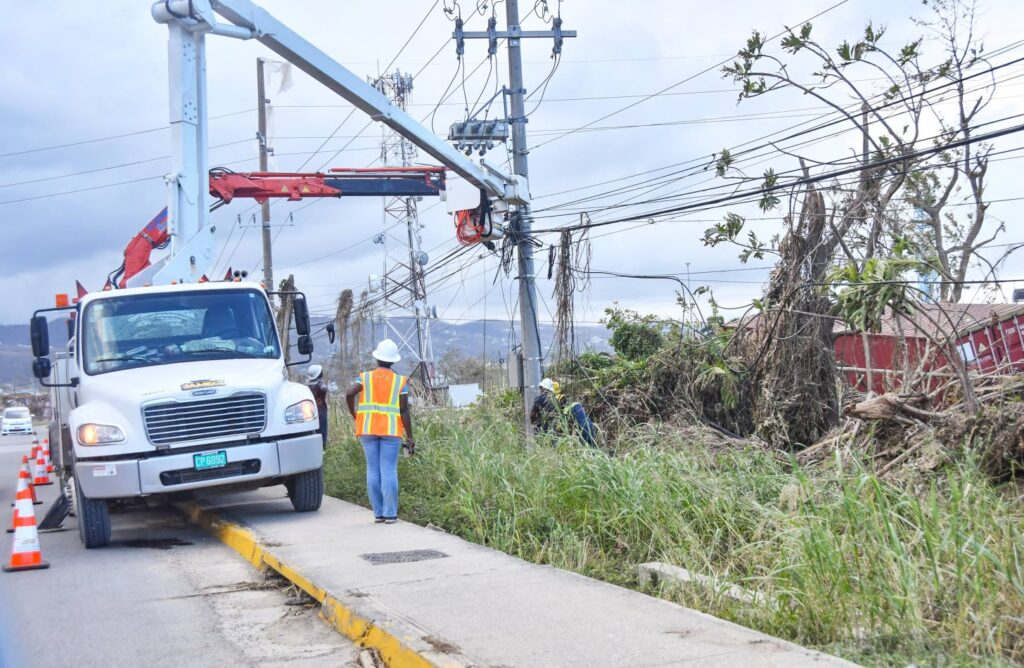
    The root cause traces back to Hurricane Melissa’s October 28 landfall, which severely disrupted Jamaica’s energy infrastructure. The tempest damaged supply lines for lower-cost fuels, forcing JPS to temporarily utilize more expensive alternatives while simultaneously reducing renewable energy availability. Compounding the problem, overall electricity sales plummeted by approximately 30% due to widespread power outages, creating a perfect storm of financial pressures.

    JPS explained the economic mechanics in simple terms: “Think of the power plant as a bus rented for $10,000. This fixed cost gets divided among all passengers. With fewer riders after the hurricane, each remaining customer bears a larger portion of the burden.” This analogy illustrates how fixed costs for fuel suppliers and Independent Power Producers (IPPs) must be distributed across diminished consumption, inevitably driving rates upward.

    The company emphasized that fuel and generation charges are strictly regulated to reflect actual costs, with payments flowing directly to suppliers including Petrojam and Excelerate Energy rather than being retained by JPS. Without the approved deferral strategy, customers would have faced an immediate 50% increase rather than the implemented 7% rise, which will see remaining costs distributed over subsequent months.

    Energy Minister Daryl Vaz acknowledged the difficult situation while criticizing JPS’s operational framework. He characterized the current licence agreement as fundamentally flawed, stating it fails to protect consumer interests and leaves regulators with insufficient intervention authority. Minister Vaz insisted that licence reform must become a priority, noting that while the current increase is smaller than July’s 16% hike following Hurricane Beryl, the pattern of storm-related rate spikes demands systemic change.

    JPS revealed it has proposed a fuel rate stabilization mechanism to the OUR that would mitigate such dramatic bill fluctuations, creating more predictable pricing while honoring obligations to suppliers. However, the company notes it cannot implement such measures without formal regulatory approval, despite receiving informal signals of agreement.

  • Finance Minister to public servants – Save some back pay for rainy days

    Finance Minister to public servants – Save some back pay for rainy days

    In a significant development for Trinidad’s public sector, Finance Minister Davendranath Tancoo has issued a compelling appeal to public servants receiving partial back payments, emphasizing the critical importance of financial prudence. The minister’s advisory comes amidst ongoing economic pressures and rising living costs, urging recipients to prioritize saving and long-term financial security over immediate expenditure.

    The backdrop to this financial advisory stems from the recent memorandum of agreement signed between the Public Service Association (PSA) and Chief Personnel Officer Dr. Daryl Dindial on December 2. This landmark agreement secured a ten percent wage increase for public servants, with new salaries scheduled for January implementation and an advance on arrears promised before December 23. Notably, the complete $3.8 billion in back pay will not be distributed in full cash payments immediately, with the initial disbursement capped at approximately $500 million for the PSA’s 80,000 members.

    Financial experts have reinforced the minister’s message with practical guidance. Ian Chinapoo, Group CEO of Guardian Group with three decades of financial expertise, introduced ‘The 4T Framework’ for managing windfall payments. His comprehensive approach emphasizes emotional regulation (Take a breath), financial assessment (Think out loud), strategic debt management (Tactical moves), and future-oriented investing (Target your future). Chinapoo specifically recommends allocating no less than 50% of back pay to secure investments like mutual funds, stocks, and government bonds.

    Adding depth to the financial counsel, Miguel Martinez, President of Guardian Asset Management, warned against the psychological trap of treating lump sums as ‘found money.’ He advocated for a balanced allocation strategy dividing funds between enjoyment, debt reduction, and savings/investments. Martinez particularly emphasized building emergency reserves covering six months of income and pursuing purpose-driven investing through professionally managed funds with strong track records and transparent fee structures.

    Both experts concur that this disbursement presents a unique opportunity for public servants to establish lasting financial stability, transform their economic outlook, and create intergenerational wealth through disciplined financial management and strategic partnership with reputable financial institutions.

  • De toekomst is van ons, Surinamers

    De toekomst is van ons, Surinamers

    Suriname stands on the brink of a transformative economic era as it prepares to join the ranks of oil-producing nations within the coming years. This transition promises substantial foreign investments and sectoral growth extending beyond energy into logistics, infrastructure, maritime services, and financial sectors. However, this development brings to the forefront a critical challenge: ensuring that the wealth generated from Suriname’s natural resources actually benefits its citizens rather than being diverted through international corporate structures.

    At the heart of this challenge lies transfer pricing—the practice of setting prices for transactions between companies within the same multinational corporation. When entities like TotalEnergies conduct internal transactions involving services, equipment rentals, licenses, royalties, and technical expertise across different jurisdictions, the assigned prices determine where profits are recorded and taxes are paid. If these internal prices don’t reflect Suriname’s economic reality, value created locally can easily shift abroad.

    The stakes are considerable. Even during the current preparatory phase, significant tax revenues are potentially being lost. As more international corporations establish operations across energy, logistics, construction, and service sectors, this leakage could accelerate. Suriname maintains a 36% corporate tax rate, among the highest in the region, creating incentives for multinationals to report profits in lower-tax jurisdictions despite conducting economic activities within Suriname’s borders.

    This issue transcends mere taxation—it represents a fundamental question of economic justice. Surinamese citizens have long endured high tax burdens, inflation, and economic uncertainty. Proper transfer pricing regulations would enable the country to secure future revenues without further increasing pressure on households. By establishing clear rules for profit allocation and taxation rights aligned with contemporary global developments, Suriname can claim its fair share of resource wealth.

    Globally, countries have served as profit transit points for corporations like Apple, Shell, and Starbucks, where wealth generated in one jurisdiction is shifted elsewhere through fiscal engineering. Suriname now has the opportunity to learn from these experiences and implement robust transfer pricing policies before production and capital flows become entrenched. Such measures could secure substantial revenues throughout the oil and gas production lifecycle.

    The choices made today regarding fiscal governance will determine whether future income streams benefit Surinamese society or disappear invisibly abroad. The nation’s deep-sea wealth won’t automatically translate into prosperity—it requires deliberate policy design to ensure value remains where it’s created.

  • Wages, prices, corporate pressure and consumer tolerance

    Wages, prices, corporate pressure and consumer tolerance

    The Barbados Chamber of Commerce & Industry (BCCI) has ignited a critical national dialogue regarding the complex interplay between minimum wage increases and business sustainability. This debate emerges against a backdrop of escalating living costs that disproportionately affect low-wage workers while simultaneously threatening the operational viability of enterprises across the island nation.

    At the heart of the discussion lies a fundamental tension: the moral imperative to ensure all working Barbadians earn sufficient income to cover basic necessities versus the economic realities facing businesses, particularly small and medium enterprises that dominate the commercial landscape. With food prices, housing costs, utilities, and transportation expenses steadily climbing, minimum wage earners represent the demographic most vulnerable to economic pressures, often allocating virtually their entire income to essential expenditures.

    BCCI President Paul Inniss recently articulated the chamber’s position during a press conference, acknowledging the necessity of livable wages while warning of the ‘cascading effect’ that mandated wage increases trigger throughout the economy. The chamber’s analysis indicates that when the national minimum wage rises, employees earning above that threshold typically expect corresponding increases, creating widespread upward pressure on labor costs that extends far beyond entry-level positions.

    Christopher Sambrano, Chairman of the BCCI’s Economic Advisory Committee, cautions that continuous wage hikes risk fueling inflationary cycles that could ultimately negate any purchasing power gains workers might otherwise achieve. This perspective highlights the delicate balance policymakers must strike between immediate relief for workers and long-term economic stability.

    The chamber advocates for a more nuanced approach to compensation, proposing incentive-based pay structures tied to productivity metrics and business performance. Such systems would theoretically provide a base wage meeting minimum standards while offering additional earnings potential through performance bonuses. However, this approach presents implementation challenges regarding National Insurance contributions, pension calculations, and the inherent power imbalances that leave low-wage workers vulnerable to exploitation.

    Technology adoption, process optimization, and artificial intelligence implementation represent alternative strategies businesses might employ to offset rising labor costs. Yet critics note that productivity enhancements remain particularly challenging for small businesses and labor-intensive sectors where human effort directly correlates with output.

    The government maintains that minimum wage adjustments constitute an essential component of its broader socioeconomic agenda. While the BCCI leadership expresses understanding of this policy direction, they emphasize that consecutive increases have intensified pressure on business operations, potentially leading to price increases passed to consumers or other cost-saving measures.

    This ongoing discourse ultimately seeks to identify sustainable solutions that acknowledge both the legitimate needs of workers for adequate compensation and the practical constraints facing businesses in a competitive economic environment.

  • Why the Union Power Station is active again

    Why the Union Power Station is active again

    In a strategic move to enhance national energy security, Saint Lucia Electricity Services Limited (LUCELEC) has repurposed the decommissioned Union Power Station into a critical standby facility. This initiative marks a significant step in fortifying the island’s electrical infrastructure against potential disruptions.

    The Union facility, once a cornerstone of northern Saint Lucia’s power supply, was rendered obsolete in 1990 when the centralized Cul De Sac Power Station became the nation’s sole generation source. Alongside its southern counterpart in Vieux Fort, the Union plant was phased out due to operational limitations from aging infrastructure and insufficient capacity.

    Recent reactivation efforts have transformed the site into a reliability asset. Ormond Reece, LUCELEC’s Senior Planning Manager, confirmed the station now serves as emergency capacity to satisfy regulatory mandates requiring uninterrupted service even during major generator failures. “This investment ensures LUCELEC meets its statutory obligation to maintain sufficient, reliable capacity,” Reece stated to St. Lucia Times.

    The standby capacity also supports grid stability during renewable energy integration. Reece emphasized that “it helps reduce the risk of system interruptions and supports a more stable grid as renewable integration continues.”

    This development coincides with broader regional energy modernization. The World Bank recently approved a $131.87 million Caribbean Efficient and Green Energy Buildings Project, encompassing Saint Lucia, Grenada, and Guyana. The initiative targets reduced fossil fuel dependence through retrofitting 500 public buildings with energy-efficient technologies and solar panels, aiming for minimum 20% energy savings.

    However, legislative progress faced setbacks. The Electricity Supply Bill, designed to enable independent renewable power producers, stalled in Parliament after stakeholders requested extended review time for the complex legislation. The proposed framework maintains LUCELEC’s grid control while allowing third-party generation, acknowledging the market’s limited size for competing infrastructure.

    Looking forward, LUCELEC advances its 10MW solar farm on the southeast coast with full construction approval. Bidding for the project opens January 16, 2026, with construction anticipated by Q2 2026. Concurrently, the company will develop an Integrated Resource and Resiliency Plan through a multi-stakeholder process to guide Saint Lucia’s energy transition aligned with National Energy Policy goals.

  • Digicel becomes Cbean’s first to achieve CIPS Ethical Procurement, Supply Kitemark Accreditation

    Digicel becomes Cbean’s first to achieve CIPS Ethical Procurement, Supply Kitemark Accreditation

    In a landmark achievement for Caribbean corporate governance, Digicel Group has secured the Chartered Institute of Procurement & Supply (CIPS) Corporate Ethical Procurement & Supply Kitemark—becoming the region’s inaugural recipient of this distinguished global recognition. The honor was formally presented during the inaugural CIPS Caribbean Conference and Awards ceremony at Trinidad’s Hyatt Regency last week, where Digicel’s procurement leadership accepted the accreditation.

    This prestigious kitemark serves as independent validation of Digicel’s comprehensive commitment to ethical sourcing methodologies, supplier integrity protocols, and robust governance frameworks. The certification process involves rigorous independent audits that assess consistent ethical implementation throughout organizational procurement ecosystems.

    Arshad Ali, Director of Group Procurement, Supply Chain & Real Estate at Digicel, emphasized the strategic significance of this accomplishment: ‘This accreditation embodies our fundamental business philosophy. It reflects the substantial advancements we’ve achieved in institutionalizing ethical, transparent, and accountable procurement processes across our operations. Furthermore, it strengthens our dedication to establishing new benchmarks for responsible sourcing and supply chain governance throughout the Caribbean region.’

    For consumers and commercial partners, the CIPS endorsement provides tangible assurance regarding Digicel’s ethical operational standards. Procurement determinations now systematically incorporate ethical considerations alongside traditional commercial metrics, ensuring all business interactions prioritize integrity and accountability. Partners benefit from transparent engagement frameworks, clearly defined ethical standards, and enhanced relationship sustainability founded on compliance and mutual trust.

    Michael Watson, Chief Compliance and Cyber Security Officer for Digicel Group, added: ‘This recognition underscores our continuous improvement in ethics and compliance programming. It provides stakeholders with concrete evidence of Digicel’s adherence to world-class ethical benchmarks throughout our supply network.’

    This industry milestone reinforces Digicel’s strategic positioning as an ethical leadership proponent, demonstrating how responsible corporate growth strategies can generate sustainable value for Caribbean economic development.

  • Sagicor Bank named Barbados’ Best Consumer Digital Bank

    Sagicor Bank named Barbados’ Best Consumer Digital Bank

    Sagicor Bank (Barbados) has achieved unprecedented recognition in the financial technology sector, securing an impressive 18 awards from Global Finance magazine’s World’s Best Digital Bank Awards for 2025. The institution, which pioneered digital-only banking in Barbados, has been crowned the nation’s Best Consumer Digital Bank for the second consecutive year, demonstrating remarkable growth from its 10 awards in the previous cycle.

    The prestigious international financial publication, established in 1987 and renowned for its financial industry authority, has conducted these awards for 26 years across multiple categories and regions. Sagicor’s accolades include Barbados’ Best Digital-Only Bank, Best Digital Payments Strategy, and Best in Lending—the latter marking a repeated triumph for the bank’s lending division.

    CEO George Thomas characterized the awards as validation of the bank’s transformative approach to Barbados’ banking landscape. ‘When we first opened our doors, we committed to offering a better banking experience for Barbadians,’ Thomas stated. ‘We’ve built on last year’s progress by actively listening to our clients and adapting accordingly, resulting in this significant award increase from 10 to 18.’

    Thomas extended congratulations to his team for their dedication and thanked clients and business partners for their continued support. The sentiment was echoed by Global Finance’s founder Joseph Giarraputo, who noted that award-winning institutions exemplify innovation in cloud technology and mobile-first strategies that deliver secure, personalized banking experiences.

    The first-round honorees for Latin America and the Caribbean were announced in August 2024, with Sagicor now eligible for regional and global recognition in the second round. The ultimate winners will be revealed at the inaugural Global Finance World’s Best Digital Banks Awards Ceremony on October 7 at London’s historic 8 Northumberland Avenue.

  • Call for national dialogue on productivity amid ‘inconsistent service’

    Call for national dialogue on productivity amid ‘inconsistent service’

    Barbados faces a critical productivity challenge that threatens economic competitiveness and business sustainability, according to the nation’s leading business organization. The Barbados Chamber of Commerce and Industry (BCCI) has issued a stark warning about systemic inefficiencies plaguing multiple sectors, from tourism to financial services.

    BCCI President Paul Innis has called for a candid national dialogue to address what he describes as pervasive service inconsistencies and operational delays that drive up costs and diminish value. “There is a concern in Barbados about productivity that a lot of people don’t talk about,” Innis stated during a press briefing. “We need to be mature enough to discuss this openly.”

    The chamber identifies fundamental problems across the business landscape, including inexplicable processing delays at government agencies and variable service quality in private enterprises. Innis highlighted specific examples: “Why should it take five days to complete something achievable in one? Why does vehicle licensing require two weeks and seven visits to the Licensing Authority?”

    Despite these challenges, the BCCI maintains an optimistic outlook about Barbados’s capacity for improvement. The organization is collaborating with the Barbados National Standards Institution (BNSI) to establish minimum service standards across industries. This initiative aims to create consistent service quality whether customers interact with hotels, manufacturing facilities, financial institutions, or port authorities.

    The productivity discussion emerges alongside recent minimum wage increases that took effect in January. The national rate rose from $10.50 to $10.71 hourly, while security guards received an increase from $11.43 to $11.66. These changes follow substantial raises six months prior that lifted rates from $8.50 to $10.50 nationally and from $9.25 to $11.43 for security personnel.

    When questioned about potential conflicts between wage growth and productivity concerns, Innis offered a nuanced perspective: “Policymakers are addressing livable wage requirements, which is important. The relationship between wages and productivity involves multiple dimensions—including modern equipment investments, process improvements, and employee feedback systems—not just individual worker output.”

    The BCCI advocates for comprehensive productivity enhancement through technology adoption, process optimization, and performance-based incentive structures rather than simply criticizing wage increases.