分类: business

  • When private sector becomes government client

    When private sector becomes government client

    In a stark assessment of Trinidad and Tobago’s economic landscape, Dr. Fuad Khan delivers a piercing critique of the nation’s private sector, revealing what he describes as a fundamental transformation from development partner to permanent state client.

    The analysis identifies a structural condition where private sector performance has become intrinsically tied to government spending patterns rather than market innovation. When state expenditure contracts, business confidence plummets; when government spending flows, temporary growth emerges. This dependency cycle signals a profound dysfunction within TT’s economic framework.

    A truly independent private sector typically drives progress through anticipating demand, investing ahead of policy developments, and competing internationally. However, Dr. Khan observes that TT’s business community increasingly organizes strategies around public procurement cycles, tax concessions, and regulatory protections. Lobbying has effectively replaced innovation as the primary business strategy, while compliance has superseded creativity.

    This dependency manifests across multiple sectors. Construction and infrastructure activities fluctuate directly with government capital expenditure. Energy services discussion about diversification rarely translates into action without state financing guarantees. Financial sector innovation remains superficial with minimal focus on funding productive enterprises. Retail and distribution sectors prioritize protected domestic markets over regional expansion.

    The consequences are measurable and severe: minimal research and development investment, weak export capacity, stagnant productivity growth, and lagging technology adoption. These indicators reflect a business culture that favors insulation over innovation, ultimately creating a self-reinforcing cycle where navigating institutional weaknesses becomes a competitive advantage.

    Young and innovative enterprises suffer most acutely in this environment, lacking the political access, legacy scale, or financial leverage to compete effectively. Many stagnate, relocate, or never launch, resulting in lost economic dynamism replaced by the illusion of stability.

    While government policy enabled this dependency, Dr. Khan emphasizes that the private sector actively embraced it. The choice to abandon export ambition, underinvest in technology, and accept protection represents a voluntary surrender of competitive spirit.

    True economic transformation requires a fundamental shift toward exports, technology investment, skills development, regional integration, and genuine competition. This transition will inevitably involve failure, consolidation, and discomfort—but remains essential for sustainable growth. Until TT’s private sector chooses independence over access, it will remain a client rather than a leader in national development.

  • Krystle Thorpe: Building a life of purpose, one client at a time

    Krystle Thorpe: Building a life of purpose, one client at a time

    In the competitive landscape of financial services, Krystle Thorpe stands out as a paradigm of empathetic leadership and professional excellence. The 37-year-old Sagicor Life advisor has cultivated an extraordinary career over ten years, transforming financial planning into a vehicle for delivering confidence and security to families across Jamaica.

    Thorpe’s journey began in humble circumstances, raised by a single mother alongside five siblings in St. Andrew’s Harriman’s Close neighborhood. Her early observations of maternal sacrifice became the foundation for her own determination to achieve more. After earning a business management degree from The University of the West Indies, Thorpe initially pursued marketing in a naturopathic medical office until a fortuitous encounter redirected her path.

    A casual conversation with a Sagicor client sparked curiosity about insurance—a field Thorpe had previously dismissed as commonplace. Despite initial reservations, she embraced the opportunity, dedicating two days weekly for a year to learn the profession under that agent’s mentorship. This apprenticeship culminated in Thorpe passing the Financial Services Commission’s rigorous examination, launching her formal career in 2015.

    Her decade-long tenure has been marked by consistent achievement, including annual qualification for the prestigious Million Dollar Round Table since her inaugural year—a testament to her unwavering commitment to client care. Beyond numerical success, Thorpe prioritizes meaningful relationships, noting that many clients have evolved into genuine friendships.

    Thorpe’s professional ascent followed personal challenges, including a difficult divorce in her twenties that tested her resilience. She credits this experience with forging greater mental strength and reinforcing her conviction that setbacks can become catalysts for growth. Now happily remarried, she balances her thriving career with active involvement in her faith community, describing her life as profoundly purposeful.

    Looking forward, Thorpe aims to transition into management where she can mentor emerging advisors, emphasizing integrity and human-centered service. Her professional philosophy transcends transactional metrics, focusing instead on the lasting impact of making clients feel understood and supported in pursuing their aspirations.

  • Caribbean Tourism and cruise leaders align on resilience, recovery and shared growth

    Caribbean Tourism and cruise leaders align on resilience, recovery and shared growth

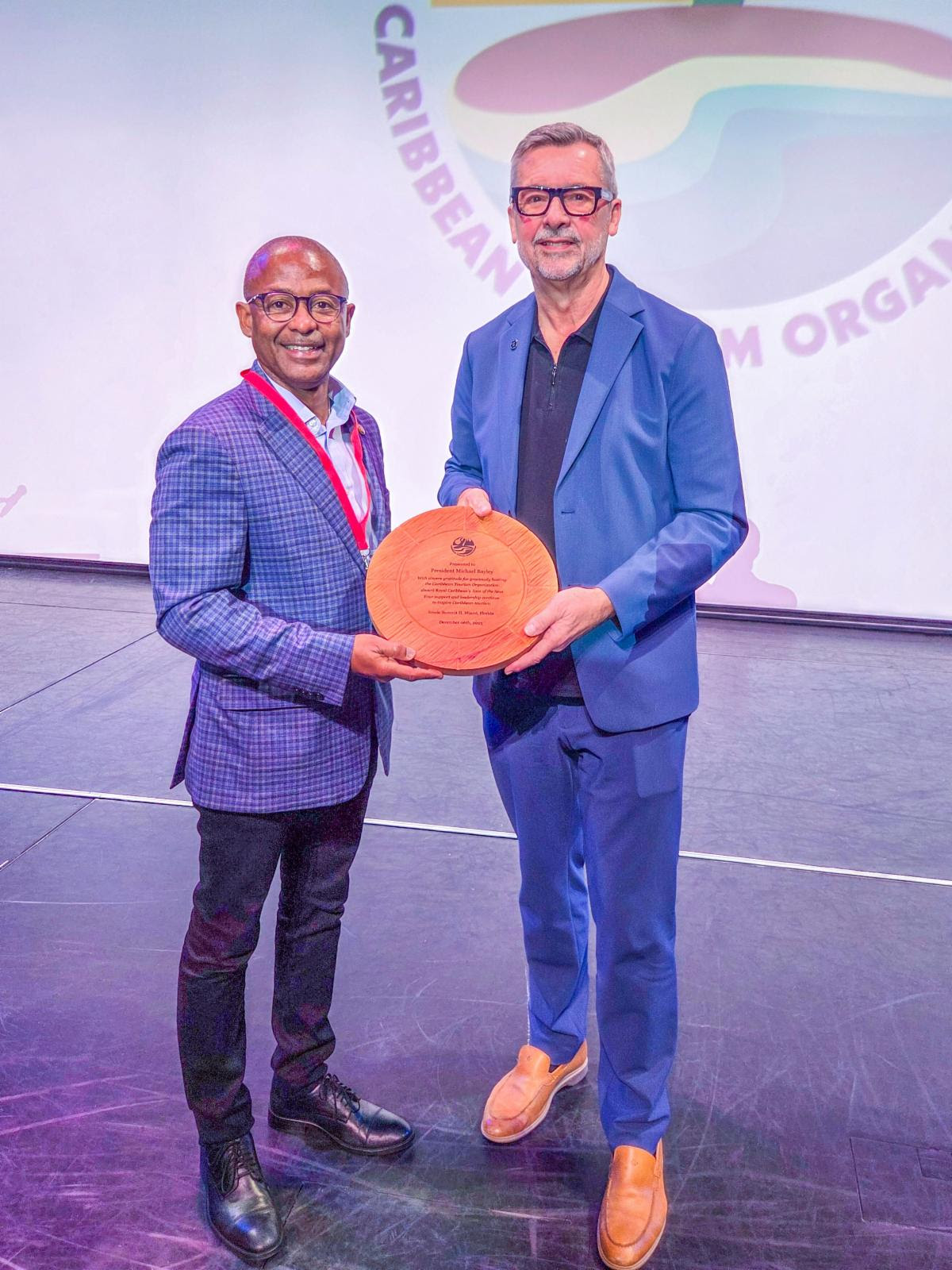
    MIAMI – In a landmark gathering aboard Royal Caribbean’s Icon of the Seas, Caribbean tourism ministers and industry executives convened this month for the “Iconic Summit” to address hurricane recovery and sustainable tourism strategies. The event, part of the Caribbean Tourism Organization’s (CTO) second annual Caribbean Weekend, highlighted the cruise industry’s critical role in regional resilience.

    Royal Caribbean International President and CEO Michael Bayley detailed the company’s comprehensive response to Hurricane Melissa’s devastation, which included delivering over 100 pallets of essential supplies to Jamaica’s Falmouth port and coordinating relief distribution in severely affected communities. In discussions with CTO Secretary-General Dona Regis-Prosper, Bayley emphasized the company’s deep-rooted commitment: “We consider ourselves integral to the Caribbean community, consistently responding to crises with immediate support.”

    CTO Chairman Ian Gooding-Edghill, Barbados’ Minister of Tourism, acknowledged Royal Caribbean and regional partners for their humanitarian efforts in Jamaica and Haiti. He advocated for enhanced collaboration between governments and private enterprises, stating, “Our tourism future hinges on collective innovation and belief in the region’s limitless potential.” He underscored the necessity of data-driven policies, improved connectivity, and community-centered growth.

    Bayley proposed comprehensive “master planning” for sustainable tourism management, highlighting opportunities for cruise lines and destinations to collaborate on youth employment initiatives. He outlined Royal Caribbean’s sustainability commitments, including investments in environmental technologies, shore power systems, and robust port infrastructure.

    Despite hurricane-related challenges, the Caribbean welcomed millions of cruise visitors in 2025, reinforcing tourism’s economic significance. The summit concluded with a unified message: integrating resilience into every development plan is imperative as climate threats intensify.

    The event blended purposeful dialogue with cultural elements, including a Wizard of Oz performance and an appearance by the ship’s “Chief Dog Officer,” reinforcing that tourism resilience requires collective engagement across all sectors.

  • InterCaribbean Airways announces expansion, Barbados Hub strengthened with new routes

    InterCaribbean Airways announces expansion, Barbados Hub strengthened with new routes

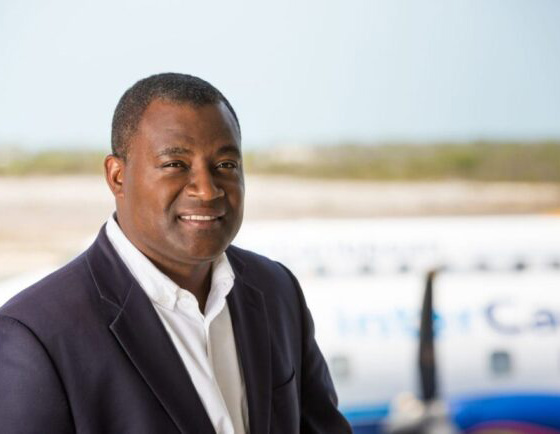
    InterCaribbean Airways has unveiled a significant strategic expansion of its Barbados operations, set to commence on March 8, 2026. The enhancement introduces five new nonstop routes from Grantley Adams International Airport (BGI) while substantially increasing flight frequencies across its Caribbean network.

    The new direct destinations include Tortola’s Terrance B. Lettsome International Airport (EIS), Providenciales’ Howard Hamilton International Airport (PLS), Port of Spain’s Piarco International Airport (POS), Georgetown’s Eugene F. Correia International Airport (OGL), and St. Maarten’s Princess Juliana International Airport (SXM). The airline will maintain a robust weekly schedule: three flights to Tortola, three to Providenciales, four to Port of Spain, three to Georgetown (Ogle), and two to St. Maarten.

    This expansion notably establishes interCaribbean’s presence in Trinidad, one of the Caribbean’s largest aviation markets, while creating over twenty new one-stop connecting options through the Barbados hub. The enhanced connectivity provides travelers with streamlined access throughout the Southern and Eastern Caribbean regions.

    Concurrently, the airline is boosting frequencies on existing routes from Barbados. Kingston services will increase to four weekly flights, St. Kitts to five, Antigua to ten, and Georgetown (excluding Ogle) will see eleven weekly flights.

    Lyndon Gardiner, Chairman of interCaribbean Airways, emphasized Barbados’s strategic importance: “Barbados is central to regional connectivity in the Caribbean, and we’re investing accordingly. With these additions, we’re deploying more aircraft and increasing frequencies to provide comprehensive network access from Guyana to Jamaica, Turks and Caicos, British Virgin Islands, and now St. Maarten and Trinidad.”

    This growth initiative is supported by the airline’s fleet of 11 ATR turboprop aircraft, enabling service to 24 cities across 18 Caribbean countries. Barbados, Tortola, and Providenciales serve as primary operational hubs within this expanding network.

    Bookings for the new routes and enhanced schedules are currently available through interCaribbean.com, telephone reservations, online travel agencies, and global travel agents.

  • PSA: LIAT Flight Schedule Notice

    PSA: LIAT Flight Schedule Notice

    An airline has confirmed the temporary removal of an aircraft from its operational fleet after identifying an unspecified technical malfunction. This precautionary measure has resulted in significant schedule modifications, with numerous flights facing potential delays, alterations, or outright cancellations.

    The carrier issued a formal apology to passengers for the resultant travel disruptions, emphasizing that customer and crew safety constitutes its paramount concern. Company representatives confirmed that the affected aircraft will remain grounded until it undergoes comprehensive inspections and meets all stringent safety protocols mandated by aviation authorities.

    Operational teams are currently deploying all available resources to mitigate passenger inconvenience. Strategies include extensive schedule adjustments and reallocating aircraft where feasible to facilitate passenger journeys. Despite these efforts, the airline acknowledges that some operational interruptions may persist throughout the resolution process.

    Affected travelers are advised to vigilantly monitor their registered email accounts for real-time updates regarding their itineraries. The airline has committed to providing continuous transparency as additional information emerges regarding the technical resolution and schedule normalization, thanking customers for their continued patience during this operational challenge.

  • Celebrity visits strengthen Saint Lucia’s position on global tourism stage

    Celebrity visits strengthen Saint Lucia’s position on global tourism stage

    Saint Lucia is systematically transforming its tourism landscape through a meticulously engineered celebrity engagement strategy that is generating unprecedented global visibility. The island nation’s tourism authority (SLTA) has implemented a multi-faceted approach combining strategic partnerships, digital marketing excellence, and cultural event integration to position itself as an elite leisure destination.

    The methodology involves precisely timed hosting of international celebrities during peak cultural events including Jazz Festival and Carnival celebrations. This strategic synchronization creates maximum exposure through both traditional media channels and social platforms. The SLTA has established robust collaborations with luxury resorts such as Windjammer Landing, creating symbiotic partnerships that enhance the island’s premium positioning.

    Digital engagement has proven particularly impactful, with social media buzz directly influencing celebrity visitation patterns. High-profile figures including NBA legend Michael Jordan, boxer Jake Paul, and Hollywood actresses Taraji P. Henson and Tasha Smith have generated substantial organic promotion through their social media content. Their posts showcasing Saint Lucia’s natural beauty and cultural offerings have created a ripple effect of international interest.

    The economic impact is quantitatively measurable through increased occupancy rates during event periods and verified through post-visit tourism data analysis. The SLTA employs sophisticated metrics tracking, including social engagement analytics and visibility measurement during major events, to quantify the return on investment from celebrity engagements.

    Looking forward, the tourism authority plans to expand its ambassador program, incorporating athlete representatives like Julien Alfred, while deepening collaborations with international cultural festivals. The strategy maintains a dual focus on showcasing both luxury amenities and authentic cultural experiences, ensuring broad appeal across diverse traveler demographics while maintaining the island’s premium positioning in competitive global tourism markets.

  • DSB sluit 2024 af met sterke cijfers, dividend en nieuwe betaalmogelijkheden

    DSB sluit 2024 af met sterke cijfers, dividend en nieuwe betaalmogelijkheden

    Suriname’s financial sector witnessed a landmark achievement as De Surinaamsche Bank (DSB), the nation’s largest financial institution, concluded its 2024 fiscal year with exceptional results. With a total balance sheet reaching SRD 36.7 billion (equivalent to approximately $1 billion USD), DSB has solidified its status as Suriname’s premier billion-dollar financial enterprise.

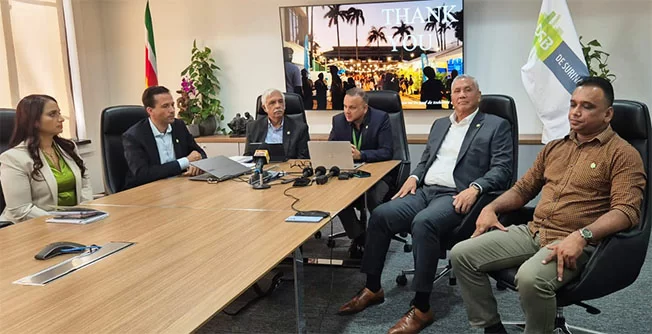
    During a press conference held at their headquarters on Friday, the bank’s executive leadership unveiled impressive financial metrics. DSB reported an operational result of SRD 1.3 billion and a net profit of SRD 546.3 million. The institution will contribute over SRD 500 million in tax payments to the national treasury. Notably, the bank’s equity capital grew to SRD 3.7 billion while its solvency ratio strengthened significantly to 27.2%, up from 24.2% in 2023.

    The management highlighted three particularly noteworthy accomplishments that distinguished their successful year. First, the bank reintroduced its DSB Easy Card, enabling customers to conduct international transactions from any location for services such as streaming subscriptions and online purchases, subject to holders maintaining a USD account with monthly and daily limits of $2,000 and $1,000 respectively.

    Second, the bank executed rapid dividend distributions totaling SRD 160 million to shareholders. Following approval at the General Shareholders Meeting, the amount was promptly credited to shareholders maintaining accounts with DSB, while other shareholders can claim dividends by presenting their receipts.

    Third, in celebration of its 160th anniversary, the bank has undertaken numerous corporate social responsibility projects and extended donations to various institutions. The bank has extended an open invitation to the public to join their year-end celebration at the headquarters on December 31st at noon.

    Looking ahead, DSB’s leadership emphasized their strategic intention to reinforce their dominant market position throughout 2026, with particular focus on playing a central role in Suriname’s emerging oil and gas sector developments. The bank committed to continued substantial investments in innovation and digital transformation initiatives in the coming years.

  • VIDEO: Shoppers cash in on SVG’s first VAT-free day

    VIDEO: Shoppers cash in on SVG’s first VAT-free day

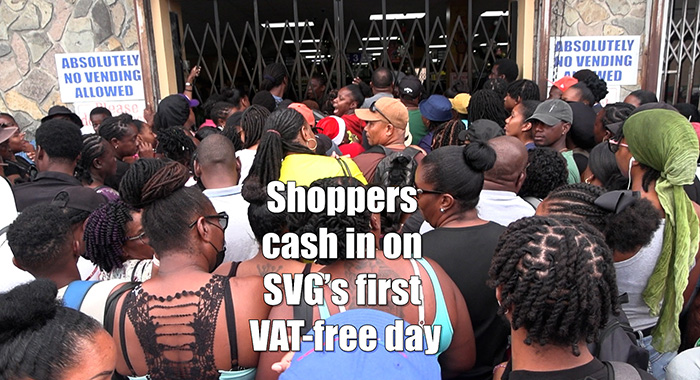
    On December 19, 2025, St. Vincent and the Grenadines witnessed an unprecedented economic event as thousands of citizens participated in the nation’s inaugural Value-Added Tax (VAT) exemption day. This marked the first suspension of the contentious consumption tax since its implementation eighteen years prior in 2007.

    The nationwide tax holiday triggered widespread commercial activity across retail sectors, with consumers capitalizing on significant savings to acquire both essential goods and discretionary items. Numerous shoppers reported saving hundreds of Eastern Caribbean dollars on single transactions, with many immediately reinvesting their unexpected windfall into additional purchases, effectively stimulating secondary market circulation.

    Despite the generally celebratory atmosphere surrounding the economic stimulus measure, the event drew nuanced responses from participants. While many embraced the financial relief, at least one female consumer expressed reservations, questioning whether the EC$500 she saved justified contending with massive crowds and the associated inconveniences of the shopping frenzy. Her sentiment highlights the complex balance between economic policy benefits and practical consumer experience during specially designated shopping events.

    The government’s temporary tax suspension represents a significant fiscal experiment within the Eastern Caribbean currency union, potentially setting precedents for neighboring nations considering similar consumer-focused economic interventions.

  • Oil wealth not spreading countrywide- Jagdeo, Campbell

    Oil wealth not spreading countrywide- Jagdeo, Campbell

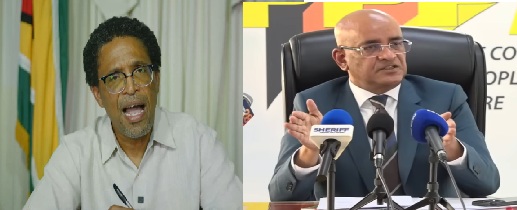
    Six years into its oil production era, Guyana continues to struggle with distributing hydrocarbon revenues across its national territory, according to simultaneous acknowledgments from both government and opposition figures. Vice President Bharrat Jagdeo and A Partnership for National Unity (APNU) parliamentary leader Dr. Terrence Campbell concur that economic benefits remain disproportionately concentrated in Region Four (Demerara-Mahaica), where hospitality and service sectors have experienced explosive growth.

    The administration is implementing a strategic response through tax-free investment zones designed to stimulate non-oil sectors. President Irfaan Ali’s recently unveiled five-year development agenda emphasizes agro-food processing and industrial diversification as pathways to generate high-value employment opportunities. Jagdeo confirmed that while urban centers have witnessed remarkable service sector expansion, rural, riverain, and Amerindian communities have not experienced comparable economic integration.

    A cornerstone of the government’s approach involves substantial fiscal incentives, including zero corporation tax for export-oriented agricultural producers and import substitution enterprises. This policy framework accompanies ambitious development initiatives such as the planned 180,000-acre agro-industrial complex in Berbice, projected to yield billions in export revenues.

    Opposition representatives argue for more equitable resource allocation regardless of political affiliations. APNU parliamentarian Nima Flue-Bess highlighted developmental disparities across Regions Five, Seven, Eight, and Ten, demanding balanced economic advancement nationwide. Dr. Campbell specifically referenced ongoing projects in PPPC-stronghold Region Six, including specialized training institutes and infrastructure developments, while urging immediate attention to agricultural sector modernization.

    The parliamentary leader further cautioned about petroleum market volatility, advocating for prudent fiscal management of oil revenues. He emphasized the necessity of strategic savings and wise investment to ensure long-term economic stability amid fluctuating global energy prices.

  • Warner Bros Discovery rejects Paramount’s hostile takeover bid

    Warner Bros Discovery rejects Paramount’s hostile takeover bid

    Warner Bros Discovery’s board of directors has formally rejected a hostile $108.4 billion acquisition proposal from Paramount Skydance, alleging the bidding studio misrepresented critical financial details to shareholders. In a December 17 communique to investors, the board asserted that Paramount had consistently misled stakeholders by claiming its $30-per-share cash offer was fully guaranteed by the Ellison family, led by Oracle billionaire Larry Ellison.

    The rejection comes amid an intense corporate battle for control of Warner Bros Discovery’s coveted assets, including its prestigious film and television studios, HBO Max streaming platform, and valuable intellectual properties like the Harry Potter franchise. Paramount launched its aggressive bid after Warner Bros had already accepted a competing offer from streaming titan Netflix.

    The board characterized Paramount’s proposal as posing ‘numerous, significant risks’ and declared it ‘inferior’ to Netflix’s binding $27.75-per-share agreement, which features robust debt commitments and requires no equity financing. Unlike Netflix’s solidified arrangement, Paramount’s offer could be terminated or modified arbitrarily prior to finalization, creating substantial uncertainty for shareholders.

    Warner Bros leadership has not yet scheduled a shareholder vote on the Netflix merger but anticipates holding the decision during spring or early summer, according to Chairman Samuel Di Piazza. The Ellison family has reportedly cited their connections to former President Donald Trump as potentially smoothing regulatory approval, though Netflix executives have already initiated discussions with both the U.S. Department of Justice and European Commission regarding their proposed acquisition.

    In a significant concession to address industry concerns, Netflix has assured Warner Bros it will continue theatrical releases for the studio’s films, alleviating fears that the merger would eliminate a major source of cinema content. The company’s co-CEO Ted Sarandos affirmed the board’s position that the Netflix agreement represents the superior path forward for stockholder interests.