分类: business

  • GraceKennedy mourns passing of business leader Mable Tenn

    GraceKennedy mourns passing of business leader Mable Tenn

    KINGSTON, Jamaica — GraceKennedy, the prominent Caribbean conglomerate, has announced with profound sorrow the passing of Mable Tenn, celebrated business pioneer and the company’s inaugural female board director. Tenn’s remarkable career spanned decades of transformative leadership and barrier-breaking achievements within Jamaica’s corporate landscape.

    Her professional association with GraceKennedy commenced in 1952 when she assumed the role of secretary to Carlton Alexander, then serving as director. Demonstrating exceptional business acumen and determination, Tenn subsequently established multiple thriving entrepreneurial ventures that would eventually be incorporated into the GraceKennedy portfolio through acquisition.

    In a historic corporate milestone, Tenn shattered the glass ceiling in 1972 by becoming the first woman appointed to GraceKennedy’s board of directors. This groundbreaking appointment established new precedents for gender diversity in Jamaican business leadership and created pathways for subsequent generations of female executives.

    Beyond her corporate legacy, Tenn made substantial contributions to Jamaica’s agricultural development initiatives and emerged as an inspirational figure for women pursuing leadership roles. Her career exemplified resilience, innovative vision, and an uncompromising commitment to excellence that transcended conventional expectations of her era.

    The GraceKennedy organization has extended heartfelt condolences to Tenn’s family, friends, and the countless individuals influenced by her extraordinary journey. The company emphasized that Tenn’s enduring impact on both corporate governance and broader Jamaican society will be perpetually honored with profound respect and appreciation.

  • Zachary Harding faces questioning in SSL fraud saga

    Zachary Harding faces questioning in SSL fraud saga

    Zachary Harding, the former Chief Executive Officer of Stocks and Securities Limited (SSL), is now undergoing formal questioning by Jamaican authorities in connection with the island’s largest financial fraud scandal. This development starkly contrasts with his January 2023 public declaration of having “clean hands” when the scandal first emerged.

    On December 27, 2025, Harding presented himself to detectives from the Financial Investigations Division (FID) and the Counter-Terrorism and Organised Crime Investigation Branch (C-TOC) of the Jamaica Constabulary Force. According to official statements, the interrogation focuses on “reasonable suspicion of breaches” spanning multiple financial regulations including the Bank of Jamaica Act, Securities Act, Banking Services Act, and Companies Act.

    The investigation intensified with coordinated dawn raids conducted by FID, C-TOC, and the Major Organised Crime and Anti-Corruption Agency (MOCA) targeting former SSL directors’ premises in St. James and St. Andrew. These operations resulted in three arrests: former SSL directors Hugh Croskery and Sarah Meany, plus Dermot Meany who faces separate firearms charges.

    During the 2023 interview with Observer Online, Harding had emphatically denied any knowledge of the fraudulent activities, stating: “I have nothing to hide. My heart is clear and my conscience is free.” He specifically claimed unawareness that Olympic champion Usain Bolt maintained an account with SSL during his tenure from September 2019 to June 2022.

    The scandal, which initially revealed the theft of approximately US$12.7 million from Bolt’s account, has expanded to encompass nearly 200 clients with total losses approaching $4 billion Jamaican dollars. To date, only former SSL wealth advisor Jean-Ann Panton has been formally charged, with her case currently progressing through the judicial system.

    Harding maintained that his resignation in June 2022 preceded the scandal’s emergence, and he had no ongoing affiliation with the company. Investigators continue forensic examination of evidence collected during recent operations while assessing potential regulatory violations.

  • Three taken into custody in relation to SSL fraud probe

    Three taken into custody in relation to SSL fraud probe

    Jamaican law enforcement agencies launched a coordinated pre-dawn operation resulting in the detention of three individuals connected to the massive financial fraud case at Stocks and Securities Limited (SSL). The multi-agency raid, executed at approximately 4:30 AM, targeted properties linked to former SSL directors as investigators intensify their probe into the billion-dollar investment scandal.

    The operation involved specialized units including the Financial Investigations Division (FID), Constabulary Financial Unit (CFU), Counter-Terrorism and Organised Crime Investigation Branch (C-TOC), and the St James Police Division, with additional support from the Major Organised Crime and Anti-Corruption Agency (MOCA). Search warrants were executed at four locations—one in Kempshot district, St James, and three addresses in St Andrew.

    Authorities confirmed the detention of former SSL directors Hugh Croskery and Sarah Meany. Croskery was apprehended at a Wickham Avenue residence where investigators confiscated electronic devices and documentary evidence. He faces potential charges under multiple financial statutes including the Bank of Jamaica Act, Securities Act, Larceny Act, and Banking Services Act.

    Simultaneously, searches at the Meany residence in Kempshot yielded SSL-related documents and electronic equipment. Sarah Meany was taken into custody on suspicion of similar financial regulatory violations during her tenure at SSL. A third individual, Dermot Meany, was arrested for firearms-related offenses after authorities discovered ammunition exceeding legally permitted quantities despite his licensed firearm status.

    In a parallel development, former SSL and Delta Partners CEO Zachary Harding presented himself for questioning at FID and C-TOC facilities accompanied by legal counsel. His interrogation focuses on potential breaches of financial regulations including the Companies Act.

    All seized evidence is undergoing comprehensive forensic analysis as authorities continue to assess additional charges. The investigation remains active with promises of further updates as this complex financial fraud case develops.

  • Economy : Note on the monetary policy of the BRH (4th quarter 2024-2025)

    Economy : Note on the monetary policy of the BRH (4th quarter 2024-2025)

    Amid persistent global economic headwinds and domestic turmoil, Haiti’s Central Bank (BRH) has implemented a cautiously conservative monetary approach during the fourth quarter of 2024-2025. The international landscape remained constrained by ongoing geopolitical conflicts, restrictive trade measures, and diminished growth patterns, collectively exacerbating inflationary trends worldwide.

    Haiti’s internal situation presented even more severe challenges, with protracted socio-political unrest and widespread security instability severely constraining economic operations. These conditions have intensified price escalation pressures and dramatically worsened food scarcity across the nation.

    In response to these dual pressures, the BRH adopted a protective monetary strategy focused on preserving exchange rate consistency, curbing inflationary surges, and reinforcing the banking sector’s defensive capabilities. Economic metrics reveal a concerning trajectory: the Overall Economic Activity Indicator registered a 2.4% contraction during the first three quarters of the fiscal year.

    The human impact of this crisis is staggering, with official statistics indicating approximately 1.4 million internally displaced citizens and 5.7 million Haitians experiencing severe food insecurity—including one million children in critically vulnerable conditions.

    Inflation reached 31.9% annually by September 2025, representing a significant increase from the 28.4% recorded in June. This inflationary spiral stems from crippled domestic production capabilities and recurrent supply chain interruptions.

    Fiscal operations showed increased government spending (up 15.4%) alongside modest revenue growth (5.7%), while trade imbalances widened with exports declining 8.41% to $635.93 million and imports surging 10.78% to $3,642.7 million. Despite these pressures, the exchange rate remained notably stable at approximately 130.69 gourdes per U.S. dollar.

    Looking forward, Haiti’s economic recovery prospects remain intimately tied to global economic developments and—most critically—domestic security improvements. The central bank has committed to continuing its supportive stance toward small and medium enterprises and productive sectors including tourism, while maintaining its dual focus on exchange rate stability and inflation containment.

  • Butcher calls for action on meat imports amid sales ‘slump’

    Butcher calls for action on meat imports amid sales ‘slump’

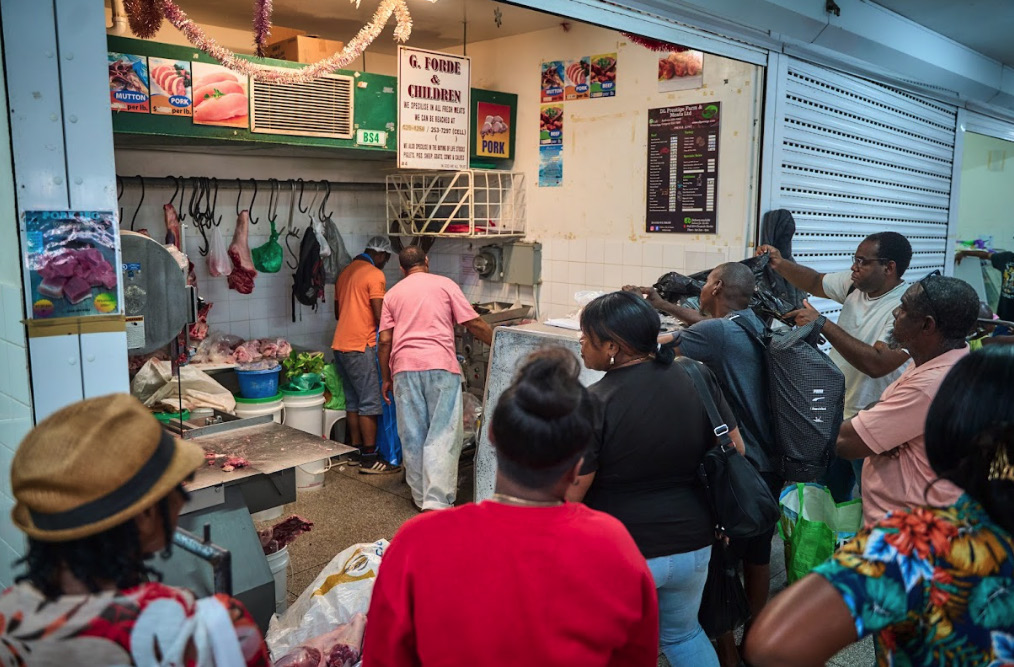
    Barbadian meat producers faced a challenging Christmas season despite apparent market activity, with local butchers reporting diminished sales attributed to overwhelming meat imports. Kadeem Layne of DL Prestige Farm and Meats Ltd., while acknowledging steady customer support, confirmed overall sales had declined compared to previous years during the crucial holiday period.

    The persistent influx of imported meat has created significant inventory challenges for small-scale farmers and butchers throughout Barbados. Unlike some producers who reduced output in response to market pressures, Layne maintained full production levels, resulting in substantial leftover pork inventory and live animals remaining on farms.

    A critical factor exacerbating the situation has been the termination of supermarket contracts with local producers. Layne revealed that this development has forced farmers to avoid selling at reduced prices, creating downstream challenges in funding reproduction cycles for future livestock.

    The local producer proposed two potential solutions: either reducing import volumes or establishing better coordination between importers and domestic producers. As an alternative approach, Layne suggested implementing a system where local surpluses are sold before introducing imported meats to the market.

    Contrary to assumptions about production capacity, Layne asserted that Barbados possesses sufficient livestock to meet national demand. The actual challenge lies in processing capabilities, particularly for premium cuts preferred by hospitality establishments. Tenderloins, spare ribs, and other high-end restaurant cuts require specialized processing consistency that currently creates market gaps filled by imports.

    Price instability has further complicated the landscape, with the standard pork price of $9.50 per pound undermined by occasional sales as low as $7 per pound due to oversupply pressures. Layne emphasized that such pricing is unsustainable long-term and called for enhanced support mechanisms to ensure the viability of Barbados’ local meat industry.

  • ‘Nick of time’: City retailers see late Christmas shopping surge

    ‘Nick of time’: City retailers see late Christmas shopping surge

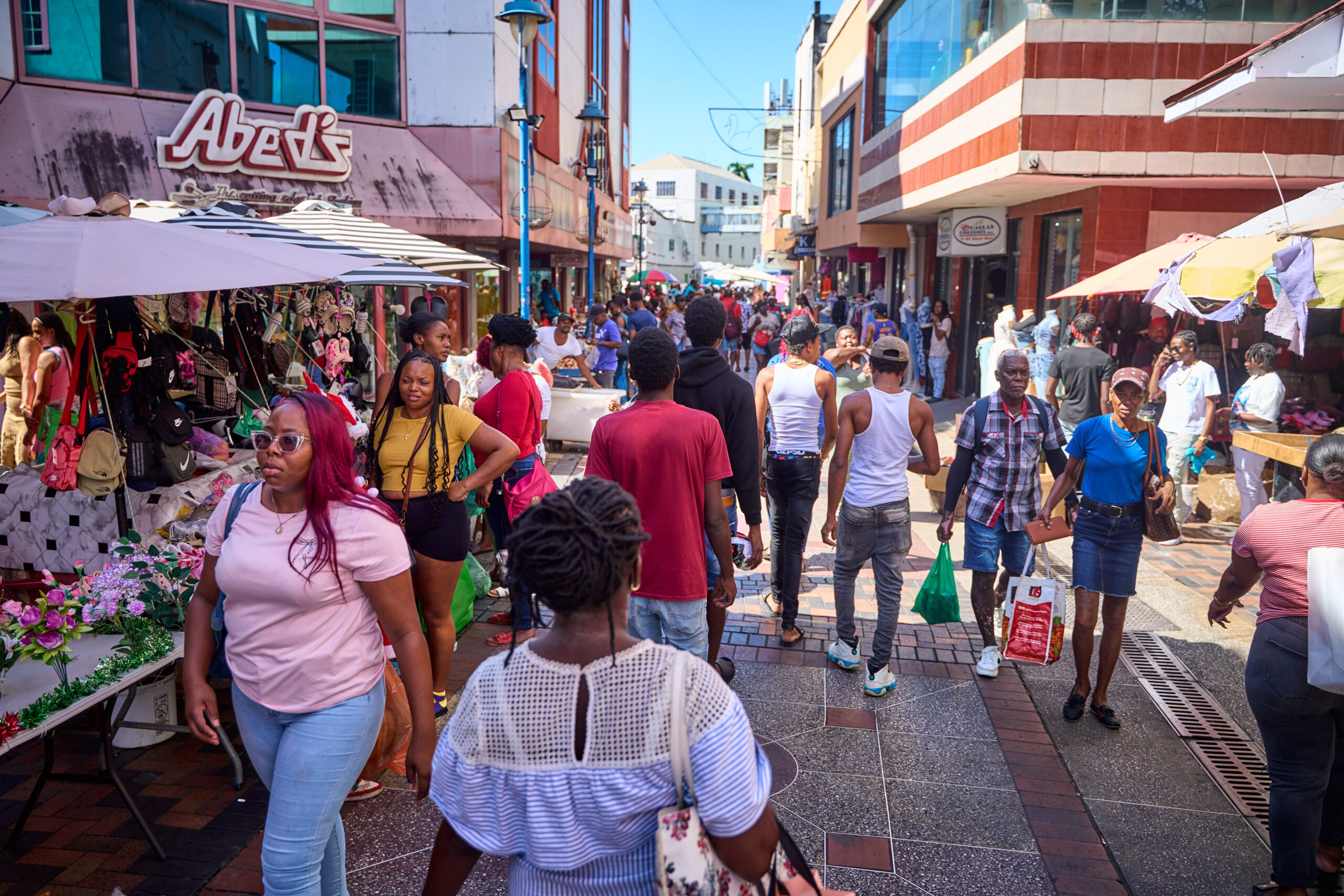
    Barbadian retailers witnessed a dramatic uptick in holiday shopping during the final days preceding Christmas, marking a significant shift from the cautious consumer behavior that characterized most of December. According to retail managers across Bridgetown, the delayed spending surge was primarily fueled by recent pay cycles and last-minute purchasing patterns that transformed the retail landscape in the week before the holiday.

    Stacey Wharton, Operations Manager at Bridgetown Duty Free, reported a noticeable transformation in shopping activity beginning December 18th, coinciding with typical pay periods for Barbadian workers. “December commenced rather quietly, but we observed a substantial increase in business around the 18th, which aligned with most Barbadians’ payday,” Wharton noted. While activity experienced a minor dip following the initial surge, foot traffic notably intensified again from Tuesday through Christmas Eve.

    Premium fragrances and cosmetics emerged as the season’s top performers, followed closely by designer leather accessories and children’s toys. Household items including curtains, bathroom mats, and tablecloths also experienced robust demand as consumers finalized their holiday preparations. The store’s complimentary gift-wrapping service proved particularly attractive to customers, necessitating the recruitment of 80-100 additional seasonal staff to manage increased volumes.

    At FW Woolworth, Managing Director Martin Bryan characterized the season’s first half as “subdued,” with meaningful activity materializing only during the final shopping days. Bryan reported strong sales in toys, clothing, toiletry sets, perfumes, and gift-wrapping supplies, though he suggested overall traffic appeared diminished compared to previous years.

    Supply chain complications emerged as a significant challenge across the retail sector. Hiranand Thani, proprietor of The Royal Shop, described an uneven season with fewer strong shopping days than typical years. “Our primary challenge this year involved securing inventory,” Thani explained. “For certain brands where we typically receive good supply, we encountered severe shortages. If we ordered five pieces of an item, we might receive only two.”

    Thani attributed these shortages to international supply and shipping constraints affecting shipments from the United States and Asia, including complications arising from tariff structures affecting distribution channels.

    Contrasting this narrative, Eddy Abed, Managing Director of Abeds, reported exceptionally strong performance across all three locations following months of strategic preparation. “Customer traffic became exceptionally robust over the past ten days,” Abed stated, describing demand as both “strong” and “sustained.” The retailer’s early operational planning, which began in November, and a nine-month procurement strategy helped mitigate supply chain disruptions affecting other retailers.

    Despite the last-minute surge, several retailers remained cautious about declaring the season an outright success, with many opting to withhold year-over-year comparisons until completing comprehensive post-holiday analyses.

  • Cheapside vendors report mixed sales as rising costs bite

    Cheapside vendors report mixed sales as rising costs bite

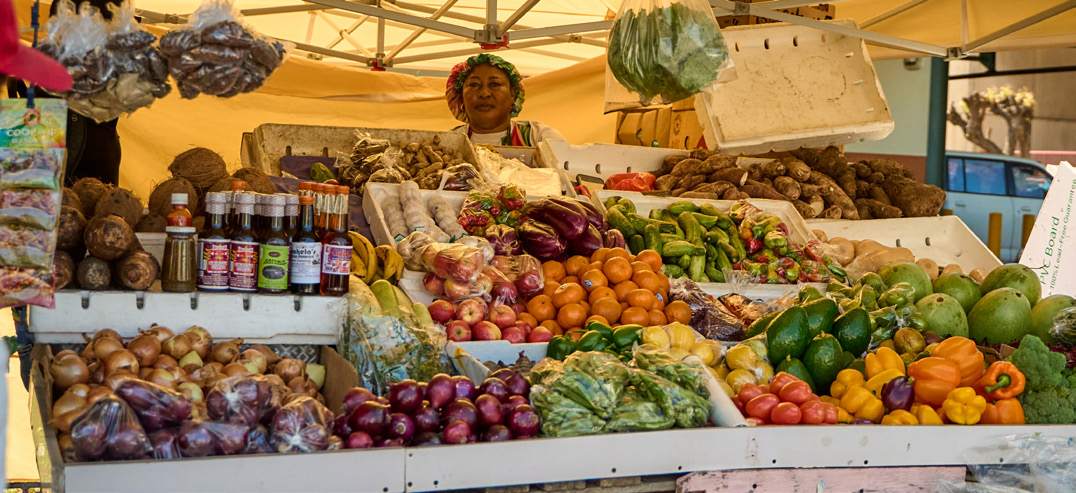
    Christmas shopping at Bridgetown’s Cheapside Market reveals a tale of contrasting fortunes this holiday season, with persistent inflation and tightened consumer budgets creating uneven trading conditions for local vendors. While foot traffic remains consistent, purchasing patterns show marked changes from previous years as shoppers grapple with elevated food prices.

    Multiple vendors report experiencing volatile business cycles, attributing the instability to sharp increases in produce costs—particularly for imported vegetables. Nadine Prince, one market operator, detailed how essential items like sweet peppers, flavor peppers, and local tomatoes have reached unprecedented prices, with some climbing to $12 per pound. This inflationary pressure has forced both sellers and customers to reconsider their purchasing habits, resulting in smaller transactions and quicker shopping trips.

    Consumer behavior has shifted noticeably, with shoppers prioritizing essential herbs and peppers over traditional root vegetables like yams and potatoes. Afua Merson observed that while sales haven’t collapsed completely, customers are making more calculated purchases, often adjusting their budgets to secure necessary items despite financial constraints.

    Amid the general trend of restrained spending, some vendors report more positive outcomes. Angela Greene described steady sales leading into Christmas, noting that success largely depends on stocking high-demand products that align with current consumer preferences.

    The overarching narrative emerging from the market underscores how macroeconomic pressures are reshaping festive traditions, with both vendors and customers demonstrating adaptability in the face of economic challenges while maintaining gratitude for continued community support.

  • Port Castries set for busy Post-Christmas cruise arrivals

    Port Castries set for busy Post-Christmas cruise arrivals

    The island nation of Saint Lucia is witnessing an extraordinary influx of maritime tourism as its peak cruise season culminates during the holiday period. Travelers from colder northern climates are flocking to the Caribbean destination, seeking its renowned warm weather and tropical hospitality.

    Port authorities in Castries reported a remarkable succession of vessel arrivals between December 22 and 25. The maritime parade commenced with MSC Virtuosa, carrying 6,334 passengers, on December 22nd. The following day witnessed five simultaneous arrivals: Viking Sea (930 passengers), Silver Spirit (540), Queen Elizabeth (2,547), Celestyal Crystal (1,200), and Seabourn Ovation (604). Christmas Eve brought three additional ships: Valiant Lady (2,770), Wind Surf (310), and Ilma (448). Christmas Day maintained the momentum with four vessels: Norwegian Epic (4,428 passengers), Costa Fascinosa (3,780), Le Bellot (184), and Evrima (293).

    The maritime activity continues unabated through the New Year’s transition. December 26th anticipates five arrivals: Norwegian Sky (2,004 passengers), Brilliance of the Seas (2,501), Silver Shadow (382), Royal Clipper (227), and AIDAperla (3,400). December 27th will see the exclusive Sea Cloud II, accommodating merely 96 passengers. December 28th concludes the intensive period with three vessels: Seven Seas Mariner (700 passengers), Zuiderdam (2,272), and a return visit from Royal Clipper (227 passengers).

    This substantial maritime traffic represents a significant economic opportunity for local businesses, tourism operators, and the broader hospitality sector, highlighting Saint Lucia’s growing prominence as a premier Caribbean cruise destination.

  • Suriname kan doorbreken op snelgroeiende kokosmarkt

    Suriname kan doorbreken op snelgroeiende kokosmarkt

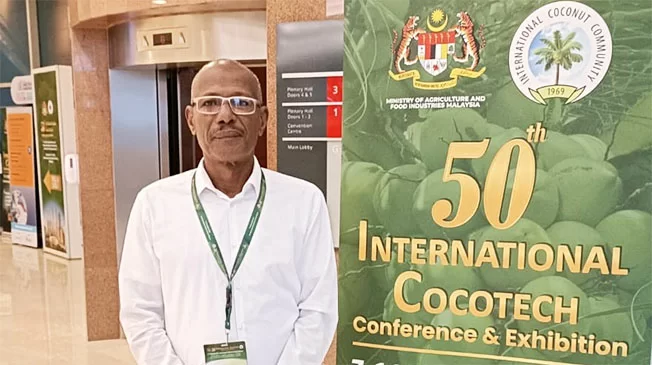
    Suriname stands at the threshold of an extraordinary economic opportunity as global demand for coconut products surges while traditional producing nations face climate-induced production declines. Agricultural experts revealed during a recent debate hosted by the newly established Association of Agronomists in Suriname (VAS) that the international coconut market, expanding at approximately 10% annually, presents a strategic window for the South American nation.

    The unprecedented growth in coconut water consumption, particularly across North American markets, coincides with production challenges in major Asian and Caribbean coconut-growing regions affected by climate volatility. This supply-demand imbalance creates ideal conditions for Suriname to establish itself as a reliable supplier.

    Ricardo Vriesde, an experienced coconut producer with fifteen years in the industry, emphasized the timing advantage: “Current investors can tap into markets actively seeking new suppliers. New plantations require five to six years to become productive, giving countries with existing coconut stocks like Suriname significant competitive leverage.”

    VAS President Soedeshchand Jairam stressed the need for comprehensive stakeholder engagement, including government participation, to implement timely strategic actions. The association, founded in July 2025, aims to consolidate fragmented expertise into concrete policy and innovation frameworks.

    “Global food demand escalates while production systems face mounting pressure from climate change and diseases,” Jairam noted. “As an agriculturally potential-rich nation, we cannot afford inefficient knowledge utilization.”

    The consensus emerged that coconuts represent not merely a traditional crop but a strategic commodity for Suriname’s agricultural future. The historical production center of Coronie district, renowned for its ideal soil composition and coastal microclimate, is poised for revitalization following a period of decline partly caused by international aversion to coconut oil.

    Vriesde highlighted the coconut palm’s economic versatility: “This isn’t called the ‘tree of life’ without reason. Every component from root to leaf holds commercial value.” Beyond conventional products like oil, water, and milk, waste streams offer opportunities in cosmetics, medicinal applications, and personal care products.

    Despite promising prospects, the sector confronts challenges including scarce quality planting materials, inadequate financing, labor shortages, and limited research capacity. Innovative solutions like tissue culture technology, capable of generating hundreds of plants from a single embryo, show promise but require targeted policy support and collaborative implementation.

    According to industry analysis, strategic investments in coconut cultivation could significantly contribute to rural income growth and sustainable community development. The debate also featured insights from fruit, vegetable, cassava, rice, livestock, and fisheries sectors regarding structural constraints and market potential.

  • Guyana’s non-oil sector registers growth of more than 7%

    Guyana’s non-oil sector registers growth of more than 7%

    GEORGETOWN, Guyana — Guyana’s economic transformation continues to accelerate as new government data reveals a remarkable 13.8% expansion in the non-oil sector during the first half of 2025. This exceptional performance, described by officials as unprecedented by global standards, demonstrates the South American nation’s successful economic diversification strategy.

    Tourism, Industry and Commerce Minister Susan Rodrigues characterized the growth figures as extraordinary, emphasizing that such expansion percentages represent world-class economic performance. The broader economy maintained its robust trajectory with 7.5% overall growth, marking the fifth consecutive year of sustained economic expansion across multiple sectors.

    The non-oil growth was driven by significant advancements across diverse industries including agriculture, tourism, trade and infrastructure development. Minister Rodrigues highlighted the government’s commitment to building an “extremely diversified” economic foundation that reduces dependency on single industries while creating multiple growth engines.

    The administration’s development strategy focuses on ensuring that economic prosperity reaches all citizens regardless of geographical location, background, ethnicity, religion or political affiliation. This inclusive growth model will be implemented through various governmental agencies including the Small Business Bureau, Guyana National Bureau of Standards, Guyana Tourism Authority and the Competition Consumer Affairs Commission.

    Rodrigues emphasized that the current expansion represents just the initial phase of Guyana’s comprehensive development plan, with further economic diversification and inclusive growth initiatives planned for the coming years.