分类: business

  • Exxon gets EMA approval, Moonilal says red tape costing TT US$120m annually

    Exxon gets EMA approval, Moonilal says red tape costing TT US$120m annually

    In a significant development for Trinidad and Tobago’s energy sector, ExxonMobil has received formal environmental clearance to commence seismic surveys in the massive TT Ultra Deep 1 (TTUD-1) block, marking a pivotal moment in the nation’s economic revitalization efforts.

    The Environmental Management Authority (EMA) granted the Certificate of Environmental Clearance (CEC) during a ceremony at the Eric Williams Finance Building in Port of Spain on December 29. Energy Minister Dr. Roodal Moonilal emphasized that ExxonMobil’s return could fundamentally reshape the country’s economic future, though he cautioned that bureaucratic delays continue to cost the nation substantial revenue.

    The TTUD-1 block, an aggregation of seven parcels east of Trinidad, represents an enormous undertaking at 7,165 square kilometers—significantly larger than Trinidad’s 5,128km surface area. The project’s initial phase carries a price tag of US$42.5 million (TT$288 million), with full development costs estimated between US$16.4 billion and US$21.7 billion.

    Technological advancements have been crucial in enabling this deepwater exploration. Modern drill ships, semi-submersibles, and high-pressure temperature technologies have overcome previous limitations, allowing operations at depths exceeding 2,000 meters (approximately 6,560 feet).

    ExxonMobil’s agreement includes drilling two exploration wells initially, with optional second and third phases containing additional wells. The company has committed to US$12.8 million (TT$87 million) in financial obligations during phase one, covering administrative charges, training contributions, research and development funding, technical assistance, equipment bonuses, and scholarships.

    Minister Moonilal revealed that accelerated decision-making could generate US$120 million annually for the nation. His ministry currently coordinates with 16 state agencies and ministries for various approvals, licenses, and legal orders, creating complex logistical challenges.

    To address these inefficiencies, the government is developing an energy hub that will streamline sector processes. With Cabinet approval pending, this hub will integrate entities both within and outside the energy ministry to resolve issues in real time—from lease operators facing bureaucratic delays to international companies awaiting work permits.

    Concurrently, Planning, Economic Affairs and Development Minister Dr. Kennedy Swaratsingh announced the launch of the Priority Projects Portal, designed to provide transparent tracking of national initiatives as part of the government’s broader economic revitalization strategy.
  • Supreme Ventures in talks to sell Evolve loan portfolio to Dolla Financial

    Supreme Ventures in talks to sell Evolve loan portfolio to Dolla Financial

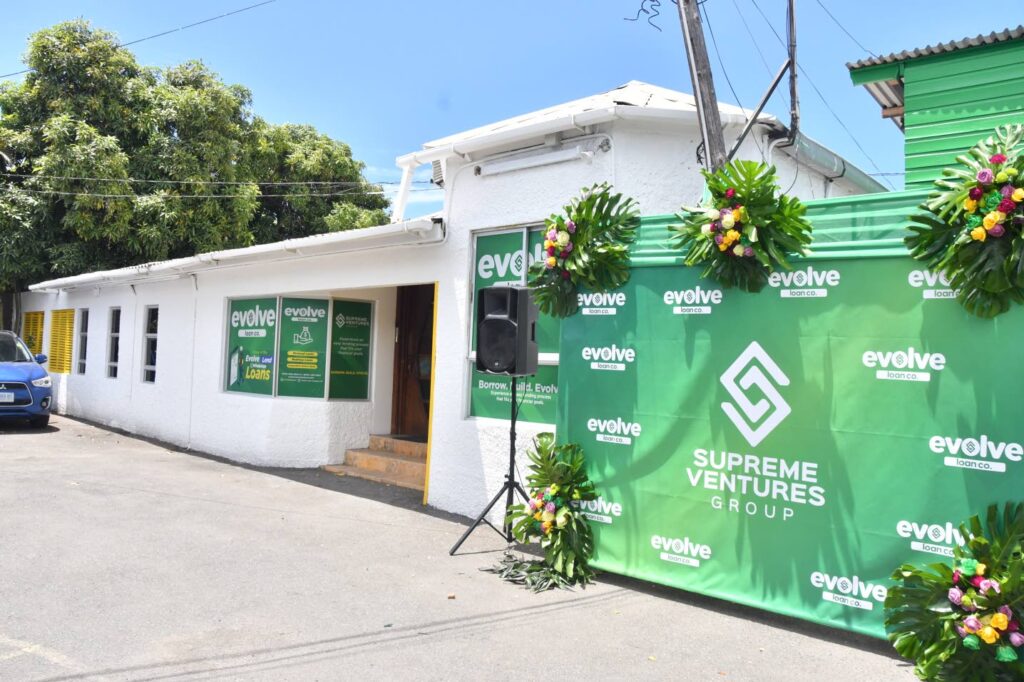
    KINGSTON, Jamaica – In a significant development within Jamaica’s financial sector, Supreme Ventures Limited (SVL) has confirmed preliminary negotiations regarding the strategic divestiture of its subsidiary Evolve Loan Co’s loan portfolio and select assets to microcredit specialist Dolla Financial Services Limited.

    The proposed transaction remains contingent upon securing regulatory consent from the Bank of Jamaica, the nation’s central banking authority, alongside the definitive settlement of contractual terms between the involved entities.

    SVL’s corporate communications characterize this maneuver as a sophisticated capital management strategy aimed at portfolio optimization and mitigation of concentrated credit exposure. Post-transaction execution, Evolve Loan Co is poised to transition toward an asset-light operational paradigm, centering its business model on digital service provision and loan origination capabilities rather than portfolio retention.

    Conversely, Dolla Financial Services anticipates substantial strategic benefits from this acquisition, projecting significant expansion of its microcredit market penetration and enhancement of its comprehensive lending infrastructure.

    Kenroy Kerr, Group Chief Executive Officer of Dolla Financial, emphasized the transaction’s transformative potential: “This acquisition stands to positively recalibrate our loan book through improved compositional balance, accelerated scaling opportunities, and amplified growth trajectory.”

    Notably, the arrangement includes SVL maintaining a 15% equity participation in Dolla Financial, thereby retaining financial exposure to the portfolio’s prospective performance while simultaneously realizing immediate capital reallocation benefits.

    Gary Peart, Executive Chairman of Supreme Ventures, framed the transaction within broader corporate strategy: “This disciplined capital reallocation demonstrates our unwavering commitment to shareholder value enhancement. We simultaneously fortify the group’s financial stability while preserving strategic positioning for long-term value appreciation.”

  • Trinidad gov’t seeking regional and international partners to restart oil refinery

    Trinidad gov’t seeking regional and international partners to restart oil refinery

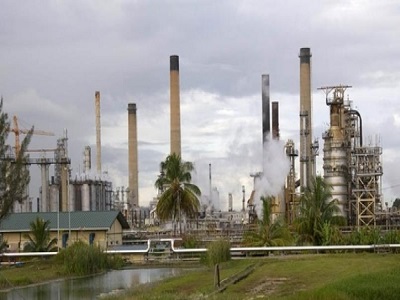
    The Trinidad and Tobago government is actively pursuing regional and international collaborations to facilitate the restart of the state-owned Guaracara oil refinery, which ceased operations in 2018. Energy and Energy Industries Minister Dr. Roodal Moonilal confirmed that the Kamla Persad-Bissessar administration is engaging in diplomatic talks with neighboring nations and potential global partners to assess the feasibility of resuming refinery operations.

    Minister Moonilal disclosed ongoing discussions with Suriname’s Energy Minister, Patrick Brunings, leveraging their experience operating a smaller refinery. The government is also maintaining active communication with Guyana and plans to utilize upcoming energy conferences in India (January) and Guyana (February) to attract international investment and technical support for the refinery project.

    This initiative follows the Interim Report from the Refinery Restart Committee, chaired by former energy minister Kevin Ramnarine, which concluded that reviving the Guaracara Refinery remains technically, commercially, and financially viable despite seven years of dormancy. Prime Minister Persad-Bissessar has characterized the facility as a “national asset with enormous potential for economic growth, employment and energy security” and has directed the Energy Ministry to evaluate restart options for Cabinet consideration.

    The development marks a significant policy shift from the previous Keith Rowley administration, which had selected Nigerian energy giant Oando PLC as the preferred bidder for leasing the refinery in March 2023. That decision was based on Oando’s substantial financial capabilities, including its US$1.5 billion acquisition of ConocoPhillips’ Nigerian assets.

    The refinery’s closure in 2018 resulted from unsustainable financial burdens, with upgrade costs ballooning from initial projections. The gasoline optimization program escalated from TT$2.45 billion to TT$12.6 billion, while other critical projects similarly exceeded budget estimates, creating an untenable debt situation for the state-owned petroleum company.

  • Dequity Capital Management calls off IPO after failing to meet minimum subscription

    Dequity Capital Management calls off IPO after failing to meet minimum subscription

    KINGSTON, Jamaica — In a significant development for Jamaica’s financial sector, Dequity Capital Management Limited has formally withdrawn its proposed initial public offering due to insufficient investor participation. VM Wealth Management Limited, the lead brokerage firm overseeing the transaction, confirmed the termination in an official communiqué released Friday.

    The public offering, which concluded its subscription period on December 18th, failed to secure the minimum investment threshold mandated by the company’s prospectus. This shortfall in investor commitment has compelled the organization to abandon its listing ambitions entirely.

    All subscription funds will be fully reimbursed to applicants through their original payment channels by January 6, 2026, though without accrued interest. As stipulated in the offering documentation, a non-refundable processing fee of J$172.50 per application will be deducted from each refund.

    VM Wealth Management characterized the decision as a measured strategy that prioritizes investor protection and responsible capital management. “This cautious approach to fundraising demonstrates our commitment to safeguarding investor interests,” the firm stated.

    This unsuccessful offering highlights the persistent challenges facing Jamaican enterprises seeking to raise capital through domestic equity markets. Despite this setback, VM Wealth Management expressed gratitude toward interested investors and reaffirmed its dedication to fostering the development of Jamaica’s capital markets ecosystem.

    The brokerage firm has established dedicated channels to address investor inquiries regarding the refund process, encouraging affected parties to contact their offices directly for assistance.

  • Forex: $159.83 to one US dollar

    Forex: $159.83 to one US dollar

    KINGSTON, Jamaica — In the final trading session of the year, the Jamaican dollar demonstrated notable strength against major global currencies. According to the latest daily exchange trading summary released by the Bank of Jamaica, the US dollar concluded trading on Tuesday, December 30, at a rate of J$159.83, marking a decrease of nine cents from previous valuations.

    The Caribbean nation’s currency exhibited mixed performance across other currency pairs. The Canadian dollar experienced a slight depreciation, finishing the day’s trading at J$116.36 compared to its previous close of J$116.56. Conversely, the British pound sterling weakened against the Jamaican dollar, settling at J$214.09 after previously trading at J$212.89.

    These currency fluctuations occurred during typically subdued year-end trading activity, reflecting both local economic conditions and broader global market influences. The Bank of Jamaica’s comprehensive monitoring of foreign exchange movements provides crucial data for economists, investors, and businesses engaged in international trade and financial planning.

  • Questions and answers about the foreign exchange market

    Questions and answers about the foreign exchange market

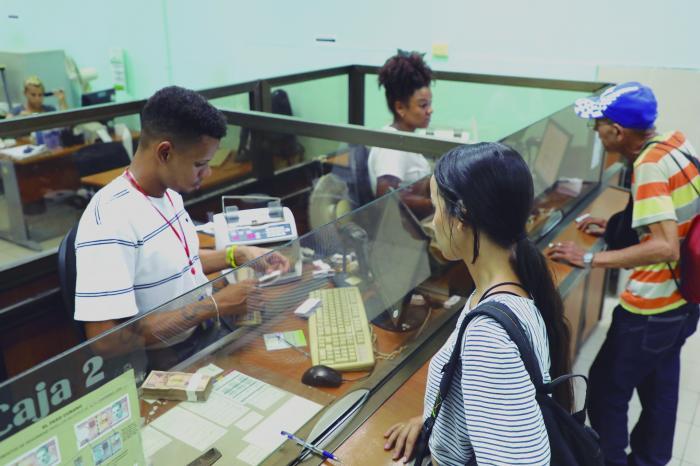
    HAVANA – Cuba’s implementation of a new foreign exchange market structure has sparked widespread public discussion and legitimate questions across social media platforms and public forums. In response to growing public inquiries, Central Bank of Cuba Director of Macroeconomic Policy Ian Pedro Carbonell Karel has provided detailed explanations regarding the country’s unconventional monetary approach.

    The temporary coexistence of three distinct exchange rates represents a strategic measure designed to simultaneously protect essential goods and services, stimulate foreign currency generation, and regulate monetary flows. This multi-tiered system, contrary to some public perceptions, was never intended as an immediate solution to eliminate Cuba’s informal currency market overnight, but rather as a gradual, progressive mechanism toward eventual exchange rate unification.

    Carbonell Karel emphasized that the floating exchange rate concept applied to Segment III allows for dynamic adjustment according to market conditions and economic environment factors, moving away from fixed exchange rate paradigms. This flexibility enables the rate to more accurately reflect economic realities while reducing distortions and diverting currency formation from speculative informal spaces.

    The macroeconomic policy director outlined several consumer benefits, including reduced volatility compared to informal alternatives, more stable price formation mechanisms, and enhanced financial security through official channels. As the market consolidates, both individuals and non-state enterprises will be able to conduct foreign currency transactions through regulated financial institutions, diminishing fraud risks and improving consumer protection.

    Regarding inflation concerns, Carbonell Karel noted that exchange rate modifications contribute to creating favorable conditions but sustained price stability requires complementary measures including monetary emission containment, increased goods and services supply in national currency, and reduced internal dollarization pressures.

    The Central Bank official also addressed specific stakeholder concerns, clarifying that international collaborators and aid workers receive the Segment III official rate for income exchange, while MLC account balances can be converted to Cuban pesos through authorized digital platforms without commercial margins.

    This gradualist approach allows economic actors sufficient time to adapt cost structures, pricing models, and investment decisions while developing sustainable economic reactivation mechanisms aligned with Cuba’s unique economic circumstances.

  • Aurora Gold Mines’ workers down tools to press demands for pay hike

    Aurora Gold Mines’ workers down tools to press demands for pay hike

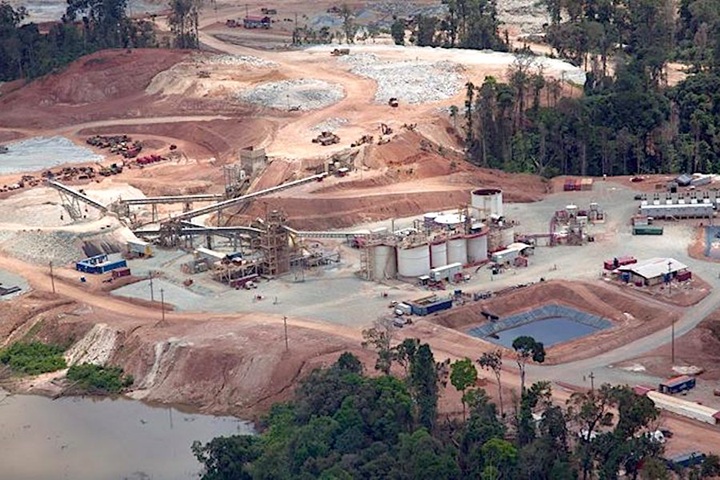
    Workers at Aurora Gold Mine (AGM) initiated a brief work stoppage on Sunday morning to emphasize their demands for improved compensation packages, highlighting ongoing tensions between labor and management at the Cuyuni mining operation. The industrial action, which lasted approximately 52 minutes between 7:18 AM and 8:10 AM, specifically involved employees from the Mills Department who temporarily halted operations at the mills round pad area.

    The Chinese-owned mining company, operated by Zijin Mining since its acquisition in August 2020, confirmed the incident resulted from ongoing negotiations regarding proposed wage adjustments. According to company statements, the matter was resolved following discussions between human resources representatives and union officials, including direct communication with Dawchan Nagasar, General Secretary of the National Association of Agricultural, Commercial and Industrial Employees (NAACIE).

    Negotiation dynamics reveal significant disparities between worker expectations and management offers. Union representatives initially sought a 20% wage increase for both 2025 and 2026, while Zijin Mining proposed substantially lower figures of 6% for 2025 and 8% for 2026. The union has since moderated its demand to 10% annually, though Nagasar emphasized this does not represent a final settlement.

    Beyond base wages, negotiations encompass multiple compensation elements. The night premium for 12-hour shifts has seen progressive increases from just over GY$20 to the current offer of GY$200 per hour. Similarly, leave allowances have doubled from 4% to 8% of previous year’s basic salary. The company has also proposed enhancing annual leave entitlements, suggesting additional days based on years of service.

    Workers express growing frustration, having not received wage increases since 2023 despite expanding operational responsibilities and infrastructure growth. Sources indicate Zijin Mining has expanded mine infrastructure by approximately 200% and tripled mill capacity since assuming control. Current compensation ranges from GY$600 hourly for unskilled workers to GY$700 for skilled positions.

    With critical meetings scheduled with the Labor Minister on Monday and Zijin Mining representatives on Tuesday, the situation remains fluid. Workers have issued an ultimatum, threatening complete operational shutdown if their demands remain unmet by Tuesday, potentially escalating the labor dispute significantly.

  • NEL recovers from loss with $15.3m profit

    NEL recovers from loss with $15.3m profit

    NATIONAL Enterprises Ltd (NEL) has demonstrated exceptional financial resilience by posting a $15.3 million profit after tax, marking a dramatic 104% recovery from previous unrealized fair value losses. The company’s strategic maneuvers have yielded impressive operational efficiencies, reducing expenses by 9% while simultaneously boosting dividend income by 14% to $129 million from $113 million.

    The energy investment firm reported robust cash reserves of $172 million in cash and equivalents, underscoring its strengthened financial position. This turnaround was significantly propelled by the resurgent performance of NGC and TTLNG—formerly components of Atlantic LNG train one—now integrated into the restructured unified ALNG operation encompassing trains two through four.

    Executive Director David Robinson emphasized the company’s steadfast commitment to shareholder value despite persistent global market volatility, geopolitical tensions, and irregular gas supply patterns. “Our sustained resilience against multifaceted challenges validates both the durability of our core assets and our capacity to capitalize on emerging value-creation opportunities,” Robinson stated. He further expressed confidence that this performance breakthrough establishes a foundation for delivering consistent shareholder returns across both immediate and extended timeframes.

    Beyond financial metrics, NEL reinforced its community engagement through comprehensive corporate social responsibility initiatives targeting education, youth development, social welfare, and cultural programs. The company’s strategic investments included financial literacy campaigns, educational fundraising support, and entrepreneurship incubators, reflecting its dedication to empowering future generations and enriching community ecosystems.

    The 2024 dividend distribution reached $156 million, equivalent to $0.26 per share, with a trailing dividend yield of 7.3%—ranking among the most competitive returns on the local exchange and outperforming comparable market benchmarks.

  • Small Business Association calls for OUR and JPS to reconsider 7% bill increase

    Small Business Association calls for OUR and JPS to reconsider 7% bill increase

    KINGSTON, Jamaica — The Small Businesses Association of Jamaica (SBAJ) has launched a forceful appeal against Jamaica Public Service (JPS) and the Office of Utilities Regulation (OUR), urging them to abandon a proposed seven per cent increase in electricity rates. SBAJ President Garnett Reid emphasized that Jamaican consumers and businesses already contend with some of the world’s highest energy costs, making the timing of this hike particularly detrimental.

    Reid questioned the justification for the increase, pointing to the utility company’s historical profitability. “Given the billions in profits accumulated over the years, we are compelled to ask where these funds have been allocated,” Reid stated. “It is unreasonable for the company to further burden Jamaicans by requesting what amounts to a $150 million loan from consumers, on top of a recent US$50 million drawdown from the OUR.”

    The appeal highlights the nation’s ongoing recovery from Hurricane Melissa, arguing that economic fragility demands compassion, not additional financial pressure. Reid called on international shareholders from Japan and Korea to consider the severe impact on the Jamaican populace.

    Furthermore, the SBAJ cited the exodus of major corporations, including Icool, Colgate, and Palmolive, which have relocated operations to Caribbean neighbors like Trinidad and Barbados due to more competitive energy rates. This trend, Reid warned, threatens to continue if Jamaica’s energy market remains uncompetitive.

    In response to the crisis, the association is advocating for structural reforms. This includes a call for the government to dismantle JPS’s monopoly by inviting alternative power providers to operate in Jamaica. Additionally, the SBAJ is encouraging a national shift towards renewable energy sources, such as solar power, to reduce dependency on the traditional grid and foster long-term economic resilience.

  • Gopex wijst op zorgen rond export, padieboeren luiden noodsignaal

    Gopex wijst op zorgen rond export, padieboeren luiden noodsignaal

    Suriname’s agricultural sector faces an unprecedented crisis as major industry players report catastrophic declines in export performance and mounting systemic challenges. Gopex International NV, a prominent agricultural enterprise, alongside the Surinamese Rice Farmers Association (SPBA), has issued urgent warnings about the sector’s rapid deterioration.

    Statistical analysis covering 2017 through 2024 reveals an alarming contraction exceeding fifty percent in agricultural output. Madhevie Gopal, representing industry stakeholders, attributes this dramatic decline to multiple factors, primarily stringent European regulatory changes that have rendered Suriname unable to meet Dutch market demands. “We are consistently losing market share to competitors such as the Dominican Republic and Mexico,” Gopal stated, painting a concerning picture for vegetable and fruit exports.

    The crisis extends beyond regulatory challenges to critical infrastructure failures. Gopal highlighted persistent logistical bottlenecks at airport export processing, where agricultural products remain outside refrigeration for five to six hours, severely compromising quality standards. “If we genuinely prioritize food safety,” she emphasized, “we must implement improved facilities coupled with enhanced supervision and monitoring mechanisms.”

    Industry leaders advocate for comprehensive reforms including expanded agricultural research, improved farmer education programs, and effective implementation of the National Institute for Food Safety Suriname Act. This legislation specifically aims to oversee food production, distribution, and export processes to ensure safety and quality standards.

    The rice sector faces parallel challenges. SPBA President Harinandan Oemraw reported that rice farmers confront shrinking profit margins despite increasing investments. “Without structural support,” Oemraw warned, “we anticipate further decline in rice production.”

    Rice farmers grapple with soaring production costs, inadequate research, obsolete seed supply systems, aging infrastructure, limited access to affordable financing, and escalating climate risks. Oemraw identified critical needs including modern irrigation systems, accessible credit facilities, and consistent pricing policies to sustain the sector.

    Proplan Consultancy’s analysis reveals a devastating cost-price imbalance: production costs reach SRD 863 per rice bale while farmers receive merely SRD 400. This economic pressure has resulted in severely reduced planting this season, threatening both national food security and agricultural livelihoods.

    The unified message from Gopex and SPBA underscores the urgent need for targeted policy interventions, improved regulatory oversight, and sector-wide collaboration. Without immediate action, Suriname risks further erosion of international market position and compromised food security. As Gopal succinctly summarized: “No farmer, no food, no future.”