作者: admin

  • Two Detained After 9 Y/O Girl Dies in Red Bank Village RTA

    Two Detained After 9 Y/O Girl Dies in Red Bank Village RTA

    A tragic traffic incident in Red Bank Village has ended the young life of 9-year-old Vanessa Cal, leaving local communities in mourning and prompting law enforcement to take two people into custody as the investigation into the crash proceeds. The fatal collision, which occurred on [May 14, 2026], unfolded at a local intersection in circumstances that have been outlined by police in initial briefings.

    Assistant Superintendent of Police Stacy Smith shared details of the incident with reporters this afternoon, confirming that Cal was riding her bicycle near the intersection when the crash occurred. According to Smith’s account, the driver of a sport utility vehicle lost control and struck a perimeter fence at the junction, and the moving vehicle subsequently collided with the young cyclist.

    The female driver, who was behind the wheel at the time of the crash, told responding officers that she had meant to press the brake pedal to slow or stop the vehicle, but mistakenly hit the accelerator instead, leading to the unintended loss of control that caused the crash. After the collision, the driver told investigators she checked the scene immediately, where she found Cal’s bicycle damaged, but the child did not appear to have any obvious outward injuries and remained responsive following the impact.

    Cal was moved to a nearby residential property to receive initial care while waiting for emergency medical support, but her condition declined rapidly despite initial observations that her injuries were not visible. No further details on the timeline of her condition deterioration or the exact cause of death have been released ahead of a scheduled postmortem examination, which will formally document the cause and manner of the young girl’s death.

    Both the female driver and a male passenger who was in the SUV at the time of the incident have been taken into police custody to await further investigation. Law enforcement has not yet filed formal charges against either individual, and the investigation remains active as officers work to piece together the full circumstances of the crash. Cal’s body remains in police custody ahead of the postmortem examination, which is expected to provide critical clarity for the ongoing investigation.

  • Cabinet Bans Hunting of Three Species, Here’s for How Long:

    Cabinet Bans Hunting of Three Species, Here’s for How Long:

    In a developing environmental policy announcement dated May 14, 2026, Belize’s national Cabinet has greenlit a 12-month moratorium on all hunting and capture activities for three native wildlife species, paired with a sweeping update to the country’s outdated wildlife protection legal framework — a move that has drawn both praise and measured criticism from regional conservation leaders. The temporary ban specifically targets three at-risk populations: the white-lipped peccary, the yellow-headed Amazon parrot, and the brown brocket deer, all of which have recorded sustained population declines in recent decades due to unregulated hunting and habitat loss across Belize. Alongside the hunting restriction, Cabinet formally approved the new Wildlife Conservation and Management Bill, a piece of legislation designed to replace the decades-old original Wild Life Protection Act that has guided the country’s conservation rules for generations. Dr. Celso Poot, the long-serving Managing Director of the Belize Zoo and a prominent voice in Central American wildlife conservation, described the policy updates as a long-awaited milestone for the region’s environmental community. In his response to the announcement, Poot emphasized that the revised legislation has been years in development, shaped by extensive cross-stakeholder consultations that address gaps in the country’s original, outdated regulatory framework. “This is something that has been in the works for many years. A lot of consultations have gone into the updating of it… I think that will be welcomed by the conservation community because we have a lot of antiquated laws,” Poot stated. Despite his support for the broader regulatory overhaul, Poot raised pointed questions about whether the one-year timeline for the hunting ban will be sufficient to allow the protected species’ populations to recover to sustainable levels. He noted that the three species included in the ban are just a small fraction of the Belizean wildlife currently facing downward population trends, adding that most vulnerable large mammal and bird species require far longer than 12 months of protection to rebound from decades of overexploitation. Poot further argued that hicatee turtles, a critically endangered freshwater turtle species native to Central America, should have been added to the list of species protected under the new moratorium, given their ongoing population collapse across the country. This developing story will be updated with full additional details in a broadcast airing at 6:00 p.m. local time.

  • Pride head coach believes new players deserve inclusion

    Pride head coach believes new players deserve inclusion

    Following a demoralizing 140-run defeat to Trinidad and Tobago Red Force in the West Indies Championship playoff at Antigua’s Coolidge Cricket Ground this Wednesday, Barbados Pride head coach Vasbert Drakes has made a clear push for generational change in the regional cricket side, arguing that talented young prospects deserve their chance to compete at the highest domestic level.

    While Drakes acknowledged that the team’s overall 4-day tournament campaign delivered several positive highlights that deserve praise — including standout individual performances from batter Kevin Wickham, who racked up 393 runs to finish as the competition’s second-highest run-scorer, and bowler Joshua Bishop, whose 16 wickets put him in a tie for third place in the tournament wicket-taking charts — he says he is now actively evaluating fringe domestic players for potential call-ups.

    The push for youth inclusion comes at a timely moment: two promising young Barbadian batters, Rivaldo Clarke and Amari Goodridge, notched their maiden first-class centuries on the very same Wednesday the playoff concluded, during a warm-up fixture against Guyana Harpy Eagles while representing the Barbados High Performance Center.

    Speaking to reporters Thursday at Grantley Adams International Airport shortly after the team returned home from Antigua, Drakes hinted at significant roster adjustments ahead of the next competition, even as he praised the core squad’s efforts through the main tournament. “I was happy with what the team exhibited across the competition, but we have these young Barbadian players who scored hundreds for the High Performance Center, and that is absolutely something we have to take seriously,” Drakes explained. “Once our top senior players are available for the next cycle, we still have to make sure these prospects are part of the setup moving forward.”

    Drakes added that senior players in the current squad have already accepted the need for a deliberate transition plan, noting that candid conversations about the team’s current state and the long-term best interests of Barbados cricket are already underway. “Even the senior lads understand we have to find a path forward for the next generation, so we’re going to have those hard talks about where we stand and what we need to do,” he said.

    Breaking down the team’s poor showing in the playoff against Trinidad and Tobago, Drakes pointed to the opposition’s first innings total as a decisive turning point in the match. Despite acknowledging that the team entered the fixture well-prepared for both the conditions and Trinidad’s batting lineup, he admitted the side failed to execute its game plan when it mattered most. “We were playing catch-up from early on, but even with that, the pitch was pretty flat, I think Trinidad ended up with around 30 more runs than they should have in that first dig,” Drakes said.

    He reflected on a near-miss that could have flipped the game’s momentum: Bishop’s outstanding unbeaten knock of 99. If just one more batter had matched that level of contribution, Drakes argued, the side would have gained the control it needed to compete for the win. He added that while Trinidad benefited from familiarity with the Antigua conditions after playing their full tournament on the island, that was no excuse for Barbados’ collective underperformance with the bat. “We had scored heavily in Jamaica earlier, so we knew we could perform here. There’s no question we should have put up a bigger total as a group,” he said.

    When asked about persistent concerns over a lack of intimidating pace in the Barbados bowling attack, Drakes agreed that the gap is a critical issue that requires urgent attention. He pointed to a telling moment in the match: Trinidad’s number 11 batter, fast bowler Jayden Seales, batted for 15 full overs to shore up the innings with no significant pressure from the Barbados attack. “You want your fast bowlers to be able to put a little fear into the tail-end batters, and that makes all the difference in a tight game. Unfortunately, we just didn’t have that cutting edge this match,” Drakes said. “It’s an area we definitely need to invest time and resources into filling moving forward.”

  • Prostate cancer walk aims to double turnout in ‘sea of blue’

    Prostate cancer walk aims to double turnout in ‘sea of blue’

    As Caribbean men continue to face disproportionately high rates of prostate cancer, community and corporate stakeholders across Barbados are gearing up for the fourth iteration of the CEMIX Barbados Cancer Society Prostate Cancer Walk and Run, an event designed to turn public attention into life-saving action. With an ambitious target of welcoming up to 1,800 participants this year — double the 800 to 900 attendees that turned out in 2023 — organisers are framing the gathering as a national movement to prioritize early screening and reduce preventable deaths from the disease among Barbadian men.\n\nOrganisers are calling on participants and supporters to turn out in blue to create a massive “sea of blue” along the route when the event kicks off at 4 p.m. on Sunday, June 28 at the Garrison Savannah, directly in front of the Main Guard clock tower. Speaking at the official launch of the event, Walk Manager Michelle Straughn, who has led planning for the initiative since its first edition, stressed that the gathering is far more than a recreational fitness activity. It is a targeted public health intervention that can save lives by encouraging more men to get tested.\n\n“We are here another year, and we are excited,” Straughn told reporters. “Last year we had about 800 to 900 persons. This year, we want to double that. This has to grow because the cause is too important. Men make up 50 per cent of the population in Barbados; we cannot do without them.”\n\nDue to overwhelming positive feedback from past participants, the popular route will remain unchanged this year. Walkers and runners alike will travel along Paddock Road, Culloden Road, and Bay Street before looping back to the starting point at the Garrison Savannah. Describing the course as accessible for people of all fitness levels, Straughn joked that organisers will only consider a change when overcrowding forces a shift – a outcome she says she would welcome. “It’s a nice easy run and walk. People love the route; they think it’s adequate. We’ll stick with it until it doesn’t work — and when it doesn’t work, it will be because we have 25 000 people on the road,” she said.\n\nThe annual event is the result of a long-running collaborative partnership between the Barbados Cancer Society, title sponsor CEMIX, the District Grand Lodge of Barbados (Scottish Constitution), and apparel manufacturer Gildan. The initiative was originally proposed by the District Grand Lodge, which approached the cancer society with the idea of creating a male-focused health awareness event. As a membership organisation made up of hundreds of men ranging in age from their 20s to over 100 years old, the lodge’s leadership says the cause is deeply personal.\n\n“All our members will either be personally impacted or have close friends with prostate cancer,” explained Kevin Seale, a commissioned officer of the District Grand Lodge. “I am in that category as well. I am very determined to continue to support this effort on a very personal level.”\n\nSteven Blackett, human resources advisor at Gildan, echoed that commitment, noting that the decades of progress made in breast cancer awareness and fundraising can serve as a blueprint for expanding prostate cancer outreach. He highlighted the important role women can play in encouraging the men in their lives to participate and get screened, noting that female participants are fully welcome to join the event. “Behind every successful man is a strong woman,” Blackett said. “I want to thank the ladies for leading the way with breast cancer; they are leading the path for men right now to make this walk. Ladies are welcome too, and let’s make this year more impactful.”\n\nAcross all partnering organisations, the core message is unanimous: early detection remains the most effective tool to improve survival outcomes for prostate cancer patients and reverse current mortality statistics. Philip Tempro, Group CEO of title sponsor CEMIX, issued a public call for other Barbadian businesses to join the movement, urging corporate leaders to support their employees to participate and expand access to screening in workplaces. “I urge corporate Barbados to jump on board. Stick your logo on a shirt, pay the extra $5 for your people, and come run and walk with us,” Tempro said. He also committed CEMIX to backing additional workplace screening initiatives, adding: “If anyone wants to do a screening process, we are happy to jump on board with them. We will put capital behind it.”\n\nAhead of the June 28 event, Straughn announced that the official branded blue event shirts will be available for participants starting next week.

  • IMF: Economy remains robust amid global risks but…

    IMF: Economy remains robust amid global risks but…

    After a 10-day review of Barbados’ updated homegrown economic strategy, the International Monetary Fund has delivered a mixed assessment of the Caribbean nation’s economic trajectory: acknowledging robust near-term performance anchored by consistent policy discipline, while flagging growing external threats that could test stability in the year ahead.

    IMF mission lead Michael Perks confirmed that the Barbadian economy delivered strong results in 2025, building on years of progress under prior iteration of the island’s Economic Recovery and Transformation Plan. Driven by buoyant activity across tourism, construction, and business services, full-year 2025 economic growth came in at an estimated 2.7%, while the labor market held at strong levels. Inflation cooled notably to an average of just 0.9% year-over-year, outperforming many peer small island economies. While the current account deficit widened to 5.7% of gross domestic product, the gap was more than offset by a sharp uplift in foreign direct investment, which provided solid support to the country’s balance of payments.

    By the end of 2025, Barbados’ gross international reserves held steady at roughly $1.5 billion, equal to around six months of import coverage – a buffer more than sufficient to defend the country’s fixed exchange rate peg, a key pillar of macroeconomic stability. On the fiscal side, performance remained equally strong: the primary fiscal surplus hit 4.2% of GDP in the 2025/26 fiscal year. Strong corporate tax collections allowed the government to ramp up public investment in both infrastructure and climate resilience projects, Perks noted.

    Looking ahead to 2026, the IMF projects that Barbados will continue to record positive growth, though the pace will moderate compared to 2025 as cooling global demand creates headwinds. Those headwinds will be partially offset by ongoing tourism-linked construction projects and expanded public investment, however. Higher global commodity prices are expected to push up domestic living costs and widen the current account deficit, but the country’s strong reserve position is projected to keep the economy insulated through the near term. While the IMF expects external conditions to stabilize after 2026, the organization emphasized that the medium-term outlook remains clouded by unusually high uncertainty, with risks overwhelmingly tilted to the downside. Key risks flagged include escalating global policy volatility, sustained commodity price pressures, and Barbados’ inherent vulnerability to climate-fueled natural disasters.

    Barbados has already logged significant progress under its first two economic recovery plans, which were backed by prior IMF financing arrangements. Gradual, consistent fiscal consolidation has put public debt on a clear downward trajectory, while landmark structural reforms – including overhauls of state-owned enterprises and the national pension system – have strengthened long-term fiscal foundations. The country rebuilt its international reserve buffer over the past several years, and successfully returned to international capital markets in 2025. It has also made major strides boosting climate and economic resilience through the IMF’s Resilience and Sustainability Facility.

    To build on these gains, the IMF and Barbados’ Mottley administration have agreed to a new precautionary standby arrangement that will back the government’s updated BERT 2026 agenda, supporting the country’s commitment to prudent macroeconomic management. Perks explained that the government’s fiscal framework will continue to balance long-term debt sustainability with pressing development and social needs. To hit the target of reducing public debt to 60% of GDP by the 2035/36 fiscal year, the country will need to maintain strong primary fiscal balances, while preserving fiscal space for critical investments in resilience, infrastructure, and social support for vulnerable households. Any emergency fiscal measures introduced to counter external shocks should be temporary, targeted directly to the most impacted communities, and aligned with the country’s medium-term fiscal anchor, Perks advised. He added that consistent, disciplined fiscal policy will also help preserve the country’s ample reserve buffer and support the exchange rate peg, which remains critical to overall macroeconomic stability.

    Steady implementation of planned structural reforms will further strengthen policy credibility, improve institutional frameworks, and solidify long-term growth prospects, Perks said. The reform agenda will be supported by ongoing technical assistance from the IMF and other international development partners.

  • St Michael School to benefit from new cricket facility

    St Michael School to benefit from new cricket facility

    Barbados now boasts a brand-new cricket development hub, after the Noel Gittens and Ezra Moseley Cricket Development Facility was formally opened at St Michael School on Martindale’s Road this week. The new center, which features dedicated professional-grade cricket nets, was delivered through a collaborative partnership between the school and the Barbados Public Workers Cooperative Credit Union’s Legacy Foundation, which provided key funding and support for the project.

    The facility carries the names of two icons who left indelible marks on both the school and Barbadian cricket at large: Noel Gittens, a former deputy principal and long-time cricket coach at St Michael School, who joined Principal Tanya Harding to cut the ribbon on the new space, and the late Ezra Moseley, a former fast bowler for Barbados and the West Indies who also served as a coach at the institution.

    Speaking at the opening ceremony, Principal Harding framed the new facility as a timely, transformative addition to the school, noting that physical education holds a core place in the national education curriculum for its far-reaching benefits. Beyond building physical fitness and supporting mental well-being, regular physical activity in youth helps reduce the risk of chronic non-communicable diseases that impact quality of life in adulthood, she explained.

    Harding added that St Michael School has prioritized student participation in extracurricular programs for decades, with 27 distinct after-school activities currently on offer, nine of which focus on sports. But for years, the school has struggled to accommodate its growing student body and diverse athletic programs due to severe space constraints. The campus currently only has one hard court, one tennis court, and a small playing field that was further reduced in size when prefabricated buildings were added to expand capacity for sixth-form students. At their lowest point, the school’s cricket team was forced to travel off-campus once a week to practice at the Ursuline Convent’s nets, Harding revealed.

    Winslow Straker, representing the St Michael School Alumni Association, which spearheaded the initiative alongside the credit union, emphasized that the new facility is far more than a set of practice nets—it is a strategic investment in Barbados’ young people, local communities, and the future of national cricket. The facility’s dual practice wickets, he said, stand as a tangible symbol of opportunity, a dedicated space where emerging young cricketers can hone their technical skills, build personal discipline, grow their self-confidence, and nurture a lifelong passion for the sport.

    Straker noted that naming the center for Gittens and Moseley is a fitting tribute to the pair’s decades of dedicated service to the school and regional cricket. Their legacies of commitment will now inspire every generation of young players that trains at the facility, motivating them to pursue their dreams of representing their school, club, and country with national pride, he added.

    Reflecting on the cross-sector collaboration that made the project possible, Straker emphasized that a true legacy is not just about honoring the contributions of past leaders, but about building accessible pathways for the next generation to thrive. Partnerships between educational institutions, alumni groups, and local corporate foundations, he argued, demonstrate what can be accomplished when organizations align around a shared vision of youth and community development. He closed by extending the alumni association’s sincere gratitude to the Legacy Foundation for its generous financial donation and collaborative partnership, noting that the organization’s commitment to youth cricket and community uplift has made a lasting difference for St Michael School, with hopes for continued partnership in future impact projects.

  • Catholic Church Defends HPV Vaccine Position

    Catholic Church Defends HPV Vaccine Position

    A public debate over HPV vaccination policy in Belize has intensified in recent days, as the Catholic Diocese of Belize City and Belmopan has issued an official statement clarifying and defending its long-held stance on school-based administration of the vaccine, pushing back against widespread misinterpretation of its position.

    Contrary to circulating rumors that the Church opposes the life-saving immunization itself, the diocese made clear that it fully acknowledges the public health value of HPV vaccines and deems them ethically acceptable for use. The core of the institution’s objection is not to the vaccine, but to the government’s chosen model of delivering doses directly on school campuses, a policy the Belizean Ministry of Health has already implemented across the country.

    Under the ministry’s current nationwide initiative, registered nurses and other qualified medical personnel travel to public and private schools to administer HPV vaccines to eligible students. The diocese argues that this framework is improper for a vaccine that targets a sexually transmitted infection, centering its critique on the critical issue of informed parental consent.

    In its statement, the diocese emphasized that parents must receive full, unfiltered medical information about the vaccine without any external pressure or coercion to consent. The institution maintains that decisions about childhood HPV vaccination should be made exclusively in clinical settings, where parents — who hold the legal and ethical right and responsibility to make medical decisions for their minor children — can weigh the risks and benefits alongside trusted healthcare providers, aligned with their own moral and cultural values.

    The Church also raised a practical note about the limitations of the most widely used HPV vaccine, Gardasil 9. While acknowledging that the shot provides robust protection against multiple high-risk strains of the virus, the diocese pointed out that it does not cover every cancer-causing HPV variant circulating in Belize. This clarification aligns with data from the U.S. Centers for Disease Control and Prevention (CDC), which confirms that more than 200 distinct HPV strains exist globally, and Gardasil 9 only targets the nine strains responsible for the majority of HPV-related cancers and genital warts.

    Despite its public disagreement with the ministry’s rollout model, the diocese stressed that it shares the same core goal as the government: protecting the health and wellbeing of Belizean children. The institution added that it remains open to collaborative dialogue with the Ministry of Health to adjust the policy, though it has no plans to reverse its position on the inappropriate nature of school-based delivery. For its part, the Ministry of Health has stood firm on its current strategy, framing the nationwide HPV vaccination initiative as a critical public health priority.

    The debate comes as global health authorities widely recommend HPV vaccination for pre-adolescent children, as the vaccine provides the strongest immune protection before the onset of sexual activity, when exposure to the virus typically occurs.

  • Grenada advances trade and investment agenda in Ireland

    Grenada advances trade and investment agenda in Ireland

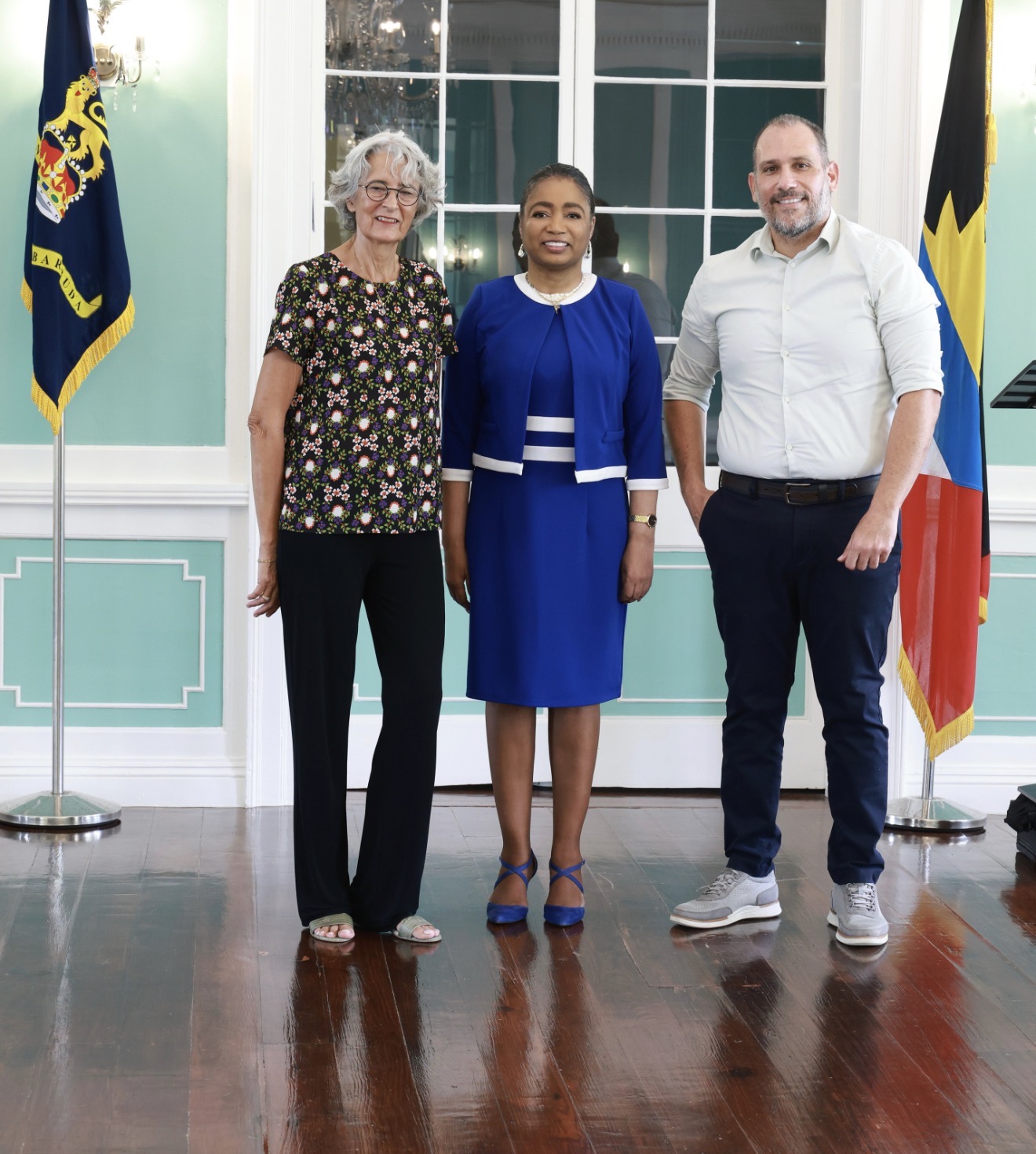
    Grenada’s newly appointed Ambassador to Ireland, Rachér Croney, who also serves as the country’s High Commissioner to the United Kingdom, has concluded her first official working visit to the Republic of Ireland. The milestone trip centered on her participation in one of the region’s most high-profile annual economic gatherings linking Ireland with the Caribbean and Latin America, where she held in-depth discussions with senior Irish government leaders and pushed forward Grenada’s core trade and investment priorities.

    Croney took part in the 2026 Ireland–Latin America and the Caribbean Trade Horizons Forum, hosted on May 13 at Dublin’s iconic Croke Park. The cross-regional gathering was jointly organized by Ireland’s Department of Foreign Affairs and Trade and the Department of Enterprise, Tourism and Employment, built around the central theme of “Trade, Investment, Prosperity: Growing the Ireland–Latin America and the Caribbean Economic Partnership.”

    The forum brought together a diverse cross-section of stakeholders, including cabinet ministers, trade agency leaders, C-suite business executives, global investors, and diplomatic representatives from Ireland and 30-plus nations across Latin America and the Caribbean. This year’s agenda focused on four core thematic areas that align directly with Grenada’s long-term economic development goals.

    The first thematic track, Partnership in a Changing Global Economy, explored pathways for small developing Caribbean economies to adapt to and capitalize on shifting global trade dynamics through structured bilateral collaboration with Ireland. The second track, Innovation Driving Growth, examined how Ireland’s world-leading innovation ecosystem can open new market and development opportunities for Caribbean nations via targeted foreign investment and cross-border knowledge sharing. The third track, Technology and Collaboration, centered on deepening tech-focused partnerships between Irish and Caribbean private sectors, a priority that matches Grenada’s ongoing push to expand and grow its domestic digital economy. The final track, Food and Agriculture Opportunities, hosted substantive discussions on unlocking untapped agri-food trade potential, with input from top Irish agribusinesses and leading academic researchers, a topic directly tied to Grenada’s efforts to modernize its agricultural sector and boost agricultural export volumes.

    In addition to breakout working sessions, the forum featured major keynote addresses from Christopher Sinckler, Minister of Foreign Affairs and Foreign Trade of Barbados, and Delano Seiveright, Minister of State for Industry, Investment and Commerce of Jamaica. Irish Taoiseach Micheál Martin delivered a formal welcome message to attending delegates, while Ireland’s Minister for Foreign Affairs and Trade Helen McEntee TD delivered closing remarks to conclude the two-day gathering.

    Croney’s appointment as Grenada’s first resident-connected Ambassador to Ireland marks a key step in deepening longstanding bilateral ties between the two island nations. Her inaugural official visit created a critical opportunity to formalize Grenada’s diplomatic presence in Dublin, establish open communication channels with senior Irish government stakeholders, and raise Grenada’s profile within Ireland’s expanding economic partnership framework with the wider Caribbean region.

    During her time in Dublin, Croney held one-on-one and small-group engagements with senior Irish government officials to advance conversations around areas of shared mutual interest, including bilateral trade, targeted foreign investment, and development cooperation. These discussions laid solid foundational groundwork for a more structured, productive bilateral relationship between Grenada and Ireland in the coming years.

    Speaking following her participation in the forum, Croney emphasized the strategic value of the gathering for small island developing states: “Ireland presents real, tangible opportunities for Grenada, and participation in this Latin America and Caribbean trade forum ensures that we have a seat at the table. It allows us to actively contribute to shaping the Caribbean SIDS Strategy and the design of future investment initiatives that will benefit our entire region.”

    Ireland has emerged as a global hub for high-growth sectors including advanced technology, pharmaceuticals, agri-food processing, and international financial services — all sectors that align directly with Grenada’s goals to attract targeted foreign investment and diversify its traditional tourism-dependent economy. Croney’s active, high-profile participation in the forum sent a clear signal to both the Irish government and Irish business community that Grenada is a committed, proactive, and accessible trade and investment partner.

    The outcomes of Croney’s visit, from formal forum sessions to bilateral meetings and cross-stakeholder diplomatic engagement, form part of a sustained, long-term outreach effort led by Grenada’s High Commission in London to ensure the country is represented at key global and regional forums where economic partnerships and policy decisions are shaped.

    This report was issued by the High Commission for Grenada, UK.

  • Prostate cancer deaths top 300 annually as screening declines

    Prostate cancer deaths top 300 annually as screening declines

    Barbados is facing a growing public health crisis over prostate cancer, with health officials sounding the alarm after a dramatic drop in routine screening rates for the CDE. The Barbados Cancer Society (BCS) highlighted the urgent situation while launching its 4th Annual Prostate Cancer Awareness Walk at the Jada Group of Companies complex in St Peter, where leaders outlined the devastating gap between early detection outcomes and current screening participation.

    According to BCS President Professor David Rosin, even as medical science continues to advance, fewer Barbadian men are stepping forward for routine testing. This downward trend carries uniquely severe risks for the local population: Caribbean men of African descent already face the highest prostate cancer mortality rate in the world. In Barbados alone, the disease claims more than 300 lives each year, a statistic Professor Rosin says is entirely preventable. “This is one of the five cancers that people should not die from if it is diagnosed early,” he explained. “Regular screening can fundamentally change this outcome.”

    Professor Rosin drew a stark global comparison to illustrate the impact of widespread screening: while Australia has the world’s highest incidence of prostate cancer, it maintains a very low mortality rate thanks to routine population testing. In contrast, Caribbean nations rank sixth globally for incidence but hold the unenviable top spot for mortality. Local data underscores this gap: men of African descent in Barbados are twice as likely to develop prostate cancer as American men, and six times more likely to die from the disease.

    To address the limitations of current screening practices, the BCS is pushing for adoption of an updated screening protocol designed to boost accuracy and cut down on unnecessary invasive procedures. The long-standing standard initial test, the Prostate-Specific Antigen (PSA) exam, frequently produces false positive results triggered by non-cancerous conditions such as enlarged prostate or urinary tract infections.

    To remedy this issue, the organization has introduced a specialized genetic blood test that analyzes patient DNA and RNA to identify cancer-related markers. Data from a clinical trial of 565 male participants showed the genetic test achieved a 92% specificity rate, compared to just 83% for the conventional PSA test. “The gene test was significantly more accurate for detecting prostate cancer, and it correctly identifies men carrying cancer-related markers when they have no outward symptoms or signs,” Professor Rosin noted. This improvement eliminates the stress, cost, and potential complications of unnecessary follow-up procedures for false positive PSA results.

    Beyond screening protocol reform, Professor Rosin also pointed to critical gaps in Barbados’ local healthcare infrastructure. Currently, the nation lacks access to parametric MRI technology and robot-assisted laparoscopic surgery, two tools that improve early detection and simplify treatment. He added that even when less invasive curative treatments such as High-Intensity Focused Ultrasound (HIFU) are available, late detection caused by low screening rates makes these options unusable for most patients.

    Cultural stigma around male health seeking also poses a major barrier, Professor Rosin argued, pointing to the far higher participation rates in breast cancer screening as a comparison. “I have been known to say that men are wimps because they don’t like to show any weakness, whereas women come forward much more commonly,” he said. To shift this norm, he called on women in Barbados to encourage the male partners, family members, and friends in their lives to get screened.

    The launch event included a virtual address from Dr. Jonathan Noel, a Barbadian consultant urological and robotic prostate surgeon based at London’s Guy’s Hospital, who reinforced the gravity of the regional crisis. “Prostate cancer death rates in the Caribbean are double those of other developed countries,” Dr. Noel warned. “It’s a staggering figure we should all be alarmed by. We shouldn’t be reactive when we have symptoms; we should be screened before symptoms develop.”

    Dr. Noel noted that modern surgical technologies such as robotic-assisted procedures have drastically shortened recovery times, with many patients able to return home just one day after surgery. But he stressed that even the most advanced medical technology cannot offset the impact of low screening participation: treatment can only save lives if men seek care early.

    The BCS is now urging the public to support its upcoming “Strength in Every Step” community walk and run, scheduled to take place on Sunday, June 28, as part of its ongoing push to raise awareness and encourage widespread screening participation. The core message from all speakers remained consistent: early screening saves lives, and the only way to reverse the current high mortality trend is for Barbadian men to get tested before symptoms appear.

  • Suspect at large after shooting at police in Chaussee Road operation

    Suspect at large after shooting at police in Chaussee Road operation

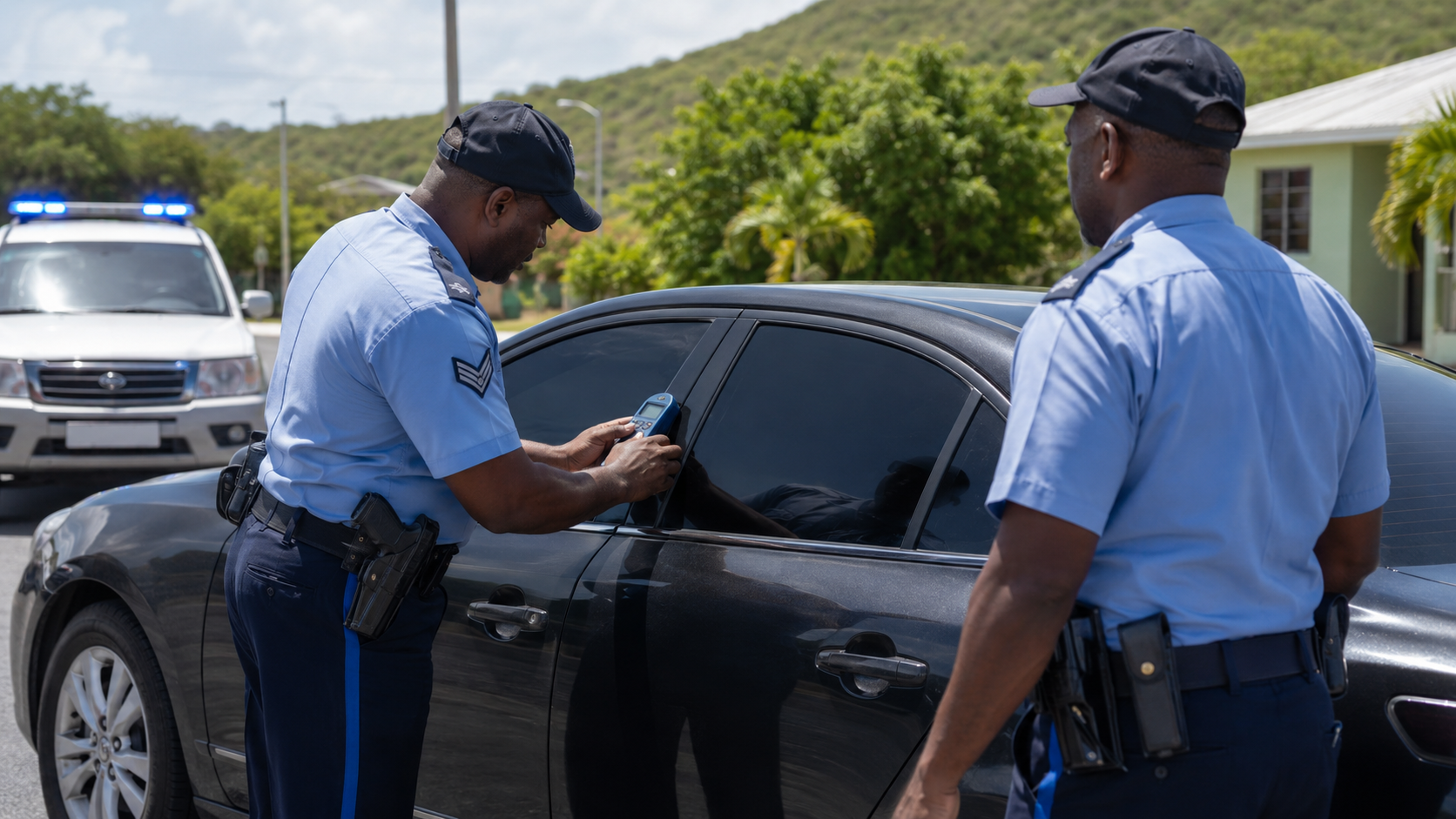
    A targeted anti-crime operation in Saint Lucia ended in a violent armed exchange this Tuesday, after an armed suspect opened fire on serving law enforcement officers along Chaussee Road in Castries. While the alleged attacker managed to evade capture following the confrontation, police have confirmed that one illegal weapon was recovered, and all individuals connected to the incident have already been identified.

    In an official public statement released Thursday, Assistant Commissioner of Police Luke Defreitas — who heads the force’s Central Division — detailed the sequence of events that unfolded. The operation was carried out by the Royal Saint Lucia Police Force’s specialized Gangs, Narcotics and Firearms Unit, with backup support from other departmental units. Its core goal was to crack down on rising violent crime and the proliferation of unregistered illegal firearms across the Central Division.

    According to Defreitas’ account, when officers encountered the armed suspect on Chaussee Road, the individual fired multiple shots directly at the police team, putting every officer present in immediate lethal danger. In response, officers returned fire, acting with what Defreitas praised as “discipline and lawful restraint” that prevented unnecessary escalation. Despite the exchange of gunfire, no officers suffered serious injury or death, a close call that Defreitas credited to the team’s quick thinking and training.

    After the confrontation, law enforcement recovered a Glock 27 pistol from the scene. Defreitas noted that the handgun is engineered for close-range lethality, a characteristic that makes its seizure a critical win for public safety. The recovery, he stressed, highlights just how severe the threat of illegal firearms circulation remains across the island.

    Though the suspect successfully escaped, Defreitas issued a direct warning to the attacker and any accomplices: all involved have been identified, and they are urged to turn themselves in to police custody immediately.

    Defreitas framed the attack on officers as an assault on the nation’s foundational security, stating clearly that the Royal Saint Lucia Police Force will not tolerate such acts of violence against its personnel. He linked the incident to a recently documented sharp rise in gun violence across Saint Lucia, where criminal networks continue to deploy weapons with total reckless disregard for innocent civilian life.

    Pushing back against any perception that the suspect’s escape emboldens criminal elements, Defreitas noted that the outcome reflected the force’s commitment to protecting broader public safety. “While the offenders have escaped, this was in the interest and safety of the wider public. Under different circumstances, the outcome would have been different,” he said.

    He commended the officers involved for their courage and professionalism during the high-stakes confrontation, adding that their conduct stopped what could easily have become a catastrophic mass casualty event. Finally, Defreitas called on the general public to partner with law enforcement in the ongoing fight against gun crime, emphasizing that long-term success requires widespread community vigilance, active cooperation with police, and universal respect for the rule of law.