作者: admin

  • Cuban President expresses condolences to Iran after the death of Ayatollah Khamenei

    Cuban President expresses condolences to Iran after the death of Ayatollah Khamenei

    Cuban President Miguel Díaz-Canel Bermúdez has issued a forceful condemnation following the assassination of Iranian Supreme Leader Grand Ayatollah Seyyed Ali Khamenei, characterizing the act as a grave violation of international norms and human dignity. Through an official statement posted on his Facebook profile, the Cuban leader expressed profound condolences to the Iranian people, government, and President Dr. Massoud Pezeshkian, as well as to the family of the deceased leader.

    President Díaz-Canel denounced the assassination as an ‘execrable act’ that represents ‘an unscrupulous violation of all norms of International Law and human dignity.’ The Cuban head of state emphasized the significant diplomatic legacy left by Ayatollah Khamenei, noting his crucial role in fostering bilateral relations between Havana and Tehran.

    In his tribute, the Cuban president memorialized the Iranian leader as ‘an outstanding statesman and leader of his people’ who made substantial contributions to the development of friendly relations between Cuba and Iran. This statement comes at a sensitive moment in international diplomacy, highlighting the strategic partnership between the two nations that have historically maintained close ties despite geopolitical pressures.

    The assassination represents a significant escalation in political violence targeting high-level international figures and is likely to have substantial implications for Middle Eastern geopolitics and international security protocols. Cuba’s strong stance underscores its consistent foreign policy position against external interference in sovereign nations’ affairs and its commitment to multilateral international law frameworks.

  • Column: Golfconflict treft Caribisch gebied en Latijns-Amerika

    Column: Golfconflict treft Caribisch gebied en Latijns-Amerika

    The geopolitical conflict in the Gulf region, though thousands of miles distant, is sending profound economic tremors across Caribbean and Latin American nations. According to recent data from Kpler and J.P. Morgan Commodities Research, approximately one-fifth of global oil consumption transits daily through the Strait of Hormuz—a critical chokepoint that has become increasingly vulnerable due to regional hostilities.

    This strategic vulnerability has triggered worldwide oil price surges, creating particularly severe consequences for fuel-import-dependent Caribbean economies. Nations including Jamaica, Haiti, and Trinidad and Tobago are experiencing tangible manifestations of this energy crisis: prolonged queues at gasoline stations, panic buying, and growing concerns about supply shortages. In Trinidad and Tobago, weeks-long lines at fuel stations have become commonplace, while Jamaican and Haitian motorists report waiting hours to secure diminishing fuel supplies.

    The economic ramifications extend far beyond transportation costs. Higher diesel and gasoline prices are driving increased expenses for electricity generation, construction materials, and essential goods—creating cascading effects on household budgets and small businesses already grappling with limited purchasing power. Suriname, though not directly involved in Middle Eastern conflicts, finds itself similarly vulnerable to these global market disruptions, mirroring patterns observed during previous geopolitical crises like the Russia-Ukraine conflict.

    Latin American economies face a complex dual reality: while oil-exporting nations benefit from elevated global prices, they simultaneously confront rising costs for imported energy products and components. This paradoxical situation intensifies inflationary pressures across the region and potentially hinders foreign investment and trade flows due to heightened geopolitical uncertainty.

    The current crisis underscores the profound interconnectedness of global energy systems and the vulnerability of energy-dependent economies. It highlights the urgent need for Caribbean and Latin American nations to develop greater energy resilience through regional cooperation and investment in sustainable, locally-sourced alternatives. As distant conflicts continue to reverberate through global markets, the imperative for strategic energy independence becomes increasingly apparent for nations seeking to buffer themselves against geopolitical shocks beyond their control.

  • MOPC announces partial closure at República de Colombia–Jacobo Majluta intersection

    MOPC announces partial closure at República de Colombia–Jacobo Majluta intersection

    SANTO DOMINGO – In a significant infrastructure development, the Dominican Republic’s Ministry of Public Works and Communications (MOPC) has initiated partial closure measures at the critical junction of República de Colombia Avenue and Jacobo Majluta Avenue. This strategic move marks the commencement of an ambitious overpass construction project designed to address chronic traffic congestion in one of the capital’s most problematic intersections.

    The construction initiative, which commenced on Sunday, March 1, is projected to continue for several months as the project progresses through multiple developmental phases. Throughout this period, transportation authorities have implemented carefully planned temporary traffic diversions around the construction perimeter to sustain vehicular movement and minimize disruption to daily commutes.

    According to official statements from MOPC, this grade-separation infrastructure endeavor aims to achieve three primary objectives: significantly improve traffic flow patterns, enhance overall road safety standards, and substantially reduce travel delays at this heavily traversed metropolitan intersection. The ministry has ensured that all detour pathways will feature clearly visible signage, supplemented by comprehensive traffic management protocols and on-site guidance personnel to assist navigating motorists.

    Transportation officials have strongly advised drivers to consider alternative routes when feasible, strictly observe all traffic directives, comply with instructions from authorized personnel, and allocate additional travel time to accommodate potential delays. The ministry has extended apologies for any temporary inconveniences resulting from the construction activities while expressing gratitude for public cooperation during this critical urban infrastructure enhancement period.

  • GuySure-onderzoek afgerond: RvC wacht op ingrijpen regering

    GuySure-onderzoek afgerond: RvC wacht op ingrijpen regering

    The Board of Commissioners (RvC) of Grassalco has confirmed the discovery of significant irregularities within the state-owned mining enterprise. Chairman Berto Sampie revealed to Starnieuws that the internal investigation into subsidiary GuySure has concluded, while phase two—examining Grassalco’s bank accounts, contracts, personnel, and vehicle fleet—is actively underway. The RvC now awaits directives from the company’s shareholder, the Surinamese government, regarding subsequent actions.

    Sampie outlined the investigative structure, noting that the initial phase focused exclusively on GuySure operations. The current second phase involves comprehensive scrutiny of Grassalco’s broader financial and managerial frameworks, with external auditors still examining bank transactions, contractual agreements, staffing arrangements, and asset management. The council anticipates the auditor’s final report before proceeding with corrective measures.

    A persistent concern involves restricted access to Guyanese bank accounts, where Grassalco’s finance department possesses view-only privileges. Sampie clarified that while financial staff can monitor transactions, only authorized personnel can approve payments, creating controlled yet problematic financial oversight.

    The investigation has uncovered substantial payments to SLM, initially totaling 27 million USD, followed by an additional 13 million USD loan facilitated through Hakrinbank—of which 9 million has been received. These transactions occurred as separate disbursements rather than regular monthly allocations.

    Scrutiny intensifies around GuySure’s shareholder composition, revealing that multiple individuals holding or having held shares simultaneously maintained (or previously held) employment with Grassalco. Notably, a Guyana-based legal advisor purportedly owns 20% of shares—a arrangement Sampie suggests violates standard corporate governance protocols. Frequent shareholder changes have further complicated the ownership landscape.

    Legal validity questions emerge regarding signatures and documentation, particularly concerning the nonexistent position of “Vice Chairman of the Board” within the RvC’s formal structure—a role currently occupied by Burney Brunswijk. Sampie contends that without legitimate presidential or delegated commissioners, vice-presidential signatures lack legal authority. Evidence suggests some documents may have been backdated, including GuySure’s founding documents allegedly signed only after investigations commenced.

    Regarding the ongoing probe into 4 kilograms of gold, Sampie acknowledged unresolved investigations and reassignments of initial police investigators, limiting the RvC’s capacity to intervene without formal law enforcement coordination.

    The core issue remains governmental inaction. Despite presenting findings to both the minister and president, the RvC cannot implement definitive measures without shareholder approval. With Grassalco operating at a loss and lacking critical annual financial statements, the completed external audit now places decisive pressure on the government to chart the state company’s future course.

  • Santiago Carnival 2026 closes with massive celebration

    Santiago Carnival 2026 closes with massive celebration

    SANTIAGO DE LOS CABALLEROS – The 2026 Santiago Carnival concluded in spectacular fashion on Sunday as Central Park transformed into a vibrant epicenter of Dominican cultural expression, attracting massive crowds of both local residents and international visitors to its family-oriented festivities.

    Mayor Ulisés Rodríguez characterized the carnival as the city’s most genuine cultural manifestation, celebrating iconic figures including lechones, roba la gallina, pepineros, bolleros, and the newly introduced marolas as embodiments of community creativity. The mayor emphasized the event’s evolution into a secure and inclusive environment that unites families from throughout the Dominican Republic and beyond, cementing its significance across local, national, and international spheres.

    The grand finale spectacularly demonstrated the carnival’s cultural prominence with countless troupes and traditional performers inundating Central Park with brilliant colors, rhythmic music, and intricate costumes. The procession commenced at 2:30 PM featuring the Carnival Royalty, followed by legendary groups such as Los Tuareg, Roba la Gallina, Las Marchantes, Fantasía Egipcia, and a special presentation by the culturally significant Los Guloyas from San Pedro de Macorís—recognized as intangible cultural heritage. Additional organized comparsas completed the official parade while the popular Roco Train maintained its festive journey alongside performers.

    The celebration culminated with an electrifying musical extravaganza starring premier Dominican artists, entertaining thousands of attendees into the night. Event organizers implemented rigorous security protocols and logistical coordination throughout, ensuring orderly proceedings and widespread family engagement. The substantial influx of domestic and international visitors highlighted the carnival’s beneficial economic impact on Santiago’s tourism, hospitality, and commercial sectors.

    The 2026 iteration amplified its global footprint through extensive television coverage and YouTube live streams across four consecutive Sundays, enhancing international visibility. During the closing ceremonies, the carnival recognized numerous individuals for their decades-long dedication to preserving and promoting this cherished tradition.

    With overwhelming public participation and infectious festive energy permeating the city, the Santiago Carnival 2026 concluded as a monumental success, reaffirming its position among the Dominican Republic’s premier cultural events and establishing Santiago as a predominant hub for cultural tourism and major events.

  • U-20 Natio wint met 4-0 van Grenada

    U-20 Natio wint met 4-0 van Grenada

    The U-20 men’s national team showcased exceptional prowess with a commanding 4-0 triumph over Grenada in their recent international fixture. Fielding a revitalized offensive formation, the squad demonstrated remarkable discipline, motivation, and overall dominance throughout the match.

    Midfield maestro Jemairo Djoe orchestrated the game’s tempo with precision, establishing control from the opening minutes. The scoring initiative commenced in the 17th minute when Josias Elgin expertly headed home a corner kick, placing Natio ahead 1-0.

    Grenada nearly equalized in the 22nd minute following a dangerous cross that required goalkeeper Tyronne Chaar to make a critical intervention, with the ball ultimately ricocheting off the crossbar. This narrow escape seemed to galvanize the national team, who maintained firm control thereafter.

    Jeremiah Nirk elevated the scoreline to 2-0 in the 36th minute with an impressive individual effort, skillfully bypassing two Grenadian defenders before delivering a clinical finish. The halftime interval did little to disrupt Natio’s momentum, as Michel Doekoe capitalized on a poorly defended free kick just two minutes into the second half, extending the lead to 3-0.

    The technical staff implemented strategic substitutions in the 65th minute, with newly introduced players immediately impacting the game. Substitute Xavi Dors provided a precise assist to fellow reserve Janeiro Ligeon, who sealed the definitive 4-0 scoreline.

    This comprehensive victory underscores the U-20 selection’s progressive development and tactical maturity, signaling promising prospects for future competitions.

  • iciHaiti – PNCS : Towards a new dynamic in school feeding

    iciHaiti – PNCS : Towards a new dynamic in school feeding

    Haiti’s National Education Ministry has initiated a significant leadership transition at the National School Canteen Program (PNCS) with the appointment of Lucson Philémond as General Coordinator on February 26th. He succeeds Kevenot Dorvil, who held the position from November 2024 until February 2026.

    Education Minister Augustin Antoine emphasized that this strategic appointment centers on three fundamental principles: enhanced transparency, strict administrative rigor, and measurable social impact. Minister Antoine articulated the program’s critical importance, stating, “School canteens extend beyond mere food provision; they serve as catalysts for educational achievement. As the traditional saying reminds us: ‘Timoun grangou pa ka aprann’ (A hungry child cannot learn). By ensuring daily meals, the state actively reduces social inequalities and fosters improved academic concentration.”

    The newly appointed coordinator brings substantial technical qualifications to the role, holding degrees in both computer science and logistics from the Integrated Caribbean University (UNICA). This educational background provides crucial expertise for managing the program’s complex distribution networks and supply chain operations.

    In his inaugural address, Philémond committed to governing with both humility and determination, outlining three primary objectives: implementing the National School Feeding Policy, optimizing supply chain mechanisms to expand coverage, and strengthening accountability measures for technical and financial partners.

    Demonstrating immediate operational engagement, Philémond visited the Gérald Bataille warehouses just one day after his appointment. Accompanied by his technical team, he conducted meetings with facility managers to evaluate existing operational challenges firsthand. This preliminary site inspection signifies a proactive management approach focused on identifying logistical bottlenecks and ensuring nutritional aid reaches schoolchildren without unnecessary delays.

  • Information Technology : AI Challenge for Social Impact, Registration Open

    Information Technology : AI Challenge for Social Impact, Registration Open

    In a significant push to harness artificial intelligence for societal benefit, Haitian innovation hub Banj has partnered with the Digicel Foundation to launch the ‘AI Challenge for Social Impact.’ This pioneering competition, which opened registration on February 25, 2026, invites tech professionals and students to develop AI-powered solutions addressing Haiti’s most pressing challenges.

    The initiative offers substantial incentives, with a total innovation fund of up to 5 million gourdes (approximately $40,000 USD) for winning teams. The top prize includes 2 million gourdes plus a six-month incubation program, while additional prizes range from 500,000 to 1.5 million gourdes with matching incubation support.

    Eligibility requirements emphasize both technical capability and social commitment. Teams must consist of 3-5 members including at least one woman and one AI specialist proficient in machine learning, data science, NLP, or computer vision. At least two members must reside in Haiti, though diaspora participation is encouraged, with solutions requiring co-creation with local communities.

    The program structure encompasses four comprehensive pillars: business and strategic training covering AI impact modeling and investment strategy; hands-on technical workshops featuring collaborative debugging and AI architecture sessions; personalized mentoring with technical diagnostics and problem-solving sessions; and intensive pitch preparation culminating in a final presentation on June 6, 2026.

    Target application areas reflect Haiti’s development priorities, including healthcare access, inclusive finance, agricultural modernization, educational technology, governance optimization, insurance accessibility, logistics efficiency, and environmental sustainability.

    The competition timeline extends through December 2026, beginning with application acceptance until March 25, followed by pre-incubation training from April through May. The DevExpo 2026 finals in June will select five national winners who will then enter a six-month intensive mentoring program, with progress demonstrations scheduled for October 2026.

    This initiative represents a strategic investment in Haiti’s digital economy, aiming to strengthen the innovation ecosystem while addressing critical social needs through technologically advanced solutions.

  • UG to stage reading of Dr Rupert Roopnaraine’s literary works

    UG to stage reading of Dr Rupert Roopnaraine’s literary works

    The University of Guyana has announced a special literary reading event to commemorate the life and intellectual legacy of the late Dr. Rupert Roopnaraine, who passed away on February 23, 2026. The event will celebrate the multifaceted contributions of what the university describes as “an outstanding intellectual member of its community” who served as both educator and statesman.

    Dr. Roopnaraine (1943-2026) is being remembered as a true Renaissance figure—a scholar, poet, political activist, and cricketer who seamlessly bridged academic excellence with grassroots engagement. As a Senior Lecturer in the Department of English and former member of the University Council, he later ascended to the role of Guyana’s Minister of Education, demonstrating his commitment to both intellectual and public service.

    His academic journey began at Queens College, which led him to Cambridge University on a Guyana Scholarship where he studied Comparative Literature. After holding a position at Cornell University, he returned to his homeland in 1977 to join the University of Guyana faculty. Roopnaraine was renowned for his oratorical brilliance, teaching Continental and Romance Literature alongside Kafka, Dickens, Whitman, and the leftist theories of Terry Eagleton.

    The scholar’s activism was equally noteworthy, particularly his alignment with Walter Rodney in the 1970s struggle against totalitarianism—a commitment the university likened to the Jacobin cry for “liberte, egalite, fraternite.” His creative output included poetry collections such as “The Web of October: On Re-Reading Martin Carter” (1989) and “Suite for Supriya” (1993), significantly expanding Guyana’s national creative corpus.

    Roopnaraine’s groundbreaking documentary “The Terror And The Time” (1979), produced with the Victor Jara Collective, explored working-class struggles through the lens of Martin Carter’s poetry. His critical work “Primacy of the Eye: The Art of Stanley Greaves” (2003) demonstrated his sophisticated engagement with visual arts, while “The Sky’s Wild Noise” (2013)—winner of the OCM Bocas Prize for Non-Fiction—showcased his essayistic brilliance.

    The university specifically honors his role in developing a distinct Guyanese aesthetic perspective and advancing critical discourse around national arts and literature, recognizing his profound impact on shaping the country’s intellectual consciousness.

  • Tourist bus crash in La Romana leaves two dead, multiple injured

    Tourist bus crash in La Romana leaves two dead, multiple injured

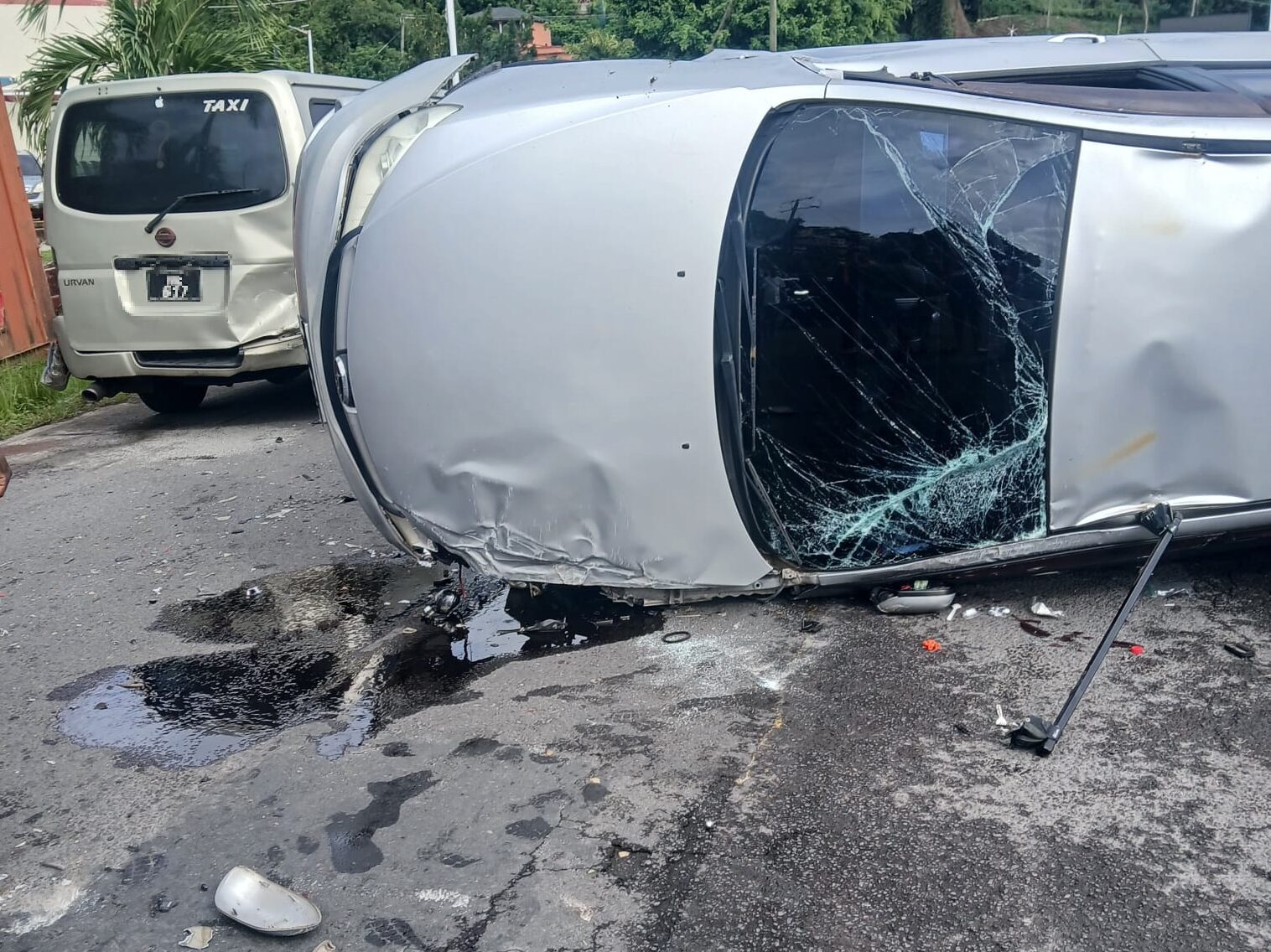
    LA ROMANA, DOMINICAN REPUBLIC – A catastrophic traffic accident involving a tourist bus has resulted in two fatalities and left at least nineteen individuals injured. The incident occurred at the perilous stretch of road known as La Curva de Cumayasa, located within the municipality of Villa Hermosa.

    Official reports from authorities have confirmed that both deceased individuals were foreign nationals. Ivelisse Mercedes Méndez, a representative from the Villa Hermosa Municipal Hospital, provided details on the casualties, noting that one tourist was pronounced dead upon arrival at the medical center. A second victim, reportedly a Canadian citizen, succumbed to injuries at the crash site.

    Medical personnel at the hospital received ten patients directly from the accident. Nine of these individuals were successfully treated and stabilized, while one was declared dead on arrival. Dr. Miguel Quezada, Director of the Villa Hermosa Municipal Hospital, confirmed the immediate activation of comprehensive emergency protocols to manage the sudden influx of casualties.

    The emergency response was orchestrated by the National Emergency and Security System 911, which mobilized a significant contingent of twelve ambulances. This fleet included nine units from the Directorate of Emergency Services for Outpatient Care and three from Comipol. The operation was further supported by personnel from the National Police, the Villa Hermosa Fire Department, the Ministry of Public Works and Communications, and the General Directorate of Traffic Safety and Land Transportation.

    Authorities have stated that the situation remains under active evaluation as investigations into the cause of the accident continue. The 911 System has reaffirmed its dedication to ensuring rapid and coordinated emergency responses, while also issuing a public appeal for drivers to yield to emergency vehicles to facilitate timely life-saving assistance.