作者: admin

  • Secret talks: Rubio team meets with Castro grandson on sidelines of Caribbean conference

    Secret talks: Rubio team meets with Castro grandson on sidelines of Caribbean conference

    In a significant diplomatic development, senior U.S. officials affiliated with Secretary of State Marco Rubio conducted discreet meetings with Raúl Guillermo Rodríguez Castro, grandson of former Cuban leader Raúl Castro, during the CARICOM summit in St. Kitts. The unprecedented encounter signals Washington’s proactive exploration of potential economic and political reforms in Cuba.

    According to sources familiar with the discussions, Rodríguez Castro—who serves as both close aide and personal bodyguard to Raúl Castro and maintains considerable influence within military-controlled conglomerate GAESA—engaged with a top Rubio adviser at a hotel adjacent to the conference venue. While it remains uncertain whether Secretary Rubio participated directly in the meeting, the dialogue represents the highest-level contact between U.S. officials and Castro family members in recent years.

    The negotiations reportedly centered on a phased approach to sanctions relief, wherein the United States would gradually ease economic restrictions in exchange for incremental, verifiable reforms implemented by Havana on a monthly basis. A Caribbean diplomat involved in summit proceedings revealed that Rubio characterized the discussions as “well advanced,” though multiple sources emphasized that no formal agreement has been finalized.

    Secretary Rubio, while declining to confirm specific conversation details, publicly stated that the U.S. remains prepared to engage constructively should Cuban officials demonstrate genuine openness to “dramatic reforms,” particularly those expanding private sector opportunities. The Secretary clarified that Washington’s objective isn’t immediate regime change but rather structural transformation, cautioning that without substantial reform, Cuba’s ongoing humanitarian and economic crises would inevitably intensify.

    CARICOM leadership, historically supportive of Cuba, received indications that behind-the-scenes dialogue is actively progressing. Several regional representatives were reportedly advised against publicly addressing the matter during summit proceedings to preserve the delicate negotiation environment.

  • Civil Defense confirms escape of crocodile near Cabarete Beach

    Civil Defense confirms escape of crocodile near Cabarete Beach

    Authorities in Puerto Plata’s Sabaneta de Yásica district are actively searching for an escaped juvenile American crocodile following weekend flooding that enabled the reptile to breach its enclosure. The incident occurred in the Islabón community where heavy rains caused significant flooding throughout the region.

    According to Whascar García, Director of Civil Defense, the crocodile originated from a private exotic animal ranch that conducts tourist excursions. Rising floodwaters compromised the animal’s containment facility, allowing it to escape toward coastal areas. Multiple sightings have placed the crocodile in waters adjacent to the popular Cabarete Beach, raising concerns among local authorities.

    Emergency services have issued advisories urging both residents and tourists to exercise extreme caution near bodies of water. Officials specifically warn against approaching rivers, lagoons, or ponds in the affected zones and strictly prohibit attempts to capture or feed the animal. Parents have been advised to maintain close supervision of children and pets while the search operation continues.

    The coordinated search effort spans Sabaneta de Yásica and surrounding areas near Cabarete, with emergency crews working to safely recover the animal and return it to its designated habitat. Authorities request that any crocodile sightings be immediately reported to local emergency services to facilitate capture operations.

  • UEH/ARES : Research missions abroad, call for projects

    UEH/ARES : Research missions abroad, call for projects

    The Belgian Academy for Research and Higher Education (ARES) has launched a significant initiative under its 2022-2027 Institutional Support Program to enhance research capabilities at Haiti’s State University (UEH). This program provides funding for UEH researchers to conduct international research missions, primarily targeting laboratory collaborations in Belgium and Cuba, though other international destinations are also considered.

    The research missions enable Haitian academics to spend approximately two weeks developing collaborative research partnerships and preparing proposals for international funding opportunities. This initiative is jointly coordinated through a bilateral partnership between Haitian representative Jean Waddimir GUSTINVIL from UEH’s Research Department and Belgian counterparts Barbara MARCHI and Pierre CORNUT from the University of Mons.

    The program features a structured timeline with two additional funding calls scheduled before 2027. Each call will support two research missions, though the program maintains flexibility in duration and number of missions based on applicant profiles and project requirements.

    Key dates for the current application cycle include a March 30 submission deadline, with selection of awardees scheduled for April 7. Successful applicants will begin organizing their missions from April 15 onward. The program will culminate in a peer training workshop scheduled between January 2026 and June 2027.

    Interested researchers can access complete application details and guidelines through the official program documentation available in French format via the HaitiLibre platform.

  • PM Urges CARICOM to Embrace Artificial Intelligence

    PM Urges CARICOM to Embrace Artificial Intelligence

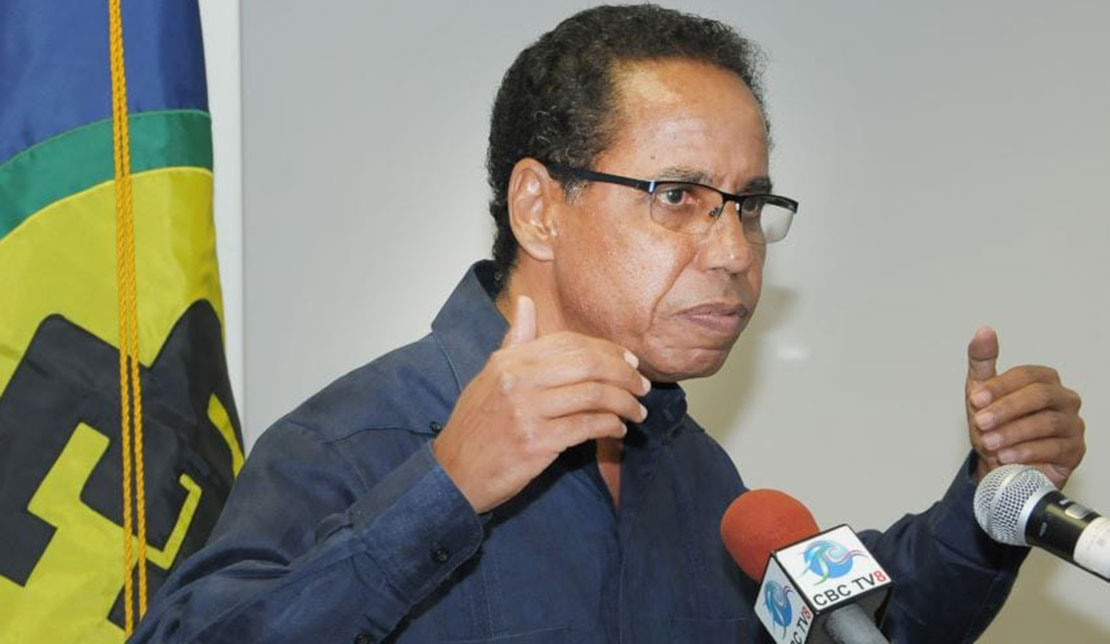
    In a compelling address following the CARICOM Heads of Government meeting, Prime Minister Gaston Browne of Antigua and Barbuda issued a strategic call to action for the Caribbean Community. He characterized artificial intelligence as an inevitable transformative force that demands immediate regional engagement. Browne emphasized that the breakneck pace of AI development presents both a critical challenge and a monumental opportunity for CARICOM nations. He warned that failure to strategically position the region could result in irreversible economic and technological marginalization. The Prime Minister advocated for proactive integration of AI systems across multiple sectors including public governance, educational frameworks, and commercial enterprises to enhance operational efficiency and global competitiveness. Drawing from personal experience, Browne illustrated how AI tools have significantly augmented productivity and output quality in creative endeavors. His statements emerge amidst intensifying global discourse concerning AI’s economic disruptions, regulatory complexities, and ethical dilemmas. Browne’s central thesis maintains that through early adoption and deliberate strategic planning, CARICOM members can harness AI’s potential benefits rather than perpetually operating from a position of technological deficit.

  • PM Says Government Moving to ‘Renaissance’ Phase in Next Term

    PM Says Government Moving to ‘Renaissance’ Phase in Next Term

    Prime Minister Gaston Browne has articulated an ambitious vision for Antigua and Barbuda’s future, declaring that his administration intends to embark on a transformative “renaissance” phase of national development should it secure another electoral mandate. During a comprehensive interview with ABS, the Prime Minister reflected on the nation’s developmental trajectory, noting that the country has successfully advanced beyond what he previously characterized as the “next level” phase and now stands at the threshold of an unprecedented growth era.

    Browne expressed strong confidence in the probability of his government’s re-election, framing the forthcoming term as a pivotal juncture. “Our next term in office, should we get one, and it looks very probable, we’re now moving from next level to renaissance,” he stated, signaling a strategic shift in national priorities.

    The administration’s focus, according to Browne, will center on completing residual infrastructural gaps while aggressively pursuing high-end developmental projects. He emphasized that the government has already established substantial socioeconomic foundations, creating optimal conditions for accelerated growth. The Prime Minister projected dramatic visible transformations within a relatively short timeframe, predicting that luxury real estate developments, gourmet restaurants, and supporting infrastructure would “literally mushroom” across the nation within three to five years.

    This developmental vision is intrinsically linked to maintaining economic stability and continuing infrastructure enhancements. Browne stressed the critical importance of sustaining current momentum to ensure continued progress, suggesting that policy continuity is essential for realizing the renaissance vision. While not formally initiating a campaign, the Prime Minister utilized the platform to outline his strategic blueprint for Antigua and Barbuda’s next chapter of national transformation.

  • Election : Registration of political parties, groups, and coalitions

    Election : Registration of political parties, groups, and coalitions

    Haiti’s Provisional Electoral Council (CEP) has formally initiated the registration process for political entities seeking participation in the nation’s upcoming electoral cycle. In an official announcement released on March 2, 2026, the electoral authority declared an 11-day registration window, running from March 2nd through March 12th, 2026, marking a critical procedural milestone in Haiti’s democratic process.

    The registration mandate, operating under the legal framework established by Article 143 of the Electoral Decree enacted on December 1, 2025, requires all political parties, groups, and coalitions to formally present themselves at the CEP’s central headquarters located at 72 Rue Stephen Archer in Pétion-ville. The designated submission hours are from 9:00 a.m. to 4:00 p.m. throughout the registration period.

    The CEP has established comprehensive documentation requirements that vary according to the type of political organization. Political parties must provide notarized articles of incorporation, official recognition acts, party statutes, minutes from their most recent general assembly or congress, and correspondence from the Ministry of Justice confirming registration. Additionally, parties must submit their official acronyms, color emblems, valid national identification cards for official representatives, and digital copies of their logos on virus-free storage media.

    For political groups or alliances, the requirements extend to include notarized agreements between constituent parties, documentation of consensus on unified emblems, and certification of each member party’s registration status with the Ministry of Justice. The CEP emphasizes that all authorization documents for representatives must be notarized when the official representative cannot appear in person.

    The electoral body has made the complete checklist of required documents available through multiple channels, including its official website (www.cephaiti.ht) and social media platforms on Facebook and X (formerly Twitter), ensuring maximum accessibility for all potential participants. This transparent approach aims to facilitate compliance and streamline the registration process for Haiti’s diverse political landscape.

  • Regionale landen sturen humanitaire hulp naar Cuba en hervormen relatie met VS

    Regionale landen sturen humanitaire hulp naar Cuba en hervormen relatie met VS

    Caribbean Community (CARICOM) leaders concluded their four-day summit with landmark decisions including immediate humanitarian assistance for Cuba and the establishment of a trilateral commission to redefine relations with the United States. The conference, held in Saint Kitts and Nevis and chaired by Prime Minister Terrance Drew, addressed multiple regional challenges through concrete action plans.

    Prime Minister Drew confirmed during the post-summit press briefing that Cuba’s escalating humanitarian situation received extensive deliberation. All member states recognized the urgency of addressing the crisis, with CARICOM pledging to leverage its unique position having close ties to both Cuba and the United States. The specific form of assistance will be determined within the next month, ensuring it directly benefits the Cuban people while maintaining regional stability.

    The summit marked a significant advancement in US-Caribbean relations through the creation of a three-member commission that will explore new cooperation frameworks. This initiative emerged from discussions with US Secretary of State Marco Rubio, who attended the CARICOM meetings. Prime Minister Drew characterized this development as profoundly significant for strengthening the longstanding partnership between the regional bloc and the United States.

    Beyond immediate crises, leaders made substantial progress on regional integration through the CARICOM Single Market and Economy (CSME). The summit approved recommendations enabling free movement of aviation professionals including pilots and air traffic controllers across member states. Four nations—Barbados, Belize, Dominica, and Saint Vincent and the Grenadines—have successfully implemented full freedom of movement for goods, services, and labor since October 2025.

    The conference also addressed Haiti’s security and humanitarian situation, endorsing the Eminent Persons Group report that praised Kenya’s leadership of the UN-mandated Gang Suppression Force (formerly the Multinational Security Support mission). CARICOM reaffirmed its commitment to peace and stability in Haiti through continued support.

    Reparations discussions advanced with the Prime Ministerial Sub-Committee tasked to review the revised Caricom Ten-Point Plan for Reparations and establish priorities for the upcoming Commonwealth Heads of Government Meeting in Antigua and Barbuda in November 2026.

    Regional security and justice cooperation saw progress with model legislation and policy documents, complemented by renewed UN offers to support implementation of a Police Record Management Information System.

    A dedicated committee comprising the prime ministers of Barbados, Dominica, Jamaica, and the president of Guyana will undertake comprehensive review of CARICOM’s governance and funding mechanisms.

    Regarding ongoing border disputes—specifically Guatemala-Belize, Belize-Honduras, and Guyana-Venezuela cases before the International Court of Justice—leaders unanimously endorsed peaceful, legal resolutions and reaffirmed unconditional support for the sovereignty and territorial integrity of affected states.

  • STATEMENT: President of Cricket West Indies, Dr. The Hon. Kishore Shallow on ICC Men’s T20 loss against India

    STATEMENT: President of Cricket West Indies, Dr. The Hon. Kishore Shallow on ICC Men’s T20 loss against India

    Cricket West Indies (CWI) President Dr. Kishore Shallow has publicly praised the national team’s performance following their elimination from the ICC Men’s T20 World Cup. Despite the disappointment of their Super 8s defeat against India at Eden Gardens in Kolkata, Shallow emphasized the significant progress demonstrated throughout the tournament.

    The West Indies team concluded their campaign with an impressive record of five victories in seven matches, showcasing notable growth in team cohesion and competitive belief. According to Dr. Shallow, this achievement underscores the thorough preparation and dedication of both players and support staff. The team’s journey to the knockout stages represented a substantial step forward for Caribbean cricket.

    Particularly noteworthy was the team’s demonstrated resilience and fighting spirit, which resonated deeply with fans across the region. This display of determination reinforced pride in West Indies cricket and highlighted the character inherent in the squad. The leadership of Head Coach Daren Sammy and the contributions of the entire support staff received special recognition for their role in building a solid foundation for future competitions.

    Dr. Shallow concluded his statement with a forward-looking perspective, affirming that the team would regroup and return to international competition with strengthened unity and clear purpose. The message ended with a traditional rallying cry for continued support of West Indies cricket, emphasizing the enduring connection between the team and its supporters.

  • Is Trash on the Highway Becoming a Bigger Problem Than Potholes?

    Is Trash on the Highway Becoming a Bigger Problem Than Potholes?

    BELIZE CITY – A growing environmental challenge is emerging along Belize’s major roadways, where accumulating trash now rivals traditional infrastructure concerns like potholes. The Ministry of Infrastructure Development has reported significant garbage accumulation encountered by road maintenance crews working between Belize City and Belmopan, highlighting a dual challenge of road repair and environmental cleanup.

    Minister of Solid Waste Management Orlando Habet addressed the concerning trend, noting a troubling cultural transformation in national attitudes toward environmental preservation. “The situation presents considerable difficulties,” Habet stated. “Historical patterns of environmental consciousness appear to have shifted dramatically in recent years. Our citizens often demonstrate exemplary behavior when traveling internationally, yet abandon these practices upon returning home.”

    The minister revealed personal interventions with motorists discarding waste from vehicles, sometimes encountering aggressive responses. In a striking illustration of the problem’s severity, Habet disclosed that illegal dumping has directly impacted his agricultural operations, with cattle fatalities resulting from plastic consumption along roadside areas.

    Current mitigation efforts involve coordinated cleanup operations between the ministry and road crews, including provision of garbage collection equipment and bags. While applauding volunteer initiatives such as recent scout-led cleanups near Esperanza, Habet emphasized that systemic change requires deeper societal transformation. “Volunteerism alone cannot resolve this crisis,” he asserted. “Fundamental improvement must begin with early childhood education through parental guidance and formal school instruction.”

  • West Indies crash out of T20 World Cup

    West Indies crash out of T20 World Cup

    The West Indies’ quest for another ICC championship met a heartbreaking conclusion as India delivered a knockout blow in their virtual quarterfinal clash during the final Super Eight stage of the T20 World Cup. Played on March 1 at Kolkata’s iconic Eden Gardens stadium, the match unfolded before a predominantly pro-Indian crowd creating an electrifying atmosphere.

    After being sent in to bat by Indian captain Suryakumar Yadav, the Caribbean side adopted a measured approach during the powerplay. Captain Shai Hope and makeshift opener Roston Chase established a solid foundation with a 68-run opening partnership. Despite an early reprieve, Chase eventually departed for 41 runs, while Hope’s dismissal preceded a controversial caught-behind decision that cut short Shimron Hetmyer’s explosive 27-run cameo from just 12 deliveries.

    The innings gained crucial momentum through a dynamic 76-run fifth-wicket stand between Rovman Powell and Jason Holder, propelling the West Indies to a competitive 195/4. Holder remained unbeaten on 37, while Powell’s unconquered 34 included a historic milestone—the Jamaican powerhouse recorded his 150th T20 International six for the West Indies, setting a new national record.

    India’s response began methodically, maintaining 8.83 runs per over during the powerplay despite the West Indies striking early blows by removing Ishan Kishan and Abhishek Sharma. The game’s momentum shifted dramatically through Sanju Samson’s masterclass, who partnered with captain Yadav for a crucial 58-run third-wicket partnership. Although Yadav received a lifeline at 17, he fell shortly after for 18 runs.

    At the twelve-over mark, the contest stood perfectly balanced with both teams locked at 104 runs. After several explosive batting overs, India required 19 runs from the final two overs. Samson’s magnificent unbeaten 97 guided the hosts to a record chase, ultimately eliminating the Men in Maroon from tournament contention.

    In his final World Cup post-match interview, West Indian skipper Shai Hope reflected: ‘You never want to exit at this stage. One more victory would have secured our semifinal berth, and with continued performance, a place in the championship final. I must commend the team’s effort—we maintain high performance standards and must capitalize on critical moments to deliver our best cricket when it matters most.’