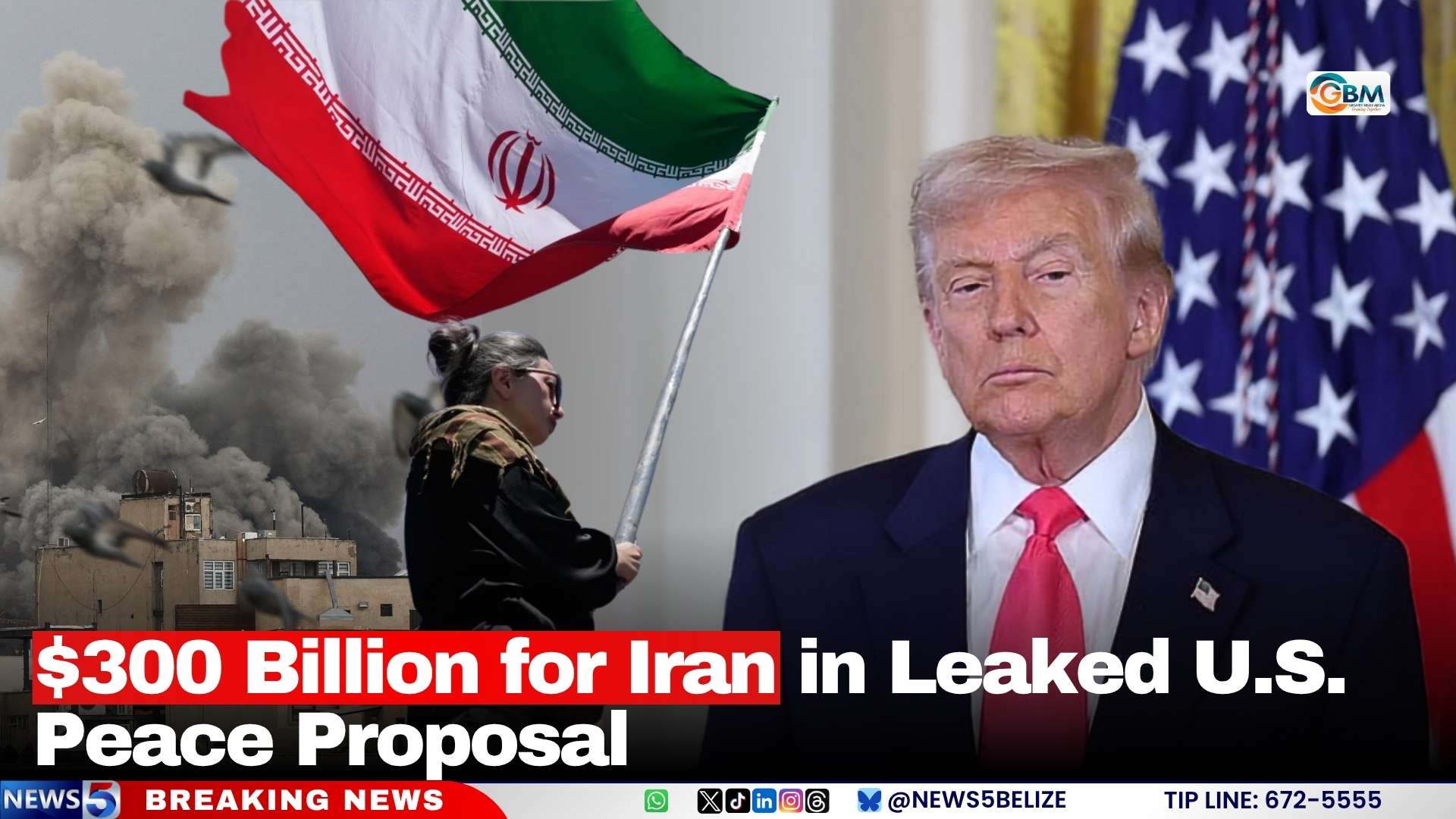
As the global community awaits a potential historic breakthrough to end open hostilities between the United States and Iran, leaked details of a proposed preliminary peace agreement have emerged, revealing a sweeping framework that includes $300 billion in reconstruction funding for Iran and a planned signing ceremony in Switzerland this Friday.
Details of the draft memorandum of understanding were first shared with the Associated Press, outlining core immediate terms that would take effect as soon as the deal is signed. First, all active military hostilities between the two nations would cease immediately. The Strait of Hormuz, one of the world’s most critical energy chokepoints that has been closed throughout the conflict, would be reopened to global commercial shipping. Iran would also regain full, unrestricted access to global oil markets immediately, while broader negotiations over the future of the country’s nuclear program move forward. The framework establishes a binding 60-day negotiating window to work toward a permanent, long-term peace settlement.
Beyond the ceasefire terms, the leaked draft confirms that Iran would receive a minimum of $300 billion in international funding to support reconstruction of infrastructure and economic capacity damaged during months of open conflict. In exchange, Iran has made a formal commitment to forgo the development of a nuclear weapon, and has agreed to enter into the two-month period of structured talks to negotiate binding limits on its nuclear activities. The framework also attempts to de-escalate linked regional conflict by ending militant activity by Hezbollah in Lebanon, though this provision has already emerged as a major point of potential deadlock: Israeli forces have shown no indication of withdrawing from positions they have taken in the country, leaving the implementation of this portion of the deal in doubt.
Speaking to reporters on the sidelines of the G7 summit currently underway in France, former President Donald Trump acknowledged that the planned signing is far from a sure thing. He emphasized that the agreement is only a non-binding memorandum of understanding, and stated bluntly that if the final terms do not serve U.S. interests, “we’ll go back to shooting at them, dropping bombs.”
The proposed deal has already sparked sharp criticism from policy observers and opponents, who have raised alarms that the agreement grants far too many major concessions to Iran up front, particularly the large reconstruction package and immediate lifting of all oil sanctions, without securing ironclad long-term commitments in return. Adding to the uncertainty around the leaked details, the White House has declined to release the full official text of the draft agreement, and multiple anonymous senior U.S. officials have pushed back on the accuracy of the versions of the deal circulating in public media, disputing several key details included in the leak.