作者: admin

  • Three City Men Arrested for Independence Robbery

    Three City Men Arrested for Independence Robbery

    A rapid police investigation has led to the arrest of three Belize City residents just two days after an armed robbery at a local store in Independence Village, Stann Creek District. The incident, which unfolded shortly after 2 PM on Saturday, August 22, saw two masked men enter Wendy’s Store, with one suspect brandishing a loaded firearm to threaten the establishment’s owner. After demanding cash and high-value goods from the store, the pair fled the scene in a pre-arranged getaway vehicle that had been waiting nearby with a third accomplice.

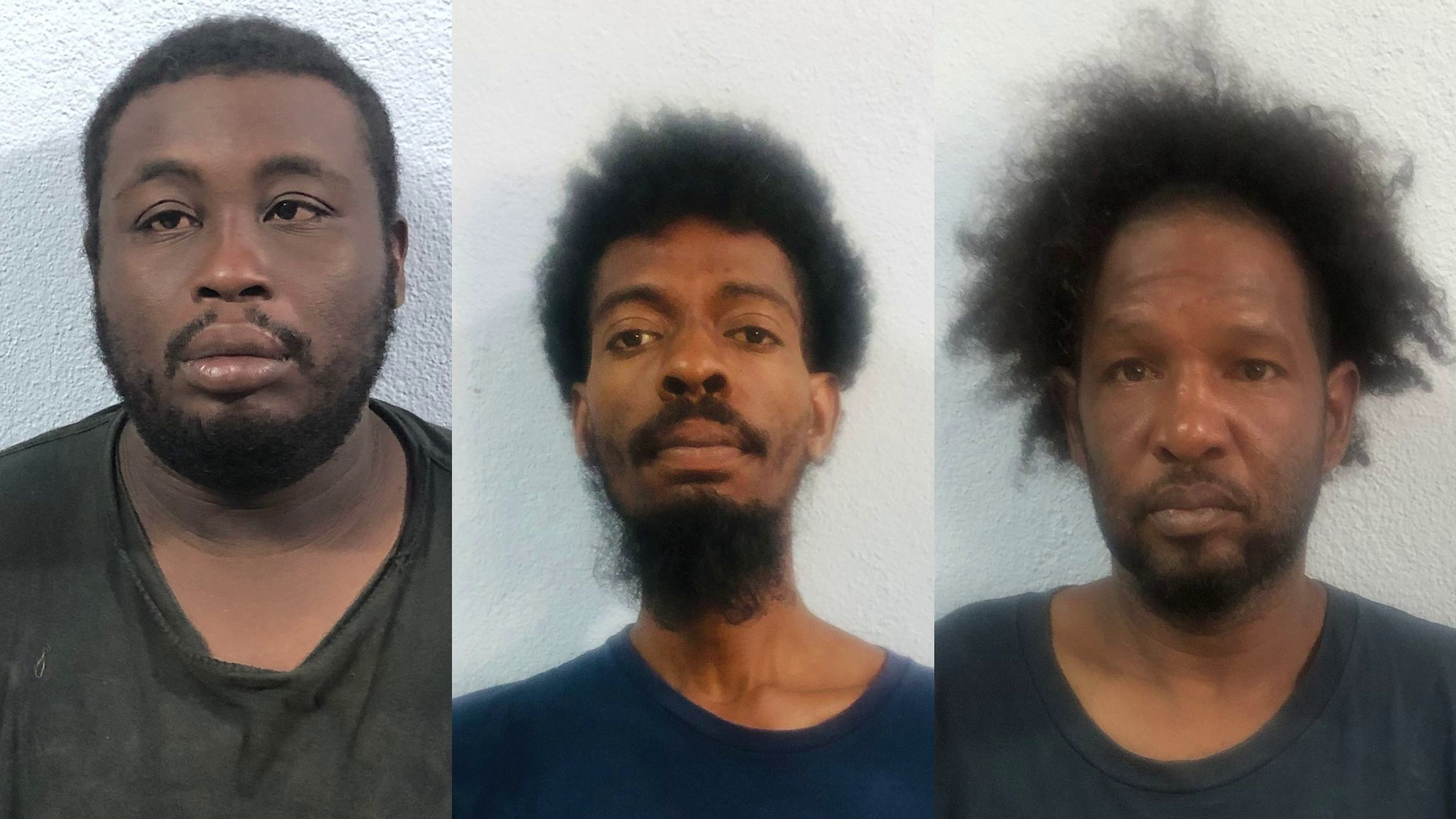
    Local law enforcement acted swiftly on the report filed immediately after the robbery, with investigators following actionable intelligence on the suspects’ identities and potential escape route. According to Assistant Superintendent Stacy Smith, Staff Officer for the department, police were able to intercept the suspects’ vehicle shortly after the crime and take all three men into custody without further incident. All three suspects have been formally charged with the felony crime of robbery; identified as 36-year-old Dorian Garnett, 35-year-old Krishna Flores, and 42-year-old Anthony Smith, all of Belize City. The three are being held in police custody ahead of an upcoming court hearing, and the investigation is ongoing to recover the stolen goods taken from the store.

    This news story is adapted from a verbatim transcript of a televised evening news broadcast, with any Kriol language statements adjusted to follow standardized English spelling conventions for clarity.

  • Armed Burglars Target Eighty-Year-Old Pastor

    Armed Burglars Target Eighty-Year-Old Pastor

    In a shocking incident that unfolded in the quiet rural landscapes of Belize in the early hours of Saturday morning, an 80-year-old local clergyman has become the victim of a brutal aggravated home invasion carried out by four armed men.

    According to official statements from Belizean law enforcement, the victim, identified as Pastor Dennis Slusher, was resting asleep at his private residence between 2 a.m. and 3 a.m. when he was roused by insistent, loud banging on his front entryway. When Slusher approached the door to investigate, he was met with shouts claiming the people outside were police officers demanding entry. Before he could verify the claim, the intruders forcibly breached the property’s back door, allowing all four men to swarm into the home.

    Two of the four attackers were carrying loaded firearms during the incident, escalating the violence of the break-in. Court documents and police accounts confirm that one of the intruders struck Slusher on the side of his head before holding him at gunpoint and demanding the keys to his two personal vehicles. After securing the keys, the suspects stole both vehicles: a 2024 grey Toyota Hilux and a 2016 grey Toyota Land Cruiser. Additional personal property, including multiple mobile phones and an assortment of smaller personal items, were also taken by the group before they fled the scene in the two stolen vehicles.

    Local law enforcement officials have launched an ongoing investigation into the attack, and have issued a public appeal for community assistance. Authorities are asking residents across Belize to remain alert for any sightings of the two stolen vehicles, and to contact police immediately with any information that could help track down the suspects or recover the stolen property.

    In an unexpected development that has complicated the case, reports confirm that Pastor Slusher has stated he does not wish the incident to proceed as a formal criminal investigation. The reasons behind this decision have not been disclosed publicly as of yet. This news report is a direct transcript of an evening television broadcast, with Kriol language statements reproduced using a standardized spelling system for accuracy.

  • Bus Shutdown Averted, But for How Long?

    Bus Shutdown Averted, But for How Long?

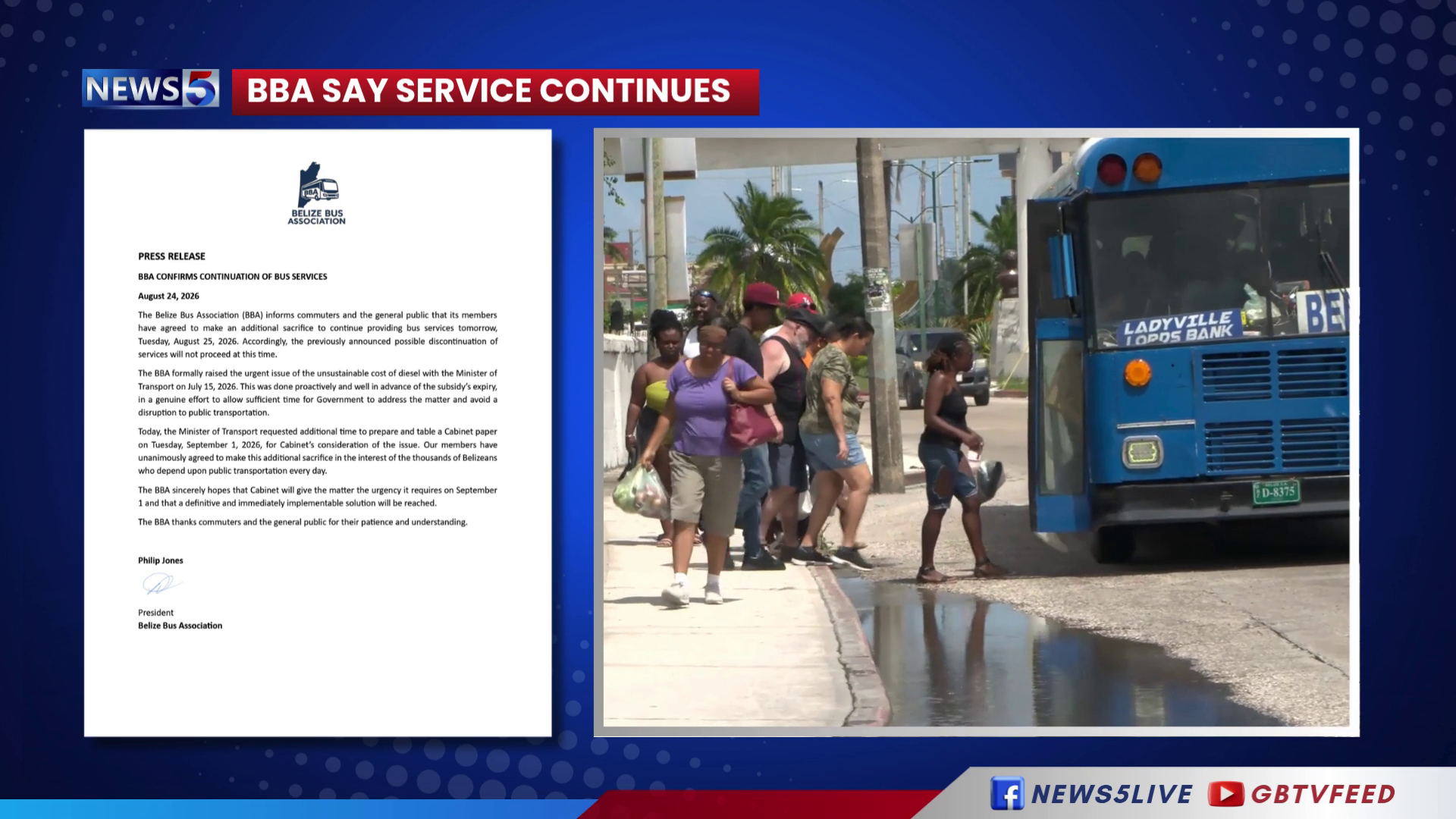
    A looming total shutdown of public bus services across Belize has been temporarily avoided, after the Belize Bus Association (BBA) agreed to hold off on its planned service disruption to give national authorities additional time to craft a policy response to crippling rising diesel prices.

    The standoff between bus operators and the government stretches back to mid-July, when the BBA first notified the Ministry of Transport that operators were facing existential financial pressures following the expiration of the national fuel subsidy. As diesel costs continued to soar over subsequent weeks, operators warned that continued operations had become financially unsustainable, and announced plans to suspend all services to press their demands for government intervention.

    In an official statement released on August 24, 2026, the BBA confirmed that its members had unanimously voted to pause the planned shutdown after Transport Minister requested extra time to advance the issue to the national Cabinet. The statement explained that the minister has scheduled to table a policy paper outlining potential solutions for Cabinet consideration on September 1, 2026.

    “In the interest of the thousands of Belizeans who depend upon public transportation every day, our members have unanimously agreed to make this additional sacrifice,” the BBA’s statement read.

    While the immediate disruption that would have upended daily commutes for working people, students and travelers across the Belize District has been averted, the association has made clear that the truce remains temporary. The BBA emphasized that it is waiting for a definitive, actionable solution from Cabinet when the body takes up the issue next month, with no guarantee of further extensions if no meaningful progress is delivered.

  • Digi Posts Record $36.9 Million Profit

    Digi Posts Record $36.9 Million Profit

    Belize-based telecommunications firm Digi, operating under the national telecom brand BTL, has delivered a landmark annual financial result even after its high-profile attempt to acquire its largest competitor fell through. The company announced a record net profit of $36.9 million, marking a robust 31% year-over-year increase, with earnings per share rising to 70 cents in what company leaders are calling a banner 2025-2026 fiscal period.

    Weeks after Digi’s proposed merger with rival Speednet collapsed, public observers and government officials have been weighing in on the firm’s strong performance. Public Utilities Minister Michel Chebat shared his perspective on the results in a recent interview with local media, acknowledging the success while highlighting the significant public stake in the company.

    Chebat emphasized that Belizean taxpayers injected $700 million in public funds to bail out BTL under the previous administration led by Dean Barrow. “I am glad that they are making a profit, after the seven hundred million dollars of taxpayers funds that Dean Barrow paid for it, we need to find a way at some point in time to recuperate those monies,” Chebat stated. “BTL is the national telecom, whether we want to accept it or not. Belizean taxpayer funds have been invested into that company and I think we have a reason and we have to ensure that BTL survives so that when they are making profits, kudos to them.”

    Looking ahead to the Belizean telecom sector, Chebat confirmed that new competitors are preparing to enter the market, a shift that has been widely anticipated in local industry circles. Even with the coming increase in competition, the minister reaffirmed the government’s commitment to protecting the national carrier. “But we need to make sure that BTL survives no matter where the attacks come from,” he added.

    Notably, Digi achieved this record profit even while absorbing unplanned costs associated with a legacy employee severance obligation that the company inherited as part of its ongoing operational restructuring. This detail underscores the underlying strength of the firm’s core business performance, even in the face of unexpected financial burdens and a failed major acquisition.

    This report is adapted from a verbatim transcript of an August 24, 2026 evening television news broadcast from Belize.

  • PSU Challenges PM’s Consultation Claims on Controversial Bill

    PSU Challenges PM’s Consultation Claims on Controversial Bill

    On August 24, 2026, a deep public rift has opened between Belize’s government led by Prime Minister John Briceño and the nation’s Public Service Union (PSU) over the controversial Revenue Authority Bill, with both sides offering contradictory accounts of how much stakeholder consultation was held before the legislation advanced to the Senate.

    Prime Minister Briceño has publicly maintained that the PSU was given extensive opportunities to provide input and help shape the structure of the bill throughout its drafting process. But PSU President Dean Flowers is pushing back hard against those claims, saying that any substantive dialogue between the union and government collapsed after a deeply unsatisfactory meeting held on May 19. According to Flowers, the government failed to follow through on a key commitment to establish a cross-stakeholder steering committee that would oversee ongoing consultations on the legislation.

    In a public statement setting out the union’s version of events, Flowers detailed the timeline of negotiations: the PSU submitted a comprehensive position paper outlining its vision for the new Superintendence of the Revenue Authority (SARA), including what the body’s mandate and structure should entail. The government called the union to a consultation meeting in May, but Flowers says that no government official at the gathering was able to answer basic questions about the proposed legislation. Crucially, Flowers notes that the full draft text of the bill was never shared with union representatives before the meeting, with officials only presenting a general PowerPoint overview of the proposal.

    Flowers added that while an initial draft terms of reference for the promised project steering committee was presented at that May meeting, the committee has never convened for a single working session. Neither side has ever reached a formal agreement on the committee’s operating terms of reference, he confirmed. Calling the government’s rush to advance the bill premature, Flowers went so far as to accuse ruling party officials of acting like dictators in pushing the legislation forward without addressing stakeholder concerns.

    Despite the union’s strenuous objections, the Revenue Authority Bill has already cleared a critical legislative milestone: following a tense debate, members of the Belizean National Assembly approved the bill, moving it to the Senate for the next round of review and approval. During the National Assembly debate, Opposition Leader Tracy Panton raised major red flags over the bill’s ambiguous language around the role of the new revenue authority’s advisory board. Section 55 of the legislation states the board will be responsible for providing policy advice and recommendations, but explicitly bars it from exercising any executive, operational, or supervisory decision-making authority over the revenue authority, its CEO, or other senior leaders. Panton said this vague separation of powers creates unacceptable uncertainty around the body’s governance.

    Prime Minister Briceño defended the advisory board structure during the debate, arguing that the design is intentional to remove political influence from tax administration. Briceño explained that by restricting the board to an advisory role, the government aims to prevent political appointees from pressuring revenue officials to target or exempt individuals and businesses for political reasons. He noted that taxation is an inherently sensitive issue for the public, and many Belizeans already hold anxiety around the tax system even when they are fully compliant with the law. The prime minister emphasized that the structure is meant to reassure the Belizean public and the broader business community that the new authority will operate free of political interference as much as possible.

    Now, as the bill heads to the Senate, the PSU is launching a lobbying campaign to convince independent senators and opposition members to block the legislation’s passage. If the bill ultimately receives Senate approval and becomes law, the union has pledged to mobilize its thousands of member public workers to push for changes to the legislation. In an official release published on August 24, the PSU called on the government to revisit the legislation, address the union’s outstanding concerns, and ensure that the final version of the bill creates a revenue authority that meets core standards of accountability, transparency, professional governance, and robust checks and balances. This story remains ongoing, and further updates will be provided as new developments emerge.

  • Belize Talks Climate, Indigenous Communities Demand Results

    Belize Talks Climate, Indigenous Communities Demand Results

    As National Climate Week kicked off on August 24, 2026 in Punta Gorda, the southern district of Toledo, Belize, the global conversation about climate change shifted from aspirational policy promises to urgent calls for on-the-ground change for the Indigenous Maya communities that have bore the brunt of rising global temperatures for years.

    For Maya communities across southern Belize, climate change is not an abstract future risk—it is an immediate crisis reshaping daily life and threatening centuries of cultural heritage. Erratic rainfall patterns, record-breaking extreme heat events, worsening annual flooding and accelerating coastal erosion have already destroyed staple crops, disrupted food systems, and pushed intergenerational traditional knowledge to the edge of disappearance. While the Belizean government has drafted dozens of national climate plans, signed on to major international emissions reduction commitments, and held endless rounds of policy discussions, frontline communities say they are still waiting for the tangible change these pledges promised.

    The four-day gathering, held at the Punta Gorda Sporting Complex, brought together a cross-section of stakeholders: national government climate officials, local and international environmental nonprofits, private sector actors, and Indigenous community residents. Organized under the theme “Where Innovation Meets Impact: Driving Resilience, Scaling Technology, and Expanding Inclusion in Climate Action,” the event aimed to center frontline voices that have often been sidelined in national climate planning.

    Edalmi Pinelo, Belize’s Chief Climate Change Officer, emphasized that centering community and youth engagement is the only way to build long-term climate resilience. “We need to reach down to the communities. We need to educate the communities, the individuals, and especially our youths because they are leading us now to the future. So, we need to equip them, and the right place to do it is during Climate Week,” Pinelo said, noting that holding the event in southern Belize, the country’s most impacted region with a majority Indigenous population, was an intentional choice to center frontline needs. “Climate change is real, it’s here, we are feeling the effects. For us, rainy season is always a blessing, but too much rain is not good for them, for the farmers, and that’s why we also have that segment. We need to also highlight our indigenous communities and that’s why this year, we came deep south.”

    The United Nations Development Programme (UNDP), a key partner for the 2026 National Climate Week, highlighted the critical role Indigenous knowledge plays in building effective climate adaptation. “Climate change is real and action is needed, we know that, but we want to do more than just survive climate change. We want to thrive and in thriving, culture is everything because culture is everything, what we do, who we are and Belize has the richest cultural tapestry I can think of,” said Michael Lund, UNDP Deputy Resident Representative. “And we need to both learn from each other and tap into that because that’s a way how we can also adapt to the things that we are experiencing with climate change. We’ve heard some amazing leaders who have taken action, climate action, using their cultural background.”

    For Maya leaders, that cultural knowledge is inextricably tied to land stewardship—practices that have sustained the region for millennia and offer proven models for climate resilience. “Our participation here is to highlight the importance of land stewardship from an indigenous reality. In Maya communities, we are predominant here in Toledo. We use land and we’re very, very connected to the land. Everything that we do comes from the land. So, our stewardship of the land, our relationship with it. Our relationship with each other is important because we know that we are at the forefront of climate impacts,” explained Cristina Coc, spokesperson for the Maya Leaders Alliance.

    Unlike Western climate models that often separate people from the natural world, Maya land management systems—including the traditional milpa rotating farming method—are designed to support long-term biodiversity, sustainable food production, and resilience to shifting weather patterns. Generations of close observation of local weather, hydrology and ecosystems have produced a body of knowledge that modern climate science is only beginning to leverage, but that knowledge is now at risk as changing conditions disrupt long-held patterns.

    “One of the things that we’re looking at here in Toledo, particularly where it concerns Maya farmers is erratic rainfall. Never before have we seen this kind of weather pattern that is really impacting crops, but also wild foods because we depend a lot on forest foods for our subsistence, but also for our surplus, for our exchange with each other, and, of course, for the transmission of our knowledge. This is where we learn everything that we know,” Coc added.

    Beyond eroding food systems and knowledge, climate change threatens the very survival of Maya cultural identity. For Indigenous peoples, land is the foundation of language, spiritual practices, ceremonial traditions, and ancestral connection. When coastlines erode, old-growth forests are lost, or communities are displaced by climate disasters, sacred sites and cultural practices disappear with them.

    Many community residents traveled to Punta Gorda to share their firsthand experiences of the climate crisis, and to sell traditional handmade and natural goods to support their households, where rising climate impacts have driven increased economic instability. “We are here because, you know, in our village it’s hard to find any money for our children and for us, too. Right now, everything is expensive. That’s why we try our best to come and sell our products right here. We sell the copal. This is what we always use in Otoxha. We also use the copal [because] we plant crops and we also use it for harvest crops. We also use it for animals,” said Filiberta Coc, a resident of Otoxha Village.

    Climate action globally encompasses two core goals: cutting greenhouse gas emissions to slow further warming, and building community resilience to cope with the unavoidable climate impacts already locked in by historical emissions. For frontline Indigenous communities in Belize, the 2026 National Climate Week marks a critical turning point: after years of policy talks and international commitments, the time for tangible, community-centered action is now.

  • Belize Dominates in Junior Caribbean Cycling Championship

    Belize Dominates in Junior Caribbean Cycling Championship

    The 2026 Junior Caribbean Cycling Championship, hosted by the Cycling Federation of Belize, drew talented young riders from across the Caribbean region for two days of intense, high-stakes competition from August 24, wrapping a tournament that saw Belize emerge as the standout national team with multiple impressive gold medal wins.

    The opening day of the championship centered on the Individual Time Trial, where competitors across four divisions – male juvenile, female juvenile, male junior and female junior – battled to clock the fastest course times. Belize’s young standout Ahmaad “War Tank” Cherrington claimed the first gold of the tournament in the male juvenile category, finishing the course in 20 minutes and 41 seconds. Barbados’ Alexis Lashley took top honors in the female juvenile division with a time of 23 minutes 30 seconds, while Ryan Thompson of the Cayman Islands earned gold in the male junior category with a 26-minute-3-second finish. Trinidad and Tobago’s Ella-Marie Young rounded out day one’s gold medalists with a winning time of 26 minutes 35 seconds in the female junior division.

    Day two shifted to the open road race, held along Belize City’s Phillip Goldson Highway. While temporary road closures created minor disruptions for local motorists, organizers had issued public advisories early in the week to minimize inconvenience, and most commuters adjusted their routes accordingly. On the course, the competition delivered dramatic moments and standout displays of athleticism and teamwork.

    Cherrington, the day one gold medalist, delivered a dominant performance even after an early setback: he suffered a flat tire early in the race, a mishap that left him convinced his shot at a second medal was over. But his Belizean teammates dropped back from the lead pack to help him rejoin the front group, setting up a final push that saw Cherrington cross the finish line first after one hour and 56 minutes of racing, claiming his second gold of the championship.

    “ I have been dreaming to win this race from last year in Barbados and we came out here with a plan, because Bermuda was the strongest team in this sport,” Cherrington shared after his win. “When I got a flat earlier in this race, I was kind of disappointed. I was like, my race is probably over right here. My teammates dropped back for me, got me back across the lead group and from there it was just Caribbean countries against Caribbean countries, and it turns out, Belize was the best.”

    Lashley, Cherrington’s fellow day one gold medalist from Barbados, also notched a second win on day two, finishing the female juvenile road race in two hours and eight minutes. Like Cherrington, she overcame mid-race challenges to secure victory, pushing through fatigue and unexpected stops to hold her solo lead.

    “It was really hard, but my plan, I executed it perfectly. I just wanted to get away and I knew it was going to be hard to solo the whole thing, and it started to feel really long and about half way I said to myself, I don’t know if I can do this,” Lashley recalled. “But I just said to myself, I have it. All the time I was just speaking to myself and it was really hot, but I did it. Obviously, I had a little complication and I had to stop. I thought I was done and I was not. And I had to keep going and that was tough as well, but I am just really happy.”

    Belize continued its winning streak in the male junior road race, where Devyn Major claimed first place, with teammate Keith Enright finishing just behind to take silver. Ryan Thompson of the Cayman Islands earned bronze, while Belize’s Jamaal Tablada finished fourth. All four top riders crossed the finish line with the identical time of two hours and 50 minutes, a testament to how tight the competition remained through the final stretch. Major credited his team and coach for the win, highlighting how coordinated team strategy allowed Belize to claim the top two spots.

    “First of all I need to thank team Belize, the four guys, Keith, Tablada, Josh and Stephan. I have to thank those guys. Me personally, I don’t think it would have played out how it played out if those guys did not stick to the plan and just listen in the race for the instruction,” Major said. “Secondly, I want to thank my coach, Perry Williams. He has me in the condition I am in and it’s only up from here.”

    Ella-Marie Young of Trinidad and Tobago closed out the championship by matching the other day one gold medalists, earning her second win in the female junior road race. This broadcast segment of Sports Monday, sponsored by Belize’s National Sports Council, marked the end of coverage for the 2026 Junior Caribbean Cycling Championship, highlighting the emerging talent of young Caribbean cyclists and the successful hosting of the regional event by Belize.

  • WIN, APNU yet to reach agreement on joint statement

    WIN, APNU yet to reach agreement on joint statement

    On Monday, 24 August 2026, two of Guyana’s leading opposition political groups — A Partnership for National Unity (APNU) and We Invest in Nationhood (WIN) — convened a closed-door negotiating session that concluded without final agreements on the high-stakes issues that had prompted the gathering, and no date has been scheduled for a follow-up round of talks as of Monday evening.

    The meeting grew out of a public disagreement that erupted after WIN, led by Opposition Leader Azruddin Mohamed, submitted nominees for Guyana’s Local Government Commission (LGC), the body tasked with hiring, disciplining, and terminating staff for municipal and local councils across the country, that excluded all APNU picks. APNU, which holds 12 seats in parliament, is demanding at least one seat on the commission, arguing that the allocation should reflect its proportional representation in national and local legislative bodies. Mohamed instead put forward two WIN members and one nominee from the single-seat Forward Guyana Movement.

    In addition to the LGC nomination dispute, Monday’s talks were scheduled to address several other long-running points of contention between the two opposition blocs. These included WIN’s year-old demand that APNU-affiliated commissioners step down from the Guyana Elections Commission (GECOM) to make space for WIN representation, the deadlocked leadership election for the Region 10 (Upper Demerara-Upper Berbice) Council, and protocols for hiring party scrutineers paid by GECOM. WIN currently holds a tied vote for the region’s top council positions and is pushing for a new council meeting to break the impasse.

    Despite more than eight hours passing after the session wrapped, party representatives had still not finalized the text of a promised joint public statement on the meeting’s outcome by Monday evening. Speaking to reporters after exiting the less-than-one-hour talks, both leaders confirmed that none of the core disputed issues were actually addressed during the meeting.

    “We had no discussions on the way forward with the Local Government Commission and GECOM issue so we will be issuing a joint statement. Dialogue will continue,” Mohamed told reporters. He added that both delegations need to return to their internal party caucuses to align on negotiating positions before advancing discussions on the major issues. He noted that Monday’s session focused instead on drafting the joint statement, agreeing to terms of reference for future talks, and discussing a potential future memorandum of understanding between the two groups.

    APNU Chairman and PNCR (People’s National Congress Reform, APNU’s core member party) leader Aubrey Norton echoed Mohamed’s comments, saying that the two sides had agreed in principle to develop a formal guiding framework for future negotiations before tackling the substantive disputes. “I know in principle, we have agreed that we will work out a clear approach to moving forward,” Norton said, describing the meeting itself as “cordial.” He emphasized that formal frameworks are a necessary foundation for serious negotiations: “When you’re in serious negotiations, you need to have clear principles, a clear framework to be guided.”

    Demerara Waves Online News confirmed Monday evening that PNCR General Secretary Sherwin Benjamin and his WIN counterpart had still not reached consensus on the wording of the joint statement hours after the meeting ended. Shortly after 7:30 p.m., APNU parliamentarian and Working People’s Alliance (WPA) leader Dr. Hinds acknowledged on his social media program *Politics 101* that a joint statement would be released later that evening, but declined to share details of the meeting’s outcome.

    Dr. Hinds also noted that a small minority of political actors have opposed any formal talks between WIN and APNU, but added that the broad base of voters who supported both blocs share a strong opposition to the ruling People’s Progressive Party (PPP). “One thing that is certain is that the critical mass of persons who voted for WIN and the 12-seat APNU, they have a very healthy dislike for the PPP,” he said.

    As of the latest update on Monday evening, no date had been announced for the next round of negotiations between the two opposition groups.

  • Symmonds warns of economic exposure from volatile oil markets

    Symmonds warns of economic exposure from volatile oil markets

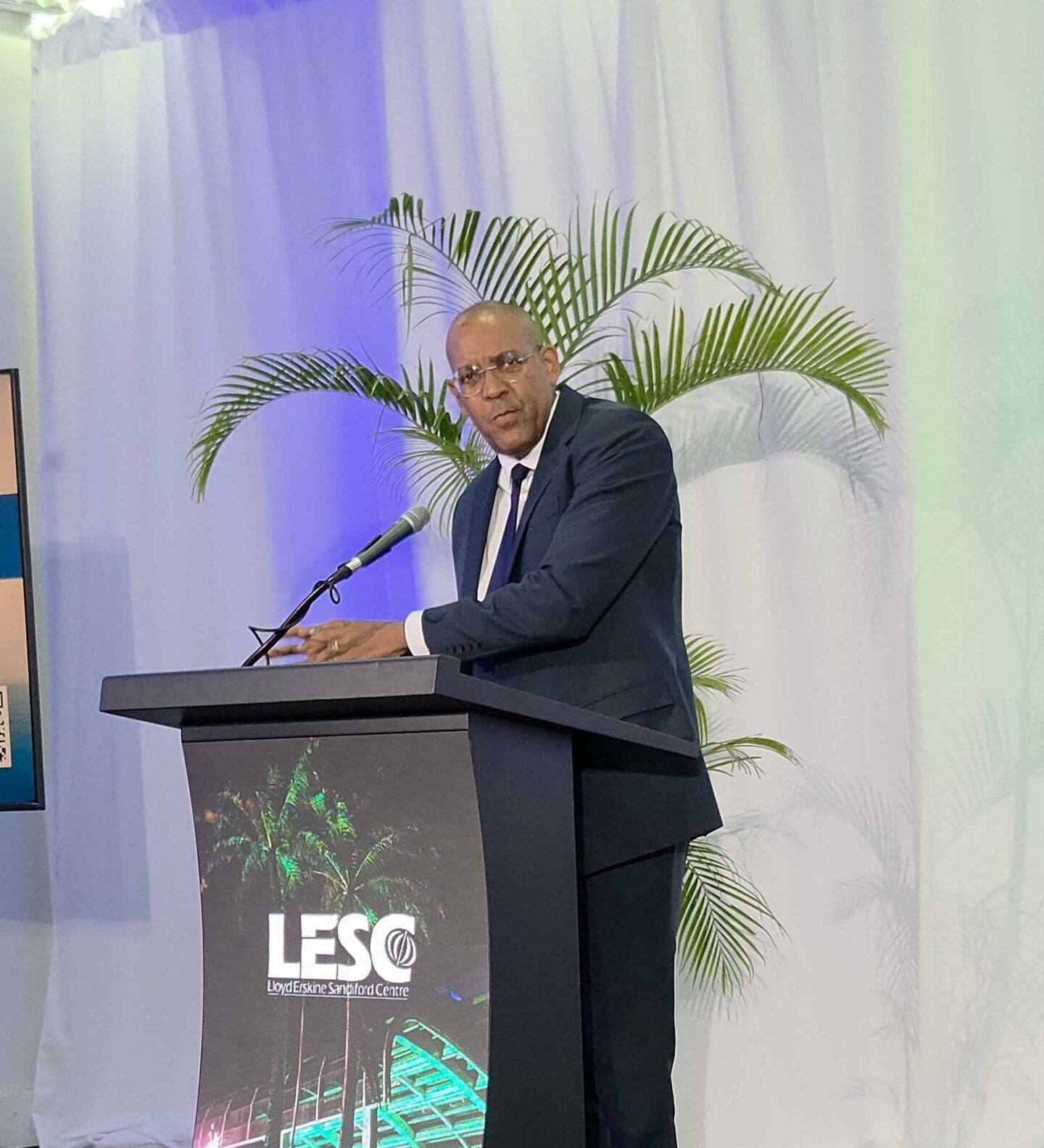
    For a small island nation like Barbados, decades of heavy reliance on foreign-sourced fossil fuels have created a critical economic vulnerability that leaves the country exposed to sudden, devastating shifts in global energy markets, the country’s top energy official has warned. Speaking at a national public forum focused on the state of Barbados’ energy sector held at the Lloyd Erskine Sandiford Centre, Minister of Energy, Business Development and Consumer Affairs Kerrie Symmonds outlined how ongoing global geopolitical instability – particularly disruptions threatening key oil transit chokepoints like the Strait of Hormuz – can trigger extreme price volatility that directly passes through to household and business costs across the country.

    With more than 90% of Barbados’ total fossil fuel demand met through imports, the country has no buffer to absorb sudden crude price swings, which pose a persistent threat to the island’s overall economic stability. Symmonds clarified that supply chain access has not been the immediate challenge for Barbados; instead, the core risk lies in the country’s full exposure to unpredictable global cost fluctuations. “The potential for geopolitical instability to drive up international oil prices and consequently the cost of energy to Barbadians is at the core of our concerns. We are in a very vulnerable situation with respect to that, and it is a vulnerability that the government of Barbados will not ignore,” he told attendees.

    To underscore the scale of the risk, Symmonds shared official import data showing a dramatic surge in national energy spending over the past five years. Using 2019 as a pre-crisis baseline, the country spent $728 million on imported fossil fuels that year. But global market shocks triggered by international events sent that figure skyrocketing in subsequent years. The 2022 Russian invasion of Ukraine, a conflict entirely outside of Barbados’ control, caused import costs to jump 54% year-over-year, pushing the annual fossil fuel import bill to a staggering $1.123 billion.

    Even after global oil prices retreated from their 2022 peaks, costs have remained far above pre-crisis averages. In 2023, total fossil fuel import spending hit $1.1 billion – 40% higher than 2019 levels – and in 2024, expenditures stayed at $951 million, which is still 31% above pre-conflict benchmarks. Symmonds emphasized that these elevated energy costs do not stay isolated to the energy sector; they ripple through every corner of the domestic economy, pushing up overall inflation, straining the country’s limited foreign exchange reserves, and driving up the cost of living for all Barbadians. “So we see the pattern of surging energy prices impacting everything. And quite frankly, there’s a knock-on effect as we all in here know across our economy with respect to the cost of electricity, with respect to the cost of transportation… and most importantly with respect to the question of the cost of living for all of the consumers in Barbados,” he said.

    When global crude prices spiked sharply earlier this year, jumping from roughly $60 per barrel in January to more than $106 per barrel by March, the Barbadian government implemented emergency short-term measures to cushion the blow for consumers. For the first time in the National Energy Company’s history, officials launched an oil hedging program to lock in fixed prices for imports. The initial hedge was set at $92 per barrel, which protected domestic consumers from the worst of the market peak over a three-month period. A follow-up hedge was secured at $78 per barrel, continuing to shield Barbadian consumers even as global benchmark prices stayed around $93 per barrel.

    But while the hedging program delivered temporary relief, Symmonds stressed that short-term financial tools cannot fix the structural vulnerability created by dependence on imported fossil fuels. “The lesson I think is very straightforward. We cannot control geopolitical events. But what we can do is to strengthen our resilience to their consequences,” he said. Looking ahead, the minister argued that the only path to long-term energy price stability and permanent protection from unpredictable external shocks is accelerating the transition to locally generated renewable energy, upgrading the country’s national power grid infrastructure, and rolling out widespread national energy conservation initiatives. “The larger issue facing the energy sector in Barbados still has to be confronted. And that issue turns on the question of stability. It turns on the question of predictability. And frankly, ladies and gentlemen, it turns on the question of us being able to ensure that our consumers get the lowest, most practical rate,” Symmonds added.

  • BAMP flags rise in respiratory illnesses ahead of new school term

    BAMP flags rise in respiratory illnesses ahead of new school term

    As Barbados prepares to welcome students back to school amid a sharp uptick in respiratory infections including COVID-19 and influenza, local medical leaders are sounding a clear call to action: keep sick children at home to slow transmission of the contagious viruses. The urgent advisory comes from the Barbados Association of Medical Practitioners (BAMP), whose president Dr. Lynda Williams is urging all residents to adopt targeted preventive measures amid the ongoing surge.

    In an official public statement released over the weekend, Williams aligned BAMP’s guidance with a recent alert from Barbados’ Ministry of Health and Wellness, which confirmed a significant jump in reported cases of both COVID-19 and seasonal influenza across the island. To help residents quickly identify COVID-19 infections, Williams advised anyone experiencing flu-like symptoms to use rapid antigen tests, which are widely stocked at most private pharmacies across the country.

    She also offered key guidance to avoid inaccurate results, noting that testing too soon after exposure or failing to collect a proper nasal swab can lead to false-negative readings. If an initial test returns negative but COVID-19 exposure is still likely, Williams recommended repeating the test 24 to 48 hours after the first attempt. For those seeking PCR testing, the gold standard for COVID-19 detection, services are available at the Eunice Gibson and Branford Taitt polyclinics Monday through Friday between 9 a.m. and 2 p.m.

    Beyond testing, Williams outlined core public health precautions for all Barbadians. She advised anyone showing symptoms of respiratory illness to isolate at home, avoid unnecessary trips to workplaces, and wear well-fitting masks when visiting public indoor spaces. She also reinforced the importance of basic everyday protective habits: frequent handwashing or use of alcohol-based sanitizer, regular disinfection of high-touch surfaces, and maintaining adequate ventilation in enclosed spaces. She clarified that running air conditioning alone does not replace the need for fresh air circulation, as closed systems can trap viral particles indoors.

    In a notable update, Williams confirmed that updated COVID-19 vaccines are currently out of stock across Barbados. She did recommend that high-priority groups including healthcare workers, frontline tourism employees, older adults, and people living with chronic underlying conditions get the seasonal influenza vaccine to reduce their risk of severe illness, noting that new 2026-2027 formulations of the flu shot are expected to arrive in the country soon.

    Paediatrician and neonatologist Dr. Clyde Cave, speaking to local outlet Barbados TODAY, echoed BAMP’s core guidance, emphasizing that parents hold a critical role in preventing large outbreaks once school resumes. Cave explained that seasonal spikes in respiratory illness are predictable, noting that the annual Crop Over festival typically drives an increase in cases each year, a pattern that became well-documented during the COVID-19 pandemic. A second wave of transmission almost always follows when children return to crowded classroom spaces, he added.

    Cave stressed that among all recommended precautions, keeping symptomatic children home from school and daycare is the most impactful step to cut chains of transmission. “The big thing really for school is not sending children who are sick to daycare or school,” he said.

    He acknowledged that the advice creates practical challenges for working parents, who often struggle to arrange emergency childcare at the last minute. Even so, Cave emphasized that isolating unwell or potentially exposed children early is critical to stopping transmission before it spreads to classmates, teachers and other family members. By the time a child has been experiencing runny nose, sneezing or fever for a few days, he explained, they have likely already spread the virus to multiple other people. He urged parents to monitor children closely for any new symptoms after they have been in close contact with someone who is ill.