作者: admin

  • Crystal Meth, Crack, Cocaine in San Pedro Busts

    Crystal Meth, Crack, Cocaine in San Pedro Busts

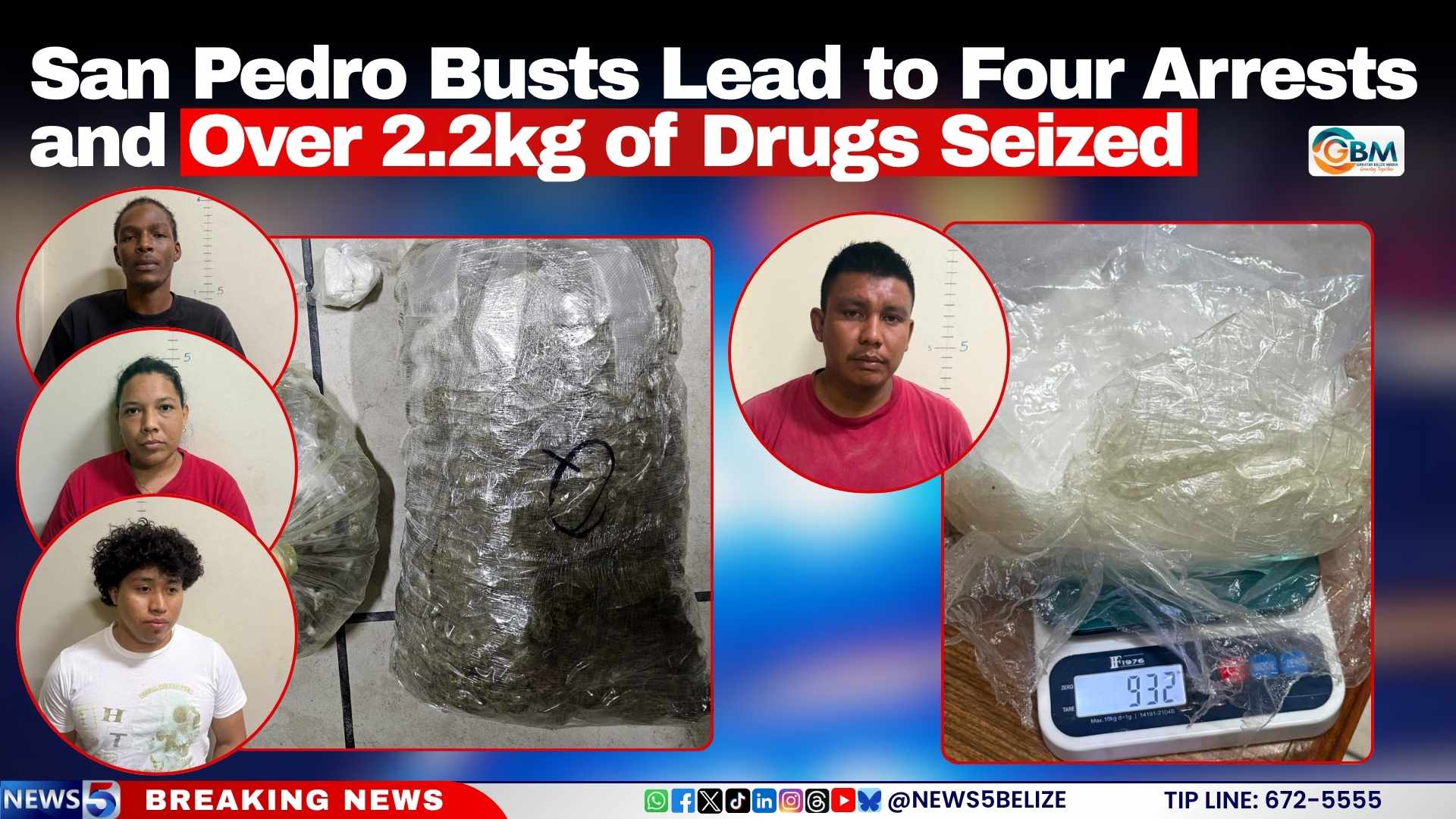
    Authorities in Belize’s Belize District have announced narcotics charges against four local residents following two coordinated anti-drug enforcement operations that netted large quantities of illicit controlled substances in the popular coastal town of San Pedro. The announcements were made during an official police press briefing on August 24, 2026, by Acting Superintendent Stacy Smith, who laid out the details of both busts for regional media and community stakeholders.

    The first operation targeted 24-year-old San Pedro native Marcos Tun, who now faces one count of possession of a controlled substance with intent to supply. During a planned search of Tun’s person and belongings, law enforcement officers uncovered a sealed manila envelope hidden inside his backpack. When opened, the envelope revealed just over 930 grams of suspected crystal methamphetamine, a highly potent stimulant linked to rising drug-related harm in Central American coastal communities. Smith confirmed that the seizure represented one of the larger crystal meth hauls taken by San Pedro police in 2026 so far.

    In a separate, concurrent enforcement action just days earlier, three additional San Pedro residents were taken into custody and hit with multiple drug trafficking charges. 26-year-old Benedicto Bull, 26-year-old Horace Anthony Crawford, and 24-year-old Bridget Alcoser all face three counts of possession of controlled drugs with intent to supply. The charges stem from a court-authorized search of a residential property located in San Pedro’s Boca del Rio neighborhood, carried out on the Friday preceding the briefing.

    During that residence search, law enforcement recovered three separate types of illicit narcotics: 1,312 grams of suspected cannabis, 21 grams of suspected cocaine, and 28 grams of suspected crack cocaine. All four defendants have been processed through local booking protocols and are scheduled to appear in San Pedro’s magistrate court in the coming weeks to answer to the charges. The operations mark a continued push by Belizean law enforcement to crack down on drug distribution networks operating in popular coastal tourist hubs like San Pedro, where illegal drug trade has been linked to rising petty crime and public health concerns in recent years.

  • Time for Action: Belize Climate Week Concludes in Punta Gorda

    Time for Action: Belize Climate Week Concludes in Punta Gorda

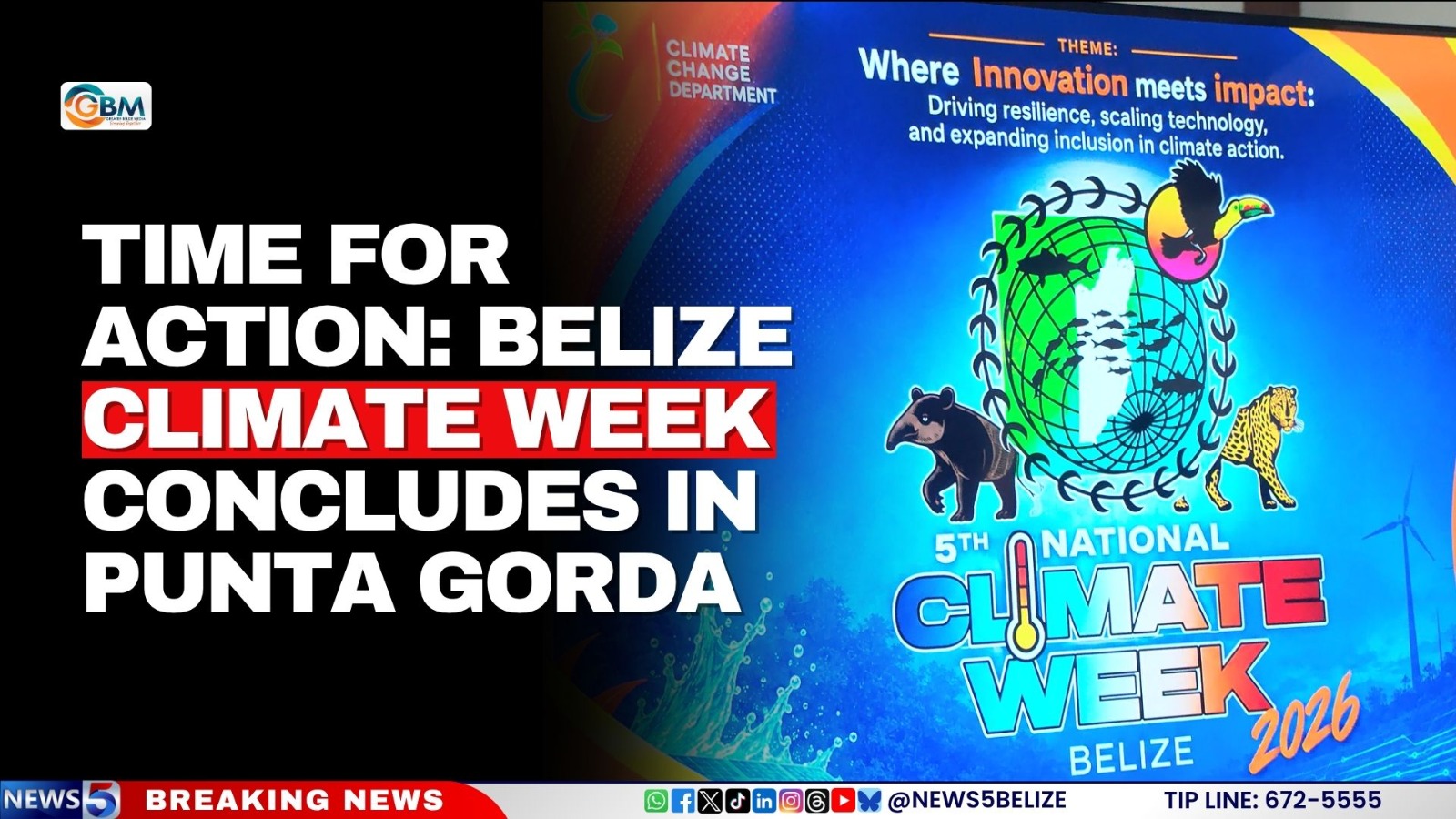
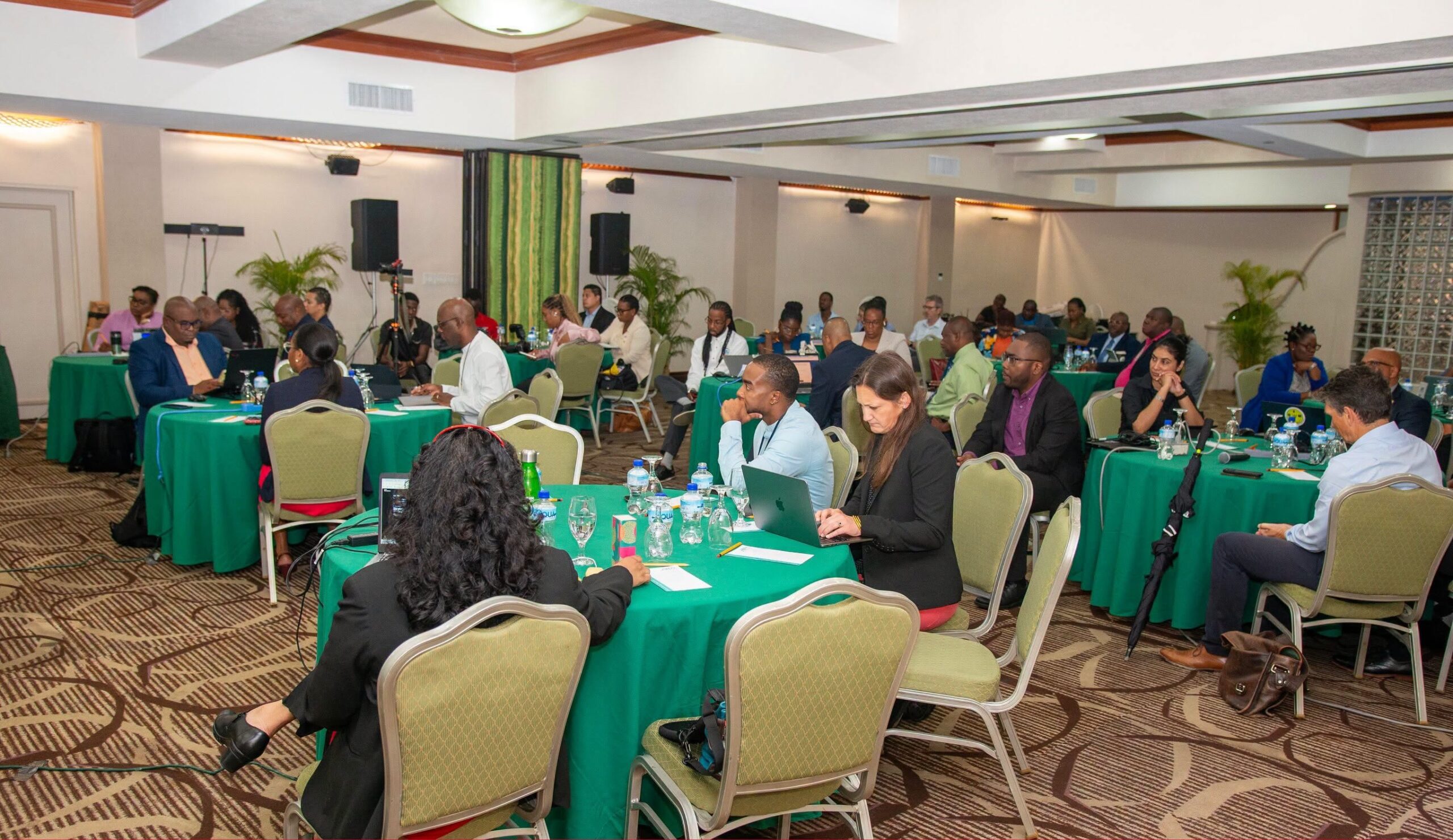
    As Belize wrapped up its inaugural national Climate Week in Punta Gorda, Toledo District on August 24 2026, the four-day event has left a clear call for urgent, inclusive climate action that centers the communities already bearing the brunt of global warming.

    This year’s gathering, sponsored by RF&G and held in partnership with the United Nations Development Programme (UNDP), deliberately moved the climate conversation from national policy halls to southern Belize, where coastal communities and indigenous populations confront daily climate crises ranging from catastrophic flooding to accelerating coastal erosion and erratic seasonal weather patterns. Organizers made a deliberate choice to anchor the event in Punta Gorda to shine a much-needed spotlight on the disproportionate struggles of local indigenous groups and small-scale farmers, who have watched their livelihoods unravel as global warming reshapes regional weather systems.

    Under the overarching theme “Where Innovation Meets Impact: Driving Resilience, Scaling Technology, and Expanding Inclusion in Climate Action”, the week-long programming focused on a core goal: turning vague global and national climate pledges into tangible, on-the-ground support for climate-vulnerable regions. Edalmi Pinelo, Belize’s Chief Climate Change Officer, opened the event by grounding discussions in lived experience, emphasizing that climate change is no longer a distant future threat: “Climate change is real, it’s here, we are feeling the effects.”

    Michael Lund, Deputy Resident Representative of the UNDP’s Belize office, noted that cross-community learning and centering indigenous knowledge are foundational to successful climate adaptation. “We need to both learn from each other and tap into that because that’s a way how we can also adapt to the things that we are experiencing with climate change,” Lund explained, pointing to generations of indigenous environmental stewardship as a largely untapped resource for building national climate resilience.

    For Belize’s indigenous populations, climate change poses an existential threat that extends beyond economic disruption to cultural survival. Indigenous communities’ identity and heritage are deeply intertwined with their traditional lands, which underpin their language, spiritual practices, ceremonial traditions, and intergenerational ancestral knowledge. These cultural foundations are put at growing risk as widespread deforestation and accelerating coastal erosion erode the landscapes that have sustained indigenous ways of life for millennia.

    Cristina Coc, spokesperson for the Maya Leaders Alliance, reinforced that indigenous communities are the first to face climate impacts, even as they have spent generations protecting natural ecosystems that sequester carbon and support biodiversity. Across the Toledo District, unpredictable weather has already upended traditional farming practices and depleted wild food sources that communities have relied on for centuries. “Never before have we seen this kind of weather pattern that is really impacting crops, but also wild foods,” Coc noted, describing the rapid, unprecedented shifts local residents have observed in recent years.

    The economic strain of climate change has compounded these challenges for rural households. Filiberta Coc, a resident of Otoxha Village who attended the event, explained that skyrocketing living costs have left many families struggling to cover basic needs for themselves and their children, making climate adaptation an even more urgent priority for low-income communities.

    Despite the growing risks, indigenous communities bring unique, generations-old expertise to climate action built on centuries of close observation of local forests, water systems, agricultural cycles, and weather patterns. Traditional sustainable practices like the Maya milpa farming system, which rotates crops to protect soil health, have already proven effective at stabilizing food production and helping communities adapt to shifting environmental conditions. Lund closed the week by praising local indigenous leaders for advancing proactive climate solutions rooted in their cultural heritage, calling for greater investment in community-led efforts across the country.

  • UPDATE: Second individual involved in Canefield car crash treated and disharged

    UPDATE: Second individual involved in Canefield car crash treated and disharged

    The Commonwealth of Dominica Police Force (CDPF) has published additional official details regarding a deadly road crash that took place at Canefield Cliff, which left one person dead on Monday, August 24, 2026.

    In a public statement issued by Acting Assistant Superintendent Fixton Henderson, the public relations officer for the CDPF, the incident unfolded around 12:00 local noon at the stretch of the E.O. Leblanc Highway located under the Canefield Cliff area.

    The victim, identified as 56-year-old Jean Zacharie Honore, a Haitian national who maintained a residence on Benjamin Lane in Goodwill, was operating a Nissan double-cab pickup truck traveling northbound along the highway when the collision occurred. His vehicle collided head-on with a Nissan Frontier that was moving in the opposite southbound direction.

    Clementus Joseph, the driver of the Nissan Frontier, is an adult male resident of River Estate. Both motor vehicles suffered catastrophic, extensive damage from the impact of the crash. Emergency medical responders transported both drivers via ambulance to the Dominica China Friendship Hospital to receive urgent medical care.

    According to official police updates, Joseph was evaluated and treated for his injuries at the facility, and was released from the hospital later the same afternoon. Tragically, Honore could not survive the severe injuries he sustained in the collision. Hospital staff conducted an examination and officially pronounced him dead shortly after arrival.

    At present, the CDPF’s investigative team continues working to piece together the full sequence of events and exact circumstances that led to the fatal collision. Along with launching the full investigation, the force has issued a formal statement of condolences to Honore’s family and loved ones as they process this loss.

  • Battery plan to unlock stalled solar

    Battery plan to unlock stalled solar

    Barbados is pressing forward with a landmark 125-megawatt grid-scale battery storage initiative, a key policy move designed to stabilize the country’s national electricity network, unlock nearly 33 megawatts of idle or restricted solar generation capacity, and put the nation on track to hit its ambitious 50 percent renewable energy penetration target by the end of 2027.

    Energy Minister Kerrie Symmonds announced the progress during a major State of the Energy Sector address, noting that 60 megawatts of the planned storage capacity has already been awarded through competitive tender processes, with construction and installation scheduled for completion by mid-2027. The remaining 65 megawatts of storage is in active planning stages, bringing the total investment to the 125-megawatt benchmark outlined in the government’s energy transition roadmap.

    In his address, Symmonds emphasized that widespread renewable energy adoption in Barbados cannot succeed without confronting the interconnected technical, regulatory, financial and institutional barriers that have slowed progress to date. The minister pointed out that roughly 33.1 megawatts of already licensed solar capacity is currently either operating at just 50 percent of its maximum output or remains entirely unconnected to the national grid, a bottleneck created by the grid’s limited ability to absorb variable renewable energy generation.

    To clear this backlog of delayed connections, the government has introduced a transparent, publicly trackable priority connection queue that gives preferential access to solar licensees who agree to pair their generation assets with new battery storage systems. Under the structured timeline, these prioritized projects will be brought fully online within an eight-month window, with clear, mandatory milestones to keep projects on schedule.

    “I want these licensees to know now, in the clearest possible terms, that they have not been forgotten and that a structured, prioritized, and time-bound process will now be followed in order to bring their investments fully online,” Symmonds told attendees.

    Symmonds framed the current grid constraints as a “victim of our own success,” noting that the rapid growth of residential and commercial solar adoption across the island outpaced projections for grid modernization, creating the current bottleneck. Resolving these constraints is also a critical step to reduce Barbados’ vulnerability to global energy market volatility, he added, since the country relies almost entirely on imported fossil fuels for traditional power generation.

    “As a country that imports virtually all of its fossil fuels, we simply cannot control developments in the international markets, but we must take the deliberate steps available to us to reduce our vulnerability to their consequences,” Symmonds said.

    The government’s long-term strategy centers on building a hybrid electricity grid that integrates variable renewable energy, backup natural gas generation, and utility-scale energy storage to deliver reliable, affordable power. To broaden public participation in the energy transition, Symmonds also unveiled plans for the Barbados Energy Special Purpose Vehicle, a new structure that will allow local financial institutions and individual Barbadian residents to take an equity stake in new energy infrastructure projects. Under the proposed framework, local credit unions, pension funds, insurance companies and individual investors can acquire up to 49 percent of equity in new battery storage projects, while lead project sponsors will retain a 51 percent controlling stake initially.

    “This approach will allow Barbadians not only to build storage infrastructure required to strengthen the national grid, but also it will create economic opportunity for every Barbadian to participate economically in the country’s energy transition,” he explained.

    Alongside infrastructure investment, the government is updating statutory guidelines to streamline ministerial exemption powers under the existing Utility Regulation Act, while preserving the independent oversight role of the Fair Trading Commission and maintaining existing consumer protection safeguards. With a longer-term national target of 70 percent renewable energy penetration by December 2029, the Barbados Light & Power Company has been formally directed to update its integrated resource and resilience plan to reflect the new policy direction.

    The revised plan will evaluate a full suite of emerging low-carbon technologies, including onshore and offshore wind, biomass, green hydrogen, waste-to-energy and marine energy, alongside expanded demand-side management and energy conservation measures, all aimed at building a more resilient, affordable and sustainable electricity system for Barbados.

  • LIVE: Virtually Rally for Roseau North Danny Lugay brought to you by ERC

    LIVE: Virtually Rally for Roseau North Danny Lugay brought to you by ERC

    When a news submission is received, it only contains social media sharing buttons, an image link, and no actual core journalistic content. No textual report, event details, source attribution, or contextual information related to a newsworthy event is included in the provided material. Without the core text that outlines the event, key players, timelines, and key claims of the story, it is impossible to conduct a full, accurate rewrite, in-depth analysis, or proper classification of the purported news piece. This incomplete submission leaves no actionable content to process per standard news processing protocols.

  • BDF Soldier Among Three Killed in Separate Crashes

    BDF Soldier Among Three Killed in Separate Crashes

    Over a single weekend in August 2026, three separate road traffic collisions across two districts of Belize have claimed three lives, shocking local communities and prompting an ongoing law enforcement investigation into all three incidents. Among the deceased is an active volunteer with the Belize Defence Force, highlighting the widespread human cost of recent road safety failures in the country.

    Assistant Superintendent of Police (ASP) Stacy Smith officially outlined the full details of all three fatal crashes during a scheduled press briefing held on the afternoon of August 24. The most recent fatality identified by authorities is 23-year-old Elvin Chubb, a Belize Defence Force volunteer resident of Maya Mopan village. Chubb suffered fatal injuries in a multi-vehicle collision on Sunday, which involved his motorcycle, a sports utility vehicle (SUV), and a commercial delivery truck. The crash took place close to Silk Grass village in the Stann Creek District.

    Upon arriving at the crash site, investigating first responders found Chubb gravely wounded, with his motorcycle trapped partially underneath the damaged front bumper of the involved SUV, ASP Smith confirmed in the briefing. The delivery truck involved in the incident sustained damage to its rear end in the collision. While authorities continue to piece together the full sequence of events that led to the crash, police have already formally served the driver of the SUV with a notice of intended prosecution, a standard step in ongoing fatal collision probes.

    The first of the three fatal incidents occurred late Friday night in the Cayo District, along the route between the small communities of Duck Run and Billy White villages. That crash claimed the life of 46-year-old Jaime Catalan, a resident of San Marcos village. Initial investigative findings indicate Catalan was riding his motorcycle when he collided head-on with a second motorcycle operated by another rider. The second rider involved in the crash has been taken into police custody for questioning, and law enforcement officials have obtained a urine sample from the detainee to test for potential impairment, including alcohol or drug use. As with all three cases, the full context and contributing factors of the collision remain under active investigation, per ASP Smith’s statement.

    The third fatality was recorded on Saturday evening close to the 76-mile marker of the George Price Highway. The victim was 55-year-old Patrick Chun, who died at the scene after his motorcycle collided with a passenger bus while Chun was attempting to overtake another vehicle traveling along the highway. According to ASP Smith, the bus involved in the collision has been impounded by police to undergo a full mechanical and safety inspection, and the bus driver has also been served with a notice of intended prosecution. Damage assessments from the scene confirm the bus sustained visible damage to its driver-side panel, while Chun’s motorcycle was almost completely destroyed in the impact.

    Local law enforcement has not yet released additional details on potential contributing factors across all three incidents, including whether speeding, reckless driving, or impairment played a role in any of the fatal crashes. Investigations remain active as authorities work to finalize their findings for potential prosecution.

  • Can Grenada count on the regional safety net?

    Can Grenada count on the regional safety net?

    Grenada, a small island nation that has long weathered the fury of natural hazards, faces a critical test of long-term survival and resilience as it balances economic development and infrastructure expansion. The future of the country’s ability to withstand disaster is deeply tied to how the entire Caribbean region addresses its emerging crisis of increasingly complex and interconnected threats.

    On August 14, the Caribbean Disaster Emergency Management Agency (CDEMA) brought together national disaster coordinators and regional specialists in Barbados to advance the design of its new Next Level Regional Response Mechanism (RRM). While the initiative is officially described as an upgrade to the region’s disaster governance infrastructure, it reaches far beyond bureaucratic strategy papers and routine workshop discussions. At its core, the effort tackles two urgent, life-or-death questions that every Caribbean island will face when the next major multi-hazard disaster strikes: how quickly can life-saving assistance reach affected communities, and can regional supply chains hold up under extreme pressure?

    For generations, hurricane preparedness has been the central focus of the region’s disaster planning. That focus is no longer sufficient, according to CDEMA leaders. Deputy Executive Director Lt. Col. Kester Craig emphasized during recent validation sessions that the region now faces a rapidly evolving risk landscape marked by cascading hazards, systemic supply chain breakdowns and other interconnected threats that overwhelm outdated response frameworks.

    This shifting risk profile is already driving tangible changes to CDEMA’s on-the-ground capacity building work. The agency’s Regional Training Centre recently hosted a specialized training program focused on strengthening Emergency Operations Centre (EOC) management in Antigua and Barbuda, drawing 33 participants from seven Caribbean territories. The curriculum centers on building core skills in cross-stakeholder coordination, operational continuity during crises and adaptive decision-making across all phases of a disaster: pre-event preparedness, in-event response, and post-event recovery. A key secondary goal of the program is to cultivate a regional network of certified instructors who can expand access to CDEMA’s updated EOC Management Course across all member states.

    For import-dependent island nations like Grenada, supply chain vulnerability is not a distant hypothetical risk—it is a daily reality. The country relies almost entirely on imports for critical goods including food, fuel, and construction materials, meaning a regional crisis that disrupts ports or maritime shipping across multiple islands could rapidly cut off access to essentials for Grenadian communities. As CDEMA works to finalize a modernized framework for logistics, communications and information management, local stakeholders in Grenada are rightly pressing for clear answers on how this regional plan will protect small, import-reliant economies that face disproportionate risk.

    The push for an upgraded response mechanism also shines a light on another long-standing gap in Caribbean disaster preparedness: the persistent challenge of moving personnel and emergency supplies between islands during crises. Large-scale relief operations depend entirely on dependable air and sea connectivity, infrastructure that often comes under extreme strain when a regional disaster hits multiple jurisdictions at once. Without addressing these practical logistical constraints in the new regional framework, even the most sophisticated strategy will fail to deliver aid to the communities that need it most.

    Responsibility for building effective resilience does not fall solely to regional bodies like CDEMA. Grenada’s National Disaster Management Agency (NaDMA) and local disaster coordination teams must update national protocols to align with the new standards set by the Next Level RRM. Preparedness plans for the capital St. George’s and Grenada’s smaller sister islands cannot just exist on paper; they require active mutual aid agreements, sustained inter-institutional cooperation, and clear pre-planning for scenarios where local resources are exhausted.

    The shift to a more agile, tech-enabled and proactive regional response system also requires domestic introspection and action from Grenada. Local agencies must adapt their own processes to integrate seamlessly with the evolving regional safety net, putting in place clear protocols, building strong cross-agency coordination and expanding response capacity to handle scenarios where local resources are stretched beyond limits. When the next large-scale disaster inevitably hits the Caribbean, Grenada’s ability to protect its people will depend in large part on how strong, connected and functional that regional safety net proves to be.

  • Tuach now ranked number 11 in the region

    Tuach now ranked number 11 in the region

    Barbadian professional surf athlete Chelsea Tuach has secured a notable jump in the regional rankings, climbing to 11th place following an impressive joint fifth-place result at the iconic Super Girl Surf Pro competition hosted in Oceanside, California. Held between August 21 and 23, this tournament stands as the world’s largest professional women’s surfing event, drawing a stacked field of 112 elite surfers from across the globe. Against this fierce competition, Tuach fought her way through five grueling preliminary rounds to earn a spot in the event’s final competition days.

    In post-event comments, Tuach emphasized that the Super Girl Surf Pro holds unique personal meaning, beyond just its status as a top-tier professional competition. “This event is very special for me because its core mission is inspiring the next generation of athletes to believe in themselves and pursue their dreams,” she explained. “As the biggest all-female surfing competition in the world, it draws the sport’s top talent, so every heat is a tough challenge. I’m really proud to walk away with a top-five finish.”

    Tuach also noted that surf conditions at the Oceanside venue are notoriously unpredictable and challenging, even for seasoned competitors. Despite these difficulties, she managed to lock in two high-scoring rides in every heat leading up to finals day, when the tournament shifts to a head-to-head elimination format. One of her standout performances came in the round of 16, where she defeated Vaihitmahana Inso, the current top-ranked surfer from Hawaii. Her run ultimately came to a narrow end in the quarterfinals, where she fell to American surfer Mia McLeish by a slim margin of just 0.63 points.

    This top-five result extends a remarkable period of consistent performance for Tuach, who most recently claimed a silver medal at the CAC Games held in the Dominican Republic. Looking ahead, the Barbadian surfer is already preparing for her next competition: a WSL 4000-level event kicking off next week. “I’m looking forward to putting together a few more strong heats and continuing to climb the rankings in the coming weeks,” Tuach added.

  • Police Pursue Leads in Early-Morning Murder of Christopher Smith

    Police Pursue Leads in Early-Morning Murder of Christopher Smith

    On a Sunday morning in Belize City, the discovery of a young man’s body in a residential yard on Arlington Drive has launched an active homicide investigation, with law enforcement currently working through digital evidence to identify and track down the killer.

    The victim, identified as 23-year-old Christopher Smith, was found by community members around 7 a.m. on Sunday. First responding officers confirmed that Smith had visible gunshot wounds, and several spent bullet casings were recovered from the scene as initial physical evidence.

    Based on community reports of gunfire in the area, investigators have placed the time of the killing at approximately 1:20 a.m. that same day. Despite residents calling in reports of the gunshots within minutes of the incident, responding officers were unable to locate the victim or secure the crime scene at that time, according to Assistant Superintendent of Police Stacy Smith, who spoke at an official police press briefing held the same afternoon.

    Since the discovery of Smith’s body early Sunday morning, the Belize Police Department has obtained surveillance footage from the regional Crime Fusion Center, a centralized digital intelligence hub that aggregates local security camera feeds to aid criminal investigations. ASP Stacy Smith confirmed that the footage has already generated actionable leads, which investigative teams are actively following up on as of press time.

    Local speculation has emerged in the community linking Smith’s killing to an earlier 2024 homicide case, where Smith was named as a witness and also faced joint murder charges alongside another suspect in that killing. That case was still active and moving through the Belizean court system at the time of Smith’s death, leading many to suggest the killing was connected to witness intimidation or gang-related retaliation.

    However, ASP Stacy Smith pushed back on these unconfirmed connections, noting that the investigation is still in its early stages and no official motive has been established by the investigative team. “It is an ongoing investigation, and we are working systematically to rule out connections and identify the responsible party,” she added, urging anyone with additional information about the shooting to contact Belize City police to assist the probe.

  • Customs seizes guns, drugs in $8m border haul

    Customs seizes guns, drugs in $8m border haul

    Against a backdrop of shifting transnational smuggling trends, Barbados’ Customs service has announced a series of major interdictions at the island nation’s ports of entry, while publicly laying out the multiple operational, financial and reputational challenges the department currently faces. The disclosure came from Acting Comptroller Lynette Padmore during an address Sunday marking the 121st anniversary of the Barbados Customs and Excise Department, delivered at the Power in the Blood Assembly church in Tudor Bridge, St. Michael.

    Padmore detailed that customs officers posted at air ports, sea ports and the national General Post Office had seized 12 unauthorised firearms, approximately 900 rounds of ammunition, and nearly 1,000 kilograms of illicit plant material. That plant shipment alone carries an estimated street value of around $8 million. Beyond these hauls, teams also intercepted cocaine, methamphetamines, prohibited tactical equipment including camouflage gear and tasers, and unauthorised drones, expanding the scope of evolving threats the border agency must counter.

    In her remarks, Padmore warned that criminal smuggling networks are exploiting every potential entry point to move illegal cargo through Barbados’ borders, arguing that fragmented, agency-specific approaches to border security leave the nation vulnerable. “Most territories now face similar challenges, and Barbados will remain exposed to these evolving threats if every agency operates with a singular mentality,” she said. “The level of awareness relevant to some synthetic drugs and the porosity of our borders will continue to be problematic should we not collectively reinforce our intention towards the protection of our borders.”

    To address this gap, Padmore confirmed that Barbados Customs is already engaged in coordinated targeted operations alongside local, regional and international law enforcement partners to tighten border controls, disrupt smuggling rings and investigate financial fraud. She highlighted the department’s participation in two key ongoing initiatives, Operation Calypso and Operation Core 8 in 2025, noting that these collaborative efforts have already delivered measurable progress in halting narcotics trafficking, countering financial crime, disrupting human trafficking and shutting down other transnational illegal activities. “Interagency cooperation through planned operations benefit from collaboration and the employment of various measures to assist with interdictions,” she added.

    Beyond border security, Padmore also released new revenue data for the department, showing that between the 2023 financial year and July 2026, Customs collected a total of $5.47 billion in government revenue. However, she noted that total potential revenue was reduced by more than $3 billion due to a combination of statutory concessions and waivers granted to the local business community, as well as fraudulent tax evasion tactics including importer undervaluation of goods and under-invoicing. “This figure could have been higher were it not affected by the loss of over $3 billion in revenue which has been foregone through concessions and waivers to the business community or from the fraudulent tax evasion practices of undervaluation and under-invoicing which continues to threaten the financial systems and mutual trust between Customs and some of our stakeholders,” Padmore explained.

    The department is also grappling with an institutional knowledge gap following the retirement of a large cohort of veteran staff, leaving a workforce heavy with new recruits still building core job skills. “We now have quite a few relatively new staff who are now learning the fundamentals of Customs. Training is therefore essential at this juncture, and we are meeting it head on,” Padmore said. To address this, 18 officers are set to begin an intensive valuation training workshop run in partnership with the Caribbean Regional Technical Assistance Centre, while the entire department will take part in the National Transformation Initiative’s Art and Heart of Service culture shift programme. All officers have already completed expanded training covering a range of high-priority topics: small arms and light weapons identification, illicit trafficking modus operandi, detection of illicit firearms produced via 3D printing, specialised marine enforcement, synthetic drug detection, artificial intelligence for cybersecurity, and data analytics.

    Padmore added that the department is also pursuing broader digital modernisation, with its in-house information technology team working to integrate artificial intelligence and smart automation systems to boost operational efficiency and effectiveness. Even as it advances these improvements, the department is facing ongoing public criticism over its performance, and Padmore acknowledged that rebuilding public trust will require deliberate systemic change. “We are aware that recent times have caused this department to be constantly criticised and to be the subject of unfavourable responses which must now be adjusted,” she said.

    Outlining the full scope of current challenges, Padmore cited limited operational resources, persistent revenue leakage, widespread undervaluation of imported goods, and growing national security risks from narcotics, illegal firearms, and human trafficking. Despite these headwinds, she closed with a confident pledge that the department would work collectively to turn its performance around and rebuild public confidence. “We are all equal, and together we can restore our image, renew our efforts, and seek to change our current direction,” she said. “Our core values of professionalism, integrity, accountability and transparency must guide our approach to our daily tasks, and like a phoenix, we will rise again.”