
Authorities in Suriname have intercepted more than two tons of illegally smuggled cyanide, a highly toxic chemical, that was being brought into the country across its border with Guyana. The contraband was discovered during a routine inspection at the Burnside control checkpoint located in the Coronie district, where law enforcement stopped two cargo trucks carrying the hazardous shipment. Multiple people have been taken into custody in connection with the unauthorized transport, which was reportedly en route to the nation’s capital of Paramaribo.
作者: admin
-

Why Americans keep choosing the Caribbean
Against the backdrop of a sharp nationwide increase in U.S. citizens traveling internationally, the Caribbean region continues to hold strong, enduring appeal for American vacationers, with industry leaders identifying geographic proximity, cultural accessibility, diverse recreational options and easy entry as the core pillars of its sustained demand.
This ongoing momentum took center stage at the 2026 ASTA Caribbean Showcase, a flagship industry event hosted by the American Society of Travel Advisors (ASTA) in St Kitts and Nevis, which gathered leading travel advisors from across the United States to discuss emerging trends and regional opportunities. In an interview with the *St Lucia Times* on the sidelines of the conference, ASTA Chief Executive Officer Zane Kirby broke down the key factors drawing Americans to the region. According to Kirby, the top draws in order are proximity to the U.S. mainland, widespread traveler familiarity with regional destinations, universal use of English and the acceptance of U.S. currency, removing common barriers that often discourage international travel. Beyond practical accessibility, Kirby emphasized that the Caribbean’s iconic natural landscapes remain the heart of its allure, noting that the region’s turquoise azure waters, clear tropical skies and wide range of activity options keep it a top bucket-list destination for American travelers of all ages.
The Caribbean’s growing traction comes as part of a larger, well-documented boom in outbound travel from the United States. The *Wall Street Journal* recently dubbed this trend the rise of the “unstoppable American traveler,” linking the surge to two key demographic groups: wealthy Baby Boomers, who collectively hold more than $110 trillion in accumulated wealth, and adventure-seeking millennials hungry for international experiences. Broader societal shifts have also laid the groundwork for this growth: just 5% of Americans held a valid passport in 1990, a figure that has skyrocketed to over 50% today, opening the door for far more citizens to travel abroad regularly.
While Europe continues to dominate as a top long-haul destination for American international travelers, travel advisors at the ASTA event noted that the broader outbound boom has created significant new opportunities for Caribbean nations to capture a larger share of the growing travel market. Blair Hutchinson, owner of North Carolina-based travel planning firm B Anise Events, shared that she has observed a clear uptick in bookings for Caribbean getaways, a trend she attributes heavily to the region’s close proximity to the U.S. east coast. For Hutchinson, who specializes in planning destination weddings, the Caribbean also checks every box for couples seeking a romantic, accessible tropical wedding location, making it a top recommendation for that niche market.
Hutchinson added that the Caribbean’s wide range of islands caters to every type of traveler, from first-time international vacationers to experienced globetrotters. Islands closer to the U.S. are particularly popular among travelers new to international trips, who value shorter flight times and easier access, while more distant islands including Barbados and St Lucia tend to draw seasoned travelers looking to explore beyond the most well-known mainstream destinations. Beyond geographic positioning, the unique range of experiences each island offers shapes advisor recommendations, with Hutchinson singling out St Lucia as a standout option, citing its diverse outdoor excursions, warm local hospitality, vibrant culinary scene and dramatic volcanic terrain as major draws for her clients.
As international travel continues to rebound and expand, travel industry professionals note that modern travelers are becoming far more discerning about the types of experiences they prioritize when visiting a destination, shifting away from generic, tourist-focused itineraries. Hutchinson pointed to growing demand among her clients for immersive experiences that connect them deeply to local life and culture, rather than just checking off iconic tourist landmarks. This shifting consumer preference was a major topic of discussion during an August 23 panel at the ASTA Showcase.
Natalie John, CEO of luxury wedding planning firm Dreamy Weddings, told attendees that today’s travelers increasingly prioritize intimate, customized experiences that align with their personal interests, rather than one-size-fits-all group tours. Davina Baptiste, owner of Kitts Teas, a representative for Christophe Harbour Development and a specialist in Caribbean wellness tourism, added that the growing desire to escape stressful, fast-paced modern lifestyles is also reshaping traveler expectations. Baptiste noted that many visitors are now seeking experiences that go beyond standard resort spa treatments, pointing to partnerships with local artisans that offer one-of-a-kind cultural activities such as guided local dive trips and traditional Caribbean cooking classes as examples of high-demand offerings.
For individual Caribbean destination, this shift in consumer demand opens an exciting new opportunity to move beyond the generic “sun, sea and sand” branding that has long defined the region and highlight the unique cultural, culinary and outdoor experiences that set each island apart. With more travelers actively seeking out new destinations to add to their travel lists, industry leaders agree that the Caribbean has massive room to continue growing both new and repeat visitor numbers. Anna Luquingan, a luxury travel advisor with Peekture, emphasized that the region’s incredible diversity means even travelers who have visited one or two islands have barely scratched the surface of what the Caribbean has to offer, creating endless opportunities to encourage return trips.
Kirby echoed this optimism, noting that the Caribbean still has enormous untapped growth potential for American visitors, provided regional destinations continue to invest in critical infrastructure and improved air and cruise connectivity to accommodate rising demand. He cautioned that limited infrastructure and capacity constraints are currently the biggest barriers to faster growth, urging local governments and tourism boards to prioritize targeted investments to keep up with increasing visitor numbers. As the ASTA Showcase made clear, the future of sustained growth for Caribbean tourism will depend on balancing improved infrastructure with authentic, culturally rooted experiences that turn growing traveler interest into long-term, consistent visitation.
-
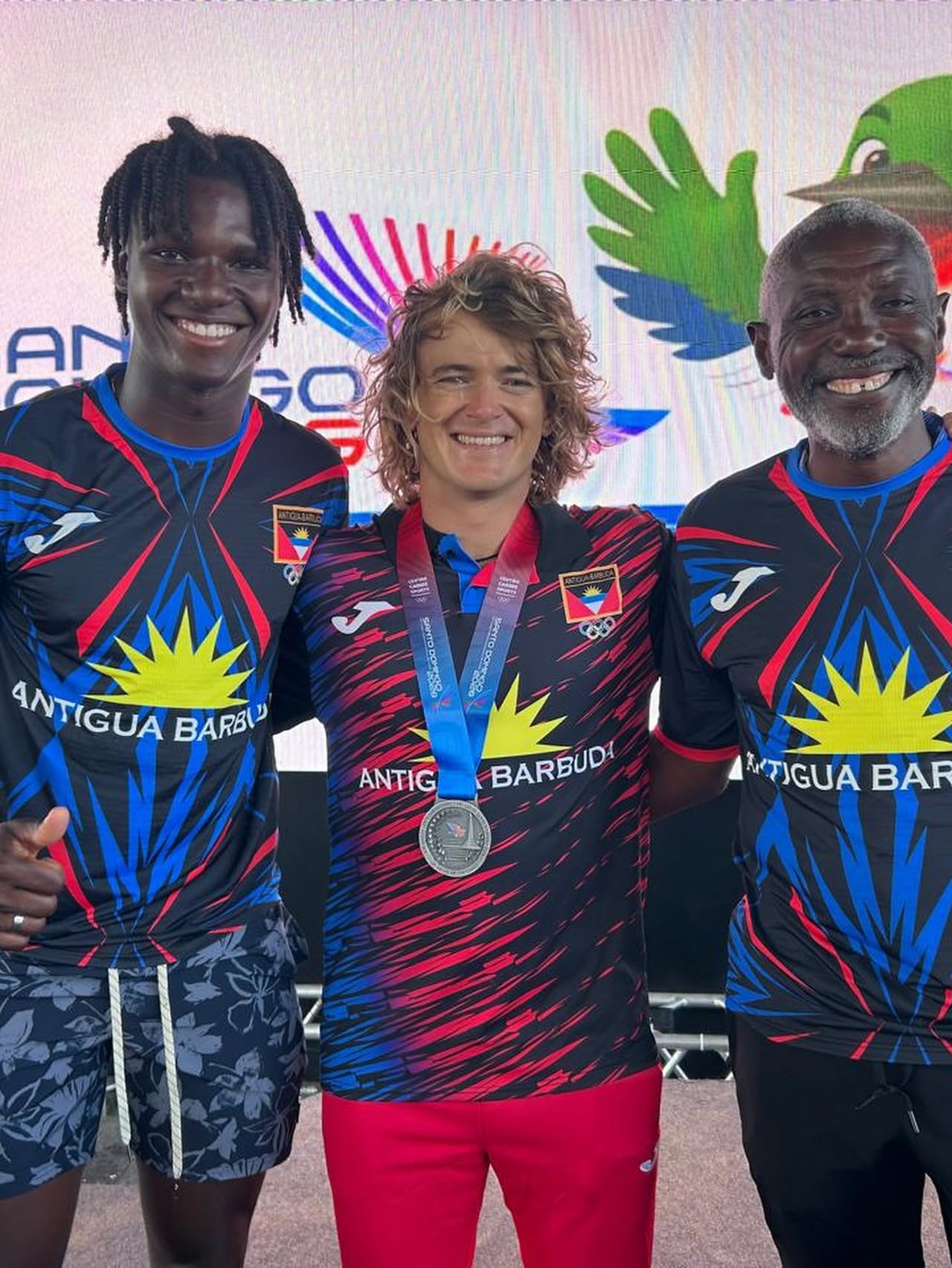
Tyson Wins Antigua and Barbuda’s Sole Medal at 2026 CAC Games
At the 2026 Central American and Caribbean Games hosted in Santo Domingo, Dominican Republic, Antigua and Barbuda has logged its sole medal finish of the regional competition, with kiteboarder Tiger Tyson claiming silver in the men’s Formula Kite event. Competing against a stacked lineup of top international sailors, Tyson held consistent, high-performing races across the event to secure the second-place overall position, a result that cements his reputation as one of the most competitive kiteboarding athletes on the global circuit.
Antigua and Barbuda sent a three-person sailing delegation to the Games, and Tyson’s two teammates both turned in impressive top-eight finishes against stiff competition, even amid late-game adversity for one competitor. In the men’s ILCA 7 division, Shanoy Malone wrapped up competition in eighth place overall. The division’s starting field included a number of the world’s highest-ranked ILCA 7 sailors: the top three finishers all held spots in the global top 70 rankings, and every single competitor that placed ahead of Malone had prior Olympic racing experience, making his top-eight result an notable achievement for the young sailor.
In the Sunfish class, Ozani Lafond put together a solid qualifying campaign that kept him in strong contention for a spot in the medal race for much of the competition. On track to challenge for a top-three position heading into the final day of qualifying, Lafond suffered an unexpected and irreparable equipment malfunction that forced him out of the decisive final qualifying race. Unable to register a finish for the critical event, Lafond dropped out of medal contention, ultimately finishing the event in seventh place overall.
-

ERC calls for revocation of Ian Douglas’ appointment as Ambassador to Cuba citing breach of protocol
A major political advocacy group in Dominica has launched a formal demand for the immediate removal of a high-ranking diplomatic representative, triggering a debate over compliance with international diplomatic norms and public accountability in Caribbean politics.
In an official media statement released on August 24, 2026, the Electoral Reform Coalition (ERC) called on Dominican President Sylvanie Burton and Prime Minister Roosevelt Skerrit to revoke Ian Douglas’ appointment as the country’s Resident Ambassador to Cuba and withdraw his diplomatic credentials. The coalition’s core allegation centers on Douglas’ dual role: the ambassador is currently serving as campaign manager for Ashma McDougall, the Dominica Labour Party (DLP) candidate running in the upcoming Roseau North constituency by-election.
The ERC argues that Douglas’ active involvement in partisan political activity directly contradicts the long-standing principle of diplomatic neutrality enshrined in the Vienna Convention on Diplomatic Relations, the foundational international agreement governing diplomatic conduct. The organization outlined four key concerns to back its demand, starting with a clear breach of standard diplomatic protocols that bar sitting state representatives from engaging in partisan domestic campaigning.
A second critical issue raised is extended absenteeism from the ambassador’s post in Havana. According to the ERC, Douglas has not carried out his official diplomatic duties for roughly six months. This prolonged absence has created gaps in consular support for Dominican students and residents living in Cuba, a situation the coalition calls unacceptable at a time when consistent diplomatic engagement and cross-border cooperation remain critical.
Third, the ERC questions the ethical use of public funds. As a serving ambassador, Douglas draws a full state salary funded by Dominican taxpayers. His reported full-time work as a political campaign strategist, the coalition maintains, raises urgent questions about whether public resources are being misused for partisan political ends.
The coalition also leveled sharp criticism at candidate Ashma McDougall for her response to questions about Douglas’ dual role, first raised in an on-camera interview with Emonews. A widely circulated Facebook video of the interview shows McDougall telling reporters she has no reservations about Douglas holding both roles simultaneously. She praised Douglas’ extensive expertise on Dominican politics, noting his insights have been “invaluable” and “immeasurable” to her campaign.
When the reporter pressed McDougall on evidence that the dual appointment violates multiple diplomatic rules, the candidate declined to directly address the concern. The ERC slammed her response as a blatant failure to uphold standards of public accountability and institutional integrity, describing it as “shameful, disappointing, pathetic, and opportunistic.” The coalition emphasized that McDougall’s reaction prioritized her personal political ambition over commitments to government transparency and institutional norms.
Beyond the specific case of Douglas, the ERC warns that his continued service undermines the nonpartisan integrity of the diplomatic corps, and casts broader doubt on the Dominican government’s commitment to upholding international conventions, the rule of law, and public trust in state institutions. The group stresses that recalling Douglas and revoking his credentials is a necessary step to defend the country’s national reputation and demonstrate respect for its binding international diplomatic obligations.
As of the time this report went to press, neither Prime Minister Roosevelt Skerrit nor President Sylvanie Burton has issued any public comment in response to the ERC’s demand.
-
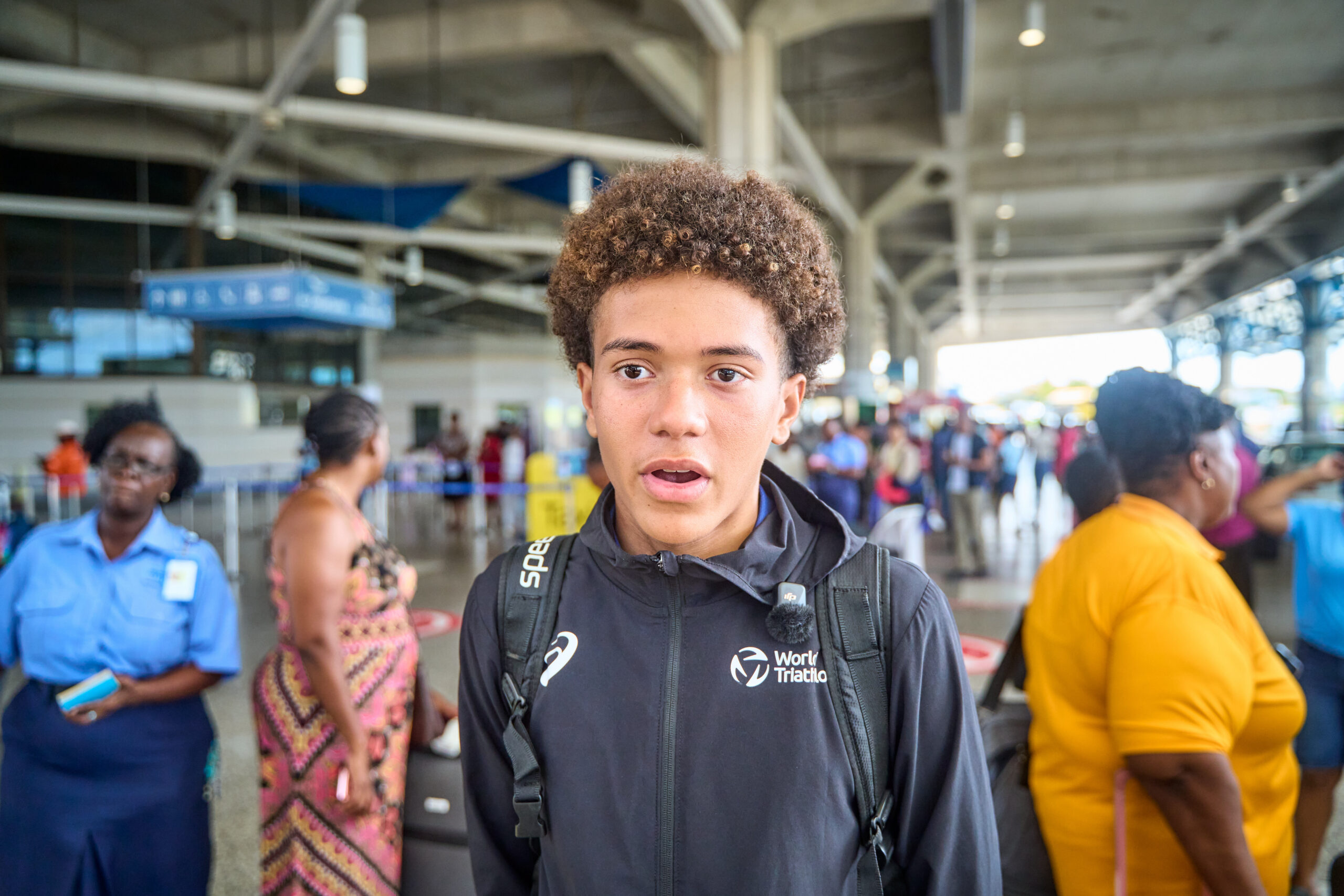
McIntyre eyes Junior Worlds after Peru triumph
Rising Barbadian junior triathlon star Luke McIntyre touched back down on home soil on Monday, his mind already turned to the biggest test of his young career: the World Triathlon Junior Championships, scheduled to kick off in Spain in just one month’s time. McIntyre’s recent run of outstanding form reached a new high on Saturday, when he claimed top honors in the Junior Men’s division at the 2026 Americas Triathlon Junior Cup hosted in Lima, Peru. The victory came on the heels of an intensive two-week elite training camp in Paraguay, where the young athlete honed his craft ahead of the competition.
This is far from McIntyre’s first taste of cross-sport success: earlier this year, he claimed a gold medal in the men’s 5000m at the CARIFTA Athletics Championships on the island of Grenada, cementing his status as one of the Caribbean’s most promising multi-discipline young talents. In Lima, he crossed the finish line with a winning time of 58 minutes and 26 seconds, outpacing a stacked field of top-ranked junior competitors from across the region. His standout performance earned public praise from Mia Amor Mottley, Prime Minister of Barbados, who extended her congratulations via an official post on her Instagram account.
Reflecting on the lead-up to his win, McIntyre emphasized how much he gained from both the training camp and the Lima race itself. “I traveled alone to join the World Triathlon-hosted camp in Paraguay as a member of the Team Americas triathlon selection,” he explained. “Across those two weeks, I got in solid training and picked up so much new experience – it was an incredibly valuable time. After the camp wrapped up, our group moved on to Lima, and I was able to pull off the win in the junior men’s race there.”
McIntyre said he remains deeply satisfied with his performance in Peru, and is already relishing the chance to represent both his home nation of Barbados and Team Americas in future elite competitions. “Right now, all my focus is on the Junior World Championships at the end of September in Spain,” he added.
While McIntyre has long been a contender at the junior level, 2025 has marked a major breakthrough for the young athlete, who says he is focused on maintaining his consistent upward trajectory. “I’m really loving the steady progress I’m seeing across every one of my triathlon disciplines,” he noted. “Triathlon isn’t really about raw finishing times, because every course has its own unique challenges that change how you race – positioning matters far more. But it’s impossible to miss how much my running has improved since CARIFTA and the Barbados national junior and senior championships.”
McIntyre added that his steadily dropping race times have given him a major confidence boost heading into international competition, letting him step onto the start line knowing he has what it takes to compete with the world’s best juniors. “The World Championships in Spain at the end of September is the final stop on my schedule this triathlon season, and it’s definitely the thing that’s top of mind for me right now. After that, I’ll start building toward next year’s competition schedule,” he said.
McIntyre’s success is not limited to his household: his younger sister Laila is also carving out an impressive name for herself in regional endurance sports. A silver medallist in the women’s 1500m at this year’s CARIFTA Championships, Laila just added another silver medal to her collection at the Caribbean Junior Road Cycling Championships in Belize, and is set to return to Barbados on Tuesday.
-
Antigua and Barbuda Steps Up Cultural-Sensitivity Training Ahead of CHOGM 2026
As the twin-island nation of Antigua and Barbuda gears up to welcome thousands of delegates and international visitors for the 2026 Commonwealth Heads of Government Meeting (CHOGM), a nationwide push is underway to upskill customer-facing workers through specialized cultural sensitivity and customer service training.
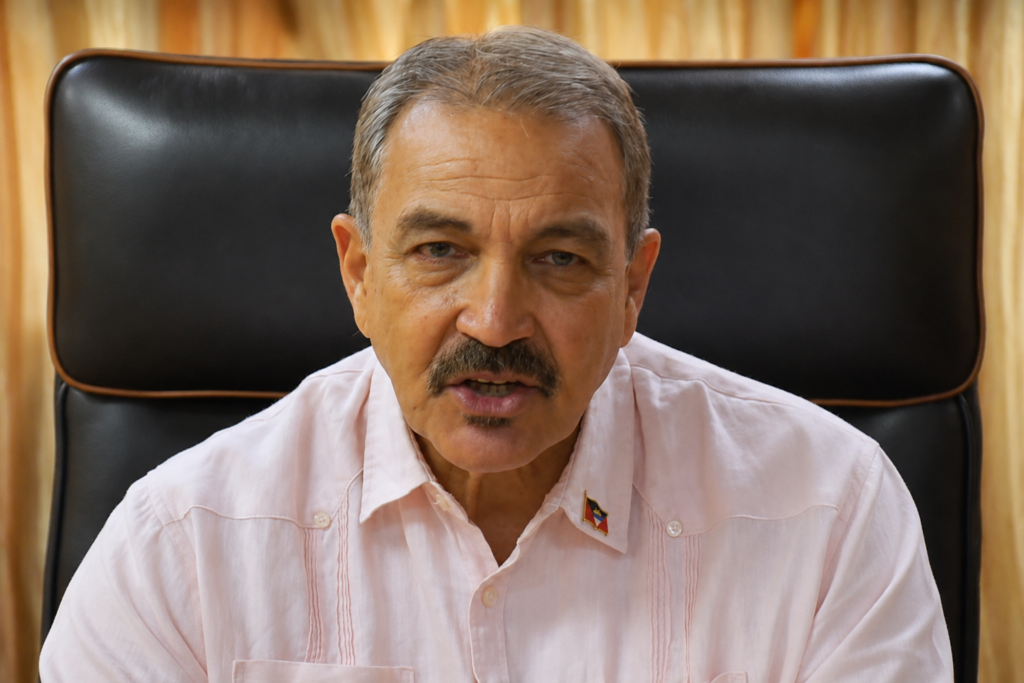
Tourism Minister Charles “Max” Fernandez has publicly urged all frontline hospitality and service employees to take part in the capacity-building program, which is organized under the Antigua and Barbuda Hotels and Tourism Association’s E.A.S.E. Customer Service Excellence Programme. Open not only to traditional hotel staff but to all members of the public whose work brings them into contact with international guests, the initiative is designed to equip participants with the tools to engage confidently with visitors from all 56 Commonwealth member states, each with distinct cultural backgrounds and social norms.
In comments on the program, Fernandez emphasized that hosting CHOGM represents a once-in-a-generation opportunity for Antigua and Barbuda to put its best foot forward to the world. Beyond showcasing the stunning natural beauty of its tropical islands, the nation has a chance to demonstrate the warmth, professionalism, and hospitality that set its people apart, he said.
Unlike many event-specific preparedness efforts that focus only on core hospitality workers, the E.A.S.E. program casts a wide net, acknowledging that every interaction a visitor has with a local shapes their perception of the country. Fernandez stressed that this shared responsibility extends to workers across nearly every sector of the tourism economy: restaurant staff, taxi drivers, tour attraction employees, marina workers, airport personnel, and all other customer-facing roles are all informal ambassadors for Antigua and Barbuda, with every encounter leaving a lasting impression on guests.
The comprehensive training curriculum covers far more than basic customer service. Alongside core modules on cultural sensitivity to help workers navigate cross-cultural interactions respectfully and effectively, the program includes coursework on customer experience design, clear interpersonal communication, emotional intelligence, de-escalation and conflict resolution, and service recovery protocols to address guest concerns quickly.
Beyond the immediate goal of delivering seamless, high-quality service during the 2026 CHOGM, the training is a long-term investment in Antigua and Barbuda’s tourism competitiveness, Fernandez explained. The skills gained through the program will prepare the local workforce to deliver exceptional service for all future major international events, and align with the country’s broader strategic goal of positioning itself as a top-tier destination for the global meetings, incentives, conferences and exhibitions (MICE) industry.
“ The skills you gain through EASE … will prepare you to deliver exceptional service at CHOGM and for every international event that follows,” Fernandez told prospective participants.
To recognize the commitment of workers who complete the full program, all successful participants will receive an official EASE pin, a visible marker of their dedication to service excellence and their pride in representing Antigua and Barbuda on the global stage.
-

Finance Minister unveils $1.2 bil debt swap to tackle NCDs, childhood obesity
Barbados is set to launch the largest debt restructuring initiative in its national history this December, a groundbreaking $1.2 billion debt-for-social swap that redirects hundreds of millions in financial savings to confront the country’s growing public health emergency of non-communicable diseases (NCDs), including a childhood obesity epidemic that threatens the nation’s long-term economic and social stability.
Speaking at Scotiabank’s 70th anniversary gala hosted at the Wyndham Grand Sam Lord’s Castle on Friday, Finance Minister Ryan Straughn detailed that the innovative transaction is projected to unlock roughly $150 million in cumulative savings, all of which will be channeled into evidence-based public health programs designed to reverse troubling NCD trends. “We recognize that we have an NCD crisis in the country, and we have to address it,” Straughn emphasized. “Forty-two per cent of our children are either obese or overweight. If our economy and our future are to remain secure, we have to change that percentage. We must ensure that our young people do not end up living lives that are unhealthy and less productive than they should be.”
The scope of Barbados’ NCD crisis underscores the urgent need for intervention: NCDs such as diabetes, heart disease and obesity-related conditions are responsible for 83% of all adult deaths in the country annually. Beyond the human cost, the crisis imposes a massive economic drain: Barbados loses an estimated $147 million each year in reduced workplace productivity due to chronic illness, while public spending on NCD treatment ranges between $375 million and $825 million annually, draining resources that could be allocated to other critical public services.
Unlike traditional debt restructuring, a debt-for-development swap works by allowing governments to repurchase high-interest outstanding sovereign bonds from the open market, retire those bonds, and issue new debt at significantly lower interest rates. The transaction is made possible by credit guarantees from a coalition of leading international development finance institutions, including the Caribbean Development Bank (CDB), the Development Bank for Latin America and the Caribbean (CAF), the Inter-American Development Bank (IDB), and the World Bank. Leading regional commercial banks Scotiabank and CIBC have been appointed as co-lead arrangers to execute the historic transaction.
Straughn noted that the redirected savings will fund targeted interventions that address the root causes of NCDs, rather than just treating the downstream health consequences. Investments will focus on community health programs, workplace wellness initiatives, and public education campaigns aimed at reducing consumption of salt, added sugar and processed unhealthy foods, promoting physical activity, and improving overall nutritional access for all Barbadians. These interventions are designed to drive long-term reductions in national healthcare costs, easing the financial burden on both taxpayers and households already grappling with soaring cost of living.
Officials stress that the NCD crisis extends far beyond public health, creating crippling financial strain for families already navigating rising household expenses. “The financial decisions people make for their families are important not just to individual household budgets, but to the bottom line of the entire country,” Straughn said. “Cost of living is already high. If we work together as one family, as one Barbados, we can achieve this shift.” He added that the swap will deliver transformative change for the country, freeing up sustained funding to reshape public behaviors around diet, physical activity and daily lifestyle choices.
-

Girls leadership camp commended by educator for creating safe space for young women to learn and thrive
For young women navigating growing social, emotional and digital pressures in today’s world, targeted programming that centers their growth and voice has become more critical than ever. In a recent Monday interview with RF Media Services, Beverly LeBlanc — an experienced educator and volunteer facilitator for the 2026 Girls Leadership Summer Camp Bootcamp — opened up about the transformative impact the initiative has had on participants, framing it as a vital space for nurturing the next generation of female leaders.
Organized by the I Have A Right Foundation (IHARF), the bootcamp brings together girls from diverse backgrounds to build core life and leadership skills, rather than focusing solely on traditional academic learning. LeBlanc led three key streams of programming during the event: emotional intelligence and mental wellness, responsible digital citizenship, and family engagement. Each session was designed to create a judgment-free zone where participants could openly explore issues that directly affect their daily lives, build greater self-awareness, and practice making intentional, positive decisions for their futures.
One of the most heartening observations LeBlanc made throughout the camp was the level of enthusiasm and vulnerability the young participants brought to every activity. Unlike many structured programs that can feel rigid or disconnected from teens’ real experiences, this bootcamp encouraged open sharing: girls actively exchanged personal stories, collaborated on small group projects, and engaged in honest, thoughtful discussions about the challenges they face. This dynamic, LeBlanc emphasized, reinforced how crucial it is to create intentional spaces where young women feel respected, truly heard, and comfortable sharing their perspectives without fear of judgment.
By the end of the bootcamp, participants had gained far more than just new talking points. LeBlanc noted that the program gave attendees the tools to process and explore their emotions in healthy ways, build mutually respectful relationships with peers and adults, understand how to navigate the digital world responsibly, and develop the confidence to speak up for themselves and others — a core foundation for effective leadership.
A standout element of the camp that LeBlanc highlighted was its intentional parent engagement component, which went far beyond the typical end-of-program presentation. Even fathers, who are often less involved in youth programming focused on girls, showed up in large numbers to share their own experiences, and open up about their hopes and aspirations for their daughters. The productive cross-generational dialogue during these sessions made one thing clear: lasting female empowerment cannot be achieved in silos. It requires active, collaborative buy-in from families, program facilitators, and entire local communities to create a sustained support system for young women.
LeBlanc was quick to extend praise to all stakeholders who made the bootcamp possible, from the I Have A Right Foundation’s leadership to the team of volunteer organizers and participating parents who gave their time and energy to the initiative. She emphasized that programs like this are growing more urgent by the year, as young girls face increasingly complex social, emotional, and digital challenges that traditional education systems rarely prepare them for.
Reflecting on her own role as a facilitator, LeBlanc said she felt deeply grateful for the opportunity to contribute to an initiative that puts young girls’ growth first. Looking ahead, she expressed hope that the lessons and confidence girls gained at the bootcamp will continue to resonate long after the program ends: inspiring participants to recognize their own untapped potential, lift up other young women in their communities, and grow into thoughtful, positive leaders who drive change locally and beyond.
-

Pelican Court, Formerly Booby Alley, Homes Could Be Financed Over 25 Years at Low Interest Rates
As the Caribbean nation of Antigua and Barbuda gears up to open the doors of its new 150-unit Pelican Court housing development, the national government has outlined an ambitious, security-focused framework designed to keep the residential complex safe, well-maintained, and free of illegal activity for years to come.
Prime Minister Gaston Browne shared the full details of the plan during an appearance on the popular local program *Browne and Browne Show* on Saturday, breaking down the multi-layered approach to governance and safety that will greet the first incoming residents. Central to the security strategy is a reevaluation of permanent law enforcement presence at the site: initially, the administration planned to assign two full-time police officers to live within the complex, but input from community stakeholders has led to a revised proposal for a dedicated, on-site police outpost, staffed by rotating shifts of two officers at a time.
“It’s either that or we put a police outpost,” Browne told listeners. “Subsequently, someone said to me, rather than having two police living there, why don’t we put a police outpost?” The proposal is still under active review as the government finalizes preparations for occupancy.
Beyond law enforcement, the government is putting in place a dedicated on-site management structure to handle daily operations. Two full-time residential property managers will be recruited to live at Pelican Court, overseeing everything from maintenance to resident compliance. One of the 150 units will be repurposed as an on-site administrative office to support the management team, eliminating delays in addressing resident concerns.
A key pillar of the new framework is a strict set of community rules, which will be communicated to all new residents through a mandatory orientation program prior to move-in. These sessions will clearly outline expected behavioral standards and the direct consequences for violating community guidelines. Most notably, any resident found engaging in illegal drug trafficking from their unit will face immediate expulsion from the development.
“If they’re renting and they’re pushing narcotics, that will be a case for expulsion to have them removed,” Browne emphasized. “We’re going to have strict rules.”
The regulations do not only target criminal activity: they also establish clear standards for general property maintenance, waste management, and garbage disposal, all with the goal of preventing the complex from falling into disrepair after residents settle in. Browne noted that preventing long-term deterioration is a top priority for the administration, to protect the government’s investment and preserve quality of life for residents.
Final pre-occupancy works are moving forward, with landscape beautification projects set to begin imminently. The government has tasked the National Housing authority with developing a detailed landscaping plan to enhance the property’s public spaces and curb appeal.
For occupancy rollout, the first residents to move into Pelican Court will be former homeowners who owned property on the site prior to the development’s construction. These residents will receive replacement units through a direct land-swap arrangement with the government. The vast majority of the remaining units will be made available to qualifying buyers through mortgage financing arrangements, expanding access to affordable, secure homeownership across the country.
-

Airport Authority Backs Franklin Carbon for Regional Bodybuilding Championship
A standout local bodybuilding athlete from Antigua and Barbuda is set to carry his nation’s flag onto the regional competitive stage, thanks to official backing from the country’s airport governing body. The Antigua and Barbuda Airport Authority has stepped forward as the official sponsor for Franklin Carbon, an employee at the island nation’s primary air hub who earned his spot on the national roster for the 53rd Central American and Caribbean Fitness & Bodybuilding Championship, hosted this year in Guatemala.