作者: admin

  • Milagro Garel, Long-time Children’s Health Advocate, Has Died

    Milagro Garel, Long-time Children’s Health Advocate, Has Died

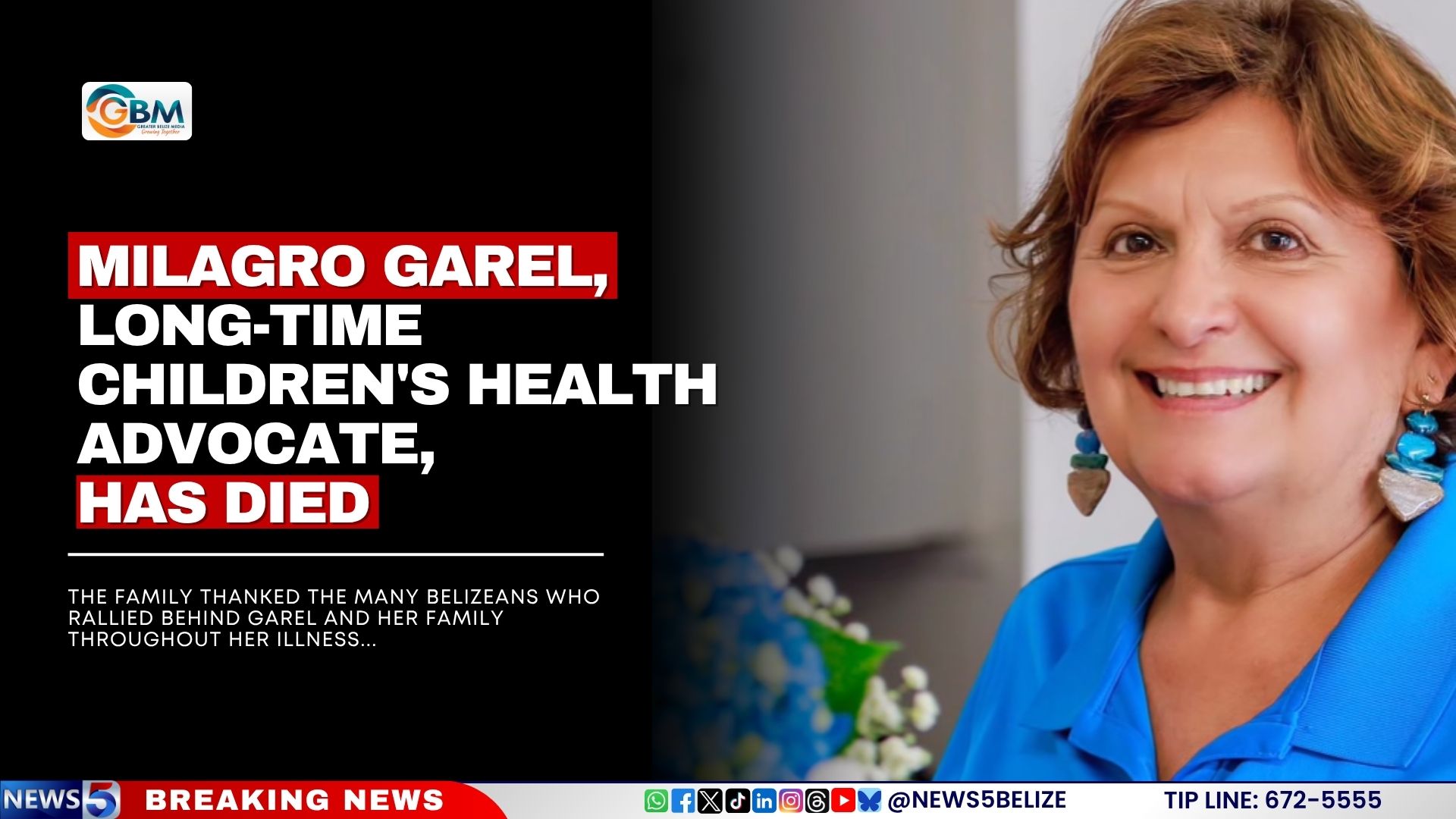
    After a four-week fight for survival following a catastrophic medical event, Milagro Garel — a Belizean healthcare leader who dedicated 20 years to expanding access to life-saving care for children across the nation — has passed away, her family confirmed in a public statement this week.

    Garel, who served as country director for the global non-profit World Pediatrics in Belize, died peacefully on August 31, surrounded by immediate family members who had gathered to support her. Her family shared in the statement: “It is with broken hearts that we share that our beloved Milagro passed away peacefully this afternoon, surrounded by love.”

    The health crisis that led to Garel’s death began on July 28, when she suffered a ruptured cerebral aneurysm, a life-threatening vascular condition with high mortality rates. Medical teams first stabilized her at a local hospital in Belize, before she was urgently air-evacuated to a specialized medical facility in Guatemala to undergo high-risk brain surgery. For the following weeks, she remained in intensive care, as her husband Joe Garel kept the public updated on her condition, documenting small encouraging milestones as she slowly regained consciousness.

    Garel’s family expressed deep gratitude to the thousands of Belizean community members who mobilized to support her during her illness. Local residents launched widespread fundraising campaigns that covered the full cost of Garel’s emergency transport, surgery, and extended intensive care, expenses that were estimated to fall between $95,000 and $140,000. “For more than a month, so many of you hoped with us, supported us and walked beside Milagro and her family through every step of this difficult journey. Today, we simply say thank you for the tremendous love you have shown her and her family,” the statement read.

    For more than two decades, Garel built her legacy as one of Belize’s most prominent children’s health advocates, working alongside World Pediatrics, Friends of Paediatrics, and a network of local community organizations to connect low-income and marginalized Belizean children with medical and surgical interventions that would otherwise be unaffordable or inaccessible. Through her decades of outreach and program building, she helped thousands of families access care that saved their children’s lives, leaving an enduring mark on Belize’s pediatric healthcare landscape.

    In closing their announcement, Garel’s family paid tribute to the compassionate leader whose work transformed countless lives across the country. “Your beautiful smile, your incredible spirit and the light you brought into so many lives will remain with us forever. Rest peacefully, Milagro. Until we meet again.”

  • Math everywhere, students told

    Math everywhere, students told

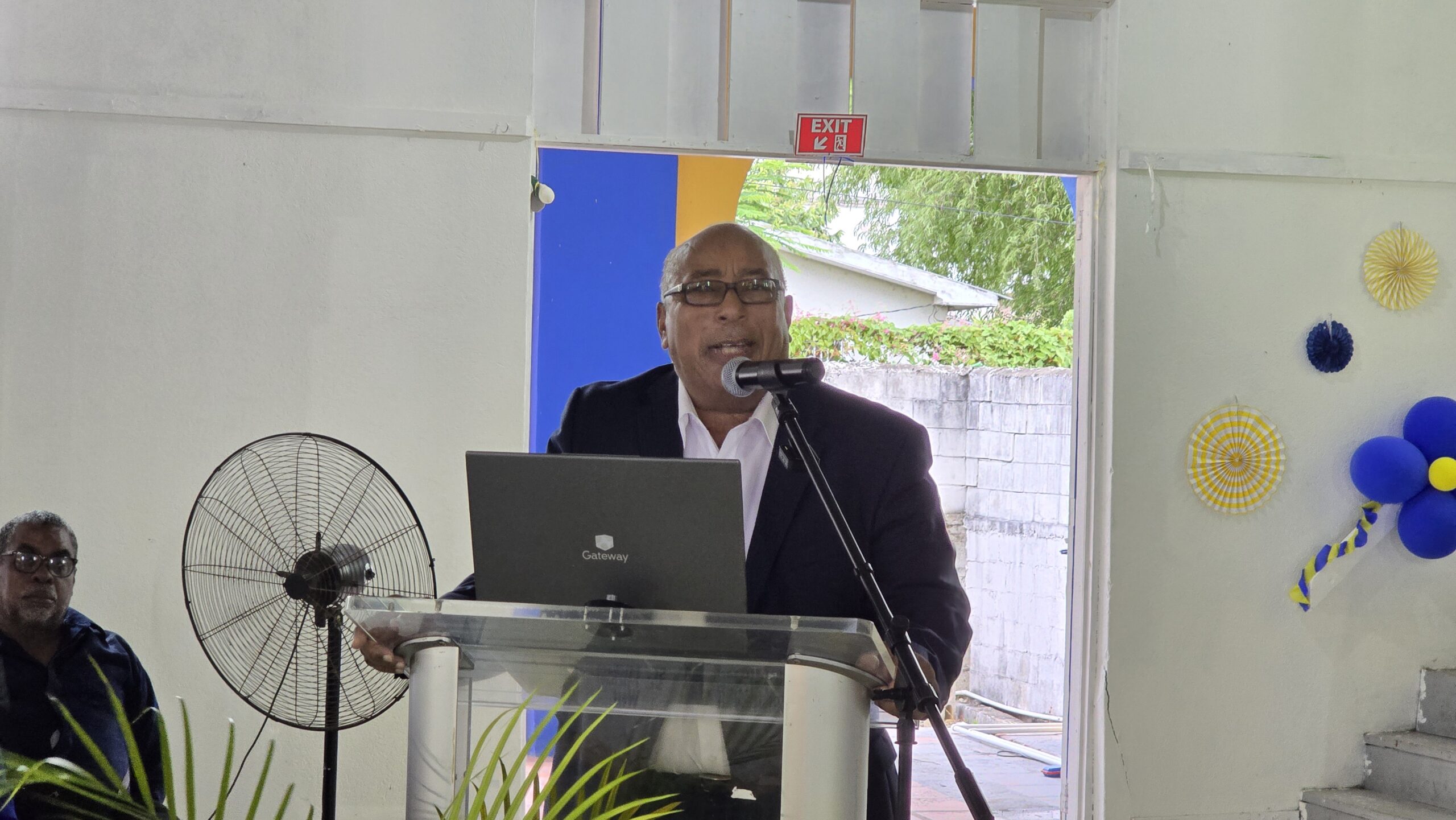
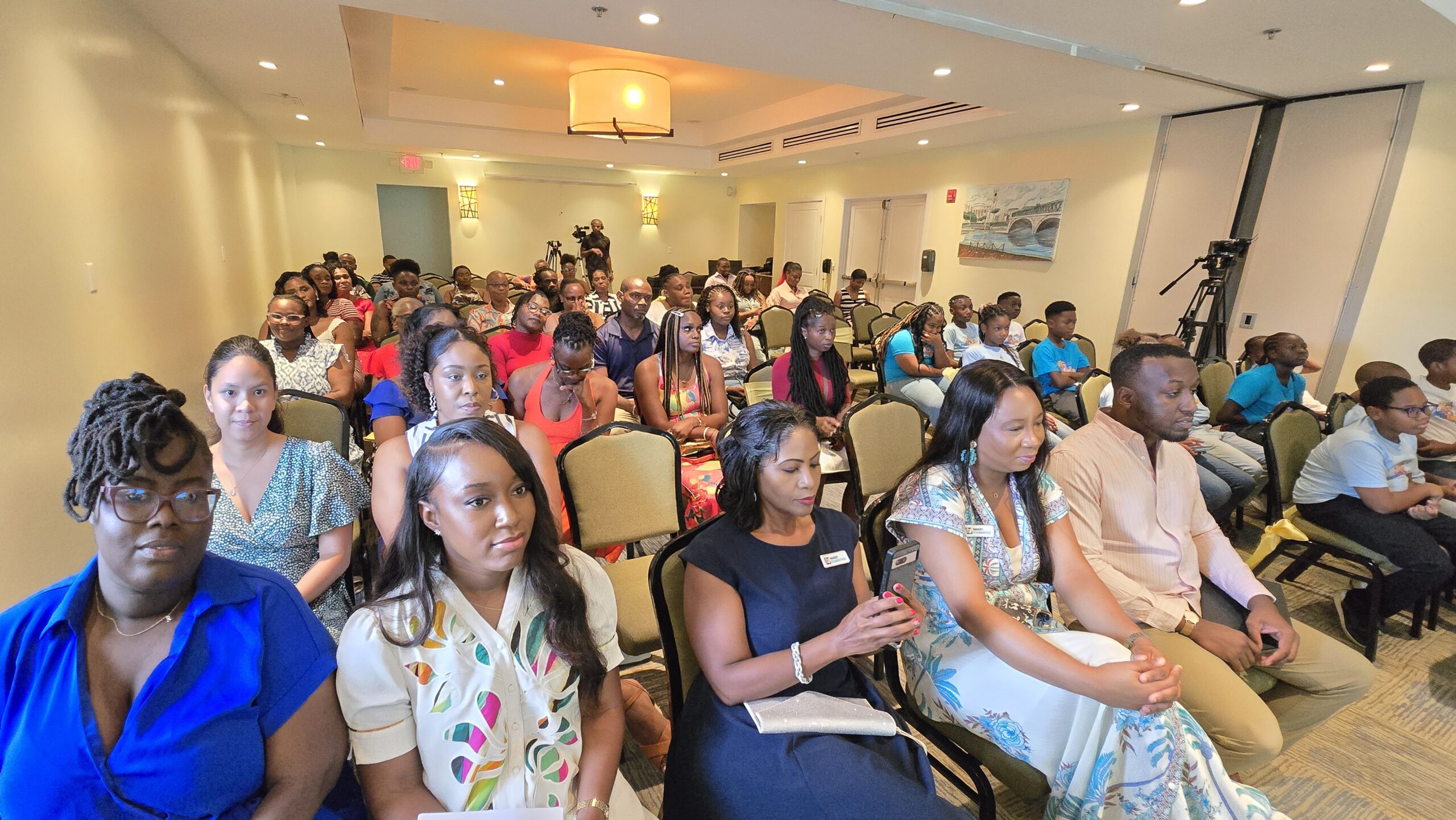
    At Sunday’s graduation ceremony for participants of this year’s Jaycees Barbados Math Fanatics initiative held at Courtyard by Marriott, former Jaycees president Sheldon Marshall delivered a powerful call to students: reframe your understanding of mathematics and see it woven into the fabric of your everyday routines. Marshall challenged the common misconception that math exists only as abstract numbers, formulas, and chalkboard problems, pushing attendees to rethink how they interact with the subject beyond the classroom walls.

    “Math is not just numbers. It is not just equations scribbled by a teacher that you are expected to decode on the spot,” Marshall explained. He emphasized that mathematics is far broader than most students assume, encompassing pattern recognition, logical reasoning, strategic planning, measurement, and problem-solving that people rely on every single day. To make his point tangible, Marshall used relatable, everyday scenarios that resonate with young people, from grocery shopping to video gaming, social media, and even the beloved local sport of cricket.

    Take a common errand, for example: if a student is given $20 to buy a $13 item, calculating the correct change is an act of mathematics. “We all check our receipts, we all count our change after a purchase – that is math in action,” Marshall noted. He also pointed to the hidden math behind popular youth pastimes: when playing video games, players constantly track in-game coins, health points, overall scores, percentage boosts, and the number of points required to unlock the next level. “Trying to level up, monitoring your progress, recalculating your standing based on time and scores – that is all math, and every player does it without even thinking about it,” he added.

    Rashaunda Cave-Brathwaite, chairperson of the Math Fanatics project, shared striking observations of personal transformation among participating students over the course of the programme. Echoing Marshall’s perspective, she noted that the initiative was never focused solely on test results, percentages, or mastering standard equations. Instead, it centered on changing student attitudes toward math, a shift made possible by the programme’s dedicated volunteer tutors.

    Cave-Brathwaite explained that tutors gave up their Saturdays for more than 12 weeks across seven programme locations, investing time to design engaging lessons, work through tricky problems one-on-one, review assignments, and develop creative approaches to make math feel approachable rather than intimidating. The success of the programme, she argued, shows up far more in personal growth than it does in grades. “We watched students grow more confident in their abilities. We saw them get comfortable taking on challenging problems they would have avoided before. We watched them discover they were capable of far more than they ever believed,” she said. By the end of the programme, students participated more openly in activities and approached problem-solving with a new sense of assurance. “Perhaps most importantly, so many of them no longer see mathematics as something to be afraid of,” she added.

    The Massy Foundation, which has partnered with Jaycees Barbados on the Math Fanatics programme for four straight years, affirmed the initiative’s impact. A foundation representative noted that the programme’s outcomes highlight how targeted, community-led educational support can drive meaningful change for young people. Alongside building confidence in mathematical ability, the programme has also delivered measurable improvements in students’ academic math scores, the representative confirmed.

  • Rootz Krokus presents “Out of the Krokus Bag” during Antigua and Barbuda Art Week 2026

    Rootz Krokus presents “Out of the Krokus Bag” during Antigua and Barbuda Art Week 2026

    Four Antiguan creators who built their careers and lives across different parts of the world are coming home to launch a groundbreaking multidisciplinary arts collective, centered on reanimating ancestral memory for contemporary Caribbean communities. Named Rootz Krokus, the collective brings together artists Afreekan Southwell, Iyaba Ibo Mandingo, Makŏ S. Williams, and Zucan Bandélé for their official debut, headlined by the immersive eight-day event *Out of the Krokus Bag*, running November 11–18, 2026 as a centerpiece of Antigua and Barbuda Art Week 2026. The event is hosted by St. John’s Makŏ Fine Art Gallery on Cross Street.

    Each of the four artists brings a unique set of skills, lived experiences, and creative perspectives shaped by years of work outside Antigua, spanning disciplines from painting and sculpture to dance, spoken word, ritual performance, and cultural storytelling. United by the core philosophy “Making Ancestral Memories Meaningful,” the collective explores a timely question: how can connection to ancestral heritage help modern people better understand their current identities and shape their future paths? Instead of erasing individual artistic voices to fit a single collective style, Rootz Krokus intentionally creates space for differing perspectives to interact, challenge one another, and spawn entirely new creative works that no single artist could produce alone.

    The collective draws intentional links between modern daily life in Antigua and enduring ancestral African traditions, which remain woven into the fabric of Caribbean culture through Carnival, masquerade, folklore, rhythm, movement, spiritual practice, and community gatherings. Rejecting the framing of these traditions as static relics of a distant past, Rootz Krokus argues that ancestral knowledge has a vital role to play today, fostering self-acceptance, strong personal and communal identity, and emotional resilience for contemporary Caribbean people.

    As collective members explain, “Rootz Krokus is not just a name. It is a philosophy. We are grounded in ancestral knowledge while looking toward the future. Our work creates space for people to remember, question, celebrate, and rebuild connections to the stories and memories that shaped us.”

    For Art Week 2026, *Out of the Krokus Bag* will reimagine the Makŏ Fine Art Gallery as a dynamic, living creative space, breaking down traditional barriers between art and audience. The packed schedule of daily programming goes far beyond static gallery exhibitions, including live dance and spoken word performances, sculptural painting demonstrations, traditional drumming, interactive mask workshops inspired by Moko Jumbie and Jam Bull traditions, chair yoga and midday meditation sessions, and collaborative community art projects. The full week of events will also feature an opening celebration, open mic nights, live painting sessions, poetry theatre, cultural lectures and conversations, a special project titled *Memories of Wadadli*, and a closing presentation to wrap the gathering.

    At its core, the project is built on a simple but powerful belief: cultural memory is not a passive inheritance passed down through generations. It is a living practice that requires active exploration, deliberate preservation, creative reinterpretation, and intentional sharing with future communities. Rejecting rigid boundaries between artistic disciplines, Rootz Krokus centers collaboration as its core operating principle, allowing each medium—from visual art to performance to storytelling—to shape and respond to the others.

    The 2026 Antigua and Barbuda Art Week marks just the starting point for the collective. Rootz Krokus is already building long-term partnerships with independent artists, cultural institutions, community organizations, independent venues, and creative partners across Antigua and Barbuda and the wider Caribbean region, with plans for future projects and collaborations down the line. The collective extends an open invitation to all members of the public, local and visiting artists, potential collaborators, educators, and cultural partners to attend *Out of the Krokus Bag* and contribute to shaping the collective’s future work.

    A closer look at the four founding members highlights the range of perspectives they bring to the project. Iyaba Ibo Mandingo’s multidisciplinary practice is rooted in spoken word, performance, storytelling, and visual art, drawing on language, rhythm, and lived experience to explore identity, history, collective memory, and the modern Caribbean experience. Afreekan Southwell works across movement, performance, dance, and cultural practice, centering the continued legacy of African and Caribbean traditions through bodily expression, masquerade, rhythm, ritual, and contemporary performance. Makŏ S. Williams, an Antiguan-American multidisciplinary visual artist, maintains a practice spanning painting, mixed media, technology, design, and cultural storytelling; after developing her craft at leading New York institutions including FIT, Empire State University, Teachers College Columbia University, and SVA, she returned to Antigua, where her work now focuses on themes of home, memory, identity, Caribbean landscape, spirituality, and the layered cultural textures of Antiguan life. Rounding out the collective, Zucan Bandélé is an Antiguan artist and storyteller whose work combines visual art, sculpture, and narrative exploration of cultural memory; his research into the ways Caribbean people understand themselves through objects, language, and shared experience was a core inspiration for the *Out of the Krokus Bag* project.

    Bound by their shared Antiguan roots, their journeys away and return home, and their commitment to honoring the past while building for the future, the four artists have built a collective that reimagines what cultural art can do for modern communities.
  • Estwick vows to rebuild DLP as ‘govt-in-waiting’

    Estwick vows to rebuild DLP as ‘govt-in-waiting’

    Following a decisive victory in the Democratic Labour Party (DLP) presidential election held Saturday night at the party’s George Street headquarters during its 71st annual general conference, former cabinet minister Dr. David Estwick has laid out a sweeping vision to overhaul the once-dominant Barbadian political party and reposition it as a ready-to-governing alternative for the country.

    A veteran figure from the DLP’s old guard, who previously held senior cabinet portfolios in agriculture and economic affairs during the Freundel Stuart administration between 2010 and 2018, Estwick immediately signaled a major strategic shift for the party. Instead of continuing the DLP’s history of reactive, opposition-focused criticism of the sitting government, he pledged to prioritize the development and clear presentation of concrete alternative policy platforms to voters.

    Outlining the core challenges the party faces, the new president called for radical, solution-focused internal reform, rejecting the common political practice of scapegoating and commission-led blame assignments. Estwick identified a raft of internal weaknesses that require urgent attention: underdeveloped organizational structures, lagging policy innovation, outdated constituency outreach mechanisms, poor public communication with the Barbadian electorate, inconsistent candidate recruitment pipelines, disconnected engagement with young Barbadians, and a missing organizational culture that prioritizes competence, preparation, discipline and public service.

    “I want to establish a system that finds solutions to the problems facing the party, not commissions that hunt for people to blame,” Estwick stated in his victory address. “The Democratic Labour Party must become a government in waiting, and that will be the guiding principle of my tenure. I bring decades of experience across representative politics, opposition work, and cabinet governance to this task, and I am fully committed to seeing this transformation through.”

    In a push to mend internal party divisions following the leadership contest, Estwick extended an open invitation to members who backed other candidates, emphasizing that no one would be sidelined in his new leadership. “There will be no victors and vanquished here, no hierarchy of first-class and second-class Democrats. We are one Democratic Labour Party, and all personal divisions must be set aside for the good of the Barbadian people,” he said.

    To deliver on his policy-focused promise, Estwick proposed the creation of three dedicated advisory councils focused on distinct policy areas: economic and financial matters, parliamentary and legal affairs, and social development. These specialized bodies will be tasked with researching, analyzing, and drafting alternative policy solutions across a wide range of pressing national issues, from economic growth and investment to the cost of living, taxation, housing, healthcare, education, agriculture and food security, water and energy security, national security, pensions and social protection, youth development, technology and artificial intelligence. Crucially, Estwick stressed that the party would not peddle populist policies that are politically convenient but unworkable for the country.

    A core priority of Estwick’s presidency is nurturing the next generation of DLP leadership. To advance this goal, he announced plans to restart the Sir James Cameron Tudor Institute of Politics within 60 days, a training body designed to equip young party members with practical knowledge of governance, communication, political organizing, and leadership. “We must deliberately cultivate the leaders of tomorrow, and young Democrats must be given meaningful responsibility early in their careers,” Estwick explained. “My presidency should not be judged by the leaders I appoint to senior positions today, but by the new leaders I help create for the party’s future.”

    Looking ahead to the 2026 general election and beyond, Estwick called for the DLP to modernize its infrastructure and communication strategies, investing in professional policy research capacity and youth training frameworks. But he warned against overreliance on digital tools, stressing that grassroots community engagement remains irreplaceable for building trust with voters.

    “Technology is a useful tool, we will use computers and social media to amplify our message, but a computer cannot shake a voter’s hand or look them in the eye,” he noted. “We have to get out into every constituency, knock on every door, and listen to the people of Barbados.”

    Estwick emphasized that rebuilding public trust in the DLP will be a gradual process that cannot be rushed, and that trust can only be earned through consistent action, not empty promises. “Trust is not given freely, it has to be earned through our conduct, the quality of our ideas, how we treat all people, how we hold ourselves accountable in public life, and our willingness to put Barbados’ interests ahead of our own personal political ambitions,” he said.

    He cautioned members that the path to rebuilding will not be quick or easy, and will require widespread sacrifice, collective discipline, and a willingness to abandon outdated political practices that have held the party back. “I will not stand here and tell you rebuilding the DLP is a simple task. It will take time, it will require all of us to sacrifice, to embrace discipline, and to set aside personal ambitions for the greater good of our party and our country. Change means doing things differently than we have before, and all of us must accept that,” Estwick said. He closed by calling on all DLP members to unite behind the plan to build a modern, disciplined, intellectually rigorous, socially responsible party that is truly ready to govern Barbados.

  • DLP rebuild begins as Walters turns focus to Senate

    DLP rebuild begins as Walters turns focus to Senate

    Six months after a historic 30-0 general election wipeout that left the Barbados Labour Party in complete control of the House of Assembly, the opposition Democratic Labour Party (DLP) has entered a new phase of internal restructuring, with key figures outlining clear priorities for rebuilding and reclaiming political relevance.

    Senator Ryan Walters, who stepped into critical interim leadership roles for the DLP in the turbulent aftermath of the February 11 general election defeat, has announced he will step back from party leadership duties to focus exclusively on his Senate mandate. Speaking to reporters Sunday at the DLP’s George Street headquarters, Walters emphasized that the current political landscape leaves the Upper Chamber as the only space for constitutional opposition to the ruling administration, and he is committed to filling that gap.

    Following the February election, constitutional amendments passed by the ruling party eliminated provisions that would allow a lawmaker to cross the floor to form an official opposition bloc in the House of Assembly, leaving no opposition representation in the lower chamber entirely. “Combined with the fact that the constitution has been amended to ensure that there’s no opposition voice downstairs [in the House of Assembly] and that no one crosses the floor to form an opposition and to give another alternative to the people of Barbados against this government, that is where my focus is right now,” Walters explained.

    “My new mandate is to serve as an opposition senator in the Senate, given that no party outside the Barbados Labour Party won a single seat in the House of Assembly. That is where my focus will be for the time being, and I want to just focus on sitting down and doing an exceptional job in that role,” he added.

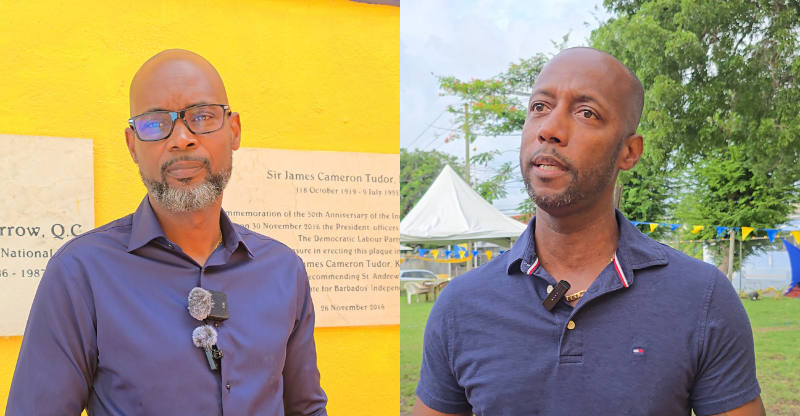
    Walters used the press opportunity to congratulate all DLP candidates who stood in the February election, highlighting several newer political newcomers who exceeded expectations in their campaigns. He specifically called out Ian Griffith, Simon Clarke, and newly appointed DLP General Secretary Corey Greenidge, noting that the three ran strong, well-received campaigns that resonated with Barbadian voters. He also encouraged other candidates, including Pedro Greaves, who ran in the St James South constituency, to play an active role in the party’s rebuilding process.

    A member of the DLP executive since 2019 who has held multiple senior leadership positions within the party, Walters reaffirmed his unwavering commitment to the DLP and called for unity among party members as the restructuring process gets underway. “I continue to be committed to the Democratic Labour Party as I have been, and I look forward for us pulling together,” he said. “It’s early days yet — it’s just been six months after the general election. I ask Barbadians to be patient if they are not seeing all of the changes that they want to see; I am sure that in the years to come, there will be more changes and more evolutions as we rebuild the party. If we build a strong party, it will become a political force to be reckoned with.”

    Newly elected General Secretary Corey Greenidge, for his part, laid out his own immediate priorities, centered on grassroots rebuilding and reconnecting the DLP with ordinary Barbadians. Greenidge called his election to the top administrative post of the party a “very humbling experience” and acknowledged that the DLP faces a steep road to recovery, with significant work ahead both internally and in its efforts to earn back the trust of voters.

    “We’re ready. We’re willing to roll our sleeves up and get to work branch by branch to show Barbados that the Democratic Labour Party is one united force prepared to serve the needs of the Barbadian people,” Greenidge said.

    He confirmed that targeted membership drives will be a core pillar of his early tenure, an open acknowledgment that DLP membership numbers have declined steadily over recent years. “We know it’s not a secret that a lot of our membership has fallen off over the years. So we’re going to be concentrating heavily on being in the community, meeting the people, encouraging persons who want to be part of the Democratic Labour Party to join us,” he explained.

    Greenidge also pushed back on what he described as a culture of self-censorship among Barbadians who disagree with the Mia Mottley-led administration. “We are now in an environment where Barbadians are afraid to speak out. We are afraid to declare that we are not happy with what’s happening under the current government,” he said. “One of the things that we want to reassure Barbadians of is that this is an opportunity and this is the time to take a position.”

    Stressing that the DLP’s elected representatives must center public service over personal gain, Greenidge added: “Because at the end of the day, we as politicians are here to serve the people. We are not here to serve our own interests.”

    Greenidge outlined his first order of business: traveling across Barbados to engage with local communities, listen to residents’ concerns, and revitalize dormant local party branches. He also extended an open invitation to former DLP members to rejoin the rebuilding effort, urging past party members to set aside internal differences to work toward a common goal of serving the Barbadian people.

  • Trio charged with attempting to rob CH&PA official, two also on gun, ammo charges

    Trio charged with attempting to rob CH&PA official, two also on gun, ammo charges

    In a recent court proceeding held on Monday, three Guyanese men accused of plotting to rob a senior official with the Central Housing and Planning Authority (CH&PA) were ordered to remain in custody after bail was denied, according to an official statement from the Guyana Police Force.

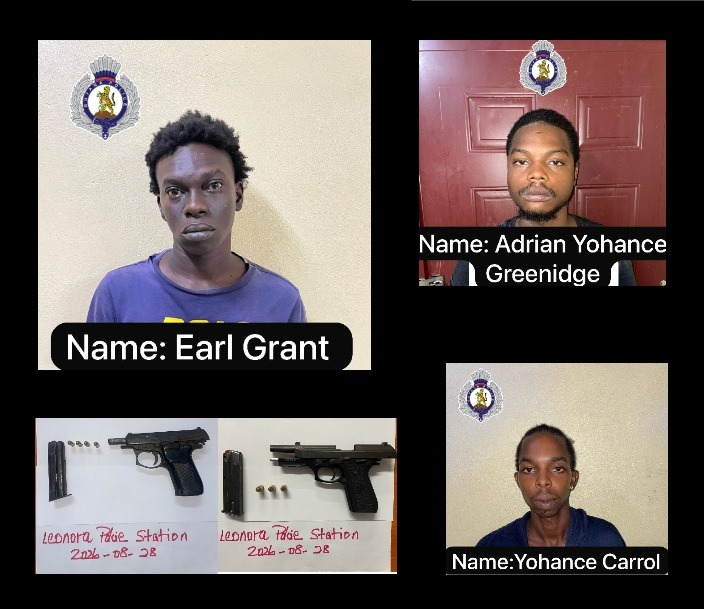
    The three defendants have been identified as Yohance Carroll, 22, an unemployed resident of Georgetown’s Tucville Squatting Area; Earl Grant, 23, a Tucville-based labourer; and Adrian Greenidge, 23, a security guard residing in Georgetown’s Cane View Squatting Area. All three face joint charges of attempted robbery connected to the August 28 incident. In addition to the attempted robbery count, both Greenidge and Grant face separate charges of illegal firearm possession, law enforcement officials confirmed.

    The alleged plot unfolded at approximately 6:45 a.m. on August 28 in the Tuschen New Housing Scheme, located along Guyana’s East Bank Essequibo. The target of the attempted robbery was the 42-year-old CH&PA Director of Projects, who gave a detailed account to investigating officers after the incident.

    The victim told police he had just stepped out of his home’s western entrance to dispose of household trash. After returning indoors and securing the door, he retreated to his bedroom and checked his residential security system, where he spotted four masked men entering his property. The victim watched as the group approached the locked western door and attempted to force it open, and immediately contacted local law enforcement to report the break-in attempt.

    Acting swiftly on the victim’s report, police units intercepted three of the four suspects at Fisher Dam in Zeelugt, East Bank Essequibo, not long after the attempted incident. During a systematic search of the detained men, officers found an unlicensed black firearm loaded with three matching rounds of ammunition hidden in a haversack carried by one suspect. A second search uncovered a second unlicensed firearm, also loaded with three matching rounds, concealed on the person of the second 23-year-old suspect.

    Magistrate Omadatt Chandan of the Leonora Court formally read all charges against the three defendants on Monday. Under Guyanese criminal procedure, the men were not required to enter a plea at this stage of the proceedings, and were immediately remanded to state prison. The case has been adjourned for a next hearing scheduled for October 9, 2026.

  • Two Detained After Double Murder in Santa Elena

    Two Detained After Double Murder in Santa Elena

    A shocking broad-daylight shooting has shaken the community of Santa Elena, leaving two men dead and triggering an immediate manhunt that has resulted in two detentions, law enforcement officials confirmed. The brazen attack unfolded just before midday on Saturday, August 29, in a residential area along George Price Avenue.

    The two victims have been identified as 35-year-old Rasheed Hyde, a resident of Georgeville, and 36-year-old Gil Pineda, who called Dangriga home. According to Assistant Superintendent of Police Stacy Smith, the pair were standing in front of a private residence when a gunman inside a passing Nissan Rogue opened fire. Both men were struck by gunfire and rushed to the nearby Western Regional Hospital for emergency care. Hyde did not survive his wounds and died shortly after arriving at the medical facility, while Pineda succumbed to his injuries the following day, Sunday.

    Hyde’s aunt, Andrea Westby, shared details of her last encounter with her nephew, saying she had spoken to him around 11 a.m. that same Saturday while he was working at a local car wash. Less than 60 minutes later, the family received the devastating news that he had been shot and hospitalized. Westby told reporters that in recent years, Hyde had turned his life around, built a stable life with his wife and two children, and earned an honest living through farming and pig breeding. A lover of animals and horses, he had been looking forward to taking part in the country’s upcoming September national celebrations, including riding in the planned holiday parade. For the grieving family, the only hope now is that investigators will identify and prosecute those responsible, Westby said: “We just hope that they would find out the who, and we get some kind of justice.”

    What makes the incident even more disturbing for local leaders is the timing: the shooting occurred on the exact same day that hundreds of Santa Elena residents joined a Peace Walk organized to push back against rising violent crime across the municipality. Earl Trapp, mayor of the combined San Ignacio and Santa Elena municipality, said the double murder has left the community deeply concerned, as the area has long been considered one of the safest in the nation. Trapp suggested the violence may stem from conflicts that extend beyond local control, but called on national law enforcement agencies to take more aggressive action to curb bloodshed. “I would hope that the relevant authorities, which is more the police department, security, would take some harder actions because I think everything trickles down,” he explained.

    Beyond calling for stronger law enforcement action, Trapp urged local residents and business owners to play a more active role in supporting criminal investigations, including voluntarily providing surveillance footage to police when requested. He added that alongside the police-led Peace Walk, the Santa Elena Town Council has planned a community-wide day of prayer to bring residents together and collective call for a safer, more peaceful future for the municipality. As of Monday, law enforcement officials have impounded the Nissan Rogue linked to the shooting and are continuing their inquiry into the motive and circumstances of the attack.

  • Barbados eyes pickleball partnership to take road tennis worldwide

    Barbados eyes pickleball partnership to take road tennis worldwide

    The Caribbean island nation of Barbados is charting an ambitious new course for domestic sports development, forging a landmark partnership with the United States-based Ultimate Pickleball League (UPL) that seeks to position the country as the leading regional hub for pickleball while supercharging the global expansion of its homegrown road tennis.

  • PM Browne to meet King Charles at Buckingham Palace ahead of Antigua and Barbuda CHOGM

    PM Browne to meet King Charles at Buckingham Palace ahead of Antigua and Barbuda CHOGM

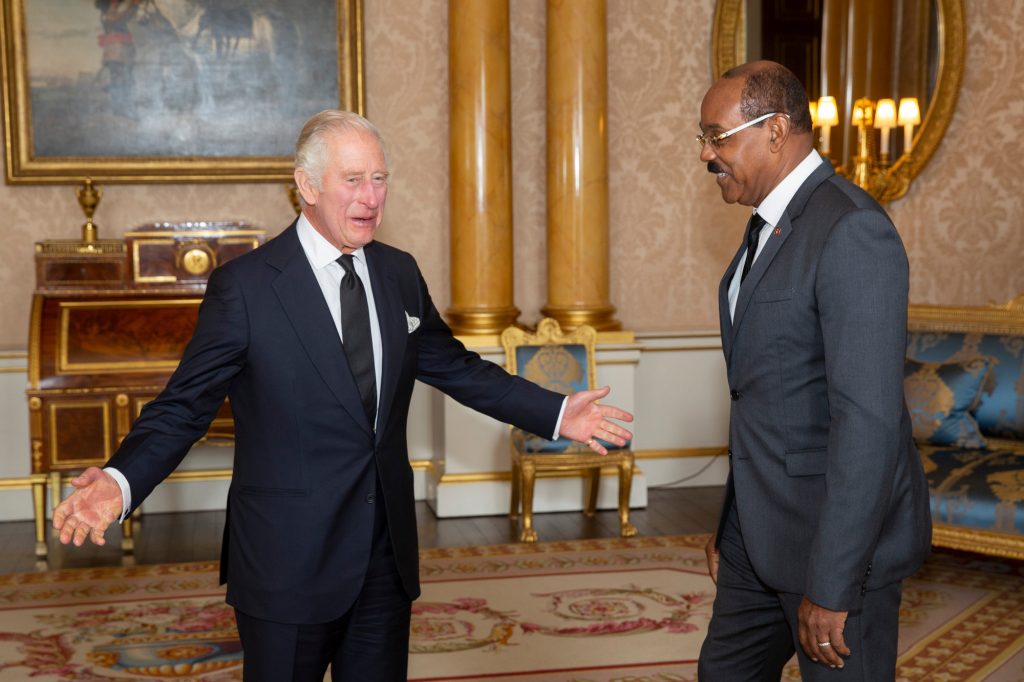
    Antigua and Barbuda Prime Minister Gaston Browne has announced that he has received a formal invitation to meet with King Charles III at Buckingham Palace in the coming weeks, in an appearance on the Browne and Browne Show aired by private broadcaster PBN this past Saturday.

    According to Browne, the scheduled meeting between the Caribbean nation’s leader and the British monarch will be held well in advance of the 2026 Commonwealth Heads of Government Meeting (CHOGM), an international summit that Antigua and Barbuda has been selected to host in November of that year. The King and Queen Camilla are already slated to travel to Antigua and Barbuda between October 27 and November 4, 2026, as part of a broader three-country tour of the Caribbean region. Their visit to the host nation will align perfectly with the dates of the 2026 CHOGM.

    The upcoming regional tour will also include a royal visit to the Bahamas and an official state visit to Guyana, marking another significant stop on King Charles’ engagements across Commonwealth nations.

    Notably, Prime Minister Browne clarified that constitutional reform and the potential transition of Antigua and Barbuda from a constitutional monarchy to a republic will not be on the agenda for his upcoming meeting with the King. He emphasized that any major decision on changing the country’s governing constitutional framework will require extensive public consultation first. The Antigua and Barbuda government will not move forward with any process of constitutional transition until it has clearly established that the country’s citizens are fully ready for such a change, he added.

  • First group of third-country nationals to arrive in Saint Lucia this week

    First group of third-country nationals to arrive in Saint Lucia this week

    The Caribbean island nation of Saint Lucia is preparing to welcome its inaugural cohort of third-country nationals transferred from the United States this week, launching a groundbreaking new bilateral arrangement that will cap incoming transfers at 10 individuals every quarter for an initial two-year trial period.

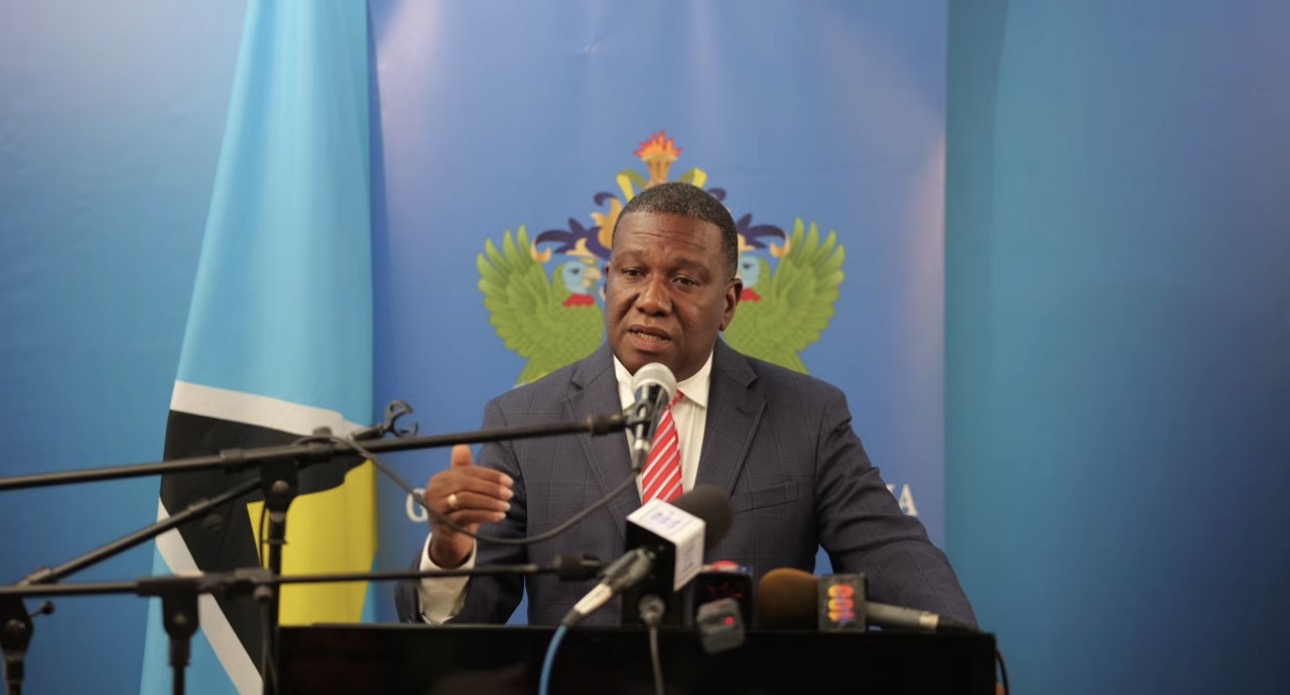
    The first group set to arrive includes six people: five men and one woman. During a press briefing addressing public questions about the program’s structure and the future of transferred individuals after their arrival, Foreign Affairs Minister Alva Baptiste confirmed that U.S. personnel will accompany the first group during the transfer process.

    Discussions around the arrangement first began between the two governments last year, with negotiations centered on aligning the scope of the program with Saint Lucia’s limited geographic size and available national resources. Baptiste noted that the talks stretched over an extended period as both parties worked to find a framework that worked for the small island nation. “There was a long gestation period where we were discussing with the United States of America what we can afford to do and what we cannot afford to do,” he said. “And in the spirit of partnership, we finally came to an agreement as to what the government in its soundness of judgement believed that it can manage.”

    The hard cap of 10 quarterly transfers will remain in place regardless of family grouping, meaning even a single family of 10 or two smaller families of five will not push past the established limit. “The quantum is 10. Whether it’s a family of 10 or, you know, two families of five, but 10 per quarter,” Baptiste confirmed.

    Framed as a pilot initiative, the two-year runtime will allow the Saint Lucian government to evaluate the program’s on-the-ground impact and practical functionality before making any long-term decisions about its future. However, the imminent arrival of the first group has sparked widespread public questions around unaddressed details, including housing arrangements, long-term immigration status, and the possibility of transferred individuals permanently settling on the island.

    Baptiste has firmly ruled out detaining individuals solely because they are transferred under the program, emphasizing that all people entering Saint Lucia through this initiative will be treated with dignity. “No, we cannot treat them as if they’re prisoners. We are going to receive them and treat them with respect. The same respect that we expect people from other countries to treat our people when our people go to them,” he said.

    Upon arrival, the first group of transfers will coordinate with the International Organisation for Migration (IOM) for support, while a multi-agency committee drawing representatives from the Ministry of External Affairs, the national immigration department and other relevant government bodies is managing all local logistics for the program.

    Key questions around long-term stays remain unresolved. Baptiste acknowledged that if any transferred individual chooses to remain in Saint Lucia beyond the program’s initial terms, the government will need to negotiate new solutions to address that scenario. “If at all anybody decides to stay, then this is a new conversation that we will have as to how we go about navigating that particular challenge,” he said.

    Legal status for new arrivals is another outstanding policy issue the government is still developing. Baptiste explained that special regulatory dispensation will be required for participants, and targeted policy adjustments are being drafted to ensure the program operates in full compliance with existing Saint Lucian law. “This is all new to us. And we are going to grapple with it,” he said. “And we are not going to be secretive about that situation at all.”

    Financial terms of the bilateral arrangement also remain under negotiation. The Saint Lucian government has already submitted its formal request for U.S. financial support to cover program implementation costs, but Baptiste declined to share the specific amount the nation has requested. “We have communicated the financial requirements to the United States of America in terms of us implementing that particular programme. So it’s premature to say to you that it’s not going to cost or it’s going to cost X or Y or Z,” he noted.

    Baptiste emphasized that the government has been fully transparent with U.S. officials about Saint Lucia’s existing fiscal constraints, and stressed that funding for the pilot program will not divert resources from existing public programs that serve native Saint Lucians. Describing the initiative once more, he said, “It’s almost a pilot project for us.” Going forward, the government plans to release regular public updates as it gathers more experience with the program’s implementation.