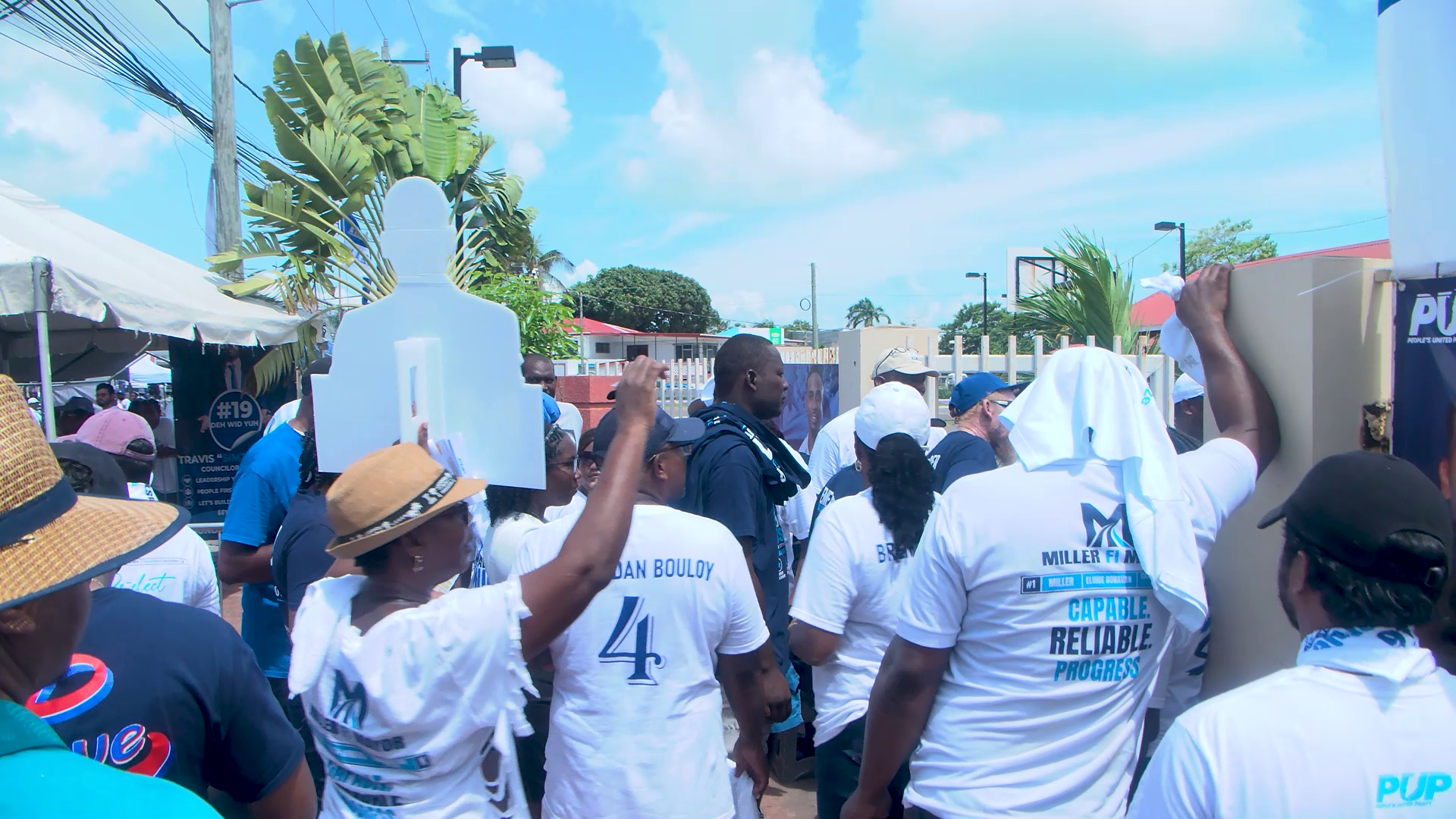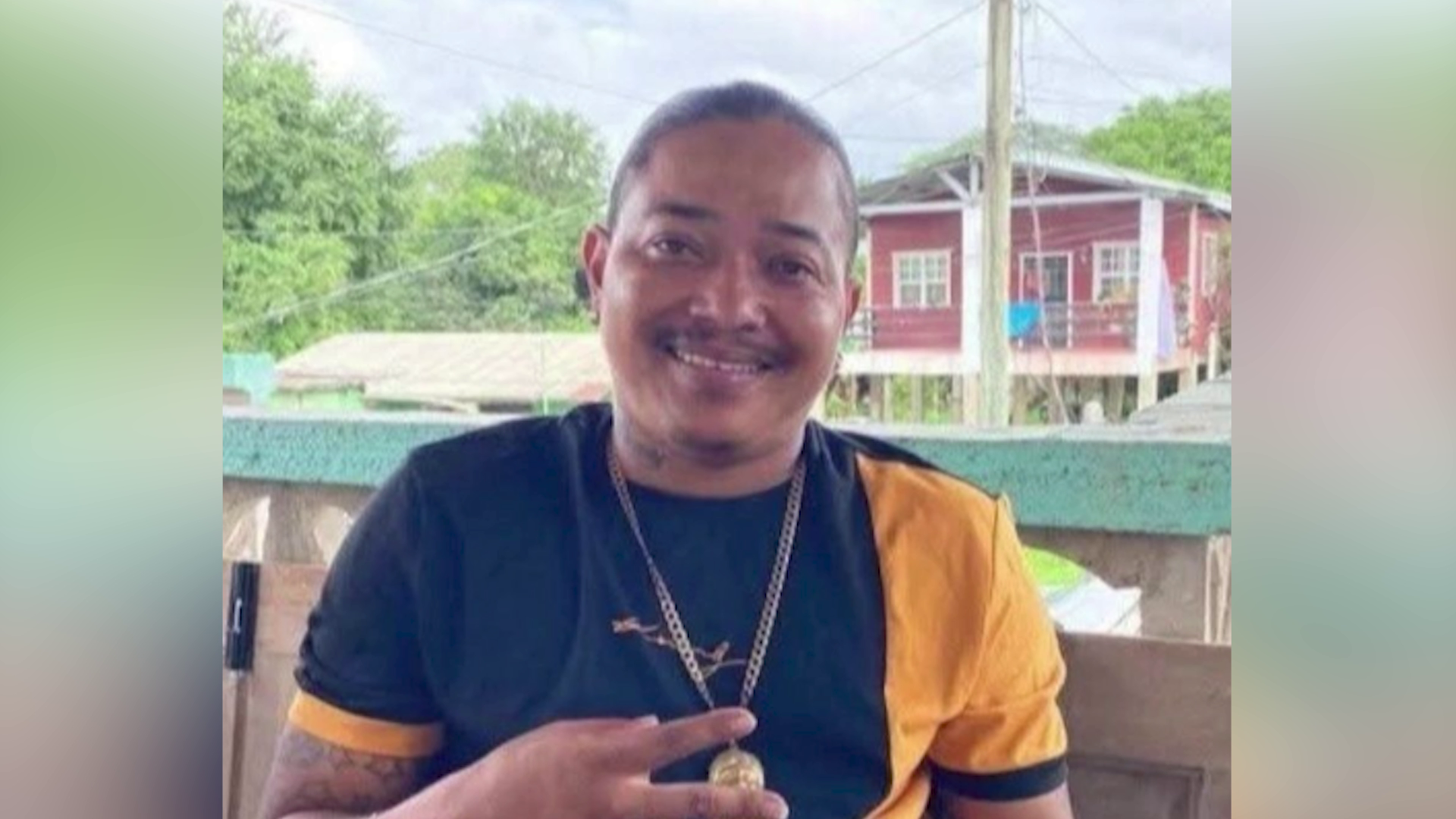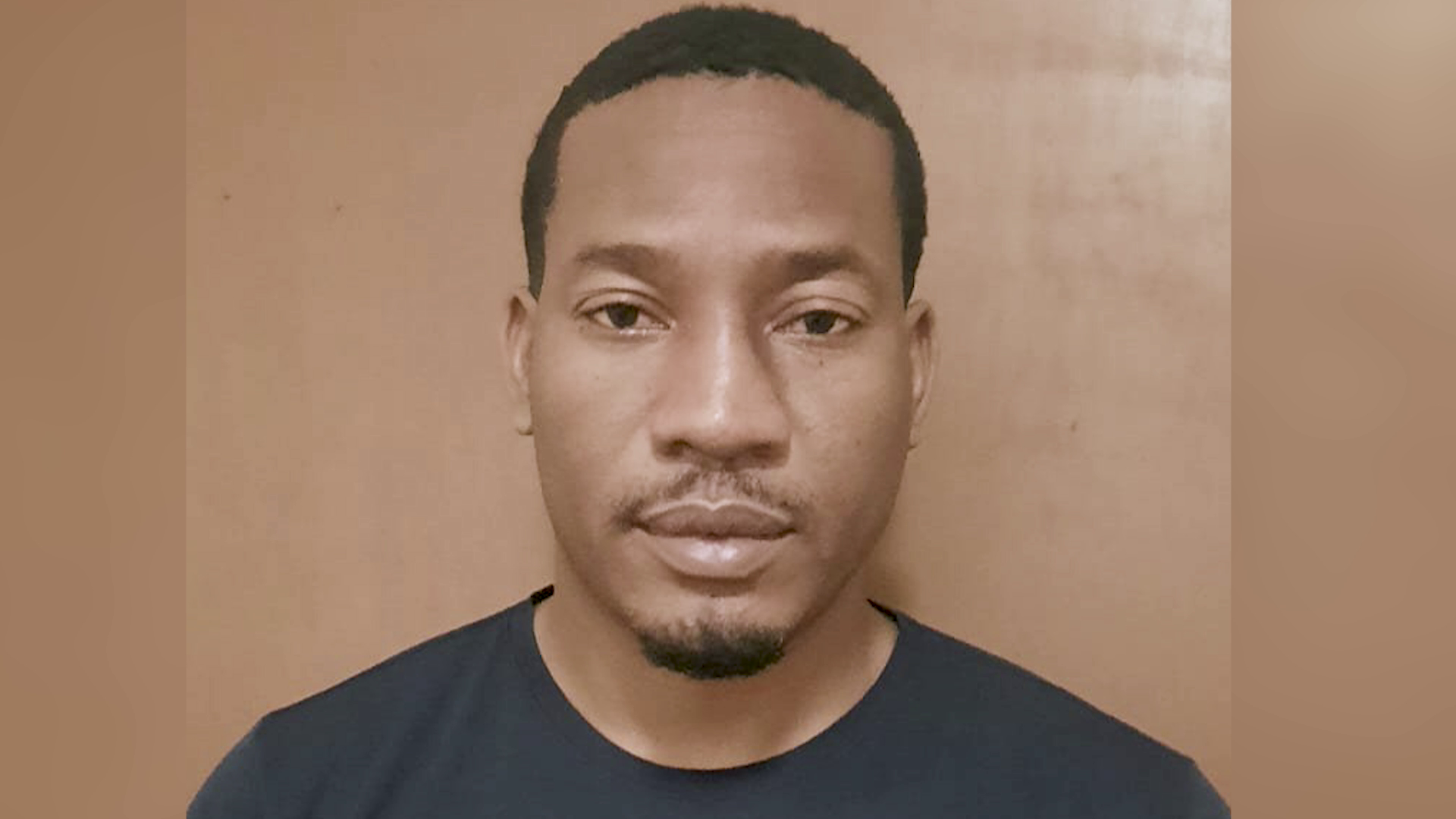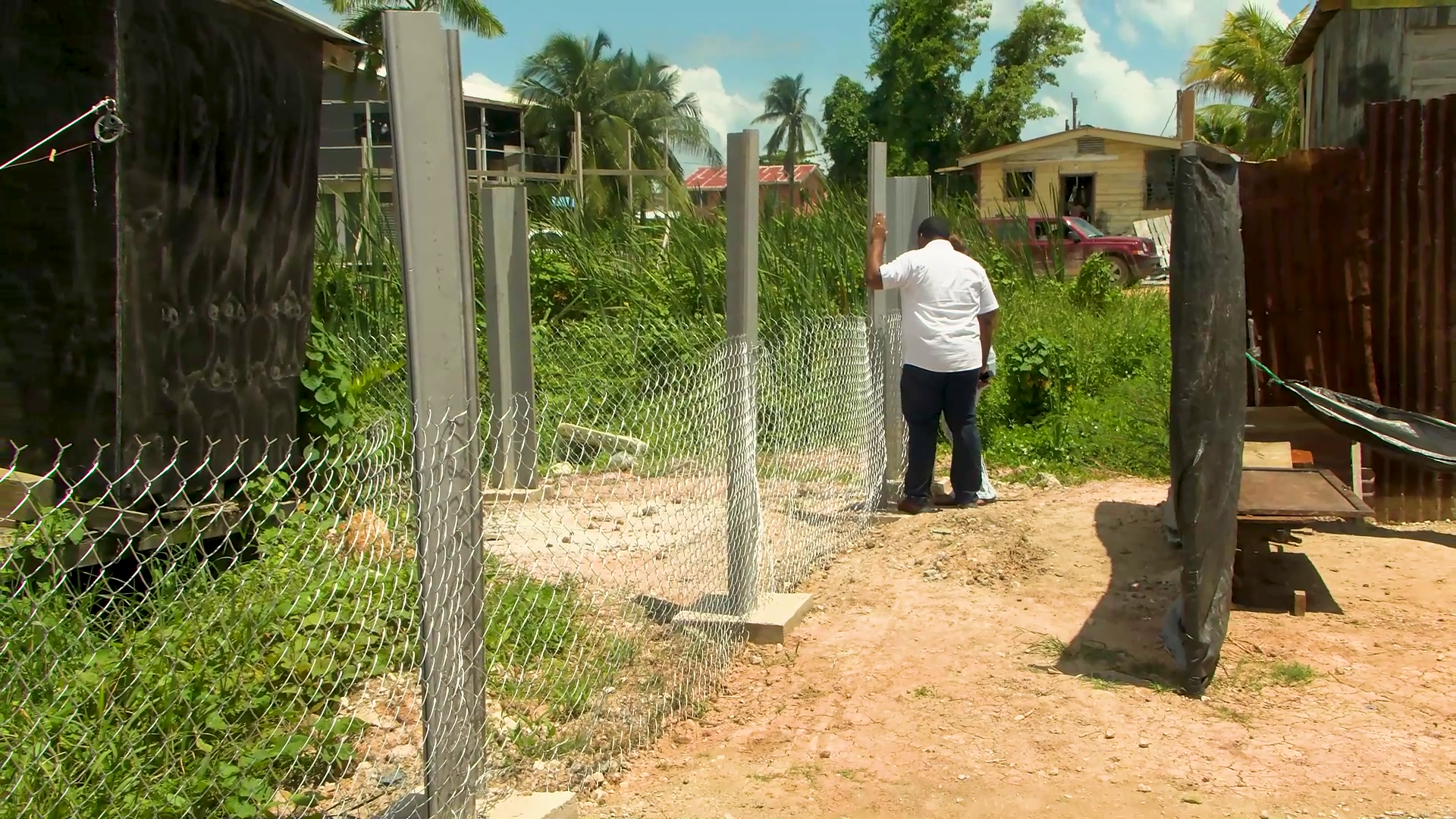
A political controversy in Belize has erupted into a heated debate over free speech and gender equity after Miss Universe Belize Isabella Zabaneh faced widespread public pushback for her comments on a high-stakes government procurement scandal tagged the “Mira Millions” case.\n\nZabaneh shared her unfiltered views on the controversy during the People’s United Party (PUP) National Party Council meeting held in Dangriga over the weekend, putting herself at the center of a growing national debate. At the heart of the scandal is a $10,000 procurement threshold that senior government officials have flagged as a tool to bypass formal treasury oversight.\n\nIn her remarks, Zabaneh argued that the long-standing $10,000 threshold is outdated, noting that while the limit may have made sense three decades ago, it currently places unnecessary administrative burdens on the office of the financial secretary and amounts to excessive top-down micromanagement across all levels of government. Her comments align with observations from Financial Secretary Joseph Waight, who previously labeled the repeated pattern of processing payments just under the $10,000 threshold tied to Minister Oscar Mira’s family as suspicious, with clear indications of willful intent to dodge official oversight.\n\nIn the wake of Zabaneh’s comments, a wave of public criticism circulated across social media platforms. But the PUP’s United Women’s Group (UWG) has stepped forward forcefully to defend the beauty queen and political commentator, dismissing the public criticism as a “malicious backlash” that targets a young woman’s fundamental right to engage in political discourse.\n\n“It is profoundly disheartening to witness the malicious backlash directed at Ms. Isabella Zabaneh,” the UWG said in an official statement. “Such attacks are precisely why young females, and women in general, are often wary of entering the political arena.” The group added that it unequivocally condemns all attempts to silence a young, articulate female voice contributing to national political conversation.\n\nCritics pushed back against the UWG’s framing, however, taking to Facebook to clarify that their scrutiny of Zabaneh has nothing to do with her gender. Online commentators emphasized that their criticism centers exclusively on her stance regarding the controversial threshold, which remains at the core of the unfolding “Mira Millions” corruption investigation. The debate has now drawn new attention to both the procurement scandal and the ongoing challenges women face when entering political spaces in Belize.
作者: admin
-

Cuba Battles Nationwide Blackout as US Pressure on Fuel Supplies Persists
On a Monday in July 2026, Cuba entered an unprecedented national crisis when its entire interconnected power grid shut down completely. This total collapse amplified the long-simmering energy crisis that Cuban authorities have repeatedly pinned on sustained pressure from the United States, which has targeted the island nation’s fuel import networks for years.
Cuba’s Ministry of Energy and Mines officially confirmed the full grid failure on Monday morning. Energy Minister Vicente de la O Levy released a statement confirming that utility teams had immediately activated emergency backup power generators to maintain critical operations for hospitals, water treatment facilities, government communication hubs and other essential services while repair crews worked to restore the system. As of Tuesday, gradual restoration efforts were underway across the country, with the capital Havana’s main utility provider reporting that approximately 33 percent of customers in the city had regained access to electricity.
Officials have not yet released a final determination on the root cause of the collapse, with investigations still ongoing. Even so, the incident is far from unprecedented for Cuba, which has grappled with rolling blackouts and full-grid failures for years. Two core challenges have fueled the ongoing crisis: decades of aging power generation and transmission infrastructure that has not received sufficient upgrades to meet growing domestic demand, and intensifying U.S. pressure that has cut off most of the country’s regular oil shipments.
The crisis reached a similar breaking point earlier this year, when two separate nationwide blackouts hit the island within the span of a single week in March 2026. Cuban President Miguel Díaz-Canel publicly addressed the collapse via the social platform X on Monday, leveling a sharp accusation against Washington: he claimed the U.S. is deliberately attempting to force a “social explosion through asphyxiation” by strangling the country’s energy supplies.
The ripple effects of the chronic energy shortage have already devastated key sectors of Cuban society. Public schools have faced repeated closures, public transportation systems have been grounded or scaled back dramatically, and hospitals have struggled to maintain care for patients with reduced access to power for medical equipment. On top of the energy pressure, broad U.S. economic sanctions have dragged down overall economic performance and sharply reduced international tourism, a critical source of revenue for the Cuban government.
For its part, the U.S. government has framed its pressure campaign as an effort to push Cuban leaders to relax centralized political control over the economy and open the country to increased foreign direct investment. Last month, Cuba’s National Assembly passed a sweeping package of economic reforms aimed at stabilizing the country’s struggling economy. Cuban Foreign Trade Minister emphasized that the reforms were not a reactive concession to outside pressure, but a domestically driven adjustment to address economic challenges. A spokesperson for the U.S. State Department quickly pushed back on the reforms, dismissing them as superficial changes that were long overdue.
-

Dominica names senior men’s team for historic FIBA AmeriCup Caribbean Pre-Qualifiers debut
After a decade of steady grassroots growth, Caribbean island nation Dominica is poised to reach a new landmark in its basketball development: the Dominica Basketball Association (DABA) has officially unveiled the 12-member senior men’s national delegation that will make history as the country’s first senior squad to compete in an official International Basketball Federation (FIBA) tournament at the 2029 AmeriCup Caribbean Pre-Qualifiers.
Dominica’s only prior appearance in any FIBA-sanctioned competition dates back to 2016, when a junior national side took the international court. A full 10 years of incremental progress later, the country’s top senior players will get their first chance to compete on FIBA’s global stage, a milestone that DABA frames as a transformative leap forward for the sport across the island.
For the selected athletes and coaching staff, the pre-qualifier tournament offers far more than just a chance to win games. DABA’s official announcement emphasizes that the international exposure gained from competing against other Caribbean and Atlantic national sides will strengthen the entire national basketball program. It will also create a clearer, more robust development pipeline for young domestic talent aiming to represent Dominica in future international competitions, laying the groundwork for long-term growth of the sport.
The association extended public gratitude to the Dominica Olympic Committee, whose critical financial and logistical support made the team’s historic participation possible. Without the committee’s backing, the milestone debut would not have been achievable, DABA noted.
Leading the delegation is head coach Donnie Robinson, supported by assistant coaches Abdulaziz Sanderson and Yannick Regis. Curlyn Luke will serve as team manager to handle off-court operations, while Carl Munro will fill the role of team physician to care for players’ health throughout the tournament. Dr. Darroux PSC Falcons standout Kijuan Thomas has been appointed team captain to lead the 12-man squad on and off the court.
The full roster, pulled from top domestic club teams across Dominica, includes: Andell Olivacce and Jacob Barry of the Happi 767 Sports Club Dominators; Ethan Boland of Marigot Sunrise; Jaiden Scotland of the BAA Sharks; Karim Daniel, Kijuan Thomas, Ramal Carbon and Yawani Regis of the Dr. Darroux PSC Falcons; Maxwell Birmingham and Zack Bastien of the D Treads Blazers; Nathan Sebastien of the Police Sports Club; and Shamar Felicite of the Happi 767 Sports Club Dominators.
Dominica’s match schedule for the pre-quualifiers sees the side open its historic tournament run against the Turks and Caicos Islands at 5:30 p.m. on the second day of competition. Following that opening matchup, the team will face Guyana at 8:00 p.m. on day three, take on Antigua and Barbuda at 5:30 p.m. on day four, and close out the group stage against Bermuda at 5:30 p.m. on day five.
In its official statement, DABA framed the tournament as an unprecedented new chapter in Dominica’s national basketball history. The association noted that the selected players and staff have earned the once-in-a-generation opportunity to put Dominican basketball on the map by competing on a brand-new international platform.
DABA officially congratulated all 12 players and supporting staff on their selection, acknowledging the months of relentless training and dedication that earned them the honor of representing their country. The association also issued a call to action, encouraging Dominicans living on the island and in the global diaspora to rally behind the team throughout the competition.
Looking back on a decade of progress, DABA highlighted that the jump from 2016’s junior FIBA participation to 2026’s senior debut reflects the consistent, sustained growth of basketball across the island. As they prepare to take the court, Team Dominica is set to represent the “Nature Island” of the Caribbean with pride, discipline, and unwavering determination.
-

VACANCY ANNOUNCEMENT: Chief Wale Reserve Officer
The Commonwealth of Dominica’s Ministry of Agriculture, Fisheries, Blue and Green Economy has launched a call for applications for a newly established key leadership position: Chief Whale Reserve Officer. This role comes as the island nation works steadily toward the targets laid out in its National Resilience Development Strategy (NRDS) 2030, a long-term plan that prioritizes the sustainable growth of interconnected blue and green economic sectors.
At the core of this opportunity is a chance to shape the future of Dominica’s unique Sperm Whale Reserve, a critical conservation area that supports both marine biodiversity protection and the country’s growing sustainable whale tourism industry. The person selected for the position will take end-to-end ownership of all reserve management activities, from high-level strategic planning to day-to-day operations.
Among the extensive list of core responsibilities, the successful candidate will lead the development, budget alignment, and rollout of the reserve’s official long-term management plans. They will also oversee all human resources operations for the reserve, including recruiting new team members, delivering targeted skills training, and providing ongoing supervision for all on-site and administrative staff. Regular progress reporting to ministry leadership, as well as providing expert technical guidance on cetacean conservation and reserve management matters, will also make up a key portion of the role.
Beyond internal operations, the Chief Whale Reserve Officer will lead all public outreach initiatives to raise awareness of the reserve’s conservation mission, and coordinate engagement with a wide range of local and international stakeholders. They will also collaborate closely with the Dominica Police Force and national Coast Guard to organize coordinated monitoring, surveillance, and enforcement activities across the reserve’s protected boundaries to prevent illegal activities that threaten whale populations and their habitats. A key strategic goal for the role will also be pursuing external grant funding, building conservation-focused partnerships, and leading fundraising initiatives to secure long-term financial and institutional support for the reserve’s work.
Applications from qualified, environmentally passionate candidates are open until the deadline of Wednesday, July 15, 2026. Interested individuals may submit their application materials through three approved channels: hand delivery to the ministry’s offices, submission via traditional post, or email. All applications should be addressed to the Permanent Secretary of the Ministry of Agriculture, Fisheries, Blue and Green Economy, located at Government Headquarters on Kennedy Avenue in Roseau, the capital of Dominica. Electronic applications can be sent directly to the official ministry email address [email protected].
-

Saint Lucia, Finland strengthen diplomatic ties as consulate reopens
After a period of dormant diplomatic representation, Finland has formally reopened its honorary consulate on the Caribbean island nation of Saint Lucia, launching a new era of deepened cooperation between the two governments and peoples. The milestone event was marked by a formal cocktail reception held last Friday, drawing a cross-section of high-profile attendees including senior Saint Lucian government officials, representatives of the international diplomatic corps based in the country, leading regional business executives, and other specially invited guests.
The ceremony operated under the official patronage of His Excellency Pertti Ikonen, Finland’s ambassador to the Caribbean region. At the event, Gordon Charles, chief executive officer of the prominent local enterprise JQ Group of Companies, was formally sworn in and introduced as the Nordic country’s new honorary consul to Saint Lucia.
In his acceptance remarks following the appointment, Charles extended gratitude to the government of Finland for extending trust in his leadership, outlining his commitment to forging stronger bonds between the two nations through expanded bilateral collaboration and increased two-way trade. Central to his strategic vision for the consulate is a push to help Saint Lucian stakeholders leverage the existing EU-CARIFORUM Economic Partnership Agreement (EPA), a landmark trade deal that grants all CARIFORUM signatory states – including Saint Lucia – duty-free and quota-free access to export goods to the 27-member European Union. Charles emphasized that the arrangement opens untapped avenues for expanded trade, attracted foreign direct investment, and inclusive economic growth for the small island nation.
“We look forward to these opportunities and the growth of our relationship between the two nations,” Charles added in closing his remarks.
Ambassador Ikonen echoed the new honorary consul’s optimistic outlook, affirming that the EPA serves as a critical structural framework to expand bilateral trade and economic cooperation between Finland and Saint Lucia. Echoing Charles’ call to action, he urged local Saint Lucian businesses to capitalize on the preferential access the agreement provides. In a light-hearted moment during his formal address, Ikonen even quipped that he may soon start importing Saint Lucia’s famous banana ketchup, praising the unique local product that remains unavailable to consumers in Finland.
The ambassador also took the opportunity to honor the contributions of Berthia Parle, the previous honorary consul for Finland in Saint Lucia. Parle, a well-respected leader in Saint Lucia’s tourism sector and former president of the Saint Lucia Hospitality and Tourism Association, served in the role for more than 10 years, with Ikonen describing her tenure as defined by “exemplary” service to advancing bilateral ties.
Also in attendance at the reopening ceremony was Alva Baptiste, Saint Lucia’s Minister for External Affairs, International Trade, Civil Aviation and Diaspora Affairs. Baptiste emphasized that for small developing island states such as Saint Lucia, building targeted strategic alliances and sustaining robust diplomatic relationships remain core pillars of long-term national development. He framed the bilateral partnership with Finland as a key example of the type of collaboration that advances the island’s development goals.
“We are determined to pull through with strategic alignments. With good friends like Finland, we are going to continue that journey to the palace of victory and development. Our foreign policy posture will always encourage unity, peaceful resolutions to conflict, and for us to use diplomacy as a tool to resolve problems,” Baptiste stated.
-

CARICOM Agrees to Send Sec. Gen. Reappointment Dispute to CCJ
In a landmark decision aimed at resolving a months-long institutional standoff, Caribbean Community (CARICOM) Heads of Government have formally agreed to refer the controversial reappointment of Secretary-General Dr. Carla Natalie Barnett to the Caribbean Court of Justice (CCJ) for binding interpretation. The vote to escalate the legal dispute followed a formal challenge from Trinidad and Tobago, which has repeatedly questioned the legitimacy of the process that extended Barnett’s tenure.
The agreement was reached during the CARICOM Conference’s Retreat held on July 6, 2026, in St. Kitts and Nevis, with an official public statement released by the Conference of Heads of Government one day later. Under the terms of the decision, CARICOM will initiate formal proceedings to request an advisory opinion from the CCJ, acting under Article 212 of the Revised Treaty of Chaguaramas. This treaty provision grants the regional court exclusive jurisdiction to interpret and apply CARICOM’s foundational governing document, making it the ultimate authority for resolving institutional disputes among member states.
Until the CCJ issues its formal ruling, the status quo will remain in place. The official statement confirms that Barnett’s position as Secretary-General will not change “unless and until the Community considers the said Advisory Opinion from the CCJ.” CARICOM leaders have gone to great lengths to frame the dispute as a strictly legal and institutional issue, rather than a personal conflict. The statement emphasizes that the review process does not call into question the integrity of any individual member state or person involved, and positions the move as part of a broader ongoing effort to strengthen regional governance, a priority agreed upon at a prior CARICOM conference also held in St. Kitts and Nevis.
Trinidad and Tobago’s formal objection to Barnett’s reappointment originated in a July 3 letter sent by Prime Minister Kamla Persad-Bissessar to all CARICOM heads of government, including Belize’s Prime Minister John Briceño. In the letter, Persad-Bissessar laid out a detailed case against the reappointment process, centered on multiple alleged violations of CARICOM’s governing treaty.
According to the Prime Minister’s letter, the reappointment was never listed as a standalone agenda item for the 50th Regular Meeting of the CARICOM Conference, held in February 2026 in St. Kitts and Nevis. Instead, the issue was folded into a broader agenda item covering financing and governance. The final decision on reappointment was only discussed during a closed-door Heads Retreat, from which designated ministers — including Trinidad and Tobago’s own Minister of Foreign and CARICOM Affairs, Sean Sobers — were excluded.
Persad-Bissessar argues that this procedure violates Article 11(2) of the Revised Treaty, which guarantees every Head of Government the right to send a representative to all official Conference meetings. The letter further outlines additional procedural flaws: the decision skipped a required recommendation from the Community Council, was never formally confirmed in plenary session as required by CARICOM’s conference rules, and failed to meet the threshold of either a unanimous vote or a three-quarters majority mandated by Article 28 of the treaty. Only 10 of CARICOM’s 15 member states participated in the decision, falling short of the required support.
The letter also raises ethical red flags over Barnett’s personal involvement in organizing the logistical arrangements for the Retreat that approved her own reappointment, as well as the role played by CARICOM’s General Counsel. Trinidad and Tobago is calling for both individuals to step back from any involvement in the process now that the dispute is headed to the CCJ.
As a temporary solution to bridge the gap between the current situation and the court’s ruling, Trinidad and Tobago has proposed that if Barnett’s original term expires before the CCJ delivers its opinion, she remain in office on a month-to-month basis. This arrangement would not be interpreted as legal validation of the original disputed reappointment process. In the interim, the Deputy Secretary-General would take responsibility for all decisions directly related to the court proceedings.
-

Belize’s Tourism Image at Risk? This is the Death Index No One Looks At
While Belize has long been marketed as a idyllic tropical paradise for international travelers, the country’s growing traffic fatality crisis has emerged as an unexpected threat to its coveted tourism image, senior transportation officials have confirmed. At the launch of a new national road safety capacity building program in Belmopan on Monday, Chief Executive Officer of the Ministry of Transportation Chester Williams drew public attention to a little-discussed death index that governments and tourism regulators review when evaluating travel safety. Unlike common assumptions that only violent crimes such as murder factor into national safety rankings, Williams emphasized that all categories of preventable death — including roadway fatalities — are counted in these critical assessments that shape global tourism perceptions.
“Often times we think that only murders count. But it’s beyond murders. When you look at the death index, we look at every category of death. And in particular murders and those that occur in road accidents,” Williams explained to attendees on Monday. With the country’s tourism industry dependent on its reputation as a safe, welcoming destination, Williams noted that urgent coordinated action across government agencies is non-negotiable to reverse current trends and reduce preventable road deaths. “So it is imperative for us as a government and respective departments to make sure we do our best to collaborate with each other to be able to enhance road safety,” he added.
At the core of the government’s response is the new Inter-Agency Traffic Enforcement Capacity Building Programme, a week-long training initiative rolled out by the Department of Transport to upskill local traffic enforcement officers. Chief Transport Officer Leon Gentle outlined that the program is split into five targeted modules covering a range of critical modern enforcement skills, including the legal parameters of traffic wardens’ arrest powers, updates to the country’s drunk driving legislation, standardized incident report writing, certified motorcycle helmet compliance, breathalyser operation training, proper handling of electronic evidence from body cameras and dashboard cameras, and structured case file preparation.
In a key policy shift announced alongside the training program, Williams confirmed that Belize has formally adopted five new motorcycle safety standards that have been approved by the country’s Bureau of Standards, which operates under the Ministry of Agriculture. The policy change follows global public health research that found over 60% of motorcycle fatalities involve riders who did not wear any helmet, while more than 30% of riders who did wear helmets were using uncertified, non-protective models that failed to prevent fatal injury in crashes. Despite the adoption of the new standards, Williams clarified that enforcement will not begin until the government completes public consultations and codifies the regulations into national law.
Gloria Murga, a representative from the Belize Automobile Touring Association, echoed the urgency of the initiative, emphasizing that at its core, the program’s only goal is to preserve human life. “Our main call is for us to have people out there to ensure that they follow the rules and regulations that are established by the country of Belize and by the government. We want to have everyone out there to be able to survive,” Murga said. As the country works to implement the new training and safety standards, stakeholders across the public and private sectors are aligned on the need to improve road safety to both protect lives and safeguard Belize’s standing as a top global tourist destination.