作者: admin

  • Police destroy nearly 6 000 cannabis plants in St John operation

    Police destroy nearly 6 000 cannabis plants in St John operation

    In a large-scale coordinated crackdown on illegal drug cultivation across rural St John, law enforcement officers completed a sweeping anti-narcotics raid on Saturday, wiping out nearly 6,000 cannabis plants valued at more than $1.4 million on the street.

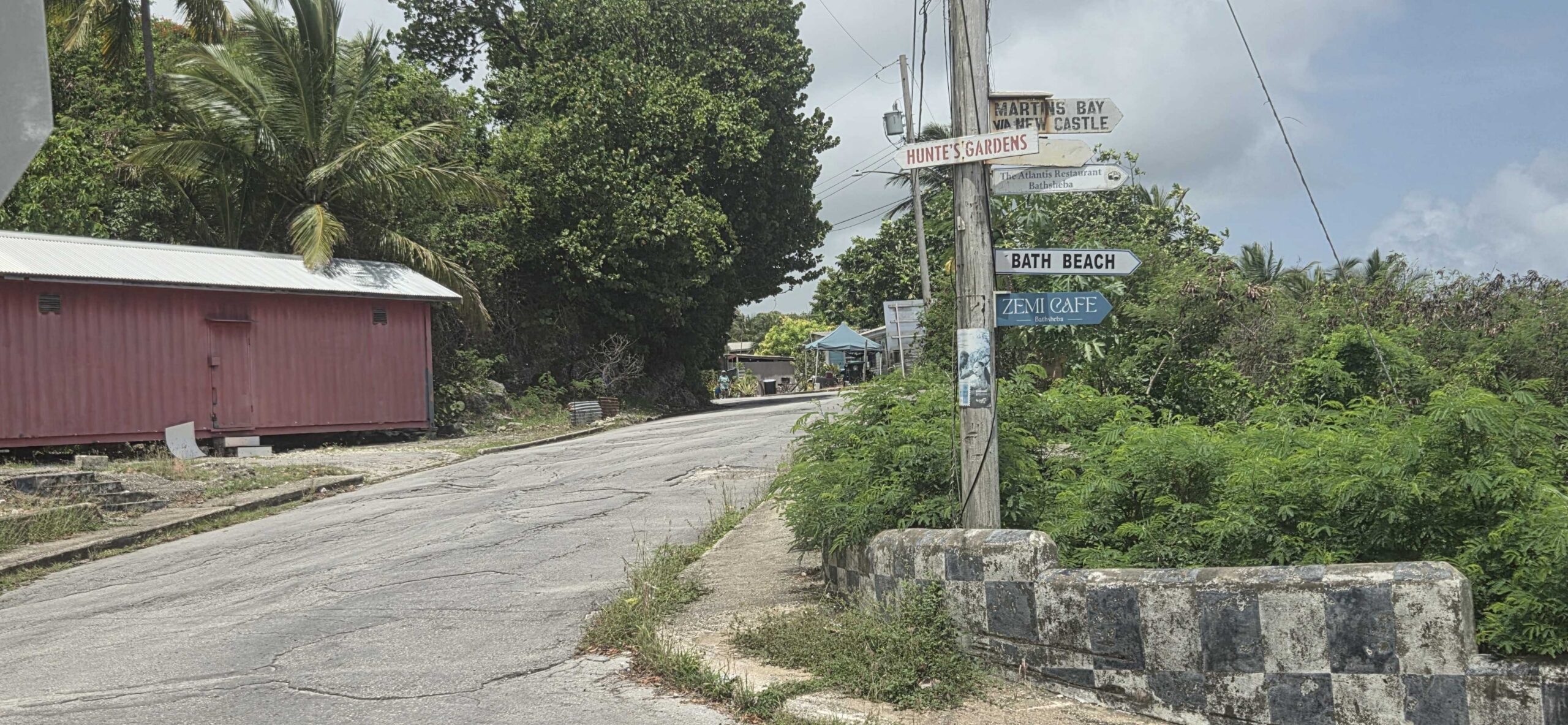
    The operation, codenamed Operation Green Bay, was launched before dawn by teams from the Special Operations Management Division, with search and eradication efforts focused on thick brushland and active farm plots spread across four communities: Welch, Cliff Cottage, Bath Land and Colleton. By the end of the multi-hour sweep, officers had uprooted and destroyed a total of 5,968 cannabis plants, ranging in size from tiny newly sprouted seedlings to fully mature eight-foot-tall plants. Authorities confirmed the total weight of the eradicated vegetation came out to 356.79 kilograms.

    Despite the significant size of the seizure, no individuals were taken into custody during the operation. Law enforcement officials confirmed that investigations remain ongoing, with teams working to trace and identify the criminal organizers that run the illicit local cannabis cultivation network.

    The large police presence left a clear mark on the rural parishes of St John, with local residents reporting the sharp, distinct smell of harvested cannabis hanging in the air and a heavy deployment of officers across the area. For many neighborhood residents, the first indication of the early morning raid was the overwhelming scent of the cut plants, followed by the sight of arriving law enforcement personnel.

    One long-time local resident, who has lived in the parish for more than 60 years, expressed shock at the sheer size of the illicit plantation discovered close to his property. “When it passed there, it really affected me,” the resident said. “It was very strong. To have so much, nearly six thousand, that is true. I have lived here, me and my kids, at least 65 years and I have never seen this environment like this yet. I have never seen anything like that before.”

    Reflecting on the economic factors that push young people to enter the illegal drug trade, the resident noted that widespread financial desperation often keeps the cycle of illicit cultivation going. “It looks very ridiculous. Planting and then put my house in danger. It is a lot of money, but see, young boys, it is like they don’t care at all. You can’t stop the wasteful planting, you know? When they are planting, they are going to want money, so they will continue. All attempts to stop it, it will never happen. But 6,000 plants, that’s a lot of money.”

    When asked what warning he would give to young people choosing to participate in these high-risk illegal activities, his message was clear and uncompromising: “Don’t plant more because you put yourself in trouble, you end up in jail, and when you’re done, you’re going to feel the pain. The police are doing their job, they have a job to do.”

    A second local resident detailed the level of coordination and planning behind the police operation, explaining how officers moved systematically through the difficult rural terrain, aided by advanced surveillance technology. “From minutes to five in the morning, the men started rolling in,” he recalled. “They searched down here first, then they went up, searching everything with drones and flames. They didn’t leave until a little after 12. That is a long time. But the police have got to do what they have got to do. They do their job by all means.”

    Despite acknowledging the necessity of the operation, this resident expressed skepticism about its long-term impact, arguing that removing one illicit cultivation site merely creates an opening for another to pop up elsewhere, while doing nothing to address the root social and economic issues that drive people to grow cannabis in the first place. “How it is, they go after one on the island and another door opens up for another,” he observed. “The drugs that they are finding locally cannot amass to what police cannot catch. Since around 2002, St John got stigmatized as a whole agricultural place for marijuana. But there is a trickle-down effect. When youngsters aren’t getting anywhere and they can’t get any work, the next best thing they are going to do is go out and plant, because they need money.”

    Not all area residents were aware of the day’s major police action, however. One local woman said she barely noticed the operation unfolding just down the road from her home as she got ready for her usual workday. “I saw a truck come down, so I was like, okay, something is going on, and that was it,” she said. “I had to leave home to go about my lawful business, so I had a shower, stepped in the car, and went on. The drugs don’t really interest me or concern me, I don’t get in their way, and they don’t get in mine. The police were just doing regular policing work. The people down in the gap who sit outside under the trees, they are the active ones moving around who would see and know a lot more than me.”

    As the investigation into the illicit network continues, police have issued a public call for anyone with information about who owns the seized cannabis crops to contact authorities to assist with the ongoing case.


  • Public Works Employees march to Prime Minister’s Office over unpaid wages

    Public Works Employees march to Prime Minister’s Office over unpaid wages

    On Monday, dozens of public sector infrastructure employees took to the streets of Antigua and Barbuda’s capital, launching a fresh demonstration to demand resolution of months of delayed salary and remuneration payments. The crowd, made up of current workers from the country’s Public Works Department, started their march at the agency’s main headquarters in St John’s before walking along Queen Elizabeth Highway to deliver their collective grievance directly to the Office of the Prime Minister.

    For weeks, the affected employees have been pushing government officials to address a growing financial crisis for their households: they are collectively owed thousands of dollars in unpaid wages that many rely on to cover basic living costs from housing to groceries. This latest demonstration is not the first time the workers have taken public action to draw attention to their plight. Prior protests included the deployment of department-owned heavy machinery and work vehicles to block major city roads, a move designed to force senior government leaders to prioritize the payment issue.

    Nearly five weeks ago, the group of workers secured a face-to-face meeting with Prime Minister Gaston Browne on July 28. During that discussion, multiple participants reported that the Prime Minister gave a formal assurance that all outstanding remuneration would be processed and disbursed to the owed employees within a seven-day window. Now, more than 30 days after that promised deadline expired, the workers say they have yet to receive a single cent of the unpaid money they are owed, prompting them to renew their public protest to hold the government accountable to its earlier commitment.

  • Trusts, family wealth and compliance expectations

    Trusts, family wealth and compliance expectations

    For generations, trusts have served as a foundational tool for families seeking to preserve intergenerational wealth, accommodate vulnerable beneficiaries, and streamline estate succession planning. For Caribbean families, whose assets and loved ones increasingly span multiple national jurisdictions, cross-border trust structures have long been a core component of global wealth management strategy — though legal frameworks and regulatory treatment of these instruments vary widely from one region to another. Today, however, the trust operates in a vastly altered landscape from the era when confidentiality was often cited as one of its key selling points. The central question facing modern wealth planners is no longer whether assets can be placed into a trust, but rather who the ultimate individuals connected to the structure really are.

    There is nothing inherently questionable about a family’s desire to protect accumulated wealth. A parent may choose a trust to ensure property is preserved for their children rather than split immediately upon their death. A founder of a family business may rely on a trust to guarantee operational continuity after they pass away. A multi-jurisdictional family with members based in locations from Grenada and Trinidad to Canada and the United Kingdom needs a formal structure to manage assets across borders over time. Where legally permitted and aligned with a family’s goals, trusts can deliver exceptional value for exactly these use cases. The critical confusion arises when families and practitioners mix up asset protection with asset concealment — two concepts that could not be more distinct. A properly structured trust can legitimately protect and preserve wealth, but it should never be treated as a tool to make ownership, control, or the source of wealth invisible to regulators.

    This confusion plays out in practical scenarios on a regular basis. Consider a large Caribbean property held through an international trust: the person who established the trust (the settlor) lives overseas, the appointed trustees are based in a third jurisdiction, beneficiaries are spread across multiple countries, and the underlying asset remains in the Caribbean. When the time comes to sell the property years later, a common question arises: “The trust owns the property, why does the bank need all this information about our family?” This question gets to the heart of the modern regulatory compliance challenge facing trusts today. The existence of a trust does not eliminate requirements for transparency around the people connected to it. Financial institutions and regulated legal professionals are still required to verify who established the structure, who exercises effective control over its assets, who stands to benefit from it, where the underlying wealth originated, and what the purpose of the current transaction is. While a trust provides the formal legal structure for holding assets, it does not automatically grant full anonymity to the parties involved.

    This dynamic becomes even more complex when discussing international trusts, a particularly relevant topic for Caribbean families whose wealth is increasingly distributed across borders. It is not uncommon for a Caribbean family to earn income in one jurisdiction, own real estate in a second, establish their wealth holding structure in a third, and have beneficiaries living across four or more countries. However, the regulatory and legal landscape for international trusts is not uniform across the Caribbean. For example, in Grenada, the 2018 International Trusts (Amendment) Act banned the creation of new international trusts after December 31 of that year, a critical detail for Grenadian families mapping out long-term wealth preservation structures.

    Even with this change, international trusts remain relevant for many Caribbean families, particularly for those holding pre-existing structures or those with Caribbean assets or beneficiaries connected to trusts formed under other jurisdictions’ laws. In these cases, multiple overlapping legal and regulatory frameworks can apply simultaneously. Banks, trustees, attorneys and other involved professionals each carry their own mandatory obligations around identity verification, beneficial ownership disclosure, source of wealth documentation, tax reporting, and ongoing due diligence. What looks to a family like a single private wealth arrangement is often viewed by regulated institutions as a complex web of connected relationships that require full transparency and understanding.

    This shift marks one of the biggest changes to wealth planning in recent decades: families still have a right to privacy in managing their personal financial affairs, and wealth planning does not become a matter of public record simply because a trust is used. But privacy is not synonymous with secrecy. Modern global compliance frameworks are built on the core principle that legitimate wealth structures must be accessible to inspection by parties that are legally required to oversee them. This change does not erase the value of trusts as a wealth planning tool; it simply reshapes the expectations that families and practitioners should have around how trusts operate today.

    Advisors play a critical role in navigating this new landscape. A client conversation about wealth planning cannot start and end with creating a trust structure. The first question that must be addressed is whether the structure is even legally permitted and appropriate for the relevant jurisdictions involved. From there, discussions need to cover how the structure will function in practice, what information will need to be disclosed to regulators and financial institutions, how the source of assets placed into the trust will be documented, who will hold effective control over the structure, and how inquiries from banks, trustees or regulators will be addressed years down the line. While other corporate, succession and ownership structures remain available for family wealth planning, each carries its own set of unique legal, tax and compliance requirements that must be evaluated. The mark of strong wealth planning is not just creating a structure that works in the present; it is building one that can withstand future regulatory scrutiny.

    In closing, trusts remain a core tool for preserving and transferring family wealth across the globe. For international Caribbean families in particular, trust structures will continue to grow in relevance as lives, assets and beneficiaries become increasingly dispersed across borders, always subject to the varying legal frameworks of the jurisdictions involved. Today’s trust sits at a critical intersection between wealth protection and regulatory transparency. The core goal of protecting family wealth remains unchanged, but the approach has shifted: protecting wealth no longer means hiding it. A trust can still provide families with the privacy they deserve, but it should never rely on secrecy to function.

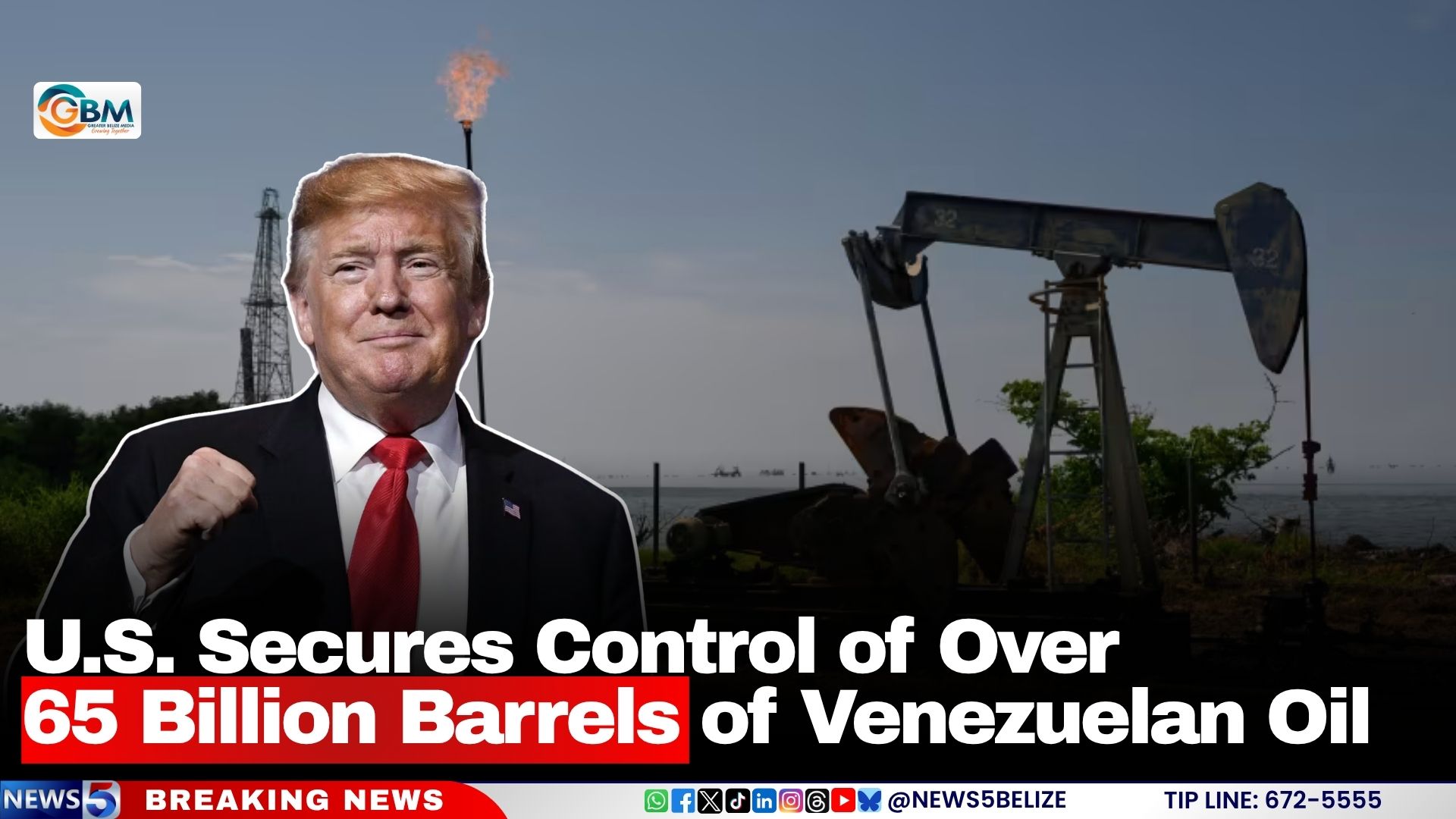
  • U.S. Secures Control of Over 65 Billion Barrels of Venezuelan Oil

    U.S. Secures Control of Over 65 Billion Barrels of Venezuelan Oil

    In a landmark shift for bilateral energy relations and global oil markets, the United States has secured majority control of more than 65 billion barrels of proven Venezuelan oil reserves through a new joint venture agreement announced by former U.S. President Donald Trump in August 2026.

    The framework agreement designates the U.S.-backed joint venture as the majority stakeholder in 17 major Venezuelan oil fields, holding a 55% stake in all production generated from the sites. Once operational, the venture will rank as the world’s second-largest private oil entity measured by total proven reserves, and Trump emphasized that the deal will more than double the United States’ domestically accessible oil reserves while putting downward pressure on retail fuel prices for American consumers.

    For Venezuela, which has grappled with a collapsing energy sector for years, the agreement is framed as a catalyst for broad economic recovery. Interim Venezuelan President Delcy Rodríguez noted that unlocking the country’s massive untapped oil reserves will drive sustained economic expansion, create new formal jobs, boost wages for energy sector workers, and accelerate national development priorities. U.S. Secretary of State Marco Rubio added that the partnership is projected to attract nearly $100 billion in private capital investment, generate thousands of high-wage positions in both countries, and underpin large-scale reconstruction of Venezuela’s struggling national economy.

    The deal comes on the heels of a dramatic realignment of U.S.-Venezuela relations, which followed a January 2026 military operation that removed long-time Venezuelan leader Nicolás Maduro from power. In the months after the political transition, Venezuelan lawmakers passed sweeping regulatory reforms to open the country’s oil sector to greater foreign corporate participation, clearing the path for the joint venture agreement. According to reporting from CNN, the pact also grants the private partner 100-year exploitation concessions for the 17 oil fields. Analysts note the agreement strikes a dual balance: it delivers the critical capital injection Venezuela needs to rebuild its oil production infrastructure, while granting the United States unprecedented influence over the development of one of the largest proven oil reserve holdings on the planet.

  • SBM Offshore bouwt grote olieschepen voor Guyana, Suriname en Brazilië

    SBM Offshore bouwt grote olieschepen voor Guyana, Suriname en Brazilië

    Dutch-based offshore energy firm SBM Offshore is advancing a portfolio of major deepwater oil production projects across Guyana, Suriname and Brazil, centered on its specialized Floating Production Storage and Offloading (FPSO) vessels purpose-built for offshore extraction.

    FPSOs are innovative floating vessels that integrate three core functions: offshore crude oil extraction, on-board processing, and storage before offloading for transportation. Unlike fixed offshore oil platforms, FPSOs unlock access to deepwater oil reserves that cannot be developed with permanent static infrastructure, making them a critical asset for modern offshore energy development.

    In Suriname, SBM Offshore is currently constructing the GranMorgu FPSO, which is scheduled to begin commercial operations at the Block 58 oil field in 2028. Block 58 is operated by French energy major TotalEnergies, and the GranMorgu vessel will have a daily production capacity of 220,000 barrels of crude oil, placing it among the higher-capacity FPSOs deployed in the region.

    Neighboring Guyana, one of the world’s fastest-growing new oil production hubs, is home to multiple ongoing SBM Offshore projects. The firm is building the Jaguar FPSO, which is on track to start production for US energy giant ExxonMobil in 2027. The Jaguar vessel boasts an even larger daily capacity of 250,000 barrels of crude. Additionally, SBM Offshore has completed the initial design phase for a second Guyanese project, the Longtail FPSO, which is currently awaiting final regulatory approval from the Guyanese government to move into construction.

    Further west in Brazil, SBM Offshore is developing two new FPSOs, the SEAP-I and SEAP-II, for deployment in the Sergipe-Alagoas Basin. Both vessels are scheduled to launch production in 2030, with each holding a daily processing capacity of approximately 120,000 barrels of crude oil.

    To streamline delivery across this busy project pipeline, SBM Offshore is leveraging its proprietary Fast4Ward construction program, a standardized, modular building approach designed to cut construction timelines and improve operational efficiency. The program is structured to help the firm deliver all active projects on their scheduled opening dates, even amid the high demand for new offshore energy infrastructure across South America.

  • La Clery honours sporting icons at Legends Award ceremony

    La Clery honours sporting icons at Legends Award ceremony

    On a packed Saturday evening at the Vide Boutielle Cultural Club, residents and supporters from the La Clery community gathered for a milestone celebration: the third iteration of the La Clery Legends Award Ceremony, an event designed to lift up the quiet trailblazers and long-standing veterans that have shaped the area’s identity for decades.

    Unlike generic award galas, this ceremony was built around centering the community’s own, turning a spotlight on unsung contributors who have rarely received formal recognition for their decades of work. A majority of the evening’s honorees hailed from La Clery’s storied athletic history, particularly its deep, generations-long football tradition that has turned the area into a regional sporting powerhouse. The honorees also included behind-the-scenes sports administrators whose decades of organizational labor laid the foundation for La Clery’s athletic success. Spanning four decades from the 1960s through the 1990s, each newly minted legend received a formal ceremonial blazer to mark their honor and celebrate their enduring place in local history.

    The undisputed highlight of the evening was the presentation of the Lifetime Achievement Award, which went to Hilarion “Big Dean” Alfred, a former star basketball power forward. Along with receiving the top honor, Alfred was formally enshrined as an official La Clery Legend, capping a decades-long legacy of athletic and community contribution.

    Retired educator and long-serving public servant John Sealy, a deeply respected community mainstay who has left lasting marks across Saint Lucia’s education, communications, and football development sectors, delivered the event’s keynote address. In his remarks, Sealy emphasized that La Clery’s legacy of excellence extends far beyond the sports field, noting that the community has nurtured standout talent across academia, the arts, and a wide range of technical professions.

    Also in attendance was Stephenson King, Parliamentary Representative for Castries North, who extended congratulations to his constituents on their collective achievements while laying out a clear vision for the future of the Legends program. King praised the event organizers for carrying forward the tradition of honoring local contributors who have shaped the community, and challenged the Legends to expand their impact through sustained youth mentorship. He applauded the group’s recent one-off mentorship initiative, but called for a permanent, ongoing program that would connect young aspiring community leaders with the Legends as role models, encouraging a new generation to carry on the legacy of selfless community contribution.

    Full list of 2024 La Clery Legend honorees by decade:
    • 1960s: Joseph Napoleon, Julian Phillips, Collistus Charles
    • 1970s: Charles Sayers, Keith “Baby” Cadette, Franklin Maitland
    • 1980s: Clancy “Knees” Alexander, Clinton “Big Bull” Charles, Stanley Best
    • 1990s: Emile “Mel” Eugene, Winston “Kilo” Regis, Hilarion “Big Dean” Alfred

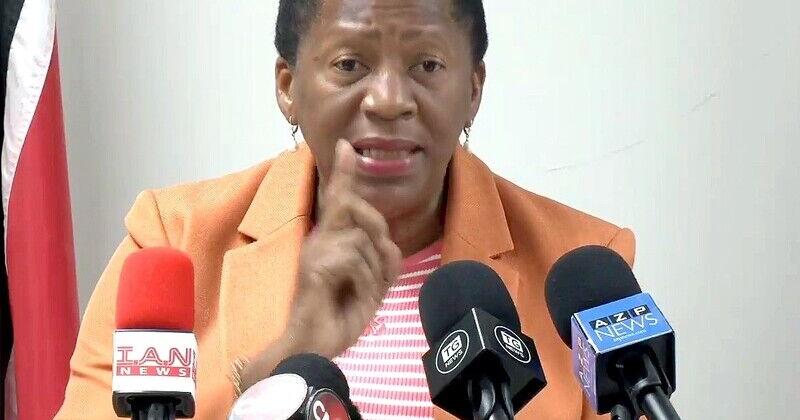
  • Penny hits PM’s ‘partisan’ UNC Independence message

    Penny hits PM’s ‘partisan’ UNC Independence message

    As Trinidad and Tobago marked its 64th year of independence, a sharp political rift has erupted over the prime minister’s holiday messages, with opposition leader Pennelope Beckles launching a blistering rebuke of Kamla Persad-Bissessar’s remarks, accusing the sitting prime minister of blending partisan politics with national office and spreading a distorted version of the country’s post-colonial history.

    In a public statement shared across social media platforms on Monday, Beckles categorized Persad-Bissessar’s two separate Independence addresses as unresponsive to the lived experiences of the national public, disconnected from on-the-ground realities, and marked by a failure to draw a clear line between the prime minister’s duty to all citizens and her partisan obligations as leader of the United National Congress (UNC).

    The core of Beckles’ criticism centers on the order of Persad-Bissessar’s communications: the prime minister first delivered an address exclusively to her “UNC family” in her capacity as party leader before releasing a formal message to the entire nation. Beckles argues that Persad-Bissessar exploited a unifying national milestone that belongs to all Trinidadians and Tobagonians to push a partisan agenda rooted in grievance and political polarization, rather than fostering cross-community unity.

    “This is not the behavior one expects from a prime minister whose primary responsibility is bringing a divided country together,” Beckles noted in her statement.

    Beyond the issue of misplaced partisanship, Beckles took particular issue with claims made in Persad-Bissessar’s formal national Independence address, released on Sunday. In that message, the prime minister urged the country to “grow up,” move past blaming contemporary social and economic challenges on the legacy of colonial rule, and claimed the nation experienced widespread prosperity during British colonial governance. Beckles flatly rejected this framing, calling it a blatant attempt to rewrite the country’s foundational national history.

    “Trinidad and Tobago’s decades-long fight to win independence, and our decades of development as a sovereign nation since, cannot be condensed into a politically convenient retelling of history tailored to whatever audience the prime minister is seeking to win over,” Beckles asserted.

    She went on to outline the flaws in Persad-Bissessar’s narrative, arguing: “The prime minister is incorrect to describe our colonial inheritance without acknowledging the deep systemic inequalities and harmful social conditions that shaped the country at the moment we gained independence. Just as wrong is her framing of our post-independence history as a partisan battle, casting one group as blameless victims and another as villains.”

    Beckles emphasized that the Trinidadian and Tobagonian public deserves more thoughtful, honest leadership than what Persad-Bissessar delivered, noting that the country’s history is far more nuanced and meaningful than the distorted retelling presented by the prime minister.

    “It should come as no surprise that a prime minister who has already failed to properly recognize the historical legacy of Dr. Eric Williams, the nation’s first prime minister, would now put forward such a warped account of our independence journey,” Beckles added.

    She closed her statement with a sharp rebuke of Persad-Bissessar’s fitness for office: “A prime minister who cannot speak honestly about our nation’s history cannot credibly guide our nation forward.”

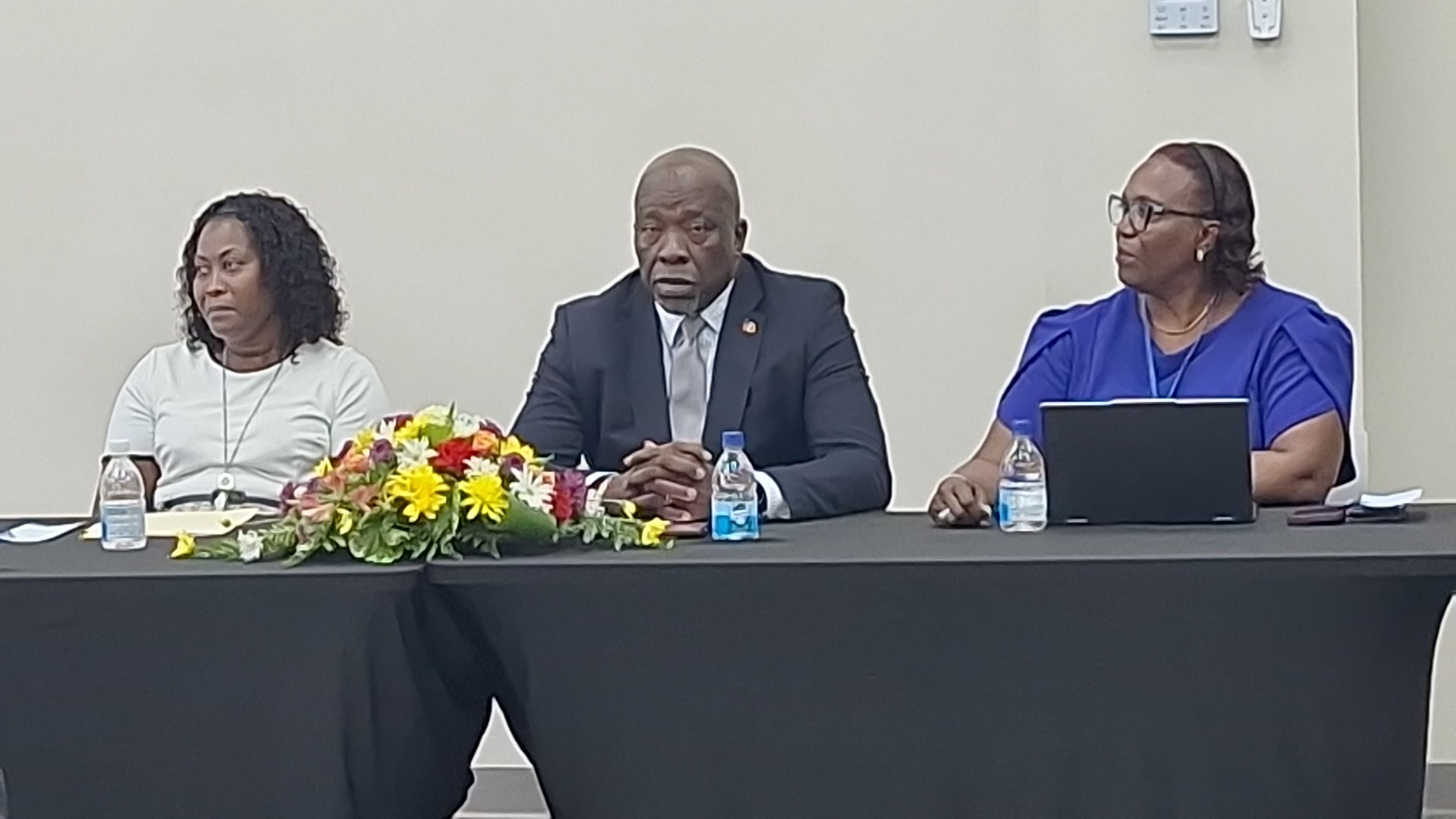
  • Antigua and Barbuda Launches Government Cyber Incident Response Team to Strengthen National Cybersecurity

    Antigua and Barbuda Launches Government Cyber Incident Response Team to Strengthen National Cybersecurity

    The twin-island nation of Antigua and Barbuda has taken a landmark step forward in protecting its digital infrastructure and national security with the official launch of a dedicated Government Cyber Incident Response Team (GCIRT).

    Against a backdrop of rising global cyber threats, ranging from ransomware attacks on public sector institutions to data breaches that put sensitive citizen information at risk, small island developing states have increasingly found themselves vulnerable to malicious cyber activity. Many of these nations lack the specialized resources and coordinated response frameworks that larger economies rely on to mitigate digital risks, making the launch of a dedicated national response team a critical strategic milestone.

    The newly launched GCIRT has been mandated to serve as the central coordinating body for all cyber-related incidents across government agencies and critical public infrastructure, which includes everything from national healthcare systems and financial services networks to border control platforms and utility management systems. Beyond responding to active cyber attacks, the team will also lead proactive vulnerability assessments, develop national cybersecurity response protocols, and deliver ongoing training to public sector IT staff to build long-term digital resilience.

    Government officials have emphasized that the initiative comes in response to growing regional and global cyber risk trends that have already impacted several Caribbean nations in recent years. The move is also expected to support the country’s broader digital transformation agenda, which aims to expand online public services for citizens and boost the Caribbean nation’s growing digital economy by creating a more secure digital environment for local and foreign investors alike. Stakeholders also note that the new team will strengthen cooperation with regional cybersecurity bodies and international partners to share threat intelligence and coordinate cross-border responses to transnational cyber threats.

  • Dolly’s Remnants Bring Down Trees and Power Lines in Antigua and Barbuda

    Dolly’s Remnants Bring Down Trees and Power Lines in Antigua and Barbuda

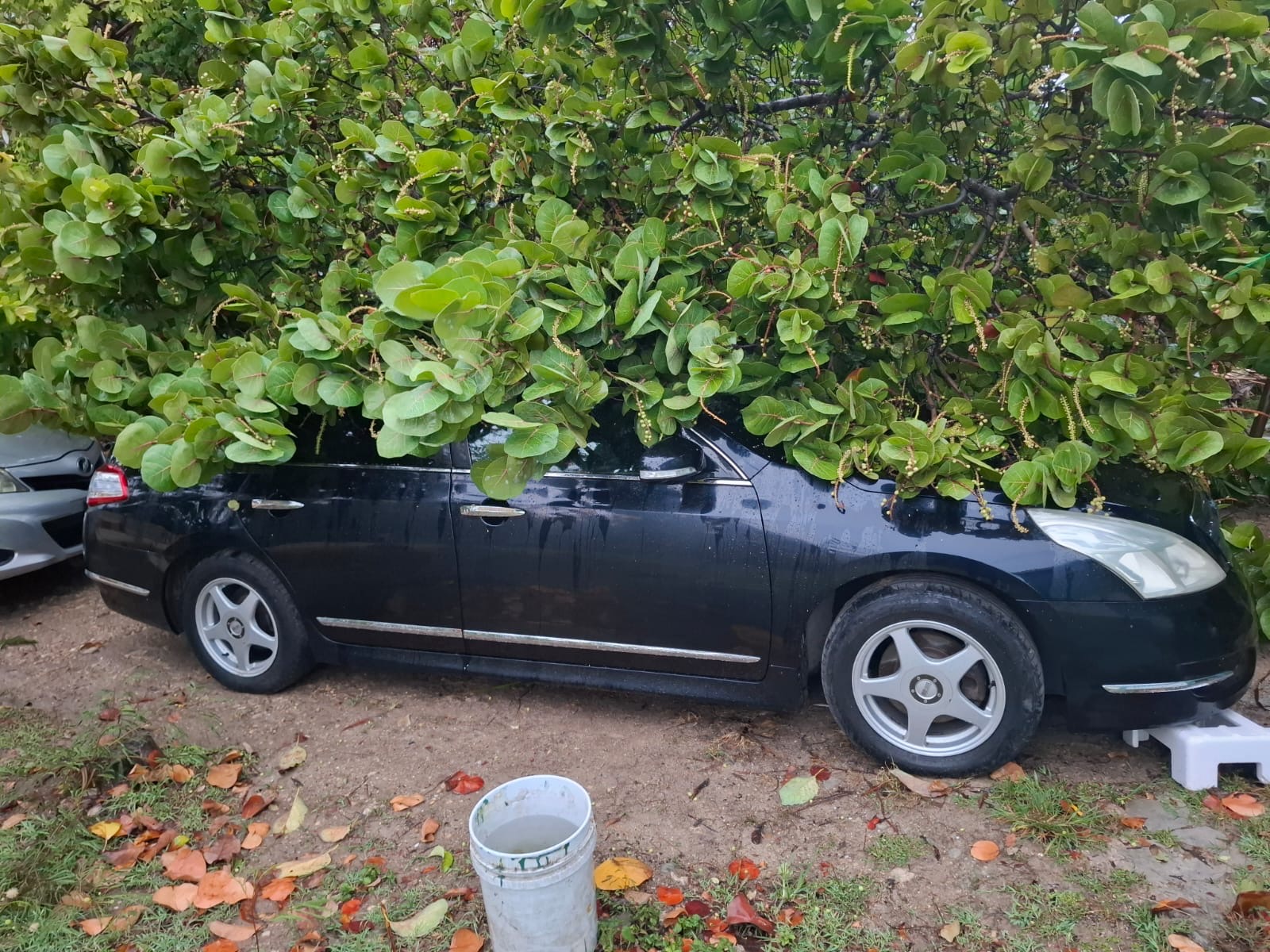
    The remnants of former tropical cyclone Dolly swept across Antigua and Barbuda over the weekend, bringing heavy downpours and gusty winds that left a trail of minor disruption across parts of the island nation. As local emergency management agencies assessed the damage in the storm’s wake, only limited impacts have been confirmed: a small number of fallen trees and downed power lines have blocked stretches of roadway in the New Winthropes and Barnes Hill communities, and a handful of vehicles suffered minor damage from debris. Notably, no official reports of flooding have been received by authorities, preventing the more severe destruction that often accompanies post-tropical storm systems.

    Data from the Antigua and Barbuda Meteorological Service shows that total rainfall from the system ranged between 1 and 2.5 inches across affected areas between Saturday and Sunday. Looking ahead, forecasters are predicting a 30% probability of rainfall for Monday evening, with additional shower activity possible later this week. In response to this ongoing uncertain outlook, officials have issued guidance for residents living in low-lying or historically flood-prone areas to maintain constant vigilance over conditions around their properties.

    The National Office of Disaster Services (NODS) has used the passing of Dolly’s remnants to reissue critical public reminders: Antigua and Barbuda remains in the heart of the Atlantic hurricane season, and all residents must maintain a constant state of emergency preparedness. NODS advises households to stock up on essential emergency supplies, including non-perishable canned goods, potable water for drinking and daily use, battery-powered radios, flashlights, extra batteries, and other critical survival items. Homeowners are also encouraged to inspect and reinforce vulnerable entry points such as windows and doors to withstand future storm systems.

    Residents have also been instructed to stay connected to local media outlets to receive real-time weather updates, confirm the location of their nearest official emergency shelter ahead of any future hazards, and check on at-risk members of their communities, including elderly residents, people living with physical disabilities, and those with chronic mental health conditions. The 202X Atlantic hurricane season is scheduled to officially conclude on November 30, meaning more than two months of active storm risk remains for the Caribbean island nation.

  • Regional leaders send T&T Independence greetings

    Regional leaders send T&T Independence greetings

    As Trinidad and Tobago prepares to mark 64 years as an independent nation, the top leaders of three fellow Caribbean Community (CARICOM) member states have shared warm public congratulations to the twin-island nation, highlighting deep regional bonds that stretch across shared history, culture and collective ambition.

    Barbados Prime Minister Mia Mottley was among the first to release her message, posting the note to her official social media channels on Monday. Speaking for both the Barbadian government and public, Mottley emphasized Trinidad and Tobago’s outsize role as a foundational pillar of the broader Caribbean family. She noted that the country’s vibrant cultural output, relentless entrepreneurial drive, and inherently welcoming spirit have lifted communities across the entire region, adding that generations of Trinbagonians have opened their homes and lives to Caribbean neighbors from across every island.

    “Our ties are rooted in family, friendship, and a shared history that runs deeper and lasts longer than any single moment,” Mottley wrote in her message. “Our collective Caribbean future will always be strongest when we center respect, solidarity, and the greater good of our whole region.” She closed by extending wishes for continued growth and prosperity, noting that Trinidad and Tobago’s leadership remains critical to advancing Caribbean civilization globally.

    Guyana’s head of government, President Irfaan Ali (serving as prime minister), also issued a formal message echoing the theme of deep cross-national connection. Ali noted that Guyana and Trinidad and Tobago share centuries of intertwined history, people-to-people friendship, and a longstanding commitment to regional solidarity. On this milestone national occasion, he said, Guyana stands alongside Trinbagonians to celebrate decades of social and economic progress, extending wishes for sustained peace, shared prosperity, and forward momentum in the years ahead. “Happy 64th Independence Anniversary to Trinidad and Tobago,” Ali closed.

    Rounding out the messages from regional leaders, St Kitts and Nevis Prime Minister Terrance Drew extended his own congratulations on behalf of the federation’s government and public. Drew joined Trinbagonians both at home and across the global diaspora in marking the 64-year milestone, highlighting the country’s well-demonstrated resilience, creative energy, and unifying Caribbean spirit that has made lasting impacts well beyond the region’s borders.

    “For 64 years, your people have continued to demonstrate resilience, creativity, strength and an unmistakable Caribbean spirit that has made an enduring contribution to our region and the wider world,” Drew wrote. He extended warm wishes for continued peace, tangible progress, and widespread prosperity for all Trinbagonians in the coming year and beyond.

    The coordinated messages of goodwill underscore the deep integration and collaborative spirit that defines the CARICOM bloc, as member states regularly mark major national milestones to reinforce their shared commitment to regional collective progress.