作者: admin

  • Grange doubles down on claim Rastafarians’ rights are protected in Jamaica

    Grange doubles down on claim Rastafarians’ rights are protected in Jamaica

    A public debate over the legal standing of Jamaica’s Rastafari community has intensified, after Culture Minister Olivia Grange reaffirmed the government’s position that Rastafarians already hold full equal rights under existing national law, pushing back against fresh demands from Rastafari community leaders for targeted, explicit legislation.

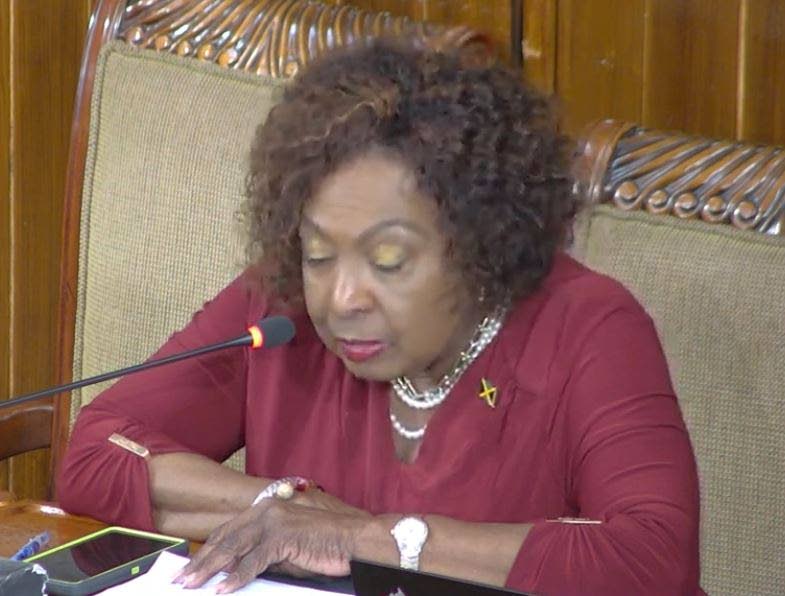
    Grange laid out the administration’s stance Thursday during proceedings of the joint select committee tasked with reviewing the government’s Green Paper for Jamaica’s National Policy on Culture, Entertainment and the Creative Economy. She pushed back against what she described as a misleading public narrative that has emerged in recent discourse, claiming Rastafarians are denied formal recognition and equal legal protection in the country.

    “Recent commentary in local press has raised questions about whether the government recognizes Rastafari, and whether community members hold the same rights as followers of other religious groups,” Grange told the committee. “I want to place on official record that they do, in fact, have the same rights as any other religious group in Jamaica.”

    The minister emphasized that equal protections for Rastafari believers are already enshrined in Jamaica’s national Charter of Rights, and added that the current administration has done more to advance and support the Rastafari community than any preceding government in the nation’s history. As evidence of the government’s commitment, she cited the $176-million public contribution to the Coral Gardens Benevolent Fund, a initiative created after the state issued a formal apology for the 1963 Coral Gardens atrocity, a violent state-led crackdown targeting Rastafarians that left multiple community members dead.

    Grange’s remarks came just days after the Rastafari Mansions and Organizations (RMO), a leading collective of Rastafari groups, publicly criticized the government for exaggerating existing legal protections and renewed calls for a dedicated, comprehensive Rastafari Rights and Justice Act. The organization argues systemic discrimination against the community remains embedded in Jamaican law and government practice.

    The debate gained new momentum after neighboring St. Kitts and Nevis passed legislation granting formal legal recognition to Rastafari, including explicit provisions safeguarding sacramental rights, cultural identity, and economic concessions for the community. The move sparked direct comparisons to Jamaica’s legal framework and amplified RMO’s demands for explicit constitutional recognition in Jamaica.

    In a public statement released April 21, the RMO argued that broad constitutional guarantees of religious freedom do not go far enough to grant formal recognition to Rastafari as both a distinct religious faith and an indigenous Jamaican cultural group. Without explicit, targeted legal protections, the organization says, systemic discrimination and inconsistent enforcement of existing rights persist across key public sectors, including law enforcement, education, employment, and healthcare.

    The group also levied additional criticism against the government, accusing authorities of failing to deliver adequate support to Rastafari communities impacted by Hurricane Melissa. The RMO claims disaster relief efforts did not accommodate the community’s unique dietary, cultural, and health needs.

    Further, the organization pointed to recent court cases involving cannabis, known as ganja to Rastafarians who use it sacramentally. The RMO argues that even after amendments to Jamaica’s Dangerous Drugs Act, protections for Rastafari sacramental use of cannabis are still unevenly applied by authorities.

    Despite rejecting the RMO’s core claim that existing protections are insufficient, Grange signaled the Jamaican government remains open to broad, inclusive dialogue about the Rastafari community’s place in the nation’s legal and cultural landscape.

    “I invite full discussion on Rastafari as a religion, to examine the history of what has been done in this country, to chart a path forward toward even greater embrace and recognition of the importance of Rastafari to Jamaica,” Grange said Thursday.
  • Education ministry touts success of PEP 2026 Grade six exam administered after strategic adjustments in response to Hurricane Melissa

    Education ministry touts success of PEP 2026 Grade six exam administered after strategic adjustments in response to Hurricane Melissa

    Six months after Category 5 Hurricane Melissa swept across Jamaica, leaving widespread destruction and disruption to education systems especially in western parishes, the island’s Ministry of Education has announced the successful completion of the 2026 Grade 6 Primary Exit Profile (PEP) examinations. The two-day assessment, held between April 29 and 30, wrapped up without major incident, marking a major milestone for education recovery after the storm.

    In an official media statement released Thursday, Education Minister Senator Dr Dana Morris Dixon emphasized that the smooth delivery of this year’s exams demonstrates the ministry’s unwavering commitment to upholding resilience, educational equity, and positive outcomes for every student, even in the wake of national crisis. “We are extremely pleased that the 2026 PEP examinations were conducted successfully across the entire island,” Dixon noted. “This achievement does not happen in isolation — it reflects the extraordinary dedication and seamless coordination of our ministry staff, school leaders, teachers, parents, and students, all of whom stayed focused on this goal despite the ongoing challenges left by Hurricane Melissa last October.”

    Dixon added that the core priority for the 2026 exam cycle was to guarantee every eligible learner a fair, supportive space to perform to the best of their ability, and the successful execution of the exams stands as proof of what collective effort can deliver. Now entering its eighth year of operation, the PEP assessment was open to Grade 6 students born between 2013 and 2015, with a total of 31,806 registered candidates for this year’s sitting. Of that total, 15,964 are male and 15,842 are female; 27,375 attend public schools across the country, while 4,431 are enrolled in private educational institutions.

    To address the widespread curriculum disruption caused by Hurricane Melissa, the ministry implemented targeted adjustments to this year’s exam structure and curriculum coverage after carrying out extensive consultations with teachers, principals, and parent representatives from both public and private schools. The most significant change was the full cancellation of the 2026 Performance Task assessment component, a decision designed to balance fairness for affected students with preservation of the overall integrity of the PEP secondary school placement model.

    For 2026, sitting students completed four core components: curriculum-based tests in mathematics and language arts, an ability test, and assessments for verbal and quantitative reasoning. Both mathematics and language arts feature 60 multiple-choice items, with a 110-minute time limit for each subject. This year also introduced a key update to the assessment framework: for the first time, PEP includes formal, embedded dedicated components to assess Grade 6 students’ literacy and numeracy proficiency.

    Ministry officials explain that this strengthened focus on foundational skills will generate critical data on students’ current literacy levels and readiness for the transition to secondary education. It will also allow education stakeholders to track student learning progress from Grade 4 onward, and measure how effective school-level intervention strategies are at closing learning gaps.

    To support vulnerable candidates this year, 615 registered students received approval for special accommodations, ranging from extra testing time, on-site readers and writers, and preferential seating to accessible testing formats including Braille and large-print test booklets. An additional 17 candidates were approved for linguistic aides supporting French, Spanish, and Mandarin speakers.

    Beyond structural exam changes, the ministry rolled out a comprehensive set of emergency measures to address the ongoing impact of Hurricane Melissa, ensuring all students could access the exam in safe, supportive testing environments. These interventions included relocating damaged examination centres to alternate accessible sites, erecting temporary weather-resistant testing structures at locations where full relocation was not possible, arranging dedicated transportation for students in affected areas to access testing sites, and deploying on-site rapid response teams to resolve any unexpected emergencies that arose during the two-day exam period.

  • Jamaica ranks 68 of 180 countries on Environmental Performance Index

    Jamaica ranks 68 of 180 countries on Environmental Performance Index

    When the 2024 Environmental Performance Index (EPI) released by Yale University placed Jamaica 68th out of 180 nations with an overall score of 48.5, the country’s top environmental official did not downplay the gaps holding the island back from better global standing. While acknowledging solid progress in high-priority environmental sectors, Water, Environment and Climate Change Minister Matthew Samuda emphasized that transformative, systemic change is needed to lift Jamaica’s ranking, during his address to the House of Representatives’ 2026/27 Sectoral Debate on Tuesday.

    The EPI, a leading global benchmark for national environmental performance, scores countries on a 0 to 100 scale, where higher marks reflect stronger environmental governance, policy effectiveness, and natural resource protection. Scores between 80 and 100 signal long-standing, robust policies that deliver strong outcomes for environmental health, ecosystem resilience, and climate action. Scores from 60 to 79 mark moderate performance—meaning basic environmental management systems are in place, but clear opportunities for improvement remain. Scores below 30 indicate critical, unaddressed environmental challenges that demand urgent policy intervention. Jamaica’s 48.5 score falls in the moderate-to-low range, leaving significant room for advancement.

    To the government’s credit, Jamaica ranks among the top global performers in several key environmental metrics measured by the 2024 EPI. The country secured 30th place for climate change action, 27th for protection of marine key biodiversity areas, 28th for forestry conservation, and 30th for sustainable fisheries management. These strong results reflect targeted investments and policy commitments that have delivered tangible progress for the island’s natural ecosystems.

    Despite these wins, Samuda openly acknowledged persistent performance gaps across multiple critical domains. Jamaica ranks far lower in a series of high-priority areas: 126th for biodiversity and habitat protection, 106th for overall environmental health, 127th for species conservation, 147th for protected terrestrial lands, 69th for air pollution control, and 133rd for solid and hazardous waste management. These underperforming areas, Samuda noted, are dragging down the country’s overall EPI ranking and require urgent attention.

    Samuda stressed that incremental, small-scale policy changes will not be enough to address these gaps. Meaningful improvement, he argued, requires systemic overhauls, stricter regulatory enforcement, expanded and improved environmental data collection systems, and targeted capital investment to upgrade infrastructure and capacity. Citing that policy crafted without reliable data is little more than guesswork, and enforcement without data remains inconsistent and ineffective, Samuda announced that his ministry had tabled two landmark policy documents in parliament: the Overarching Protected Areas Policy (White Paper) and the draft Cays Management Policy (Green Paper).

    The new Overarching Protected Areas Policy will replace Jamaica’s outdated 1997 framework, providing clear, updated policy direction for the sustainable management of the country’s entire Protected Areas System. Currently, Jamaica manages more than 350 protected areas spanning national parks, marine reserves, fish sanctuaries, forest reserves, and managed forest areas, all designated under overlapping pieces of legislation including the Forest Act and the Natural Resources Conservation Authority Act. The updated policy will unify governance and streamline management for these critical conservation lands.

    In addition to updating protected area policy, Samuda confirmed that the ministry is working alongside the Forestry Department to repeal and replace the decades-old Forest Act, strengthening the country’s environmental legislative framework. The new bill will include key new provisions outlining processes for land transfer, comprehensive forest and forest land inventory and classification, and the formal establishment of a statutory no-burn season to reduce wildfire risk and air pollution. The draft Forest Bill has already been completed and submitted to the Cabinet’s Legislative Committee for review, and is on track to be tabled in parliament before the end of May.

    The policy package represents a major step forward for Jamaica’s environmental governance, as the country works to turn the EPI’s benchmarking into actionable improvement that lifts both its global ranking and on-the-ground environmental outcomes.

  • Morgan: SPARK 2 will keep the fire burning

    Morgan: SPARK 2 will keep the fire burning

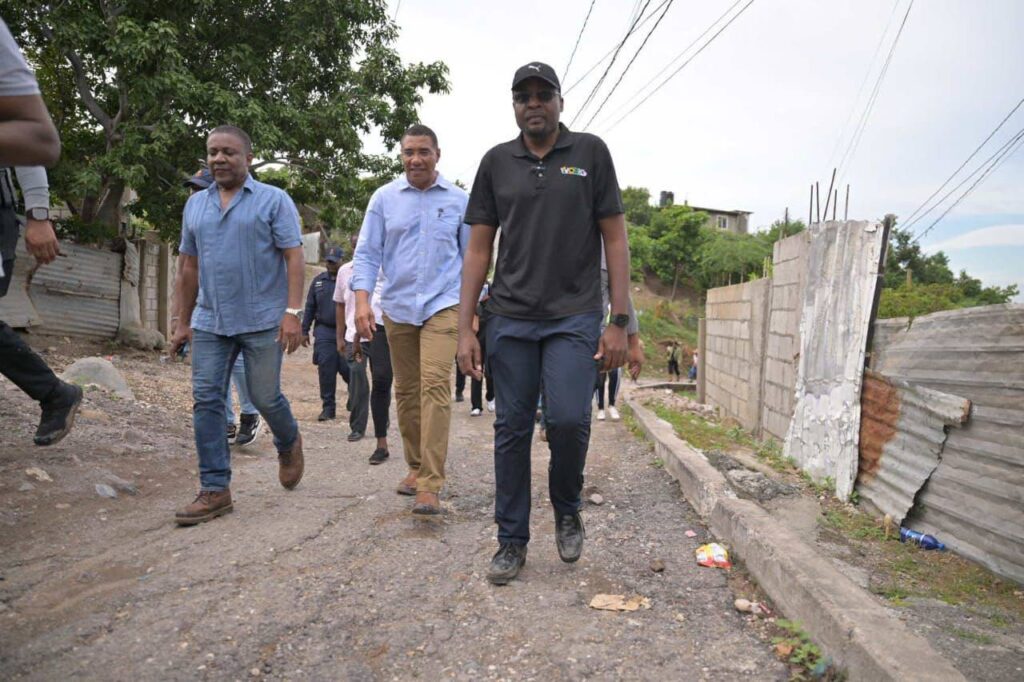
    Jamaica’s Minister of Works Robert Morgan has reaffirmed the Andrew Holness-led administration’s commitment to delivering on a key electoral promise: the rehabilitation of 10 roads in every parliamentary constituency across the country, through a second phase of the flagship Shared Prosperity through Accelerated Improvement to our Road Network (SPARK) infrastructure initiative.

    In an interview with the Jamaica Observer this Thursday, Morgan clarified that the first phase of the programme, SPARK 1, is scheduled to wrap up during the first quarter of the next fiscal year, making way for the launch of SPARK 2 to fulfill the original 10-roads-per-constituency commitment. “This was a core pledge in our election manifesto, and the prime minister has been unwavering in seeing this promise through. SPARK 2 was always planned to address gaps left by the first phase of works,” Morgan added.

    The minister’s comments came in response to reports emerging from Wednesday’s sitting of Parliament’s Public Administration and Appropriations Committee (PAAC), where National Works Agency (NWA) CEO EG Hunter revealed that initial budget allocations for SPARK 1 would not be sufficient to complete all 10 identified roads per constituency. Hunter explained that when communities first participated in consultations to select priority road projects, no accurate cost estimates had been prepared. The number of roads that can be completed under the current budget, he noted, depends entirely on the actual cost of each selected project: if the first one or two roads in a constituency consume a large share of the allocation, fewer remaining roads can be addressed. As it stands, more than 250 of the 630 initially identified roads will not see any work under SPARK 1.

    Morgan pushed back on suggestions the government was backing away from its promise, explaining that the $45-billion SPARK programme – the most ambitious infrastructure initiative Jamaica has ever undertaken – has required budget adjustments that were always anticipated. He noted that the government never claimed one single phase of works could repair every deficient road across the island in one go.

    “Unforeseen circumstances have pushed up the required investment far beyond our initial estimates,” Morgan explained. “We have found far more roads that need accompanying water pipe replacement than we originally projected, and many existing road designs required far more extensive upgrades than initial costings accounted for.” He pointed to the programme’s launch site, Everest Drive in Eastern Kingston, as a case in point: the project was originally budgeted at $70 million, but ended up costing $100 million after engineers determined additional retaining walls and expanded drainage infrastructure were required to deliver a durable, long-lasting road.

    Morgan emphasized that the government has made a deliberate policy choice to prioritize quality of construction over speed and volume, a shift designed to end Jamaica’s long history of short-lived road repairs. “We are not cutting corners. Our goal is to build roads that last 10 to 15 years. If we cut corners, they won’t even last five years. The old routine – just lay asphalt, and two years later you have potholes, swollen road surfaces, burst water pipes, and the National Water Commission (NWC) has to dig up the whole road again – that is going to end,” he said.

    The minister added that the Holness administration has already learned critical lessons from early challenges in the SPARK programme. For example, at both Richings Avenue and Liguanea Avenue, repaired sections of road were dug up by the NWC for pipe work just four months after construction was completed – a miscoordination that has led to better inter-agency planning moving forward. “This is an unprecedented project: Jamaica has never delivered 400 road upgrades under a single programme before. This is new territory for the NWA, for lead contractor China Harbour Engineering Company, for all our subcontractors, and for the NWC. We have adjusted our processes as we go to fix these early issues,” Morgan said.

    While Morgan confirmed that SPARK 2 was a core manifesto commitment and planning is already underway – with instructions issued to the NWA to begin preparation work – he noted that the programme will not necessarily launch immediately after SPARK 1 concludes in the first quarter of next year. For the current SPARK 1 phase, most constituencies will see between five and eight roads completed. Morgan used his own constituency, Clarendon North Central, as an example: only five roads will be finished in the first phase. By contrast, St James North Western, a smaller constituency represented by MP Dr Horace Chang, will see all 10 promised roads completed under SPARK 1, and most constituencies in Portmore will also see the majority of their identified roads finished in the first phase.

  • No longer a pipe dream

    No longer a pipe dream

    MONTEGO BAY, St James — After years of anticipation and public criticism over slow progress, a critical milestone for Jamaica’s plan to end chronic water shortages across western Jamaican communities was reached Wednesday, as large-diameter potable water pipes and construction fittings arrived at the Freeport port in St James.

    The imported materials mark the formal kickoff of Phase 1 of the Western Water Resilience Improvement Project (WWRIP-1), a $170 million first stage of a broader $450 million national initiative designed to address decades of water insecurity in the region. The project was first launched in response to a dual crisis that shook western Jamaica two years ago: a century-old water infrastructure network that had completely reached the end of its functional life, paired with the most severe drought recorded in the region in over 100 years. Jamaica’s government officially declared the water shortage a national emergency in April 2024, but supply chain and bureaucratic hurdles delayed delivery of the critical pipes for two full years.

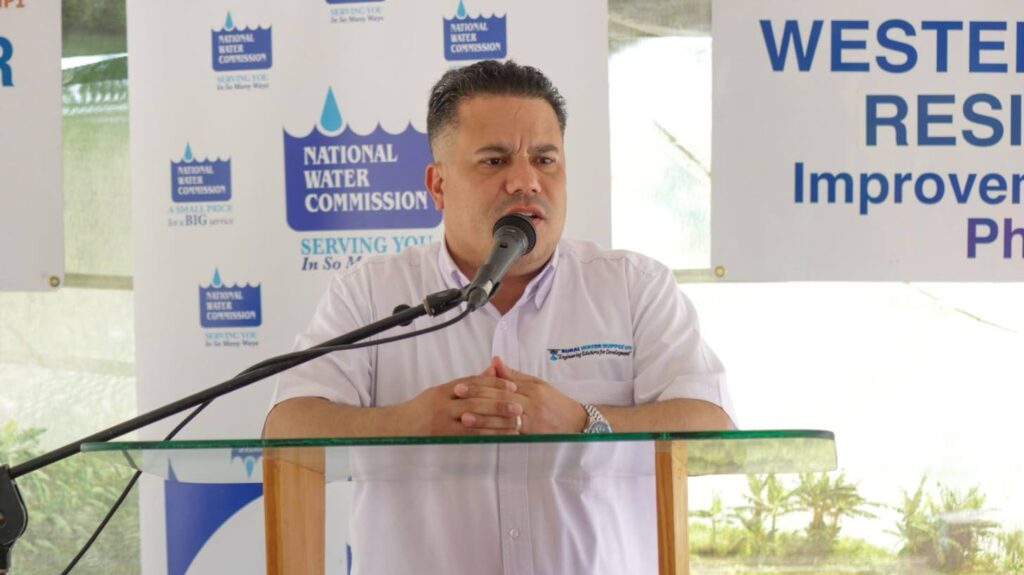
    A visibly optimistic Minister of Water Matthew Samuda welcomed the shipment Wednesday, pushing back against public and political criticism of the extended timeline. Samuda defended the progress, noting that the two-year timeline for a project of this scale actually constitutes “breakneck speed by Government standards globally”, when accounting for the complex legal requirements and multi-step procurement processes that govern large public infrastructure works.

    For Samuda, the arrival of the pipes — which range from 500 to 800 millimeters in diameter — is more than an infrastructure milestone: it is a fulfillment of a core political promise to Jamaican voters. “I hope that citizens are seeing now — and will see with the size of the pipes and the heavy construction — that the country is in a space where political commitments don’t need to be viewed in the way that they were once viewed, with the deep level of scepticism,” he told reporters at the port.

    Samuda also used the milestone to argue for sweeping bureaucratic reform, pointing to the two-year wait for pipe delivery as clear evidence that Jamaica’s existing multi-layered government accountability framework creates unnecessary bottlenecks that slow progress on critical emergency projects. “Doing things the same way and expecting different results is the definition of madness,” he stated.

    His comments came on the same day that Jamaica’s House of Representatives gave final approval to establish the National Reconstruction and Resilience Authority (NaRRA), a new centralized agency designed to cut through red tape and speed up delivery of major infrastructure projects in the wake of climate disasters. Last October, Hurricane Melissa devastated large swathes of the island, leaving billions in damage and exposing deep flaws in the country’s existing emergency reconstruction process. Samuda emphasized that NaRRA is specifically designed to eliminate the kind of long delays that have plagued WWRIP-1, giving the agency the executive authority to complete critical infrastructure projects in just 20 months, rather than the years-long timelines common under the old system.

    “[NaRRA] is indeed the best structure available to us…to build some of the infrastructure we now need to build in 20 months,” Samuda said, warning that without the streamlined authority granted to NaRRA under new legislation, “We will fail our citizens and not put them back on a path to growth, [not help them achieve] their dreams, and [we will not] put the nation back firmly on its path to prosperity.”

    When complete, WWRIP-1 will deliver 65 kilometers of new ductile-iron potable water pipelines that will replace the most vulnerable segments of western Jamaica’s aging water transmission network. The project is designed to resolve long-standing issues including chronic leaks that push non-revenue water losses to unsustainable levels, system-wide breakdowns caused by outdated infrastructure, and service disruptions triggered by increasingly severe climate volatility.

    Samuda framed the entire WWRIP initiative — which will reach a total investment of $450 million when fully completed — as a transformative generational investment, not just a basic infrastructure upgrade. “This is a nation-building project and a generational investment that unlocks economic activity and creates social stability for longer than a generation,” he said.

    The project is engineered to strengthen regional water security by improving interconnected hydraulic systems and expanding storage capacity, creating a resilient network that can support the rapid economic and tourism growth that western Jamaica has experienced in recent years. To minimize environmental disruption and reduce the cost and complexity of land acquisition, all new pipeline routes are planned to run alongside existing road corridors. WWRIP-1 will also deliver upgrades to two existing regional water treatment plants — the Martha Brae and Great River facilities — alongside construction of a completely new treatment plant in Roaring River, Westmoreland, creating a more robust and interconnected water network across the region.

  • $8m in 4 days

    $8m in 4 days

    MONTEGO BAY, St James — An aggressive enforcement campaign targeting unpaid advertising fees has yielded tangible results for the St James Municipal Corporation, with the local authority recovering just over $8 million in delinquent payments over a recent four-day period.

    Richard Vernon, chairman of the corporation and Mayor of Montego Bay, confirmed to Jamaica Observer on Thursday that collections between Friday evening and the following Monday totalled $8,150,861.00. This successful haul cuts the original total outstanding balance of $16,308,620.50 nearly in half, leaving just $8,157,759.50 still owed by non-compliant advertisers.

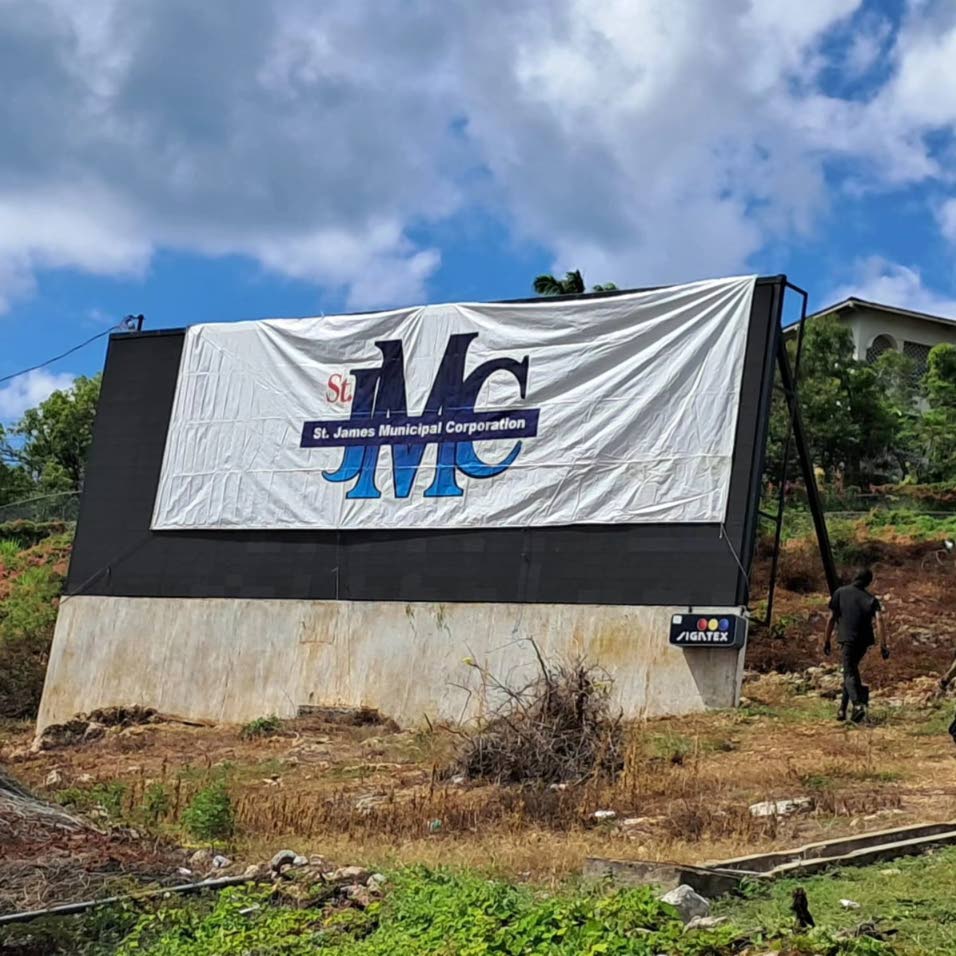
    The push for payment gained public attention last week, when the municipal corporation draped large branded banners over dozens of delinquent billboards across Montego Bay, drastically reducing the advertising exposure for companies and individuals that had fallen behind on their required fees.

    While Vernon welcomed the early progress from the campaign, he made clear that enforcement efforts will not slow until every outstanding balance is cleared. To date, the remaining non-paying advertisers have not reached out to the corporation to address their arrears, so officials are shifting to direct outreach via phone and email to secure payment.

    “Until full compliance is achieved, the enforcement measures currently in place will be maintained,” Vernon emphasized in his statement.

    This is not the first time the local authority has had to implement strict collection measures. Declining revenue has repeatedly put pressure on the corporation’s ability to fund core municipal operations, forcing decisive intervention when delinquent payments grow to unsustainable levels.

    “We have a city to run, and running a city requires adequate and reliable funding. Our resources are already stretched, and whenever there is a fallout in revenue we must intensify compliance activities to protect the city’s ability to function effectively,” the mayor explained. “Outstanding advertising payments are a revenue matter, and when arrears grow to a level that threatens service delivery we must intervene decisively.”

    Moving forward, the corporation plans to implement more proactive account monitoring and will adjust payment terms for advertisers where appropriate, with all affected entities set to receive formal notification of the updated, stricter policies. Vernon stressed that the enhanced collection efforts are rooted in core principles of fairness and accountability, ensuring that every business that benefits from using public advertising space meets its financial obligations to the residents of Montego Bay.

    The push to recover delinquent revenue and restore public order is not isolated to St James. Municipalities across Jamaica have rolled out similar compliance campaigns in recent months. Between January and March 2024, the Kingston and St Andrew Municipal Corporation first offered advertisers a window to resolve unpaid fee backlogs and remove illegally placed signage, before progressing to legal action and physical removal of non-compliant structures.

    Beyond advertising fee collections, local governments across the island have also ramped up enforcement around property tax collection and unpermitted construction. In St James and Trelawny, authorities have cracked down on property owners that have launched construction projects without securing required approval from or paying the mandatory fees to local municipal bodies.

    This coordinated nationwide push reflects growing pressure on local authorities to shore up revenue streams to maintain consistent public service delivery across Jamaica.

  • Partnership pays off

    Partnership pays off

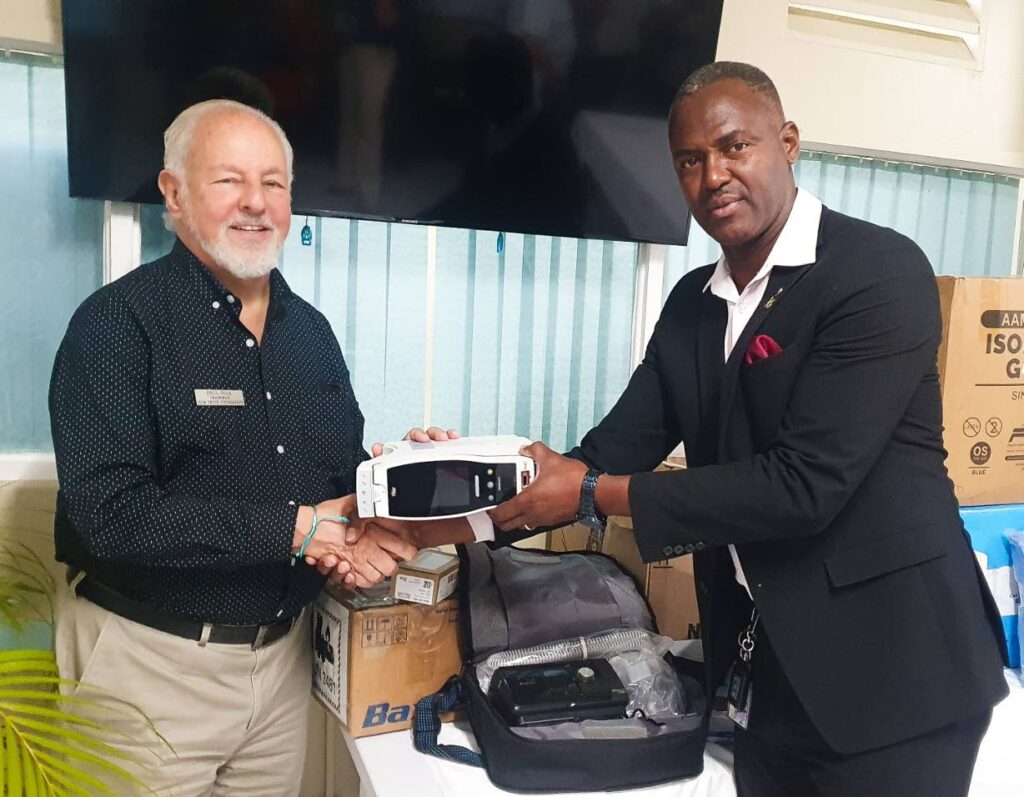
    SAVANNA-LA-MAR, Westmoreland — In the wake of catastrophic damage caused by Hurricane Melissa last October, the already strained healthcare system in Jamaica’s Westmoreland parish has received a transformative lifeline. The Issa Trust Foundation, the charitable wing of Caribbean hospitality brand Couples Resorts, has formally handed over $17 million in life-saving medical equipment and supplies to Savanna-la-Mar Public General Hospital, reinforcing a decades-long collaborative partnership between the institution and the non-profit.

    The official handover, held during a public ceremony at the hospital on Tuesday, comes as the facility continues to rebuild its care capacity after the category 5 storm devastated local infrastructure. Foundation chairman Paul Issa told attendees that while the organization’s recent focus has been centered on completing the $2.4 million Mary Issa Paediatric and Adolescent Health Centre in St Ann, the urgent, unmet needs of Westmoreland’s post-hurricane recovery could not be ignored. Setting aside his prepared remarks to speak off-the-cuff, Issa stressed that the large-scale donation was not a solo effort, but the result of coordinated action across a global network of mission-aligned partners.

    “Maybe each one of us individually couldn’t have done that by ourselves. As always, it’s a group effort and I’m grateful for the opportunity to be able to help,” Issa said.

    The donation includes a full suite of critical care and diagnostic tools that the hospital lacked after the storm: among the inventory are Continuous Positive Airway Pressure (CPAP) machines, life-support ventilators, patient monitoring systems, ECG units, pulse oximeters, vital sign monitors, defibrillators, and multiple suction devices. Multiple cross-sector and international partners contributed to making the donation possible: Partners in World Health provided core program support, Build Health International coordinated logistics for the cross-ocean shipment, Airlink covered all cost of air transport for the equipment, and Jamaica’s Ministry of Health partnered through the National Healthcare Enhancement Foundation (NHEF) Ltd. to facilitate local delivery.

    Savanna-la-Mar Public General Hospital, classified as a Type B care facility, is the primary healthcare provider for all of Westmoreland parish, including the high-volume tourist destination of Negril. The facility regularly treats a high volume of trauma cases, particularly those stemming from motorcycle accidents across the region. Dr. Suman Vemu, the hospital’s Senior Medical Officer, noted that the new equipment fills critical gaps in the facility’s ability to deliver timely, life-saving care. He recalled that a 2018 donation of a C-arm imaging machine from the foundation was a transformative upgrade for the hospital, allowing the care team to treat complex orthopaedic poly-trauma cases on-site rather than transferring patients to distant facilities.

    Deveta McLaren, Acting Regional Director for the Western Regional Health Authority (WRHA), added that the facility is currently mid-way through a full renovation of its Accident and Emergency (A&E) department, with completion scheduled for mid-June. Once the renovation wraps up, all the newly donated equipment will be installed and fully operational to serve patients.

    WRHA Board Chairman Eric Clarke highlighted the unique community impact of the foundation’s work, noting that most of the funding for the donation comes from vacationing guests who choose to give back to the Jamaican communities they visit. “It is a totally amazing programme where people pay for their vacation to Jamaica and actually give something back, other than at the restaurants,” Clarke explained. “To the guests that come to Jamaica not only enjoy your hotel, but you give back directly to the health care in the community… I think that’s absolutely amazing.”

    Roan Grant, Chief Executive Officer of Savanna-la-Mar Public General Hospital, expressed profound gratitude for the donation, noting that in the months following the hurricane, clinical staff have been forced to work with severely outdated and insufficient equipment. “We deeply and gratefully, with a generous heart, accept these donations of medical supplies and equipment, which come at a most critical time and timely moment for our institution. Your support significantly strengthens our capacity to deliver quality healthcare and enhance our ability to serve our patients with greater efficiency and compassion,” Grant said. “This contribution is not only a gift of resources but also a meaningful investment in the well-being of the community we serve.”

    With Couples Resorts operating two popular properties in Negril, Issa reaffirmed the foundation’s long-term commitment to supporting the hospital, which serves as the core healthcare provider for local residents and visitors to the region. “We want to continue in our little way to help — and we plan to,” he assured attendees.

  • Pringle confident after casting ballot in the 2026 general election

    Pringle confident after casting ballot in the 2026 general election

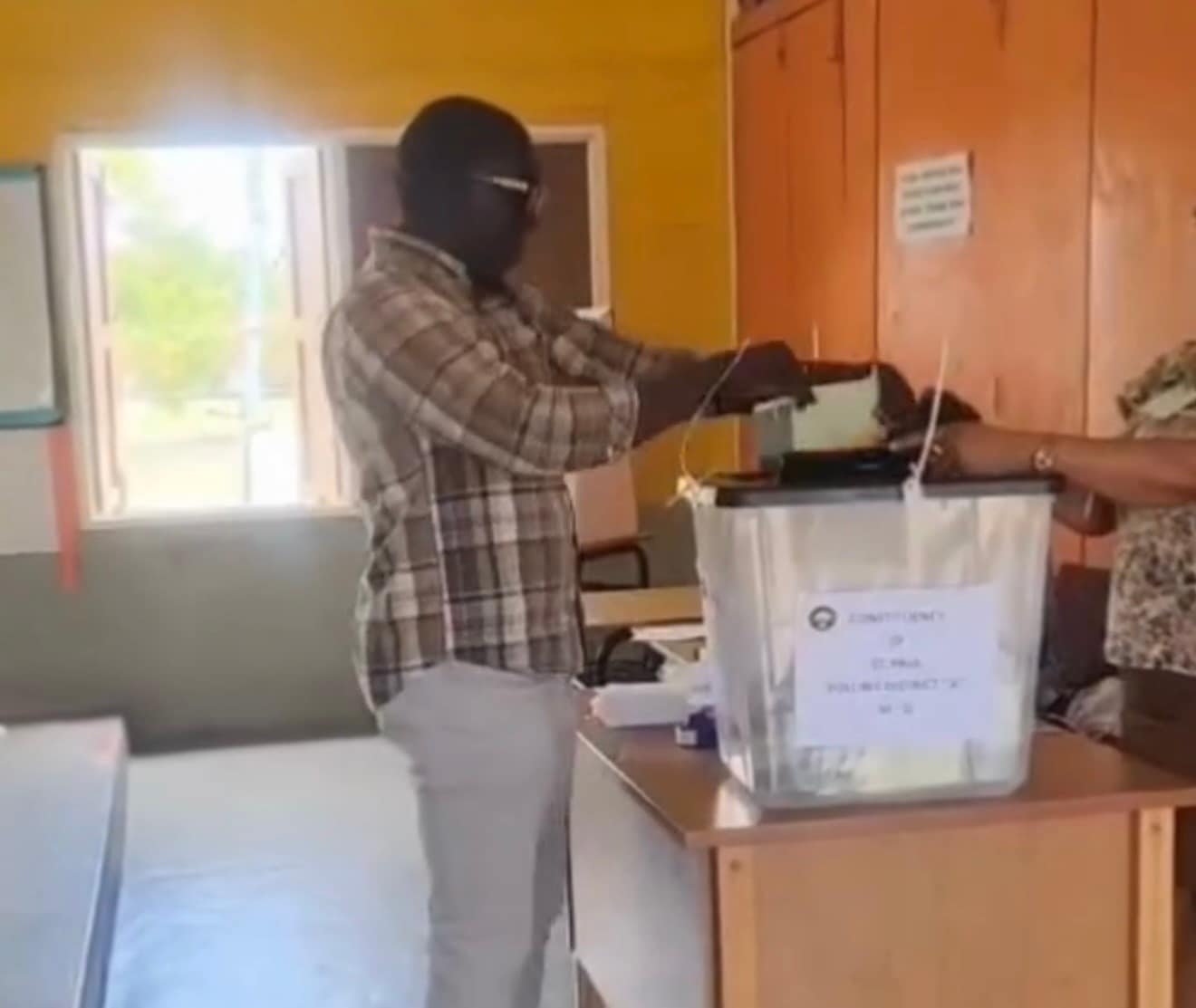
    On Thursday, as general election voting got underway across the twin-island nation of Antigua and Barbuda, United Progressive Party (UPP) leader Jamale Pringle cast his own ballot and quickly stepped forward to make a public appeal for widespread voter participation, while sounding an optimistic note about his opposition party’s path to victory.

    Speaking to reporters immediately after completing his voting process, Pringle emphasized that the ballot box remains the most impactful channel through which citizens can shape the trajectory of their nation. He stressed that this election will determine the long-term future of Antigua and Barbuda, making it critical that every eligible voter exercises their democratic right to have a say.

    “While political parties of all stripes put forward their policy positions and ideological arguments, the ultimate and most authentic voice of the nation is the vote itself,” Pringle said, urging all registered citizens to make their voices count by heading to polling stations before voting closes.

    The UPP leader shared that he had toured multiple polling locations across the country earlier in voting day, and observed that election administration was running smoothly, with a consistent stream of voters arriving to cast their ballots. Though concerns have circulated in the lead-up to the election about potential low turnout driven by voter apathy, Pringle said he remained optimistic that the final turnout figure will be encouraging.

    To voters who may feel hesitant to participate, Pringle issued a straightforward call to action: regardless of whether they support his leadership or oppose it, every eligible citizen should still turn out to vote in line with their beliefs.

    Outlining his party’s agenda if voted into office, Pringle highlighted that the UPP ran on a “people first” policy platform, with immediate, targeted action on pressing economic challenges as a top priority. He confirmed that if his party secures a majority, key issues including the current high cost of living, poor road infrastructure, and persistent water shortages will all be addressed within the new government’s first 100 days in power.

    “Antigua and Barbuda residents can expect a government that moves aggressively to turn around the nation’s current economic situation,” Pringle said.

    The opposition leader went on to affirm his strong confidence in a UPP victory, arguing that given the country’s current circumstances, his party represents the only viable choice for voters. He added that the UPP’s policy pledges and forward-looking plans have resonated deeply with voters across the country throughout the campaign period.

    Looking ahead to vote counting, Pringle said he will remain in his own constituency throughout the final stages of voting, before joining other UPP members to wait for the final election results. He concluded with a prediction: “After that, we will get together and celebrate the victory.”

    Polling is ongoing at stations across Antigua and Barbuda, as voters select from candidates vying to form the nation’s next governing administration.

  • Antigua and Barbuda ranked 154th in CARICOM AI readiness index, 2025 report shows

    Antigua and Barbuda ranked 154th in CARICOM AI readiness index, 2025 report shows

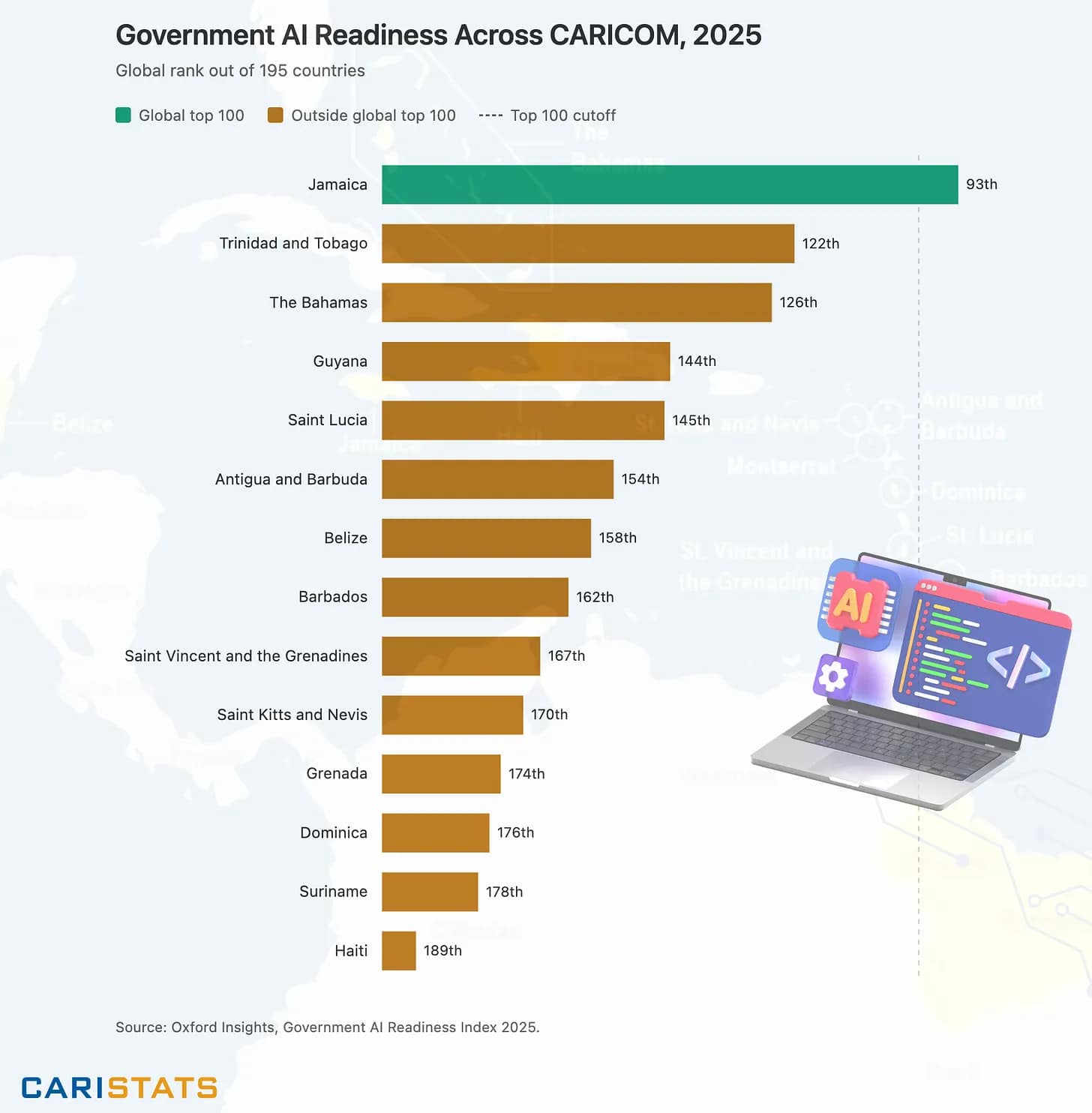
    A new 2025 global assessment of government preparedness to leverage artificial intelligence for public good has revealed significant gaps in capacity across Caribbean Community (CARICOM) member states, published by leading international research firm Oxford Insights. Covering 195 nations worldwide, this year’s Government AI Readiness Index introduces a newly updated analytical framework built around six core pillars: Policy Capacity, AI Infrastructure, Governance, Public Sector Adoption, Development and Diffusion, and Resilience, replacing the index’s previous structure to better reflect evolving AI ecosystem needs.

    When ranked against the rest of the world, CARICOM nations see a wide spread in positions, stretching from 93rd all the way down to 189th. Only one CARICOM member, Jamaica, claims a spot in the global top 100, a outcome researchers attribute directly to the island nation’s recent launch of a formal national AI strategy. A second tier of mid-ranking regional states includes Trinidad and Tobago at 122nd and The Bahamas at 126th, while the 11 remaining member states fall far behind, with rankings between 144th and 189th.

    In addition to global rankings, the index assigns individual scores from 0 to 100 for each of the six measurement pillars across every assessed country. Aggregated regional data shows CARICOM’s strongest performing area is AI Infrastructure, which posts an average regional score of 33. Governance and Resilience tie for second place with average scores of 29 each. The region’s weakest pillars, by contrast, are Policy Capacity, and Development and Diffusion, which both carry an average regional score of just 13.

    Taken as a whole, the 2025 index data paints a clear picture of the CARICOM region’s current AI landscape: while member states have built comparatively stronger foundational digital infrastructure than many peer economies, they still lag far behind in developing formal national AI strategies, scaling up AI development, and rolling out applied AI solutions across public and private sectors.

  • Surinaamse Gids Exclusief gelanceerd als nieuw platform voor bedrijven en diensten

    Surinaamse Gids Exclusief gelanceerd als nieuw platform voor bedrijven en diensten

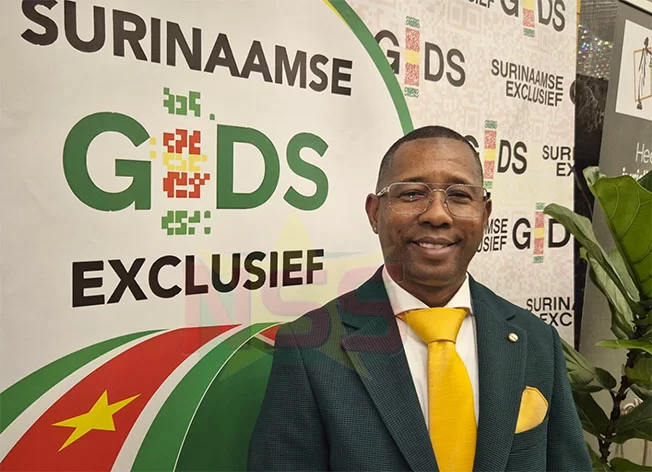
    After a decade of iterative development and setbacks, a groundbreaking new integrated business platform named Surinaamse Gids Exclusief has officially launched at Suriname’s Prince Ballroom on Wednesday. Created by founder Brayen Wouden, the multi-format ecosystem—consisting of a print magazine, official website, and mobile application, all operating under the same brand—aims to connect, promote, and maintain long-term visibility for business products and services from Suriname-based and international enterprises, bridging local entrepreneurs and the global market.

    For Wouden, the launch marks the fulfillment of a decade-long personal and professional dream. In remarks at the launch event, the founder outlined the platform’s far-reaching mission that extends far beyond a standard business directory or promotional outlet. “This is more than a business magazine, more than an app or an integrated website. It is a full ecosystem, a central hub where visibility and innovation converge,” Wouden explained. “It is a space where local entrepreneurs and members of the Surinamese diaspora can showcase their work in full, build an international network, and access information that is open and accessible to all segments of the population. We designed this platform to stimulate entrepreneurship, and build a critical connecting bridge between the government, private enterprises, and civil society organizations.”

    The Surinamese government holds a prominent presence on the new platform, which currently sources most of its published news content directly from official government sources. Beyond business promotion, the platform offers a wide range of additional public utilities: it hosts listings for job seekers searching for employment opportunities, and features options for people looking to buy or rent residential property. Organizers also confirmed that future updates will add functionality to promote local cultural, business, and community events to both domestic and international audiences.

    To accommodate businesses of all sizes and budget ranges, the platform operates on a tiered pricing package system, with options ranging from a free basic listing to a premium annual plan costing $950 USD. This structure allows enterprises to select the level of visibility and promotional access that aligns with their needs and resources.

    The launch event drew strong official representation from the Surinamese government, with multiple cabinet ministers in attendance. Foreign Affairs Minister Melvin Bouva and Minister of Transport, Communication and Tourism Raymon Landveld both shared their optimistic expectations for the platform’s economic impact, noting that it will act as a public “storefront” for Surinamese companies and services, and projecting that it will make a tangible contribution to driving domestic economic growth in the coming years.