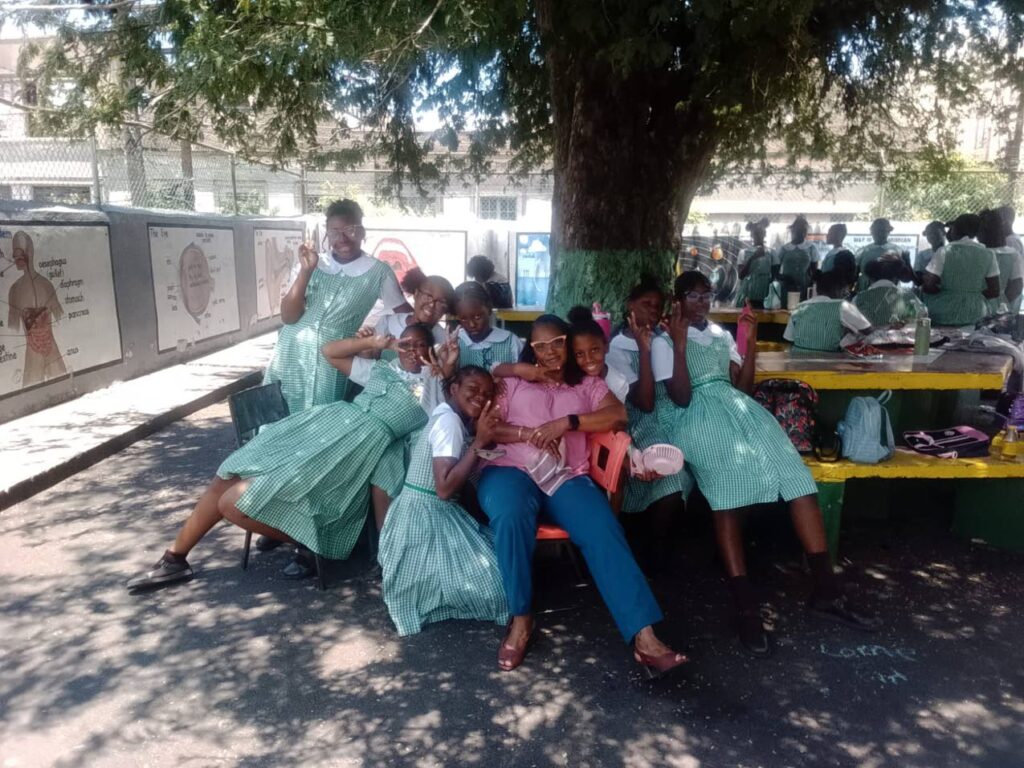
Six months after Category 5 Hurricane Melissa swept across Jamaica, leaving widespread destruction and disruption to education systems especially in western parishes, the island’s Ministry of Education has announced the successful completion of the 2026 Grade 6 Primary Exit Profile (PEP) examinations. The two-day assessment, held between April 29 and 30, wrapped up without major incident, marking a major milestone for education recovery after the storm.
In an official media statement released Thursday, Education Minister Senator Dr Dana Morris Dixon emphasized that the smooth delivery of this year’s exams demonstrates the ministry’s unwavering commitment to upholding resilience, educational equity, and positive outcomes for every student, even in the wake of national crisis. “We are extremely pleased that the 2026 PEP examinations were conducted successfully across the entire island,” Dixon noted. “This achievement does not happen in isolation — it reflects the extraordinary dedication and seamless coordination of our ministry staff, school leaders, teachers, parents, and students, all of whom stayed focused on this goal despite the ongoing challenges left by Hurricane Melissa last October.”
Dixon added that the core priority for the 2026 exam cycle was to guarantee every eligible learner a fair, supportive space to perform to the best of their ability, and the successful execution of the exams stands as proof of what collective effort can deliver. Now entering its eighth year of operation, the PEP assessment was open to Grade 6 students born between 2013 and 2015, with a total of 31,806 registered candidates for this year’s sitting. Of that total, 15,964 are male and 15,842 are female; 27,375 attend public schools across the country, while 4,431 are enrolled in private educational institutions.
To address the widespread curriculum disruption caused by Hurricane Melissa, the ministry implemented targeted adjustments to this year’s exam structure and curriculum coverage after carrying out extensive consultations with teachers, principals, and parent representatives from both public and private schools. The most significant change was the full cancellation of the 2026 Performance Task assessment component, a decision designed to balance fairness for affected students with preservation of the overall integrity of the PEP secondary school placement model.
For 2026, sitting students completed four core components: curriculum-based tests in mathematics and language arts, an ability test, and assessments for verbal and quantitative reasoning. Both mathematics and language arts feature 60 multiple-choice items, with a 110-minute time limit for each subject. This year also introduced a key update to the assessment framework: for the first time, PEP includes formal, embedded dedicated components to assess Grade 6 students’ literacy and numeracy proficiency.
Ministry officials explain that this strengthened focus on foundational skills will generate critical data on students’ current literacy levels and readiness for the transition to secondary education. It will also allow education stakeholders to track student learning progress from Grade 4 onward, and measure how effective school-level intervention strategies are at closing learning gaps.
To support vulnerable candidates this year, 615 registered students received approval for special accommodations, ranging from extra testing time, on-site readers and writers, and preferential seating to accessible testing formats including Braille and large-print test booklets. An additional 17 candidates were approved for linguistic aides supporting French, Spanish, and Mandarin speakers.
Beyond structural exam changes, the ministry rolled out a comprehensive set of emergency measures to address the ongoing impact of Hurricane Melissa, ensuring all students could access the exam in safe, supportive testing environments. These interventions included relocating damaged examination centres to alternate accessible sites, erecting temporary weather-resistant testing structures at locations where full relocation was not possible, arranging dedicated transportation for students in affected areas to access testing sites, and deploying on-site rapid response teams to resolve any unexpected emergencies that arose during the two-day exam period.