作者: admin

  • Antigua and Barbuda Fire Officers Attend Regional Chiefs Conference in Dominican Republic

    Antigua and Barbuda Fire Officers Attend Regional Chiefs Conference in Dominican Republic

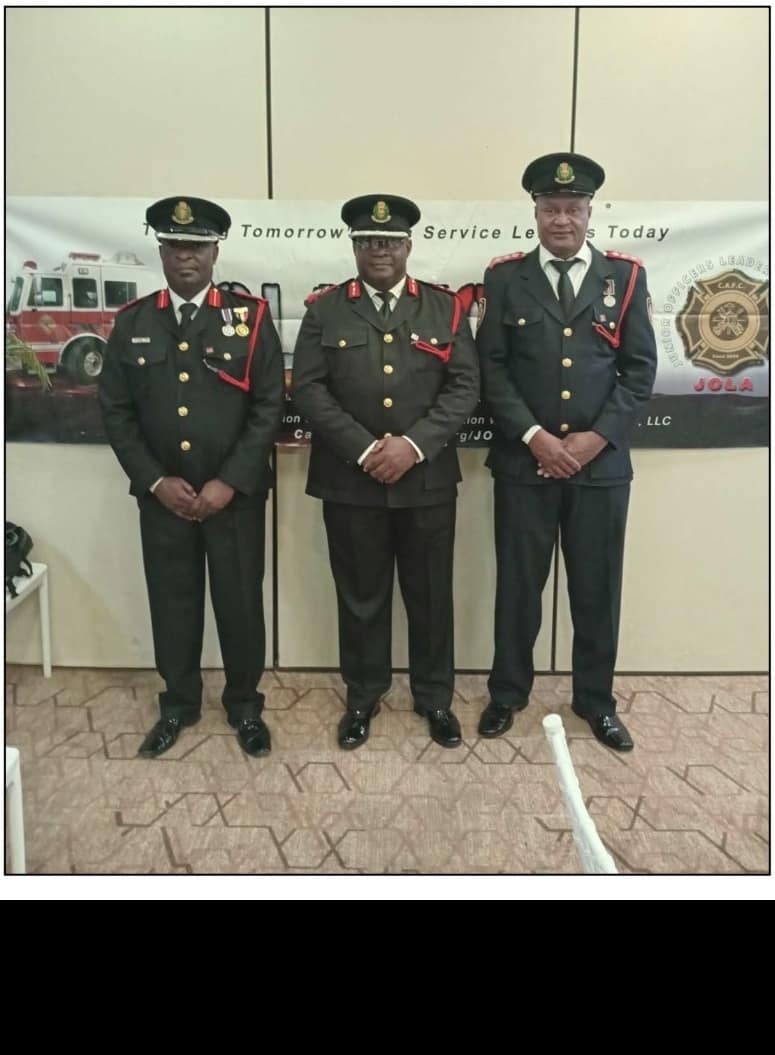
    A top-tier delegation of three senior fire service leaders from Antigua and Barbuda has touched down in the Dominican Republic to represent their island nation at the 2026 Caribbean Association of Fire Chiefs Conference, a major regional gathering that kicked off earlier this month and will run through May 24. The delegation is composed of Assistant Commissioner of Police Vivian Parker, Superintendent of Police Elvis Gordon, and Assistant Superintendent of Police Lester Bagot, all of whom are taking part in the week-long event hosted at the coastal resort town of Playa Juan Dolio.

    The official opening ceremony took place at the Hodelpa Garden Suites Golf and Convention Center, drawing chief fire officers and senior emergency management professionals from every corner of the Caribbean. This year’s convening centers on the forward-thinking theme “Beyond Borders: Advancing Integrated Emergency Management Across the Caribbean,” a framing that highlights growing regional recognition that cross-border coordination is critical to addressing shared disaster and emergency risks.

    Over the course of the conference, delegates will engage in a packed schedule of collaborative activities, including plenary addresses from leading emergency management experts, interactive panel discussions, and closed-door strategic working sessions. Key topics on the agenda span core operational and strategic priorities for Caribbean emergency services: strengthening leadership capacity within fire brigades, improving on-site command effectiveness during large-scale incidents, expanding community and infrastructure-focused risk mitigation strategies, refining long-term strategic planning for disaster response, and exploring the practical applications of Geographic Information Systems (GIS) technology to boost emergency response outcomes across the region.

    Beyond the immediate work of the 2026 conference, the gathering also sets the stage for Antigua and Barbuda’s upcoming turn in the regional spotlight: the nation has been confirmed as the official host of the Caribbean Association of Fire Chiefs Conference in 2027, marking an important milestone for the country’s fire and emergency services sector.

  • CBH Takes Mosquito Awareness Campaign to Schools Across Antigua and Barbuda

    CBH Takes Mosquito Awareness Campaign to Schools Across Antigua and Barbuda

    Against the backdrop of the 2026 Caribbean Mosquito Awareness Week, Antigua and Barbuda’s Ministry of Health, via the country’s Central Board of Health (CBH), has ramped up targeted public education campaigns to cut down on mosquito breeding grounds and safeguard community public health across the twin-island nation.

    A core pillar of this year’s awareness initiative is a nationwide school outreach program, with CBH teams traveling to educational institutions across both Antigua and Barbuda to deliver hands-on lessons on mosquito risk awareness, bite prevention, and environmental stewardship. During interactive classroom sessions, students gain a clear understanding of the serious health hazards linked to mosquito bites, including coverage of three major viral diseases commonly transmitted by the insects: dengue, chikungunya, and Zika.

    Beyond risk education, the program trains young learners to spot common mosquito breeding hotspots that often go unnoticed in residential areas and neighborhood spaces. These include discarded tyres, unused water drums, decorative flower pots, clogged drainage ditches, and any open containers that can trap stagnant water—key conditions for mosquito larvae to develop. Students are then invited to become active participants in public health protection, helping clear and eliminate these potential breeding sites on both school grounds and their own residential properties.

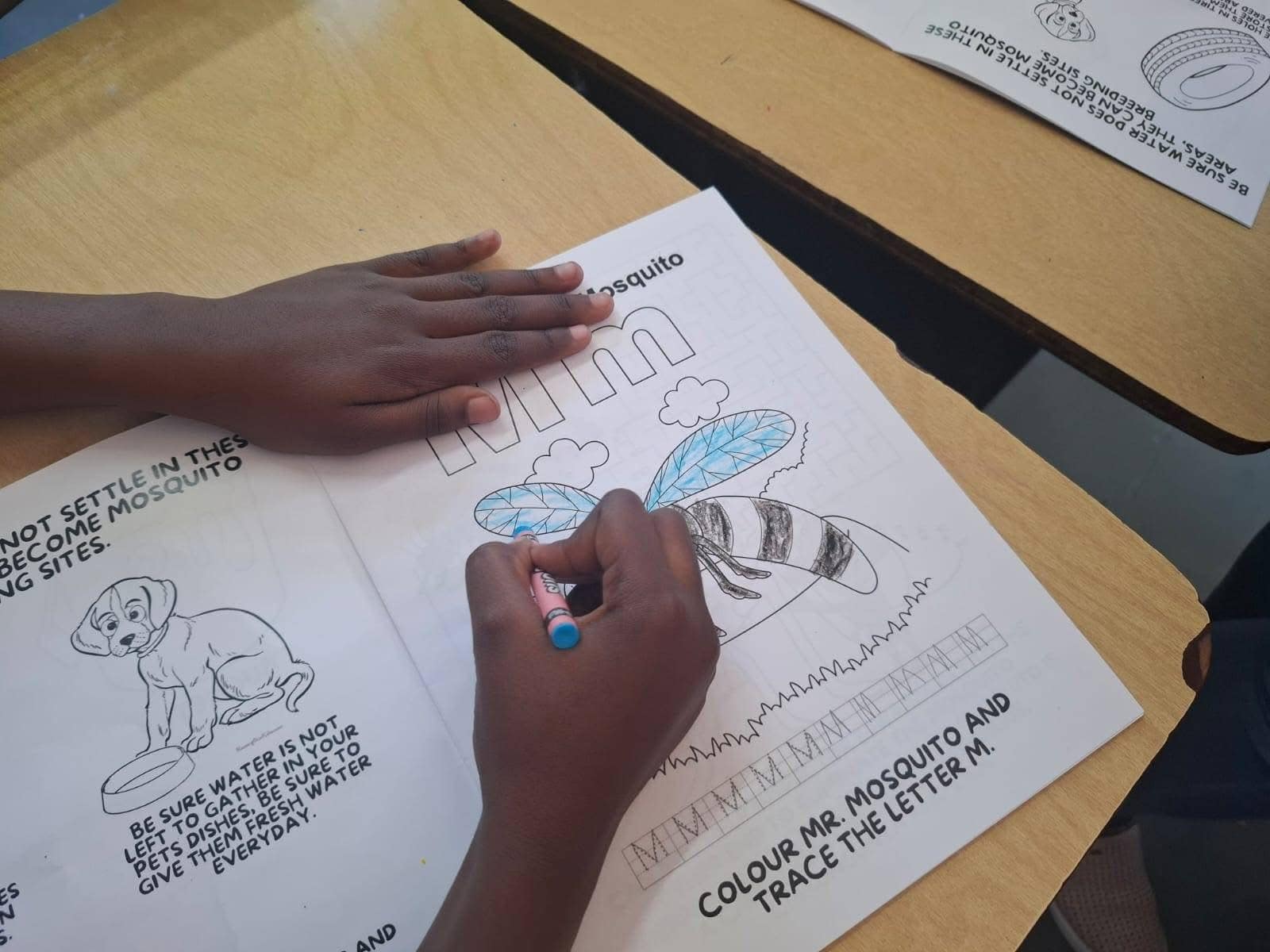
    To make learning accessible and engaging for a younger audience, the CBH has developed a custom interactive activity book centered on mosquito prevention, neighborhood cleanliness, and individual public health responsibility. The book packs a range of kid-friendly content, including educational worksheets, colouring pages, logic puzzles, and other hands-on activities designed to turn mosquito control education into an enjoyable, memorable experience rather than a dry lecture.

    Julienne Mannix, the CBH’s Principal Public Health Inspector, underscored the long-term value of introducing mosquito prevention education at an early age, noting that early learning helps embed protective habits into regular daily routines that last a lifetime.

    “Children are incredibly powerful agents of change within their own families and local communities,” Mannix explained in a statement on the initiative. “By teaching them about the risks mosquitoes pose and how to remove breeding sites, we are not just keeping this generation of kids safe—we are giving them the tools to encourage healthier, more preventative habits among every member of their households.”

    Mannix went on to emphasize that broad community participation remains one of the most impactful strategies for reducing overall mosquito populations and stopping outbreaks of mosquito-borne disease from taking hold.

    “Mosquito control is not a responsibility that falls only to the Central Board of Health,” she added. “It demands a coordinated, national collective effort. Simple, routine actions—from properly sealing water storage containers to clearing blocked gutters, discarding unused old containers, and keeping residential yards clear of debris—can cut down on mosquito breeding dramatically.”

    This national school-focused initiative is part of a wider regional effort across the Caribbean to observe the annual Mosquito Awareness Week, which unites public health bodies across the region to boost public understanding of mosquitoes’ threat to regional public health, and promote consistent prevention and environmental management practices.

    As the campaign rolls out across schools, the CBH is calling on all residents of Antigua and Barbuda to support the effort by taking proactive steps to reduce mosquito breeding around their own homes and neighborhoods, while also reinforcing the key prevention lessons their children are bringing home from the program’s school sessions.

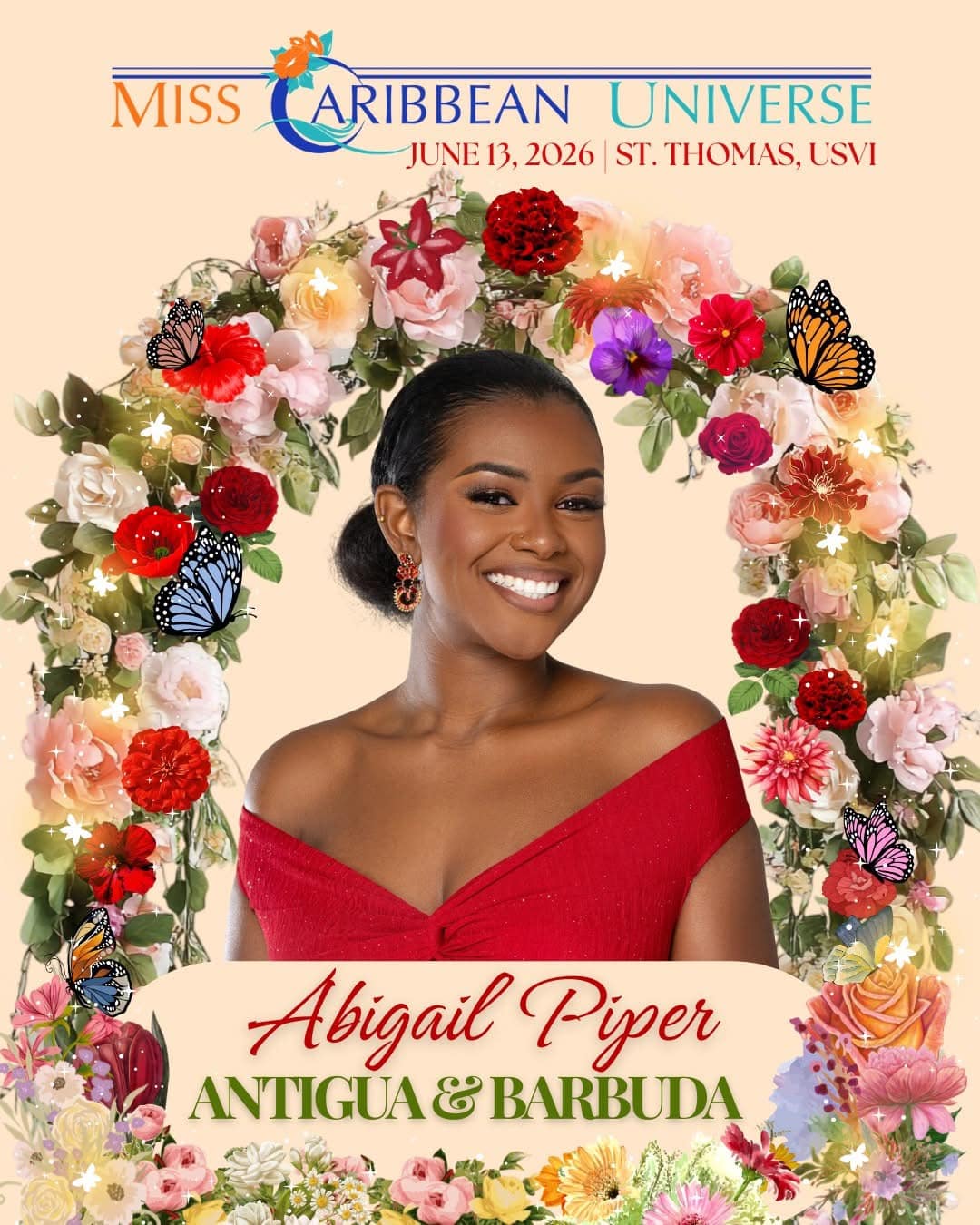
  • Abigail Piper to Represent Antigua and Barbuda at Miss Caribbean Universe 2026

    Abigail Piper to Represent Antigua and Barbuda at Miss Caribbean Universe 2026

    Pageant organizers made an official announcement this week confirming that Abigail Piper will serve as the official delegate for the twin-island nation of Antigua and Barbuda at the highly anticipated 2026 Miss Caribbean Universe competition. In a statement released to the public, event coordinators highlighted that Piper embodies the distinctive cultural identity and natural beauty that sets Antigua and Barbuda apart across the Caribbean region, as she begins her months-long preparation to compete against delegates from other Caribbean territories on the regional stage. The 2026 iteration of the iconic regional pageant has already locked in its venue and date, with the coronation event set to take place on June 13, 2026, inside the historic Ruth E. Thomas Auditorium, located in the charming port town of Charlotte Amalie on St. Thomas, U.S. Virgin Islands. For Piper and the Antigua and Barbuda pageant community, the announcement marks the official start of a journey that will showcase the nation’s heritage and talent to audiences across the Caribbean and beyond.

  • Malaka Parker Calls on Government Senators to Play Their Part To Uphold Scrutiny and Accountability Role

    Malaka Parker Calls on Government Senators to Play Their Part To Uphold Scrutiny and Accountability Role

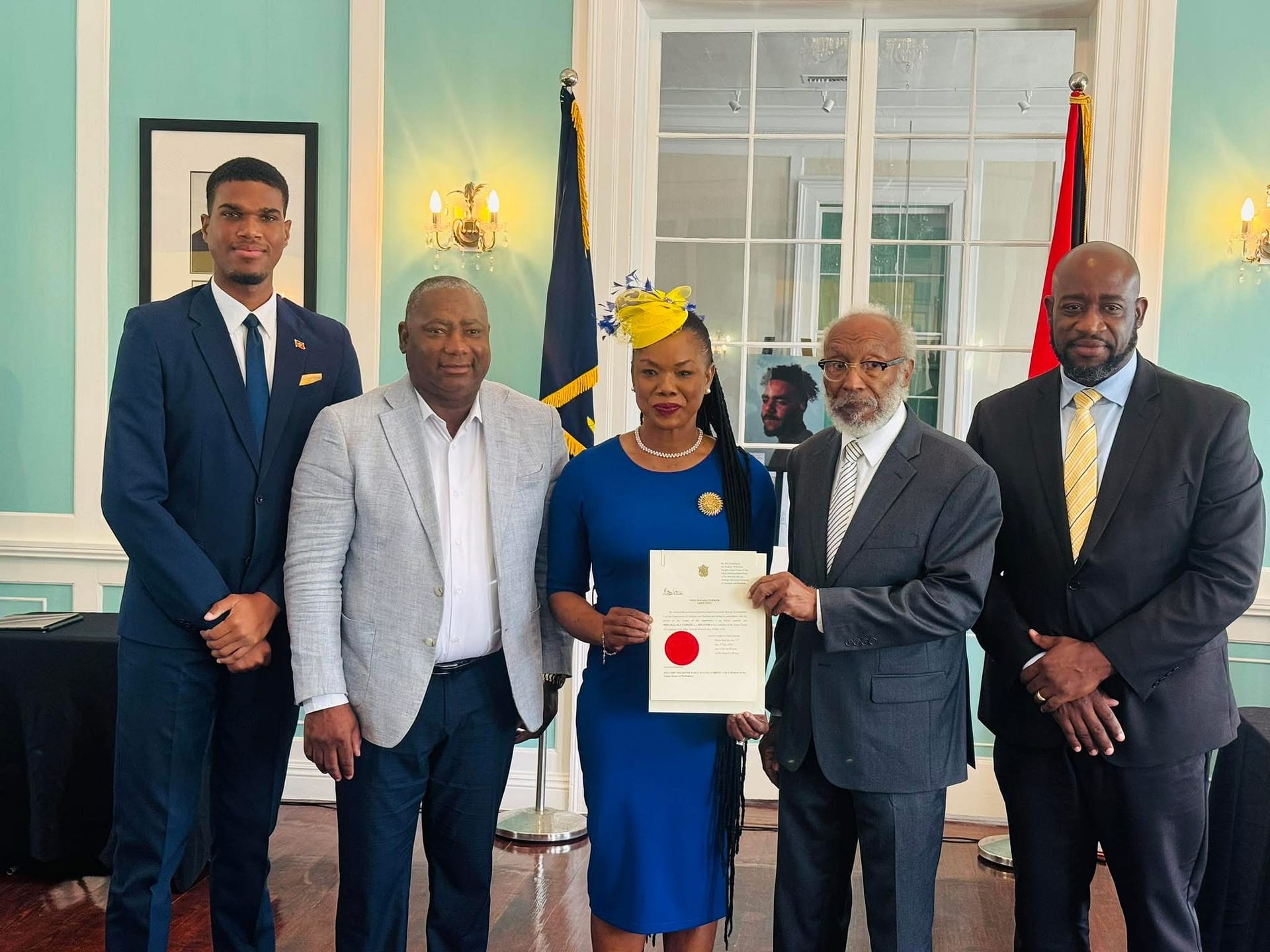
    In a formal ceremony held at Government House this Monday, veteran legislator Malaka Parker took the oaths of office, allegiance and secrecy to begin her new term as an opposition member of the Senate of Antigua and Barbuda, immediately calling on majority government senators to honor the upper chamber’s core mandate of legislative revision, scrutiny and executive accountability.

    Deputy Governor General Sir Clare Roberts officiated the swearing-in, which was attended by a crowd of United Progressive Party supporters, labor union leaders, and Parker’s close family and friends. This marks a return to parliamentary service for Parker, who previously held a government-aligned Senate seat from 2009 to 2014, a tenure that has shaped her perspective on the upper house’s institutional role.

    In her first public remarks after taking office, Parker emphasized that government senators, who hold a majority in the chamber, carry the primary responsibility for upholding the Senate’s foundational purpose. “What I’m asking in this moment is for the government senators to function in the true spirit of what that chamber is supposed to represent,” Parker stated. “Who are in the majority and it is they who should really lead this idea of revision, of scrutiny, of holding the lower house to some level of accountability.”

    Reflecting on her return to the parliamentary halls, Parker framed her new appointment as both a humbling honor and a weighty public trust. “I remain humble, and it is an awesome, awesome responsibility to stand in the halls of Parliament,” Parker said. “I treat it with reverence. I treat it with respect.” She committed to serving the people of Antigua and Barbuda conscientiously throughout her upcoming term, joining fellow opposition senators Chester Hughes, Jonathan Wenner and Ashworth Azille on the opposition bench.

    Offering guidance ahead of Parker’s tenure, Sir Clare urged the newly sworn senator to anchor her work in core ethical values: “integrity, discipline, diligence, humility and a sincere desire to contribute positively to the development of Antigua and Barbuda and its people.” The appointment fills the latest opposition seat in the Senate, reshaping the body’s opposition caucus ahead of upcoming legislative work.

  • MP Kiz Johnson Vows Continued Service After Taking Parliamentary Oath

    MP Kiz Johnson Vows Continued Service After Taking Parliamentary Oath

    St Philip’s South has a new formally seated representative in national parliament, as Kiz Johnson completed the mandatory Parliamentary Oath on Monday and publicly pledged to bring unwavering dedication to his constituents. In an official statement released immediately after the swearing-in ceremony, Johnson framed the milestone as a profound honor that comes with deep, intentional responsibility rather than a mere ceremonial achievement. Unlike a symbolic title, Johnson emphasized that his position as a Member of Parliament represents a binding promise to lift up the needs and priorities of every community across the constituency. Johnson shared that he entered office carrying the collective hopes, concerns, and ambitions of the people he was elected to serve, adding that he would never treat his public duties as a casual or taken-for-granted role. The Parliamentary Oath stands as the formal, constitutional step that all elected representatives must complete to officially assume their legislative and representative responsibilities in the national governing body. Closing his statement with a rallying call for forward progress, Johnson declared, “The work continues — The Bold Way FWD,” signaling his commitment to immediate, ambitious action on behalf of his constituents.

  • PM says Ministers should resign if they are not fully committed to the task

    PM says Ministers should resign if they are not fully committed to the task

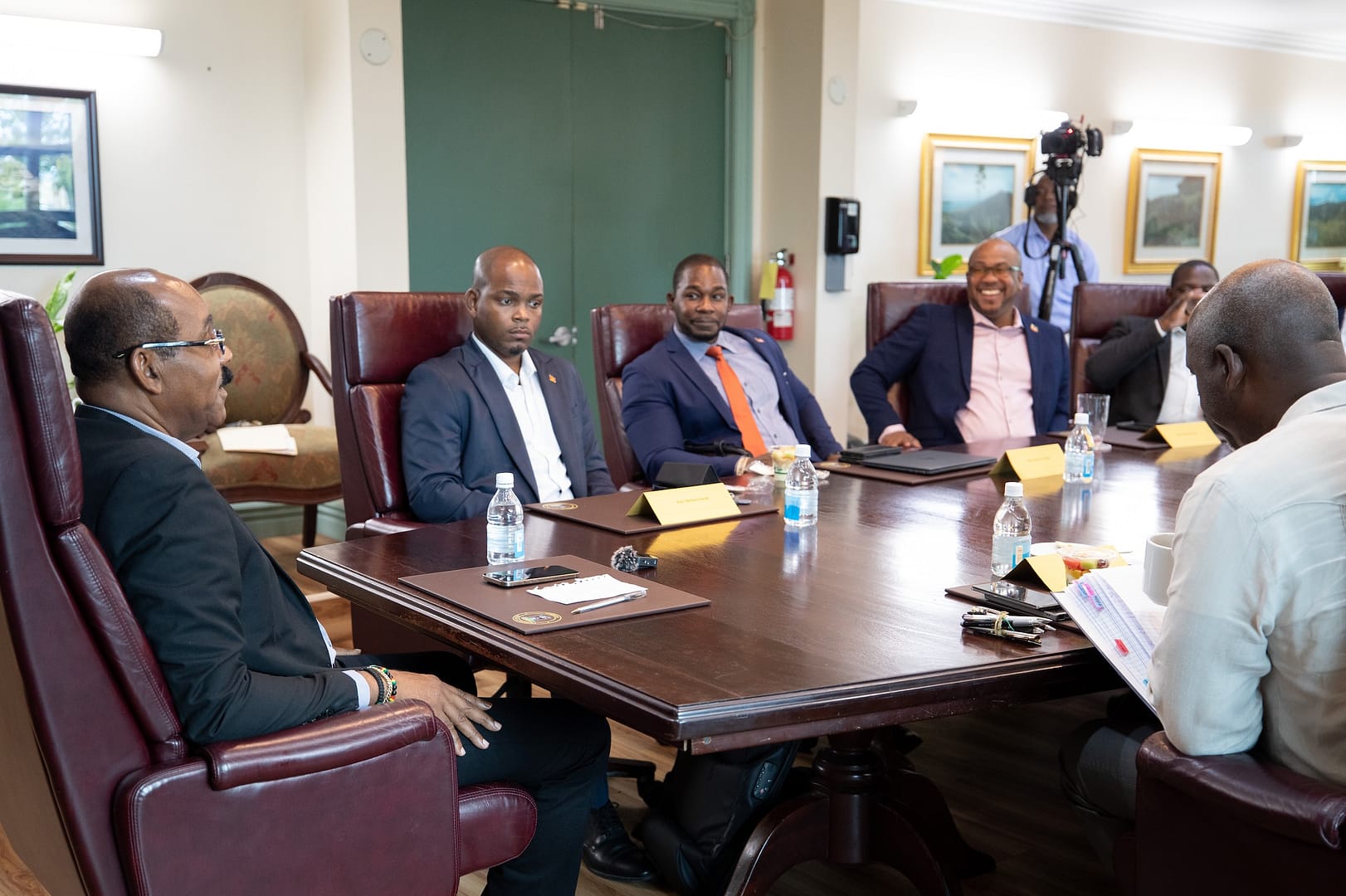
    Fresh off a landslide re-election victory that locked in a fourth consecutive term for his administration, Prime Minister Gaston Browne of Antigua and Barbuda has launched a stark crackdown on unprofessional conduct among his cabinet ministers and senior government officials, demanding that any public servant who cannot stay focused and engaged during official meetings resign immediately.

    Speaking in an interview with local outlet Pointe FM, Browne outlined a new push for heightened discipline and professional accountability across the executive branch, calling out a range of distracting, unproductive behaviors that he says have become unacceptable in his government. Among the most common issues he highlighted were excessive smartphone use and persistent inattentiveness that pulls officials away from critical government business being discussed at meetings.

    “If you want to drop sleep and you can’t keep your head up, then leave it,” Browne told host, emphasizing that roles in public office demand full commitment from the people who hold them. He argued that any elected official or public servant who is unwilling or unable to maintain full focus during official proceedings does not deserve to keep their position of public trust.
    Browne doubled down on the criticism, noting that far too many officials spend entire meetings glued to their mobile devices instead of contributing to policy discussions. All public servants and elected representatives, he stressed, have a responsibility to remain attentive and deliver productive outcomes for the citizens who elected them.
    In a revealing anecdote that underscores the scope of the issue, Browne shared that he had personally observed a sitting cabinet minister playing the popular computer card game Solitaire mid-meeting just recently, exposing the complacency he is now working to root out of his administration.

    The prime minister’s remarks come as part of a broader conversation about governance and accountability, unfolding just weeks after the Antigua and Barbuda Labour Party (ABLP) secured a decisive victory in the April 30 general election. The party won 15 out of the nation’s 17 available parliamentary seats, granting Browne’s administration an overwhelming governing majority in the national legislature.

    Browne has repeatedly warned his caucus and cabinet that the lopsided election win does not give the party permission to grow complacent. Instead, he has repeatedly called on ministers and members of parliament to raise their performance standards, tighten operational discipline, and work continuously to preserve the public trust that delivered their historic election majority.

  • The Homeland of José Martí

    The Homeland of José Martí

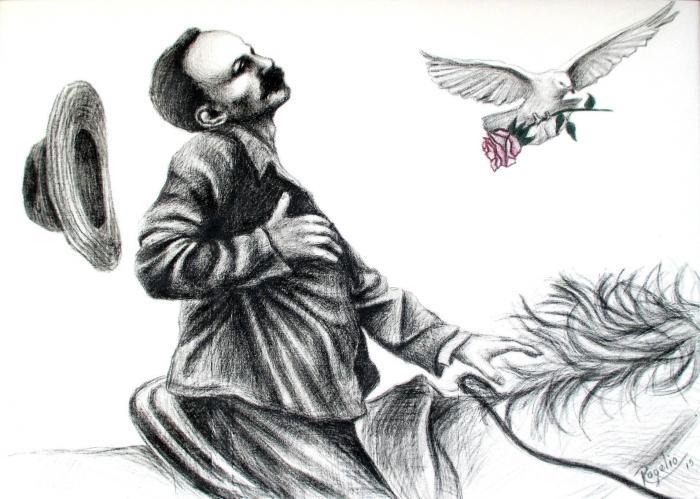
    On the anniversary of José Martí’s historic struggle for Cuban sovereignty, writer Enrique Ubieta Gómez revisits the founding father’s timeless ideological legacy, framing it as a living call to resistance amid ongoing geopolitical tensions in the Americas. Published on May 19, 2026, the reflection opens with a vivid evocation of Martí, the iconic independence leader: galloping across history on his white steed, revolver in hand toward the sun, his words already etched forever into Cuba’s collective identity through letters, speeches, and poetry.

    Martí’s core vision tied Cuban independence not just to national self-determination, but to the broader freedom of all Latin American peoples and even global geopolitical balance. In his final letters before falling in battle, he laid out his existential mission clearly: he risked his life to prevent the United States from expanding its power across the Antilles, a foothold that would let it extend imperial control over all of Our America. “To prevent the opening in Cuba, through annexation to the imperialists there and the Spanish, of the path that must be blocked, and which we are blocking with our blood, of the annexation of the peoples of Our America to the turbulent and brutal North that despises them,” he wrote. He further argued that a free Antilles would preserve the independence of the Americas, protect the standing of independent nations across the region, and help stabilize global power dynamics. This framing reflected a core truth that defined his legacy: a nation that oppresses another can never itself be free.

    More than a century after Martí’s death, Gómez argues that the cycle of imperial expansion Martí predicted has not concluded. What historians call the century of imperialism, born with the 1898 Cuban War, remains in its unstable death throes in the 21st century, its core contradiction— the clash between exploited and exploiting nations, as identified by Che Guevara—still unresolved. Due to its unique geographic position, centuries-long tradition of anti-colonial resistance, and almost 70 years of sustained independent sovereignty after its revolution, Cuba stands at the center of this long historical struggle. Strategically located at the gateway to the Americas, Cuba is often described as a key to the region; Gómez expands this metaphor, noting the island also acts as a pivot that can open or close paths forward for all humanity.

    For Martí, the concept of “homeland” was far more than geographic territory. As early as 16, in his dramatic poem *Abdala*, he rejected the idea of homeland as trivial attachment to soil: “it is not the ridiculous love for the land / Nor for the grass our feet tread.” Instead, he defined it as “the invincible hatred for those who oppress it, / It is the eternal resentment toward those who attack it,” rooted in the idea that homeland is the space where human dignity takes root. This commitment led him to declare as a young man: “I would prefer (…) that the first law of our republic be the Cuban people’s devotion to the full dignity of humankind.” When he returned to Cuba in 1878, he rejected a compromised peace treaty that abandoned independence, declaring: “They think I am returning to my homeland! My homeland lies in so many open graves, in so much lost glory, in so much honor lost and sold! I no longer have a homeland —until I conquer it.”

    Martí’s vision of homeland extended beyond national borders, rooted in a universal commitment to human dignity. “Conscience is the citizenship of the universe,” he declared while living in Mexico in 1876, asserting that justice anywhere is the concern of all people. For Martí, a homeland is not merely a piece of land: it is the collective space where a community builds a shared project of dignity and equality for all. As he wrote, “Homeland is humanity, it is that portion of humanity that we see most closely and in which we were born; and it should not be allowed that with the deception of the holy name useless monarchies, bloated religions or shameless and starving politics be defended.”

    Historically, the fight for Cuban independence emerged alongside the rise of U.S. imperialism—two competing projects, sharing geography and timeline, but rooted in opposing values. Gómez notes that Martí warned early on against Latin American leaders and populations dazzled by North American material prosperity. As far back as 1871, he wrote in his notebook: “American laws have given the North a high degree of prosperity, and have also raised it to the highest degree of corruption. They have turned it into a commodity to make it prosperous. Cursed be prosperity at such a cost!” Over time, his rejection of U.S. imperial ambition only deepened.

    Today, as the imperial cycle that Martí identified enters its final, most dangerous phase, Gómez reaffirms Cuba’s enduring commitment to his vision: “We have conquered the Homeland, imperfect but luminous, ours, and we will know how to defend it. As yesterday, it is Homeland or Death.” Closing with the same vivid imagery that opened the reflection, Gómez evokes Martí’s eternal presence: he returns, galloping on his white steed, revolver in hand toward the sun, the fervent young revolutionary forever, repeating the defiant verses of *Abdala* that still ring true for a people defending their sovereignty:

    Neither laurel nor crowns are needed
    He who breathes courage. For they threaten
    Free Nubia, and a tyrant wants
    To subdue her as a vile slave to his dominion.
    Let us rush to the fight, and let our blood
    Prove to the conqueror that it is shed
    By breasts that are altars of Nubia,
    By arms that are her forts and walls!

  • Facing Eternity

    Facing Eternity

    On a sweltering May afternoon 131 years ago, history etched its mark across the sun-scorched savanna of Dos Ríos, Cuba. The date was May 19, 1895. By 1:30 p.m., the swollen waters of the Contramaestre River rushed nearby, and the acrid tang of gunpowder hung heavy in the air, carrying the weight of an irreversible fate.

    Máximo Gómez, the seasoned military leader of Cuba’s independence struggle, had issued a clear order to José Martí: fall back to the rearguard. But Martí, the writer, activist, and founding father of Cuban independence, had not crossed to his beloved homeland to wait out the fight out of harm’s way. Clad in a simple black suit and a beaver hat, he had already told his fellow soldiers hours earlier that he was prepared to sacrifice everything for Cuba’s freedom — even to be crucified for the cause. As he rode forward, the ranks of independence fighters shouted their support: “Long live the President!”

    Ángel de la Guardia, riding beside Martí, felt his horse grow skittish. Martí met his gaze, and the two men spurred their horses forward, straight toward the sound of gunfire, into a grassy clearing where Spanish colonial troops lay hidden in the tall brush. Three bullets found their mark: one tore through Martí’s chest, fracturing his sternum; a second struck his neck, shattering his upper lip as it passed through; the third embedded itself in his right thigh. Gómez and his forces could not reach Martí’s body before the Spanish seized it, and Gómez would later write that he had never faced greater peril.

    In a striking display of respect even from an enemy, Colonel José Ximénez de Sandoval — the Spanish commander who led the forces at Dos Ríos — refused the offer of the noble title “Marquis of Dos Ríos” for his role in the battle. He argued that the clash had not been a true victory, noting simply: “There died the greatest genius that America ever produced.”

    More than a year later, in August 1896, Gómez led 300 mambises — Cuban independence fighters — back to the site of Martí’s fall. Each soldier carried a single stone taken from the banks of the Contramaestre River, and one by one, they stacked the stones to build a rough, humble monument to their fallen leader. The order went out: “Every Cuban who passes by here must leave a stone.” Through the decades of war, through the birth and growth of the Cuban republic, across more than a century, stones have continued to accumulate, each one a quiet testament to Martí’s enduring legacy.

    It is a well-documented fact that the mother-of-pearl revolver Martí carried that day — a gift from Panchito Gómez Toro — was recovered with all its rounds still loaded; Martí never got the chance to fire a shot. But the power of his words, his vision for a free and sovereign Cuba, spread across the Americas with a force no bullet could ever match. The unfinished letter Martí had begun writing the day before his death, addressed to his friend Manuel Mercado, carried a warning that has not faded with time: “Prevent the United States from expanding throughout the Antilles.” That warning still rings clear today, every time a small nation stands its ground against imperial overreach, every time human dignity refuses to bend to power.

    As Cuban poet Lezama Lima wrote, Martí’s presence lingers in the morning flight of the hummingbird and in the quiet grandeur of the pitahaya cactus. It is felt every time a Cuban recites Martí’s iconic work *La Edad de Oro* (The Golden Age), every time a person rejects the emptiness of insignificance and hollow conformity.

    When Martí fell on that May day in 1895, the sun shone down on his body on the savanna of Dos Ríos. But the other Martí — the poet of *Versos Sencillos* (Simple Verses), the visionary of an independent Cuba — never dismounted. Instead, he rode on, carried by the fire of his words, to every corner of the Americas.

    Today, 131 years after his death, he remains a cornerstone of Cuban national identity, and he has never truly passed. Martí lives again every time a person rises up to oppose injustice and stand with the most vulnerable of this land. As long as there are Cubans who refuse servitude, who cherish their homeland as a sacred altar of freedom rather than a pedestal for power, Martí will never die. He will keep galloping forward, as he always has, into the future.

  • Fisherman sentenced for rum bottle killing

    Fisherman sentenced for rum bottle killing

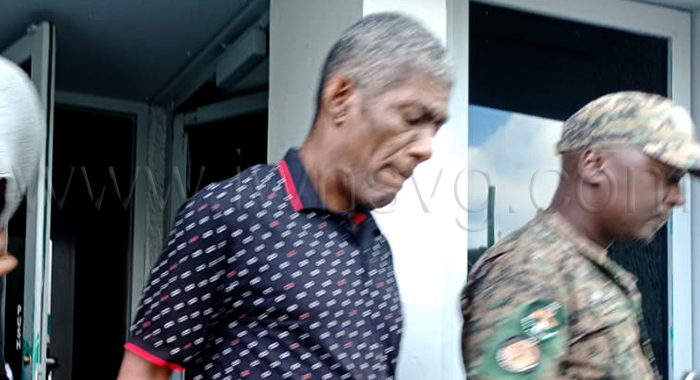
    A fatal confrontation that turned a casual gathering of friends into a devastating tragedy has concluded with a 10-year prison sentence for a 56-year-old fisherman from Calliaqua, Joel Ashton, widely known by the nickname Boat. The High Court in Kingstown handed down the penalty on Monday, with Justice Rickie Burnett presiding over the sentencing hearing for the unlawful killing of 42-year-old security guard Cameron Alexandar, who died from a blunt-force head injury in August 2023.

    The chain of events that led to Alexandar’s death began on August 26, 2023, when Ashton, Alexandar, and a group of mutual friends were socializing along the coast of Lowmans Bay. Alexandar and another attendee of the gathering pooled their funds to purchase a pint of high-strength rum, priced at just 8 Eastern Caribbean dollars. As the afternoon wore on, tension flared between the two men after Alexandar reportedly took a small bottle of rum from Ashton’s jacket pocket without permission.

    In the heat of the spontaneous conflict, Ashton struck Alexandar hard on the left side of the head with a full glass rum bottle, shattering the container on impact. Eyewitness accounts presented during the trial confirm that Alexandar did not retaliate for the blow, only asking in shock, “Just so?” Witnesses quickly noticed blood streaming from his ear, and after dipping his injury in the nearby sea, Alexandar returned to the area’s local shop before heading home for the night. That evening, his older son Jiovanni Stapleton checked on his father and found him asleep, choosing not to wake him.

    Alexandar reported to his security guard job the next day, with no obvious immediate issues, though his younger son told investigators he noticed unusual behavior: his father stared blankly into the distance and talked to himself. By August 28, just two days after the altercation, Alexandar’s condition declined sharply. His younger son found him unresponsive, foaming at the mouth and bleeding, and alerted Stapleton, who rushed the injured man to Milton Cato Memorial Hospital. Alexandar was admitted to the Intensive Care Unit, where he died from his injuries on August 30, 2023.

    A post-mortem examination conducted the following day by forensic pathologist Dr. Ronald Child confirmed the cause of death was blunt force trauma to the head, directly matching the injury caused by Ashton’s bottle strike. Over the course of the investigation, law enforcement officers visited the Lowmans Bay site multiple times to collect evidence. On September 24, 2023, Ashton turned himself in at the Questelles Police Station, accompanied by his defense attorney Grant Connel. He declined to provide a formal statement during an electronic interview, and authorities formally arrested him on suspicion of manslaughter, after he was overheard making incriminating statements during a visit to the crime scene with investigators. A nine-member jury subsequently found him guilty of the unlawful killing.

    During sentencing, Justice Burnett outlined the profound impact of Alexandar’s death on his two young sons, reading details from the official victim impact statement. Stapleton, the older son, told the court that his father was everything to him, and he still grieves the loss of his father’s voice, presence, and daily conversations. He explained that a core part of himself died with his father, a void that can never be filled. The traumatic nature of the killing has left lasting psychological scars: even hearing the word “rum” at public events triggers overwhelming bad memories that instantly change his mood. Since Alexandar’s death, the brothers’ lives have fallen into disarray: a family dispute forced Stapleton to leave the family home he shared with his father, and his younger brother has lost the critical paternal guidance he depended on. Despite the profound loss, Stapleton left the question of justice entirely in the court’s hands, and followed the trial closely even though he was not present for the final sentencing hearing.

    In determining the appropriate sentence, Justice Burnett followed Eastern Caribbean Supreme Court guidelines for manslaughter, which categorize offenses into four seriousness tiers: Category A (very high, 24-year starting sentence), Category B (high, 18-year starting point), Category C (medium, 12-year starting point), and Category D (low, 6-year starting point). After evaluating all evidence and case facts, the judge placed this offense in the minimum bracket of Category C, setting an initial 12-year sentence.

    Justice Burnett then assessed aggravating and mitigating factors. The use of the glass rum bottle as an improvised weapon was marked as an aggravating circumstance, but the court also confirmed there was no premeditation or advance planning for the attack, a key mitigating point. No further adjustment was made to the sentence at this stage. Additional mitigating factors came from Ashton’s prior good character: the court heard testimony from character witnesses confirming Ashton had no previous violent offenses, and no aggravating personal factors were presented on behalf of the prosecution. Finding that mitigating factors outweighed the single aggravating circumstance, the court reduced the sentence by two years, bringing the total penalty to 10 years.

    The court further deducted the two months and three days Ashton has already spent in remand custody, leaving a remaining term of nine years, nine months and 28 days to be served behind bars.
  • Man accused of attacking API head denied bail — again

    Man accused of attacking API head denied bail — again

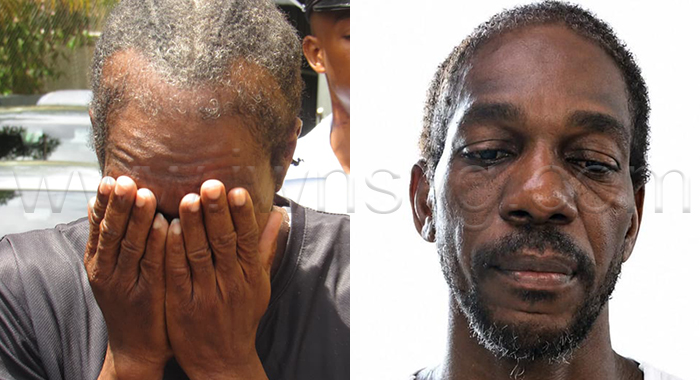
    A 45-year-old Clare Valley resident facing three serious criminal charges, including attempted murder, has been refused bail for the third week in a row, following a fresh hearing at the Serious Offences Court on Monday.

    Keswert Slater, who is the cousin of acting Agency for Public Information head Nadia Slater – one of his alleged victims – appeared before Chief Magistrate Coling John for another procedural hearing in the case. Prosecution led by Police Inspector Renrick Cato told the court that Jean Slater, the 64-year-old aunt of Nadia Slater whom Keswert Slater is accused of attempting to kill, remains in hospital receiving ongoing medical treatment for the injuries she sustained in the alleged May 5 incident.

    The prosecution formally objected to the accused being released on bail, citing both the severity of the charges and the ongoing vulnerable condition of the primary alleged victim. Following the presentation of the prosecution’s position, Chief Magistrate John ruled that Slater would remain in custody and remanded him back to prison, with the next bail review scheduled to take place on June 1.

    The multiple charges against Slater all stem from the same incident that unfolded in Clare Valley on May 5 this year. In addition to the attempted murder charge connected to Jean Slater, he is also accused of trespassing on Nadia Slater’s residential property with the explicit intent to cause grievous bodily harm, and of carrying out that unlawful attack by inflicting serious bodily harm on the acting agency head.

    Because the charges have been presented on an indictable basis, Slater was not required to enter a formal plea during the procedural hearing. No further details about the potential motive for the alleged attack have been released to the public as the judicial process moves forward.