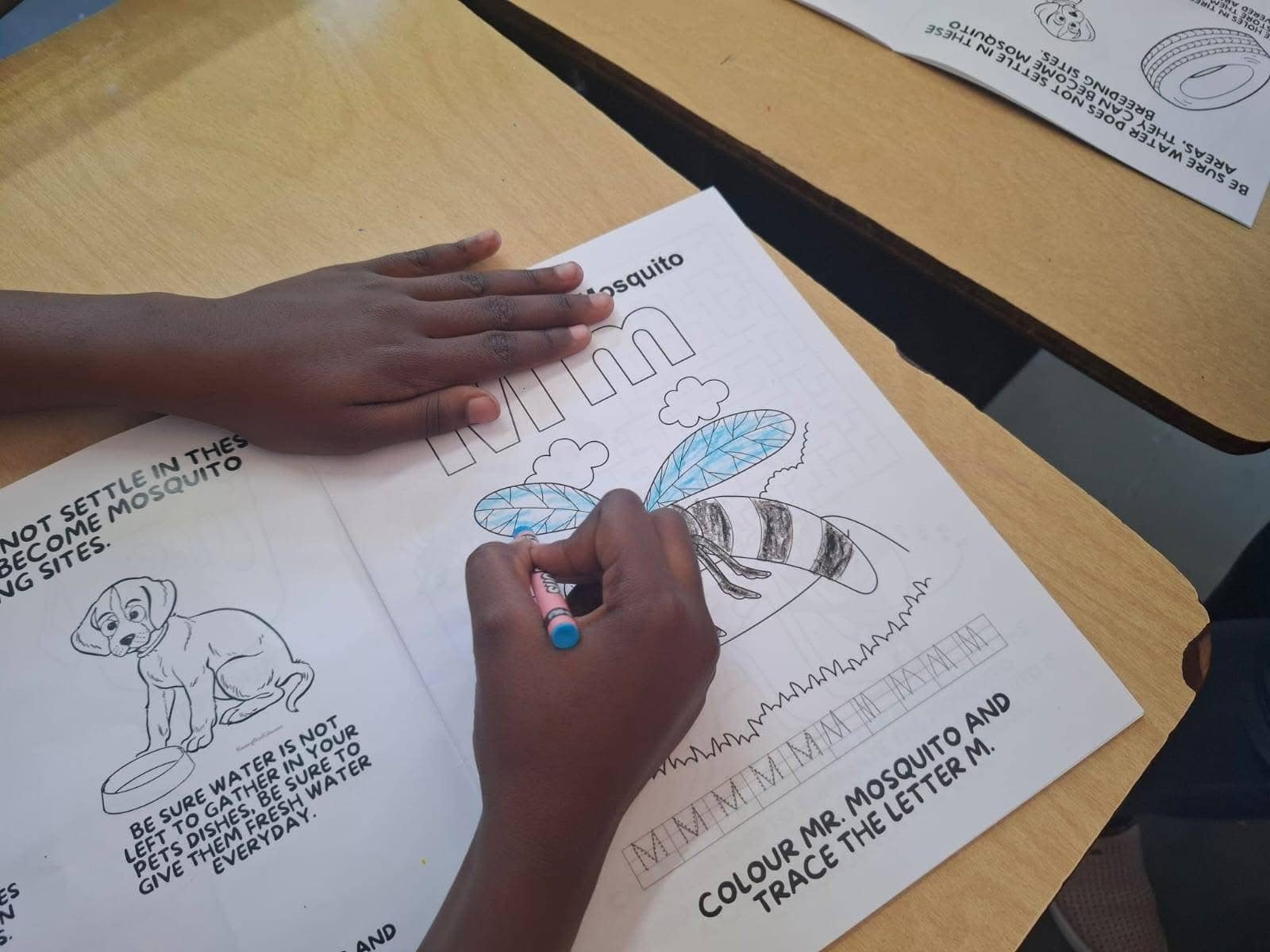
Against the backdrop of the 2026 Caribbean Mosquito Awareness Week, Antigua and Barbuda’s Ministry of Health, via the country’s Central Board of Health (CBH), has ramped up targeted public education campaigns to cut down on mosquito breeding grounds and safeguard community public health across the twin-island nation.
A core pillar of this year’s awareness initiative is a nationwide school outreach program, with CBH teams traveling to educational institutions across both Antigua and Barbuda to deliver hands-on lessons on mosquito risk awareness, bite prevention, and environmental stewardship. During interactive classroom sessions, students gain a clear understanding of the serious health hazards linked to mosquito bites, including coverage of three major viral diseases commonly transmitted by the insects: dengue, chikungunya, and Zika.
Beyond risk education, the program trains young learners to spot common mosquito breeding hotspots that often go unnoticed in residential areas and neighborhood spaces. These include discarded tyres, unused water drums, decorative flower pots, clogged drainage ditches, and any open containers that can trap stagnant water—key conditions for mosquito larvae to develop. Students are then invited to become active participants in public health protection, helping clear and eliminate these potential breeding sites on both school grounds and their own residential properties.
To make learning accessible and engaging for a younger audience, the CBH has developed a custom interactive activity book centered on mosquito prevention, neighborhood cleanliness, and individual public health responsibility. The book packs a range of kid-friendly content, including educational worksheets, colouring pages, logic puzzles, and other hands-on activities designed to turn mosquito control education into an enjoyable, memorable experience rather than a dry lecture.
Julienne Mannix, the CBH’s Principal Public Health Inspector, underscored the long-term value of introducing mosquito prevention education at an early age, noting that early learning helps embed protective habits into regular daily routines that last a lifetime.
“Children are incredibly powerful agents of change within their own families and local communities,” Mannix explained in a statement on the initiative. “By teaching them about the risks mosquitoes pose and how to remove breeding sites, we are not just keeping this generation of kids safe—we are giving them the tools to encourage healthier, more preventative habits among every member of their households.”
Mannix went on to emphasize that broad community participation remains one of the most impactful strategies for reducing overall mosquito populations and stopping outbreaks of mosquito-borne disease from taking hold.
“Mosquito control is not a responsibility that falls only to the Central Board of Health,” she added. “It demands a coordinated, national collective effort. Simple, routine actions—from properly sealing water storage containers to clearing blocked gutters, discarding unused old containers, and keeping residential yards clear of debris—can cut down on mosquito breeding dramatically.”
This national school-focused initiative is part of a wider regional effort across the Caribbean to observe the annual Mosquito Awareness Week, which unites public health bodies across the region to boost public understanding of mosquitoes’ threat to regional public health, and promote consistent prevention and environmental management practices.
As the campaign rolls out across schools, the CBH is calling on all residents of Antigua and Barbuda to support the effort by taking proactive steps to reduce mosquito breeding around their own homes and neighborhoods, while also reinforcing the key prevention lessons their children are bringing home from the program’s school sessions.