作者: admin

  • A new party could emerge from the UPP’s crushing election defeat, PM predicts

    A new party could emerge from the UPP’s crushing election defeat, PM predicts

    Following a devastating loss in the April 30 general election, Antigua and Barbuda’s main opposition United Progressive Party (UPP) is at risk of fracturing into factions, according to sitting Prime Minister Gaston Browne. In an interview with local outlet Pointe FM, Browne outlined how growing internal discontent over party leadership and recent Senate appointments has laid the groundwork for a breakaway movement that will launch a separate political entity outside the UPP structure.

    Browne, whose government secured a decisive victory over the opposition last month, claimed that disillusioned members of the UPP already see the once-competitive party as a politically damaged brand, no longer capable of mounting a serious challenge to the ruling administration. “I understand that they have plans to start a new party,” the prime minister stated during his remarks on the future of the country’s opposition landscape. “What is going to happen is that those individuals are going to coalesce and they’re going to see the UPP as a damaged brand and form a new party.”

    The prime minister also cast doubt on the ability of current Opposition Leader Jamale Pringle to reverse the party’s sliding fortunes and hold its remaining members together. Pringle, who was the only UPP candidate to win a parliamentary seat in the April vote, retaining his All Saints East and St. Luke constituency, faces an uphill battle to quell internal unrest, Browne argued. “To hold the UPP together, it’s unlikely that Pringle can hold the party together, and they’re likely to splinter and create a new institution,” he said.

    Drawing a parallel to his own political tenure, Browne recalled similar internal divisions that rocked the Antigua and Barbuda Labour Party (ABLP) shortly after he took the party’s leadership. At that time, small breakaway factions split from the ABLP, but ultimately none of the new groups gained enough traction to displace the original party, he noted.

    As of press time, the United Progressive Party has not issued any official public statement responding to Browne’s predictions of an imminent split.

  • Turner Launches Bulk Waste Cleanup Initiative in Lightfoot

    Turner Launches Bulk Waste Cleanup Initiative in Lightfoot

    Residents of Lightfoot, a small community within the St Peter parliamentary constituency, are preparing to welcome tangible improvements to their local neighborhood this weekend, as a targeted bulk waste cleanup initiative gets underway. The project, spearheaded by Rawdon Turner, Member of Parliament for St Peter, forms a central component of a much larger constituency-wide effort to spruce up public and residential spaces across the region.

    In an official statement released ahead of the launch, Turner emphasized that the new program aligns with his office’s long-standing pledge to build cleaner, safer, and more aesthetically pleasing communities for all constituents across St Peter. The Lightfoot launch marks just the first phase of an expansive multi-community campaign that will roll out to additional residential areas across the constituency in the weeks ahead.

    “This initiative is only the beginning,” Turner noted, explaining that the overarching campaign is designed to deliver dual benefits: restoring the local natural environment and raising the overall quality of life for thousands of residents who call St Peter home. Beyond the organized initial cleanup, Turner extended a call to action to all local residents, urging them to actively support the campaign by integrating regular habits that keep their own neighborhoods clean long after the official event concludes.

    Organizers confirmed that the weekend’s cleanup efforts will center specifically on clearing large, bulky waste items and accumulations of abandoned debris that have piled up in residential areas. The work is a key first step in the broader community enhancement push that aims to transform public spaces across the entire constituency over the coming months.

  • Former Footballer Garry Gonsalves Donates Footballs to Antigua Ball Masters Ahead of Trinidad Tour

    Former Footballer Garry Gonsalves Donates Footballs to Antigua Ball Masters Ahead of Trinidad Tour

    A beloved icon of Antigua and Barbuda football, former national player and official sports ambassador Garfield “Garry” Gonsalves has reaffirmed his lifelong dedication to growing the sport across the twin-island nation with a new act of generosity. Gonsalves recently gifted four brand-new footballs to the Antigua Ball Masters, a team consisting of veteran football players from the country. This contribution arrives at a critical moment for the group, which is wrapping up preparations for an upcoming international tour to neighboring Trinidad and Tobago. During their visit, the Antigua Ball Masters will compete in a slate of friendly exhibition matches and take part in collaborative fellowship events with other veteran football stakeholders from across the Caribbean. Gonsalves, who has earned widespread admiration for his decades of service to football both during his playing career and in retirement, shared that he was delighted to step forward and support the team ahead of their journey. The former international noted that the Antigua Ball Masters carry the pride and good name of Antigua and Barbuda wherever they compete, and his donation will remove one barrier to the squad’s readiness, ensuring the team has all the basic equipment needed for pre-tour training and on-tour competition. Leaders and players on the Antigua Ball Masters have publicly extended their sincere appreciation to Gonsalves for his thoughtful, timely gift. Team representatives emphasized that the contribution is far more than a simple donation of equipment — it is a reflection of Gonsalves’ lifelong, unshakable passion for football in Antigua and Barbuda, and his consistent commitment to lifting up former players and advancing community-focused football projects across the country. As one of the most celebrated figures in the history of Antiguan football, Gonsalves has never stepped away from the sport he loves. Even decades after hanging up his national team boots, he continues to play an active role in promoting the game, nurturing new talent, and protecting the deep, storied legacy of football across Antigua and Barbuda.

  • Cuba’s president warns of ‘bloodbath’ if US takes military action

    Cuba’s president warns of ‘bloodbath’ if US takes military action

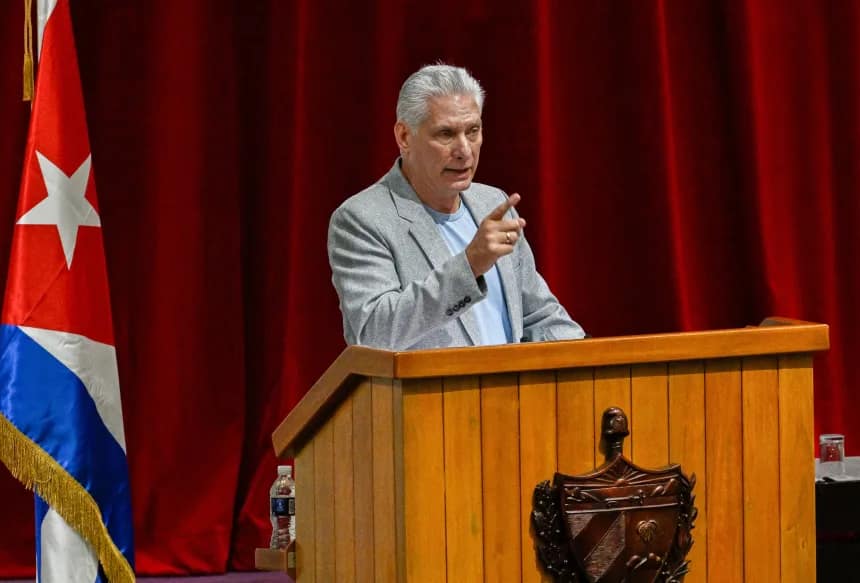
    Fresh geopolitical friction between Havana and Washington has sparked alarming new warnings from Cuba’s top leader, who cautioned that any U.S. military incursion into the island nation would trigger an unprecedented humanitarian catastrophe. In a public statement posted to the social platform X on Monday, Cuban President Miguel Díaz-Canel stressed that any invasion would leave behind a bloodbath with consequences that cannot be calculated or reversed.

    Díaz-Canel pushed back against long-standing U.S. narratives framing Cuba as a security threat, emphasizing that the Caribbean nation has never held aggressive intentions or plans toward any sovereign state, including the United States — a fact he said the U.S. government has long been aware of. He added that Cuba is already enduring a multifaceted campaign of aggression from the U.S. that has stretched across decades, and that the island retains every legitimate right to defend itself against any further military attack. Even so, he noted that pretense of an imminent Cuban threat cannot be honestly or logically used to justify a full-scale war against the Cuban people.

    Current relations between the two nations are hovering near their lowest point in more than 30 years, driven by a steady escalation of pressure from the Trump administration and a deepening domestic energy crisis that has crippled daily life on the communist-governed island. Last week, Cuba’s energy ministry confirmed that a last-minute emergency donation of crude oil from Russia had been fully exhausted, leaving the country with no buffer to avoid extended, widespread power outages for the foreseeable future.

    Escalating its campaign of pressure just days later, the Trump administration rolled out a new package of sanctions on Monday targeting core institutions of the Cuban government, including the country’s lead intelligence agency and national interior ministry. Secretary of State Marco Rubio confirmed in an official statement that additional punitive measures will be rolled out in the coming days and weeks as the administration ramps up its push for regime change. The new sanctions also name 11 senior Cuban officials, including the country’s Minister of Justice and Deputy Minister of the Revolutionary Armed Forces, who will face asset freezes and travel restrictions.

    Another significant economic blow hit the island over the weekend, when Reuters reported that two of the world’s largest container shipping firms, Germany’s Hapag-Lloyd and France’s CMA CGM, have suspended all cargo services to and from Cuba to comply with the new Trump administration trade rules. CNN has reached out to both companies for official comment on the decision.

    Industry analysts warn that the shipping suspension will exacerbate the severe food insecurity that has already left millions of Cubans struggling to access basic goods. For decades, the contraction of Cuba’s domestic agricultural sector and long-standing economic mismanagement have left the country dependent on imports for the majority of its food consumption. Even iconic Cuban products that were once core export commodities — including sugar, coffee, and tobacco — are now imported in large volumes to meet domestic demand.

    In recent months, Trump has repeatedly signaled his goal of ending the decades-long communist rule in Cuba, publicly predicting the imminent collapse of the Castro-era regime during multiple press briefings.

  • Bramble urges diaspora to turn remittances into investment

    Bramble urges diaspora to turn remittances into investment

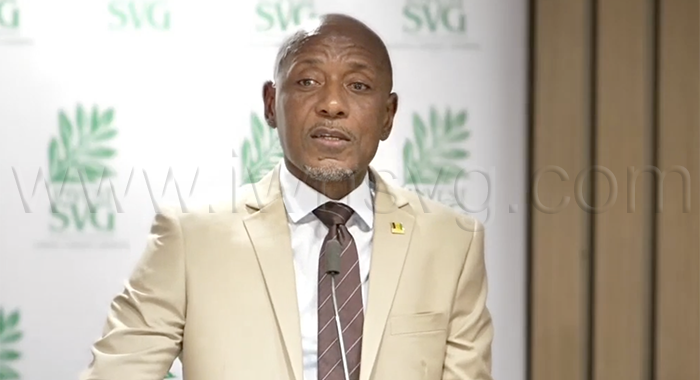
    Against the backdrop of persistent economic challenges, St. Vincent and the Grenadines (SVG) is calling for a fundamental transformation in its long-standing relationship with its global diaspora community. At a recent diaspora outreach gathering hosted by Invest SVG in Toronto, Foreign Affairs and Foreign Investment Minister Dwight Fitzgerald Bramble laid out a bold new vision: moving the relationship “from barrels to businesses” to unlock sustainable, long-term national development. For decades, support from Vincentians living abroad has centered on three core pillars: cash remittances, care packages shipped in barrels, and charitable giving. Bramble was quick to emphasize that this traditional support has been invaluable to SVG’s economy and communities, keeping households afloat, funding student educations, and underpinning local growth. But he argued that this model, while still critical for meeting immediate family needs, is no longer sufficient to lift SVG to the next stage of development.

    Bramble’s call echoed a core theme running through the entire Toronto event: the need to shift from short-term consumption-focused support to long-term productive investment that builds lasting generational wealth. Crucially, the government does not ask diaspora members to stop sending remittances or care packages. Instead, officials want to expand this engagement to complement existing support with investment, industry expertise and global business networks. “While remittances help our families meet immediate needs, we need to think about long‑term investment, which has the power to build lasting generational wealth,” Bramble told attendees.

    Addressing a common misconception held both at home and abroad, Bramble noted that many SVG residents still frame “foreign investment” exclusively as large-scale corporate projects, while many diaspora members underestimate the impact of their individual contributions. He pointed to the power of cumulative small- to mid-sized investments: if just 10 Vincentians based in Canada each invest CA$50,000 back home, the combined impact would already move the needle on national growth. Scaled up across the full diaspora spread across North America, Europe and Asia, that impact would be transformative for the small island nation.

    Under the current New Democratic Party government, this new approach to diaspora engagement has become official policy. Bramble stressed that SVG cannot tackle its deep-seated socioeconomic challenges alone; policymakers cannot restructure and redevelop the national economy in isolation. Instead, the diaspora must be repositioned from an occasional source of donations to a core strategic partner in national development. “At the centre of any approach to development is the recognition that the diaspora is not peripheral to development, but central to it,” Bramble said. “This is not about Prime Minister Godwin Friday, this is not about Bramble… this is about us, St. Vincent and the Grenadines.”

    Unlike remittances and care packages, which are largely used for immediate consumption, intentional investment creates tangible, lasting benefits for the SVG economy. Investments generate local jobs, build long-term national assets, and expand the country’s productive economic base. Most importantly, Bramble argued, investment creates opportunities that allow Vincentian families to stay and build their lives in their home country, rather than being forced to migrate abroad for economic opportunity.

    Bramble connected his “from barrels to businesses” framework to specific, high-priority investment gaps that government and agency officials outlined earlier in the meeting. Key sectors open for diaspora investment include tourism, agriculture, affordable housing, agro-processing, the blue economy, and creative industries. Specifically, SVG currently faces unmet demand for additional tourism accommodation — from boutique hotels and villas to short-term Airbnb rentals — as well as increased farm output and value-added processed goods. Bramble noted that these are ideal spaces for diaspora members to convert their traditional informal support into structured, profitable business ventures. For example, many of the diaspora members who currently ship care barrels to family at home could, with government support, transition to owning the productive facilities that create the goods that go into those barrels — instead of shipping items to SVG, they can help build local industries that export goods from SVG to global markets.

    Framing the shift as a redefinition of what it means to engage with home, Bramble told attendees: “Home is not just a place we remember; it is a place we build.” He encouraged every diaspora member to view their existing remittances and care packages as a potential first step toward business ownership and enterprise, urging them to turn their existing love and commitment to their home country into job-creating, wealth-building investment.

    To ensure this new approach is more than just rhetoric, Bramble confirmed that the government is strengthening its institutional framework to support diaspora investment. His ministry, the national investment promotion agency Invest SVG, and the upcoming reconfiguration of SVG’s consulate in Canada are all being aligned to streamline investment facilitation, reduce bureaucratic fragmentation, and improve efficiency for diaspora investors. Bramble, who framed himself as a results-driven leader, told the crowd that failure is not an option for this new initiative, and that a functional support structure is already in place for interested investors. He closed with a direct appeal to the global Vincentian diaspora: “St. Vincent and the Grenadines’ future is dependent on your total commitment to the development of our country. Work with us, please, because we want to work with you. Let’s do this together.”

  • Community First Sponsors Panache Steel Orchestra With EC$8,000 for 2026 Panorama Campaign

    Community First Sponsors Panache Steel Orchestra With EC$8,000 for 2026 Panorama Campaign

    As steel bands across Antigua and Barbuda ramp up preparations for the highly anticipated Panorama competition tied to the annual Carnival celebrations, a local financial cooperative has stepped forward to back one ensemble’s competitive bid. Community First Co-operative Credit Union has announced a generous donation of EC$8,000 to Panache Steel Orchestra, earmarked exclusively for the group’s 2026 Panorama campaign.

    In a statement accompanying the donation, the credit union emphasized the deep cultural significance of steel pan music to the national identity of Antigua and Barbuda. “Steel pan music sits at the very core of our cultural heritage, and we feel tremendous pride and honor to invest in the exceptionally talented musicians who work tirelessly to keep this dynamic, beloved tradition alive for new generations,” the organization said. Community First also extended its warmest wishes for success to Panache Steel Orchestra in the lead-up to and during the Carnival season, highlighting the group’s well-known ability to infuse every performance with unmatched energy, authentic passion, and the iconic, sweet melodies that only steel pan can deliver.

    A photograph capturing the official cheque handover ceremony, which has been circulated widely across social media platforms, shows credit union representatives posing alongside band members to mark the milestone contribution. This latest sponsorship is part of a growing trend of consistent corporate investment in local steel orchestras across the country, as ensembles increasingly ramp up their training, equipment upgrades, and rehearsal schedules ahead of the Panorama competition, one of the most high-profile events of Antigua and Barbuda’s annual Carnival calendar.

  • PM Browne Urges Speaker to Maintain Order, Fairness and Firmness in Parliament

    PM Browne Urges Speaker to Maintain Order, Fairness and Firmness in Parliament

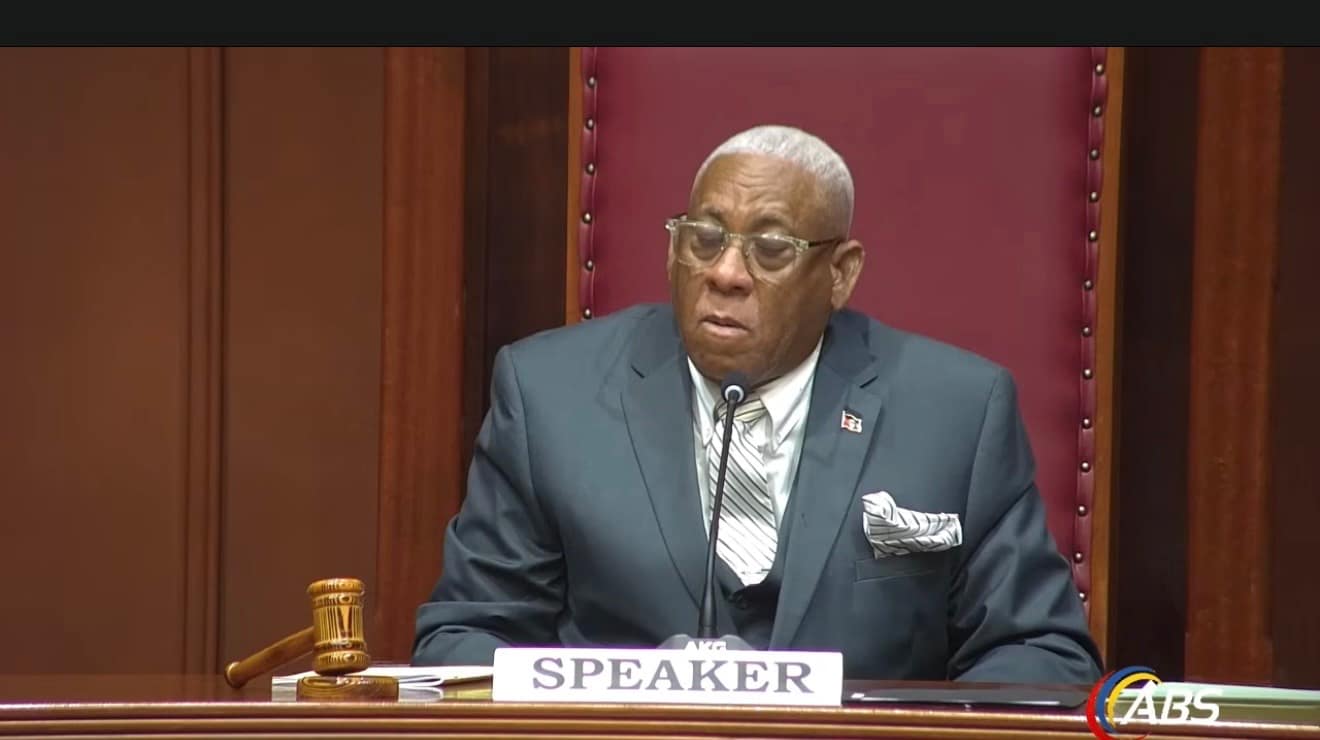
    The first formal sitting of Antigua and Barbuda’s newly elected Parliament got underway on Monday, marking a key milestone in the country’s democratic cycle following recent general elections. The session opened with the official swearing-in of all elected Members of Parliament, followed by a uncontested vote that confirmed Osbert Frederick’s return to the post of Speaker of the House, with Philmore Benjamin selected to serve as Deputy Speaker.

    In his opening address to the chamber, Prime Minister Gaston Browne extended warm congratulations to both Frederick and Benjamin on their new appointments, before laying out the core expectations for their leadership of the parliamentary body. Browne emphasized that the House of Representatives stands as the cornerstone of the nation’s democratic system, describing it as a sacred space where elected representatives exercise the responsibility entrusted to them by voters.

    Browne specifically urged Frederick to carry forward his proven record of upholding the chamber’s dignity, order and institutional integrity. He noted that during Frederick’s previous term as Speaker, he faced repeated challenges from opposition lawmakers, but consistently maintained a steady approach rooted in fairness and unwavering firmness. The prime minister called on Frederick to sustain this tradition in the new term, stressing the critical need to prevent parliamentary proceedings from descending into disarray that would undermine the institution’s credibility.

    “I have full confidence that both you and Deputy Speaker Benjamin will discharge your important duties with distinction over this coming parliamentary term,” Browne added in closing his remarks.

    Shortly after his confirmation, Frederick addressed the chamber to express his gratitude to lawmakers from all parties for the unanimous confidence they placed in him by returning him to the post unopposed. “I regard this opportunity to serve as both a profound honor and a great privilege,” Frederick said, adding that he prayed for divine wisdom and strength to carry out his duties effectively for the benefit of all Antiguans and Barbudans.

    As the inaugural sitting drew to a close, Frederick took a moment to extend congratulations to all newly elected members of Parliament on their victory at the polls. He also extended a special welcome to a group of students from Jennings Secondary School, who were observing the sitting from the public gallery as part of an educational outreach program. Encouraging the next generation of leaders, Frederick told the students that with dedication and public service, many of them could one day hold seats in the very chamber they were observing.

  • Ethan Kent represents SVG on regional tennis stage

    Ethan Kent represents SVG on regional tennis stage

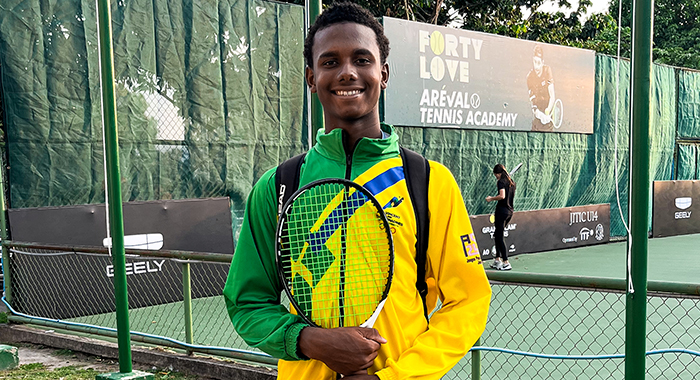
    One of St. Vincent and the Grenadines’ most promising young tennis talents, 14-year-old Ethan Kent, recently stepped onto one of the Caribbean and Central America’s most prestigious junior tennis stages, representing his home nation at the Junior Infantile Tennis International Championships (JITIC) held in El Salvador.

    Organized under the umbrella of COTECC, the region’s leading tennis development body, JITIC is widely regarded as the premier under-14 competitive event for young athletes across the Caribbean and Central America. Each iteration of the tournament attracts the top 48 ranked boys and 48 top-ranked girls from across the region, earning it the nickname “the competition for future regional champions” for its track record of launching the careers of the next generation of tennis stars.

    Kent traveled to the Central American host nation alongside Sebastian Cyrus, who serves dual roles as vice president of the St. Vincent and the Grenadines Tennis Association (SVGTA) and the young player’s assistant coach. Cyrus accompanied the rising star as official team coach and chaperone for the duration of the tournament.

    Competing in the opening singles round-robin group stage, Kent was drawn into Group 5 alongside five other top regional prospects, where he secured a 2-3 win-loss record to finish fourth in the six-player group. This placing was enough to earn him a spot in the subsequent Grade 3 (G3) Singles main draw.

    His opening group stage results were tightly contested across five matches: he dropped a hard-fought three-set opener to Gabriel Antonio Molina Flores of Honduras with final scores of 4-6, 6-3, 7-10, before bouncing back to claim a straight-set win over Puerto Rico’s Adrian Abreu Jozic 6-3, 7-5. He then fell to Mexico’s Alvaro Bañales in straight sets 4-6, 4-6, before delivering a dominant shutout win over Trinidad and Tobago’s Rohan Ramcharitar 6-0, 6-0. His final group stage match ended in a straight-set loss to Costa Rica’s Hector Cruz 2-6, 0-6.

    Moving into the Round of 32 of the G3 Singles Draw, Kent faced another Honduran contender, Gerardo Zuñiga, where he exited the main draw after a 1-6, 3-6 defeat. Dropped into the tournament’s Consolation Draw, the Vincentian teenager found his rhythm, stringing together three consecutive wins to advance all the way to the final. He opened his Consolation run with a straight-set 6-3, 6-0 win over Trinidad and Tobago’s Eli Paty, followed by a 6-2, 6-1 quarterfinal victory over Panama’s Gabriele Parcells. In the semifinal, he fought back from a first-set loss to defeat Honduras’ Paulo Alvarez 1-6, 6-3, 10-6 in a match tiebreak. His run ended in the final with another tightly contested three-set loss to Honduras’ Daniel Casco 4-6, 6-1, 7-10.

    In the G3 Doubles Draw, Kent paired up with T’Zuriel Percival from St. Kitts and Nevis. The duo opened their campaign with a solid win over the Puerto Rican-Barbadian pairing of Jose Juan Betancourt and Liam Cave 4-1, 4-2, before falling to the top seeded Mexican-Honduran team of Karim Balbuena and Daniel Casco 4-5, 4-1, 6-10 in the quarterfinals.

    Across all draws, Kent finished the tournament with an even 6-6 overall record: five wins against five losses in singles, and one win and one loss in doubles. In an official press release following the young player’s return from El Salvador, the SVGTA expressed public pride in Kent’s performance at the region’s biggest junior tennis stage.

    “The SVGTA is proud of Ethan Kent’s showing at JITIC, and thanks him for representing St Vincent and the Grenadines with purpose at the biggest stage of regional junior tennis,” the statement read. “Ethan left the tournament with many fruitful experiences and lessons learned that the SVGTA is confident will translate into a renewed desire to improve, as he looks to continue challenging the best in the game.”

  • ‘Citizenship for sale’

    ‘Citizenship for sale’

    A widespread, years-long corruption scheme involving bribes for immigration benefits has been exposed at Trinidad and Tobago’s Immigration Division, according to Homeland Security Minister Roger Alexander, who has launched sweeping reforms to dismantle the network and root out systemic graft.

    Within days of assuming his role, Alexander uncovered the racket, which saw corrupt officials extort hundreds of thousands of dollars from applicants by withholding processed documents—some already signed by the minister—and demanding illicit payments before releasing them. The scheme touched every tier of immigration services: from illegal resale of blocked online passport appointment slots, to six-figure bribes for work permits, residency status, and full citizenship. Alexander described the division as “rotten to the core”, noting that decades of weak oversight, lack of accountability, and opaque processes allowed the network to operate undetected.

    Among the most alarming allegations revealed by the minister are reports that Immigration officials accepted undeclared in-kind bribes from Chinese nationals, including custom-built residential properties in North Trinidad, in exchange for granting residency approval without mandatory entry interviews. Alexander also confirmed that many applications from Caribbean nationals have sat unprocessed for up to 10 years, while bribing applicants received accelerated, often unvetted approval. Many illicit cash transactions, he added, were conducted in plain sight outside a private car park in central Port of Spain, with officers using third-party intermediaries to avoid direct traceability.

    Beyond internal graft, Alexander exposed questionable exclusive contracting arrangements with an unnamed international firm that locked the Immigration Department into a binding partnership, despite the availability of more cost-effective, competitive alternatives for services including passport production. The minister also reported deep-seated insubordination, with senior staff intentionally withholding ministry directives and even blocking entry of foreign nationals on private orders, rather than official government instruction.

    Since uncovering the scheme, Alexander has implemented immediate structural changes: multiple senior officials have been placed on administrative leave pending investigation, all document processing and ministerial signature workflows are now monitored daily, and the government has launched recruitment to fill long-vacant staffing positions that allowed the corrupt status quo to persist. The Trinidad and Tobago Police Service and Cyber Crime Unit are leading the ongoing criminal investigation, with Prime Minister Kamla Persad-Bissessar, chair of the National Security Council, fully briefed and committed to zero tolerance for corruption.

    Alexander issued a public call for whistleblowers—both Immigration employees and members of the public—to come forward with information, guaranteeing the option for anonymous reporting. He announced long-term modernization plans to prevent future graft, including a transition from machine-readable passports to secure e-passports that will increase transaction transparency and accountability. The minister warned that any official continuing corrupt practices would face severe legal consequences, stating bluntly that those convicted would continue their “work” from jail cells. He added that the government has no intention of reversing course or ignoring the long-standing rot, and that investigators are close to breaking open the full extent of the network ahead of formal police interviews with persons of interest.

  • Widower files suit against AG, NCRHA

    Widower files suit against AG, NCRHA

    In a historic first for the twin-island nation of Trinidad and Tobago, a wrongful death lawsuit alleging vaccine-induced fatal injury has been filed at the nation’s High Court, naming both the national government via the Office of the Attorney General and the North Central Regional Health Authority (NCRHA) as defendants. The case centers on the tragic death of 26-year-old Alisha Kanna Seebaran, a waitress from Curepe who passed away in May 2023, two years after experiencing a catastrophic neurological reaction to her first dose of Pfizer’s mRNA COVID-19 vaccine.

    According to court filings submitted by Seebaran’s husband, Nicholas Francis—who is bringing the claim on behalf of his late wife—Seebaran received her initial vaccination at an NCRHA-run mass vaccination clinic in Arima on October 6, 2021. Within just 48 hours of the injection, she developed sudden paralysis on the left side of her body. She was quickly admitted to the Eric Williams Medical Sciences Complex (EWMSC), where clinicians diagnosed her with transverse myelitis, a rare inflammatory disorder that targets the spinal cord and can cause permanent nerve damage.

    Francis launched the formal lawsuit at the San Fernando Sub-Registry earlier this month, after more than a year of failed attempts to resolve the dispute outside of the judicial system. Court records show Francis submitted a mandatory pre-action protocol letter to both named defendants in April 2024, but the process stalled amid repeated delays from NCRHA officials and complete silence from the Attorney General’s Office. It was not until November 2025 that NCRHA finally issued a formal response, denying all allegations of negligence and rejecting any causal connection between the Pfizer vaccine and Seebaran’s terminal illness. Francis’ legal team argues that this official position directly contradicts internal conclusions reached by NCRHA’s own treating medical staff.

    To back up their claim of a direct causal link, the legal team has cited peer-reviewed medical research published in the international journal Cureus in February 2022. The paper, co-authored by a consultant neurologist who directly treated Seebaran, documented four confirmed cases of post-vaccination neurological illness in Trinidad and Tobago—including Seebaran’s case—and concluded that the adverse events were “likely due to the vaccines.” Subsequent medico-legal reports prepared by both local and international independent medical consultants have echoed this finding, the court filings confirm.

    Beyond the claim of medical negligence, the lawsuit also challenges the legality and constitutionality of key planks of the Trinidadian government’s 2021 COVID-19 public health policy, specifically the controversial “Safe Zone” regulations that barred unvaccinated people from entering most workplaces and public spaces. Court documents outline that Seebaran was personally hesitant to receive the COVID-19 vaccine, but felt she had no other choice to keep her job as a waitress. Her lawyers reference public statements made by then Prime Minister Dr. Keith Rowley and then Minister in the Office of the Prime Minister Stuart Young during the September 2021 rollout of the Safe Zone policy, which made clear that access to employment and public life would be restricted for unvaccinated residents.

    Francis’ legal argument holds that when the State conditions access to work and basic public participation on receiving a medical intervention, it takes on legal responsibility for any harm that results from that intervention. The case raises sweeping constitutional questions about the boundaries of public health emergency policy, the duty of care the government owes to its citizens, and the legal requirements for informed consent. Key legal questions the court will rule on include whether official government descriptions of COVID-19 vaccines as “safe and effective” were misleading to the public, whether consent obtained under the implicit threat of unemployment counts as legally valid informed consent, and whether constitutional civil rights protections can be lawfully restricted during a public health crisis.

    Francis is seeking both compensatory damages for the death of his wife and formal court declarations that would set binding legal precedent on issues of state accountability, informed consent, and public health communications for future cases. The litigation is being supported by the Trinidad and Tobago Civil Advocacy Network (TTCAN), a local civil society group that provided support to Seebaran after she suffered her initial injury. Francis is represented by a three-attorney team led by Kingsley Walesby, with co-counsel Alvin Ramroop and Stephanie Rajkumar.