作者: admin

  • Powerful earthquake hits Hawai’s biggest island, volcanic eruption expected in next few days

    Powerful earthquake hits Hawai’s biggest island, volcanic eruption expected in next few days

    On a recent evening on Hawaii’s Big Island, a 6.0-magnitude earthquake shook the coastal region near the small village of Honaunau-Napoopoo, triggering widespread public attention over potential renewed volcanic activity at the nearby active Kīlauea volcano. The tremor was powerful enough to be felt hundreds of kilometers across the Pacific, even reaching the island of Oahu more than 150 miles from the epicenter. Despite the significant seismic event, local emergency officials have confirmed that there are no reports of injuries, widespread structural damage to buildings or infrastructure, and no elevated tsunami risk for coastal communities across the Hawaiian archipelago.

    Scientists with the U.S. Geological Survey’s Hawaiian Volcano Observatory (HVO) have drawn a potential connection between the strong earthquake and shifting activity within Kīlauea, one of the most consistently active volcanoes on the planet. Kīlauea has already experienced intermittent eruptive activity since December 23, 2024, with a notable lava fountain eruption recorded earlier this year in February 2026. Following the quake, HVO experts have updated their activity forecasts, predicting that a new eruption at the volcano could develop between May 24 and May 27 of this year.

    On the Thursday evening after the earthquake, on-site observers added weight to these concerns when they documented two distinct signs of escalating volcanic activity: a visible plume of smoke rising from the volcano’s crater, and a distinct bright lava glow that was visible against the night sky. These observations have deepened ongoing monitoring efforts, as authorities prepare for potential eruptive activity in the coming days.

  • Bouwprijzen stijgen gemiddeld met 7,2 procent op jaarbasis

    Bouwprijzen stijgen gemiddeld met 7,2 procent op jaarbasis

    Preliminary data released by the Algemeen Bureau voor de Statistiek (ABS), Suriname’s central statistics agency, shows that average construction prices in the country increased by 7.2% year-on-year in the first quarter of 2026, following a multi-year period of extreme price volatility in the sector. Compared to the final quarter of 2025, the quarterly price increase was far more muted, hitting just 0.1%, a sign of slowing momentum in construction inflation.

    The ABS constructs the national Bouwprijsindex (Construction Price Index, BPI), a key metric that tracks average price changes for all goods and services used across the domestic construction industry. In Q1 2026, the index reached 1236.9 points, up slightly from 1235.6 points recorded in the fourth quarter of 2025, and a notable climb from 1154.2 points in the same quarter a year earlier.

    To compile this index, ABS analysts collect price data from approximately 50 fixed measurement points across the urban districts of Paramaribo and Wanica. The index’s basket of monitored goods and services includes 107 separate items, grouped into 16 core categories ranging from structural steel and concrete works, carpentry, masonry, and paving to labor costs.

    Breakdowns of the latest quarterly data reveal broad-based price increases across multiple sub-sectors of construction. Compared to Q1 2025, the sharpest upward moves in index readings were recorded in carpentry, masonry and concrete pouring, plumbing installations, electrical work, and drainage construction. Structural steel and concrete works also remained at historically high price levels, the data confirmed.

    Beyond the current quarter readings, the new ABS figures highlight a clear trend of gradual stabilization in construction prices after the extreme swings the sector experienced over the past three years. In 2023, annual construction inflation hit more than 50%, driven by widespread supply chain disruptions and input cost shocks. That dramatic surge was followed by an 8.3% year-on-year drop in construction prices in 2024, before a 10.7% annual increase was registered across 2025. The smaller 7.2% rise in Q1 2026 marks a further cooling from the 2025 full-year pace.

    ABS also noted a key methodological note for the index: labor cost components do not rely on separate separate price surveys, and the share of labor in overall construction costs is held constant for all calculations to maintain consistency in trend tracking. The next public release of the Construction Price Index is scheduled for July 31, 2026.

  • Antigua to Reinstate Thermal Scanners at Airport Amid Ebola Concerns

    Antigua to Reinstate Thermal Scanners at Airport Amid Ebola Concerns

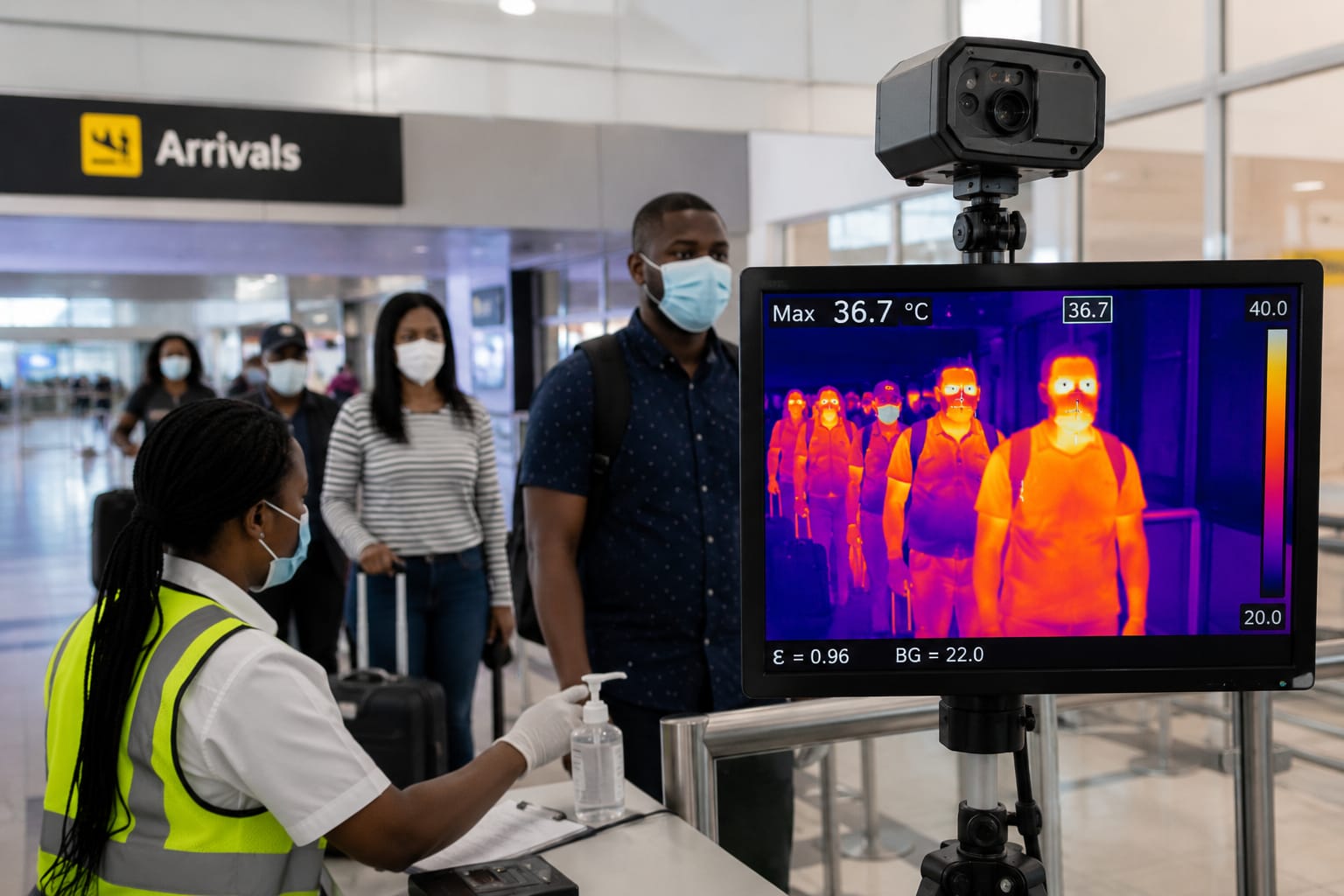
    Against a backdrop of rising international alarm over an expanding Ebola outbreak in several African regions, the twin-island nation of Antigua and Barbuda is moving to reactivate robust border health screening measures, including thermal scanners at its main international airport, the country’s top health official has announced.

    Speaking at a publicly broadcast press briefing held Friday, Health Minister Michael Joseph outlined that the Ministry of Health is currently conducting a comprehensive review of a suite of precautionary interventions designed to tighten public health surveillance across all of the nation’s ports of entry. A central pillar of the revised plan is the return of infrared thermal scanning technology, which allows officials to quickly detect elevated body temperatures—one of the earliest hallmark symptoms of Ebola infection—among all incoming international travelers.

    “We are actively moving forward to reinstate thermal scanners and put in place additional layered monitoring protocols at our borders,” Joseph confirmed during the briefing. He was quick to emphasize that as of the announcement, not a single confirmed case of Ebola has been detected within Antigua and Barbuda’s borders, helping to calm early public anxiety over the threat.

    Beyond the return of temperature screening, Joseph noted that public health authorities are also evaluating more stringent travel history disclosure requirements. One key proposal under discussion would require all incoming travelers to share detailed information about any travel they have undertaken within the 45-day period before their arrival in the country, a longer window than many standard current screening protocols.

    Early detection of potential cases is core to the country’s preparedness strategy, Joseph explained. By implementing temperature testing and expanded monitoring systems, local health teams can flag potential infection risks at the earliest possible stage, cutting down the time needed to implement isolation and contact tracing measures should a suspected case arrive.

    The minister also made clear that if the global Ebola situation continues to worsen and spread beyond the currently affected African nations, the Ministry of Health will not hesitate to put forward formal proposals for targeted travel restrictions on passengers originating from areas with documented community transmission. “If the outbreak escalates, we will put forward evidence-based recommendations for appropriate travel restrictions from affected regions,” he said.

    Throughout the ongoing monitoring of the evolving outbreak, Joseph stressed that Antigua and Barbuda has aligned its response protocols with official guidance issued by the World Health Organization (WHO) and the Pan American Health Organization (PAHO), two leading global public health bodies.

    A key advantage the nation holds in responding to this new threat is the existing infrastructure built up during the COVID-19 pandemic. Many of the border surveillance and rapid response systems developed and activated over the course of the coronavirus public health emergency remain in place, Joseph said, and can be quickly adapted to address Ebola and other emerging infectious disease threats. “We are making active preparations right now to ensure all our systems are fully ready to respond if needed,” he added.

    In a bid to counter growing public misinformation that was already beginning to circulate on local social media platforms, Joseph sought to reassure residents about the basics of Ebola transmission. He clarified that the virus can only spread through direct physical contact with the bodily fluids of an infected person, and is not an airborne pathogen, a common misconception that has fueled unnecessary panic in other countries facing similar outbreak scares.

    He also issued a formal appeal to local residents to avoid sharing unconfirmed, misleading information about the outbreak online, and encouraged all members of the public to only rely on official updates issued directly by national health authorities.

    Finally, Joseph confirmed that frontline healthcare workers and border public health personnel have already completed updated training on the latest protocols for identifying potential Ebola cases, isolating suspected patients appropriately, and mounting a rapid coordinated response to any confirmed infection that arrives in the country.

  • Fusing medicine, farming, researcher seeks plant-based cancer treatment

    Fusing medicine, farming, researcher seeks plant-based cancer treatment

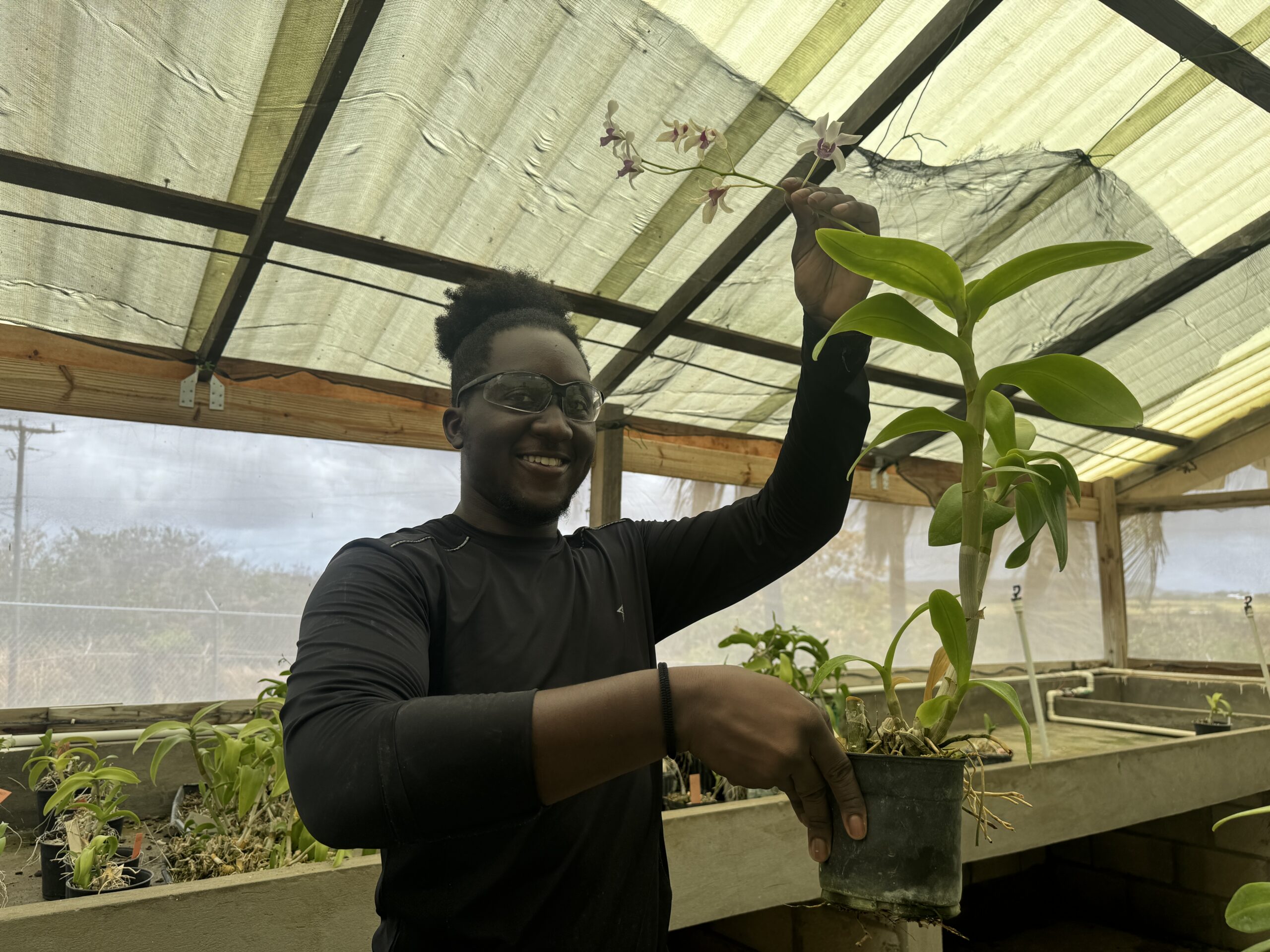
    At an age when many young professionals are still mapping out their first career steps, 24-year-old Stefon Burgess has made a deliberate pivot that connects his early medical ambitions to a new path rooted in plant science, food sovereignty, and groundbreaking cancer research. A native of Bowmanston, St. John, Burgess now spends his working days at the Plant Tissue Culture Laboratory in St. Philip, where plant propagation work has reshaped not just his professional goals, but his entire perspective on what a meaningful career can look like.

    Burgess initially set his sights on becoming a medical doctor, but a gradual shift in priorities led him to test a different path. He made the decision to take a research internship at the lab to gain hands-on experience, a choice that quickly won him over. “I honestly wanted to be a doctor, but my mind just started to change, and I decided, well, I’m going to do the internship here and get the experience,” Burgess shared. “I’m enjoying it. At first, I thought to myself, outside field work is okay, but I like being in the lab as well, and I am exposed to both here.”

    What began as a seven-week temporary placement through the University of the West Indies last year morphed rapidly into a full-time position. By August 2023, Burgess had signed a permanent contract at the lab, and he has now built up nearly nine months of on-the-job research experience. Equipped with a Bachelor of Science degree in Biology, with specialized coursework in ecology, biochemistry and chemistry, Burgess said the laboratory environment opened his eyes to the under-explored scientific potential locked within the agricultural sector. “I grew really good here. I learned a lot with the physiology of the plants – sweet potato, yam, pineapple and then plantain and everything,” he said.

    Even as agriculture has captured his professional interest, Burgess never let go of his longstanding fascination with medical science. Instead of abandoning that passion, he is now working to merge his two interests through targeted future research. “I would still love to incorporate my medical background,” he explained. “I want to do research on soursop and come up with an antidote for cancer using bioactive compounds from the fruit and leaves.”

    Outside of his formal lab work, Burgess tends to a small personal backyard garden at his home, where he grows his own sweet potatoes, figs, plantains and sweet peppers. Beyond the practical benefit of cutting down on monthly grocery bills amid skyrocketing living costs, he said the routine of gardening has become a deeply effective therapeutic practice that supports his mental well-being. “Mental health is very important,” he said. “Not just going out partying and stuff. I think that would be a good way to stabilise yourself as well.”

    For Burgess, home gardening also represents a tangible form of personal independence at a time when Barbados is facing widespread cost of living increases that have strained household budgets across the country. “You will want to garden at home so that you will have your own produce and you wouldn’t have to be looking here or there looking for fruits or vegetables,” he said. “Things getting expensive, so it will put a little ease on your family too.”

    Though still in his early twenties, Burgess speaks with articulate passion about the critical issue of national food security, and the unique role that young Barbadians must play in strengthening the country’s local agricultural sector. “All of we living essentially the same life in Barbados. We know how hard it is here, especially cost of living, gas, food, everything going up,” he said. “Me, I know I was born in the 2000s, but that don’t mean I don’t know anything about the world.”

    He believes that expanding youth participation in agriculture could help Barbados cut its reliance on costly food imports, while simultaneously opening new opportunities for agricultural exports and homegrown innovation. “This is a good way to actually show that we need to get students into agriculture so that we would get our own exports to other countries,” Burgess said.

    His enthusiasm for growing and working with fresh produce even extends into the kitchen, where he regularly experiments with healthier homemade recipes using produce harvested directly from his backyard. One of his most successful creations to date has been savory dough pockets made entirely from homemade sweet potato flour. “I was doing a little experiment doing sweet potato pockets,” he said with a laugh. “Just get a little blend here and put it in a frying pan. Honestly, it was better than the store-bought pocket mix, and it’s healthier too.”

    Burgess’s core mission now is to encourage more young Barbadians to reframe their perception of agriculture: instead of seeing it as outdated, physically demanding blue-collar work, he wants them to recognize it as a dynamic avenue for scientific innovation, financial self-sufficiency, and personal growth. “Honestly, I would encourage other young people,” he said. “Everything makes sense, especially working in the plant tissue culture lab.”

    This story was produced in partnership with Barbados’ Ministry of Agriculture.

  • Indian quarry workers to be paid before month-end, no word on return airfares

    Indian quarry workers to be paid before month-end, no word on return airfares

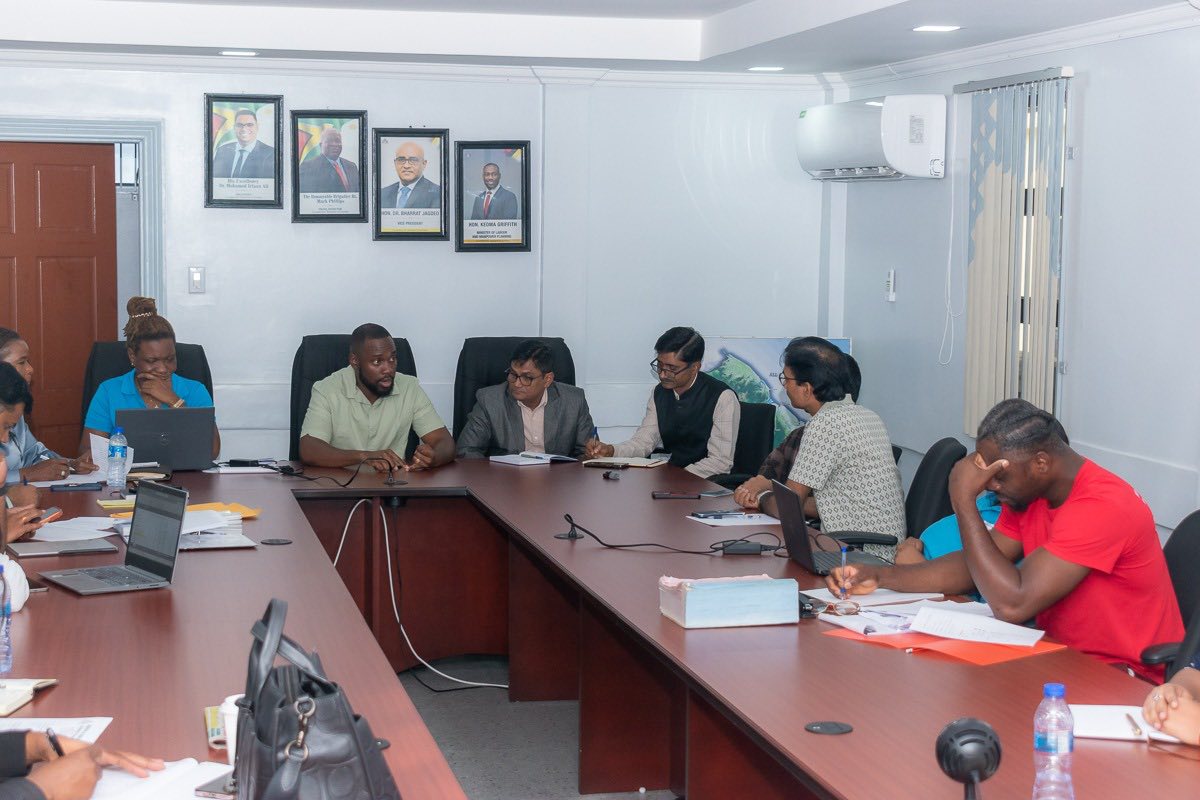
    On May 23, 2026, new developments emerged in a high-profile labour dispute involving 37 Indian migrant workers at a Batavia quarry in Guyana’s Region Seven (Cuyuni-Mazaruni), after the workers came forward with serious allegations of abusive working and living conditions. Officials from Guyana’s Ministry of Labour, senior government representatives from multiple domestic agencies, and India’s acting Deputy High Commissioner held multi-stakeholder consultations at Guyana’s Labour Ministry to address the workers’ grievances.

    Following the closed-door talks, the Labour Ministry announced in an official statement that EKAA HRIM Earth Resources, the India-headquartered firm that operates the quarry, has formally committed to disbursing all unpaid salaries and wages owed to the 37 workers no later than May 27, 2026. During the negotiations, both the workers and company representatives raised additional unresolved issues, and both sides have agreed to submit supporting documentation for these outstanding matters when talks resume next week. No further details on these additional claims have been released to the public.

    The agreement on back pay does not extend to return airfares for most workers, however, according to Guyana’s Opposition Leader Azruddin Mohamed, whose opposition WIN party first brought the workers’ plight to public attention. Mohamed told local outlet Demerara Waves Online News that the company has refused to cover the cost of return flights for the majority of the aggrieved workers, arguing that most breached the terms of their employment contracts. EKAA HRIM has only offered to pay for tickets for five to eight workers who have completed three-year tenures at the quarry, Mohamed said. To date, the Labour Ministry has not issued a formal decision on the airfare dispute.

    Talks are set to resume next Monday morning, when workers will submit pay slips to corroborate additional claims beyond unpaid April salaries. The workers allege the company made unauthorized deductions from their wages that were held as unreturned security deposits, and have stated they never received formal pay slips for their work at the quarry. In a sharp rebuke of Labour Minister Keoma Griffith’s handling of the case, Mohamed criticized the minister for failing to uphold his mandate to protect worker rights, pointing to multiple documented labour violations at the EKAA quarry.

    The situation took an unusual turn when police officers called to the Labour Ministry blocked Mohamed from attending the stakeholder negotiations, barring him from the meeting boardroom. After the workers left the quarry, Mohamed has housed and fed the group at one of his personal properties.

    The case also includes serious allegations of human trafficking tied to the company’s retention of the workers’ passports. Mohamed confirmed that legal counsel has been engaged to pursue these claims. Earlier this week, EKAA HRIM consultant Yoganand Persaud defended the company’s actions, claiming the workers voluntarily surrendered their passports to the company for safekeeping. After intervention from Labour Minister Griffith and India’s acting High Commissioner, all passports were returned to the workers.

    Guyana’s Labour Ministry has confirmed it is continuing to investigate allegations of labour law breaches and occupational safety and health violations at the quarry, stating that all proceedings will follow due process and adhere strictly to Guyana’s national labour regulations.

  • Official Funeral Announced for Cultural Titan ‘King Ellie Matt’

    Official Funeral Announced for Cultural Titan ‘King Ellie Matt’

    The Federation of Saint Kitts and Nevis has confirmed a high honor for one of its most beloved cultural trailblazers: renowned calypso musician Elston “King Ellie Matt” Nero, who held the nation’s highest civilian distinctions, will receive an official state-supported funeral to honor his decades of contributions to national life.

    King Ellie Matt passed away on April 26, 2026, at the age of 73, leaving behind a sprawling musical legacy that shaped the cultural identity of Saint Kitts and Nevis and earned acclaim across the globe. The public funeral service, scheduled for Thursday, June 11, 2026, will open with introductory tribute remarks at 12:00 p.m., followed by the main formal service starting at 1:00 p.m. The event will be hosted at Newtown Playing Field, a public space chosen as a fitting venue for an artist whose music formed the backdrop of generations of national public celebrations and community gatherings across the country.

    Official funerals are among the highest honors the Saint Kitts and Nevis government can bestow, reserved exclusively for individuals of exceptional national significance who have delivered extraordinary service to the federation. This formal public tribute will open the door for residents from all social and economic backgrounds to gather and pay their final respects to a man widely described as a “true son of the soil.”

    Beyond his nickname “The Maestro,” King Ellie Matt was far more than a popular entertainer: he was a pioneering singer, songwriter, self-taught composer, arranger, and bandleader who built a legacy as a towering figure in Caribbean music. As the founder of the iconic performance group Ellie Matt and the GI’s Brass, he worked tirelessly to bring the unique sounds of Saint Kitts and Nevis to international audiences, touring across the Caribbean, North America, Europe, and Japan for decades.

    His decorated career included an unprecedented ten terms as Saint Kitts and Nevis’ National Calypso King and seven victories as a Road March champion, achievements that cemented his standing as one of the most influential calypso artists in the history of the federation and the wider Caribbean region. A self-taught musician, he composed more than 100 original songs, many of which remain cultural touchstones for the nation. His iconic patriotic calypso *“I Love St. Kitts – Viva St. Kitts”* endures as a beloved anthem of national pride, blending sharp social commentary with the irrepressible energy of the nation’s annual Carnival celebrations.

    King Ellie Matt’s artistic genius earned recognition both at home and on the global stage. In 2016, he was honored by the Organization of American States during the United Nations Decade for People of African Descent, and he was later inducted into the International Soca Hall of Fame. In recognition of his service to his country, the government of Saint Kitts and Nevis awarded him the Medal of Honour in 2000, and in 2019, named him a Companion of the Star of Merit—the nation’s highest honor for excellence in cultural and professional achievement at the local, regional, and international levels.

    In its official announcement, the Government of Saint Kitts and Nevis extended its deepest condolences to the Nero family, current and former members of the GI’s Brass, and the millions of fans around the world whose lives were shaped by King Ellie Matt’s music. “May he rest in eternal peace,” the statement concluded.

  • Finabank ziet sterke groei in kredietverlening en winst over 2025

    Finabank ziet sterke groei in kredietverlening en winst over 2025

    Against a backdrop of persistent global and regional macroeconomic headwinds, Suriname’s leading financial institution Finabank has closed out the 2025 fiscal year with stronger-than-expected financial performance, solidifying its position as one of the country’s fastest-growing domestic banks. The landmark results were officially announced during the bank’s annual General Meeting of Shareholders, where leadership confirmed double-digit growth across all core business metrics, including loan portfolio size, total profit, and aggregate assets.

    Finabank’s total loan portfolio expanded to 12.4 billion Surinamese dollars (SRD), translating to an inflation-adjusted real growth rate of 43% year-over-year. This substantial expansion allowed the bank to grow its market share in domestic lending from 27.9% to 29.5%, extending its lead over competing institutions. Total assets of the bank surged to SRD 28.5 billion, while total customer deposits and entrusted funds climbed to SRD 21.4 billion. Most notably, net profit for the full 2025 fiscal year reached SRD 482 million, marking an 84% increase compared to the prior year’s results.

    Bank leadership attributes the outstanding performance to sustained stakeholder and customer confidence, paired with the institution’s long-term strategic focus on customer-centric service offerings, widespread digital transformation, and rigorous risk management. Despite broad credit market volatility, Finabank’s non-performing loan ratio held steady at just 0.82%, far below the maximum threshold set by the Central Bank of Suriname. The bank’s solvency ratio also hit a strong 18.2%, underscoring its robust financial stability.

    Operational efficiency also saw marked improvement over the fiscal year. Finabank’s cost-income ratio fell from 53% to 43.6%, a reduction driven by strong revenue growth, disciplined cost control measures, and ongoing optimization of internal business processes.

    On the digital innovation front, 2025 brought major milestones for Finabank. The bank rolled out a phased launch of an upgraded mobile banking platform for retail customers, and made significant capital investments in modern digital payment infrastructure. It also completed system integrations to support streamlined BNets, VISA, and Mastercard payments through point-of-sale terminals, as well as connectivity to the SWIFT for Corporates platform to better serve business clients.

    Beyond operational and financial gains, Finabank secured two major industry certifications in 2025: ISO/IEC 27001 information security certification and Top Employer accreditation, recognizing its strong workplace standards. Regional credit rating agency CariCRIS also reaffirmed the bank’s strong A+/A credit rating, and the institution finalized a $15 million lending facility in partnership with IDB Invest to support future growth.

    Looking ahead to the 2026–2028 period, Finabank has unveiled a new corporate strategy centered on accelerating digital transformation, driving sustainable inclusive growth, and strengthening organizational capacity. The bank is positioning itself to meet the expected rise in financing demand across the Surinamese economy, particularly driven by rapid development in the country’s offshore oil and gas sector. At the same time, leadership emphasized that Finabank remains fully prepared to navigate ongoing macroeconomic risks and elevated market volatility that will likely persist through the current period of economic transition.

  • 10 AK-47 assault rifles found on Corentyne public road; one arrested, two vehicles held

    10 AK-47 assault rifles found on Corentyne public road; one arrested, two vehicles held

    A major seizure of illegal firearms has been carried out by law enforcement authorities in Guyana, with 10 modified AK-47 assault rifles recovered and a suspect taken into custody following a multi-location search operation, the Guyana Police Force announced in an official statement Saturday. The incident was first detailed by local outlet Demerara Waves Online News, with the latest update published by Denis Chabrol on May 23, 2026.

    The operation unfolded during a routine stop-and-search security exercise conducted along the Berbice River Bridge Access Road between the hours of 1 a.m. and 4:30 a.m. Friday. As officers carried out patrol checks, they attempted to pull over a black Toyota Fielder Wagon, registered under the plate HC 9018. Instead of complying with the police order, the vehicle’s driver fled the scene, speeding eastward to evade detainment.

    Acting on actionable intelligence gathered after the escape, investigative teams expanded their search to the No. 11 Village Public Road in Corentyne, Berbice. It was at this location that officers uncovered the cache of assault rifles: the 10 weapons were carefully wrapped in layers of plastic and cloth, intentionally concealed from discovery.

    Forensic preliminary examination of the seized firearms confirmed they are chambered for 7.62x39mm ammunition, matching the specifications of standard AK-47 rifles. Investigators also noted clear evidence of tampering: sections of the weapons had been altered in an attempt to remove or obscure the original manufacturer serial numbers, a common tactic used by illegal arms traffickers to prevent weapons from being traced.

    Following the recovery, the entire cache was transported under armed escort to the Central Police Station, where the weapons have been secured as evidence pending the outcome of ongoing investigations. In the hours after the seizure, law enforcement tracked down the identity of the fleeing driver, confirmed to be a 33-year-old taxi driver resident in Goed Fortuin, West Bank Demerara.

    The suspect was subsequently located and intercepted in the same black Toyota Fielder Wagon at Nabaclis, located on the East Coast of Demerara, and taken into police custody without further incident. Investigators also identified a second vehicle believed to be linked to the weapons smuggling operation: a white Toyota Runx registered under plate PSS 4272. The second vehicle was found abandoned at Second Street in Savannah Park, New Amsterdam, Berbice, around 6 a.m. Friday and was also impounded by authorities.

    As of Saturday’s update, the detained suspect remains in police custody, with investigators continuing to piece together details of the cache’s origin, intended destination, and any potential co-conspirators linked to the illegal weapons network.

  • TWO DIE IN CRASHES

    TWO DIE IN CRASHES

    Two separate fatal road traffic collisions claimed the lives of two men across Trinidad on a single yesterday morning, with one victim identified as a long-serving public transport official and the second still awaiting formal identification as of yesterday evening. The tragedy comes as national law enforcement and transport authorities have been rolling out aggressive new reforms to curb a persistent pattern of road fatalities across the country.\n\nThe first fatal incident unfolded before 6 a.m. on the westbound carriageway of the Audrey Jeffers Highway, near the Peakes Trading Home Store in Cocorite. Law enforcement officials confirmed the crash involved a motorcycle, which left one male dead at the scene. As of the latest updates, investigators have not released additional details about the victim’s identity or the full circumstances leading up to the collision, with more information expected as inquiries progress.\n\nRoughly an hour later, at 7:13 a.m., a second fatal collision occurred on the notorious “Valencia Stretch” segment of the Eastern Main Road in Valencia. This crash claimed the life of Keone Brathwaite, a serving Transport Officer with the Ministry of Transport and Civil Aviation. Preliminary investigations show Brathwaite was traveling along the route on his motorcycle when he collided with a Honda Vezel SUV. Witness accounts indicate the SUV was in the process of overtaking other vehicles at the time of the impact. Investigators have already secured closed-circuit television footage of the incident to aid their ongoing probe.\n\nIn response to Brathwaite’s passing, the Ministry of Transport and Civil Aviation released an official statement yesterday extending heartfelt condolences to the officer’s family, friends, and colleagues. Transport Minister Eli Zakour, joined by the ministry’s executive leadership and entire staff, praised Brathwaite’s years of dedicated, professional service to advancing the efficiency and development of Trinidad’s transport sector. “His contributions to public service will long be remembered by all who worked alongside him,” the statement read, adding that the ministry honors Brathwaite’s legacy with deep gratitude and respect for his commitment.\n\nThe dual fatalities come just one week after the country’s top law enforcement official publicly backed harsher penalties to address reckless driving, following a string of four road deaths recorded between May 8 and May 10. Commissioner of Police Allister Guevarro first laid out his stance during the May 12 launch of 20 new lidar speed enforcement devices along the same Audrey Jeffers Highway where the first of yesterday’s fatal crashes occurred. Guevarro has openly called for doubling existing traffic fines to deter dangerous driving behavior.\n\nWhile Guevarro acknowledged that the country has made notable progress this year, reporting a 42% drop in overall road fatalities and a 51% reduction in serious road traffic accidents compared to 2025, he stressed that even the current lower death toll remains unacceptable. “You see how much road carnage going on?” he said earlier this month. “We actually are progressing in the right direction… but it is still too much.” Guevarro added that prior to the four fatal crashes earlier in May, the country was on track to hit a 50% year-over-year reduction in road deaths, a milestone cut short by preventable tragedy.\n\nSince the start of this year, authorities have rolled out multiple policy and technological initiatives to crack down on reckless driving across Trinidad’s road network. In January, amendments to the Motor Vehicles and Road Traffic Act came into force, first codified via Legal Notice No. 471 in December 2025, that doubled the fixed penalty fines for approximately 85% of all traffic offenses. Complementing these harsher penalties, the Trinidad and Tobago Police Service (TTPS) has now deployed the 20 new lidar speed enforcement devices, which are capable of detecting speeding vehicles, capturing clear license plate images, and operating effectively both day and night. Unlike traditional speed enforcement setups, the new devices can be operated from inside unmarked police vehicles, making speed checks far less visible to motorists and increasing the likelihood of catching offenders.\n\nIn addition to pushing for harsher penalties and new enforcement technology, Guevarro has issued a sharp warning to motorists against fleeing collision scenes, urging all drivers involved in crashes to remain at the site to provide aid to injured parties. “I want them to think about their own families, and then put themselves in the shoes of the individual, the victim, who is now lying on the ground,” he said. “Would you want someone to just drive off after such an incident?” Guevarro emphasized that the first few minutes after a crash are often critical to saving an injured person’s life, noting that the small window of time to call for emergency services or transport a victim to care can mean the difference between life and death.

  • ‘Zero tolerance to school violence’

    ‘Zero tolerance to school violence’

    A recent viral video capturing a violent student assault at a secondary school in Chaguanas has pushed school safety and disciplinary policy into the spotlight of Trinidad and Tobago’s parliamentary debate, prompting the nation’s top education official to reaffirm a hardline stance against campus violence.

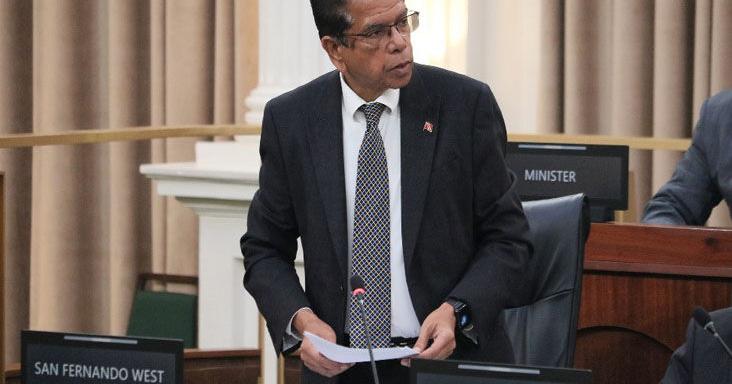
    During Wednesday’s parliamentary sitting held at the Red House in Port of Spain, Education Minister Dr Michael Dowlath addressed questions from Opposition Member of Parliament Dr Nyan Gadsby-Dolly, who centered her query on the widely circulated footage of the attack on a male student earlier that week. Gadsby-Dolly pressed for clarity on two key points: whether the Trinidad and Tobago Police Service (TTPS) had been officially brought into the case, and what steps had been launched to hold the students responsible for the beating accountable.

    Responding to the first set of questions, Dowlath confirmed that ministry officials have already received an initial incident briefing from Chaguanas South Secondary School, the campus where the assault took place. He confirmed that school administration has formally reached out to the Chaguanas Community Police unit, and the full investigation is currently underway under law enforcement oversight. For the implicated students, Dowlath noted that the school has already launched its internal disciplinary process, collecting written testimonies from both the involved students and independent witnesses. Parents of all implicated students have already been contacted and summoned to a meeting at the school, and the ministry has ordered the school to hold formal disciplinary hearings aligned with national education policy and the National School Code of Conduct, after which official disciplinary measures will be finalized. The ministry will maintain active oversight of the case to ensure the disciplinary process concludes properly and that the school continues full cooperation with the TTPS, Dowlath added.

    Turning to the broader question of systemic responses to rising campus violence, bullying, and gang-related activity in secondary schools, Dowlath outlined a series of updated and expanded measures the ministry has rolled out to improve school safety. Most notably, the ministry has recently revised and strengthened the National School Code of Conduct, adding more explicit, clear provisions governing violent acts, in-person bullying, cyberbullying, gang-associated behavior, weapon possession, and other severe instances of misconduct. He repeated that a zero-tolerance framework remains in full effect for all serious violent acts that put student safety at risk.

    To reinforce on-the-ground safety, the national Police in Schools Programme remains active across 51 of the nation’s highest-risk secondary schools, with supplementary police patrols and cross-agency partnership deployed when needed. The ministry’s Student Support Services Division continues to deliver targeted support for at-risk students, including professional counseling, behavioral intervention programs, psychosocial support, conflict resolution training, and external referrals for students requiring more intensive support. Individual schools also receive guidance and training on evidence-based behavioral management strategies, restorative justice practices, and timely conflict intervention to de-escalate tensions before they escalate into violence. Dowlath emphasized that the ministry maintains ongoing close collaboration with parents and local school communities to strengthen student oversight, improve disciplinary standards, and expand early intervention for at-risk youth. To close, he noted that the ministry continuously tracks data on student disciplinary actions and suspensions, using this data to refine intervention strategies and allocate support services where they are most needed.